作者: admin

  • Salesforce CEO apologises for saying Trump should send troops to San Francisco

    Salesforce CEO apologises for saying Trump should send troops to San Francisco

    Salesforce CEO Marc Benioff issued a public apology on Friday for his earlier suggestion that President Donald Trump should deploy National Guard troops to San Francisco. The controversial remark, made ahead of Salesforce’s annual Dreamforce conference, sparked widespread criticism from Democratic leaders and the public. Benioff clarified his stance in a social media post, stating, ‘Having listened closely to my fellow San Franciscans… I do not believe the National Guard is needed to address safety in San Francisco.’

    The incident unfolded against the backdrop of the Trump administration’s ongoing military deployments to various U.S. cities, many of which are governed by Democrats. On Friday, Trump urged the Supreme Court to overturn lower court rulings that blocked a National Guard deployment in Chicago, citing concerns over civil unrest. The Dreamforce convention, typically a celebratory event, was marred by canceled appearances from San Francisco Mayor Daniel Lurie and comedians Kumail Nanjiani and Ilana Glazer.

    Benioff faced public rebukes from prominent Democratic figures, including California Governor Gavin Newsom, who once served as San Francisco’s mayor. Venture capitalist Ron Conway resigned from the Salesforce Foundation board, expressing disillusionment with Benioff’s values. Despite his apology, Benioff defended his initial comments as stemming from an ‘abundance of caution’ regarding Dreamforce security.

    The controversy has highlighted the political tightrope walked by tech executives like Benioff, who have historically supported Democratic causes but occasionally align with Republican initiatives. Benioff, a prolific donor to San Francisco civic projects, has funded homeless services and owns Time Magazine. However, his recent appearance with Trump during a state visit to London and Salesforce’s reported pitch to the Trump administration for immigration enforcement services have further complicated his political standing.

    As the debate over National Guard deployments continues, the incident underscores the growing tension between Silicon Valley leaders and the political landscape they navigate.
  • Which are the key sectors to invest in the GCC in Q4?

    Which are the key sectors to invest in the GCC in Q4?

    As the fourth quarter of 2025 unfolds, financial and real estate sectors are poised to dominate the Gulf Cooperation Council (GCC) markets, according to industry analysts. Philip Philippides, CEO of Mashreq Capital, highlighted the resilience of Dubai’s commercial real estate and the robust fundamentals of regional banks as key drivers of growth. In contrast, the materials sector is expected to underperform due to weak operational momentum. Sector rotation is anticipated to favor defensive and reform-linked plays, particularly in financial services and real estate. GCC markets remain relatively insulated from global trade tensions, with diversified export profiles and strategic trade relationships providing a buffer against escalating global conflicts. Anticipated Federal Reserve rate cuts and synchronized global monetary easing are expected to positively impact GCC financial markets, easing financial conditions and stimulating consumption, investment, and asset valuations. GCC central banks, tied to the US dollar, will mirror Fed moves, transmitting rate cuts directly into local money markets. Lower rates are expected to boost consumer spending, SME investment, real estate activity, and tourism. In fixed income, sovereign and quasi-sovereign credits offer attractive carry and mid-duration opportunities, with expected spread compression and renewed global inflows enhancing credit profiles and reducing refinancing risk. Despite tight spreads and a strong year-to-date rally, low-single-digit returns are achievable in Q4, primarily driven by carry, with additional potential upside from anticipated Fed rate cuts. On the equity side, the oil price outlook is largely priced in, with Saudi Arabia’s underperformance reflecting subdued oil sentiment. However, double-digit earnings growth, attractive valuations, and ongoing diversification reforms across tourism, finance, and logistics sectors provide structural support to regional equity markets. Monetary easing will further enhance credit growth and equity performance. The divergence in performance across GCC markets is likely to persist, with Oman and Kuwait retaining upside potential due to their reform-driven narratives. Mena credit continues to offer value, with current index yields at approximately 5.5% providing a compelling carry proposition. The 5–10 year segment of sovereign and quasi-sovereign bonds from countries like Saudi Arabia, Turkey, Egypt, and Morocco presents strong total return potential. GCC sukuk issuance is expected to remain robust in Q4, with Saudi Arabia and the UAE leading the charge. Investor appetite for sustainability-linked sukuk (SLS) and digital sukuk is poised to accelerate, driven by global ESG mandates and net-zero commitments. The ESG sukuk market is expected to surpass $50 billion outstanding in 2025, with GCC issuers playing a leading role. A sustained and disorderly decline in oil prices could materially impact government revenues, leading to reduced spending and weaker sentiment around IPOs and project awards. However, the base case remains for stable oil prices, with Saudi Arabia’s leadership emphasizing flexibility in fiscal policy and a continued focus on infrastructure, mega events, and gas output expansion.

  • Salama shareholders approve capital restructuring

    Salama shareholders approve capital restructuring

    Islamic Arab Insurance Company (Salama), a prominent Takaful provider in the UAE, has secured shareholder approval for a comprehensive capital restructuring plan aimed at restoring solvency and enhancing its financial standing. The decision, ratified during the General Assembly on October 16, 2025, includes a capital reduction to offset accumulated losses and the cancellation of treasury shares. Following final approval by the Securities and Commodities Authority (SCA), Salama will issue up to Dh175 million in Mandatory Convertible Sukuk (MCS) through a special purpose vehicle. These sukuk will be allocated to a select group of strategic investors and will be mandatorily converted into new shares under agreed terms. This move is a pivotal step in Salama’s strategy to ensure regulatory compliance, stabilize its financial foundation, and support future growth. Mohamed Ali Bouabane, Group CEO of Salama, emphasized that the restructuring underscores the company’s commitment to strengthening its balance sheet and meeting regulatory capital requirements. He highlighted the unwavering support of shareholders and investors as a testament to their confidence in Salama’s long-term stability. The company’s financial performance in the first half of 2025 reflects this progress, with total equity rising to Dh351.84 million, a 5.2% year-on-year increase, and a net profit of Dh8.25 million. Takaful revenue also reached Dh515.36 million, showcasing disciplined operations and improved profitability. S&P Global Ratings has affirmed Salama’s long-term issuer credit and insurer financial strength rating at ‘BBB-’ with a Developing outlook, further validating its improving fundamentals and capital position.

  • MongoDB taps into MEA’s AI momentum and data sovereignty push at Gitex Global 2025

    MongoDB taps into MEA’s AI momentum and data sovereignty push at Gitex Global 2025

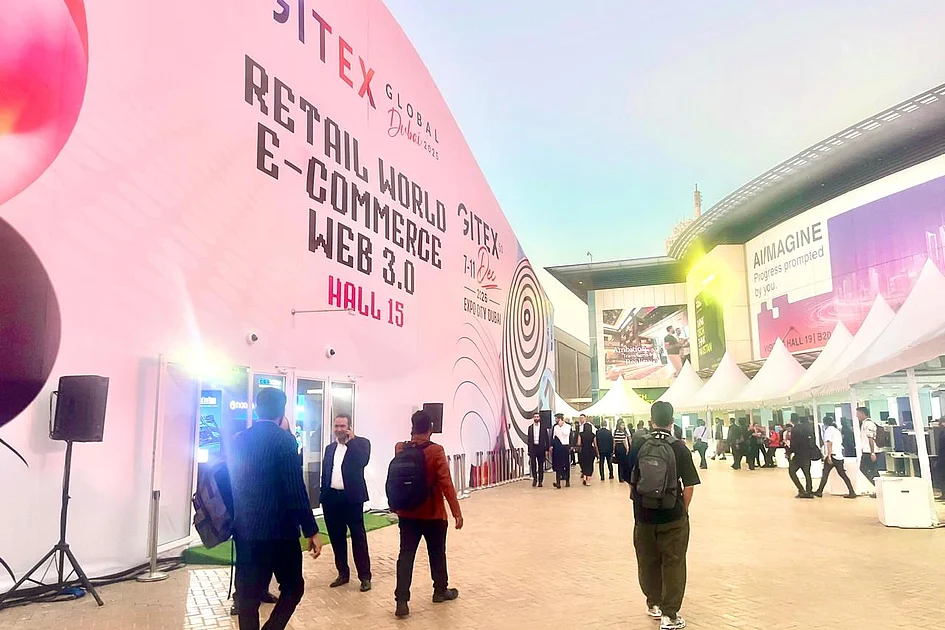
    At Gitex Global 2025, MongoDB emerged as a key player in the Middle East and Africa’s (MEA) digital transformation, aligning its strategy with the region’s accelerating AI ambitions and data sovereignty initiatives. The event marked a significant shift from AI experimentation to enterprise-grade deployment, with MongoDB positioning itself as a foundational platform for building intelligent, secure, and compliant applications.

    MongoDB showcased its latest innovations, including context-aware embedding models and self-managed vector search, designed to meet the growing demand for production-grade AI solutions. These tools enable organizations to scale AI applications across sectors like smart cities, healthcare, and education. The company’s Model Context Protocol (MCP) Server, which integrates MongoDB deployments with AI assistants like GitHub Copilot and Claude, further simplifies developer interactions with data using natural language.

    Anders Irlander Fabry, MongoDB’s Regional Director for MEA, emphasized the company’s alignment with the region’s evolving tech landscape. He highlighted MongoDB’s diverse offerings, from the open-source MongoDB Community edition to enterprise-grade solutions and MongoDB Atlas, its fully managed cloud database. These are complemented by professional services, training, and consulting aimed at maximizing the value of data infrastructure.

    Fabry noted the region’s phenomenal momentum, citing MongoDB’s rapid growth from fewer than five employees to over 25 in just two years. This growth reflects the urgency with which organizations are embracing digital transformation, driven by Gulf governments’ investments in technology as a pillar of economic diversification.

    To support this transition, MongoDB is investing heavily in developer enablement, offering user groups, events, and free onboarding sessions. Fabry envisions explosive growth for MongoDB and the broader AI ecosystem in MEA, with the technology stack creating tens of thousands of jobs and redefining industries.

    With its flexible architecture, regional presence, and focus on AI-readiness, MongoDB is well-positioned to capitalize on MEA’s digital future, making its timing at Gitex Global 2025 particularly strategic.

  • Voxtron eyes AI-driven growth in UAE’s customer experience market

    Voxtron eyes AI-driven growth in UAE’s customer experience market

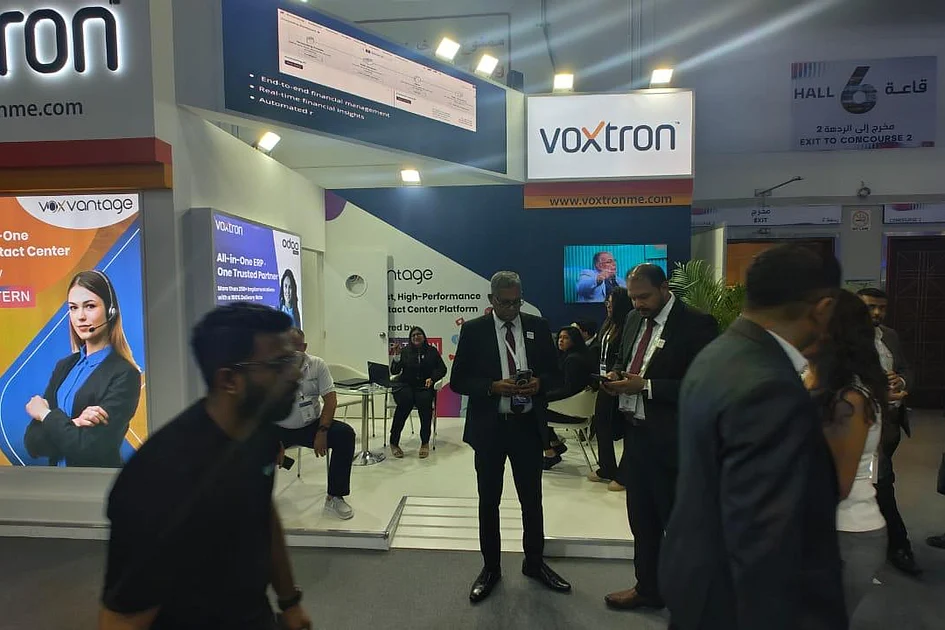
    As the UAE accelerates its digital transformation, Voxtron Middle East is emerging as a key player in revolutionizing customer experience (CX) through artificial intelligence (AI). Established in 2010, the Dubai-based systems integrator has expanded its offerings from omnichannel contact centers to comprehensive customer engagement ecosystems powered by AI. With over 250 clients across the Middle East, Voxtron is leveraging its expertise to meet the evolving demands of businesses and consumers alike. P. Thomas, CEO of Voxtron, emphasized the company’s shift from traditional contact center solutions to advanced tools like ERP systems, virtual agents, and digital engagement platforms. ‘Our goal is to enhance how companies connect with their customers across all channels,’ Thomas stated during an interview at Gitex Global. Voxtron’s flagship products, including the cloud-based Voxvantage Contact Center as a Service (CCaaS) and Engage 360, are designed to streamline operations, personalize interactions, and reduce costs. The company has also integrated its solutions with platforms like Microsoft Dynamics 365 and Odoo ERP. Recognizing the preferences of younger consumers, particularly Gen Z, Voxtron has prioritized mobile-friendly and social media-integrated solutions. ‘Younger customers prefer instant, intuitive engagement through platforms they already use,’ Thomas explained. The UAE’s tech-savvy market has been instrumental in Voxtron’s growth, with businesses actively seeking strategic solutions to stay competitive. Voxtron’s partnerships with global tech leaders such as Microsoft, Enghouse Interactive, and Kore.ai have enabled it to deliver AI-enhanced services, including conversational bots and intelligent routing systems. Looking ahead, Thomas envisions AI as the cornerstone of CX, with applications ranging from predictive analytics to virtual agents. ‘AI will be embedded in every aspect of CX,’ he said. With the UAE government increasing its investment in AI and digital infrastructure, Voxtron anticipates sustained demand for innovative, scalable CX solutions. ‘We’re not just reacting to trends; we’re helping shape them,’ Thomas concluded.

  • Smart home entertainment gains ground in the Gulf as Valerion eyes regional expansion

    Smart home entertainment gains ground in the Gulf as Valerion eyes regional expansion

    The Gulf region is witnessing a surge in demand for smart home technologies, with high-end entertainment systems leading the charge. At Gitex Global Dubai, Valerion CEO Andy Zhao introduced the VisionMaster Max, a cutting-edge projector designed to integrate seamlessly into modern smart homes. This launch underscores the region’s growing appetite for immersive, design-forward technology that blends luxury with functionality. The Middle East, alongside the U.S., Europe, Japan, and Australia, is one of Valerion’s fastest-growing markets, driven by high income levels and a preference for refined living. Zhao emphasized that Valerion is not merely selling products but promoting a lifestyle. The company has already made its products available on platforms like Amazon and Noon and is actively seeking distribution partners across the Gulf to ensure seamless installation and support. Industry analysts highlight that this move aligns with broader regional trends, including rising demand for smart home integration, luxury tech experiences, and products that merge design with utility. The VisionMaster Max is compatible with major automation platforms such as Apple HomeKit, Google Home, Control4, Savant, and Crestron, catering to tech-savvy homeowners seeking convenience and control. The projector addresses long-standing issues in projector technology, such as the rainbow effect (RBE), which Valerion claims to be the first in the industry to resolve, enhancing visual clarity for sensitive viewers. Zhao’s ambitious vision for the region aims to redefine global home entertainment, drawing comparisons to iconic brands like Apple and Aston Martin. While it remains to be seen whether Valerion will achieve market dominance, its focus on innovation and lifestyle alignment positions it well in a rapidly evolving consumer landscape.

  • UAE: Partial road closure announced in Abu Dhabi’s Al Dhafra for nearly a month

    UAE: Partial road closure announced in Abu Dhabi’s Al Dhafra for nearly a month

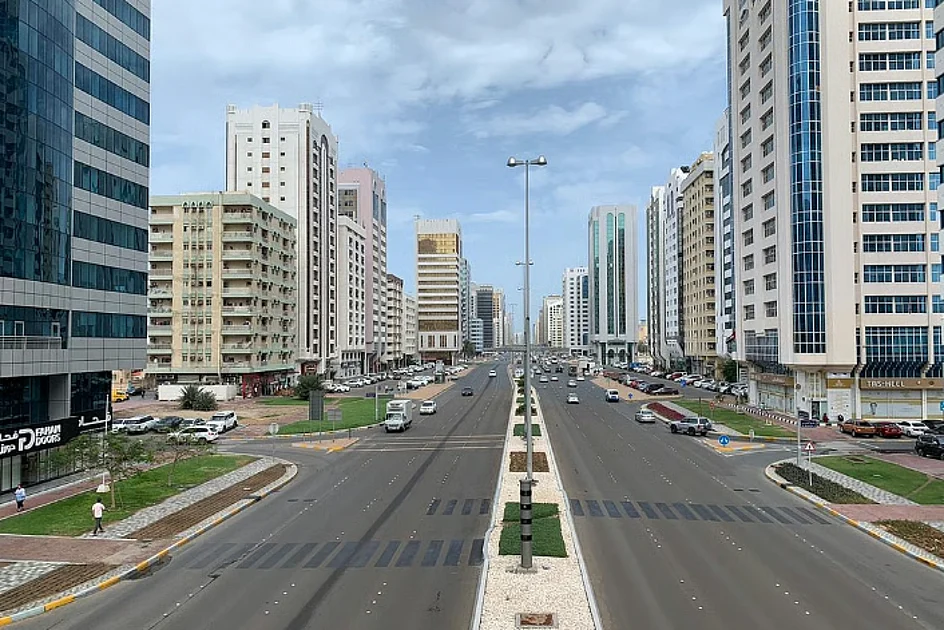
    Abu Dhabi’s Al Dhafra region will experience a significant disruption in traffic flow as authorities announce a partial road closure on Sheikh Khalifa Bin Zayed International Road (E11). The closure, which affects two right lanes heading towards Abu Dhabi, will be in effect from midnight on Sunday, October 19, until 6am on Thursday, November 13. Motorists are strongly advised to seek alternative routes during this period to avoid delays. This development follows a recent 10-day partial closure on Sheikh Zayed Bin Sultan Street (E10) due to roadworks, which concluded on October 20. The latest closure underscores the ongoing infrastructure improvements in the UAE capital, aimed at enhancing road safety and efficiency. Commuters are encouraged to stay updated on traffic advisories and plan their journeys accordingly. For real-time updates, residents can follow official channels such as KT on WhatsApp Channels.

  • ‘We have to prioritise South Africans’: Anti-migrant movement blocks foreigners from healthcare

    ‘We have to prioritise South Africans’: Anti-migrant movement blocks foreigners from healthcare

    In South Africa, Operation Dudula, once a grassroots anti-migrant movement, has evolved into a political party, sparking nationwide debate over access to public services for foreigners. The group, whose name means ‘to remove by force’ in Zulu, has intensified its campaign by blocking non-South Africans from entering public health facilities in provinces like Gauteng and KwaZulu-Natal. Despite arrests, authorities have struggled to curb their activities, leaving migrants and even some locals without essential healthcare.

  • Buying more, wearing less – why India’s Diwali gold rush is different

    Buying more, wearing less – why India’s Diwali gold rush is different

    As the Hindu festival of Diwali approaches, India’s gold market is witnessing a significant transformation. Despite soaring prices—gold has surged by 60% and silver by 70% this year—Indians are flocking to markets, driven by cultural traditions and investment opportunities. In Delhi’s bustling Lajpat Nagar neighborhood, jewelry shops are packed with customers, even on holidays, as the festive spirit fuels demand for gold and silver coins, bars, and jewelry. While high prices have slightly dampened jewelry purchases, they have also sparked a fear of missing out (FOMO) among buyers, leading to a shift toward investment-driven acquisitions. Retailers like Prakash Pahlajani of Kumar Jewels report increased footfall, with customers opting for smaller, lighter pieces to manage budgets. The World Gold Council (WGC) notes a clear trend: investment demand for gold, particularly in bars, coins, and exchange-traded funds (ETFs), has risen sharply, now accounting for 35% of total demand, up from 19% in 2023. Meanwhile, jewelry’s share has declined to 64%. India’s central bank, the Reserve Bank of India (RBI), has also been a major player, increasing its gold reserves to 14% of foreign exchange holdings in 2025, aiming to diversify assets and reduce dollar dependency. Experts predict that despite record prices, demand will remain robust during the festive and wedding seasons, especially among affluent buyers. However, lower-income families are feeling the pinch, with some delaying purchases in hopes of price drops. India’s deep cultural affinity for gold, coupled with its role as a wealth-preserving asset, ensures its enduring appeal, even as prices take some shine off the festive season.

  • ‘It’s scary to think I could have died’: How Americans are coming back from fentanyl addiction

    ‘It’s scary to think I could have died’: How Americans are coming back from fentanyl addiction

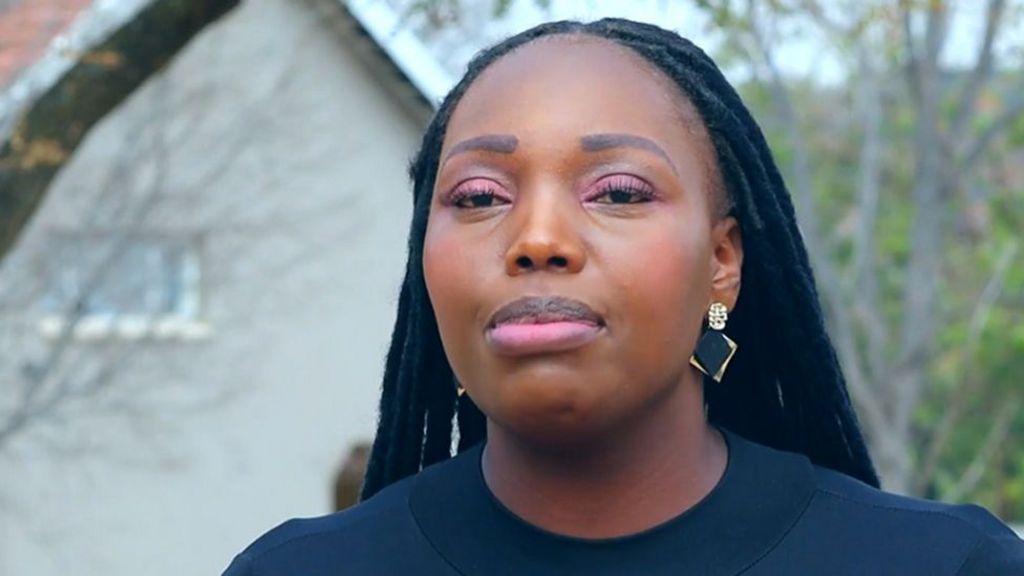
    Kayla, a young woman from North Carolina, recalls her harrowing journey into fentanyl addiction, which began at the age of 18. ‘I felt amazing. The voices in my head just went silent. I got instantly addicted,’ she says. The blue pills she consumed, likely smuggled from Mexico, carried an unpredictable and deadly dose of fentanyl, a synthetic opioid 50 times more potent than heroin. ‘It’s scary to think I could have overdosed and died at any moment,’ she reflects. In 2023, the U.S. witnessed over 110,000 drug-related deaths, with fentanyl driving the crisis. However, 2024 marked a turning point, as fatal overdoses dropped by 25%, saving nearly 30,000 lives. North Carolina, Kayla’s home state, led this decline with a 35% reduction in overdose fatalities, thanks to innovative harm reduction strategies. These strategies prioritize health and recovery over criminalization, offering programs like Law Enforcement Assisted Diversion (LEAD), which redirects substance users toward treatment and support. Kayla, now a certified nurse assistant, credits LEAD and methadone treatment for her recovery. ‘This is the longest time I’ve been clean,’ she says. Across North Carolina, over 30,000 people are enrolled in similar programs, with clinics like the Morse Clinics providing medication-assisted treatment (MAT) to help patients stabilize their lives. Dr. Eric Morse, who runs nine MAT clinics, emphasizes harm reduction: ‘Even if patients still use street drugs occasionally, their survival rate increases significantly.’ However, not everyone supports this approach. Mark Pless, a Republican state representative, advocates for abstinence-based programs, arguing that medications like methadone merely replace one addiction with another. Despite such criticisms, naloxone, a life-saving overdose reversal drug, has been administered over 16,000 times in North Carolina, preventing countless deaths. Governor Josh Stein has also played a pivotal role, securing $1.5 billion from a $60 billion national opioid settlement to fund prevention, treatment, and harm reduction initiatives. Yet, challenges remain, particularly for marginalized communities and states like Nevada and Arizona, where overdose rates remain stubbornly high. Kayla’s story is one of hope and resilience, but the fight against the opioid epidemic is far from over.