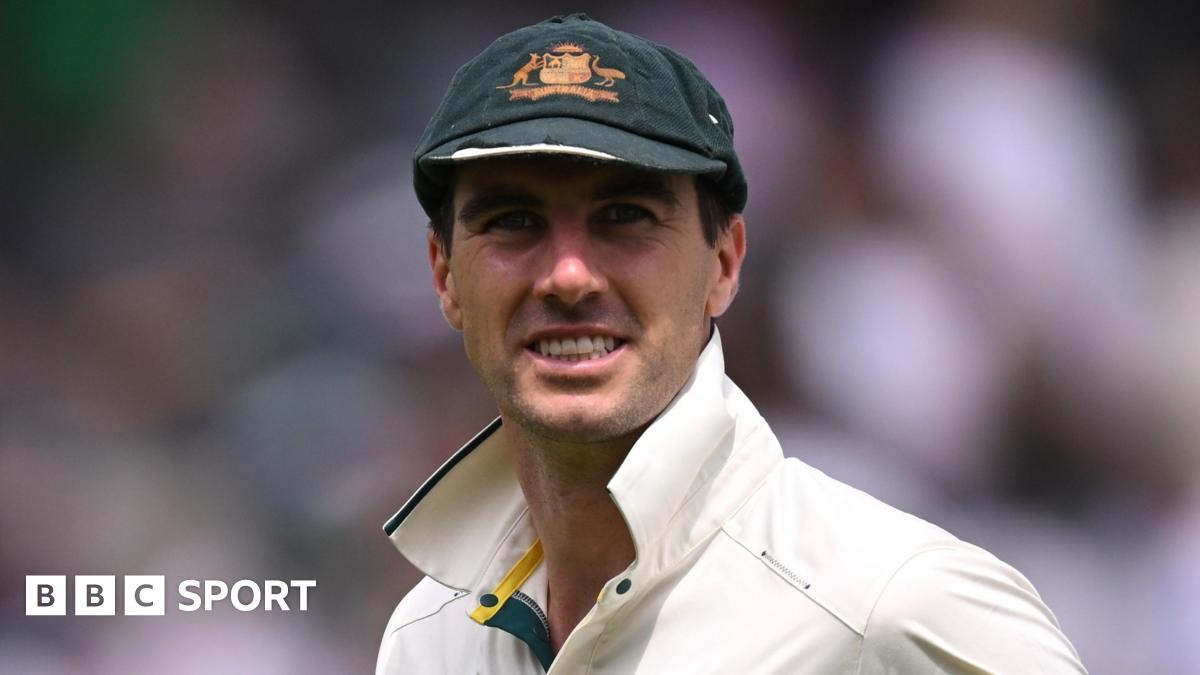
Australian cricket captain Pat Cummins is expected to play a significant role in the upcoming Ashes series against England, according to George Bailey, the chair of selectors. Despite concerns over a lingering back stress injury, Bailey expressed optimism about Cummins’ participation in the five-Test series, which begins on November 21 in Perth. Cummins, who has a storied history of back issues, was sidelined from recent limited-overs matches against New Zealand and India after scans revealed a lumbar bone stress. However, Bailey emphasized that Cummins is ‘building up’ and remains a key figure in Australia’s plans. ‘We are really confident that he’s going to play a major part,’ Bailey stated, adding that Cummins’ recovery is progressing positively. Should Cummins not be fit for the first Test, former captain Steve Smith is poised to lead the team. Meanwhile, all-rounder Cameron Green, who was withdrawn from the ODI series against India due to side soreness, is expected to be ready for the Ashes after participating in the Sheffield Shield. Bailey described Green’s injury as ‘minor’ and expressed confidence in his readiness. The Ashes series, a historic rivalry between Australia and England, promises high stakes and intense competition, with Cummins’ fitness being a critical factor for Australia’s success.
作者: admin
-
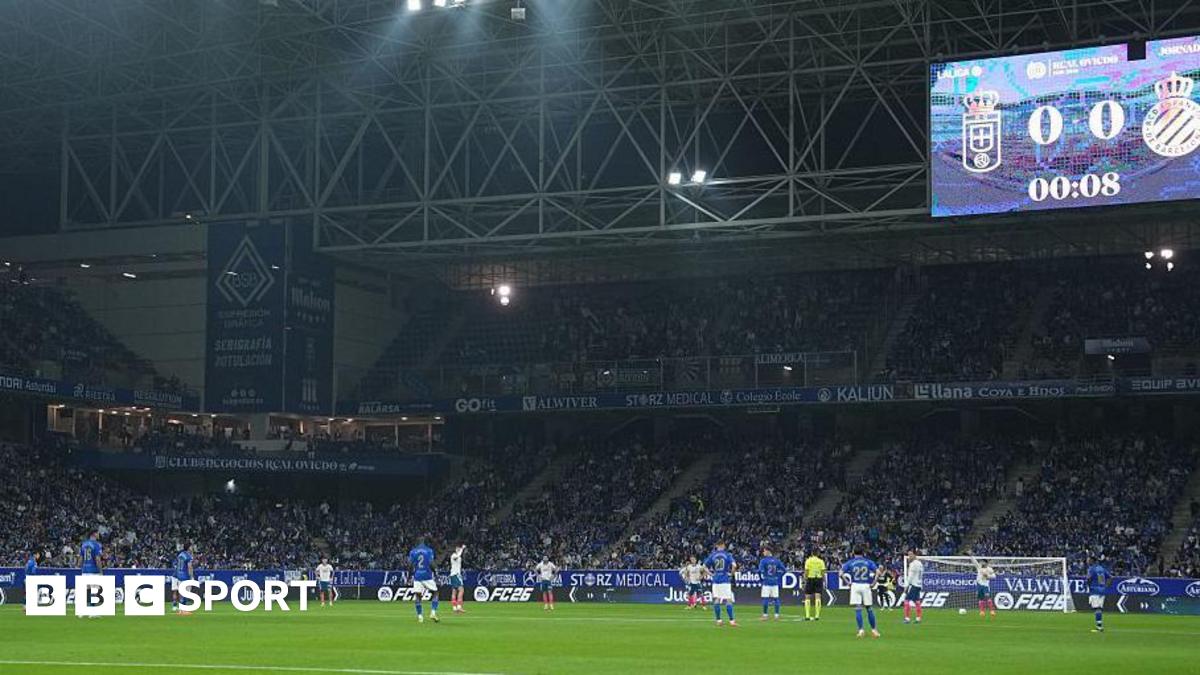
Oviedo and Espanyol players stand still in protest
In a striking display of dissent, players from Oviedo and Espanyol staged a symbolic protest during their La Liga match on Friday, refusing to move for the first 15 seconds in response to the league’s decision to host a game in Miami. The protest targeted La Liga’s lack of transparency and dialogue regarding the relocation of Villarreal’s fixture against Barcelona to the Hard Rock Stadium on December 20. The Spanish Footballers’ Association (AFE) coordinated the protest, emphasizing their rejection of a project they claim lacks player approval and adequate labor protections. La Liga, however, refuted these accusations, expressing a willingness to engage in dialogue with the AFE. The protest was not broadcast live, as cameras shifted to the stadium’s exterior. The AFE announced that similar demonstrations would occur in remaining La Liga games this weekend, though Barcelona and Villarreal players were excluded to avoid misinterpretation. The controversy follows the Italian football federation’s decision to host a Serie A match in Perth, Australia. Barcelona coach Hansi Flick voiced his displeasure with the Miami game, while Real Madrid and Uefa expressed opposition and reluctant approval, respectively. RFEF president Rafael Louzan and Barcelona president Joan Laporta defended the move, calling it beneficial for football.
-
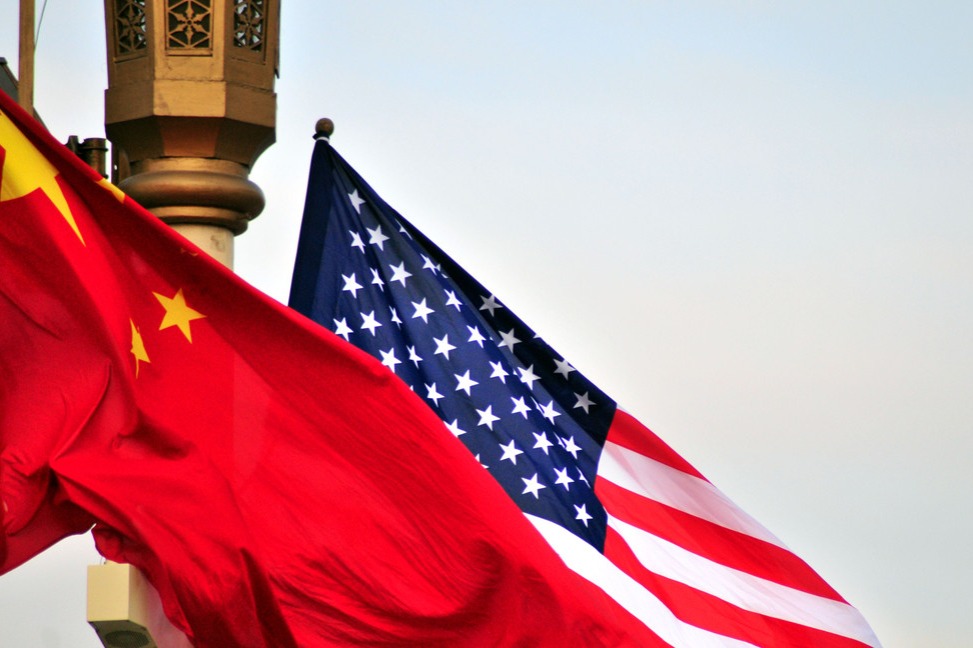
China-US officials hold economic talks
In a significant development for bilateral relations, China’s Vice-Premier He Lifeng, who oversees China-US economic and trade affairs, engaged in a high-level video conference with US Treasury Secretary Scott Bessent and US Trade Representative Jamieson Greer on Saturday morning. The meeting, reported by Xinhua News Agency, underscored the commitment of both nations to addressing critical issues in their economic partnership. The discussions were characterized by their candid, in-depth, and constructive nature, focusing on implementing the key agreements reached by the leaders of both countries during their earlier phone conversation this year. Both sides agreed to expedite the scheduling of a new round of economic and trade consultations, signaling a proactive approach to resolving ongoing challenges and fostering mutual economic growth. This dialogue marks a pivotal step in reinforcing the economic ties between the two global powers, amidst a complex international landscape.
-
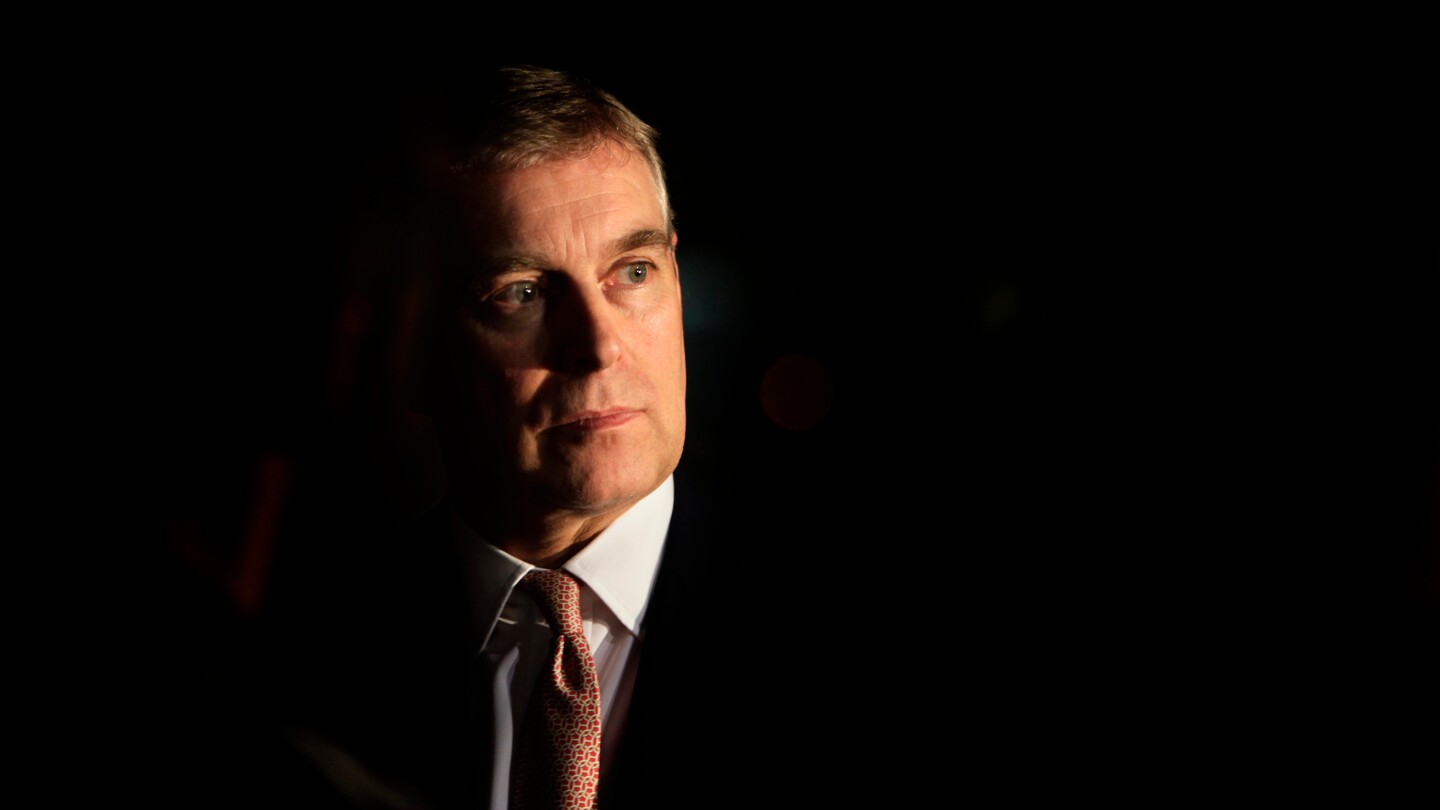
One scandal too many forces UK monarchy to sideline Prince Andrew
The British monarchy has taken decisive action to distance itself from Prince Andrew following a series of damaging revelations about his association with convicted sex offender Jeffrey Epstein. Buckingham Palace announced on Friday that Andrew, the second son of the late Queen Elizabeth II, has agreed to relinquish his remaining royal titles, including the Duke of York, to prevent further distractions from the monarchy’s public duties. This move comes after emails surfaced this week showing that Andrew maintained contact with Epstein longer than he had previously admitted, contradicting his earlier claims and misleading the British public. Craig Prescott, a constitutional law expert at Royal Holloway University of London, described this as the “straw that broke the camel’s back,” emphasizing the severity of the deception. The decision to strip Andrew of his titles marks the culmination of a years-long process that began in 2019 when he stepped back from public duties following a disastrous BBC interview addressing his ties to Epstein and allegations of sexual misconduct. The interview, widely criticized for its lack of empathy and implausible explanations, set the stage for this week’s revelations. Andrew’s banishment from royal life underscores King Charles III’s efforts to modernize and stabilize the monarchy, particularly as he prepares for a significant state visit to the Vatican. The king is also motivated by a desire to protect the reputations of Queen Camilla and the Duchess of Edinburgh, who have championed causes related to domestic and sexual violence. By severing ties with Andrew, the monarchy aims to insulate itself from further scandal and reaffirm its commitment to public service.
-
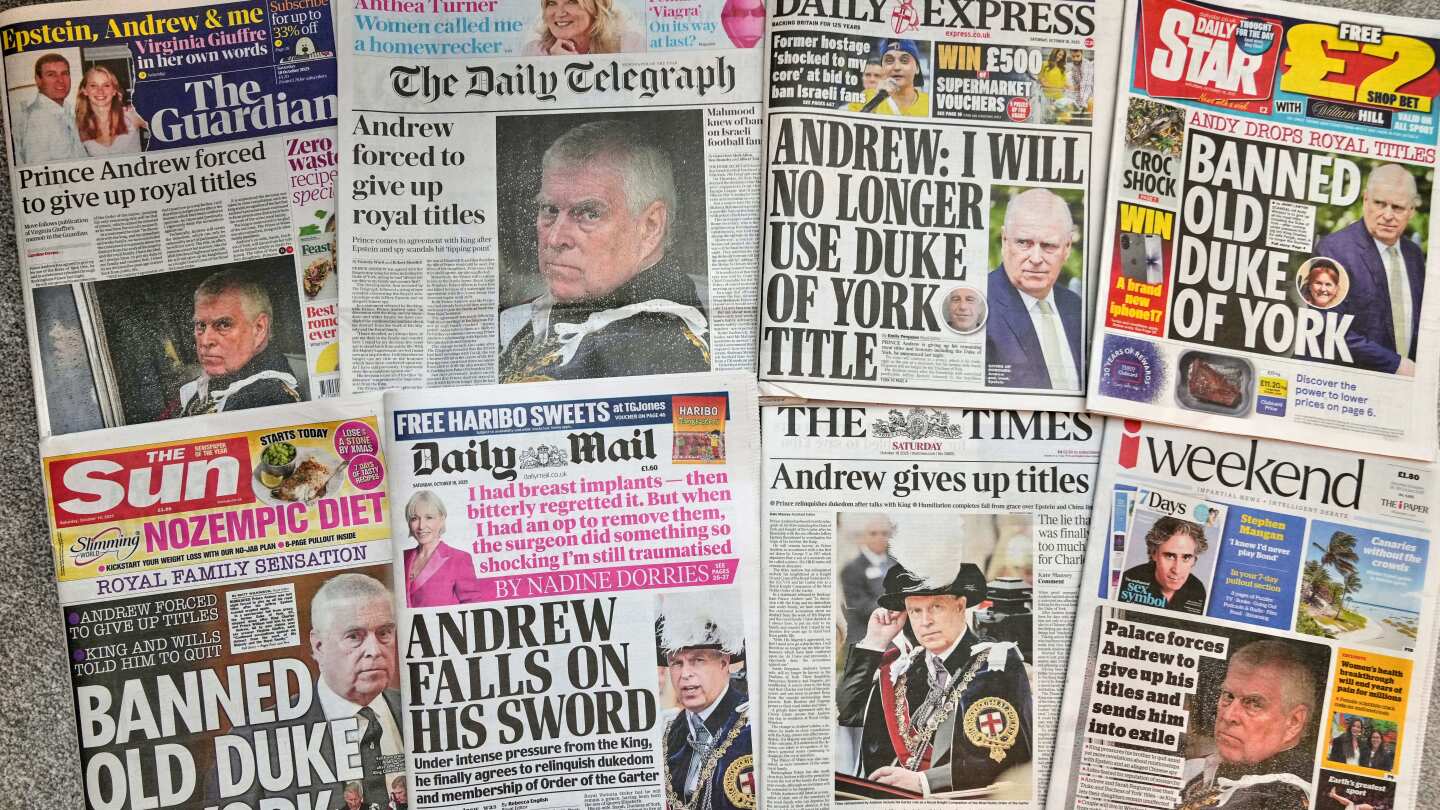
A look at Prince Andrew’s antics and scandals that have tried royal patience for decades
In a dramatic turn of events, Britain’s Prince Andrew has been compelled to relinquish his remaining royal titles, marking a significant fall from grace for the once-prominent royal figure. This decision, orchestrated by his brother King Charles III, comes in the wake of mounting controversies surrounding Andrew’s association with convicted pedophile Jeffrey Epstein. Over the past four decades, Andrew’s actions have repeatedly embarrassed the royal family, sparking lawsuits, public outrage, and allegations of exploiting his royal status for personal gain. The prince’s tumultuous journey includes a series of scandals that have tarnished his reputation and ultimately led to his banishment from public life. In 1984, Andrew made headlines for spraying reporters with paint during a visit to Los Angeles, an incident he later described as enjoyable. In 2007, he sold his Sunninghill Park estate for a price significantly above market value, raising suspicions of an influence-peddling scheme involving a Kazakh businessman. The prince’s troubles escalated in 2010 when his ex-wife, Sarah Ferguson, was caught on camera allegedly offering access to Andrew for £500,000. The following year, Andrew resigned as Britain’s special trade envoy amid revelations of his ties to Epstein and other controversial figures. The Epstein scandal reached its peak in 2019 when Andrew faced allegations of sexual misconduct with underage victims trafficked by Epstein. A disastrous BBC interview later that year further damaged his credibility, as he failed to express remorse for Epstein’s victims. By 2022, Andrew settled a civil lawsuit filed by Virginia Giuffre, who accused him of sexual abuse, though he admitted no wrongdoing. In 2024, new concerns emerged about his association with a suspected Chinese spy, prompting national security alarms. The prince’s downfall culminated in 2025 with the tragic suicide of Giuffre and the revelation of a 2011 email to Epstein, contradicting his earlier claims of severed ties. These events have irrevocably stained Andrew’s legacy, forcing the royal family to distance itself from his actions.
-

UAE: Do you share your child’s photos online? Experts warn of cyber risks
In the digital age, sharing children’s photos online has become a common practice for many parents, often seen as a way to celebrate milestones or express pride. However, cybersecurity experts are raising alarms about the significant risks associated with this seemingly innocent habit. Sara Al Kindi, a cybersecurity expert, highlights that every image or detail shared can lead to identity theft, misuse of facial recognition technology, location tracking, grooming, and exploitation. Once uploaded, these images are often permanently stored on servers, leaving a lasting digital footprint beyond parental control. According to Kaspersky’s Growing Up Online study, 48% of parents in the Middle East, Turkey, and Africa share their children’s photos on social media, with 28% doing so without privacy restrictions. This exposes children to potential misuse by strangers. Maryam Hassan, a Dubai-based mother, shared her experience of switching her Instagram account to private after strangers began commenting on her children’s photos. Priyanka Chatterjee, CEO of the London College of Cyber Security, emphasized that routine details like school names and addresses can make children vulnerable to real-world exploitation. She also warned about the rise of AI-generated child exploitation material, which has seen a dramatic increase in recent months. Dr. Saleha Afridi, a clinical psychologist, advises parents to consider their children’s consent and avoid sharing sensitive information publicly. Experts recommend using private cloud storage, encrypted platforms, and removing identifying details from posts to safeguard children’s privacy and security.
-
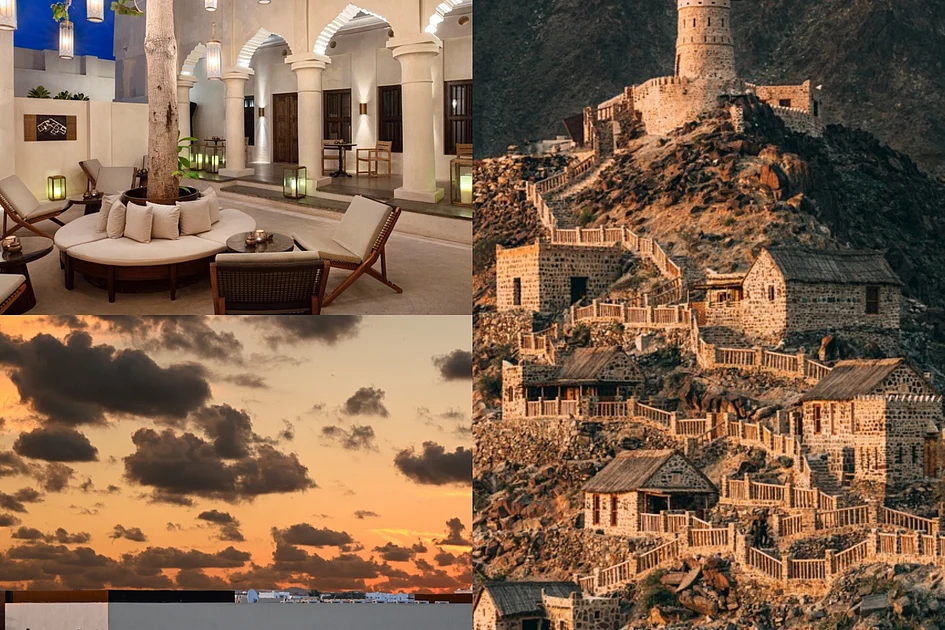
Look: Sharjah projects breathe life into ancient buildings to preserve heritage
In a world increasingly dominated by rapid modernization, Sharjah is taking a distinctive approach by prioritizing heritage preservation as a cornerstone of sustainable development. Across the emirate, historic buildings, traditional souqs, and entire neighborhoods are being meticulously restored, transforming them into vibrant cultural and economic hubs that honor the past while embracing the future. These efforts span from the bustling Heart of Sharjah district to remote mountain villages and desert outposts, showcasing a commitment to preserving architectural and cultural identity. Restoration teams are using original materials such as clay, coral stone, gypsum, and wood to breathe new life into structures dating back over a century. This ambitious initiative has positioned Sharjah as a regional leader in heritage conservation, with UNESCO highlighting the economic benefits of cultural heritage sites, which stimulate local economies through tourism and job creation. While restoring heritage buildings can cost 30 to 50 percent more than modern construction, the long-term cultural and economic returns are proving substantial. Key projects include the Heart of Sharjah, a massive historical restoration project revitalizing traditional souqs and centuries-old homes; The Chedi Al Bait, a luxury hotel housed in restored historic homes; Najd Al Meqsar, a mountain heritage retreat; and Al Faya Retreat, a desert lodge housed in a restored 1960s clinic and petrol station. These projects reflect Sharjah’s philosophy of viewing cultural identity as a living, evolving element of sustainable development, ensuring that the emirate’s rich history continues to inspire future generations.
-

Ras Al Khaimah: Why more young citizens are turning to entrepreneurship
Ras Al Khaimah, one of the UAE’s seven emirates, is rapidly becoming a focal point for youth-driven entrepreneurship, with 180 new youth-led projects launched this year alone. This surge in entrepreneurial activity highlights the emirate’s commitment to fostering innovation and financial independence among its young citizens. Youssef Muhammad Ismail, Chairman of the Supreme Committee of the Saud bin Saqr Foundation for Youth, revealed that the foundation has supported over 2,650 establishments to date, with 35% now fully operational and the remainder in various stages of development. Ismail emphasized that entrepreneurship offers young Emiratis a sustainable pathway to financial stability, enabling them to balance long-term income and retirement goals. He also stressed the importance of aligning small and emerging businesses with international standards and fostering global partnerships. By 2026, Ismail predicts increased collaboration between international firms and UAE-based startups, creating new opportunities for market expansion. Entrepreneurs are encouraged to focus on sustainable growth, form local alliances, and build robust internal structures to enhance global competitiveness. Ras Al Khaimah’s business-friendly environment, characterized by streamlined licensing processes and cross-ministry support, has been instrumental in transforming small home projects into fully established enterprises. Abdullah Al Balooshi, owner of T House, credited the emirate’s supportive ecosystem for his business’s success, noting faster licensing and priority processing as key advantages. Despite challenges in staffing and supply chain management, Al Balooshi plans to expand T House within the UAE and beyond. With continued institutional backing, Ras Al Khaimah is solidifying its position as a dynamic center for youth entrepreneurship and sustainable business growth in the UAE.
-
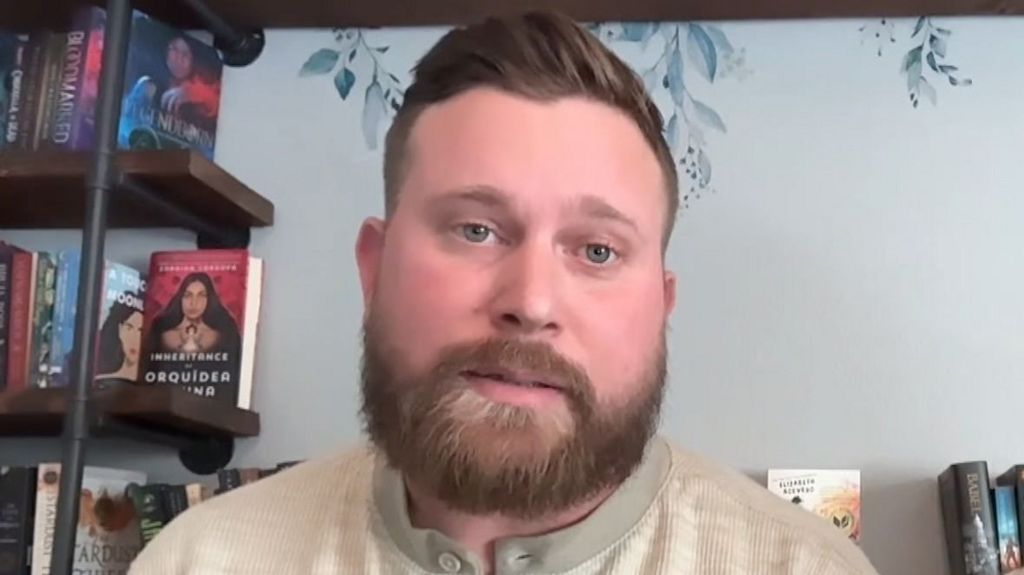
‘It’s a joyous moment’ – Brother of Prince Andrew accuser
In a recent interview with BBC Newsnight, Sky Roberts, the brother of Virginia Giuffre—the woman who accused Prince Andrew of sexual assault—expressed the family’s complex emotions following the prince’s decision to relinquish his royal titles. Roberts described the moment as ‘joyous’ yet acknowledged the mixed feelings within the family. The announcement marks a significant chapter in the ongoing controversy surrounding Prince Andrew, who has faced intense public scrutiny and legal battles. While the family views the development as a step toward accountability, the emotional toll of the prolonged ordeal remains palpable. The decision to strip Prince Andrew of his titles has been seen as a move by the royal family to distance itself from the scandal, which has tarnished its reputation. Roberts’ comments highlight the personal impact of the case on those directly involved, underscoring the broader implications for the monarchy and public trust.
-
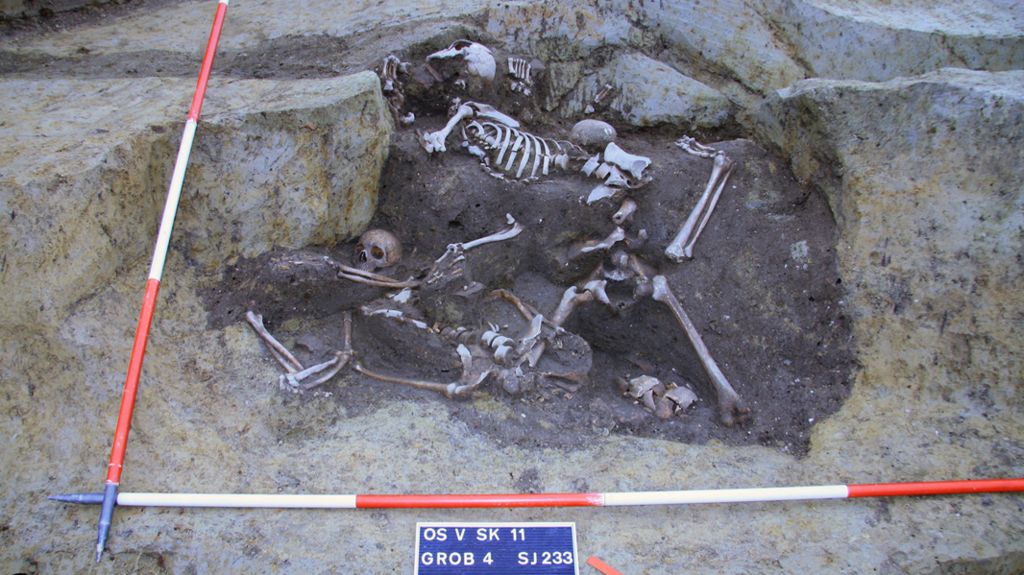
Skeletons found in mass grave are ancient Roman soldiers, study finds
A groundbreaking archaeological discovery in Croatia has shed light on the lives and deaths of seven Roman soldiers who lived approximately 1,700 years ago. The remarkably well-preserved skeletons, unearthed in 2011 at the site of the ancient Roman city of Mursa (modern-day Osijek), were found in a mass grave that researchers believe was originally a water-well. The findings, detailed in a new research paper, suggest these men were likely victims of the tumultuous ‘Crisis of the Third Century,’ particularly the Battle of Mursa in 260 CE, a period marked by violent conflicts over imperial succession. The skeletons, belonging to men aged between 36 and 50, exhibited signs of robust physicality and a primarily vegetarian diet, though some had consumed meat and seafood. All bore evidence of both healed and unhealed injuries, including blunt force trauma and puncture wounds likely caused by arrows or spears. Additionally, DNA analysis revealed a diverse ancestry, indicating none were local to the region. The researchers noted that mass burials were uncommon in the Roman Empire, typically reserved for extreme circumstances such as large-scale battles. The discovery underscores Mursa’s historical significance as a hub of trade, craft, and conflict during the Roman era.