
The United Arab Emirates (UAE) is rapidly advancing toward a cashless economy, with the recent merger between Network International and Magnati marking a significant milestone in the region’s digital payments evolution. This strategic consolidation aligns with the UAE’s ambition to become a global leader in digital finance, leveraging a tech-savvy population, high smartphone penetration, and robust regulatory support. Murat Cagri Suzer, Group CEO of Network International, emphasized that the merger transforms the company into a fintech platform capable of redefining digital commerce across the Middle East and Africa (MEA). The combined entity now serves over 250 financial institutions, 240,000 merchants, and 25 million cardholders across 50+ markets, positioning itself at the forefront of a region where digital payments are growing at twice the global average. The UAE’s card payments market is projected to grow by 10.6% in 2025, reaching Dh565.5 billion, while the Buy Now, Pay Later (BNPL) market is expected to double by 2030. Government initiatives, such as Dubai’s Cashless Strategy and national platforms like Aani and Jaywan, are driving this transformation. The merger enables Network International to offer a broader suite of services, including data analytics, small business lending, and advanced fraud prevention. The company is also investing in cutting-edge technologies like AI, biometrics, and tokenization to enhance security and customer experiences. As digital payments become increasingly embedded in daily life, Network International is prioritizing a ‘security-first’ culture, employing advanced encryption and AI-driven fraud detection to safeguard transactions. With the Middle East poised to lead the global shift toward digital finance, this merger represents a strategic step in shaping a future where smart, secure, and seamless payments are the norm.
作者: admin
-
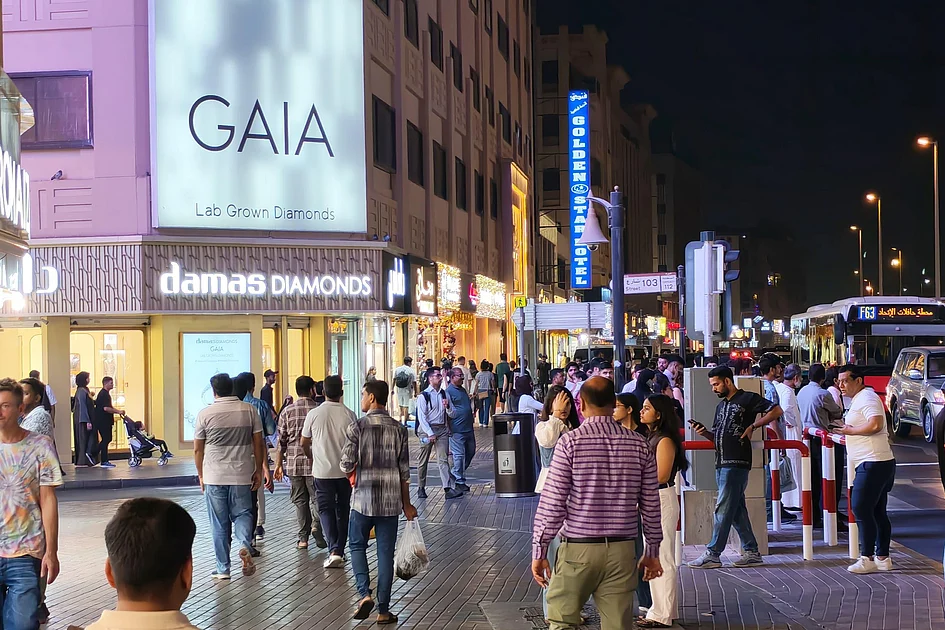
Same budget, less gold: How record prices affect Dubai residents this Diwali
As Diwali celebrations commence, Dubai residents are navigating the challenges of soaring gold prices, which have significantly impacted their festive shopping traditions. The Gold Souk in Deira witnessed bustling activity on Dhanteras, a day considered auspicious for purchasing gold and silver. Despite the high prices, long queues formed outside jewelry stores as residents sought to uphold their annual ritual of buying gold during the festival of lights. However, this year, many found themselves purchasing lighter pieces or opting for designs that incorporate other metals or stones to stay within their budgets. Gold prices recently crossed Dh500 per gram, a record high that has forced shoppers to rethink their purchases. Priya Nair, a resident of Al Qusais, shared her experience of buying a small bangle for her daughter, noting that the weight of the gold she could afford was significantly less than in previous years. Similarly, Shalini Kumar from Mankhool emphasized the importance of balancing investment and aesthetics, choosing designs that offer both value and visual appeal. For many families, buying gold during Diwali is not just a tradition but also a form of investment. Jewelry stores have adapted to these changing trends by showcasing lightweight and budget-friendly designs. Priya Jayesh Gupta, a businesswoman from JLT, revealed that she had reduced the number of gold gifts this year due to the price surge. Despite the financial constraints, the cultural significance of buying gold during Diwali remains strong, with many residents viewing it as a way to usher in prosperity and good fortune for the new year.
-
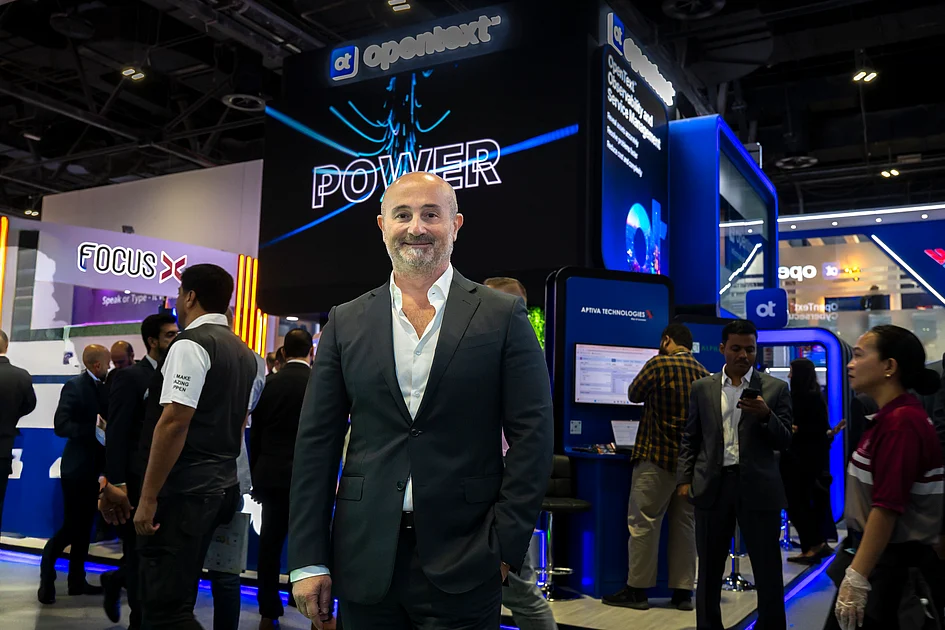
AI becomes the cornerstone of digital transformation in the Middle East
Artificial intelligence (AI) has emerged as the driving force behind digital transformation in the Middle East, reshaping how organizations operate and compete in the digital economy. At Gitex Global 2025, OpenText underscored the pivotal role of AI, particularly the rise of Agentic AI, in accelerating the region’s digital agendas. George Schembri, Vice President and General Manager for the Middle East at OpenText, emphasized that AI is no longer just a productivity tool but a catalyst for intelligence at scale, turning data into actionable insights and fostering long-term competitiveness. A significant trend is the shift from traditional AI to Agentic AI, which operates autonomously, collaborates across systems, and learns from outcomes, enabling businesses to transition from reactive decision-making to proactive strategy execution. OpenText is also addressing the convergence of AI, cloud, and cybersecurity, ensuring that AI-driven insights are scalable and secure. This integrated approach is critical for organizations aiming to reduce complexity, accelerate innovation, and build trust in a digital-first world. Additionally, the evolving workforce, particularly Gen Z, is driving demand for intuitive, mobile-first tools that support flexibility and purpose-driven work. OpenText is meeting these needs through conversational AI, secure cloud platforms, and automation that streamline enterprise workflows. As the Middle East continues its digital evolution, OpenText’s message is clear: AI is the foundation of a smarter, more resilient, and human-centered future of work.
-
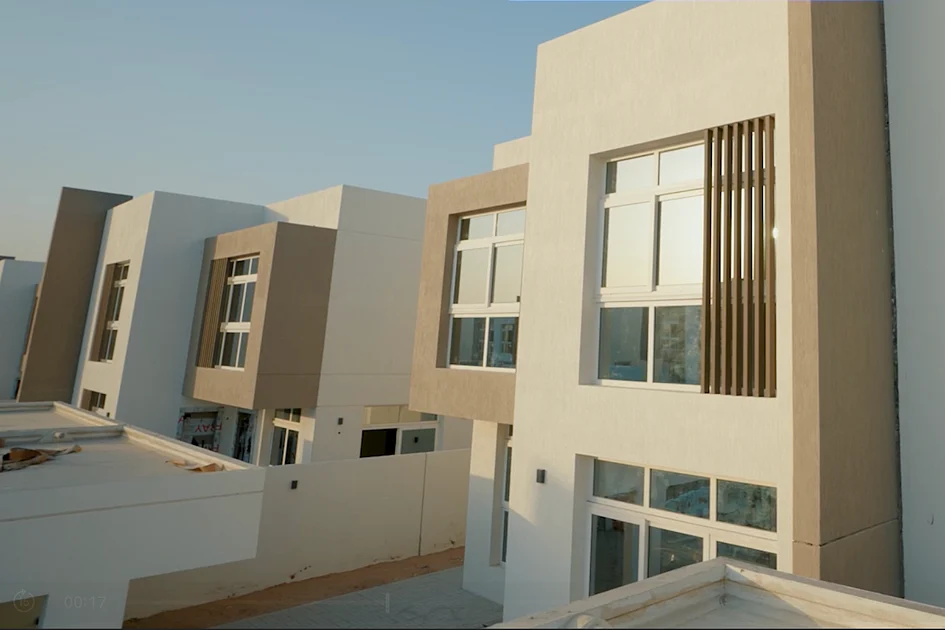
UAE: Nearly 2,000 homes across 4 key Dubai areas to be delivered by 2028
Dubai is set to witness a significant transformation in its housing landscape with the delivery of nearly 2,000 homes across four key areas by 2028. The Mohammed Bin Rashid Housing Establishment (MBRHE) has announced four major housing projects — Wadi Al Amardi, Al Awir, Hatta, and Al Yalayis 5 — which will collectively provide 1,749 homes valued at over Dh3.3 billion. These projects are part of a broader housing programme approved in January 2025 by Sheikh Mohammed bin Rashid Al Maktoum, Vice President and Prime Minister of the UAE and Ruler of Dubai, aimed at enhancing housing stability and improving citizens’ quality of life. The comprehensive programme encompasses 3,004 homes with a total value of Dh5.4 billion, reflecting the leadership’s vision to create integrated residential communities that offer comfort, safety, and well-being. Mohammed Al Shehhi, Acting CEO of MBRHE, emphasized the establishment’s commitment to fulfilling the leadership’s directives by prioritizing the completion of these projects. He highlighted that the developments align with Dubai’s broader social and economic goals, aiming to make the city the best place to live in the world. Each project has been meticulously designed to meet the needs of Emirati families, with modern architectural designs, advanced infrastructure, and community facilities. The Wadi Al Amardi project, set for completion in the first quarter of 2026, includes 432 homes spanning 3.669 million square feet with an investment of Dh767 million. The Al Awir project, also scheduled for completion in early 2026, comprises 398 homes covering 3.217 million square feet at a cost of Dh734 million. The Hatta project, a distinctive initiative supporting the area’s transformation into a vibrant urban and tourism destination, features 213 homes across 2.654 million square feet with an investment of Dh508 million and is expected to be completed by the fourth quarter of 2026. The largest of the four, the Al Yalayis 5 project, will deliver 706 homes across approximately 7 million square feet with a total cost of Dh1.31 billion, setting a benchmark for sustainable, fully serviced residential communities. These projects underscore the Government of Dubai’s commitment to providing a modern and sustainable housing environment that ensures stable and dignified lives for its citizens.
-

India: Record gold prices shift Dhanteras demand toward coins over jewellery
The Dhanteras festival in India, a key event marking the start of Diwali and traditionally one of the busiest days for gold purchases, witnessed a significant shift in consumer behavior this year. Soaring gold prices led buyers to favor coins and bars over jewellery, despite the cultural significance of gold ornaments during the festival. Industry officials reported that while overall gold sales volume dropped by 10–15% compared to last year, the total value surged due to record-high prices. Rajesh Rokde, chairman of the All India Gem and Jewellery Domestic Council, noted that jewellery demand plummeted by nearly 30%, while coins and bars saw brisk sales. The price of gold in India reached an unprecedented 132,294 rupees per 10 grams, a 60% increase from last year’s Dhanteras. This spike has been attributed to global market trends and investor optimism about the precious metal’s continued rally. To sustain consumer interest, the industry is offering substantial discounts on jewellery making charges, particularly during the festive and wedding seasons. Meanwhile, silver also gained traction, with strong demand for coins, bars, and jewellery driven by its impressive price performance. Dealers anticipate that silver could outperform gold in the near future. The surge in precious metal prices has also boosted investments in gold and silver exchange-traded funds, reflecting a broader trend of investors seeking higher returns. With jewellery stores extending their hours to accommodate late-night shoppers, industry leaders expect the buying momentum to persist beyond Dhanteras.
-
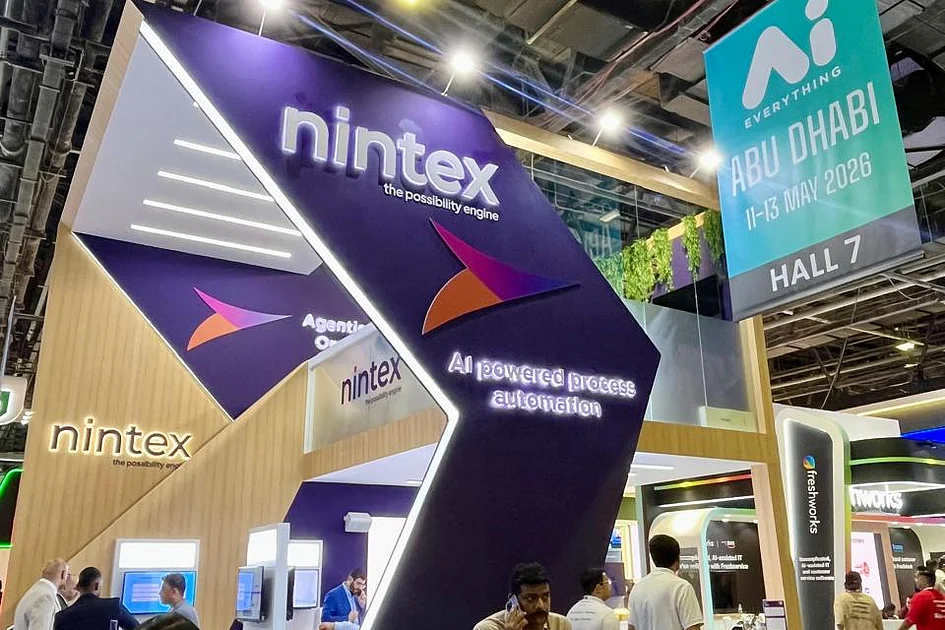
Low-code, no-code platforms power Middle East’s digital leap
As the Middle East accelerates its digital transformation, low-code and no-code platforms are emerging as critical tools for modernization. At GITEX 2025, Nintex showcased its platforms as a vital enabler for governments and enterprises across the region. These platforms allow organizations—from federal agencies to banks and telecoms—to develop internal workflows and customer-facing applications in hours rather than months. This rapid development capability is particularly valuable in countries like the UAE and Saudi Arabia, where digital transformation is a cornerstone of national strategy. Initiatives such as ‘zero tax, zero bureaucracy’ and AI-first citizen services demand agile, scalable solutions, which low-code platforms effectively provide. One of the significant challenges in deploying AI is fragmented data. Nintex addresses this by automating processes that unify information across systems, creating a robust foundation for AI-driven insights. Samir Akel, VP of Nintex, emphasized the importance of operational readiness, urging businesses to transition from manual to measurable workflows. ‘Leaders across the region want measurable AI results this quarter,’ Akel stated. ‘If your processes are broken, your AI will be too.’ Akel highlighted the Middle East’s potential for rapid AI growth, with IDC forecasting AI spending in the META region to reach $7.2 billion by 2026. However, he cautioned that without mature processes and clean data, AI efforts may fall short. Nintex is also addressing concerns around data sovereignty. While global trends once favored cloud-first strategies, the company notes a resurgence in on-premise deployments, particularly in the Middle East, where security and control are paramount. Nintex’s platform supports both cloud and on-premise models, offering flexibility based on regulatory and operational needs. Looking ahead, Nintex is advancing into ‘agentic business orchestration,’ where AI not only supports workflows but also generates them. This vision includes AI engines that can suggest e-forms, recommend process flows, and integrate seamlessly across government authorities to deliver unified citizen services. With over two decades of partnerships in the region, including collaborations with the UAE’s Federal Tax Authority and Khalifa University, Nintex is positioning itself as a key player in the Middle East’s digital future, bridging legacy infrastructure with next-generation automation and AI.
-

Spanish town bans black cat adoptions during Halloween
In a move to safeguard black cats from potential harm during Halloween, the Spanish town of Terrassa in Catalonia has implemented a temporary ban on their adoption from local animal shelters. The prohibition, effective from October 6 to November 10, aims to prevent the animals from being exploited in sinister rituals or used as props during the holiday season. Deputy Mayor Noel Duque highlighted that adoption requests for black cats typically surge around Halloween, a time when they are often associated with witchcraft and bad luck in Western culture. However, in other cultures, such as Japan and Egypt, black cats are revered as symbols of prosperity and fortune. Terrassa’s city council clarified that while there have been no reported cases of cruelty towards black cats in the town, incidents in other regions prompted the decision, following warnings from animal welfare organizations. The council emphasized that the measure is temporary and exceptional, designed to protect the animals from impulsive or trend-driven adoptions. Terrassa is home to over 9,800 cats, with approximately 100 housed in the town’s adoption center, including 12 black cats. Exceptions during the ban period will be evaluated on a case-by-case basis, and normal adoption processes will resume post-Halloween.
-
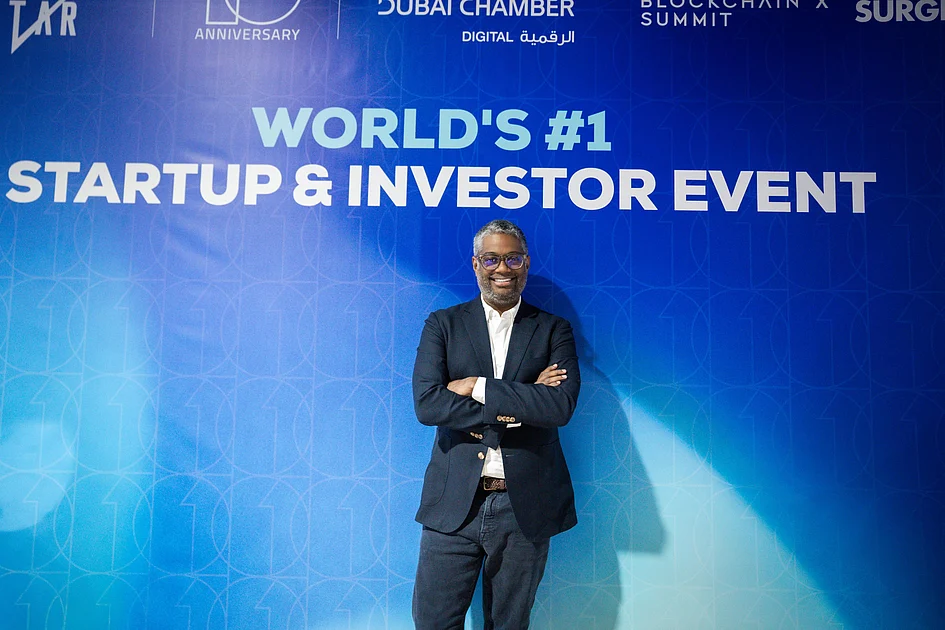
Crescent commits Dh250m to scale CE-Creates, building home-grown ventures with global potential
Crescent Enterprises has unveiled a Dh250 million investment initiative to expand CE-Creates, its venture-building platform dedicated to nurturing high-growth, impact-driven startups with global potential. This strategic move, coupled with new leadership, underscores CE-Creates’ mission to transform early-stage concepts into internationally competitive businesses, leveraging patient capital, operational expertise, and ecosystem access. The platform operates as a sector-agnostic venture studio, guiding ventures from idea validation to market entry and scaling, with a focus on the MENA region and beyond. Badr Jafar, CEO of Crescent Enterprises, emphasized the UAE’s role as a launchpad for global entrepreneurs, stating, ‘Our vision is for the UAE to be recognized as the start-up capital of the world.’ CE-Creates has already supported ventures like Kava & Chai, ION, and BreakBread, showcasing its commitment to fostering innovation. Tushar Singhvi, Deputy CEO and Head of Investments, highlighted the unique blend of capital deployment and operational support that sets CE-Creates apart from traditional venture funding models. Rakhil Fernando, the newly appointed Head of CE-Creates, brings extensive entrepreneurial experience to the role, having previously led ventures like Yabi, Koko, and Daraz. This investment marks a significant milestone in empowering regional founders to compete on the global stage.
-
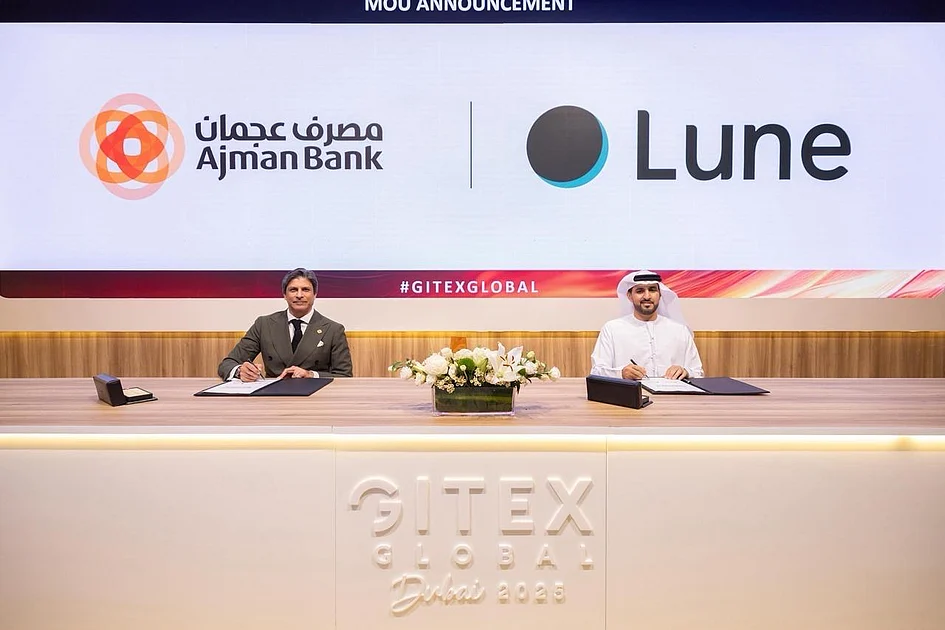
Ajman Bank taps Emirati fintech Lune to boost digital banking experience
Ajman Bank has forged a strategic partnership with UAE-based fintech Lune Technologies to elevate its mobile banking app with advanced AI-driven financial tools. This collaboration aims to enhance customer financial literacy and provide greater control over personal finances, marking a significant step in the bank’s digital transformation journey. The newly integrated features include transaction data enrichment and personal finance management (PFM) capabilities, offering users detailed insights into their spending patterns, merchant recognition, and a consolidated view of income, savings, and expenses. Faizal Kundil, Head of Consumer Banking at Ajman Bank, emphasized the bank’s commitment to empowering customers with tools for smarter financial decision-making. Helal Lootah, Co-Founder and Co-CEO of Lune, hailed the integration as a milestone in redefining how individuals interact with their finances. This initiative aligns with the UAE’s broader vision of fostering a connected, data-driven financial ecosystem, reflecting a growing trend among UAE banks to leverage AI and data analytics for personalized services.
-
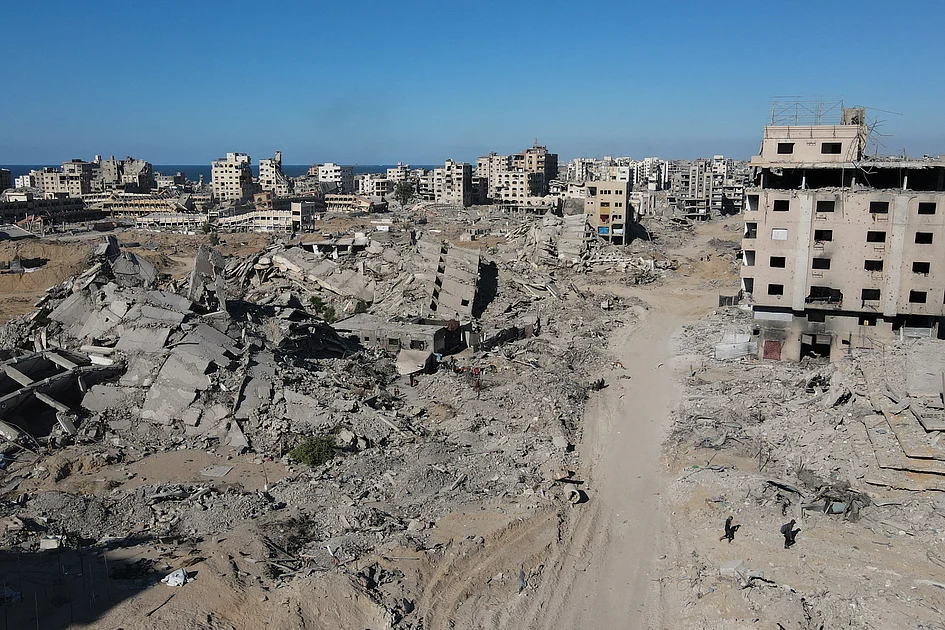
Gaza civil defence says 9 killed Friday when Israeli forces fired at bus
In a tragic incident on Friday, Israeli forces reportedly killed nine members of a Palestinian family after shelling a bus in the Zeitun neighbourhood of Gaza. According to Mahmud Bassal, a spokesperson for Gaza’s civil defence agency operating under Hamas authority, the attack involved two tank shells fired directly at the vehicle. The victims included four children and two women, all from the Shabaan family, who were reportedly attempting to check on their home. Umm Mohammed Shaaban, a family member, expressed her grief, questioning the justification for the attack and stating that the children killed were between two and 12 years old. The Israeli military confirmed that the vehicle had crossed the ‘yellow line,’ a boundary established under the ceasefire agreement with Hamas, and claimed that warning shots were fired before the vehicle was targeted. The military stated that the vehicle posed an ‘imminent threat’ to troops, necessitating the use of force. Despite the ceasefire, which is now in its second week, several incidents of violence have been reported, with Israeli forces firing at individuals who approached or crossed the yellow line. The ongoing conflict has left northern Gaza in ruins, with many Palestinians struggling to locate their homes amidst the devastation. The incident has further strained tensions in the region, raising concerns about the sustainability of the ceasefire.