作者: admin

  • Hainan suspends transport as Typhoon Fengshen approaches

    Hainan suspends transport as Typhoon Fengshen approaches

    As Typhoon Fengshen barrels through the South China Sea, Hainan Province has taken decisive action to ensure public safety by suspending all transport services. The typhoon, characterized by its strong winds and heavy rainfall, has prompted Hainan Railway Co. to halt all train operations to and from the island on Tuesday. Additionally, key ports including Haikou Xinhai Port, Xiuying Port, and South Railway Port ceased operations from 2 pm on Monday, with services anticipated to resume by Thursday morning.

    Maritime authorities have also implemented precautionary measures, suspending cruise services between Hainan and the Xisha Islands, as well as the Xisha supply route, starting Monday morning. Night tour routes in Haikou and Sanya have been halted, and tourist trips to Sanya’s Wuzhizhou and Xidao islands will be suspended from Tuesday.

    The Hainan Maritime Safety Administration has activated a Level IV emergency response for typhoon prevention, implementing safety protocols for over 1,900 vessels across local ports. As of Monday morning, Typhoon Fengshen’s maximum sustained winds reached force 9 on the Beaufort scale, according to China’s national observatory.

    Meteorologists predict the storm will continue to intensify as it moves west-northwest at approximately 25 kilometers per hour. It is expected to peak as a severe tropical storm or typhoon, with winds potentially reaching force 12 on the Beaufort scale. By Tuesday, Fengshen is forecast to turn southwest over the central and northern waters of the South China Sea, passing northwest of the Xisha Islands before heading toward Vietnam’s central coast, where it will gradually weaken.

    Residents and travelers in Hainan are advised to prepare for severe weather conditions, including strong winds and heavy rainfall, which are expected to persist from Monday through Thursday morning across the central and northern South China Sea and most waters off Hainan. The eastern half of Hainan is particularly at risk of facing severe storm conditions between Tuesday and Thursday.


  • Global experts gather in Shanghai to address urban resilience

    Global experts gather in Shanghai to address urban resilience

    The inaugural RISE Week 2025 commenced in Shanghai on October 17, uniting over 100 global experts, policymakers, and practitioners from 15 countries. Hosted by the UNDP—Tongji SDG Innovation Lab on Climate and Disaster Resilience (RISE Lab) and co-organized by UNDP and Tongji University, the event aimed to foster innovative solutions for creating low-carbon, inclusive, and resilient cities. The week-long program featured technical workshops, peer-learning sessions, policy dialogues, leadership training, and field visits, emphasizing the integration of science, technology, policy, and governance to enhance urban resilience. Xu Haoliang, UNDP associate administrator, highlighted the urgency of addressing urban vulnerabilities exacerbated by climate change, natural disasters, and social inequalities. Lyu Peiming, executive vice-president of Tongji University, underscored the event’s role in bridging research, policymaking, and practice. International participants, including Paula Coelho da Nobrega from Brazil and Gordon Otieno Muga from Kenya, shared their challenges and praised the technical insights offered. Zhou Ying, dean of Tongji University’s college of civil engineering, emphasized the importance of international cooperation, education, and engineering-driven innovation in building resilient cities. RISE Lab will continue to serve as a global platform for collaborative resilience-building efforts.

  • Nebojsa Pavkovic, Serbian general convicted by UN of war crimes in Kosovo, dies at 79

    Nebojsa Pavkovic, Serbian general convicted by UN of war crimes in Kosovo, dies at 79

    Nebojsa Pavkovic, the former chief of the Serb-led Yugoslav army, who was convicted of war crimes during the Kosovo conflict, has passed away at the age of 79. Serbian officials and media confirmed his death on Monday in Belgrade, Serbia’s capital. Pavkovic had been released from a Finnish prison less than a month prior, where he was serving a 22-year sentence for atrocities committed against ethnic Albanians in the 1998-99 war.

  • Scores of Palestinians dead, regular arrests: Israel’s ceasefire violations in Gaza so far

    Scores of Palestinians dead, regular arrests: Israel’s ceasefire violations in Gaza so far

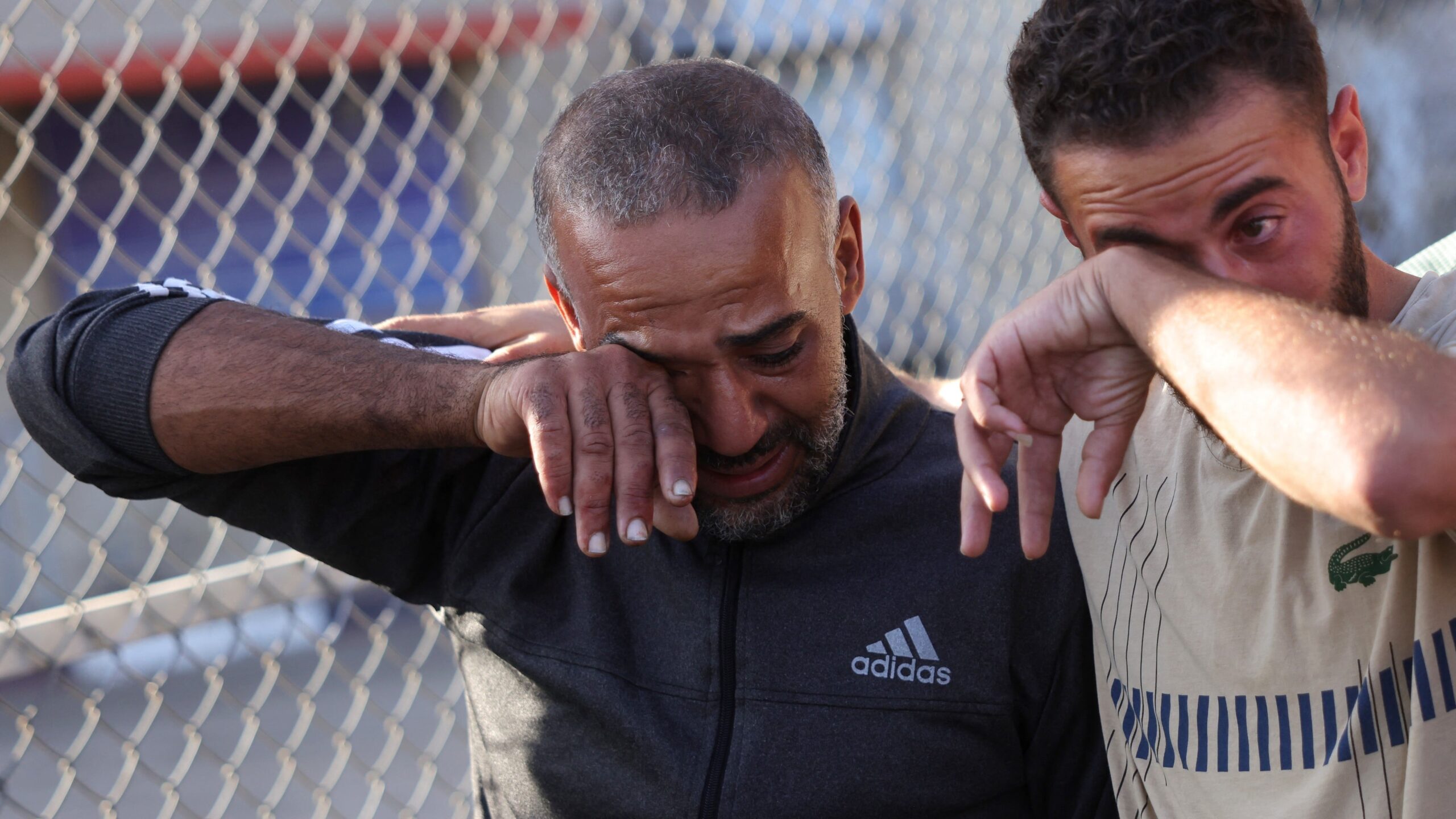
    As the conflict between Israel and Hamas intensifies, the fragile US-mediated ceasefire in Gaza is on the brink of collapse. On Sunday, Israel launched a series of devastating airstrikes across the besieged territory, claiming retaliation for an alleged Hamas attack on its troops in southern Rafah. The Israeli military reported that the assault involved rocket-propelled grenades and sniper fire, though Hamas’ armed wing, the Izz al-Din al-Qassam Brigades, denied any involvement and reaffirmed its commitment to the truce.

    Since the ceasefire took effect on October 11, Israeli forces have been accused of over 80 violations, including artillery fire, airstrikes, and the arrest of civilians. Palestinian authorities report that these breaches have resulted in the deaths of at least 97 people and injuries to over 230 others. The deadliest incident occurred on Sunday, with more than 100 airstrikes targeting areas such as Rafah, Khan Younis, Jabalia, and central Gaza. Among the casualties were civilians, journalists, and displaced families seeking refuge.

    Beyond the violence, Israel has also violated the ceasefire’s humanitarian provisions. Despite an ongoing prisoner exchange, Israeli forces have detained Palestinians in Gaza and the occupied West Bank. The Gaza media office reported that 14 individuals were arrested, with five released after enduring abuse. Additionally, Israel has restricted the entry of essential aid into Gaza, despite the agreement stipulating the daily delivery of 400 aid trucks, a figure far from being met.

    The situation has drawn widespread condemnation, with rights groups accusing Israel of exacerbating the humanitarian crisis in Gaza. The Government Media Office in Gaza described the aid entering the territory as a ‘drop in the ocean,’ insufficient for the 2.4 million residents. As the violence escalates and the ceasefire teeters, the international community faces mounting pressure to intervene and restore peace in the region.

  • US and Australia sign critical-minerals agreement as a way to counter China

    US and Australia sign critical-minerals agreement as a way to counter China

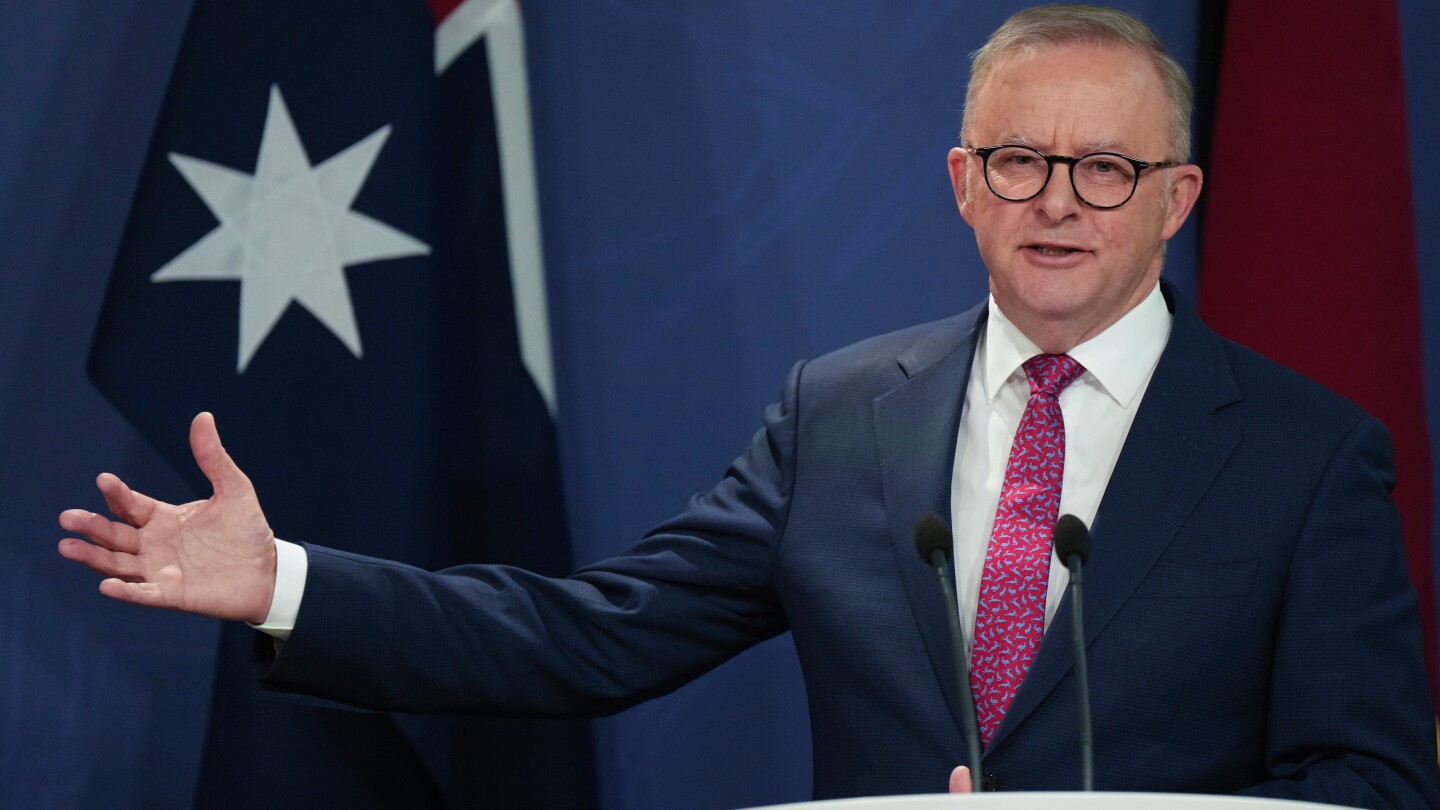
    In a significant move to reduce reliance on China’s rare-earth resources, President Donald Trump and Australian Prime Minister Anthony Albanese signed an $8.5 billion critical-minerals agreement at the White House on Monday. The deal, negotiated over several months, aims to bolster the supply of rare-earth materials essential for advanced technologies, from fighter jets to electric vehicles. Trump confidently predicted that within a year, the U.S. would have an abundance of these resources, while Albanese emphasized that the agreement elevates the U.S.-Australia relationship to a new level. The partnership comes as China tightens export controls on rare-earth materials, a move the Trump administration views as an attempt to dominate the global tech supply chain. Kevin Hassett, director of the White House’s National Economic Council, praised Australia’s mining economy and its role in mitigating global economic risks posed by China’s rare-earth monopoly. The agreement includes plans for $3 billion in joint investments within six months, signaling the urgency of the initiative. However, experts caution that while Australia’s resources are valuable, the U.S. must also invest in mining and processing projects in other regions, such as Central Asia, to fully counter China’s decades-long head start. The deal underscores the broader geopolitical strategy of leveraging alliances to counter China’s influence, with discussions also touching on the AUKUS security pact. Albanese’s visit precedes Trump’s upcoming meeting with Chinese President Xi Jinping, highlighting the high-stakes nature of these negotiations.

  • Myanmar military raids major cybercrime center, detains over 2,000 people

    Myanmar military raids major cybercrime center, detains over 2,000 people

    In a significant move against transnational cybercrime, Myanmar’s military has dismantled a large-scale online scam operation near the Thai border, detaining over 2,000 individuals and confiscating numerous Starlink satellite internet terminals. The operation, reported by state media on Monday, targeted KK Park, a notorious hub for cyber fraud, illegal gambling, and cross-border criminal activities. Located in Myawaddy, Kayin State, the area is a hotspot for such illicit operations due to its proximity to Thailand and the limited control exerted by Myanmar’s military government. The raid, part of a broader crackdown initiated in early September, also uncovered 260 unregistered buildings and 30 Starlink terminals. Starlink, a satellite internet service by Elon Musk’s SpaceX, is not officially licensed in Myanmar, yet hundreds of its devices have been smuggled into the country. The military accused the Karen National Union, an ethnic armed group, of involvement in the scam operations, though the group denies these allegations. This crackdown follows international pressure, including recent sanctions by the U.S. and U.K. against a Cambodian cyberscam gang. Earlier this year, Myanmar and Thailand collaborated to rescue thousands of trafficked individuals from similar scam compounds, highlighting the persistent issue of cybercrime in the region.

  • France’s former president Sarkozy will begin serving a 5-year prison sentence Tuesday

    France’s former president Sarkozy will begin serving a 5-year prison sentence Tuesday

    In a historic turn of events, Nicolas Sarkozy, the former French president, is set to become the first ex-head of state in living memory to serve a prison sentence. On Tuesday, Sarkozy is expected to begin a five-year term at Paris’ La Santé prison, a facility renowned for housing high-profile inmates since the 19th century. The sentence stems from his 2021 conviction for criminal conspiracy related to the illegal financing of his 2007 presidential campaign using Libyan funds. Despite maintaining his innocence, Sarkozy will be admitted to the prison, where he may face solitary confinement or be placed in the “vulnerable” section, colloquially known as the VIP wing. La Santé, inaugurated in 1867, has undergone significant renovations in recent years, but its conditions remain stark. Former inmates describe the initial shock of incarceration, with cells measuring just 9 square meters and equipped with basic amenities. Sarkozy, who has vowed to “hold his head high,” is permitted to bring three books, including Alexandre Dumas’ “The Count of Monte Cristo,” and 10 family photos. His son, Louis, has called for a rally in support of his father, while Sarkozy’s wife, Carla Bruni-Sarkozy, has shared heartfelt messages on social media. The Paris court’s decision to enforce the sentence before his appeal is heard underscores the gravity of the case. Sarkozy’s imprisonment marks a dramatic fall from grace for the once-powerful leader, raising questions about accountability and justice in France’s political landscape.

  • Liuyang fireworks set Guinness World Records

    Liuyang fireworks set Guinness World Records

    The Liuyang Fireworks Festival, celebrated in the heart of Hunan province—known as ‘China’s fireworks capital’—has made history by securing two new Guinness World Records. The event, which captivated audiences with its stunning visuals, has sparked widespread excitement and discussion across social media platforms. As a highlight of the festival, two groundbreaking performances showcased an unprecedented fusion of fireworks and drone technology. In one record-breaking feat, a fleet of 7,496 drones simultaneously launched fireworks, marking the largest coordinated daytime fireworks display ever recorded. In another awe-inspiring moment, 15,947 drones took to the skies, all controlled by a single computer, shattering the previous record of 10,197. These achievements not only highlight Liuyang’s dominance in the fireworks industry but also demonstrate the innovative integration of technology in traditional celebrations. The festival has solidified Liuyang’s reputation as a global leader in pyrotechnic artistry, drawing attention from enthusiasts and professionals worldwide.

  • Japan allows over-the-counter ‘morning after’ pill

    Japan allows over-the-counter ‘morning after’ pill

    In a landmark decision, Japan has approved the over-the-counter (OTC) sale of an emergency contraceptive pill, marking a significant shift in the country’s approach to reproductive health. ASKA Pharmaceutical, the manufacturer of the pill, announced that the medication, branded as Norlevo, will now be accessible without a prescription, empowering women to take control of their reproductive choices. While a specific launch date remains undisclosed, the pill will be classified as ‘medicine requiring guidance,’ necessitating that women take it under the supervision of a pharmacist. This development aligns Japan with over 90 countries where such pills are already available without a prescription. The decision follows years of advocacy by rights groups, who argued that prescription requirements deterred younger women and rape victims from accessing timely contraception. A health ministry panel first discussed OTC sales in 2017, with public consultations revealing widespread support. However, concerns about potential misuse delayed approval until now. Norlevo, and its generic counterpart levonorgestrel, are most effective within 72 hours of unprotected intercourse, with an efficacy rate of 80%. This move is seen as a step forward in addressing Japan’s conservative views on abortion and women’s reproductive rights, rooted in traditional patriarchal norms.

  • What caused the AWS outage – and why has it made the internet fall apart?

    What caused the AWS outage – and why has it made the internet fall apart?

    Amazon Web Services (AWS), the backbone of the internet for countless businesses worldwide, faced a significant outage that disrupted operations for over 1,000 companies and impacted millions of users globally. The incident, attributed to a Domain Name System (DNS) error, left major platforms like Snapchat, Reddit, Lloyds Bank, Halifax, Roblox, and Fortnite inaccessible. AWS, which powers approximately one-third of the internet, provides critical services such as storage, database management, and traffic routing, enabling businesses to avoid maintaining costly in-house infrastructure. However, the outage highlighted the vulnerabilities of relying on a single service provider. The disruption originated at AWS’s largest data center in North Virginia, though the exact cause remains unclear, with possibilities ranging from maintenance issues to human error or cyberattacks. Experts have long warned against the risks of over-reliance on AWS, emphasizing the lack of viable alternatives at its scale. While competitors like Microsoft Azure, Google Cloud Platform, IBM, and Alibaba exist, AWS remains the dominant player. The incident has reignited debates about the need for Europe and the UK to develop their own cloud infrastructure to reduce dependence on U.S. tech giants. Despite calls for such initiatives, the sheer dominance of AWS raises questions about the feasibility of creating a comparable alternative. This outage serves as a stark reminder of the fragility of the internet’s infrastructure and the challenges of diversifying its foundations.