作者: admin

  • Indian writer Arundhati Roy pulls out of Berlin Film Festival over Gaza row

    Indian writer Arundhati Roy pulls out of Berlin Film Festival over Gaza row

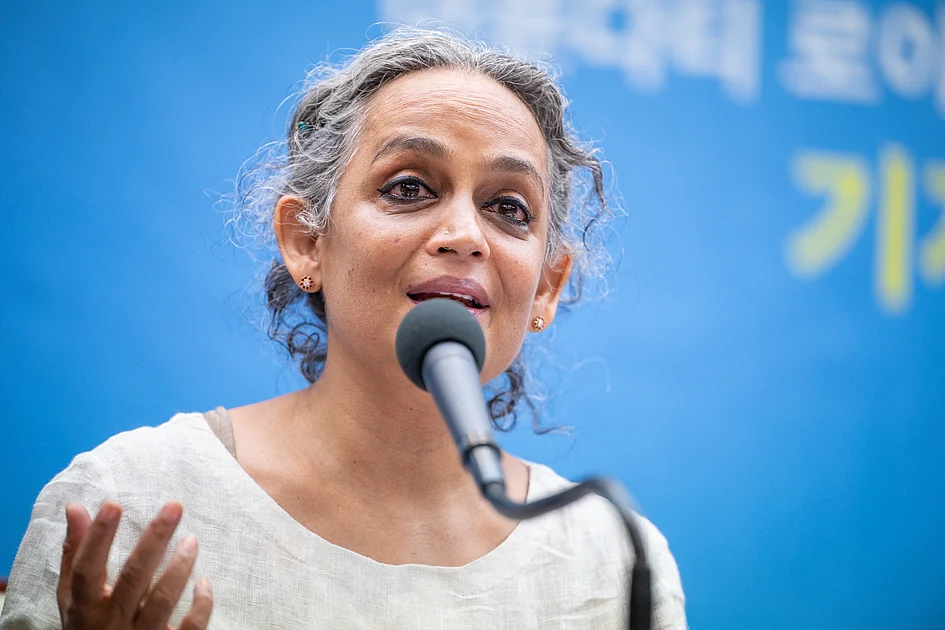
    Celebrated Indian author and Booker Prize laureate Arundhati Roy has dramatically withdrawn from the 2026 Berlin International Film Festival following controversial remarks by the festival’s jury leadership regarding political expression in cinema. The acclaimed writer of “The God of Small Things” announced her decision on Friday, expressing profound dismay at statements made by jury president Wim Wenders and fellow jurors.

    The controversy erupted when German filmmaker Wenders, heading the seven-member international jury, asserted during a press conference that filmmakers must “stay out of politics” and serve as a “counterweight to politics” rather than creating “dedicatedly political” works. Polish producer Ewa Puszczynska, another jury member, similarly characterized questions about the Gaza conflict as “not fair” to the judging panel.

    Roy condemned these positions as “unconscionable” in a sharply worded statement published by The Wire. “To hear them say that art should not be political is jaw-dropping,” she declared, arguing that such rhetoric effectively silences crucial dialogue about ongoing humanitarian crises. She emphasized that artists bear particular responsibility to confront atrocities unfolding in real time.

    Festival organizers acknowledged Roy’s withdrawal with regret, noting her presence would have “enriched the festival discourse.” Roy was scheduled to present her 1989 screenplay “In Which Annie Gives It Those Ones” in the Berlinale Classics section.

    This incident highlights the deep cultural divisions emerging from the Gaza conflict, which has claimed over 70,000 Palestinian lives according to local health officials, following Hamas’ October 7 attack that killed 1,200 Israelis. The Berlinale, historically considered more politically engaged than counterparts in Venice and Cannes, has faced mounting criticism from pro-Palestinian advocates for its perceived reluctance to address Gaza with the same urgency demonstrated toward Ukraine or Iran.

    The controversy occurs within a broader context of international legal actions, with both Israeli Prime Minister Benjamin Netanyahu and Hamas leader Ibrahim Al-Masri facing ICC arrest warrants for alleged crimes against humanity.

  • Son of last shah calls on Trump to ‘help’ Iranian people

    Son of last shah calls on Trump to ‘help’ Iranian people

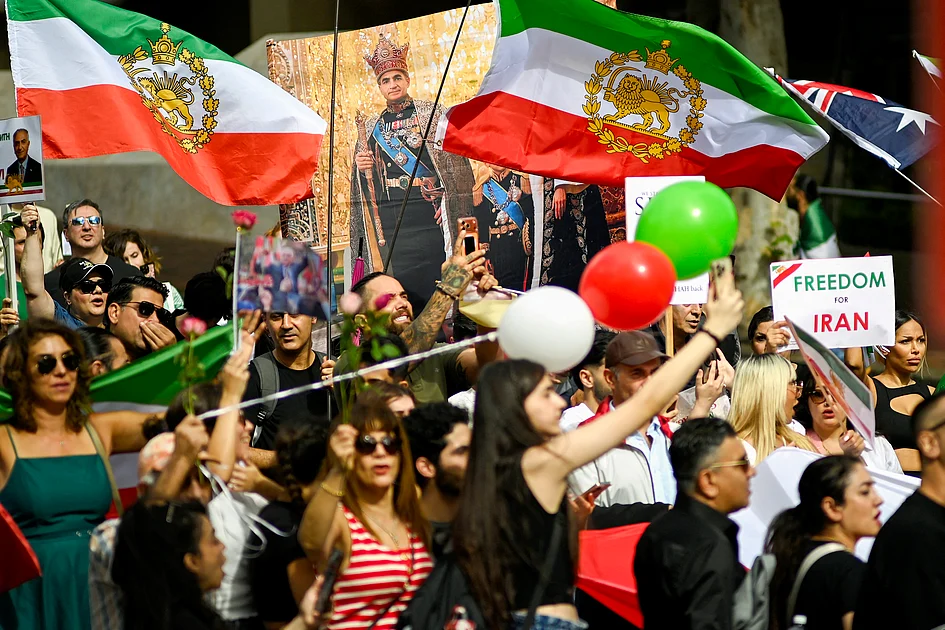
    In a significant political appeal at the Munich Security Conference, Reza Pahlavi—the exiled son of Iran’s last monarch—publicly called upon U.S. President Donald Trump to support the Iranian people in their struggle against the current regime. Speaking to international press on Saturday, February 14, 2026, Pahlavi declared that the time had come to dismantle the Islamic Republic, citing the widespread suffering and bloodshed of his compatriots as the driving force behind this demand.

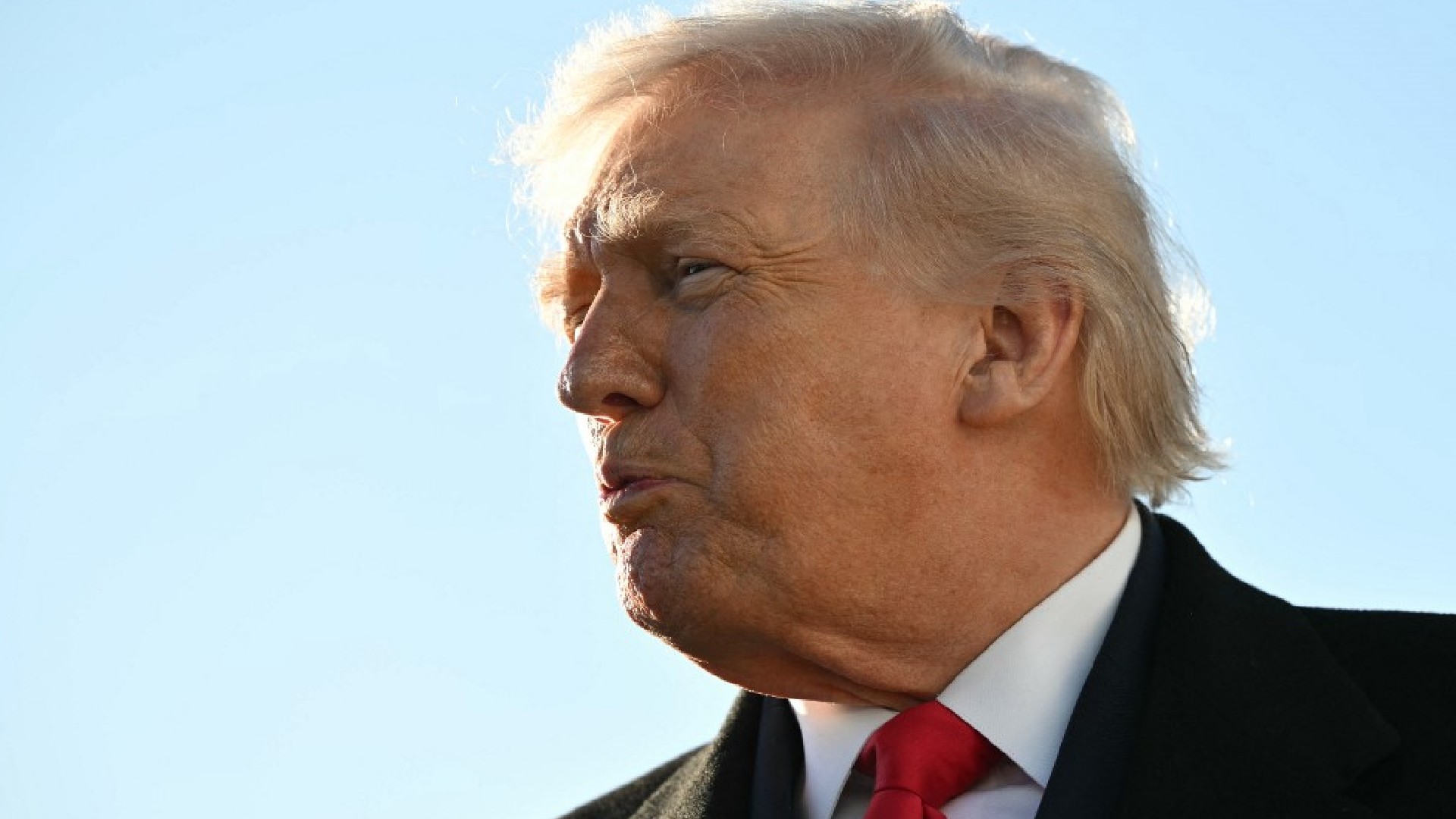
    Pahlavi, who has lived outside Iran since before the 1979 Islamic Revolution that overthrew his father’s monarchy, directly addressed President Trump: ‘The Iranian people heard you say help is on the way, and they have faith in you. Help them.’ His statements come amid heightened tensions between Tehran and Washington, with the Trump administration maintaining a consistently hardline stance against the Iranian government.

    The Munich Security Conference, typically focused on global defense and diplomatic matters, provided an unexpected platform for this dramatic appeal regarding Iran’s political future. Pahlavi’s remarks represent the most explicit call to date from the exiled opposition for direct American involvement in regime change efforts. While the White House has not immediately responded to these specific comments, the administration has previously expressed support for Iranian protesters and opposition movements.

    Historical context underscores the significance of Pahlavi’s appeal. The 1979 revolution not only ended nearly 2,500 years of monarchy but established the world’s first modern Islamic republic. Four decades later, the son of the deposed Shah now positions himself as a symbolic figurehead for those seeking to overturn that revolutionary outcome, though he has not explicitly claimed the throne for himself.

  • ‘Extremely relieved’: UAE parents welcome flexibility in new school age rules

    ‘Extremely relieved’: UAE parents welcome flexibility in new school age rules

    The United Arab Emirates Ministry of Education has implemented significant revisions to its school admission policies, granting parents enhanced flexibility in determining appropriate educational placement for young children. This policy adjustment comes as a responsive measure to address parental concerns regarding developmental readiness in early childhood education.

    Under the newly clarified guidelines, children born between September 1 and December 31, 2022, who remain unenrolled in any formal educational system, will receive optional placement choices for the 2026-2027 academic year. The ministry explicitly stated that schools and parents should collaboratively determine whether Foundation Stage 1 (FS1) or Foundation Stage 2 (FS2) represents the most suitable educational environment for each child’s individual needs.

    This transitional measure aims to facilitate smoother implementation of updated age cutoff regulations while prioritizing children’s emotional and social development. Educational experts have welcomed the policy as a child-centered approach that acknowledges the varying developmental trajectories of young learners.

    Parental response has been overwhelmingly positive, with many families expressing relief at the policy clarification. Noora, an Indian expatriate residing in the UAE, commented: “This governmental update brings tremendous relief. Children will no longer be compelled to advance to higher year groups beyond their current capabilities. Returning decision-making authority to parents and educators enables us to make optimal choices considering each child’s unique requirements.”

    The flexibility has prompted many families to reconsider their educational planning strategies. Dr. Elizabeth, a Dubai-based mother, noted that her three-year-old son Liam—who turns four in December—now requires renewed consideration regarding FS1 versus FS2 placement. “Although Liam demonstrates strong social capabilities and would likely thrive in FS2, we must carefully evaluate whether being the youngest class member might adversely affect his development,” she explained.

    Educational institutions have begun implementing supportive measures to ease transitions for students entering FS2 directly. Some schools are considering grouping these children together to facilitate adjustment, pending enrollment numbers.

    Michael Stewart, Primary Principal at GEMS Wellington Academy, Silicon Oasis, affirmed the educational community’s support for the updated guidance: “This collaborative process truly serves children’s best interests. Our priority remains ensuring each child begins their educational journey in the environment that maximizes their academic and social potential, supported by experienced educators and our well-established Foundation Stage program.”

    The ministry emphasizes that this constitutes a one-time accommodation designed to bridge the implementation of new age cutoff regulations while maintaining educational quality standards.

  • Marseille’s chaotic week continues as it concedes a stoppage-time penalty against Strasbourg

    Marseille’s chaotic week continues as it concedes a stoppage-time penalty against Strasbourg

    Olympique de Marseille’s institutional crisis escalated dramatically on Saturday as the club conceded a devastating 97th-minute equalizer against Strasbourg, transforming certain victory into a 2-2 draw that further inflamed tensions at the Stade Vélodrome. The result extends Marseille’s trophy drought since their 2012 League Cup triumph and compounds the turmoil following Roberto De Zerbi’s midweek departure.

    The match began promisingly with Amine Gouiri orchestrating Marseille’s early dominance. The attacking midfielder provided a sublime assist in the 14th minute, expertly controlling with the outside of his foot before delivering a precision pass for Mason Greenwood to score his league-leading 14th goal. Gouiri doubled the advantage shortly after halftime with a technically superb curled finish following Strasbourg goalkeeper Mike Penders’ errant clearance.

    However, Marseille’s defensive frailties resurfaced catastrophically in the final quarter. Sebastian Nanasi ignited Strasbourg’s comeback in the 74th minute before Emerson Palmieri’s clumsy challenge conceded a penalty deep into stoppage time. Striker Joaquin Panichelli converted from the spot to complete Marseille’s collapse.

    The atmosphere reflected the club’s profound discontent. Large sections of the stadium remained empty while protesting banners targeted American owner Frank McCourt and president Pablo Longoria with explicit demands for their departure. Those supporters who attended greeted players with audible boos, creating a palpably hostile environment.

    Gouiri’s post-match comments highlighted the squad’s accountability crisis: ‘We consistently surrender late goals and nullify our efforts. When this pattern repeats continuously, the responsibility lies with us on the pitch rather than tactical decisions.’

    The result leaves Marseille languishing in mid-table as the Ligue 1 title race continues elsewhere. Paris Saint-Germain’s surprising 3-1 defeat at Rennes marked their third loss this campaign—exceeding their total from the previous season—while Lens sought to capitalize against struggling Paris FC to reclaim the league leadership.

  • Fuzhou farm awash in sea of vibrant cherry blossoms

    Fuzhou farm awash in sea of vibrant cherry blossoms

    The picturesque landscapes of Lianjiang county in Fuzhou, East China’s Fujian province, have undergone a remarkable transformation as Danying Farm becomes engulfed in a breathtaking panorama of cherry blossoms. Over 30,000 cherry trees have simultaneously reached peak bloom, creating a stunning visual spectacle across the nearly 200-mu (13.3-hectare) agricultural expanse.

    The vibrant display presents a captivating color contrast, with delicate pink and white blossoms creating a striking visual harmony against the backdrop of distant emerald mountains. This botanical phenomenon has established the farm as a premier springtime destination, attracting visitors seeking both natural beauty and cultural immersion.

    Agricultural experts at Danying Farm have implemented strategic planting techniques, incorporating early, mid, and late-flowering varieties that collectively extend the viewing season through March. The current period, coinciding with the Spring Festival holiday, represents the optimal timeframe for experiencing the blossoms at their most magnificent.

    Beyond the visual splendor, the farm offers visitors an opportunity to engage with local culinary traditions. The destination provides access to regional delicacies, allowing tourists to complement their floral experience with authentic gastronomic offerings. This combination of natural beauty and cultural elements creates a comprehensive tourist experience that celebrates both agricultural achievement and regional heritage.

    The annual blossoming event has significantly boosted local tourism while demonstrating successful agricultural management practices in ornamental horticulture. The carefully maintained groves stand as a testament to the region’s commitment to creating sustainable natural attractions that benefit both the local economy and environmental conservation efforts.

  • Carney, other leaders mourn victims at site of Canada mass shooting

    Carney, other leaders mourn victims at site of Canada mass shooting

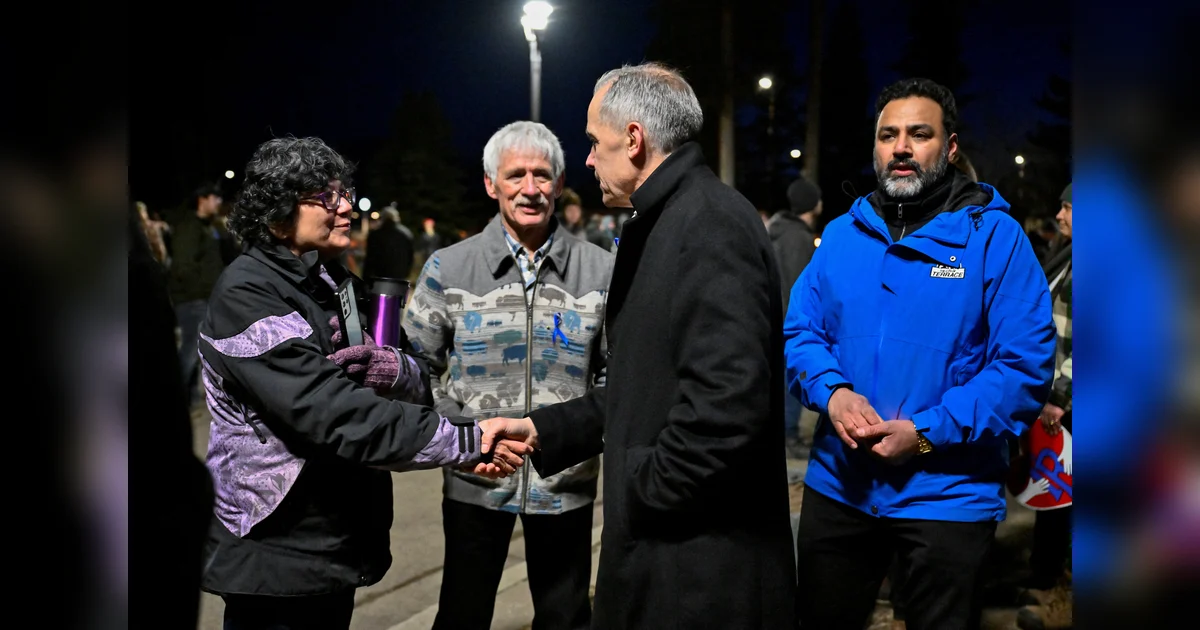
    In a rare display of political unity, Canadian Prime Minister Mark Carney stood alongside opposition leaders Pierre Poilievre (Conservative) and Yves-Francois Blanchet (Bloc Quebecois) at a Friday evening vigil in Tumbler Ridge, British Columbia. The remote community of approximately 2,400 residents became the site of one of Canada’s most devastating mass shootings earlier this week.

    The solemn gathering, attended by Governor General Mary Simon as King Charles’ representative, honored eight victims killed by 18-year-old Jesse Van Rootselaar on Tuesday. According to Royal Canadian Mounted Police Deputy Commissioner Dwayne McDonald, the perpetrator—who had experienced significant mental health challenges—initially murdered her mother and stepbrother before proceeding to the school where she indiscriminately shot victims before dying by suicide.

    Law enforcement revealed troubling details about firearm management in the case. While police had previously confiscated weapons from Van Rootselaar’s residence, they returned them after the owner successfully appealed the decision. Deputy Commissioner McDonald clarified that the primary weapons used in the attack had not been among those temporarily seized, though he declined to comment on two additional firearms utilized during the shooting.

    The Canadian Coalition for Firearm Rights has raised serious concerns about why weapons were returned to a household with a mentally ill resident. This tragedy marks Canada’s deadliest school shooting and ranks among the nation’s most severe mass shootings since the April 2020 Nova Scotia incident that claimed 22 lives.

    Victims included five students aged 12-13—Abel Mwansa, Ezekiel Schofield, Kylie Smith, Zoey Benoit, and Ticaria Lampert—along with 39-year-old educator Shannda Aviugana-Durand. Grieving mother Sarah Lampert remembered her daughter as ‘a blazing light in the darkness’ who sought to bring sunshine to everyone she encountered. The community has requested privacy as families process their unimaginable loss.

  • Dubai extends delivery bike registration by a year, rolls out new inspection standards

    Dubai extends delivery bike registration by a year, rolls out new inspection standards

    Dubai’s Road and Transport Authority (RTA) has implemented a significant regulatory update that extends the operational lifespan of delivery motorcycles by one additional year through newly established technical inspection standards. This policy shift, effective February 2026, introduces an optional ‘Delivery Bikes Operational Life Extension’ service accessible via RTA’s digital portal and designated inspection centers.

    The initiative enables delivery companies to renew registration for bikes entering their fifth year of operation, contingent upon successful completion of comprehensive safety evaluations aligned with international best practices. Companies can utilize corporate accounts to identify eligible vehicles through RTA’s online system before proceeding with mandatory technical assessments at authorized facilities.

    Khaled Mohammed Saleh, RTA’s Director of Commercial Transport Activities, emphasized the program’s multifaceted benefits: “This technical inspection initiative supports the accelerated growth of the delivery sector while enhancing service quality, customer experience, and safety for both riders and road users. It simultaneously reduces operational costs for companies and increases overall efficiency.”

    The policy emerges alongside broader infrastructure developments including dedicated delivery bike lanes, specialized rest stations equipped with service facilities, distinctive yellow number plates, and charging stations. These complementary measures aim to reduce rider fatigue, improve road safety, and support sustainable sector growth.

    This regulatory evolution reflects Dubai’s recognition of delivery services as vital components of both economic activity and daily community life, with the new inspection framework designed to balance operational flexibility with heightened safety governance.

  • EU leaders condemn Trump’s Gaza ‘Board of Peace’ at Munich conference

    EU leaders condemn Trump’s Gaza ‘Board of Peace’ at Munich conference

    At the Munich Security Conference, European leaders launched pointed criticism against U.S. President Donald Trump’s newly established ‘Board of Peace,’ accusing it of deliberately circumventing its original United Nations mandate. EU High Representative for Foreign Affairs Kaja Kallas led the charge, characterizing the initiative as a personal vehicle for Trump that significantly deviates from its intended purpose.

    The Board, unveiled last month at the World Economic Forum, boasts membership from nearly all major Middle Eastern nations, including Qatar, the UAE, Saudi Arabia, and Turkey, with additional members such as Pakistan, Armenia, Azerbaijan, and Indonesia. Its charter grants President Trump extensive authority as chair, including the power to unilaterally appoint and remove member states—a decision reversible only by a two-thirds majority.

    Kallas emphasized that while a UN Security Council resolution explicitly mandated the body to manage Gaza’s post-war governance and reconstruction, Trump’s version makes no reference to Gaza, the UN, or provisions for Palestinian representation. She noted the original resolution intended the board to be ‘limited in time,’ a stipulation absent from the current statute.

    Spain’s Foreign Minister, Jose Manuel Albares, echoed these concerns, highlighting Europe’s exclusion from the initiative despite being a principal funder of the Palestinian Authority. U.S. Democratic Senator Chris Murphy joined the critique, labeling the effort ‘rushed’ and part of Trump’s ‘consistent campaign to alienate our friends in Europe.’ Murphy accused the president of prioritizing media headlines over substantive action, particularly in leveraging U.S. influence to facilitate aid entry, reconstruction, and self-governance in Gaza.

    In defense, U.S. Secretary of State Marco Rubio argued that the UN had ‘played virtually no role’ in resolving the Gaza conflict, though he acknowledged the organization’s potential as a future tool for global good. Meanwhile, Trump-appointed Gaza representative Nickolay Mladenov urged rapid action, warning that failure to move quickly could lead to a ‘second phase of the war’ rather than implementing the next ceasefire phase.

    The discussions occur just days before the Board’s inaugural meeting scheduled for February 19th in Washington, D.C., where Trump is expected to announce a multi-billion-dollar Gaza reconstruction plan and details of a UN-mandated stabilization force. Reports indicate approximately 20 countries, including several heads of state, will attend. Indonesia has already signaled preparedness to deploy up to 8,000 troops under the peace plan.

    These diplomatic tensions unfold against a backdrop of continued violence; near-daily Israeli strikes have killed nearly 600 Palestinians since October, violating the fragile ceasefire. The Gaza Strip remains divided by a ‘Yellow Line,’ with Israel occupying 53% of the enclave, while a full blockade persists despite the nominal ceasefire agreement.

  • Dubai’s RTA supports nearly 1.2 million residents in community initiatives in 2025

    Dubai’s RTA supports nearly 1.2 million residents in community initiatives in 2025

    Dubai’s Roads and Transport Authority (RTA) has demonstrated exceptional commitment to social welfare through its extensive community engagement programs, reaching an impressive 1,192,320 beneficiaries throughout 2025. This remarkable achievement underscores the authority’s strategic focus on fostering social cohesion and promoting a culture of volunteerism across the emirate.

    The comprehensive outreach encompassed 50 distinct community programs, including 19 collaborative government campaigns specifically designed to support vulnerable demographic groups. These initiatives provided targeted assistance to low-income families, construction workers, People of Determination, and students from various socioeconomic backgrounds.

    Employee participation played a crucial role in this success story, with 599 RTA staff members dedicating their time and expertise across 17 different initiatives and events. This substantial internal engagement transformed the transportation authority into an active community partner rather than merely a regulatory body.

    The RTA’s programs were meticulously crafted according to international best practices, ensuring sustainable long-term impact while aligning perfectly with the UAE’s national ‘Year of the Community’ campaign objectives. The ‘Hand in Hand’ slogan embodied the collaborative spirit that characterized these efforts throughout the year.

    During Ramadan 2025, the RTA launched several high-impact initiatives that delivered substantial benefits to thousands of residents. The ‘Meals on Wheels’ campaign provided nourishment to 8,000 workers, while a strategic partnership with Noon resulted in the distribution of iftar meals to 5,000 individuals at metro stations. The Ramadan Rations initiative, timed to coincide with Zayed Humanitarian Day, supported 1,000 low-income families with essential supplies.

    Additional collaborative efforts included a Ramadan Tent organized with Dubai Charity Association that hosted 500 beneficiaries, along with specialized support for orphans and Eid Al Adha voucher distributions. Volunteer engagement reached significant levels with 241 participants involved in meal preparation and distribution activities, while six community campaigns were conducted in partnership with the Islamic Affairs and Charitable Activities Department across strategic locations including Warsan, marine transport stations, and worker accommodations.

    The RTA also demonstrated strong commitment to inclusivity through participation in the AccessAbilities Expo, organization of introductory Dubai Metro trips, and support for specialized summer programs tailored for People of Determination. The authority further recognized the vital contributions of workers through the Workers’ Gifts initiative, which honored 300 individuals for their role in supporting Dubai’s ongoing development.

  • Cuban cigar festival called off as US blockade fuels energy crisis

    Cuban cigar festival called off as US blockade fuels energy crisis

    Havana’s renowned Festival del Habano has been indefinitely postponed due to severe fuel shortages exacerbated by the United States’ economic embargo against Cuba. The organizing committee announced the decision on Saturday, citing the “complex economic situation” created by Washington’s longstanding restrictions as the primary reason for delaying the five-day event originally scheduled for late February.

    The fuel crisis, intensified by recent US seizures of Venezuelan oil shipments destined for Cuba, has created widespread power outages lasting up to 18 hours daily across the Caribbean nation. This energy shortage has critically impacted essential services including hospital emergency wards and medical treatments for dialysis patients.

    Compounding the situation, Cuba faces an aviation fuel deficit that has prompted several airlines to suspend services to the island. Multiple countries, including the United Kingdom, have issued travel advisories recommending against non-essential visits to Cuba.

    The Habano Festival typically attracts over 1,300 attendees from approximately 70 countries who come to sample premium Cuban cigars, visit tobacco plantations, and tour manufacturing facilities. Cuban cigars, while considered among the world’s finest, remain illegal in the United States due to trade embargoes dating back to 1960.

    Organizers emphasized their commitment to maintaining the event’s international prestige, stating they are working to establish new dates when conditions improve. “The priority of the Habano Festival is to offer its participants a comprehensive experience at the height of the relevance and prestige that this event represents internationally,” the committee explained.

    The current situation reflects deteriorating US-Cuba relations following improvements during the Obama administration. President Donald Trump has recently urged Cuban leaders to “make a deal” while facing unspecified consequences. United Nations human rights experts have characterized Washington’s restrictions on Cuba’s oil imports as an “extreme form of unilateral economic coercion.”

    The postponement highlights how geopolitical tensions continue to affect cultural and economic activities in Cuba six decades after the implementation of the US embargo following Fidel Castro’s revolution.