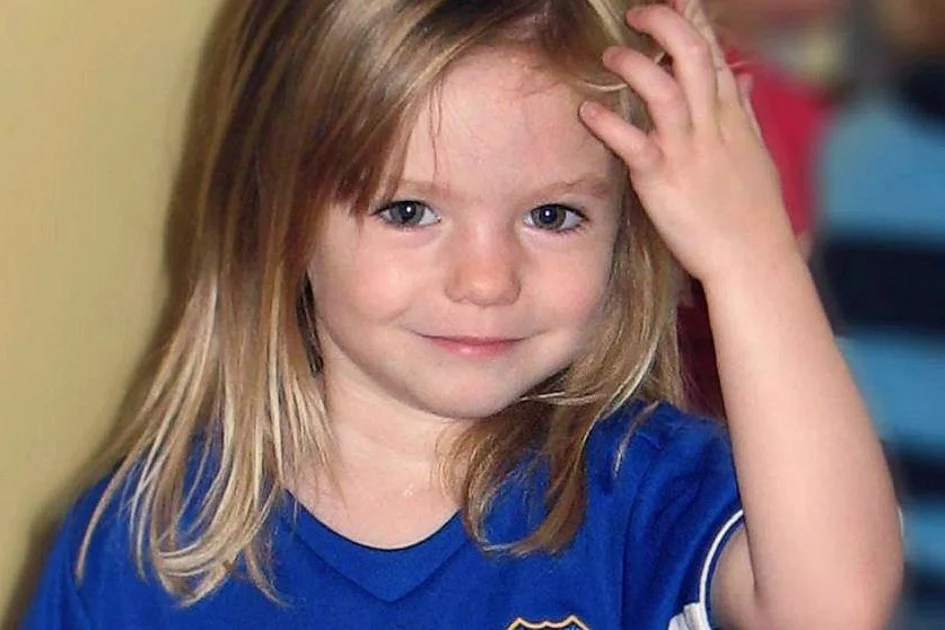
Christian Brueckner, the prime suspect in the high-profile disappearance of British toddler Madeleine McCann, is reportedly living on the streets following his release from prison last month. According to German media reports, Brueckner, who was identified as a suspect in the ‘Maddie’ case in 2020 but never formally charged, was released on September 17 after serving a sentence for unrelated rape charges. Since his release, Brueckner has been moving between temporary accommodations, including a tent in a park in Kiel, northern Germany, where he is under constant police protection due to public hostility. His attempts to settle in a halfway house in Neumuenster were thwarted when local residents discovered his presence, leading to verbal abuse and threats that forced him to leave. Brueckner also reportedly traveled to Braunschweig to confront prosecutors who accuse him of abducting Maddie but was denied access. Madeleine McCann vanished from her family’s holiday apartment in Portugal’s Praia da Luz in May 2007, sparking a global manhunt and intense media scrutiny. Despite German prosecutors naming Brueckner as their top suspect in 2020, citing ‘concrete evidence,’ they have refrained from charging him due to insufficient proof for a conviction. Brueckner has a lengthy criminal record, including convictions for theft, drug trafficking, assault, child pornography, child abuse, and rape.
作者: admin
-
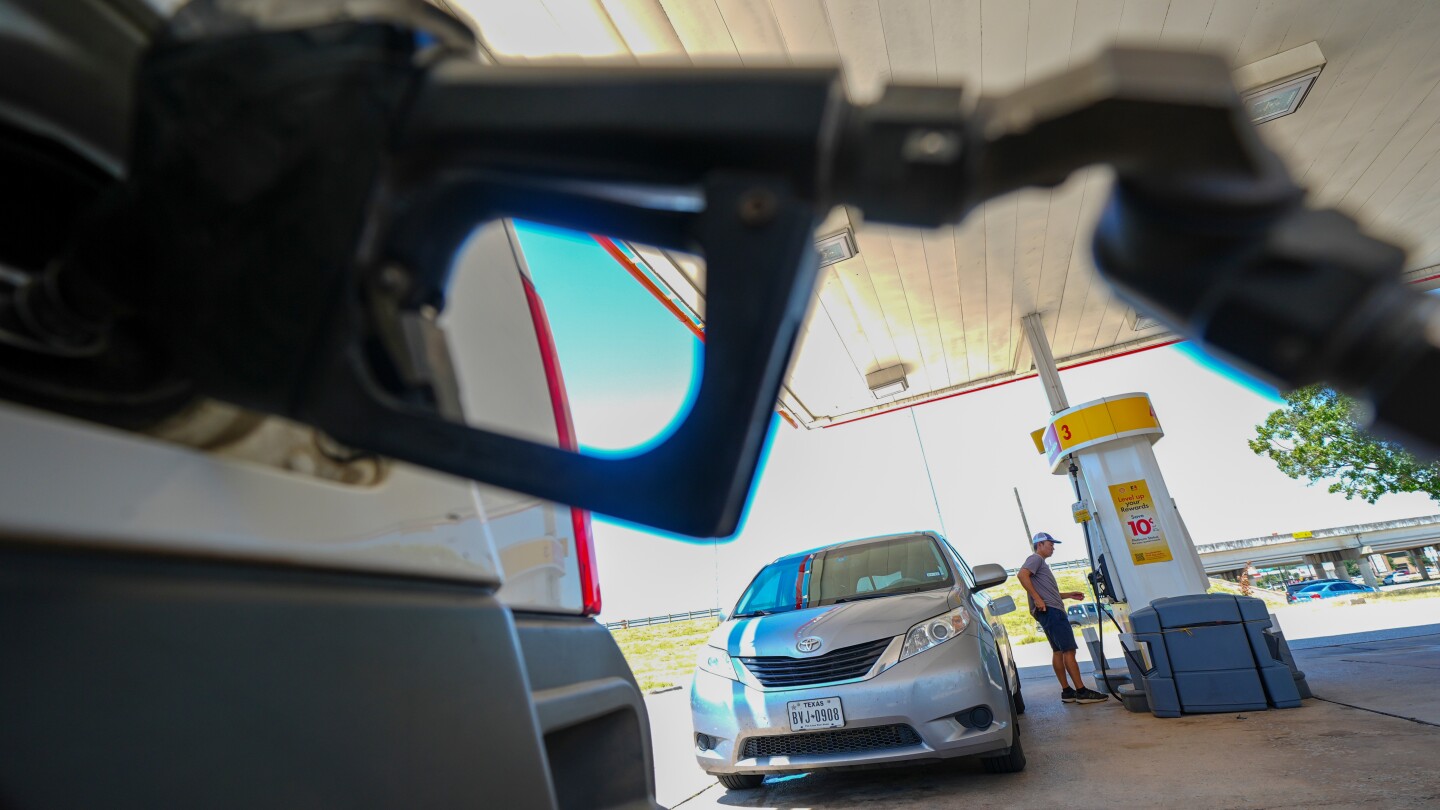
Pump prices could rise after US, EU hit Russian oil companies with new sanctions and oil spikes
In a significant move to pressure Russia amid its ongoing conflict with Ukraine, the United States imposed sweeping sanctions on Russia’s oil industry on Thursday. This decision sent shockwaves through global energy markets, with U.S. benchmark crude prices surging by 6% to $62 per barrel. Analysts predict that American consumers could soon face higher gasoline prices, with the full impact expected to materialize within days. Patrick De Haan, head of petroleum analysis at GasBuddy, noted that while the exact timeline remains uncertain, motorists are likely to see price increases at the pump as early as next week. The sanctions target major Russian oil companies, including Rosneft and Lukoil, and come in response to bipartisan calls for stronger economic measures against Moscow. The European Union also announced parallel sanctions on Russian oil and gas, further intensifying the global response. Brent crude, the international benchmark, rose by $3.57 to $66.15 per barrel, reflecting the market’s reaction to the geopolitical tensions. The OPEC+ alliance, which includes Russia as a key non-OPEC member, has been gradually increasing oil production this year, but the new sanctions could disrupt this stability. The broader economic implications include potential inflationary pressures, as higher energy costs often ripple through various industries, affecting prices for goods and services. The situation remains fluid, with analysts suggesting that the duration of these price increases will depend on how Russia and the U.S. respond in the coming weeks.
-
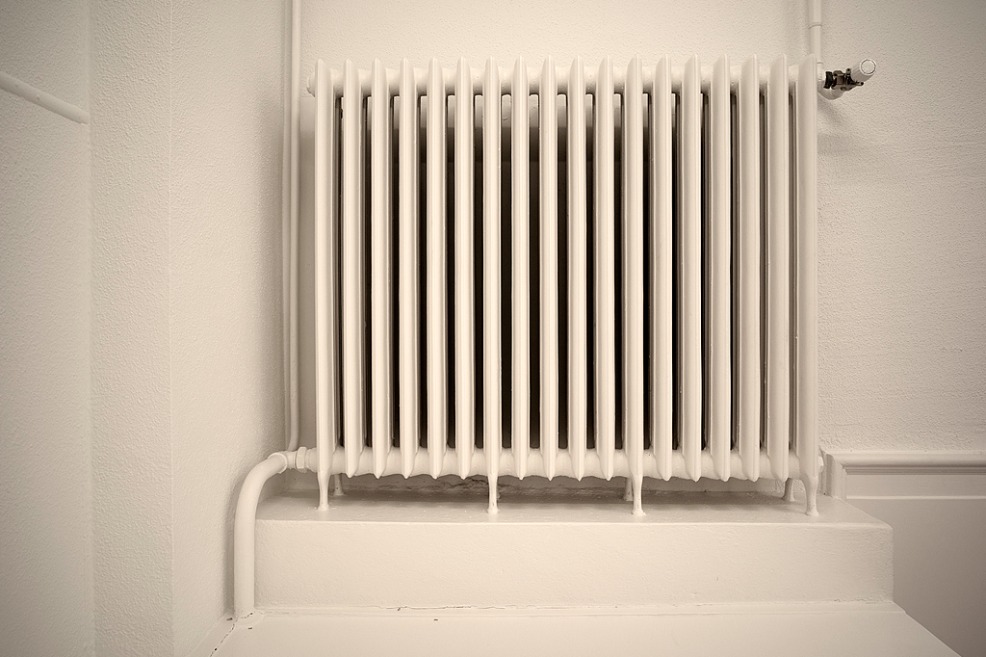
Beijing set to ensure heating readiness amid early cold snap
In response to an unexpected early cold snap, the Beijing Commission of Urban Management has mandated that all heating service providers complete essential preparations by October 31. These include system pressurization, water filling, cold-run debugging, and household inspections to ensure centralized heating systems are operational by November 1. The commission has intensified its collaboration with the Beijing Meteorological Observatory since mid-October to monitor the unusually cold weather. The city will rely on meteorological data to determine the precise timing for activating heating systems, adhering to established protocols. Approximately 1.07 billion square meters of urban areas in Beijing will benefit from centralized heating, with 701 million square meters allocated for residential use and 369 million square meters for nonresidential purposes. This year, Beijing has addressed over 950 potential hazards, upgraded around 1,300 kilometers of outdated heating pipelines, and implemented smart retrofitting for heating systems in 30 million square meters of existing buildings. On October 22, the city recorded its first sub-zero temperature of the autumn. Zhao Wei, the chief forecaster, described the cold wave as ‘seeping,’ with successive waves of cold air preventing a quick temperature rebound. While temperatures are expected to rise gradually, minor fluctuations may occur due to weak cold air movements later in the month.
-
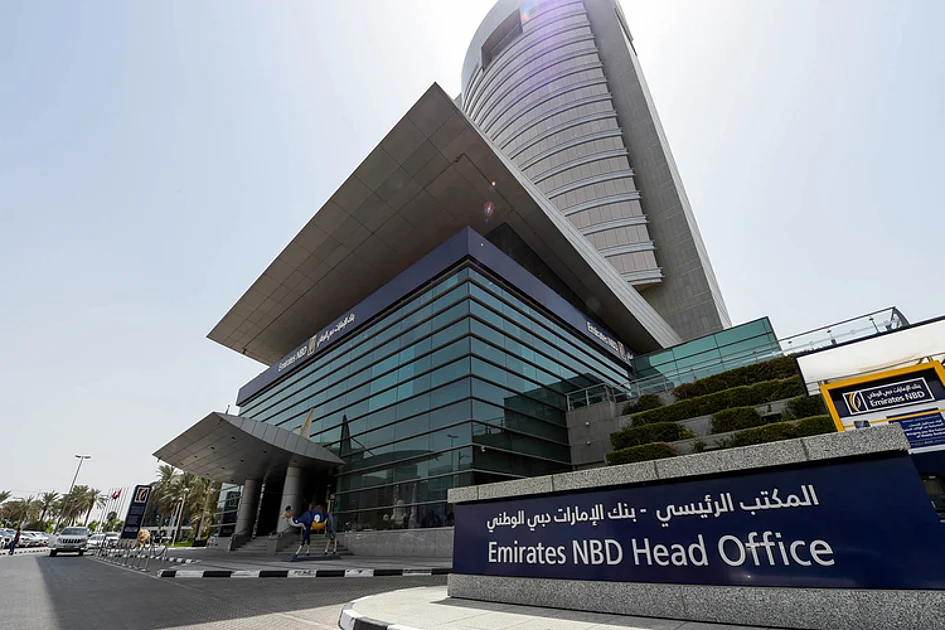
Dubai-based Emirates NBD’s profit before tax surges to Dh23.4 billion
Emirates NBD, one of the Middle East’s leading banking groups, has announced a remarkable financial performance for the first nine months of 2025, with income soaring to Dh36.7 billion. The bank’s operating profit rose by 10% year-on-year to Dh25.5 billion, while profit before tax climbed 6% to Dh23.4 billion, despite reduced recoveries in the third quarter. This robust growth was driven by exceptional loan and deposit expansion across all regions and segments, offsetting the impact of global interest rate cuts.
-

Gunmen kill Pakistan militia chief and five others
In a violent incident that has escalated tensions in Pakistan’s northwestern border region, gunmen attacked and killed a pro-government militia leader along with five others. The assailants reportedly opened fire on the victims, doused their vehicle with fuel, and set it ablaze, according to a senior administration official who spoke to AFP on Thursday under the condition of anonymity. The attack occurred in Khyber Pakhtunkhwa province, an area that has seen a surge in violence since the Taliban regained control of neighboring Afghanistan in 2021. The official stated that the attackers’ intent was to instill fear, as the bodies of the six victims were completely charred. While no group has claimed responsibility, the official suggested that the Tehreek-e-Taliban Pakistan (TTP), also known as the Pakistani Taliban, may have orchestrated the attack. The TTP had allegedly demanded extortion money from the militia leader, who refused to comply, leading to his execution. Pakistan has accused the Taliban-led government in Afghanistan of harboring TTP militants and facilitating cross-border attacks, a claim that Kabul denies. The border between the two nations was recently closed following clashes earlier this month, which were triggered by an explosion in Kabul on October 9 that resulted in significant civilian and military casualties on both sides. Afghanistan’s Taliban government blamed Pakistan for the blast and launched a retaliatory offensive along the border. A ceasefire brokered over the weekend remained in effect as of Thursday, with officials from both countries scheduled to meet in Turkey on Saturday to discuss the ongoing tensions.
-
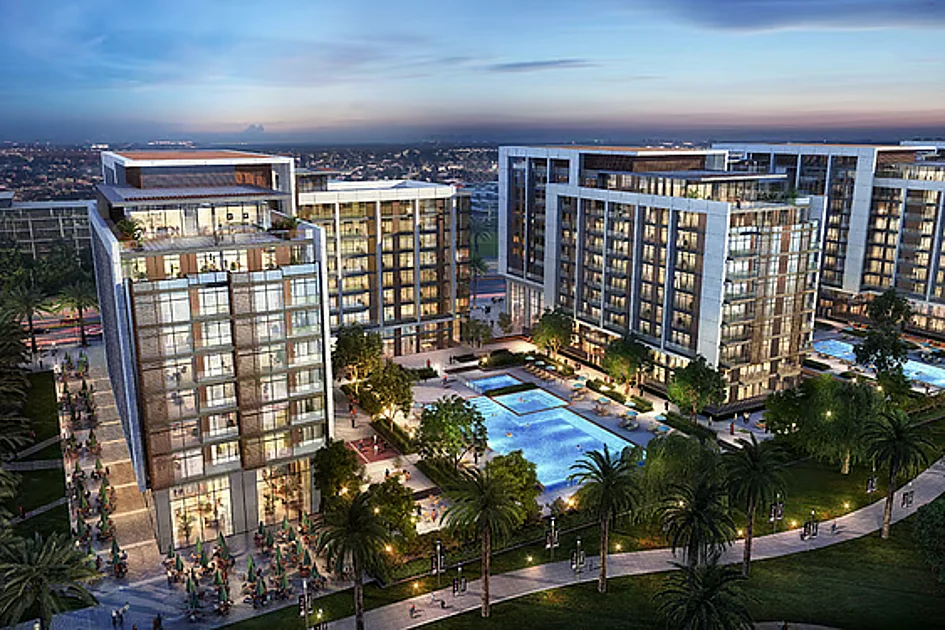
Dubai Mansions: Emaar launches new Dh100-billion ultra-luxury residential project
Emaar Properties, a leading master developer, has announced the launch of its ambitious Dh100-billion Dubai Mansions project, set to redefine luxury living in the heart of Emaar Hills, Dubai’s newest master-planned community. The project will feature 40,000 ultra-luxury mansions, each ranging from 10,000 to 20,000 square feet, offering unparalleled opulence and exclusivity. Residents will enjoy direct access to a championship golf course, state-of-the-art wellness and leisure facilities, premium retail destinations, and meticulously landscaped parks designed to foster a sense of community and balance. Mohamed Alabbar, founder of Emaar, described Dubai Mansions as the crown jewel of Emaar Hills, emphasizing its unmatched attention to detail and its embodiment of harmony, prestige, and a lifestyle that is unrivaled globally. The project is poised to solidify Dubai’s reputation as a hub for ultra-luxury real estate, attracting discerning buyers from around the world.
-
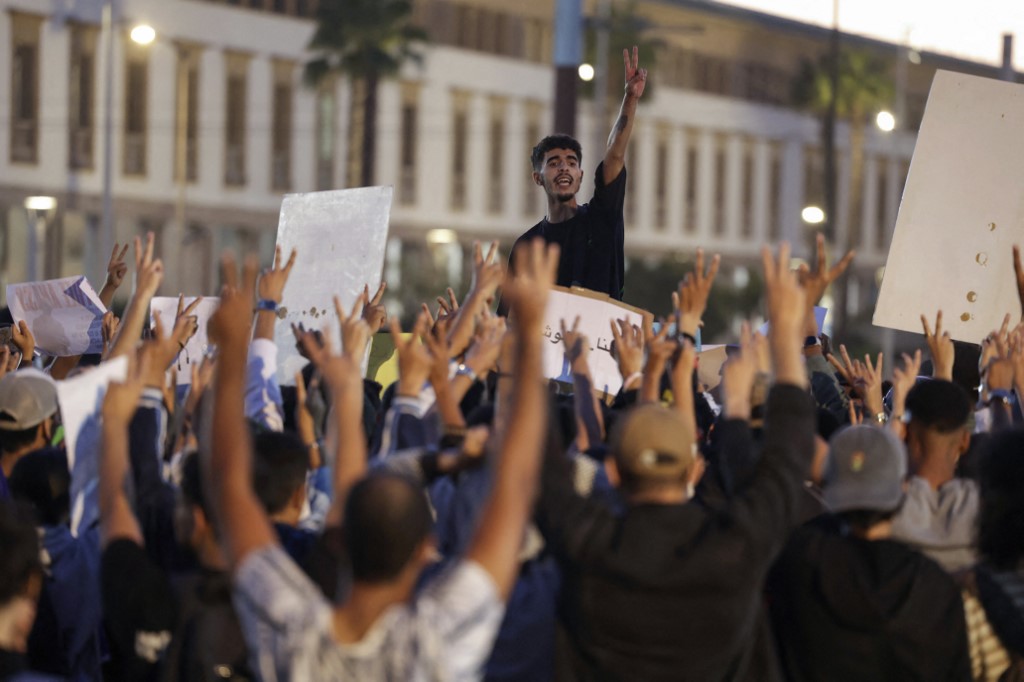
Morocco’s $15bn promise falls short of GenZ 212 demands for real change
In response to widespread protests led by Morocco’s Generation Z, the royal cabinet announced a significant allocation of nearly $15 billion to the health and education sectors by 2026, marking a 16 percent increase from the previous year. The protests, which have shaken the North African nation, were sparked by the tragic deaths of eight women following C-sections in a public hospital in Agadir, as well as concerns over disproportionate investment in football infrastructure ahead of the 2030 World Cup at the expense of public services. The government also pledged to create over 27,000 jobs in these sectors. However, skepticism remains among experts and the GenZ 212 movement, who question the adequacy of the funds and their implementation. In a statement, the movement urged vigilance, emphasizing the need for anti-corruption measures and transparency. Redouane Amimi, a professor at Mohammed V University, described the allocation as a ‘positive political signal’ but stressed that its impact would be limited without structural reforms. Corruption continues to plague Morocco, with Transparency International ranking it 99th out of 180 countries in its 2024 Corruption Perception Index. Critics argue that the sudden budget announcement appears reactive rather than part of a long-term strategy. Insaf Elouard, a GenZ 212 activist, likened the government’s response to its handling of the Arab Spring protests in 2011, suggesting that superficial reforms may not address systemic issues. The protests have been met with harsh repression, with hundreds of young demonstrators arrested and sentenced to lengthy prison terms. Despite the challenges, the youth-led movement represents a historic generational revolt against the Moroccan regime, driven by demands for meaningful change. While King Mohammed VI has called for reforms and greater social impact, the path forward remains fraught with bureaucratic inefficiencies and regional disparities. Separately, the government has proposed measures to encourage youth participation in politics ahead of next year’s general election. The 2026 draft budget will be presented to parliament next week for detailed discussion.
-
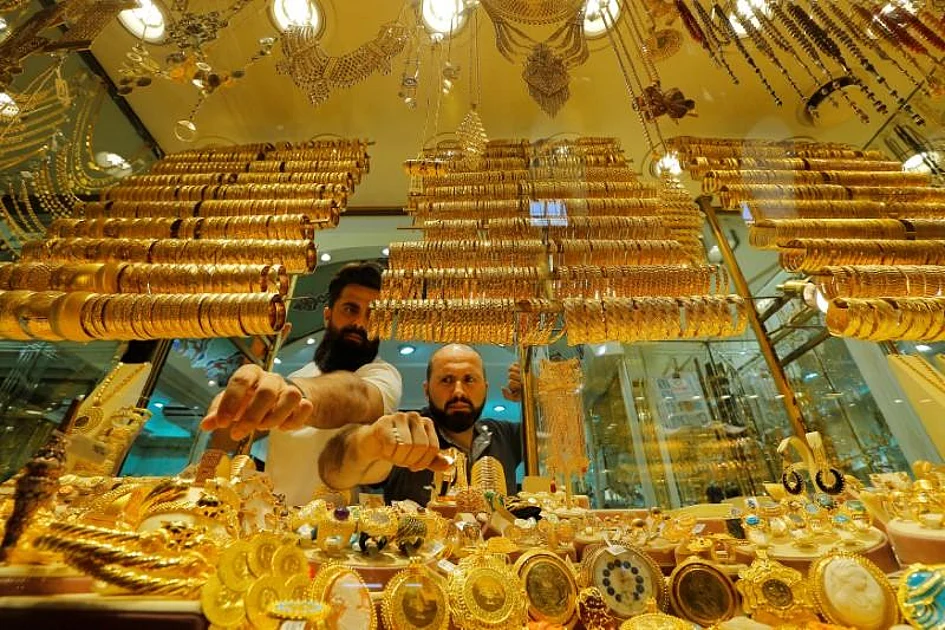
Diwali gold buying ends in losses: UAE shoppers lose thousands of dirhams as prices fall
Gold buyers in the UAE who made purchases during the Diwali festival are facing significant short-term losses as gold prices plummeted shortly after the celebrations. According to analysts and jewellers, the sharp decline in gold prices has resulted in losses amounting to thousands of dirhams for many shoppers. Despite this immediate setback, many residents view their gold purchases as long-term investments, valuing the precious metal for its stability and enduring worth. Vijay Valecha, Chief Investment Officer at Century Financial, noted that 24-karat gold in Dubai reached a record high of Dh525.25 per gram on October 21, driven by festive demand and global safe-haven trends. However, prices dropped sharply to Dh485 per gram by the evening, marking a significant decline of nearly Dh30 per gram. This trend continued, with prices falling further to Dh484 per gram on October 22, exacerbating losses for buyers. Vinita Hirani, a long-time UAE resident, emphasized the long-term value of gold, stating that it remains a more stable asset compared to volatile options like Bitcoin. Varun Bafna, co-founder of Amari Capital, attributed the price drop to global profit-booking after weeks of record highs. Anuraag Sinha, Managing Director at Liali Jewellery, highlighted the financial impact, noting that a 10-gram purchase at peak prices during Diwali would now cost Dh300 less, excluding additional charges like making fees and design premiums.
-
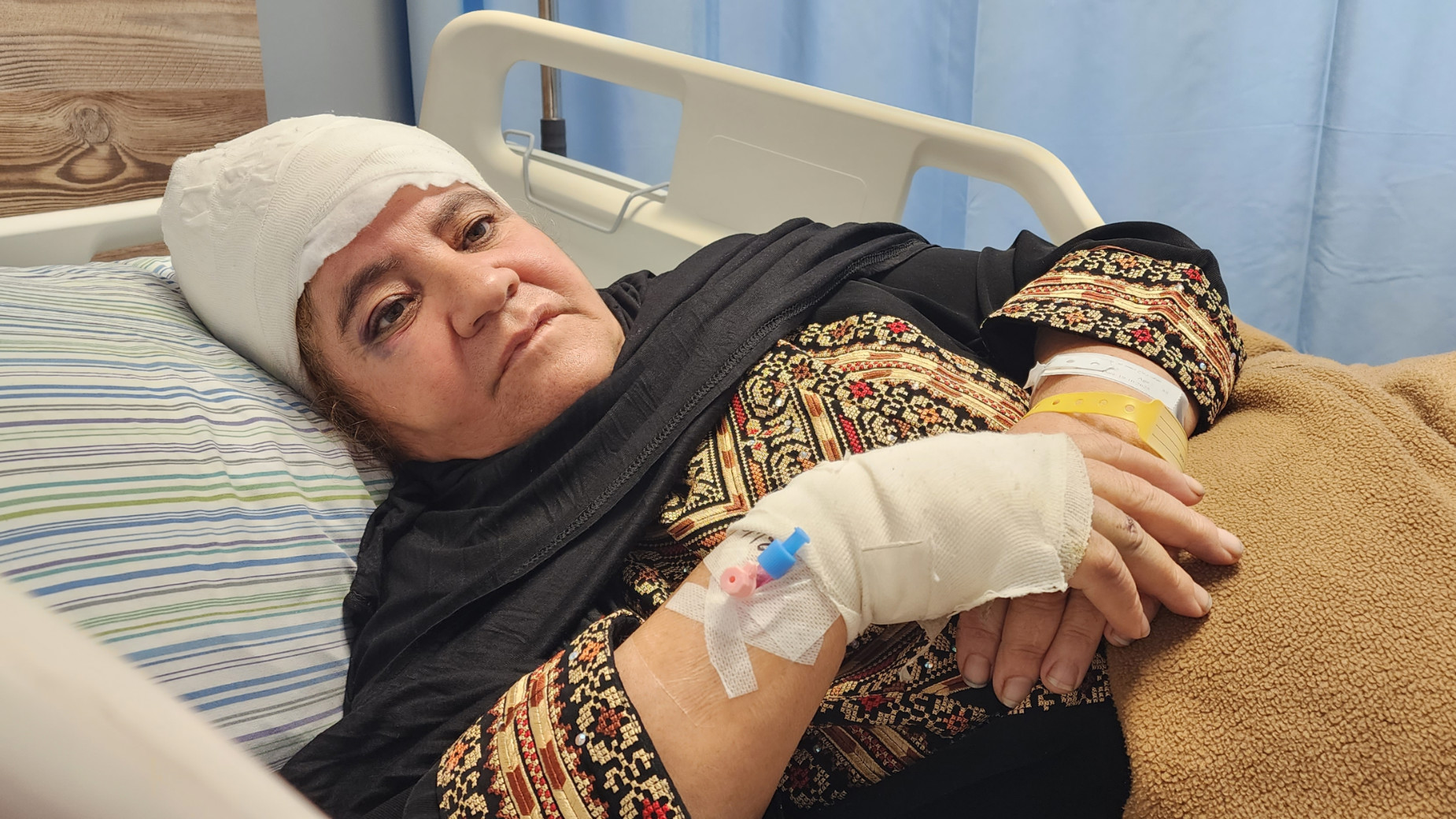
Olive groves under siege: Palestinian families face Israeli violence during harvest
Afaf Abu Alia, a 53-year-old Palestinian woman, described a harrowing experience of being brutally attacked by Israeli settlers while harvesting olives near Ramallah in the occupied West Bank. “I felt like I was dying,” she recounted, detailing how more than 20 settlers beat her with sticks, leaving her with severe injuries, including brain bleeding and extensive bruising. The attack occurred as she and her family worked in Turmus Ayya, a village where settlers from nearby settlements like Maale Levona and Shilo have increasingly targeted Palestinian farmers. Despite fleeing to a safer area, the family returned to find their vehicle destroyed and their harvested olives stolen. Later, an Israeli military patrol intercepted them, firing a gas canister that left Afaf, who suffers from respiratory issues, incapacitated. The settlers returned in greater numbers, forcing the family to flee again, but Afaf, unable to move, endured further violence. This attack is part of a broader pattern of escalating settler violence against Palestinian olive harvesters, often under the protection of Israeli soldiers. The Abu Alia family, who had already been forced to rent land after settlers repeatedly targeted their own olive groves in al-Mughayyir, described the destruction of their olive trees as a devastating loss of heritage. Their great-grandfather had planted these ancient Roman olive trees over 150 years ago, and the family views them as a symbol of their identity and connection to the land. Since the start of the olive harvest season, over 158 settler attacks have been documented, resulting in the destruction of thousands of olive trees and significant economic losses for Palestinian families. The olive harvest, a deeply communal and cultural tradition, has become a battleground in the ongoing conflict, with settlers and Israeli forces systematically targeting Palestinian farmers to sever their ties to the land. Despite these efforts, Palestinians continue to resist, driven by a profound spiritual and ancestral bond with their olive trees.
-
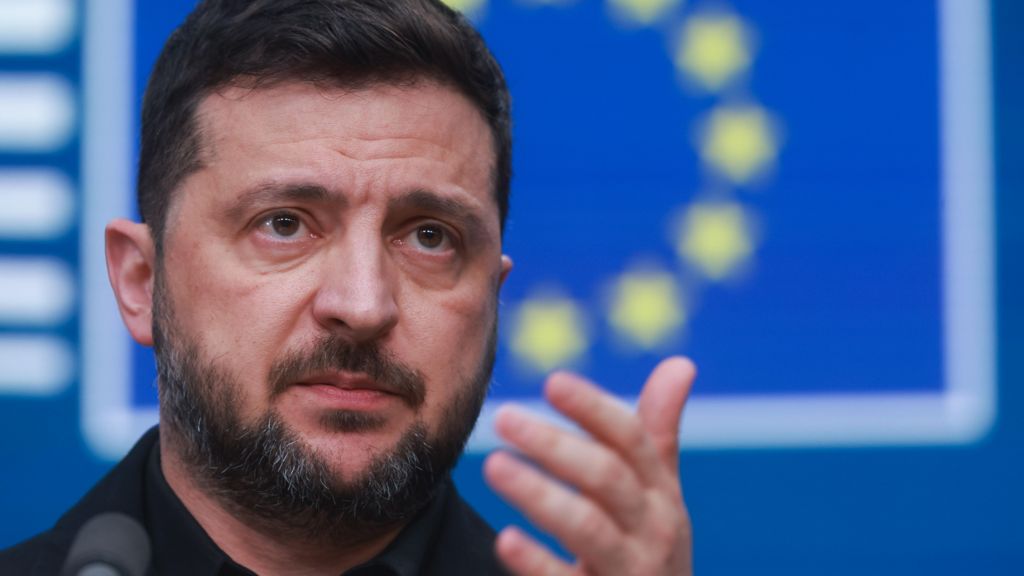
Ukraine urges EU to back loan using frozen Russian cash
Ukrainian President Volodymyr Zelensky has made a compelling appeal to the European Union to support a plan that would release billions of euros in frozen Russian assets to bolster Ukraine’s defense efforts. Speaking during the EU leaders’ summit in Brussels, Zelensky expressed hope for a ‘positive decision’ regarding the utilization of €140 billion (£122 billion) in Russian funds currently held in a Belgian clearing house. This proposal, which has sparked significant debate, would complement the existing sanctions imposed on Russia, including recent measures targeting the Kremlin’s oil revenues. The EU’s latest sanctions, announced on Thursday, follow similar actions by the United States against Russia’s oil industry, marking the first time President Donald Trump has sanctioned Moscow amid growing frustration over President Vladimir Putin’s refusal to end the conflict. Trump also confirmed the indefinite postponement of a planned meeting with Putin in Budapest, citing unproductive discussions. The US sanctions specifically targeted Russian oil giants Rosneft and Lukoil. Meanwhile, European ministers have been deliberating on how to allocate the frozen Russian assets as a ‘reparations loan’ to Ukraine. Zelensky, attending the Brussels summit, emphasized the moral and financial responsibility of Russia, stating, ‘Russia brought war to our land, and they have to pay for this war.’ However, the proposal faces legal and political hurdles, with Belgium expressing reluctance due to potential legal challenges from Russia. EU foreign affairs chief Kaja Kallas acknowledged the complexities but stressed that ‘Russia is responsible for the damages in Ukraine and has to pay.’ Russia has vehemently criticized the plan, with foreign ministry spokeswoman Maria Zakharova warning of a ‘painful response’ to any confiscatory measures. The EU’s latest sanctions also targeted three Chinese businesses involved in purchasing Russian crude oil, a move condemned by China as undermining economic cooperation. The overarching goal of these measures, according to Kallas, is to ‘deprive Russia of the means to fund this war’ and send a clear message that ‘Russia can’t outlast us.’