作者: admin

  • ‘My Ramesh’: Wife of late royal photographer says everyone knew him by name

    ‘My Ramesh’: Wife of late royal photographer says everyone knew him by name

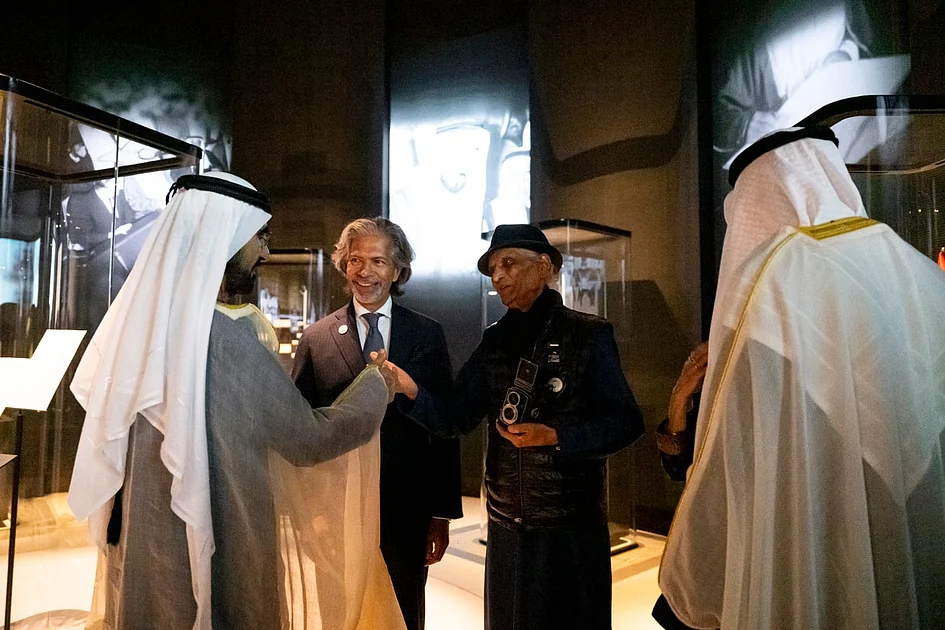
    The United Arab Emirates mourns the passing of Ramesh Shukla, the renowned royal photographer whose iconic images chronicled the nation’s remarkable journey from its formative years to global prominence. Shukla, who passed away on February 14, 2026, left behind a visual legacy that has become embedded in the nation’s collective memory, with his work appearing on postage stamps, currency notes, and in prestigious collections throughout the country.

    In an emotional tribute, Tarulatta Shukla, his wife of 61 years, shared intimate details of their life together, revealing the extraordinary dedication behind his celebrated career. “Everybody knew him by name—my Ramesh,” she stated, emphasizing how her husband was not just a photographer to the royals but a beloved figure who belonged to the people he documented.

    The couple’s journey began with profound challenges when they arrived in the UAE in 1970. With limited resources and no proper equipment, they demonstrated remarkable ingenuity by converting their living space into a makeshift darkroom. “We used plates (thalis) that we ate in to develop pictures since no other equipment was available,” Tarulatta recalled during an interview with Khaleej Times.

    Without a stopwatch or proper darkroom facilities, Shukla taught his wife the intricate art of photography development. “He almost made me a professional developer,” she noted, explaining how they would cover their single room with curtains and carefully calculate development times based on sunlight conditions and weather patterns.

    Shukla’s access to the highest levels of UAE leadership was earned through decades of trust and dedication rather than formal status. His wife recounted how he frequently traveled with Sheikh Mohammed bin Rashid Al Maktoum, Ruler of Dubai, and how “even very famous people knew him by his first name,” eliminating the need for special permissions.

    The octogenarian photographer remained active until his final days, driven by his passion for capturing the essence of Emirati life. His work now enjoys permanent exhibition at the Etihad Museum, representing the pinnacle of his artistic journey.

    Tarulatta also expressed admiration for Sheikh Hamdan bin Mohammed Al Maktoum’s photography, noting that true photography demands “the struggle behind the lens and the immense patience it demands”—qualities she witnessed firsthand throughout her six decades alongside her husband.
  • Italian toddler in critical condition after transplanted heart ‘burned by frostbite’

    Italian toddler in critical condition after transplanted heart ‘burned by frostbite’

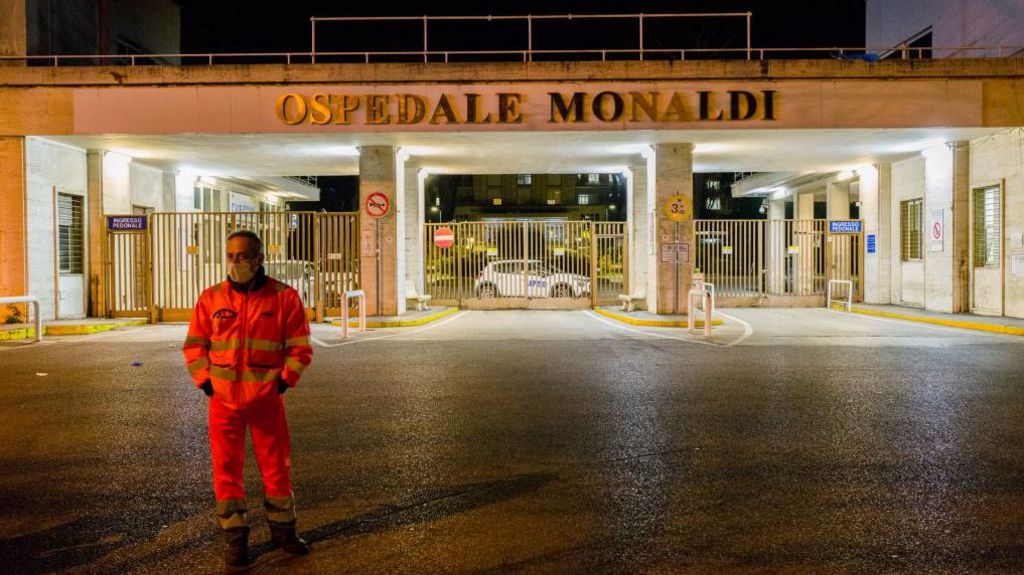
    A medical tragedy has unfolded in Italy where a two-year-old boy remains in stable yet critical condition following a disastrous heart transplant procedure in December. The incident, now under criminal investigation, involved a donor heart that sustained severe frostbite damage during transport due to apparent protocol failures.

    The organ, harvested from a young drowning victim in Bolzano, was transported to Monaldi Hospital in Naples in a container that violated basic medical standards. According to legal representatives, the heart was placed in direct contact with dry ice and lacked essential temperature monitoring equipment. Francesco Petruzzi, the family’s attorney, described the organ as arriving ‘burned by frostbite,’ rendering it effectively unusable.

    Despite the visible damage, surgeons proceeded with the transplantation. The child subsequently suffered catastrophic complications requiring immediate life support intervention. Medical experts note that prolonged extracorporeal support increases risks of multi-organ failure affecting lungs, liver, and kidneys.

    Italy’s health ministry has launched a formal inquiry, with six medical professionals currently under investigation. Health Minister Orazio Schillaci emphasized the necessity of full transparency, stating: ‘We must absolutely clarify what happened. We owe it to the child, to the family, but also to all Italians.’

    The case has reached the highest levels of Italian society, with the child’s mother, Patrizia Mercolino, appealing directly to Pope Francis for assistance in securing a new donor organ. ‘I am not giving up,’ she told local media, expressing hope for her son’s eligibility for a second transplant.

    A national medical board comprising specialists from major Italian hospitals convened Wednesday at Monaldi Hospital to assess whether the child can withstand another transplant procedure. The family’s legal team indicates they will seek additional medical opinions if the panel declines to approve a new transplantation.

  • Nancy Guthrie’s family cleared as possible suspects, with search in its third week

    Nancy Guthrie’s family cleared as possible suspects, with search in its third week

    Law enforcement agencies in Arizona have officially exonerated family members of 84-year-old Nancy Guthrie from suspicion in her disappearance, countering speculative social media narratives about the case. The Pima County Sheriff’s Office emphasized the family’s cooperative stance, stating they are “victims in this case” and characterizing online accusations as “not only wrong, but cruel.”

    Sheriff Chris Nanos confirmed the statement was prompted by public attacks targeting innocent family members, noting that “kindness matters” and protecting victims represents a fundamental duty for law enforcement.

    The investigation into Guthrie’s disappearance, now entering its third week, began after she was reportedly taken from her Tucson-area residence during the early hours of February 1st. Evidence collected at the scene included blood discovered on her porch flooring and doorbell camera footage depicting a masked individual wearing gloves and a backpack.

    Forensic analysis conducted by the FBI indicates the suspect stands approximately 5’9″ to 5’10” (175-177 cm) with an average build. Investigators have determined the mask and backpack were likely purchased at Walmart stores and are currently reviewing surveillance footage and purchase records from multiple locations.

    Significant investigative developments include the recovery of a glove matching those worn by the suspect and the creation of a DNA profile from unknown male genetic material, which has been entered into national databases for potential matches.

    The search operation has expanded to incorporate advanced technological approaches, including a helicopter-mounted “signal sniffer” device designed to detect transmissions from Guthrie’s pacemaker. This technology aims to pinpoint her location within areas of interest identified by investigators.

    Despite executing a search warrant at a residence located two miles from Guthrie’s home last Friday, authorities have made no arrests. The comprehensive search effort continues to involve hundreds of officers, aerial surveillance, canine units, and the evaluation of thousands of public tips.

    Savannah Guthrie, NBC Today Show co-host and Nancy’s daughter, recently issued a renewed video appeal to those potentially holding her mother, emphasizing that the family “still has hope” for her safe return.

  • Marseille’s chaotic season takes another twist as sporting director Benatia returns after resigning

    Marseille’s chaotic season takes another twist as sporting director Benatia returns after resigning

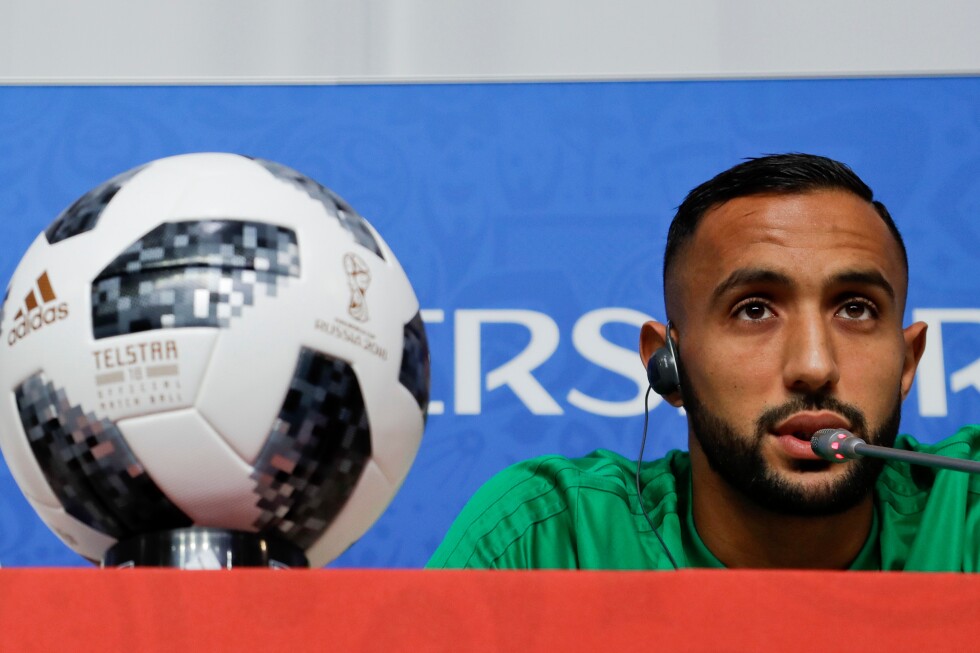
    French football club Olympique Marseille finds itself engulfed in unprecedented institutional chaos as sporting director Medhi Benatia dramatically reversed his resignation just 48 hours after stepping down. The stunning development comes amid a deepening crisis at the Mediterranean club, which has seen coach Roberto De Zerbi depart and fan protests intensify.

    American owner Frank McCourt confirmed Benatia’s unexpected return through an official statement, revealing the director had agreed to remain until season’s end to oversee all sporting operations. This restructuring simultaneously shifts club president Pablo Longoria into a more institutional role focused on representing Marseille within French and European football bodies.

    The club’s on-field performance has mirrored this administrative disarray. Marseille’s recent 2-2 home draw against Strasbourg, after squandering a two-goal lead, followed a humiliating 5-0 defeat to Paris Saint-Germain and Champions League elimination after a 3-0 loss to Club Brugge. These disappointing results have left the club languishing twelve points behind league leaders Lens in fourth position.

    Fan frustration reached boiling point during the Strasbourg match when Ultras groups vacated both stands behind the goals in protest. One prominently displayed banner demanded the immediate departure of McCourt and Longoria, declaring “all of your projects go up in smoke!”

    The nine-time French champions, who haven’t lifted a trophy since the 2012 League Cup, now realistically only contend for the French Cup, where they face Toulouse in next month’s quarterfinals. Meanwhile, reports indicate former Marseille defender Habib Beye, recently dismissed by Rennes, is poised to be named as the new head coach. Assistant coach Jacques Abardonado has been serving in an interim capacity since De Zerbi’s departure.

  • Look: From Pakistan to Gaza, how Muslims are preparing for Ramadan around the world

    Look: From Pakistan to Gaza, how Muslims are preparing for Ramadan around the world

    As the holy month of Ramadan approaches in February 2026, Muslim communities worldwide are engaged in profound spiritual and practical preparations. From the bustling markets of Pakistan to the resilient neighborhoods of Gaza, diverse traditions are unfolding in anticipation of Islam’s most sacred period.

    In Pakistan, vibrant marketplaces are witnessing unprecedented activity as families stock up on essential supplies. Specialized Ramadan markets are emerging with traditional foods, decorative items, and religious materials, creating a festive atmosphere despite economic challenges. Community kitchens are being organized to ensure food security for all economic backgrounds during the month of fasting.

    The Gaza Strip demonstrates remarkable resilience as residents prepare under difficult circumstances. Community organizations are coordinating pre-Radaman food distribution programs and arranging collective iftar meals. Spiritual lectures and Quran study circles are being organized in makeshift venues, emphasizing the month’s spiritual significance beyond physical deprivation.

    Across Southeast Asia, distinctive cultural traditions are emerging with elaborate night markets and special charitable initiatives. Mosques from Indonesia to Malaysia are undergoing thorough cleaning and maintenance, while religious authorities are coordinating moon-sighting committees to determine the exact start of the holy month.

    European and North American Muslim communities are preparing through interfaith dialogues and public education initiatives. Mosques are organizing open houses and distributing informational materials to foster greater understanding among non-Muslim neighbors. Digital platforms are being leveraged to create virtual preparation guides and spiritual development programs.

    The global Muslim ummah is demonstrating extraordinary unity in diversity, with each region contributing unique cultural elements while maintaining the universal principles of Ramadan – spiritual reflection, communal solidarity, and heightened devotion.

  • Gallop into Chinese New Year in Yantai

    Gallop into Chinese New Year in Yantai

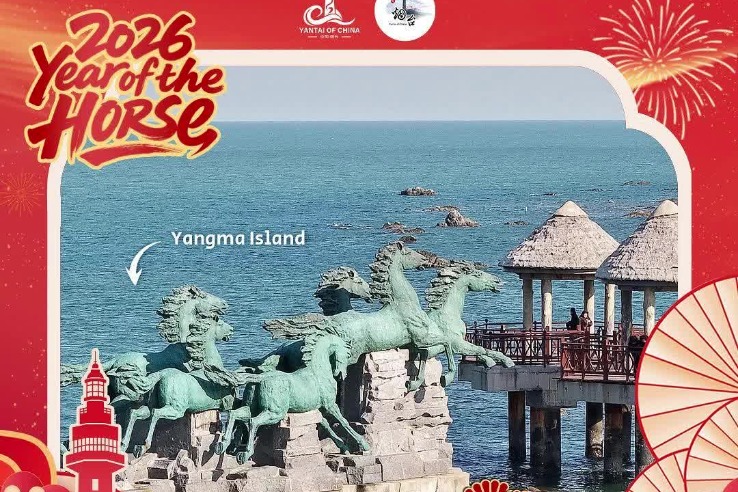
    As the Year of the Horse commenced, the coastal city of Yantai in Shandong province extended a unique invitation to experience Chinese New Year through its rich cultural tapestry. The city’s celebrations showcase an extraordinary blend of traditional craftsmanship and coastal charm, offering visitors an immersive journey into China’s cultural heritage.

    Yantai’s festivities feature meticulously preserved handicrafts that have been passed down through generations, alongside vibrant folk art performances that capture the spirit of the lunar new year. The city’s picturesque coastal location adds a distinctive maritime dimension to the traditional celebrations, creating a unique fusion of land and sea cultural elements.

    The local tourism authorities have curated special experiences allowing visitors to engage with time-honored traditions while enjoying the natural beauty of this eastern Chinese coastal destination. The celebration theme incorporates horse symbolism throughout its events, drawing on the animal’s cultural significance in Chinese mythology as a bearer of good fortune, strength, and perseverance.

    This cultural showcase forms part of Yantai’s broader initiative to preserve intangible cultural heritage while promoting sustainable tourism development. The city’s approach demonstrates how traditional celebrations can evolve while maintaining their authentic cultural core, offering both domestic and international visitors a genuine experience of Chinese New Year traditions within a contemporary coastal setting.

  • Rain ends Ireland & Australia’s T20 World Cup hopes

    Rain ends Ireland & Australia’s T20 World Cup hopes

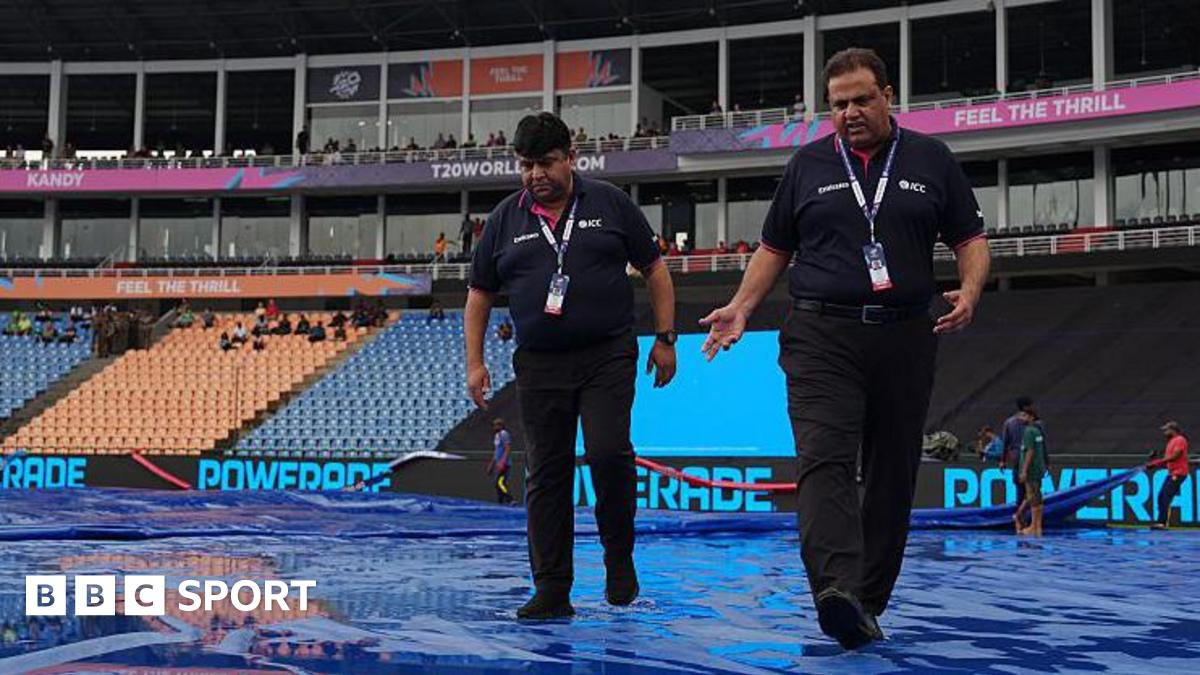
    Persistent rainfall at Pallekele Cricket Stadium in Kandy delivered a crushing, weather-induced verdict on the T20 World Cup fates of Ireland and Australia on Tuesday. The highly anticipated Group B clash between Ireland and Zimbabwe was abandoned without a ball bowled, resulting in both teams sharing a single point. This outcome proved decisive, catapulting Zimbabwe into the Super 8s phase while simultaneously ending the campaigns of both Ireland and the reigning champions, Australia.

    The dramatic twist caps a rollercoaster series of events in the group. Zimbabwe’s stunning victory over Australia had set the stage for this finale, requiring just a single point from this match to advance. Ireland, in contrast, faced a must-win scenario to keep their own hopes alive. Australia, reeling from an eight-wicket defeat to Sri Lanka just a day earlier, found themselves in the unusual position of relying on an Irish victory to remain in contention for the next round.

    With the abandonment, Zimbabwe finishes with five points. Ireland’s campaign concludes with three points from their four completed matches. Australia, now mathematically eliminated, sits on two points with one inconsequential game remaining against Oman on Friday.

    Ireland’s stand-in captain, Lorcan Tucker, expressed profound disappointment. “It’s very disappointing to go out in this fashion but it’s completely uncontrollable,” he stated, reflecting on a tournament that saw his team build momentum too late. Tucker pinpointed a missed opportunity in their opening loss to Sri Lanka and emphasized the valuable experience gained by his squad, many of whom were competing in their first World Cup. “It’s really competitive and shows the pressure elite cricketers are under… We hope to have big moments in the next couple of years and prepare well for the next tournament,” he added.

    The focus now shifts to Colombo, where Zimbabwe will face Sri Lanka on Thursday to determine the Group B winner, though both teams have already secured their progression to the Super 8s.

  • China unfazed as US rallies global critical minerals bloc

    China unfazed as US rallies global critical minerals bloc

    The United States is spearheading an ambitious international initiative to establish a 55-country critical minerals alliance, aiming to coordinate global supply chains and pricing mechanisms for metals essential to technology and defense sectors. This strategic move, championed by the Trump administration, seeks to diminish Western reliance on Chinese-dominated supply networks while addressing perceived vulnerabilities in national security frameworks.

    During his address at the Munich Security Conference on February 14, US Secretary of State Marco Rubio articulated a compelling vision for allied cooperation in securing rare earths and strategic minerals. He criticized post-Cold War economic policies that led to what he termed a “dangerous delusion” of inevitable global liberalization, arguing that unfettered trade practices enabled certain nations to undermine Western industries through subsidized competition.

    “We embraced what was new and glamorous while outsourcing what seemed old and unfashionable,” Rubio stated, emphasizing how this approach resulted in deindustrialization, job losses, and transfer of critical supply chain control to geopolitical rivals.

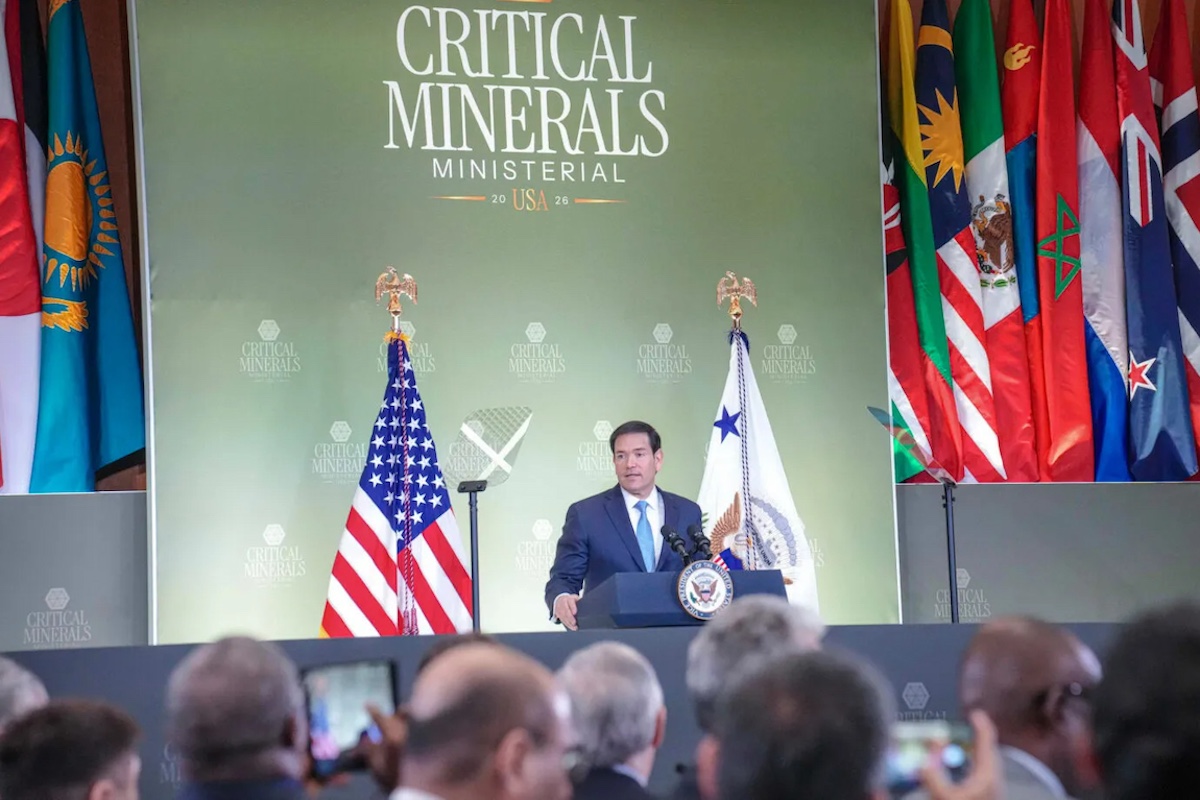
    The administration’s concrete actions include the February 4 Critical Minerals Ministerial conference, where representatives from 54 countries and the European Commission convened in Washington. This gathering culminated in new bilateral frameworks, memorandums of understanding, and the launch of FORGE (Forum on Resource Geostrategic Engagement)—a coordination platform for allied policy and investment.

    President Trump subsequently announced Project Vault, an EXIM Bank-led initiative backed by a $10 billion direct loan to establish domestic mineral reserves and shield manufacturers from supply disruptions.

    China, controlling approximately 60% of global niche metals production and over 90% of processing capacity, responded with measured confidence. Foreign Ministry spokesperson Lin Jian advocated for “an open, inclusive international trade environment beneficial to all,” opposing exclusive blocs that disrupt global economic order.

    Chinese analysts highlight structural advantages that may impede US efforts: China’s dominance in complex separation technologies, possession of nearly half the world’s rare-earth patents, and deeply integrated manufacturing ecosystems. Market realities suggest many alliance participants, including Argentina and South Korea, appear reluctant to fully sacrifice Chinese market access despite political alignment with US initiatives.

    Industry experts estimate achieving supply chain independence would require Western nations to overcome significant technological and economic hurdles spanning 10-20 years of development.

  • PLA conducts combat readiness patrols in South China Sea

    PLA conducts combat readiness patrols in South China Sea

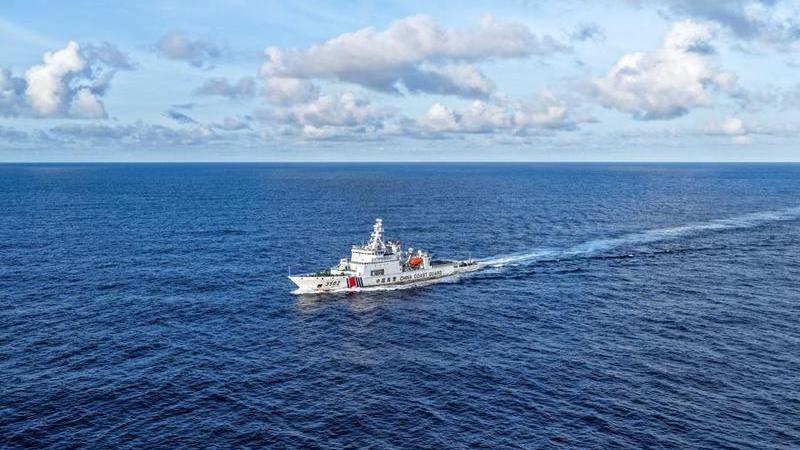
    The Chinese People’s Liberation Army Southern Theater Command has executed comprehensive combat readiness patrols in the South China Sea, demonstrating heightened military preparedness in the strategically vital waterway. The operations, conducted from Sunday through Monday, involved coordinated naval and air force deployments across the maritime region.

    Military spokesperson Zhai Shichen addressed the escalating regional dynamics, stating that recent Philippine collaborations with external nations have precipitated the need for enhanced defensive measures. “The Philippines’ coordination with extra-regional powers to conduct so-called ‘joint patrols’ has substantially destabilized the South China Sea’s security environment,” Zhai stated during Tuesday’s briefing.

    The theater command’s announcement emphasized China’s unwavering commitment to protecting territorial integrity and maritime interests through these proactive defense initiatives. Military authorities affirmed their continued vigilance in maintaining regional stability while safeguarding national sovereignty according to established international norms and domestic legal frameworks.

    The patrols represent the latest development in ongoing regional security discussions, occurring amid complex geopolitical negotiations concerning maritime boundaries and navigation rights. China maintains that these operations constitute legitimate exercises of national defense prerogatives within internationally recognized frameworks.

  • Third round of Russia-Ukraine talks starts in Geneva as strikes continue

    Third round of Russia-Ukraine talks starts in Geneva as strikes continue

    Diplomatic efforts to resolve the ongoing conflict between Russia and Ukraine resumed in Geneva this week, with delegations from both nations convening for U.S.-brokered negotiations. The talks, occurring just one week before the fourth anniversary of Russia’s full-scale invasion, proceed under a cloud of skepticism as Moscow maintains its uncompromising territorial demands.

    The negotiations, mediated by Special Envoy Steve Witkoff and Senior Advisor Jared Kushner, bring together Ukraine’s National Security Council Secretary Rustem Uierov and Presidential Chief of Staff Kyrylo Budanov facing Russia’s delegation led by Presidential Aide Vladimir Medinsky and military intelligence representatives.

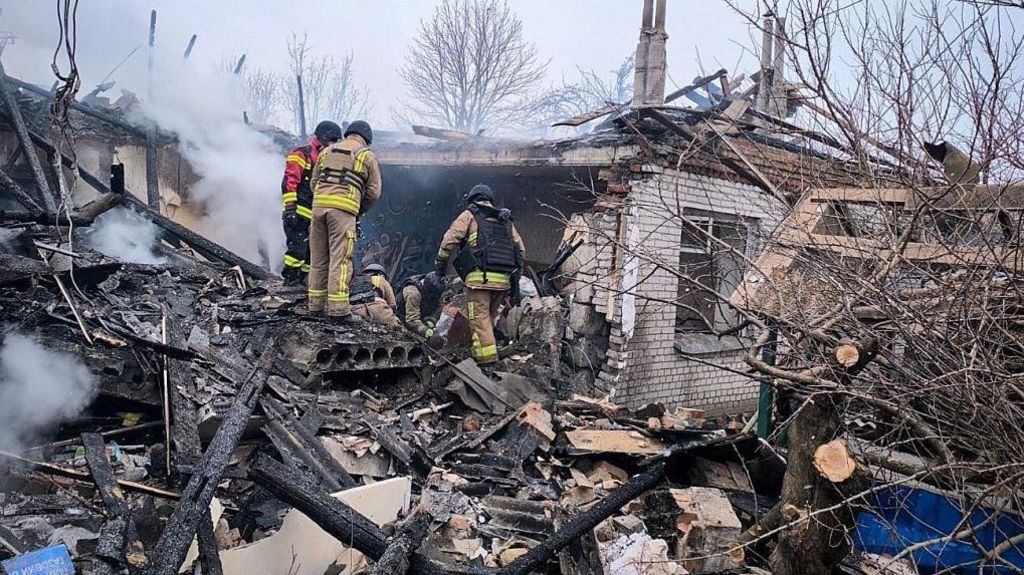
    Despite the diplomatic engagement, military actions intensified dramatically hours before the Geneva meeting. Russian forces launched a massive combined aerial assault targeting 12 Ukrainian regions with approximately 400 drones and nearly 30 missiles. The attacks resulted in at least three fatalities and multiple injuries, including children, while causing extensive damage to residential buildings and critical infrastructure.

    Ukrainian officials reported particularly severe consequences for the country’s already compromised energy grid. DTEK, Ukraine’s largest private energy firm, described the damage to power infrastructure in the southern port city of Odesa as “incredibly serious,” warning of prolonged restoration efforts. Deputy Energy Minister Artem Nekrasov confirmed three energy workers were killed near the frontline city of Slovyansk during overnight attacks.

    President Volodymyr Zelensky emphasized that “Russia must be held to account for its aggression,” asserting that any meaningful peace must address “the sole source of this aggression.” Ukrainian Foreign Minister Andrii Sybiha characterized the timing of the attacks as demonstrating Russia’s disregard for genuine peace efforts.

    Meanwhile, Russia claimed its air defenses intercepted over 150 drones, and reported that an oil refinery in the Krasnodar region caught fire following Ukrainian drone strikes. The border region of Belgorod also sustained significant power infrastructure damage from Ukrainian attacks.

    Kremlin spokesman Dmitry Peskov tempered expectations for immediate breakthroughs, indicating discussions would continue through Wednesday. The current talks follow trilateral negotiations in Abu Dhabi last month, which marked the first three-way discussions since the invasion began but yielded no substantial progress beyond subsequent prisoner exchanges.

    The conflict continues with Russia occupying approximately 20% of Ukrainian territory, including significant portions of the Donbas region. While Moscow demands control of remaining Donbas territories, Kyiv insists on robust Western security guarantees before considering any settlement.