作者: admin

  • At least 16 killed in building collapse after blast in Karachi: Pakistani officials

    At least 16 killed in building collapse after blast in Karachi: Pakistani officials

    A catastrophic building collapse triggered by a powerful explosion has resulted in a significant loss of life in Karachi, Pakistan’s most populous metropolis. The tragedy unfolded in the early hours of Thursday in the densely populated Soldier Bazaar neighborhood. Local authorities have confirmed that at least sixteen individuals, including children, perished in the incident, with more than a dozen others sustaining injuries.

    The structural failure occurred at approximately 4:00 AM local time, a period when many Muslim households were actively preparing Sehri, the traditional pre-dawn meal consumed during the holy month of Ramadan. This timing tragically increased the number of residents present within the residential building, exacerbating the casualty count.

    Emergency response teams, including rescue workers and medical personnel, were immediately dispatched to the disaster site. Operations continued throughout the day as crews worked meticulously to search for potential survivors trapped beneath the debris and recover victims. The precise cause of the initial explosion that precipitated the collapse remains under active investigation by local authorities. This incident has drawn renewed attention to building safety standards and urban infrastructure challenges in Pakistan’s major urban centers.
  • UAE has improved this Canadian expat’s relationship with money and wealth

    UAE has improved this Canadian expat’s relationship with money and wealth

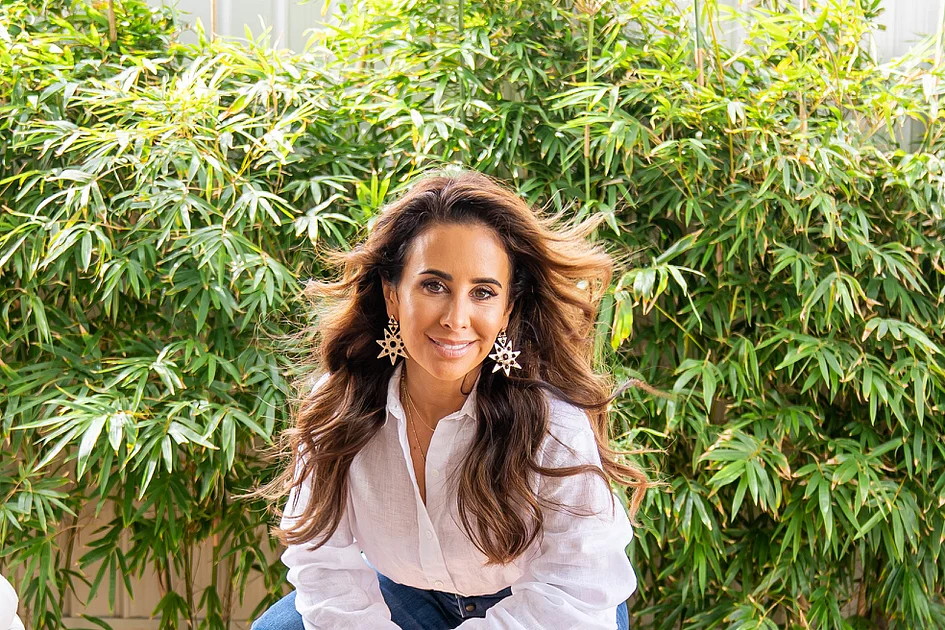
    Dubai-based Canadian expatriate Dr. Katherine Iscoe has undergone a profound transformation in her relationship with wealth since relocating to the UAE less than a year ago. The former technology CEO and published author reveals how the Emirates’ distinctive economic environment has revolutionized her perspective on financial matters, shifting from complicated anxiety to confident management.

    Dr. Iscoe traces her previously complex money mindset to childhood influences, noting that while her parents demonstrated financial caution, they avoided extremes of either scarcity or abundance. This middle-ground upbringing created ambiguity that persisted into adulthood. Her mother’s enduring wisdom—’If you worry about money, money will always be a problem’—became a foundational principle, though she questions why financial literacy isn’t formally taught alongside emotional intelligence in educational systems.

    The expat emphasizes selective discourse regarding financial matters, avoiding conversations tinged with judgment or shame. She distinguishes between healthy money discussions and those that equate net worth with personal value. Surprisingly, Dr. Iscoe is entirely self-taught in financial management, having developed her expertise through practical experience rather than formal mentorship.

    Since settling in Dubai, she has observed a transformative cultural difference: women actively pursuing ambitions and demanding deserved compensation without apology. This environment normalizes wealth as a positive force rather than something shameful. Her advice to younger generations reframes money as a practical tool rather than a measure of self-worth, emphasizing early financial education and confident negotiation.

    Dr. Iscoe prioritizes health investments as non-negotiable expenditures while acknowledging a weakness for luxury footwear. Her financial planning operates through intentional goal-setting rather than rigid spreadsheets, aligned with the principles explored in her new book about recognizing personal value.

    Her most significant financial decision? Relocating to Dubai. Despite Australia’s appeal, she found the Emirates’ business ecosystem more supportive, particularly for female entrepreneurs. The collaborative networking culture and proactive assistance from fellow residents have generated unprecedented optimism about her financial future, despite the higher cost of living.

  • Trump says world has 10 days to see if Iran deal reached

    Trump says world has 10 days to see if Iran deal reached

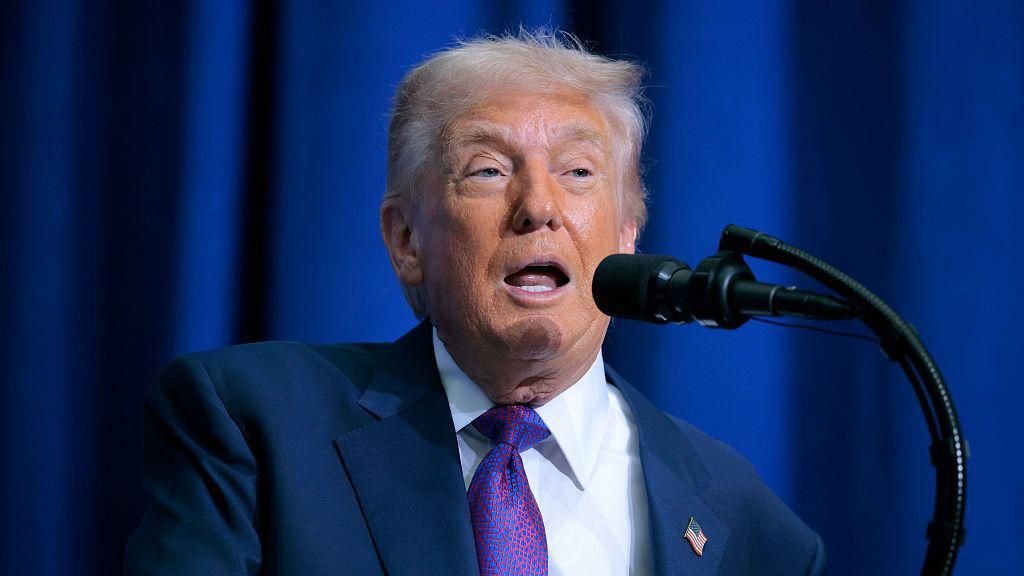
    President Donald Trump has declared that the world will learn within approximately ten days whether the United States will secure a nuclear agreement with Iran or resort to military escalation. Speaking at the inaugural session of his newly established Board of Peace in Washington D.C., Trump characterized recent negotiations as “very good” while simultaneously acknowledging the historical complexity of reaching meaningful accords with Tehran.

    The administration appears to be pursuing parallel tracks of diplomacy and military pressure. Recent days have witnessed both reported progress in U.S.-Iran talks held in Switzerland and a significant surge of American military assets to the Middle East, including the deployment of the USS Abraham Lincoln aircraft carrier. This dual approach has created an atmosphere of heightened tension, with satellite imagery confirming Iran’s reinforcement of military facilities and Supreme Leader Ayatollah Ali Khamenei issuing social media threats against U.S. forces.

    Special Envoys Steve Witkoff and Jared Kushner, who also serves as Trump’s son-in-law, have conducted what the president described as productive meetings with Iranian representatives. However, Trump emphasized that additional work remains and warned that Washington “may have to take it a step further” if diplomatic efforts fail.

    The Board of Peace, initially conceived to address the Israel-Hamas conflict, appears to have expanded its mandate beyond Gaza reconstruction. Its composition of approximately two dozen nations has raised questions about whether the Trump administration intends to create an alternative forum that might marginalize United Nations diplomacy.

    Congressional opposition to potential military action is mounting across party lines. Representatives Ro Khanna (D-CA) and Thomas Massie (R-KY) are preparing to force a vote under the 1973 War Powers Act, which grants Congress authority to constrain presidential war powers. Khanna emphasized that conflict with Iran “would be catastrophic,” noting the nation’s significant military capabilities and the vulnerability of thousands of U.S. troops stationed in the region. Despite this legislative effort, prospects for passage remain uncertain, particularly after Senate Republicans blocked a similar resolution regarding Venezuela in January.

    White House Press Secretary Karoline Leavitt previously stated that Iran would be “very wise” to negotiate a deal, indicating the administration’s preference for diplomatic resolution while maintaining military options. The situation remains fluid with last year’s strikes on Iranian nuclear facilities and reported discussions of new attack options underscoring the volatility of the current standoff.

  • Trump-appointed panel approves White House ballroom project

    Trump-appointed panel approves White House ballroom project

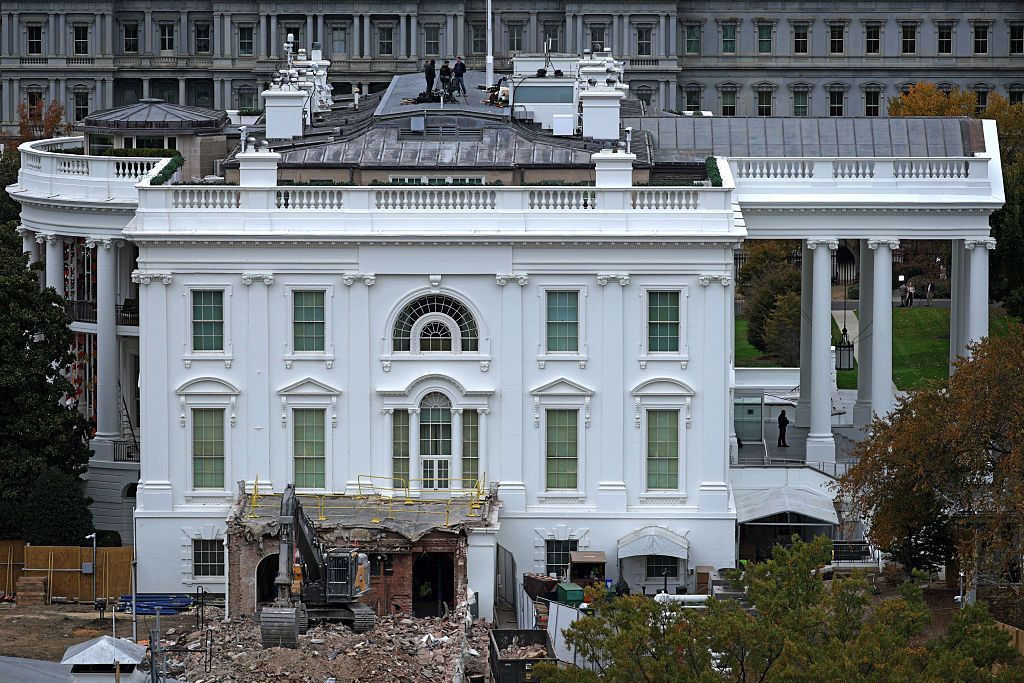
    The Commission of Fine Arts has granted overwhelming approval for former President Donald Trump’s controversial ballroom project at the White House, despite significant opposition from preservation groups and the public. The presidential-appointed panel endorsed the design following architectural modifications addressing initial commission concerns.

    The project, which necessitated the demolition of the White House’s East Wing in October 2025, has been championed by Trump as essential for national security and diplomatic hospitality. “We must protect the country and its guests,” stated Commission Chairman Rodney Mims Cook Jr., emphasizing the facility’s purported century-and-a-half necessity.

    Opposition has been substantial, with the National Trust for Historic Preservation filing litigation to halt construction, citing non-compliance with mandated review processes. Public sentiment appears largely against the project, with Commission Secretary Thomas Luebke revealing over 2,000 public comments received, with more than 99% expressing opposition.

    Trump maintains that current White House facilities are inadequate for hosting significant national events and foreign dignitaries. The former president has promised a privately-funded structure that will become “the most beautiful ballroom anywhere in the world,” though specific donor details remain undisclosed.

    The development continues to generate intense debate regarding historical preservation versus executive modernization ambitions at America’s most iconic residence.

  • Neeraj Pandey’s ‘Ghooskhor Pandat’ to get new title, trailer removed

    Neeraj Pandey’s ‘Ghooskhor Pandat’ to get new title, trailer removed

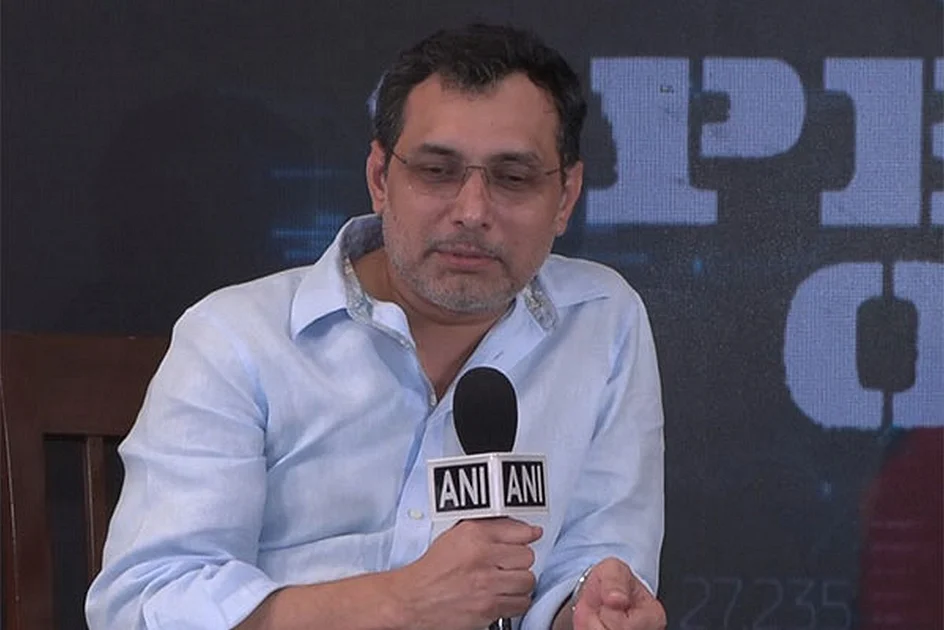
    In a significant development for India’s film industry, acclaimed director Neeraj Pandey has formally withdrawn the title and all promotional materials for his upcoming Bollywood project following a Supreme Court directive. The film, originally titled ‘Ghooskhor Pandat’ and starring renowned actor Manoj Bajpayee, faced substantial public backlash and judicial scrutiny for its perceived denigration of a specific community.

    During proceedings on Thursday, February 19, 2026, Pandey submitted an affidavit to the Supreme Court confirming the title change and removal of existing trailers. While a new title remains undetermined, the filmmaker committed that it would bear no resemblance to the controversial original name.

    The judicial bench comprising Justices BV Nagarathna and Ujjal Bhuyan acknowledged Pandey’s “positive response” and disposed of the matter, expressing expectation that this decision would bring closure to the controversy. The court additionally appealed to digital content creators and YouTubers to cease further discussion on the contentious issue.

    This case emerged from the Supreme Court’s February 12 hearing where Justice Nagarathna delivered pointed remarks regarding constitutional limitations on free speech. “Why should you denigrate anybody? It’s against morality and public order,” she asserted, emphasizing that filmmakers and journalists must operate within reasonable restrictions outlined in Article 19(2) of the Indian Constitution.

    Legal representative Vinod Kumar Tiwari clarified that the bench’s observations underscored that while freedom of expression is protected under Article 19(1), it remains subject to restrictions preventing defamation of social groups. The court mandated comprehensive revisions to both the film’s title and narrative elements deemed offensive.

    The project, initially announced during Netflix India’s 2026 slate unveiling, represents a collaboration between Pandey and Bajpayee, both respected figures in Indian cinema. This development highlights the ongoing tension between creative expression and social responsibility in India’s entertainment landscape.

  • US trade deficit hits fresh high despite Trump’s tariffs

    US trade deficit hits fresh high despite Trump’s tariffs

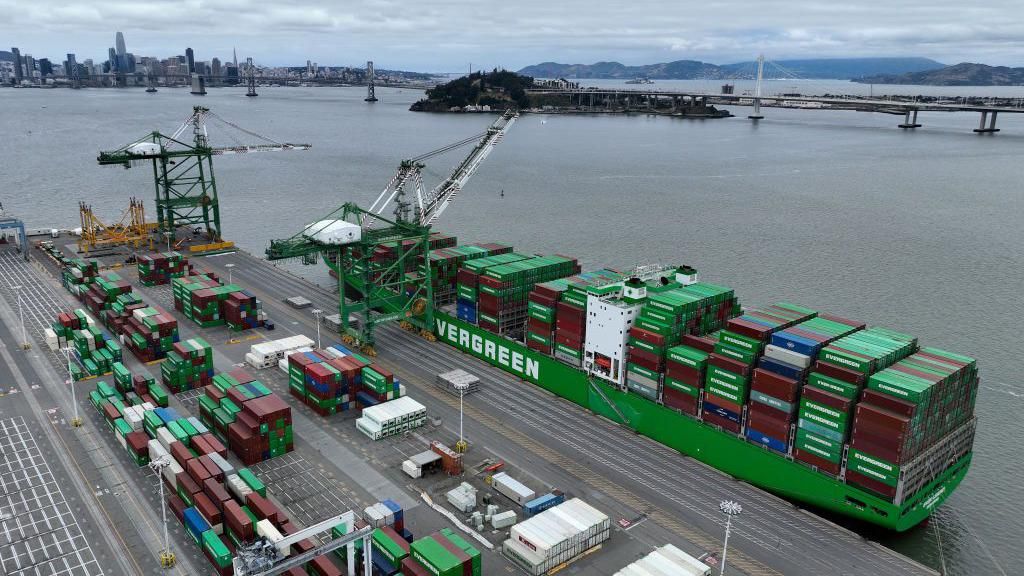
    The United States witnessed its merchandise trade deficit surge to an unprecedented $1.2 trillion in the past fiscal year, marking a 2.1% increase from 2024 levels, according to official data from the Bureau of Economic Analysis. This record imbalance emerged despite the Trump administration’s comprehensive tariff strategy aimed at reshaping global trade dynamics.

    President Trump’s sweeping tariffs, which imposed levies of at least 10% on imports from nearly every trading partner, failed to stem the tide of foreign goods entering American markets. Instead, imports reached a historic peak of $3.4 trillion, driven partially by artificial intelligence-related business investments that boosted demand for computer components and equipment.

    The administration’s trade policy, which intended to revitalize domestic manufacturing and reduce reliance on overseas production, produced mixed results. While trade with China—an early target of the tariffs—declined significantly, reducing the bilateral deficit by approximately 30% to $202.1 billion (the smallest gap in two decades), the US simultaneously recorded record trade imbalances with Mexico, Vietnam, and Taiwan.

    The broader goods and services deficit, which incorporates sectors such as travel and digital services, remained virtually unchanged at $901.5 billion compared to $903.5 billion in 2024. This persistent gap contradicts one of the White House’s primary economic objectives: reducing what officials characterize as a national security vulnerability caused by overdependence on foreign manufacturing.

    Business communities have faced substantial turbulence due to frequent revisions to tariff policies and the administration’s use of trade threats as diplomatic leverage. Most recently, the president signed an executive order threatening additional taxes on nations maintaining trade relations with Iran.

    The future of the tariff regime remains uncertain as the Supreme Court considers a legal challenge brought by businesses and states that could potentially invalidate most of last year’s tariffs. Administration officials have indicated they would pursue alternative mechanisms to reinstate the tariffs should the court rule against them.

    Financial analysts at Wells Fargo project continued supply chain realignments but anticipate modest import growth regardless of tariff pressures in the coming year.

  • Financial support with a festive upside as CashNow launches rewards campaign

    Financial support with a festive upside as CashNow launches rewards campaign

    In response to shifting financial patterns during Ramadan, digital lending platform CashNow has launched a limited-time promotional campaign combining short-term liquidity solutions with festive incentives. The initiative addresses the seasonal compression of expenses that characterizes this period, when multiple financial obligations converge despite regular income schedules.

    The Festive Rewards program automatically enrolls loan applicants in a raffle system offering potential multipliers on borrowed amounts. Participants can receive refunds of 2x, 4x, or even 10x their loan value through a transparent drawing mechanism. This supplementary incentive attaches to CashNow’s core service of providing immediate digital loans up to Dh5,000 with minimal documentation requirements.

    Financial experts note that Ramadan typically creates distinctive cash flow challenges for households, characterized not by long-term affordability issues but by temporary timing mismatches between income and expense cycles. The digital micro-loan model specifically targets these short-term liquidity gaps without positioning itself as a long-term financing solution.

    The platform maintains its operational framework of transferring approved amounts directly to users’ digital wallets, emphasizing both accessibility and security. The raffle structure is explicitly designed as opportunity-based rather than guaranteed, maintaining realistic expectations while adding potential value for users already considering short-term financial support.

    This dual approach of addressing immediate liquidity needs while incorporating seasonal rewards reflects evolving trends in digital financial services during periodsof increased financial activity. The campaign runs throughout the Ramadan season, aligning with traditional patterns of elevated household spending and financial transfers.

  • Destination Dubai Expo strengthens Study Dubai momentum across India through successful roadshow

    Destination Dubai Expo strengthens Study Dubai momentum across India through successful roadshow

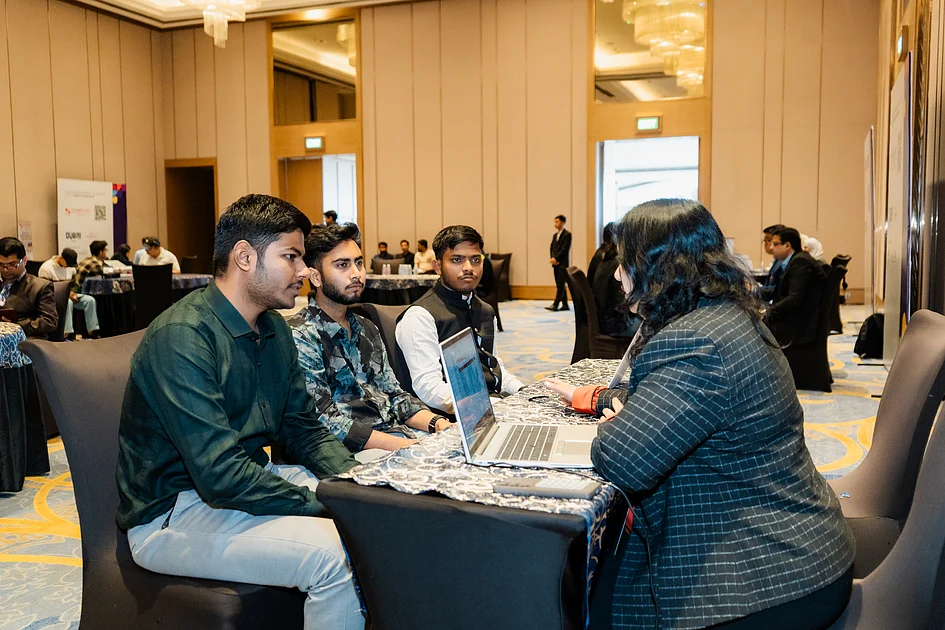
    Dubai has significantly advanced its educational diplomacy efforts across India with the successful completion of its second multi-city Destination Dubai Expo roadshow in February 2026. The initiative, part of the Study Dubai government program, strategically engaged prospective students and families in Kolkata (February 2), Pune (February 4), and Bhopal (February 8), showcasing the emirate’s rapidly expanding higher education ecosystem.

    The government-backed initiative represents a collaborative effort between the Knowledge and Human Development Authority (KHDA), TECOM Group, and Dubai Economy and Tourism (DET). Curated by Dubai-based Brand Grayscale, the roadshow provided a strategic platform connecting Dubai’s internationally recognized universities with Indian students, parents, and education counselors.

    Dr. Wafi Dawood, CEO of the Strategic Development Sector at KHDA, emphasized Dubai’s unique educational value proposition: ‘Dubai offers international students more than a degree – it offers opportunity. Through globally recognized universities, strong industry connections, and a safe, diverse, and future-focused environment, students can pursue education aligned with their ambitions while building skills that contribute to Dubai’s economy and long-term growth.’

    The participating institutions—including the American University in Dubai, University of Birmingham, Middlesex University, University of Wollongong, and several other prestigious universities—highlighted Dubai’s advantages: globally accredited programs, robust industry linkages, post-study career opportunities, and a vibrant multicultural student experience. Dubai’s geographic proximity to India and student-friendly visa ecosystem further positions it as an attractive international education destination close to home for Indian students.

    The event featured curated one-to-one interactions, structured discussions, and focused information sessions that provided comprehensive insights into academic opportunities and student life in Dubai. This initiative aligns with Dubai’s Education 33 strategy, which aims to create an integrated ecosystem where learning, innovation, and real-world experience converge to prepare students for evolving global challenges.

  • Venezuela’s National Assembly set to resume tense debate on a sweeping amnesty bill

    Venezuela’s National Assembly set to resume tense debate on a sweeping amnesty bill

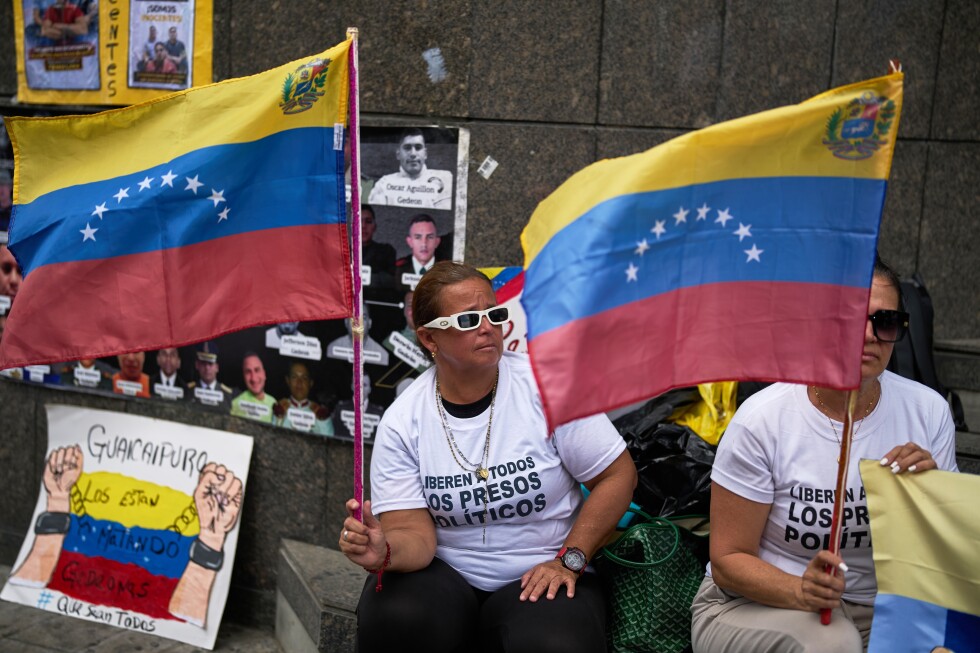
    CARACAS, Venezuela — Venezuela’s National Assembly reconvened Thursday to deliberate a landmark amnesty bill that could liberate hundreds detained for political activities, marking a significant policy shift in the wake of former President Nicolás Maduro’s dramatic capture by U.S. forces. The proposed legislation offers potential relief to opposition figures, activists, human rights defenders, and journalists targeted during the ruling party’s 27-year tenure. Last week’s debate stalled over contentious eligibility criteria, particularly regarding exiled individuals who fled to evade detention, revealing substantial resistance from government loyalists toward granting opposition members reprieve. Acting President Delcy Rodríguez introduced the measure weeks after U.S. military operatives apprehended Maduro in a January 3 raid in Caracas, extraditing him to New York to confront drug trafficking allegations. This amnesty initiative represents Venezuela’s most substantial policy reversal since commencing compliance with Trump administration directives, including last month’s comprehensive overhaul of national oil industry regulations. The bill explicitly acknowledges Venezuela’s political prisoner crisis—a reality long denied by authorities—by proposing “general and full amnesty for crimes or offenses” during politically turbulent periods since 1999, including events surrounding the 2024 presidential election that triggered widespread protests and over 2,000 arrests. While lawmakers approved the measure’s foundational purpose, they suspended proceedings over coverage disputes, including whether government-accused individuals living in exile or hiding domestically should qualify. Ruling party legislators, including Maduro’s son, argued during debates that beneficiaries must first submit to Venezuela’s justice system, citing legal prohibitions against trials in absentia. This position disregards documented judicial irregularities where defendants frequently face fabricated charges, lack legal representation, and are denied access to incriminating evidence within a system dominated by ruling-party-aligned judges. Prisoners’ rights organization Foro Penal estimates over 600 individuals remain incarcerated for political reasons. Although Rodríguez’s administration pledged significant prisoner releases following Maduro’s capture, human rights monitors and families have criticized the slow implementation pace, with only 448 documented releases. Relatives awaiting loved ones’ freedom have maintained vigils outside detention facilities, with some initiating hunger strikes last Saturday.

  • Pakistan to pay over $700,000 to compensate families of victims in mosque attack

    Pakistan to pay over $700,000 to compensate families of victims in mosque attack

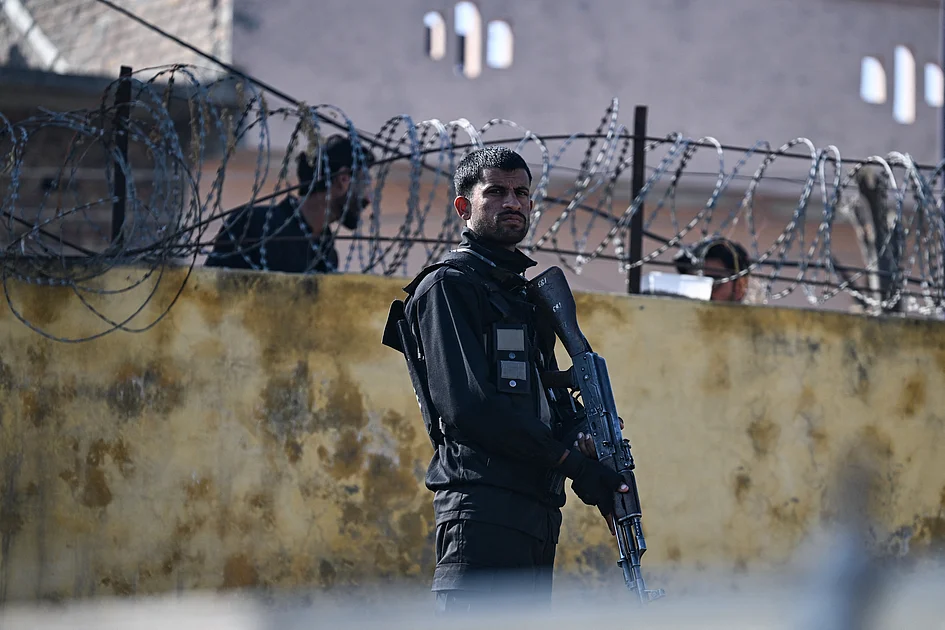
    The Pakistani government has initiated substantial compensation payments totaling over $700,000 to families affected by the devastating suicide bombing that targeted a Shiite mosque in Islamabad earlier this month. Prime Minister Shehbaz Sharif’s office confirmed Thursday that relief checks have been distributed to the heirs of 36 victims from the capital region, with additional payments being processed for four families residing outside Islamabad.

    The February 6 attack, which occurred during Friday prayers when mosques typically experience peak attendance, represents the deadliest assault on the capital since the 2008 Marriott Hotel bombing that claimed 60 lives. The Islamic State (Daesh) has claimed responsibility for the latest tragedy, which marks the first official acknowledgment of 40 fatalities despite previous uncertainty surrounding the final death toll.

    Each victim’s family is receiving approximately $17,800 (5 million Pakistani rupees) in government compensation. This attack underscores the persistent security challenges facing Pakistan’s religious minorities, particularly the Shiite community that constitutes 10-15% of the predominantly Sunni nation’s population.

    The bombing occurs against a backdrop of escalating militant violence across Pakistan’s border regions with Afghanistan. Official statistics reveal that 2025 witnessed 1,235 fatalities from militant assaults, including 825 security personnel and 400 civilians, with 27 suicide attacks reported nationwide. This incident follows a November suicide blast outside an Islamabad court that killed 12 people, ending a nearly three-year period of relative calm in the capital.