作者: admin

  • ‘A nightmare of every parent’: Tributes pour in for ice hockey players killed in Canada crash

    ‘A nightmare of every parent’: Tributes pour in for ice hockey players killed in Canada crash

    The North American ice hockey community is grappling with profound grief following a devastating vehicle collision in Alberta that claimed the lives of three junior hockey players on Monday. The tragic incident occurred when the athletes’ car collided with a semi-truck at a rural intersection near Stavely, approximately 11:00 local time.

    The deceased have been identified as 18-year-old teammates JJ Wright and Cameron Casorso, both British Columbia natives, and 17-year-old Caden Fine from Alabama. The young athletes were en route to practice with the Mustangs, a development team within the US Premier Hockey League known for preparing players for collegiate-level competition.

    Royal Canadian Mounted Police confirmed all three players succumbed to their injuries at the scene. The truck driver, a 40-year-old male, sustained minor physical injuries and is cooperating with the ongoing investigation into the collision’s circumstances.

    The tragedy has reverberated across international borders, drawing emotional responses from highest levels of leadership. Canadian Prime Minister Mark Carney, himself a former hockey player, characterized the incident as “every parent’s nightmare” during a press briefing Tuesday, extending heartfelt condolences to the victims’ families and teammates.

    In Nanton, where the players resided with billet families during their training season, Mayor Jen Handley articulated the community’s devastation through a poignant social media statement. “We don’t just ‘host’ these boys,” she wrote. “They become part of our homes: another plate at the table, another pair of skates by the door, another son we worry about when the roads are bad.”

    The US Premier Hockey League issued an official statement expressing their devastation, noting the organization’s inability to “adequately express the depth of our grief.” The professional hockey community paid respects with a moment of silence during Monday night’s NHL matchup between the Calgary Flames and Toronto Maple Leafs, honoring the promising young athletes whose lives were tragically cut short.
  • Saif al-Islam Gaddafi, son of ex-Libyan leader, reportedly killed

    Saif al-Islam Gaddafi, son of ex-Libyan leader, reportedly killed

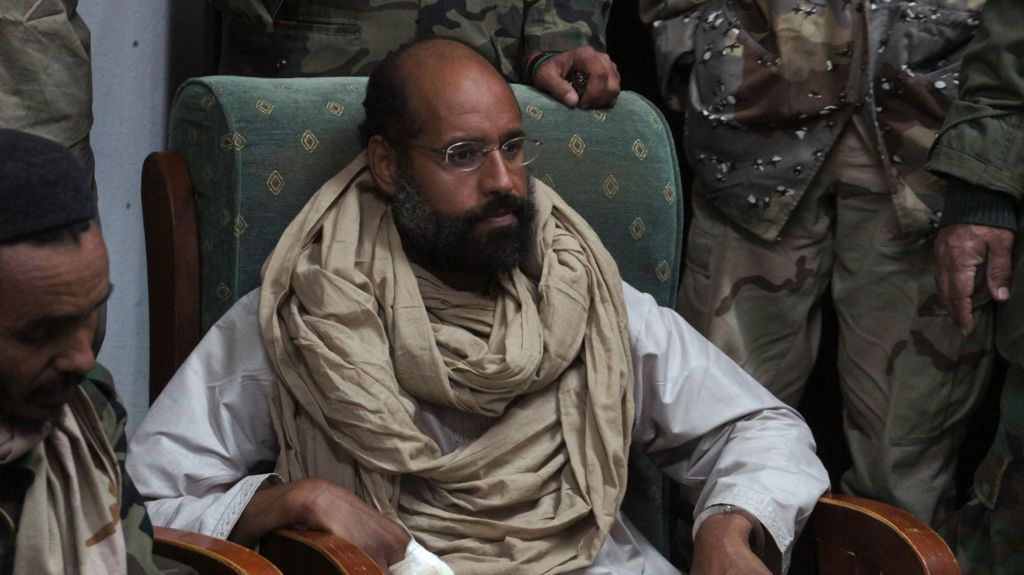
    Conflicting reports emerged from Libya on Tuesday regarding the alleged death of Saif al-Islam Gaddafi, the prominent son and once-presumed heir of former Libyan leader Muammar Gaddafi. According to statements from the head of his political team to the Libyan News Agency, the 53-year-old has been killed under unclear circumstances.

    Aisha Gaddafi, sister of the controversial figure, contributed to the developing narrative by telling Libyan television that her brother had died in the vicinity of the Libya-Algeria border. However, she provided no specific details regarding the cause of death, leaving a significant information vacuum.

    The reports remain entirely unverified, with various Libyan media outlets circulating competing accounts about the incident. This lack of official confirmation has created a cloud of uncertainty around the fate of a man who was long considered the most powerful and feared figure in Libya after his father.

    Saif al-Islam Gaddafi’s complex legacy includes playing a pivotal role in Libya’s diplomatic reconciliation with Western nations from the early 2000s until the regime’s collapse. Following the 2011 uprising that resulted in his father’s overthrow and death, Gaddafi faced imprisonment by a rival militia in Zintan for nearly six years.

    His political career was overshadowed by serious allegations from the International Criminal Court, which sought to try him for crimes against humanity related to his alleged involvement in suppressing opposition protests during the 2011 revolution. The current developing situation leaves many questions unanswered as the international community awaits verified information.

  • US in talks with Turkey to boost naval shipbuilding amid China rivalry

    US in talks with Turkey to boost naval shipbuilding amid China rivalry

    In a strategic shift reflecting the severity of America’s naval industrial challenges, the United States has initiated confidential talks with Turkey regarding potential collaboration in warship construction. These discussions, confirmed by officials to Middle East Eye, represent a remarkable diplomatic overture given the recent tensions between the NATO allies over Turkey’s acquisition of Russian defense systems.

    The dialogue emerges as the U.S. Navy confronts a critical shortage of shipbuilding capacity while attempting to expand its fleet to counter China’s growing naval power. American representatives have reportedly explored whether Turkish shipyards could supply vital vessel components or even assist in constructing additional frigates for the U.S. fleet.

    Turkey has transformed into a naval manufacturing powerhouse in recent years, with its advanced shipyards capable of simultaneously producing over 30 vessels for both domestic and international clients, including Pakistan. Through its indigenous Milgem warship program, Turkish defense firms have developed sophisticated domestic designs across multiple vessel categories.

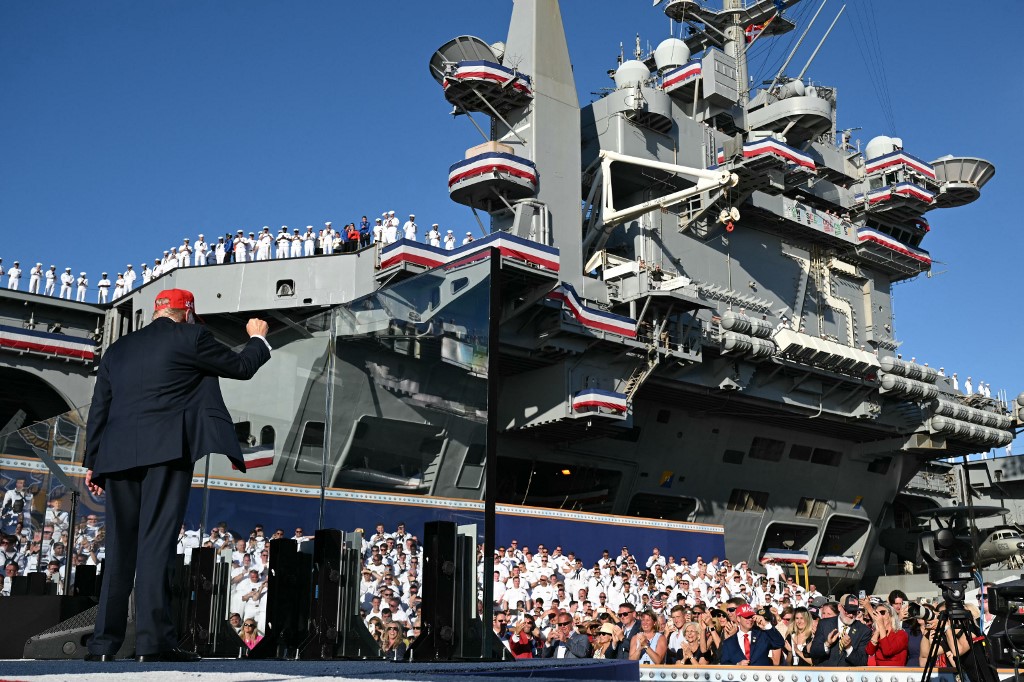
    The Trump administration’s pursuit of foreign shipbuilding expertise marks a dramatic reversal from decades of U.S. naval supremacy. Previous efforts have focused on Asian allies, exemplified by South Korea’s Hanwha Group acquiring Philadelphia’s Philly Shipyard in 2024. However, the recent cancellation of the Constellation-class frigate program with Italian builder Fincantieri has intensified the urgency for alternative solutions.

    Despite legal prohibitions against building warships overseas, President Trump has signaled openness to utilizing allied nations’ capabilities, stating in January: ‘We used to build a ship a day. We don’t build ships anymore. We want to get that started. And maybe we’ll use allies also in terms of building ships.’

    Defense experts highlight Turkey’s distinct advantages, including geographically concentrated shipyards around Istanbul and Yalova that enable rapid adaptation to new projects. Kubilay Yildirim, a Turkish defense industry expert, noted: ‘The US lacks sufficient manpower, shipyards and dry docks. Turkey can help in terms of production volume, timelines, risk sharing and workload distribution.’

    Turkish shipyards boast innovative automated production processes, skilled welders, multiple steel suppliers, and a strong collaborative culture between military and civilian facilities. The Istanbul Naval Shipyard reportedly possesses spare capacity that could accommodate U.S. construction needs.

    However, any substantial defense cooperation faces significant political hurdles in Congress, which previously sanctioned Turkey over its Russian S-400 acquisition. Administration officials view shipbuilding collaboration as a potential pathway to strengthen ties while circumventing these sanctions.

    The recent visit of a U.S. Naval Sea Systems Command delegation to Istanbul Naval Shipyard Command underscores the seriousness of these exploratory talks, though both nations emphasize their longstanding NATO partnership rather than immediate contractual agreements.

  • Former Chinese advisory body official sentenced to life for bribery

    Former Chinese advisory body official sentenced to life for bribery

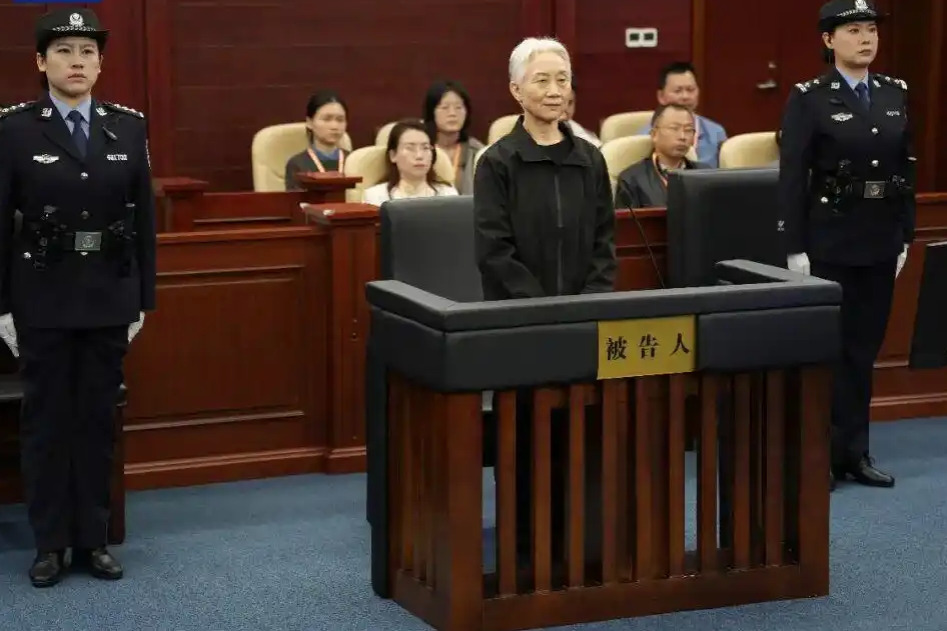
    In a landmark ruling demonstrating China’s intensified anti-corruption campaign, the First Intermediate People’s Court of Hainan Province has sentenced Li Weiwei, a former high-ranking official within China’s political advisory system, to life imprisonment for extensive bribery offenses. The court established that Li abused multiple official positions over a sixteen-year period from 2008 to 2024, amassing illicit gains exceeding 117 million yuan (approximately $16.87 million).

    During her extensive career, Li held several influential positions including membership on the Standing Committee of the Communist Party of China Hunan Provincial Committee, head of the United Front Work Department, and secretary of the Political and Legal Affairs Commission of the CPC Hunan Provincial Committee. Most recently, she served as deputy head of the Committee on Population, Resources and Environment under the 14th National Committee of the Chinese People’s Political Consultative Conference (CPPCC).

    The judicial investigation revealed that Li systematically exploited her authority to provide unlawful advantages to various entities in project contracting and business operations. The court characterized her actions as constituting particularly severe instances of bribery that inflicted substantial damage to national and public interests.

    In addition to the life sentence, the court imposed supplementary penalties including lifelong deprivation of political rights and comprehensive confiscation of all personal assets. All recovered illicit gains will be transferred to the state treasury, with ongoing efforts to reclaim any outstanding amounts.

    The sentencing acknowledged mitigating factors, including Li’s cooperation with investigators through truthful confession of previously unknown offenses, active return of illegal proceeds, and demonstrated remorse during judicial proceedings. These considerations contributed to the court’s decision to render a comparatively lighter punishment within statutory guidelines.

    Li’s case progressed through China’s legal system following her investigation initiation in July 2024 while still holding office, subsequent arrest in February 2025, and formal indictment in June 2025. The trial concluded on November 6, 2025, featuring comprehensive evidence presentation, cross-examinations by defense counsel, and final statements from the defendant.

  • Colombian and Ecuadorian merchants and truckers protest escalating trade war between both nations

    Colombian and Ecuadorian merchants and truckers protest escalating trade war between both nations

    Truckers and merchants from Colombia and Ecuador converged at their shared border on Tuesday, voicing strong opposition to the escalating trade conflict between the two South American nations. The demonstrators demanded the immediate removal of recently imposed 30% tariffs on numerous goods, warning these measures would severely damage border economies and impact energy sectors on both sides.

    Carlos Bastidas, president of an Ecuadorian transportation workers association, articulated the protesters’ concerns, stating that tariffs ‘generate crises, they don’t help the economy.’ He emphasized their hope that both governments would eliminate these measures and establish effective dialogue mechanisms.

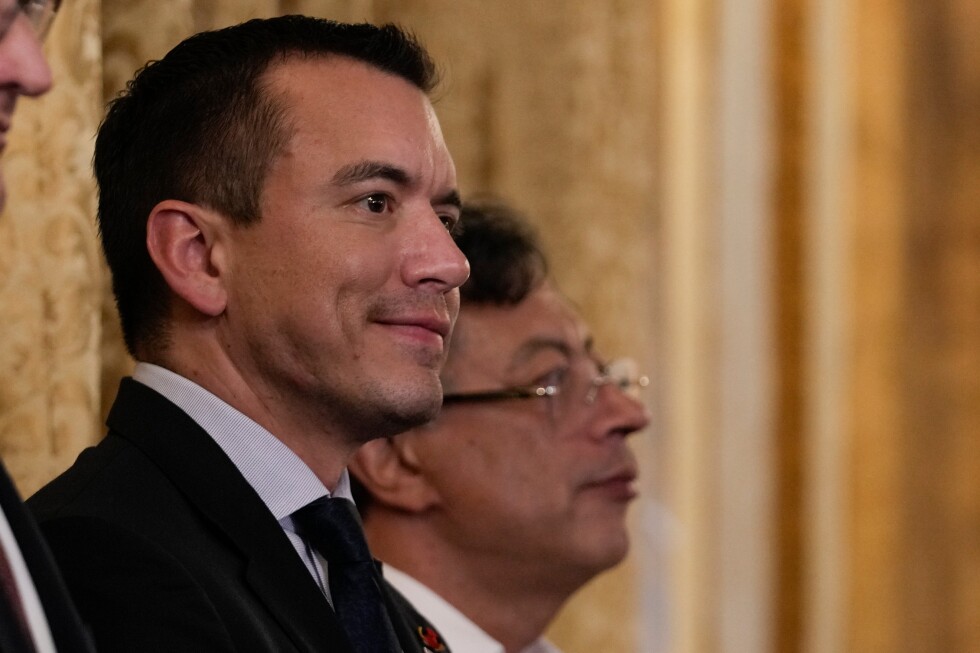
    The trade dispute originated when Ecuadorian President Daniel Noboa, a conservative leader who has sought closer ties with the Trump administration, implemented tariffs last month on Colombian products. Noboa characterized these levies as a ‘security tax,’ claiming Colombia had failed to adequately combat cocaine trafficking across their border. He announced via social media platform X that the tariffs would remain until Colombia took ‘firm actions’ against drug cartels.

    Colombia responded with reciprocal 30% tariffs on Ecuadorian goods including rice and automotive parts, and additionally threatened to cease electricity exports to its neighbor. This energy threat carries significant weight as Ecuador depends heavily on hydroelectric power and experienced serious power shortages in 2024. These reciprocal trade measures took effect on February 1.

    Despite sharing a border, neither nation ranks as the other’s primary trading partner, with both producing similar export commodities including coffee, flowers, bananas, and oil. According to Colombia’s statistics agency, bilateral trade reached approximately $2.3 billion last year, with Colombia exporting about $1.7 billion worth of goods to its smaller neighbor.

    The economic impact is particularly acute in border regions. Edison Mena, president of a Colombian truckers association in the border city of Ipiales, revealed that 38% of his city’s economy depends on commerce with Ecuador.

    Critics of President Noboa suggest the trade war serves as a diversion from his government’s domestic challenges. The tariff announcement coincided with the publication of crime statistics showing Ecuador’s homicide rate reached 50 murders per 100,000 residents in 2025—the highest in the nation’s recent history. Since 2020, Ecuador’s homicide rate has quintupled as international drug gangs battle for control of the country’s ports, transforming the once peaceful nation into a major cocaine transit point.

  • Epstein told Ehud Barak to give Mandelson Israeli energy company role

    Epstein told Ehud Barak to give Mandelson Israeli energy company role

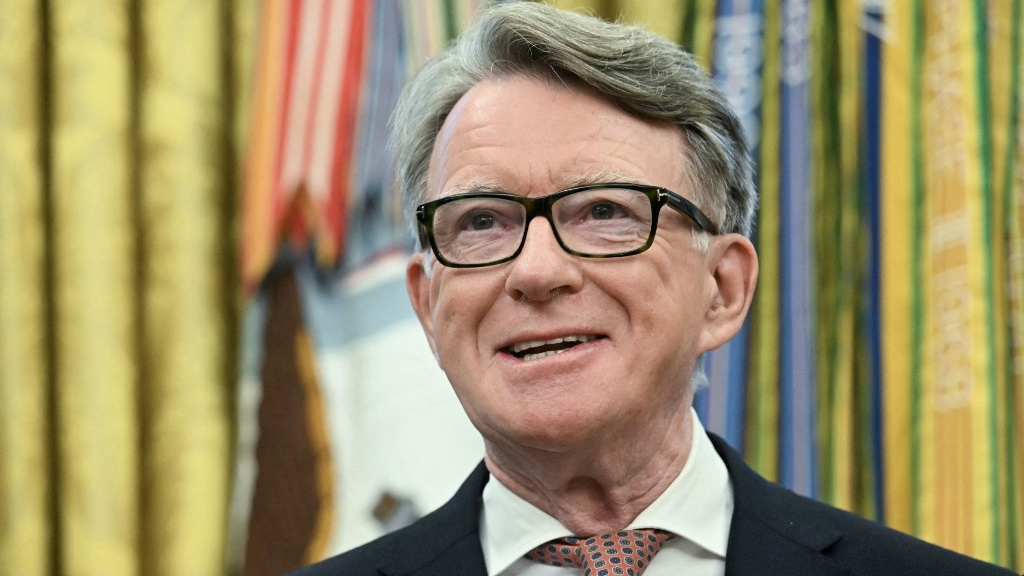
    Newly disclosed court documents have exposed extensive business communications between convicted sex offender Jeffrey Epstein and high-profile political figures, including former Israeli Prime Minister Ehud Barak and British politician Lord Peter Mandelson. The revelations detail Epstein’s involvement in attempted Middle Eastern energy deals and raise serious questions about inappropriate access to government information.

    According to the released correspondence, Epstein emailed Mandelson on August 2, 2013, stating he had instructed Barak to contact the British politician regarding the potential sale of Paz Oil Company, Israel’s largest fuel provider. At the time, Paz controlled approximately 30% of the Israeli fuel market and would later appear on a UN list of companies operating in illegal Israeli settlements.

    The email exchange occurred shortly after Barak concluded his term as Israel’s defense minister in March 2013. Epstein described Paz as “an Israeli oil business that will need to be sold” and explicitly told Mandelson “I told him to give you the task.” Mandelson expressed interest not only in Paz but also in Israel’s plans for transporting offshore gas to European markets.

    While the sale of Paz Oil didn’t materialize in 2013, controlling shareholder Zadik Bino did sell shares worth approximately $97 million that year due to regulatory requirements. The documents don’t clarify whether Barak ultimately contacted Mandelson about the potential deal.

    The correspondence further reveals that Mandelson, then chairman of lobbying firm Global Counsel, sought Epstein’s consultation in September 2013 regarding Israeli political consultant Asaf Eisin. Additional disclosures show that during his tenure as UK Business Secretary, Mandelson suggested to Epstein that JP Morgan’s head should “mildly threaten” the British chancellor regarding financial sector concerns.

    These revelations have prompted former Prime Minister Gordon Brown to call for an investigation into Mandelson’s apparent sharing of sensitive government information with Epstein. The controversy intensified with the release of a photograph allegedly showing Mandelson in his underwear at one of Epstein’s residences.

    Regarding his Israeli connections, the documents indicate Barak sought Epstein’s financial advisory services on multiple occasions. An FBI memo describes Epstein as “close to the former Prime Minister of Israel” and even suggests he “trained as a spy under him.” Barak visited Epstein’s New York townhouse more than 30 times between 2013 and 2017, and Epstein reportedly advised Barak on working with controversial technology company Palantir, which specializes in AI-powered military and surveillance technology.

    The ongoing release of Epstein-related documents continues to expose the extensive network of political and business connections maintained by the convicted financier, raising questions about the intersection of private business interests and government affairs.

  • England and Brook seek redemption at T20 World Cup

    England and Brook seek redemption at T20 World Cup

    As the T20 World Cup approaches, England’s cricket team stands at a critical juncture, seeking to reclaim their dominance in white-ball cricket following a period of underwhelming performances. Under new captain Harry Brook, the 2010 and 2022 champions are positioned to pursue an unprecedented third title, despite recent controversies and organizational scrutiny.

    Brook’s ascension to leadership marks a significant transition for English cricket. The 26-year-old batting prodigy assumed captaincy duties after Jos Buttler’s resignation, which followed England’s premature exit from last year’s Champions Trophy. This leadership change occurs against a backdrop of disappointing campaign outcomes, including a failed title defense at the 2023 ODI World Cup and a semifinal elimination in the 2024 T20 World Cup.

    The Yorkshire-born cricketer recently faced disciplinary challenges after an altercation with a nightclub bouncer during England’s New Zealand tour. Following an official fine and warning from the England and Wales Cricket Board, Brook now focuses on redirecting attention toward his on-field capabilities as England prepares for their opening match against Nepal in Mumbai.

    England’s roster displays formidable batting depth, featuring experienced openers including the still-formidable Buttler, alongside Phil Salt and Ben Duckett. The middle order boasts game-changing talents like Tom Banton and emerging all-rounder Jacob Bethell, providing Brook with multiple strategic options.

    While the batting unit appears robust, bowling resources present potential concerns. Mark Wood’s injury absence and Jofra Archer’s recent recovery from a side strain diminish England’s pace arsenal. However, Josh Tongue’s inclusion after impressive Ashes performances, complemented by left-arm options Luke Wood and Sam Curran, offers alternative solutions. The spin department, led by veteran Adil Rashid and supported by versatile all-rounders, provides additional tactical flexibility.

    The team’s recent bilateral series victory against co-hosts Sri Lanka across both ODI and T20 formats has generated positive momentum. This success becomes particularly significant given the substantial squad reorganization since England’s golden period that delivered the 2019 ODI World Cup and 2022 T20 championship.

    With head coach Brendon McCullum and managing director Rob Key facing pressure after the Ashes defeat, this tournament represents more than mere trophy pursuit—it signifies an opportunity for organizational redemption and the reestablishment of England’s white-ball cricket legacy.

  • ‘300 million don’t know if they will eat next meal’: Global aid leaders in Dubai

    ‘300 million don’t know if they will eat next meal’: Global aid leaders in Dubai

    DUBAI – Amidst high-level discussions on governance and innovation at the World Governments Summit, a stark warning emerged from global aid leaders about the escalating hunger crisis affecting hundreds of millions worldwide. UNICEF Executive Director Catherine Russell and World Food Programme Assistant Executive Director Rania Dagash-Kamara delivered sobering accounts of a humanitarian emergency reaching catastrophic proportions.

    The statistics paint a grim picture: approximately 300 million people globally face acute food insecurity, uncertain whether they will receive their next meal. This number represents what aid officials describe as the most severe category of hunger, where survival becomes a daily uncertainty.

    Russell emphasized the human tragedy behind the numbers, noting that 14 million children faced severe malnutrition risks last year – equivalent to nearly half a million classrooms of 30 children each. During hospital visits in conflict zones like Afghanistan and Yemen, she witnessed malnourished infants sharing beds, their bodies too weakened to even cry. “At that stage, children are not resting,” Russell stated. “They are simply trying to survive.”

    Dagash-Kamara provided harrowing field accounts, including a Somali mother who walked four days to reach a food distribution center after burying two children during her journey. “This is the level of desperation we are facing,” she told summit attendees.

    The crisis is compounded by the deadly synergy between malnutrition and disease. As Dagash-Kamara explained, “People don’t usually die from hunger alone. They die from the illnesses that come with it” – a consequence of malnutrition weakening immune systems.

    Despite proven solutions like ready-to-use therapeutic food (RUTF) that can save severely malnourished children, aid organizations face critical funding shortages amid growing needs. Russell noted the paradox: “We know how to save lives. What we don’t always have is sufficient funding or access.”

    Both leaders highlighted school feeding programs as particularly effective interventions, describing them as long-term investments in children’s futures. Dagash-Kamara shared the story of a Syrian girl who saved half her school sandwich for her mother, illustrating how such programs provide both nutrition and dignity.

    The officials called for innovative partnerships with private sector entities and digital creators to amplify reach and engagement. With people spending over five hours daily on mobile devices, Russell emphasized that content creators “know how to reach people where they are and make them stop and care.”

    As Ramadan approaches, Dagash-Kamara highlighted initiatives like the “ShareTheMeal” app, which provides meals for just 80 cents, encouraging families to involve children in charitable giving.

    Russell concluded with a powerful appeal from the global platform: “Every child deserves what we want for our own children: health, education, and a future. These challenges are not insurmountable. They require collective responsibility.”

  • US says it shot down Iranian drone flying towards aircraft carrier

    US says it shot down Iranian drone flying towards aircraft carrier

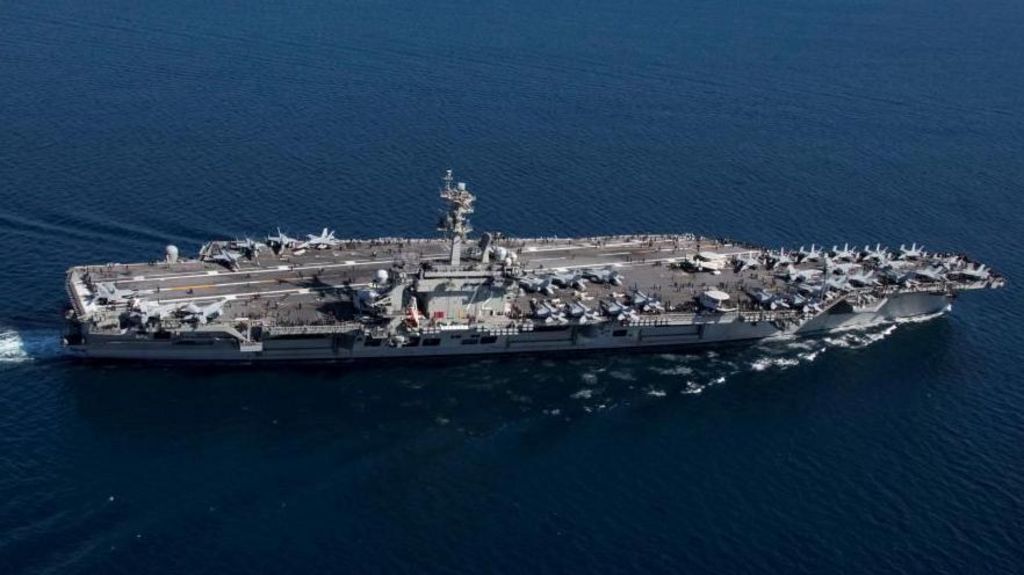
    A U.S. F-35C stealth fighter jet operating from the aircraft carrier USS Abraham Lincoln shot down an Iranian drone over the Arabian Sea on Tuesday after the unmanned aircraft made what officials described as an “aggressively approaching” maneuver toward the American warship.

    According to U.S. Central Command spokesman Captain Tim Hawkins, the incident occurred approximately 500 miles from the Iranian coastline when the drone advanced toward the carrier with “unclear intent.” The F-35C pilot engaged and destroyed the drone in what was characterized as a “self-defense” measure to protect the aircraft carrier and its personnel. No U.S. equipment was damaged and no service members were injured in the encounter.

    The confrontation unfolds against a backdrop of escalating military presence and diplomatic friction between Washington and Tehran. President Donald Trump has repeatedly threatened military action against Iran should the nation refuse to negotiate restrictions on its nuclear program. The administration had previously suggested potential intervention during Tehran’s suppression of anti-government demonstrations.

    White House Press Secretary Karoline Leavitt confirmed following the incident that diplomatic negotiations between the two nations remain scheduled for later this week. While emphasizing Trump’s commitment to pursuing diplomacy as a first recourse, Leavitt noted that the president maintains “a range of options on the table, including the use of military force.”

    Iran’s Supreme Leader Ayatollah Ali Khamenei has previously warned that any attack on Iranian territory would trigger a “regional war.” Tehran has not issued an official statement regarding Tuesday’s drone incident.

    In related developments, Leavitt announced that U.S. Special Envoy Steve Witkoff, serving as Trump’s senior overseas representative, will lead the American delegation in upcoming talks. Initial reports suggested a meeting with Iranian Foreign Minister Abbas Araghchi in Istanbul on Friday, though sources cited by Axios indicate Tehran has requested relocating the venue to Oman.

  • Israeli forces abuse Palestinians returning to Gaza at Rafah checkpoint

    Israeli forces abuse Palestinians returning to Gaza at Rafah checkpoint

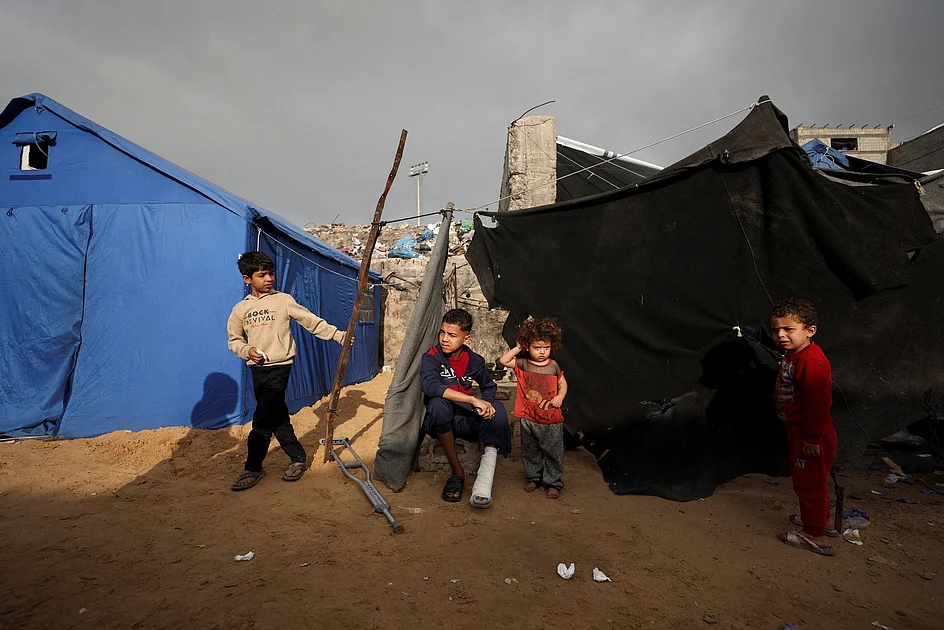
    Palestinian civilians attempting to return to Gaza through the Rafah border crossing have reported systematic abuse and psychological torture by Israeli security forces. The allegations emerge as the crossing partially reopens after nearly two years of closure following Israel’s military occupation and destruction of the transit point in May 2024.

    Rotana al-Raqab, among the first group of returnees, provided a detailed account of her ordeal to local media. After entering via the Egyptian border, she and eleven others—including nine women and three children—were apprehended by Israeli-backed armed groups. The detainees were transported approximately half a kilometer inside Rafah to an Israeli military checkpoint.

    According to Raqab’s testimony, she, her mother, and another woman were separated from the group and held in custody from sunset until approximately 11 PM. During this detention, the women were blindfolded, handcuffed, and subjected to intense interrogation about matters they claimed to have no knowledge of or connection to.

    The psychological pressure included explicit threats against their families. One soldier threatened to remove Raqab’s children from Gaza and detain her indefinitely, while another urged her to permanently abandon the territory with her children. Raqab interpreted these tactics as deliberate intimidation, stating: ‘They want to deprive us of our children. They don’t want us to return to Gaza. They don’t want large numbers to return; they want large numbers to leave.’

    More disturbingly, Raqab reported that an Israeli officer attempted to recruit the women as intelligence assets within Gaza, while another soldier made threats of ‘improper things’ against another detainee. Israeli forces also confiscated all personal belongings except one bag of clothing, prohibiting essential items including food, children’s toys, and phone chargers.

    An elderly woman returning on Monday described similar treatment, detailing a three-hour interrogation despite her medical condition and characterizing the experience as ‘bad treatment.’

    The border reopening has been severely restricted, with Israeli authorities implementing strict limitations on both the identity and number of permitted travelers. Of the 42 Palestinians scheduled to return on Monday, 30 were turned away. Meanwhile, only five patients accompanied by 15 companions were allowed to exit Gaza for medical treatment—significantly fewer than the agreed daily quota of 150 departures.

    Hamas has condemned Israel’s actions at the crossing, calling on ceasefire mediators to ‘take immediate action to stop these fascist practices.’ The Palestinian faction described the alleged abuse as part of a systematic policy of collective punishment and intimidation designed to deter Palestinians from returning to Gaza.