作者: admin

  • Spanish opposition calls for disgraced ex-monarch to return from exile

    Spanish opposition calls for disgraced ex-monarch to return from exile

    Spain’s political landscape has been reignited by a controversial appeal from conservative opposition leader Alberto Núñez Feijóo, who has publicly advocated for the return of former monarch Juan Carlos from his self-imposed exile in the United Arab Emirates. The leader of the People’s Party (PP) asserted that despite the former king’s acknowledged transgressions, his pivotal role in Spain’s democratic transition nearly fifty years ago warrants his dignified return to spend his final years in his homeland.

    The 88-year-old former sovereign, who ascended to the throne following Francisco Franco’s death in 1975, played an instrumental role in guiding Spain toward parliamentary democracy. His decisive actions during the 1981 military coup attempt solidified his popularity for decades. However, his legacy was severely tarnished by subsequent scandals, including an extravagant elephant-hunting expedition during Spain’s economic crisis with his mistress Corinna zu Sayn-Wittgenstein-Sayn, followed by revelations of a $100 million payment from the late Saudi monarch and offshore accounts in Jersey.

    These controversies culminated in his 2014 abdication and eventual departure for the UAE in 2020, a move endorsed by his son and current King Felipe. The recent declassification of approximately 150 documents related to the 1981 coup attempt has refocused attention on Juan Carlos’s historical contributions, prompting Feijóo’s bold intervention.

    The socialist-led government has maintained distance from the controversy, with Justice Minister Félix Bolaños emphasizing that the decision rests solely with the former monarch and the Royal Household. Practical complications surrounding a potential return include unresolved marital tensions with Queen Sofía—who remained in Spain—along with logistical challenges regarding residence and financial arrangements.

    Royal commentators like author Ana Romero suggest any homecoming would require Juan Carlos to demonstrate transparent conduct and resolve his financial affairs. The Royal Household has indicated that maintaining the institution’s reputation would necessitate the former king establishing his tax domicile in Spain, though they maintain the ultimate decision remains his alone.

  • Mainland reiterates ban on ‘Taiwan independence’ separatists profiting from mainland

    Mainland reiterates ban on ‘Taiwan independence’ separatists profiting from mainland

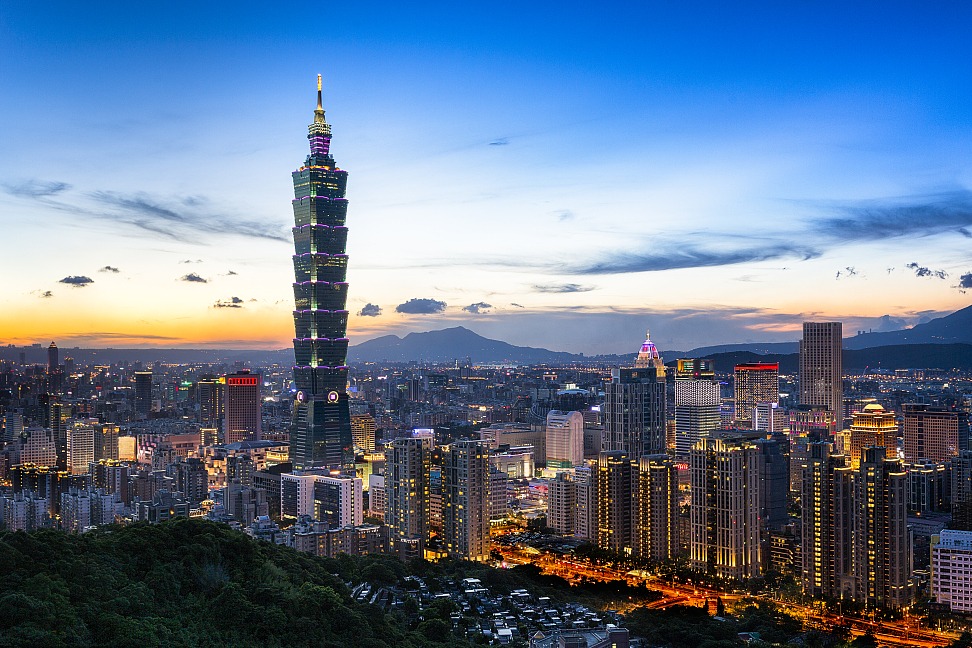
    Chinese authorities have launched a formal investigation into allegations that relatives of prominent Taiwan independence advocates have profited from business operations on the mainland while providing financial support to separatist political activities. The announcement came from Chen Binhua, spokesman for Beijing’s Taiwan Affairs Office, during a press briefing on Friday.

    The investigation centers on reports that a family member of Liu Shih-fang, who heads Taiwan’s internal affairs administration, has engaged in commercial ventures and derived financial benefits from mainland operations. According to Chen, these business activities allegedly served as a funding source for political movements advocating Taiwan’s independence from China.

    Beijing’s response reinforces its longstanding policy against what it terms ‘separatist activities’ while simultaneously enforcing regulations that prohibit individuals supporting Taiwan independence from benefiting economically from mainland markets. The spokesman emphasized that authorities are conducting the investigation through proper legal channels and will apply appropriate regulatory measures.

    This development occurs within the broader context of cross-strait relations, where Beijing maintains its ‘One-China’ principle and consistently opposes any form of Taiwan independence. The Chinese government has previously implemented various measures to restrict economic opportunities for those supporting separatist agendas, viewing such actions as undermining national sovereignty and territorial integrity.

    The investigation signals Beijing’s continued vigilance toward economic activities that might indirectly support political movements it considers threatening to national unity. Analysts suggest this case may establish precedents for how mainland authorities handle similar situations involving perceived conflicts between economic engagement and political allegiances across the Taiwan Strait.

  • Voll ton helps Australia win Healy’s last ODI series

    Voll ton helps Australia win Healy’s last ODI series

    Australia’s women’s cricket team clinched the ODI series against India with a commanding five-wicket victory in the second match at Hobart, propelled by a spectacular century from rising star Georgia Voll.

    The 22-year-old batter delivered a masterclass in aggressive yet calculated batting, scoring 101 runs from just 82 deliveries. Her innings, decorated with 13 boundaries and one six, marked her second international century in just nine ODIs since her debut in December 2024.

    Voll’s path to triple figures was notably aided by India’s substandard fielding performance. She received three reprieves—dropped catches on 19 and 53, followed by a critical wicketkeeping fumble from Richa Ghosh when she stood at 99—allowing her to secure the milestone with a scrambled single.

    She found a formidable partner in Phoebe Litchfield, who contributed a rapid-fire 80 from 62 balls. Their 119-run partnership for the second wicket effectively dismantled India’s bowling attack after the early departure of captain Alyssa Healy for just 6 runs. Voll later added another 82 runs alongside Beth Mooney before finally being dismissed by Kashvee Gautam in the 31st over.

    Chasing India’s total of 251-9, Australia reached their target with 83 balls remaining, sealing both the match and the series with one game still to play. The victory held special significance as it marked Healy’s final series in charge before her retirement from international cricket.

    India’s innings had earlier been anchored by captain Harmanpreet Kaur, who scored a patient 54 from 70 deliveries. Despite a promising 78-run opening partnership between Smriti Mandhana and Pratika Rawal (52 from 81), India suffered a middle-order collapse, losing four wickets for just 25 runs across 7.4 overs. Australia’s bowling attack shared the wickets evenly, with Ash Gardner, Annabel Sutherland, and Alana King each claiming two dismissals.

  • A total lunar eclipse will turn the moon blood red on Tuesday across several continents

    A total lunar eclipse will turn the moon blood red on Tuesday across several continents

    Skywatchers across the Americas and Pacific regions are preparing for a remarkable astronomical event as the last total lunar eclipse until 2028 prepares to illuminate night skies with its characteristic crimson glow. This extraordinary celestial phenomenon will be fully visible during morning hours throughout North America, Central America, and western South America on Tuesday, while observers in Australia and eastern Asia will witness the spectacle during evening hours.

    The cosmic alignment occurs when Earth positions itself directly between the sun and full moon, casting our planet’s shadow across the lunar surface. The resulting ‘blood moon’ effect emerges from sunlight filtering through Earth’s atmosphere, scattering blue light while allowing red wavelengths to illuminate the moon’s surface. This atmospheric filtering creates the stunning reddish-orange appearance that gives the phenomenon its dramatic name.

    Astronomers note that the event will unfold gradually over several hours, with the period of totality—when the moon is completely within Earth’s shadow—lasting approximately one hour. Unlike solar eclipses requiring protective eyewear, lunar eclipses present no viewing hazards, allowing observers to enjoy the spectacle with unaided vision under clear sky conditions.

    This eclipse continues a pattern of celestial events, occurring just two weeks after an annular ‘ring of fire’ solar eclipse captivated viewers in Antarctica. According to NASA’s eclipse patterns, between four and seven eclipses typically occur annually, often clustering together due to orbital alignments. Another partial lunar eclipse is scheduled for August, with visibility spanning the Americas, Europe, Africa, and western Asia.

    Astronomer Bennett Maruca of the University of Delaware recommends checking local timing through forecasting applications or online celestial calendars, noting that observers need not watch continuously to appreciate the moon’s gradual transformation as Earth’s shadow creates a dramatic celestial display.

  • US moves to legally control tanker and 2M barrels of oil seized off Venezuela’s coast in December

    US moves to legally control tanker and 2M barrels of oil seized off Venezuela’s coast in December

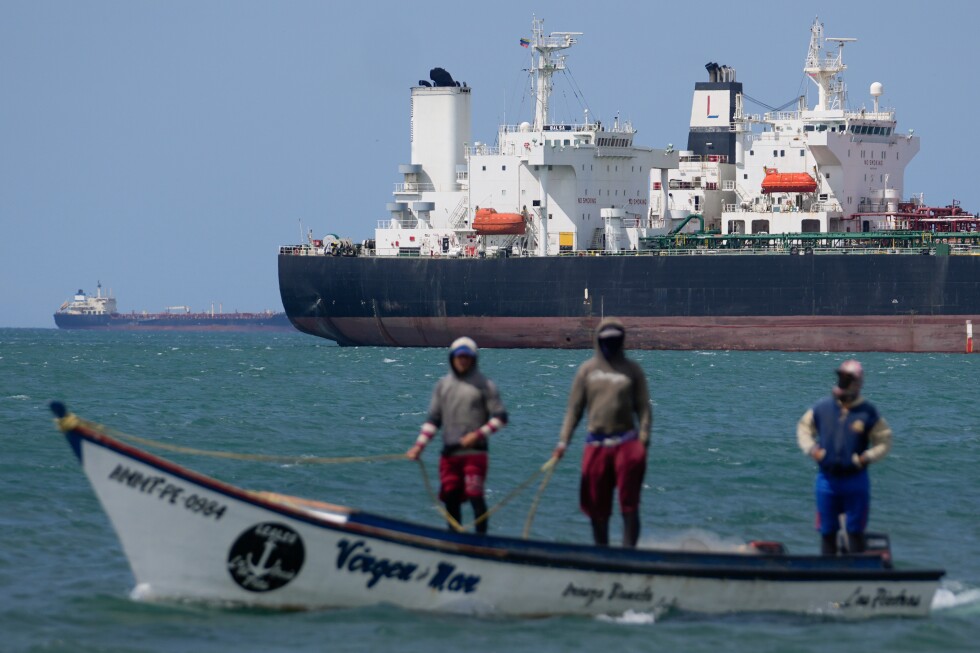
    The U.S. Justice Department has initiated formal legal proceedings to claim permanent ownership of a sanctioned oil tanker and its nearly 2-million-barrel petroleum cargo, marking a significant escalation in the Trump administration’s campaign against Venezuela’s leadership. The vessel, identified as the Skipper, was intercepted off the Venezuelan coast in December as part of Washington’s broader strategy to cripple Nicolás Maduro’s regime by cutting off its primary revenue source.

    This represents the first legal complaint filed by U.S. authorities to formally seize one of at least ten oil tankers intercepted since late last year. American officials allege Venezuela has employed a ‘shadow fleet’ of vessels with falsified flags to clandestinely transport illicit crude into global supply chains, bypassing international sanctions.

    Attorney General Pam Bondi stated, ‘Under President Trump’s leadership, the era of secretly bankrolling regimes that pose clear threats to the United States is over. This Department of Justice will deploy every legal authority at our disposal to completely dismantle and permanently shutter any operation that defies our laws and fuels chaos across the globe.’

    The Justice Department asserts that the Skipper had been moving oil from both Iran and Venezuela worldwide while flying false flags to conceal its activities. Officials claim the operations generated revenue for Iran’s paramilitary Revolutionary Guard, which the U.S. designates as a foreign terrorist organization.

    The seizure comes amid heightened tensions following Maduro’s arrest last month in a U.S. raid and subsequent transfer to New York to face drug trafficking charges. Despite pleading not guilty and maintaining his presidential status, Maduro’s capture has triggered a series of vessel interdictions, with U.S. forces tracking and intercepting tankers as far away as the Indian Ocean.

    The Trump administration has systematically worked to control Venezuela’s oil production, refining, and global distribution while overseeing revenue flows. Concurrently, the U.S. has begun lifting broad sanctions to allow foreign companies to operate in Venezuela in an effort to revitalize the country’s struggling oil industry.

    A federal judge in Washington must now approve the U.S. government’s bid for permanent ownership of the Skipper and its cargo, which could potentially be sold on the market.

  • What to know about the latest fighting between Afghanistan and Pakistan

    What to know about the latest fighting between Afghanistan and Pakistan

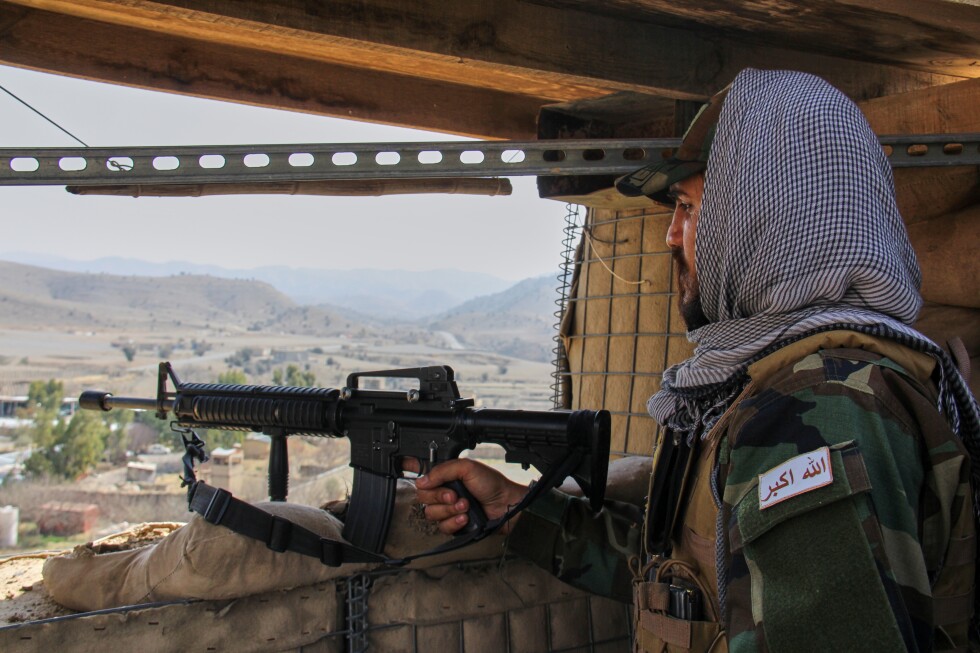
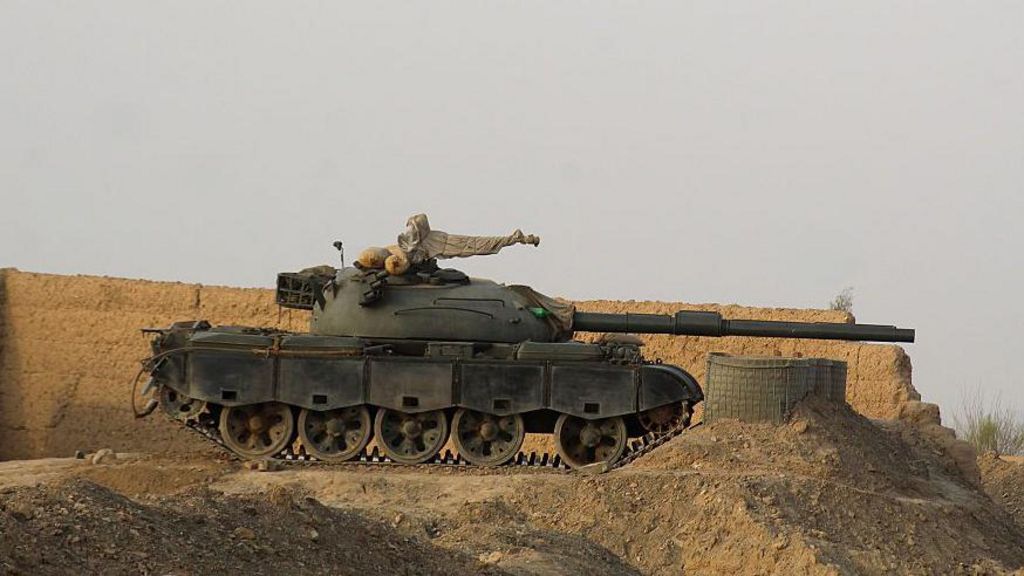
    Pakistan’s Defense Minister Khawaja Mohammad Asif declared Friday that his nation is engaged in an ‘open war’ with Afghanistan, marking the most severe military confrontation between the neighboring countries since their October ceasefire mediated by Qatar. The escalating violence represents a dangerous deterioration in relations between two nations bound by complex historical, ethnic, and social ties dating to Pakistan’s creation in 1947.

    The current crisis erupted when Afghanistan launched extensive cross-border attacks into six Pakistani provinces Thursday night, characterizing the operation as retaliation for Pakistani airstrikes on Afghan territory Sunday. Pakistan had claimed those initial strikes eliminated dozens of militants, while Kabul maintained only civilians including women and children were killed. In response, Pakistan conducted further airstrikes early Friday targeting the Afghan capital and regions of Kandahar and Paktia, reigniting border clashes that continued throughout the day.

    At the heart of the conflict lies Pakistan’s accusation that Afghanistan provides safe haven to the Pakistani Taliban (Tehrik-e-Taliban Pakistan or TTP), which Islamabad blames for a sharp increase in militant violence within its borders. The UN and US-designated terrorist organization, formed in 2007, seeks stricter Islamic laws and reduced Pakistani military presence in border regions. Although separate from the Afghan Taliban, the TTP maintains close alliances and many leaders reportedly took refuge in Afghanistan following the Taliban’s 2021 return to power.

    The tension concentrates along the contentious 2,611-kilometer Durand Line frontier, established in 1893 and internationally recognized as Pakistan’s western border—though Afghanistan has never accepted this demarcation. The line bisects the Pashtun tribal heartland, Afghanistan’s largest ethnic group and the base from which the Taliban emerged.

    Relations have deteriorated significantly since Pakistan began mass deportations of Afghan refugees in 2023, affecting over two million Afghans including some born in Pakistan. This crackdown, combined with failed peace talks in Istanbul last November and the collapse of a Qatar-brokered ceasefire, has created a volatile situation that has alarmed the international community.

    World powers including Russia, Iran, Turkey, Qatar, and Saudi Arabia have called for immediate de-escalation and offered to facilitate dialogue, recognizing the region’s vulnerability to resurgent militant groups including al-Qaida and Islamic State. The conflict threatens regional stability and represents a critical test for diplomatic conflict resolution mechanisms.

  • Trump will head to Beijing weakened — and Xi knows it

    Trump will head to Beijing weakened — and Xi knows it

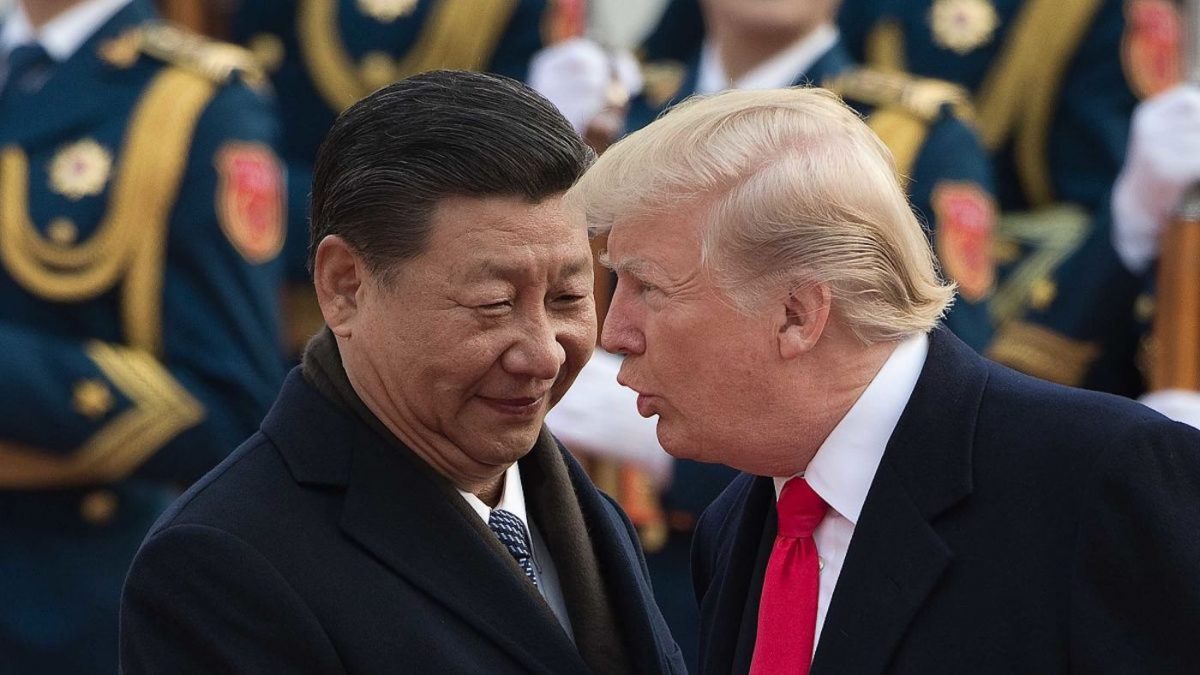
    In a landmark judicial decision, the U.S. Supreme Court has invalidated the cornerstone of former President Donald Trump’s second-term trade doctrine, dramatically altering the power balance in Sino-American relations just weeks before scheduled high-level talks in Beijing. The ruling struck down tariffs imposed under the International Emergency Economic Powers Act (IEEPA), forcing the administration to activate Section 122 of the Trade Act of 1974 instead. This alternative mechanism imposes a temporary 15% surcharge on existing tariffs but remains legally narrower and time-bound, expiring after 150 days.

    The judicial intervention delivers an unexpected strategic advantage to China, relieving pressure on its export sector and recalibrating negotiation dynamics ahead of Trump’s planned April visit. While Section 301 tariffs remain intact, the psychological landscape of negotiations has fundamentally shifted. Beijing now perceives Washington’s threats as legally constrained, recognizing that any sweeping new tariff measures would face protracted litigation.

    This development transforms the upcoming diplomatic choreography. Instead of arriving as an enforcer with unilateral leverage, Trump will enter negotiations with diminished coercive capacity. Consequently, prospects for Chinese capitulation on key issues like industrial subsidies have evaporated. Analysts anticipate Beijing will offer carefully calibrated concessions—potentially including agricultural purchases and symbolic energy contracts—while preserving core industrial policies that maintain China’s competitive advantage.

    The ruling extends beyond immediate tariff relief. Chinese exporters may receive trillions of yuan in tariff reimbursements, injecting liquidity into the domestic economy. More significantly, the decision strengthens China’s positioning as a defender of global trade stability while highlighting American institutional volatility. Meanwhile, Beijing continues consolidating dominance in critical mineral supply chains and green energy components—geopolitical assets that gain enhanced strategic value amid diminished U.S. tariff threats.

    Looking ahead, the technology war appears poised to intensify. Deprived of emergency tariff powers, the U.S. will likely pivot toward non-tariff instruments including stricter semiconductor export controls, expanded entity listings, and targeted investment restrictions. China is utilizing this judicial reprieve to accelerate semiconductor localization and fortify industrial policies before Washington establishes more robust legal foundations for economic containment.

  • Draw list for Europa League knockout bracket

    Draw list for Europa League knockout bracket

    NYON, Switzerland — The UEFA Europa League knockout phase bracket was officially determined on Friday, setting the stage for a compelling series of clashes across Europe. The draw ceremony at UEFA headquarters produced several intriguing fixtures that will unfold throughout March and April.

    The Round of 16 presents multiple captivating narratives, including an all-Italian confrontation between Bologna and AS Roma, ensuring at least one Serie A representative will advance to the quarterfinals. English Premier League side Aston Villa will face French opponents Lille OSC, while Nottingham Forest’s continental journey continues against Danish contenders FC Midtjylland.

    German clubs Freiburg and Stuttgart face challenging tests against Genk (Belgium) and Porto (Portugal) respectively. The Iberian peninsula is well represented with Spanish sides Real Betis and Celta Vigo taking on Panathinaikos (Greece) and Lyon (France), while Portugal’s Braga meets Hungary’s Ferencvaros.

    The tournament structure reveals that first leg matches are scheduled for March 12, with return fixtures occurring between March 18-19. Successful teams will progress to the quarterfinals, where first leg encounters are planned for April 9 and decisive second legs on April 16.

    The bracket mechanics create potential future showdowns, with the victor of Ferencvaros/Braga facing either Panathinaikos or Real Betis in the next round. Similarly, the winner of Genk/Freiburg will meet either Celta Vigo or Lyon, establishing a clear pathway to the latter stages of Europe’s secondary club competition.

    This phase of the tournament represents a critical juncture for participating clubs, combining sporting prestige with significant financial implications and the opportunity to secure European football for subsequent seasons.

  • Cambodia takes back looted historic artifacts handled by British art dealer

    Cambodia takes back looted historic artifacts handled by British art dealer

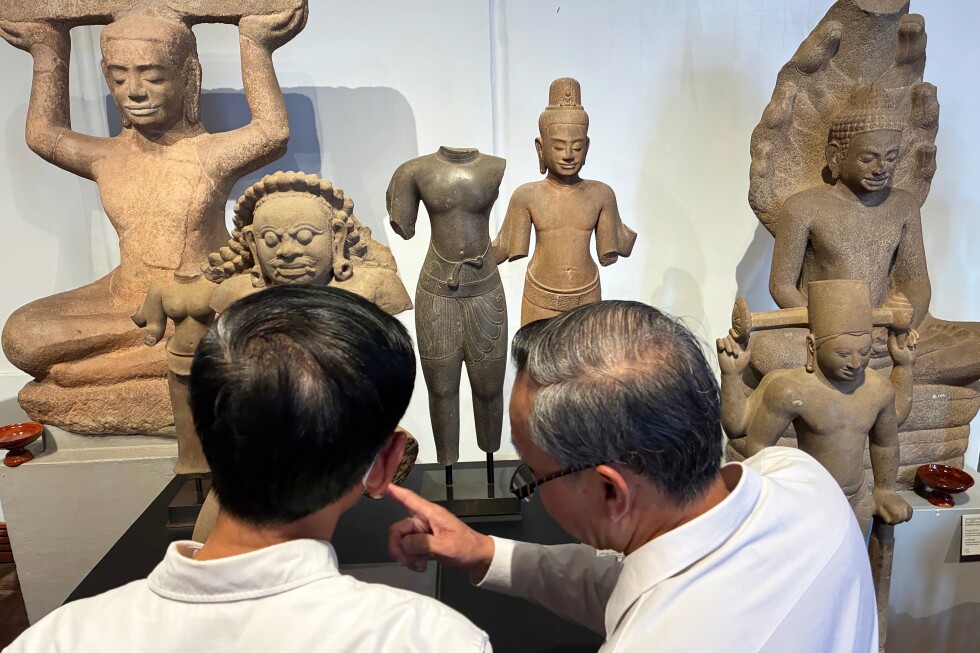
    PHNOM PENH, Cambodia — In a landmark ceremony at the National Museum on Friday, Cambodian officials formally received 74 priceless artifacts repatriated from the United Kingdom, marking a significant victory in the nation’s ongoing campaign to reclaim its cultural heritage. The restitution ceremony, attended by Deputy Prime Minister Hun Many, culminated years of diplomatic efforts to recover artworks allegedly looted during Cambodia’s periods of conflict and instability.

    The returned collection spans from the pre-Angkorian era through the zenith of the Angkor Empire (9th-15th centuries), featuring monumental sandstone sculptures, refined bronze works, and significant ritual objects. These artifacts were returned under a 2020 agreement between Cambodia’s Ministry of Culture and Fine Arts and the family of the late Douglas Latchford, a British art dealer accused of orchestrating their illegal export.

    This repatriation represents one of the most substantial returns of Khmer cultural heritage in recent years, building upon major repatriations from the same collection in 2021 and 2023. The artifacts allegedly passed through Latchford’s network during Cambodia’s civil wars and the Khmer Rouge regime (1970s-1980s), when organized looting operations systematically stripped temples and archaeological sites.

    Latchford, indicted in 2019 by a New York federal court on wire fraud and conspiracy charges, died in 2020 before facing extradition. His case exemplifies a broader global trend of Western institutions returning illegally acquired artworks to their countries of origin, including recent restitutions by New York’s Metropolitan Museum of Art to Cambodia.

    Deputy Prime Minister Hun Many hailed the return as emotionally significant for the nation: ‘The ancient artifacts created and preserved by our ancestors are now being returned to Cambodia, bringing warmth and joy, following the country’s return to peace.’ The restitution marks a critical step in Cambodia’s efforts to reconstruct its cultural identity and preserve its ancestral legacy for future generations.

  • Pakistan defence minister says country in ‘open war’ with Afghanistan after strikes

    Pakistan defence minister says country in ‘open war’ with Afghanistan after strikes

    Pakistan’s Defense Minister Khawaja Muhammad Asif declared the nation is in “open war” with Afghanistan following a significant escalation of cross-border hostilities. The announcement came after Pakistani forces conducted airstrikes on multiple Afghan cities, including Kabul, Kandahar, and Paktika, in the early hours of Friday.

    The military action represents a dramatic deterioration of relations between the neighboring countries, despite a previously negotiated ceasefire agreement in October. The current violence erupted after Afghan Taliban forces launched what they described as a “retaliatory operation” against Pakistani military positions near the border on Thursday evening.

    Pakistan’s military command stated that Taliban forces “miscalculated and opened unprovoked fire on multiple locations” across the northwestern province of Khyber Pakhtunkhwa. Islamabad characterized its aerial bombardment as an “immediate and effective response” to these provocations.

    In a rapidly developing situation, Afghan Taliban spokesman Zabihullah Mujahid initially claimed—via a since-deleted social media post—that Taliban forces had conducted counter-strikes against Pakistani military positions using drone technology. Pakistani authorities reported successfully intercepting these attempted drone incursions targeting several strategic locations, including Abbottabad, home to Pakistan’s prestigious military academy.

    Prime Minister Shehbaz Sharif emphatically stated that Pakistani forces possess “the full capability to crush any aggressive ambitions” and vowed “no compromise” in defending the nation’s sovereignty.

    Meanwhile, humanitarian concerns emerged as Taliban officials alleged Pakistani rockets struck a refugee camp in Nangarhar province, injuring at least nine Afghan citizens recently displaced from Pakistan. These claims remain unverified by independent sources.

    The 2,600-kilometer mountainous border region remains on high alert as residents report temporary calm following the initial exchanges. The conflict stems from longstanding accusations by Pakistan that Afghanistan’s Taliban government provides support to “anti-Pakistan terrorists” responsible for recent suicide attacks within Pakistani territory.