作者: admin

  • Railway couple helps serve the Spring Festival travel rush

    Railway couple helps serve the Spring Festival travel rush

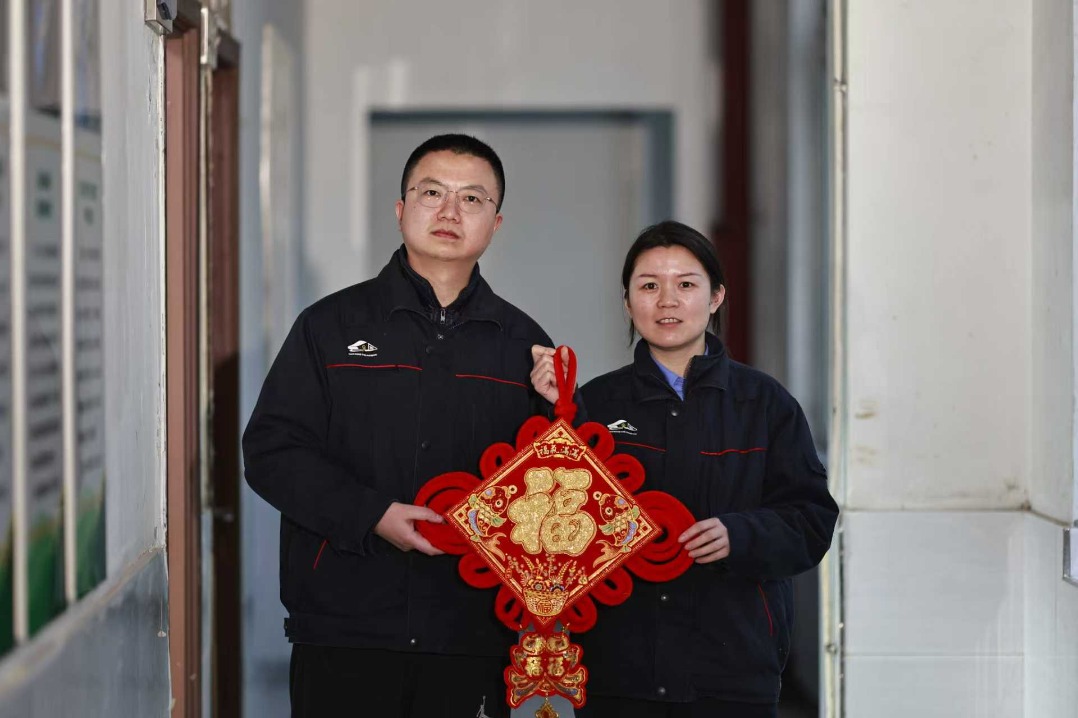
    As millions of Chinese travelers embark on their annual pilgrimage home for Spring Festival reunions, a dedicated railway couple continues their unsung mission to ensure safe journeys for all. Yang Jun and Li Yanzheng, both employed at Chongqing North EMU Depot under China Railway Chengdu Group Co., Ltd., have stood guard over the world’s largest annual human migration for five consecutive years.

    While passengers hurry home for family gatherings, this professional partnership maintains rigorous safety protocols at their respective posts. Li serves as a ground service mechanic, performing critical maintenance on electric multiple unit trains, while her husband Yang works as a passenger train inspector, examining rolling stock with meticulous attention to detail.

    Their synchronized efforts represent countless railway workers who sacrifice personal holiday time to maintain China’s transportation backbone during the 40-day Chunyun period. The couple’s story, captured in a February 5, 2026 photograph at their Chongqing workplace, exemplifies the quiet dedication of transportation professionals nationwide.

    Railway authorities estimate over 400 million passenger trips during this year’s travel rush, creating unprecedented demands on infrastructure and personnel. The couple’s dual commitment to both their marriage and professional duties highlights the human infrastructure supporting China’s massive transportation network during its most challenging operational period.
  • US-Iran nuclear talks begin under shadow of military escalation

    US-Iran nuclear talks begin under shadow of military escalation

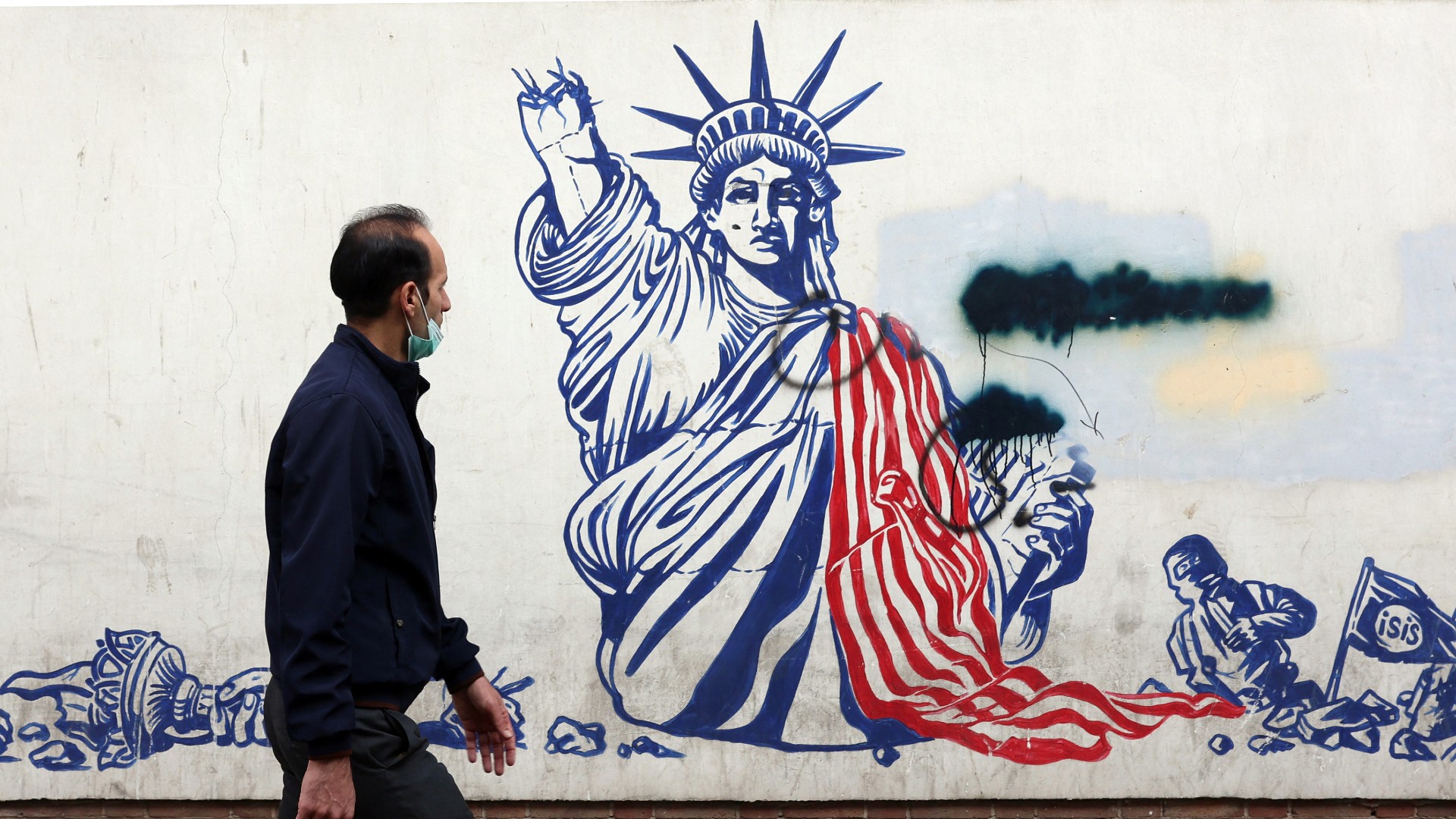
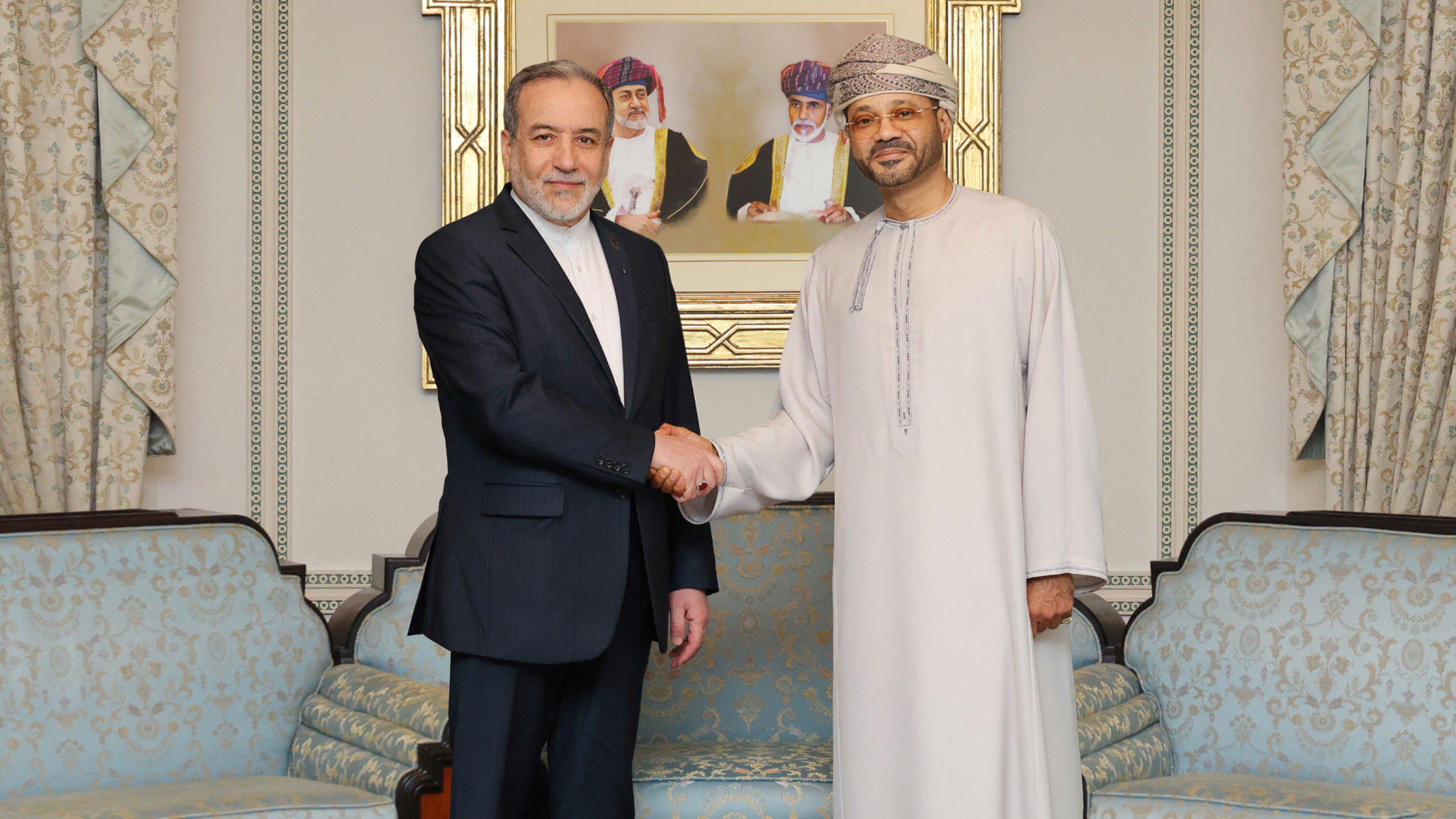
    High-stakes diplomatic engagement between the United States and Iran initiated on Friday in Muscat, Oman, focusing on Tehran’s controversial nuclear program. The American delegation, led by envoys Steve Witkoff and Jared Kushner, convened with Iranian officials headed by Foreign Minister Abbas Araghchi under tense circumstances.

  • Talks with US were ‘very good start’ despite uncertainty, says Iran

    Talks with US were ‘very good start’ despite uncertainty, says Iran

    Diplomatic efforts to address nuclear concerns between the United States and Iran initiated on Friday in Muscat, Oman, with both delegations characterizing the preliminary discussions as constructive. Iranian Foreign Minister Abbas Araghchi confirmed the meetings produced a “positive start” and established a mutual understanding for continued dialogue, though significant obstacles remain.

    The American delegation, featuring envoys Steve Witkoff and Jared Kushner, engaged with Iranian officials through mediation by Omani Foreign Minister Badr bin Hamad Al Busaidi. The Omani official described the talks as instrumental in clarifying positions and identifying potential pathways for progress.

    Despite the diplomatic opening, the atmosphere remains heavily charged. The U.S. immediately announced new sanctions targeting Iran’s oil export capabilities, sanctioning 14 vessels and 15 entities. Concurrently, U.S. aircraft carriers, including the USS Abraham Lincoln, are positioned near Iranian waters.

    Military posturing intensified as Iran’s army spokesperson, Brigadier-General Mohammad Akraminia, declared the nation’s readiness for a regional conflict that would encompass all U.S. bases. The White House responded by emphasizing President Trump’s multitude of options beyond diplomacy.

    Reports indicate a key concession in the negotiation framework, with the U.S. reportedly agreeing to limit discussions solely to Iran’s nuclear program, dropping previous demands to include ballistic missile development. This shift is attributed to diplomatic interventions by regional powers including Qatar, Saudi Arabia, and Oman.

    The U.S. Virtual Embassy in Iran issued an alert urging American citizens to depart immediately, while Israeli Prime Minister Benjamin Netanyahu suggested conditions were building toward the potential downfall of the Iranian regime, highlighting the complex geopolitical stakes surrounding these fragile talks.

  • After Epstein fallout, UK leader Starmer faces hurdles and rivals as he battles to keep his job

    After Epstein fallout, UK leader Starmer faces hurdles and rivals as he battles to keep his job

    LONDON — British Prime Minister Keir Starmer’s political future hangs in the balance following the controversial appointment of Peter Mandelson as U.K. ambassador to the United States, a decision now threatening to unravel his premiership due to Mandelson’s extensive connections to convicted sex offender Jeffrey Epstein.

    The disclosure of millions of Epstein-related documents by the U.S. Justice Department has placed Starmer’s judgment under unprecedented scrutiny. Revelations show Mandelson, a Labour Party grandee, maintained friendship with Epstein after the financier’s 2008 conviction for sex offenses involving a minor and allegedly shared sensitive government information with him in 2009 while serving in cabinet.

    Starmer has apologized to the British public and Epstein’s victims for what he termed ‘Mandelson’s lies,’ but the damage appears substantial. Multiple Labour lawmakers have called for his resignation following a series of missteps since the party’s landslide July 2024 victory.

    The prime minister now confronts several potential scenarios. The most straightforward path would involve his resignation, triggering a leadership contest requiring candidates to secure support from 20% of parliamentary colleagues. Potential successors include Health Secretary Wes Streeting, Home Secretary Shabana Mahmood, and former deputy prime minister Angela Rayner, though no clear frontrunner has emerged.

    Should Starmer resist stepping down, he could face a formal leadership challenge—an unusual scenario for Labour, which lacks the Conservative Party’s history of ousting sitting leaders. Complicating matters, Manchester Mayor Andy Burnham remains ineligible as leadership must come from parliamentary ranks.

    Immediate challenges include the pending release of Mandelson’s vetting documents and a critical special election in Gorton and Denton on February 26. Further tests await in May elections where Labour risks losing power in Wales for the first time since devolution, performing poorly in Scotland, and suffering losses in English local elections.

    The crisis echoes former Prime Minister Harold Macmillan’s observation about the unpredictable nature of leadership challenges: ‘Events, dear boy, events.’

  • Masculinity and vulnerability aren’t exclusive, says Bafta-nominated director

    Masculinity and vulnerability aren’t exclusive, says Bafta-nominated director

    The semi-autobiographical film ‘My Father’s Shadow’ has emerged as a groundbreaking cinematic exploration of father-son relationships within Black families. Directed by Nigerian-British brothers Akinola Davies Jr. and Wale Davies, the feature debut has garnered international acclaim since its premiere at the Cannes Film Festival, where it became the first Nigerian production selected for the event’s official program.

    The narrative unfolds during Nigeria’s historic 1993 presidential election, tracing the emotional journey of two young brothers, Akin and Remi, who experience an unexpected day with their previously absent father, Folarin. Through the children’s perspective, viewers witness a complex portrayal of masculinity that challenges stereotypical representations. The film intentionally showcases vulnerable moments, including a powerful scene where Folarin, portrayed by Sope Dirisu, openly grieves his brother’s death before his sons.

    This nuanced examination of paternal relationships has resonated deeply with audiences, particularly within the Nigerian diaspora. Ellis Lamai, a 26-year-old British-Nigerian viewer, noted how the film’s depiction of paternal pressures reflected his own family’s experience, stating it helped him understand the generational drive to ‘get past your circumstances’ that characterized many Nigerian families’ migration stories.

    Beyond its personal narrative, the directors deliberately presented an authentic portrayal of Lagos that counters Western media stereotypes. ‘We wanted to show our Lagos properly,’ Akinola emphasized, highlighting the joy and cultural richness often overlooked in external representations.

    The film’s critical success has culminated in a BAFTA nomination for Outstanding Debut by a British Writer, Director or Producer. The directors hope their achievement will inspire more community-authored stories and foster broader understanding of the complexities within parent-child relationships, particularly the importance of vulnerability and emotional connection beyond mere provision.

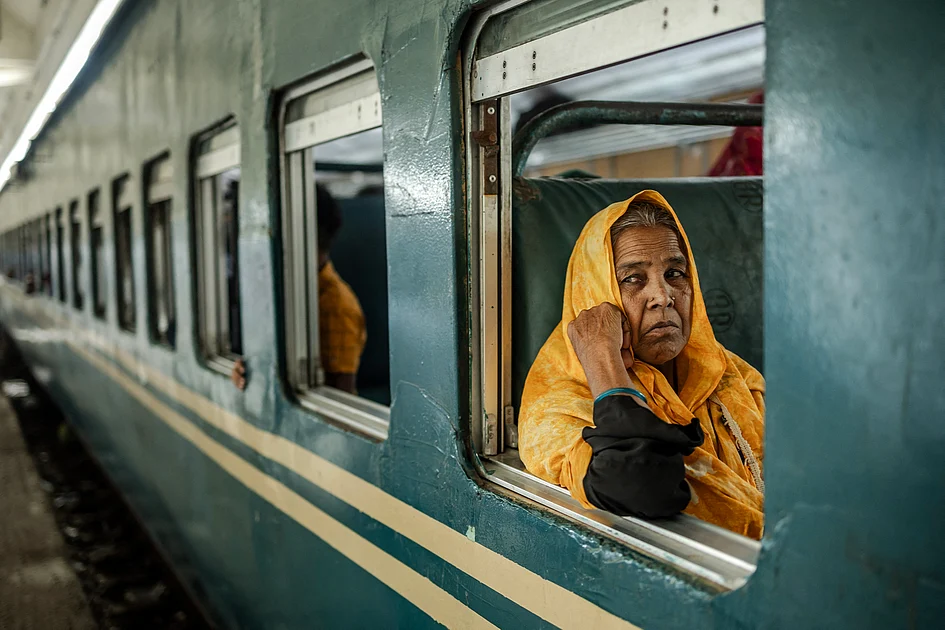
  • No boat, no vote: Some Bangladeshis in Hasina’s hometown turn away from Feb polls

    No boat, no vote: Some Bangladeshis in Hasina’s hometown turn away from Feb polls

    In a dramatic political reversal, the ancestral hometown of Bangladesh’s ousted Prime Minister Sheikh Hasina displays unprecedented electoral transformation ahead of the February 12 parliamentary elections. Gopalganj district, long considered the impregnable stronghold of Hasina’s Awami League party, now showcases campaign materials exclusively from opposition groups including the Bangladesh Nationalist Party (BNP), Jamaat-e-Islami, and independent candidates.

    The absence of Awami League’s iconic ‘boat’ election symbol—a visual staple during previous decades—marks the first time in generations that the party cannot contest elections in its political birthplace. This development follows the party’s official exclusion from the electoral process under the interim administration led by Nobel laureate Muhammad Yunus.

    Sheikh Hasina, who governed for fifteen consecutive years until her overthrow during a youth-led uprising in August 2024, currently resides in exile in India. A Dhaka court recently sentenced the former premier to death for allegedly ordering lethal crackdowns during the 2024 protests, though she has consistently denied these charges. UN estimates indicate approximately 1,400 fatalities occurred during the unrest, predominantly from security forces’ gunfire.

    Recent electoral research reveals significant voter realignment, with nearly half of former Awami League supporters now favoring the BNP—the current frontrunner in opinion polls—while approximately 30 percent support Jamaat-e-Islami. The survey, conducted by Dhaka-based research organizations, indicates former ruling party voters are consolidating around specific opposition alternatives rather than withdrawing from partisan politics entirely.

    In personal accounts from Gopalganj residents, many express either political disillusionment or cautious optimism. Rickshaw puller Ershad Sheikh declared his entire 13-member family would boycott the polls without the ‘boat’ symbol on ballots. Conversely, local businessman Sheikh Ilias Ahmed hopes the election will finally enable genuine democratic choice after previous allegations of vote manipulation.

    The transition has exacted personal costs for some families. Shikha Khanam reported her brother’s detention under anti-terrorism legislation following July 2024 clashes between police and protesters that resulted in five fatalities. Her family has subsequently withdrawn completely from political engagement.

    Political analysts suggest that while core Awami League loyalists may abstain from voting, locally-focused undecided voters could ultimately determine the electoral outcome in this transformed political landscape.

  • Late Beijing security official honored as ‘Role Model of the Times’

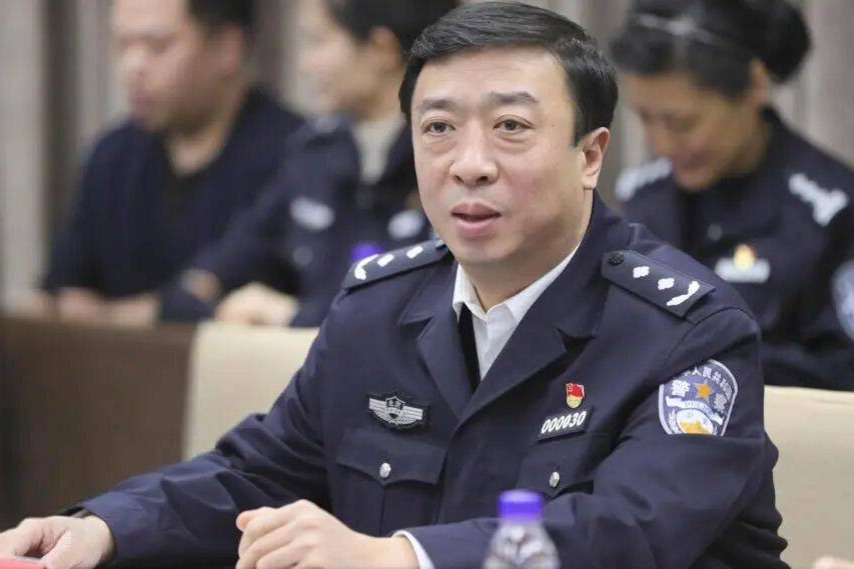
    Late Beijing security official honored as ‘Role Model of the Times’

    The Publicity Department of the Communist Party of China Central Committee has posthumously conferred the prestigious title of “Role Model of the Times” upon Dong Yijun, the former deputy director of Beijing Municipal Public Security Bureau and head of its traffic management bureau. The recognition was announced on Friday, honoring Dong’s exceptional decades-long service in public security.

    Dong passed away suddenly while on active duty on October 21, 2025, at the age of 58. A native Beijinger who joined both the Party and public security force in 1989, Dong dedicated his entire career to serving the capital’s residents through various leadership positions.

    Beginning his service at a police station in Xicheng district amid challenging public security conditions, Dong immersed himself in community policing, building remarkable rapport with local residents. His career trajectory demonstrated consistent commitment to grassroots engagement, whether serving as frontline officer or senior administrator.

    Dong operationalized a people-centered philosophy throughout his tenure, frequently emphasizing that matters significant to citizens should be treated as priorities by law enforcement. He reminded colleagues that issues seemingly routine to police could represent critical concerns for ordinary residents.

    During his leadership at Tongzhou public security sub-bureau, Dong pioneered significant administrative reforms, consolidating 87 government service items into centralized service centers and implementing 110 specific measures to enhance public convenience. He consistently advocated for reforms that would maximize accessibility and citizen satisfaction.

    As head of Beijing’s traffic management bureau, Dong personally addressed persistent traffic bottlenecks through repeated site inspections. He developed targeted solutions for high-pressure zones including Fuxingmen Bridge and Beijing Children’s Hospital—areas significantly affected by school, hospital, tourist, and commercial traffic.

    Dong advocated for sustained, detailed approaches to traffic management, overseeing the implementation of comprehensive governance measures including location-specific solutions and intelligent traffic signal control systems. His previous honors included first-class and second-class heroic model recognitions within the national public security system, along with multiple individual commendations.

  • Watch: Ukrainian soldier thought to be dead calls his family

    Watch: Ukrainian soldier thought to be dead calls his family

    In an extraordinary turn of events that defies the tragic norms of warfare, a Ukrainian soldier previously declared killed in action has made contact with his devastated family after two years of official casualty status. Nazar Daletskyi, whose family received formal notification of his death during the initial brutal phase of Russia’s full-scale invasion in 2022, recently established communication with his relatives in what can only be described as a miraculous development.

    The emotional reunion, captured in a widely circulated video, shows the soldier connecting with family members who had long mourned his passing. This remarkable case highlights both the chaos of modern combat documentation and the incredible resilience of those serving on the front lines. Military officials are now investigating the circumstances that led to the erroneous casualty report, examining communication breakdowns in active war zones where battlefield conditions often prevent accurate real-time accounting of personnel.

    This incident has sparked renewed discussion about the challenges of maintaining accurate records during intense conflict, while simultaneously providing a rare moment of hope and joy for a family that had accepted the ultimate sacrifice. The Ukrainian armed forces have acknowledged the complexity of personnel tracking amid rapidly changing frontlines and have committed to enhancing their verification procedures to prevent similar occurrences in the future.

  • Zelenskyy says Ukrainian air force needs to improve as Russian drone barrages take a toll

    Zelenskyy says Ukrainian air force needs to improve as Russian drone barrages take a toll

    Ukrainian President Volodymyr Zelenskyy has publicly characterized his nation’s aerial defense capabilities as “unsatisfactory” in certain regions, acknowledging critical vulnerabilities against Russia’s escalating drone offensive. This assessment came following extensive Russian assaults involving 328 drones and seven missiles within a 24-hour period, with Ukrainian forces reportedly intercepting 297 of these aerial threats.

    The sustained bombardment campaign has strategically targeted Ukraine’s energy infrastructure, plunging civilian populations into a severe winter crisis characterized by widespread blackouts and disruptions to heating and water systems. The British defense ministry confirms Ukraine’s power network is experiencing its most critical winter crisis to date.

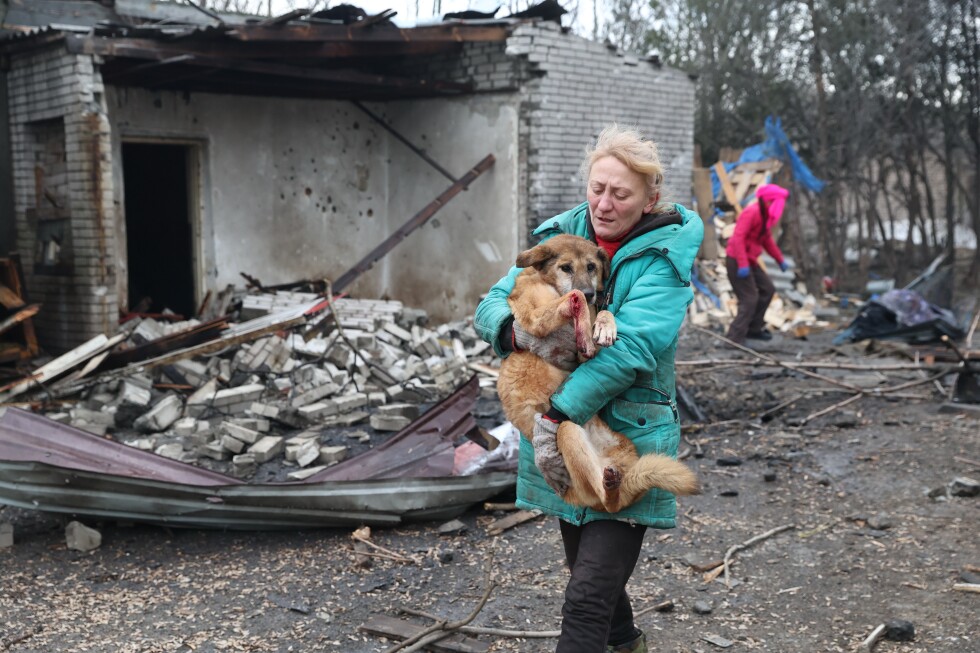
    Civilian casualties continue to mount with reports confirming one fatality and multiple injuries across central and southern regions. A particularly devastating strike hit a dog shelter in Zaporizhzhia, killing 13 animals and injuring seven others despite emergency veterinary intervention.

    With the conflict approaching its fifth anniversary later this month, diplomatic efforts remain stagnant despite recent U.S.-brokered negotiations in Abu Dhabi. Zelenskyy indicated forthcoming meetings between Russian and Ukrainian delegations, likely to convene in the United States, though specifics remain undisclosed.

    The military situation on the ground remains intensely contested across a 1,200-kilometer front line in eastern and southern Ukraine. Colonel General Oleksandr Syrskyi, Ukraine’s Commander-in-Chief, noted that technological advancements in drone warfare have expanded the lethal engagement zone to approximately 20 kilometers deep, significantly increasing combat risks for military personnel.

    Meanwhile, cross-border attacks have intensified with Ukraine targeting Russian energy infrastructure in Bryansk and Belgorod regions, causing temporary power disruptions to several villages and urban areas.

  • Chinese courts provide judicial aid to over 128,600 people over past three years

    Chinese courts provide judicial aid to over 128,600 people over past three years

    China’s judicial authorities have demonstrated significant commitment to social welfare through extensive financial assistance programs for vulnerable citizens involved in legal proceedings. Between 2023 and 2025, Chinese courts provided comprehensive judicial aid to 128,600 individuals across 90,400 separate cases, according to official statistics released by the Supreme People’s Court.

    Wang Zhenyu, head of the State Compensation Division at China’s top judicial body, disclosed at a Friday press conference that the total allocation for judicial assistance during this three-year period surpassed 2.56 billion yuan (approximately $369 million). This substantial financial support has played a crucial role in alleviating economic hardships for numerous families navigating the legal system.

    The initiative represents a fundamental component of China’s socialist judicial framework, specifically designed to support litigants experiencing severe financial distress. The program particularly prioritizes assistance for society’s most vulnerable members, including minors, elderly citizens, and individuals with severe disabilities. Official data reveals that courts nationwide provided support to 107,700 people from these demographic groups over the three-year timeframe.

    Wang cited a poignant example from Sichuan province where six children, left without their primary caregiver after their father was murdered, received crucial judicial aid delivered across 2,000 kilometers. This intervention provided not only financial relief but also renewed hope for the children’s future.

    Beyond financial distributions, judicial authorities are implementing innovative measures to enhance support mechanisms. These include establishing expedited channels for emergency medical treatment of criminal case victims, providing psychological counseling for those experiencing severe trauma, and facilitating social assistance for victims with mobility challenges. These comprehensive approaches significantly amplify the positive impact of judicial assistance programs throughout China’s legal system.