作者: admin

  • Britney Spears detained on suspicion of driving while intoxicated

    Britney Spears detained on suspicion of driving while intoxicated

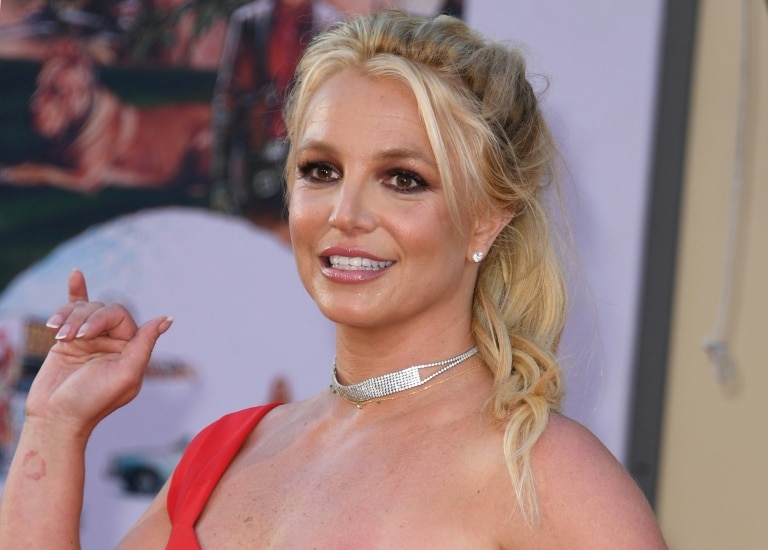
    Pop icon Britney Spears faced legal troubles Wednesday night when she was detained by Ventura County Sheriff’s Department authorities on suspicion of driving under the influence. The 44-year-old music superstar was formally booked into custody before being released early Thursday morning at 6:07 AM local time.

    According to official court documents and multiple entertainment news sources, the incident occurred in the Los Angeles vicinity. Law enforcement records indicate Spears has been scheduled for an initial court appearance on May 4 to address the allegations.

    The singer’s representative addressed the situation in an official statement to Deadline, characterizing the event as “an unfortunate incident that is completely inexcusable.” The spokesperson confirmed Spears’ intention to “take the right steps and comply with the law” while expressing hope that this development might catalyze “long overdue change” in the artist’s personal life.

    This legal development follows years of public scrutiny regarding Spears’ wellbeing. Her 2023 memoir “The Woman in Me” contained revelations about her medical regimen, including her use of Adderall for ADHD management, while maintaining she never engaged with hard drugs or struggled with alcohol dependency.

    The recent incident evokes memories of her 2007 public health crisis that resulted in a controversial conservatorship arrangement under her father’s management. That legal arrangement, which governed both her financial and personal decisions for nearly 13 years, was terminated by a Los Angeles court in 2021 following the massive #FreeBritney advocacy campaign.
  • ‘I’m not as talented as Daly’: New era begins at Manly as Jamal Fogarty prepares to take on former Raiders teammates

    ‘I’m not as talented as Daly’: New era begins at Manly as Jamal Fogarty prepares to take on former Raiders teammates

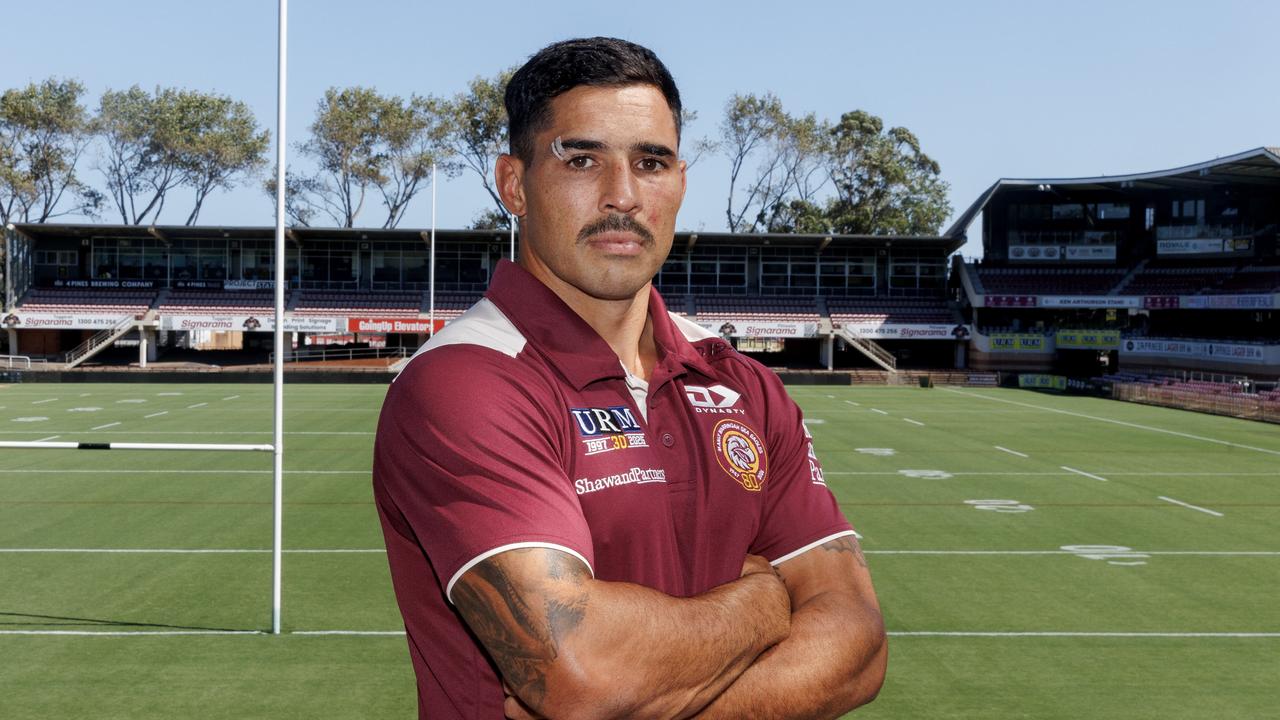
    As the Manly-Warringah Sea Eagles prepare for their round one NRL showdown against the Canberra Raiders, all eyes are on new recruit Jamal Fogarty, who is set to face his former club just months after his high-profile signing. The veteran halfback’s move to Manly last May on a three-year contract came as a direct response to club legend Daly Cherry-Evans’ surprising announcement that he would depart after the 2025 season.

    While comparisons to Cherry-Evans—Manly’s attacking linchpin for 15 years—continue to circulate, Fogarty has established his own identity from the outset. In December, he openly acknowledged Cherry-Evans’ legacy while asserting his determination to be ‘Jamal, not Daly.’ This philosophical approach has defined his transition into the famed maroon and white No. 7 jersey.

    The upcoming match against Canberra carries significant personal meaning for Fogarty, who played a pivotal role in the Raiders’ 2023 minor premiership campaign during his four-year tenure. He expressed relief at facing his former teammates immediately rather than enduring prolonged media speculation throughout the season. Known for his reserved demeanor, Fogarty emphasized he prefers focusing on gameplay rather than engaging in pre-match banter or psychological warfare.

    Sea Eagles coach Anthony Seibold has welcomed Fogarty’s structured playing style, noting distinct differences from Cherry-Evans’ approach while praising the halfback’s leadership qualities and pre-season integration. Fogarty already gained experience in Manly colors during a trial match against South Sydney in Mudgee, describing the transition from Canberra’s lime green as different yet familiar due to his background with similar colors in Queensland Cup.

    Now partnering with five-eighth Luke Brooks, Fogarty aims to establish a complementary halves partnership that leverages Brooks’ running game while he assumes control of team organization. Despite pressure from emerging talents Joey Walsh and Onitoni Large, the 32-year-old playmaker remains focused on building cohesion and delivering results for his new club, beginning with Saturday night’s emotional encounter against his former Raiders teammates.

  • AFL 2026: Collingwood coach Craig McRae addresses personal, Carlton rumours

    AFL 2026: Collingwood coach Craig McRae addresses personal, Carlton rumours

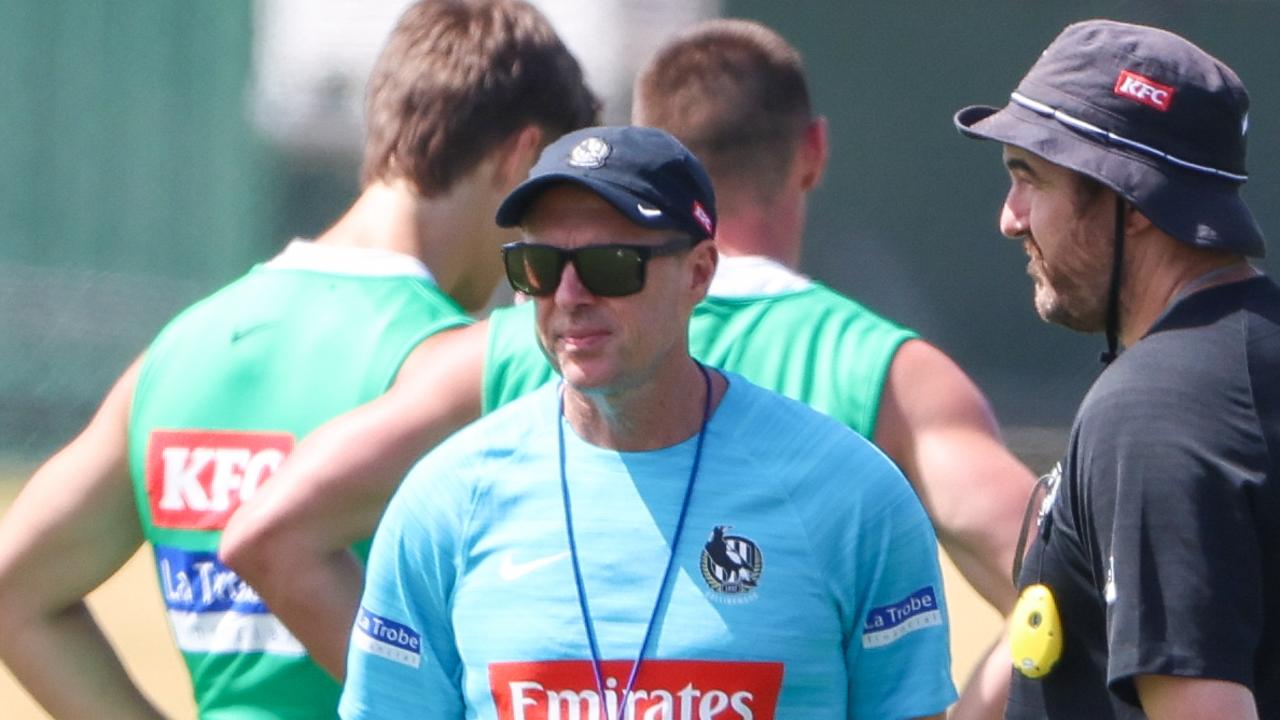
    Collingwood Magpies senior coach Craig McRae has taken decisive action to confront two separate waves of off-season speculation concerning both his personal life and professional future. The premiership-winning coach found himself at the center of unfounded rumors regarding his marriage stability during the break, prompting him to address the matter directly with his playing squad.

    Club Chief Executive Craig Kelly previously condemned the personal allegations as “false and unfair” toward McRae’s family. During his weekly media briefing on Friday, McRae elaborated on his decision to briefly discuss the situation with players, describing it as “about 10 seconds of a 30-minute meeting” focused on navigating the modern media landscape.

    “I am really comfortable in my values and morals and what people say about me, I can’t control,” McRae stated. “It’s become a little bit annoying and it was nice to get on the front foot and really nice to have support in my values and morals.”

    The coach emphatically denied recent speculation linking him to Carlton’s coaching position, following reports that the Blues had sounded him out as a potential replacement for Michael Voss. “That’s not true,” McRae responded. “I have got a contract here, I have just extended thankfully enough and my best mate works there. That’s not… it doesn’t make any sense to me.”

    McRae revealed he and his wife have “never been happier” and dismissed any notion of pursuing action against online rumor mongers. The personal speculation emerged following the highly publicized separation of Brisbane Lions co-captain Lachie Neale and his wife Jules earlier this year, though McRae’s situation appears entirely unrelated.

  • Trump demands to choose next Iran supreme leader

    Trump demands to choose next Iran supreme leader

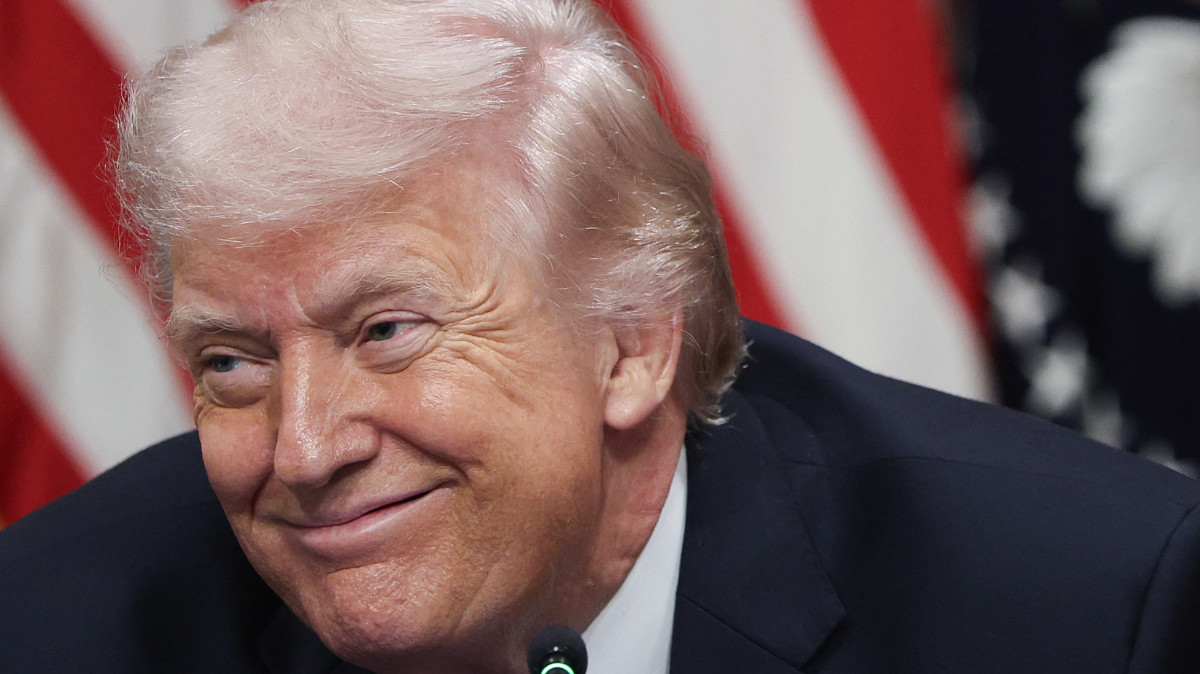
    Former US President Donald Trump has asserted his necessity for direct involvement in selecting Iran’s next supreme leader, drawing parallels to his administration’s approach in Venezuela. In a recent interview, Trump explicitly rejected the potential succession of Mojtaba Khamenei, son of the deceased Supreme Leader Ali Khamenei, describing him as “unacceptable” and “a lightweight” who would not bring harmony to Iran.

    Trump referenced the Venezuelan model where, following the alleged abduction of President Nicolas Maduro in a January nighttime operation, Vice President Delcy Rodriguez assumed leadership. Rodriguez, who had previously engaged with US officials and energy companies, was perceived as cooperative in facilitating access to Venezuela’s substantial oil and mineral resources. While maintaining Maduro’s security apparatus, the Trump administration successfully claimed control over Venezuelan oil exports.

    Analysts interpret Trump’s statements as revealing his strategic vision for Iran—seeking a compliant leader who would cooperate with US interests despite fundamental differences between the nations. Iran’s political landscape differs significantly from Venezuela’s, with the Islamic Republic maintaining power since the 1979 revolution that ousted the US-backed Shah.

    The succession process in Iran remains complex, with a three-person panel currently overseeing governance pending selection of a new supreme leader. This interim leadership includes moderate President Masoud Pezeshkian, hardline judiciary head Gholamhossein Mohseni Ejei, and senior cleric Alireza Arafi. However, experts speculate that regional military commanders may have assumed greater autonomy following degradation of Iran’s command structure through US and Israeli strikes.

    Mojtaba Khamenei, aged 56 and widely regarded as a hardliner, has been reportedly promoted by the Islamic Revolutionary Guard Corps (IRGC) for the leadership position. His controversial history includes alleged involvement in the disputed 2009 election and subsequent crackdowns on protesters, which previously generated concern within Iran’s political establishment.

  • China names flag bearers for Milano-Cortina 2026 Winter Paralympics

    China names flag bearers for Milano-Cortina 2026 Winter Paralympics

    China has officially designated its standard-bearers for the upcoming Milano-Cortina 2026 Winter Paralympics opening ceremony. The Chinese delegation revealed on Thursday that decorated Paralympic veterans Liu Sitong and Ji Lijia will have the honor of carrying the national flag during Friday’s ceremonial commencement in Verona, Italy.

    Liu Sitong, a 31-year-old para alpine skier from Liaoning province, brings impressive credentials to her flag-bearing role. Her exceptional performance at the Beijing 2022 Games yielded an impressive medal haul of one silver and four bronze medals. At the forthcoming competitions, Liu is scheduled to participate across five separate alpine skiing events, demonstrating her versatility and athletic prowess.

    Joining Liu as co-flag bearer is 23-year-old para snowboarder Ji Lijia from Hebei province. Ji established himself as a dominant force in snowboarding at the previous Winter Paralympics, capturing gold in the men’s snowboard cross SB-UL category and adding a silver medal in the banked slalom SB-UL event. He will defend his titles in these same disciplines during the Milano-Cortina Games.

    The Chinese contingent represents a substantial delegation comprising 70 competing athletes supported by 97 coaches and administrative staff members. This comprehensive team will contest medals across 71 events spanning all six Paralympic winter sports: para alpine skiing, para biathlon, para cross-country skiing, para ice hockey, para snowboard, and wheelchair curling.

    The XIV Winter Paralympic Games are scheduled to unfold from March 6 through March 15, featuring elite athletes with impairments from across the globe competing at the highest level of winter sports excellence.

  • A Kurdish uprising in Iran is an uphill battle rife with strategic obstacles

    A Kurdish uprising in Iran is an uphill battle rife with strategic obstacles

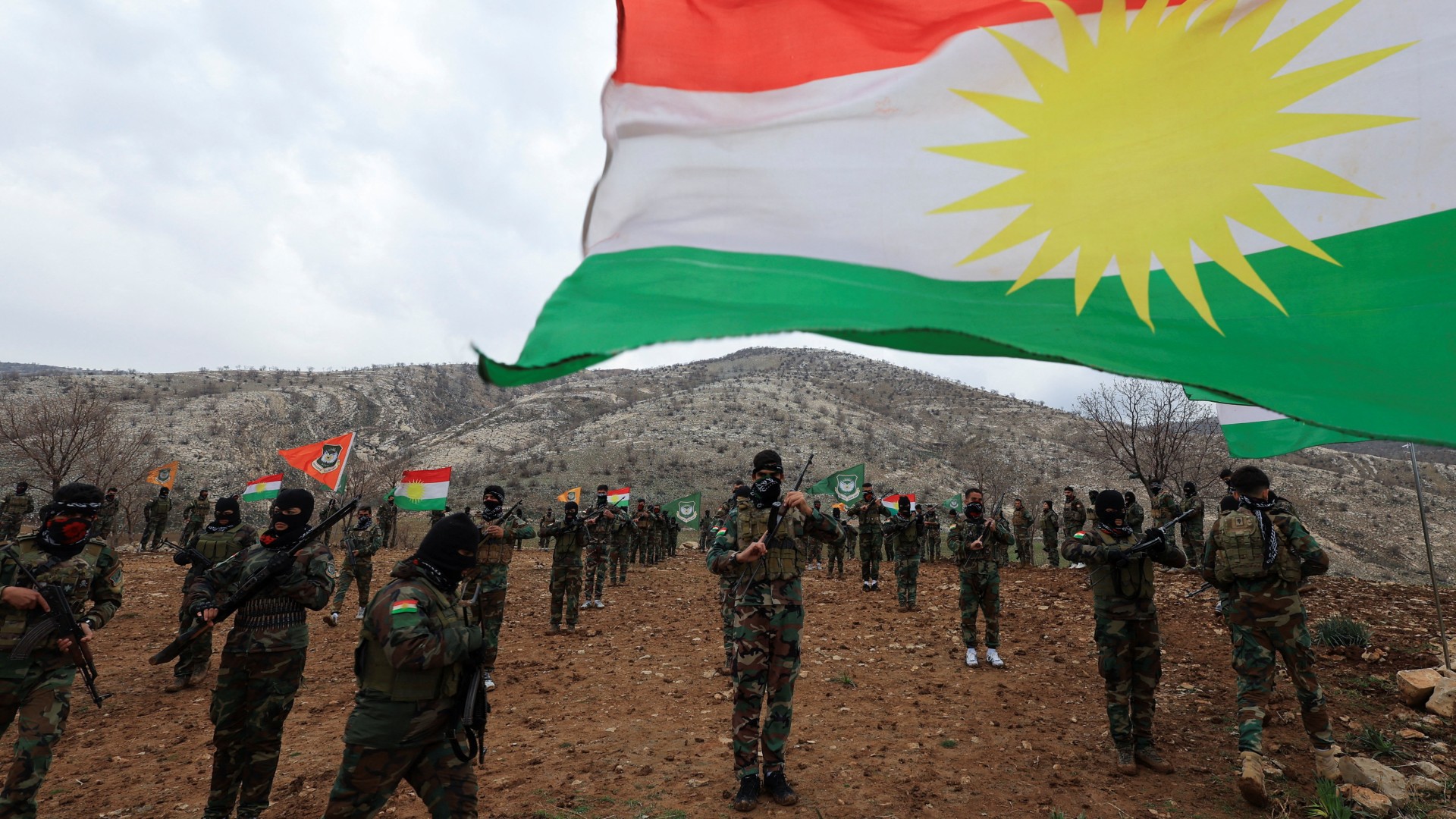
    A strategic alignment between the United States and Israel is increasingly focused on supporting Kurdish insurgent activities within Iranian territory, though this initiative faces significant geopolitical challenges and regional opposition. Recent military engagements include Israeli airstrikes targeting Iranian military positions in Iranian Kurdistan on March 2-3, which prompted retaliatory actions by Iranian-backed militia Kataib Hezbollah against infrastructure in Iraq’s Kurdish Regional Government (KRG) area.

    According to intelligence reports from CNN, the CIA has been actively arming Kurdish forces to stimulate a popular uprising against Tehran. This strategy aims to utilize Kurdish nationalist movements as proxy forces, avoiding direct military commitment from either the US or Israel. Senior analyst Burcu Ozcelik of the Royal United Services Institute confirms that Israeli planners have been evaluating the potential of Iranian Kurdish groups, particularly PJAK (Kurdistan Free Life Party), to incite internal rebellion.

    The Kurdish political landscape has undergone significant consolidation with five major parties forming the ‘Coalition of Political Forces of Iranian Kurdistan’ on February 22, 2026. This alliance includes the Democratic Party of Iranian Kurdistan, the Kurdistan Freedom Party (PAK), PJAK, Komala, and the Organisation of Iranian Kurdistan Struggle. The coalition has established a joint diplomatic committee, an armed force, and a transitional governance framework with plans for eventual elections.

    However, regional powers including Turkey, Iraq, and Azerbaijan have expressed strong opposition to any emergence of an autonomous Kurdish entity near their borders. Ankara, having recently secured victories against Kurdish forces in Syria, remains particularly vigilant about PKK-affiliated groups gaining footholds. Meanwhile, Azerbaijan maintains its strategic partnership with both Turkey and Israel while publicly condemning interventionist policies that might destabilize regional security.

    Experts question the sustainability of this approach. Oral Toga of Ankara’s Centre for Iran Studies notes that even with 8,000-10,000 troops, Kurdish forces would struggle to secure meaningful gains against Iran’s security apparatus. Historical precedents also loom large—particularly the 1991 abandonment of Kurdish rebels by the US after encouraging uprising against Saddam Hussein. Iraqi First Lady Shanaz Ibrahim Ahmed recently echoed these concerns, posting a statement titled ‘Leave the Kurds Alone. We Are Not Guns for Hire.’

    The strategic ambiguity surrounding end-goals presents additional complications. Barak Seener of the Henry Jackson Society notes that neither the US nor Israel has articulated a clear vision for Iran’s future political structure—whether unitary, federative, or fragmented. This tactical approach without comprehensive strategic planning risks repeating historical patterns where short-term gains fail to translate into sustainable political outcomes.

  • Iran war: 15,000 cruise ship passengers trapped in Gulf waters

    Iran war: 15,000 cruise ship passengers trapped in Gulf waters

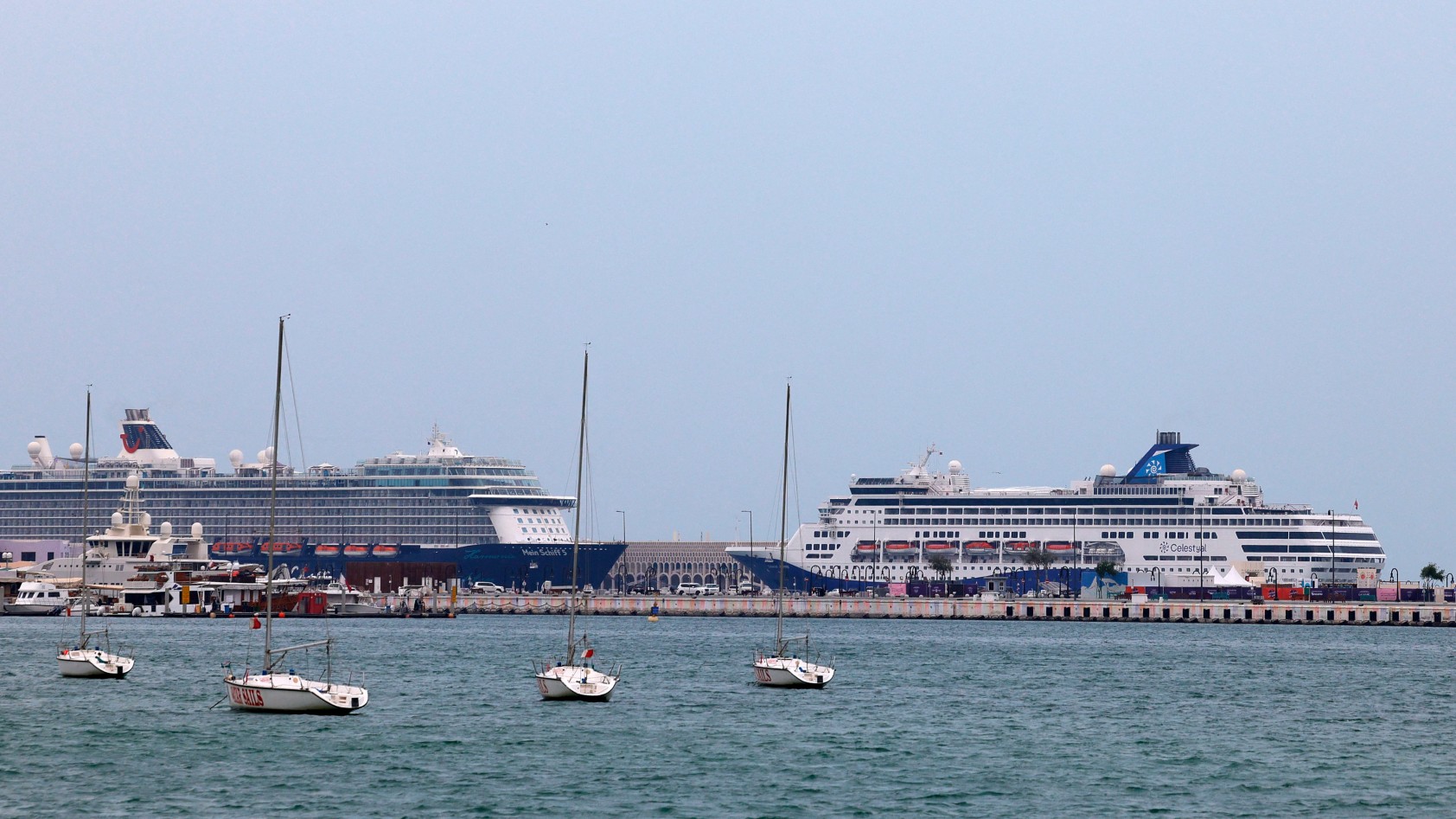
    A severe maritime crisis has unfolded in the Persian Gulf region, leaving approximately 35,000 individuals stranded amid escalating regional hostilities. According to the International Maritime Organization (IMO), a United Nations agency, this includes roughly 15,000 cruise ship passengers and 20,000 seafarers trapped as conflict has brought commercial shipping to a virtual standstill.

    The humanitarian and economic impact continues to grow as the vital Strait of Hormuz, typically one of the world’s most crucial oil transit channels, has been nearly closed by Iranian authorities following the outbreak of regional warfare. Maritime traffic through this critical chokepoint has plummeted dramatically, with seaborne traffic declining by 80% over a recent weekend and oil tanker transits experiencing a staggering 90% reduction compared to the previous week.

    IMO Secretary General Arsenio Dominguez condemned the situation, stating, ‘Beyond the economic impact of these alarming attacks, it is a humanitarian issue. No attack on innocent seafarers is ever justified.’ He reiterated calls for all shipping companies to exercise maximum caution when operating in the affected region.

    The human cost became tragically clear with reports that two Indian crew members, identified as Ashish Kumar and Dalip Singh, were killed in attacks on the Palau-flagged oil tanker Skylight in the Gulf of Oman. An estimated 23,000 Indian crew members remain stranded near the Hormuz Strait, unable to safely transit the region.

    This maritime freeze represents just one sector of the growing number of industries disrupted by the Middle East conflict, with tourism particularly severely affected. Global Forecasting projects inbound arrivals could fall by as much as 25% year-on-year by 2026 if the situation persists.

  • Note to Iran War planners: air campaigns often make matters worse

    Note to Iran War planners: air campaigns often make matters worse

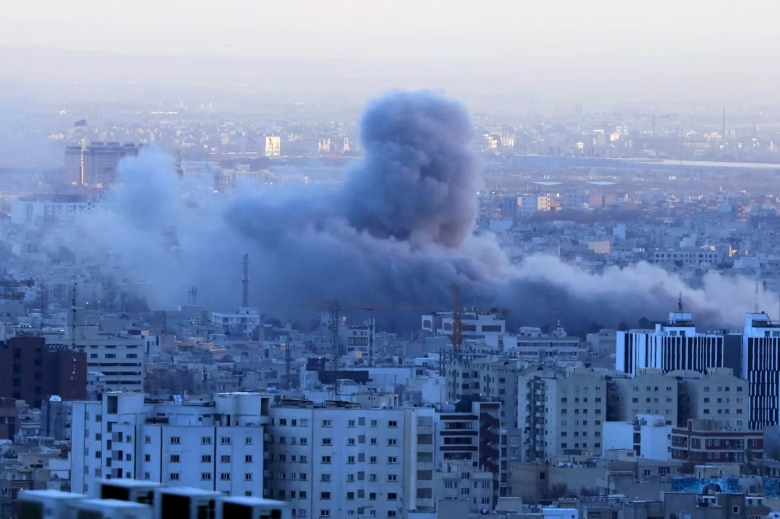
    A coordinated military offensive by the United States and Israel has targeted Iran’s missile infrastructure, naval capabilities, and nuclear development facilities in recent operations. The campaign, which also aimed at eliminating key Iranian leadership figures, has been accompanied by explicit calls from former President Donald Trump for citizens to overthrow their government.

    In his February 28th operational announcement, Trump declared: “When we are finished, take over your government. It will be yours to take. This will be probably your only chance for generations.” This statement reveals a strategic objective of using aerial superiority to weaken Tehran’s regime sufficiently for internal opposition to complete the power transition.

    The military approach has drawn international criticism, with British Prime Minister Keir Starmer stating on March 2nd that his government “does not believe in regime change from the skies.” Historical analysis supports skepticism about aerial campaigns achieving successful political transitions, despite the tactical advantages of air power including operational flexibility, reduced troop exposure, and expanded target selection.

    Military analysts note significant limitations to air-dominated strategies. Unlike ground forces, air power cannot physically occupy or secure territory, a critical factor in establishing stable control post-conflict. The 2011 NATO intervention in Libya demonstrates these constraints—while airstrikes successfully supported Gaddafi’s overthrow, the subsequent power vacuum resulted in a decade of civil conflict between competing governments and militia networks.

    The Iranian context presents particular complexities. The opposition remains fragmented, with exiled Reza Pahlavi (son of the last Shah) positioning as a potential leader despite uncertain domestic support. Surveys by the Gamaan group indicate approximately one-third of Iranians strongly support Pahlavi while another third strongly oppose him.

    Without a unified opposition capable of forming a provisional government, regime collapse could create a dangerous power vacuum potentially leading to civil war. Previous protest movements have met with brutal suppression, including an estimated tens of thousands killed during crackdowns in January 2025.

    The Iranian Revolutionary Guard Corps (IRGC), with approximately 190,000 troops and 600,000 paramilitary Basij volunteers, remains dedicated to regime protection. Trump’s threats toward these forces have limited practical effect, as surrender to aircraft is operationally impossible.

    While many internationally desire regime change in Tehran, experts caution that aerial campaigns alone may not achieve this outcome, and what follows could potentially create greater regional instability than the current situation, mirroring Libya’s troubled transition.

  • These women fought in Ethiopia’s last civil war and warn against another one

    These women fought in Ethiopia’s last civil war and warn against another one

    In the aftermath of Ethiopia’s devastating two-year civil war, female veterans from the Tigray region continue grappling with profound psychological wounds while facing the terrifying prospect of renewed hostilities. Their stories reveal the hidden human cost of conflict that extends far beyond battlefield casualties.

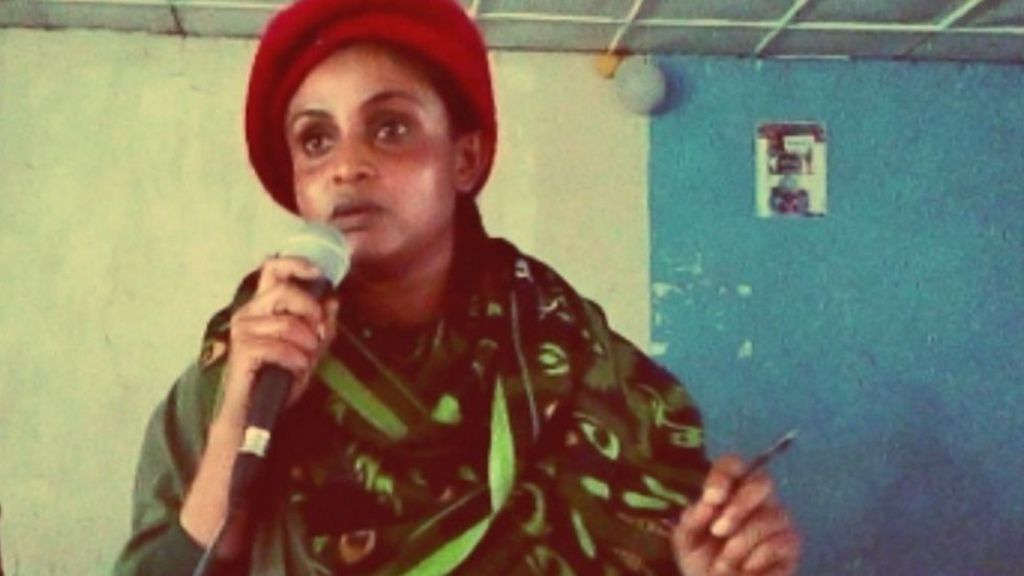
    Abeba Amdu, once a promising 22-year-old football star studying IT in Mekelle, saw her athletic career and academic ambitions shattered by the conflict. The talented striker who challenged traditional gender norms in sports now bears both physical and emotional scars from her military service. “I lost everything,” she confesses, describing how the trauma has left her isolated and unable to reclaim her former athletic prowess.

    Her decision to join the Tigray Defence Forces stemmed from both familial legacy—her parents were veterans of the 1991 revolution—and the terrifying reports of systematic sexual violence against Tigrayan women. “It was the whole situation that forced me to fight,” she explains, noting that basic necessities like sanitary pads became luxury items during combat.

    The war officially concluded with an African Union-brokered peace agreement in 2022, but peace remains elusive for these veterans. Selam Hailu, a 30-year-old lawyer and mother of two, joined the conflict after her retired parents returned from frontline service physically broken and bearing accounts of “sexual violence and mass killings.”

    As an educated professional, Selam confronted institutional sexism within military leadership, challenging the “unprincipled relationships” between officers and young female combatants. Her advocacy resulted in overnight detention—a punishment that highlighted the systemic challenges women faced even within their own forces.

    Dr. Rahwa Gebremedhin, a university lecturer, approached the conflict from an academic perspective, her military knowledge derived solely from war films. The transition back to civilian life has proven nearly impossible, with she and many others displaying “all the symptoms of PTSD.” She states bluntly: “I’m just trying to survive.”

    These women’s struggles are compounded by recent military developments. January witnessed brief clashes between federal troops and Tigrayan fighters, accompanied by drone strikes and suspended flights. Both sides exchange accusations: the federal government alleges Eritrean interference while the TPLF claims troop buildups along regional borders.

    Abeba articulates the collective anxiety: “Right now, I see fear everywhere—the fear of another conflict.” Their hard-won perspective suggests diplomatic solutions rather than renewed combat: “We have seen that in the end, it is negotiation—not combat—that provides the solution.”

    Despite attempts at rebuilding—Abeba briefly established a women’s football mentoring program called “Wegahta”—financial constraints and psychological burdens have hampered recovery efforts. These initiatives represent not just career moves but desperate searches for sanctuary from memories that continue to haunt Ethiopia’s female veterans.

  • ‘Not this week’: Craig Fitzgibbon won’t reach out to Josh Hannay ahead of Cronulla reunion but predicts great things from the new Titans boss

    ‘Not this week’: Craig Fitzgibbon won’t reach out to Josh Hannay ahead of Cronulla reunion but predicts great things from the new Titans boss

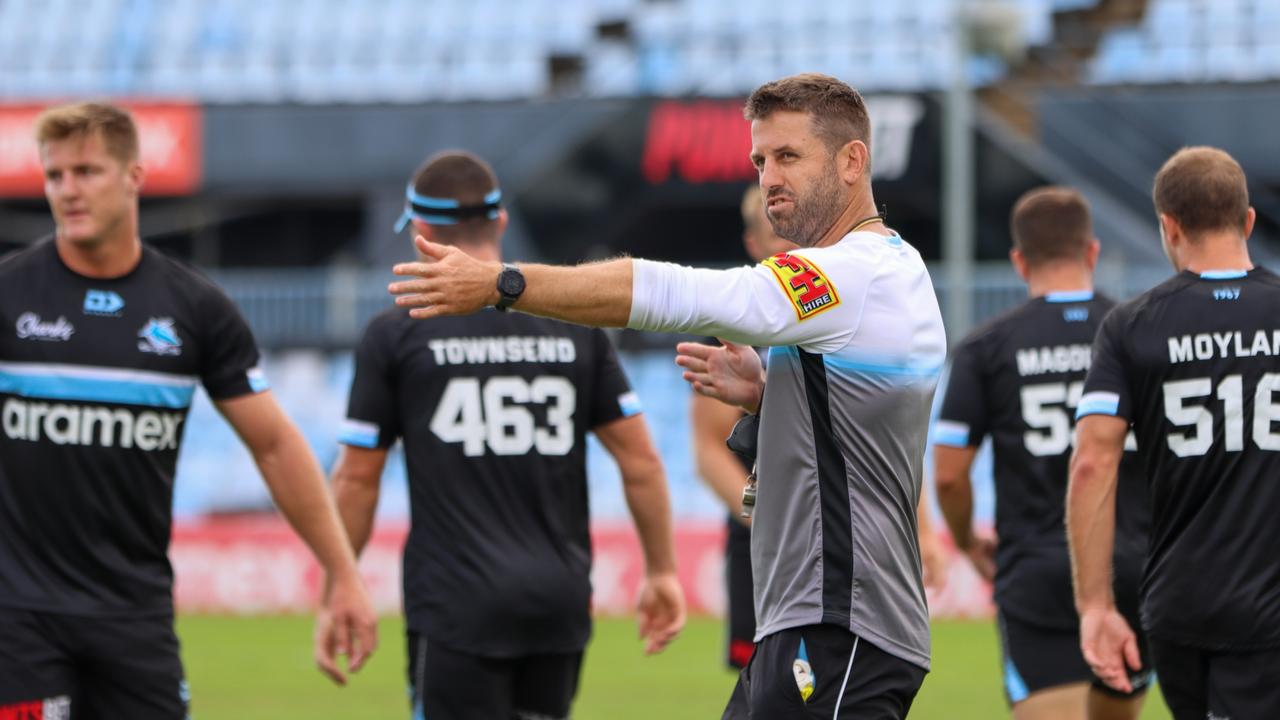
    The long-standing friendship between coaches Craig Fitzgibbon and Josh Hannay will be temporarily set aside as their teams face off in Saturday’s NRL season opener at PointsBet Stadium. The professional rivalry takes center stage despite their close personal relationship developed during Hannay’s tenure on Fitzgibbon’s coaching staff at the Cronulla-Sutherland Sharks.

    Fitzgibbon confirmed the customary coaching protocol of avoiding contact with opposing coaches during game week, though he anticipates a post-match reunion with his Gold Coast Titans counterpart. “General coaching rule, we don’t talk to the opposing coach on game week,” Fitzgibbon stated. “Had a couple of chats weeks ago and then thought it’d be good to catch up after the game.”

    The Sharks coach expressed confidence in Hannay’s capabilities, referencing his interim coaching performance during the challenging COVID-affected 2021 season. “I thought he handled that really well,” Fitzgibbon noted. “That’s a sample size there that showed you he sort of knew how to handle things. He’s very measured, very controlled, he’s clear about what he wants.”

    Cronulla enters the season with remarkable roster consistency, retaining most of their squad from last year’s campaign that fell agonizingly short of a grand final appearance. While dealing with significant knee injuries to Cameron McInnes and Ronaldo Mulitalo, the team benefits from winger Sione Katoa’s recovery and strategic resting of forward Teig Wilton.

    Fitzgibbon addressed contract uncertainties surrounding several high-profile players, including Siosifa Talakai’s signing with the Bears, viewing the situation as a potential strength rather than distraction. “It’s been discussed internally,” he explained. “All the boys that are off contract or may leave, they’re all Sharks this year. They’re a tight group, they’ve been together for a long time now, and we’d like to think we can use that to our advantage.”