作者: admin

  • China to deepen culture-tourism integration to spur consumption, growth

    China to deepen culture-tourism integration to spur consumption, growth

    China is embarking on an ambitious national strategy to deepen the integration between its cultural and tourism sectors, positioning this fusion as a powerful engine for consumer spending and economic expansion. Minister of Culture and Tourism Sun Yeli unveiled this strategic direction during a press conference on March 7th, held alongside the National People’s Congress annual session.

    The announcement comes against the backdrop of remarkable growth in China’s tourism sector. Minister Sun revealed that domestic tourist trips surpassed 6.5 billion throughout 2025, marking a substantial 16 percent year-on-year increase. Tourism expenditure reached an unprecedented 6.3 trillion yuan ($915 billion), establishing a new record high for the industry.

    The recently concluded Spring Festival holiday provided compelling evidence of this trend, with domestic trips reaching 596 million and tourism spending exceeding 800 billion yuan ($116 billion) during the nine-day period. These figures represent the highest recorded numbers for the holiday season, demonstrating the growing significance of travel in Chinese consumption patterns.

    Minister Sun characterized this development as more than mere statistical growth, noting that ‘traveling, watching performances and spending leisure time in different places have become a new lifestyle for many people.’ This evolution reflects a fundamental shift in consumer behavior, with tourism transitioning from simple sightseeing to immersive experiences that blend cultural engagement with leisure activities.

    The ministry’s strategy encompasses multiple dimensions of development. Digital transformation will play a crucial role in creating innovative travel services, products, and experiences that inject fresh momentum into traditional tourism models. Beyond technological advancement, the initiative will foster cross-sector collaboration, linking tourism more closely with sports, commerce, agriculture, and industrial sectors.

    Contemporary Chinese travelers are increasingly seeking personalized experiences that offer emotional connections and cultural depth. Minister Sun emphasized that ‘tourism today is no longer only about visiting scenic spots,’ noting growing demand for local life experiences, cultural activities, and event-based travel centered around concerts, exhibitions, and special occasions.

    To meet these evolving preferences, China will encourage travel programs connected to performing arts, intangible cultural heritage experiences, and sporting events. The government will further support innovative business models that combine tourism with diverse sectors, creating new growth opportunities while better satisfying public demand for quality travel experiences.
  • Ukraine’s low-cost Shahed killers draw US and Gulf interest, but a wartime ban blocks sales

    Ukraine’s low-cost Shahed killers draw US and Gulf interest, but a wartime ban blocks sales

    KYIV, Ukraine — As Middle Eastern conflicts deplete U.S. missile inventories, Ukraine is strategically positioning its battlefield innovation—cost-effective interceptor drones—as diplomatic currency in global defense negotiations. Having evolved into a world leader in interceptor production since Russia’s full-scale invasion began four years ago, Ukraine now offers its combat-tested expertise to the United States and Gulf partners while seeking advanced weaponry it cannot domestically manufacture.

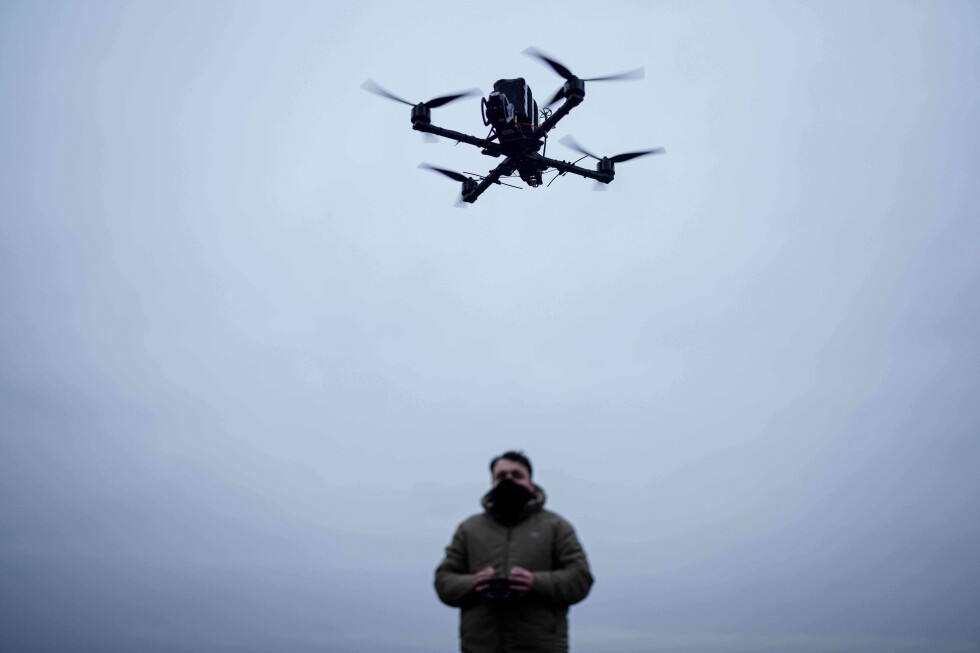
    Ukraine’s defense sector, initially underdeveloped at the war’s onset, has undergone rapid transformation through necessity-driven innovation. The industry now specializes in countering Iranian-designed Shahed drones, which Russia launches by the hundreds, with interceptors costing merely $1,000-$2,000 compared to million-dollar Patriot missiles. This technological advancement has attracted significant international interest, particularly after the U.S. recently requested ‘specific support’ against Shahed drones in the Middle East, prompting President Zelenskyy to deploy Ukrainian equipment and experts—though operational details remain classified.

    The emerging opportunity comes as Gulf nations exhaust their Patriot missile stocks against inexpensive Iranian drones, creating what defense experts call an unsustainable cost imbalance. Lockheed Martin produced a record 600 PAC-3 MSE interceptors throughout 2025, yet Zelenskyy revealed that Middle Eastern nations expended over 800 such missiles in just three days—more than Ukraine’s entire reserve throughout its four-year conflict.

    Ukrainian manufacturers report receiving repeated requests from the U.S. and Gulf states including UAE, Bahrain, Saudi Arabia, and Qatar for their domestically produced interceptors. Companies like General Cherry, creator of the ‘Bullet’ interceptor that has downed hundreds of Shaheds, and Skyfall, producer of the 3D-printed P1-Sun capable of reaching 300 km/h, assert they can manufacture tens of thousands of units monthly without compromising Ukraine’s defenses.

    However, analysts caution that global arms trading involves complex diplomatic considerations beyond technical capability. Yevhen Mahda of Kyiv’s Institute of World Policy notes that weapon trading is ‘an incredibly subtle and sensitive issue’ dominated by the U.S., requiring more than compelling narratives to access international markets.

    Ukraine’s most valuable export may be its human expertise. While hardware exports remain legally complicated under wartime restrictions, Zelenskyy has repeatedly offered to send instructors abroad—a significant strategic sacrifice given Ukraine’s own personnel shortages. Effective interceptor systems require integration with radar networks and trained operators, with Oleh Katkov of Defense Express emphasizing that ‘the real, proven expertise—not just on paper—exists only in Ukraine.’

    The proposed arms exchange represents a potential geopolitical realignment, where Ukraine could emerge as a new player in modern warfare if it can navigate diplomatic challenges and scale production while maintaining its defensive capabilities.

  • China to train over 10 million workers, upgrade skills for new industries, says minister

    China to train over 10 million workers, upgrade skills for new industries, says minister

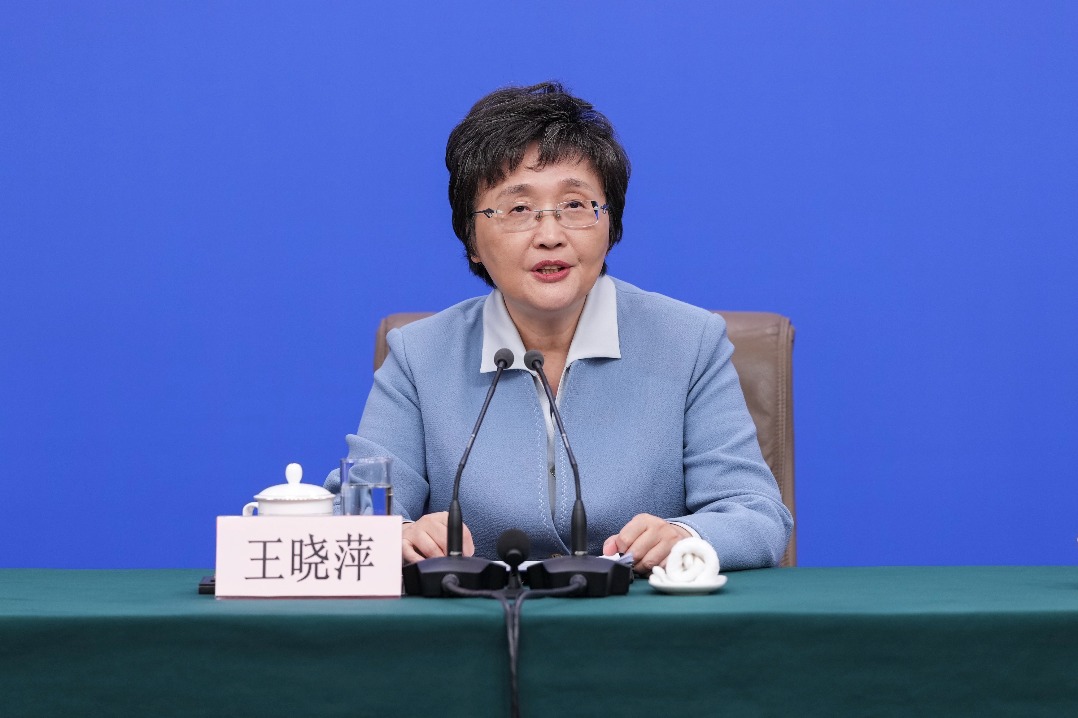
    China has unveiled an ambitious national workforce development strategy aimed at training more than 10 million workers through state-subsidized programs, with particular focus on emerging sectors including the low-altitude economy, artificial intelligence, new energy vehicles, and elderly care services. The announcement was made by Wang Xiaoping, Minister of Human Resources and Social Security, during a press conference on March 7, 2026, held as part of the ongoing National People’s Congress sessions.

    The comprehensive skills upgrade initiative represents a strategic response to the rapidly evolving industrial landscape, positioning vocational training as a cornerstone of China’s economic modernization efforts. Minister Wang outlined the establishment of a lifelong vocational skills training ecosystem designed to accommodate workers at varying career stages—from new entrants receiving preparatory instruction to experienced employees pursuing advanced specialization and career changers acquiring completely new skill sets.

    A key innovation in this national upskilling campaign involves the creation of industry-led systems that seamlessly integrate corporate requirements with educational content and employment pathways. This tripartite approach has already seen significant implementation, with over 20 provinces establishing more than 230 such collaborative frameworks that enable companies to enhance workforce capabilities while improving operational efficiency.

    Complementing the training expansion, China will implement a reformed eight-grade vocational skill grading system and promote skill-based compensation structures that reward technical proficiency and innovation. Minister Wang emphasized the principle that “those who work harder, possess higher skills and innovate more will get greater rewards,” signaling a fundamental shift in how technical expertise is valued within the labor market.

    Concurrently, China will host the 48th WorldSkills Competition in Shanghai from September 22-27, 2026, providing a global platform to showcase vocational excellence. The event, recognized as the world’s most influential skills competition, will feature over 60 competitive categories and include the inaugural WorldSkills Museum, offering international visitors an immersive experience in technical craftsmanship and innovation.

  • Heavy rains and flooding kills at least 23 in Nairobi

    Heavy rains and flooding kills at least 23 in Nairobi

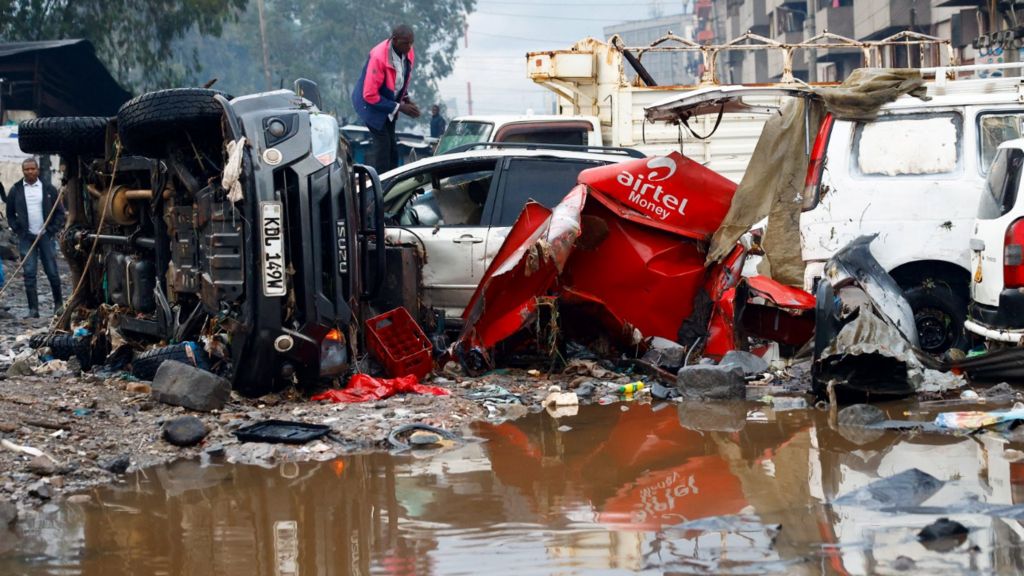
    Nairobi, Kenya’s capital, is reeling from a night of catastrophic flooding that has resulted in at least 23 fatalities and widespread devastation. Torrential overnight rainfall triggered severe inundation across the city, submerging major highways, stranding vehicles, and trapping residents during the evening rush hour.

    According to police reports, approximately 30 individuals have been successfully rescued from the floodwaters, though many others drowned after being swept into raging rivers. Some victims succumbed to electrocution in the chaotic conditions. The flooding has caused extensive property damage, forced road closures, and displaced numerous residents from their homes.

    Kenya’s military has been deployed to assist emergency operations, focusing particularly on rescuing people trapped inside their vehicles. The situation has severely impacted air travel, with several flights bound for Nairobi Airport being cancelled or diverted to Mombasa on the coast.

    The Kenya Meteorological Department had issued advanced warnings predicting 30-70mm of rainfall in Nairobi and surrounding counties, alerting authorities to potential urban flooding and reduced visibility. River levels are expected to continue rising through March 9th, with Nairobi, the Central Highlands, Lake Victoria Basin, and coastal areas remaining under heightened alert for additional peak rainfall in coming days.

    Eyewitness accounts reveal the human tragedy unfolding beneath the floodwaters. John Lomayan, a 34-year-old security guard, described recognizing someone trapped beneath a car that had been washed away when the Nairobi River burst its banks. “I saw him being carried by the water from up there,” he told Reuters, gesturing up the road. “We didn’t know where he had gone. It is only now that we see him under the car.”

    Major transportation arteries including Mombasa Road, Uhuru Highway, Kirinyaga Road, and sections of the Westlands district remain completely submerged. The combination of stalled vehicles and fast-moving floodwaters created particularly dangerous conditions throughout the capital.

    Authorities have advised residents to avoid flooded streets and drainage channels while emergency responders continue assisting stranded motorists and pedestrians. This disaster echoes last year’s tragic flooding across Kenya and neighboring Tanzania that claimed hundreds of lives through similar patterns of heavy rainfall causing severe flooding and landslides.

  • Pope names veteran Vatican diplomat as ambassador to the US to manage relations with Trump

    Pope names veteran Vatican diplomat as ambassador to the US to manage relations with Trump

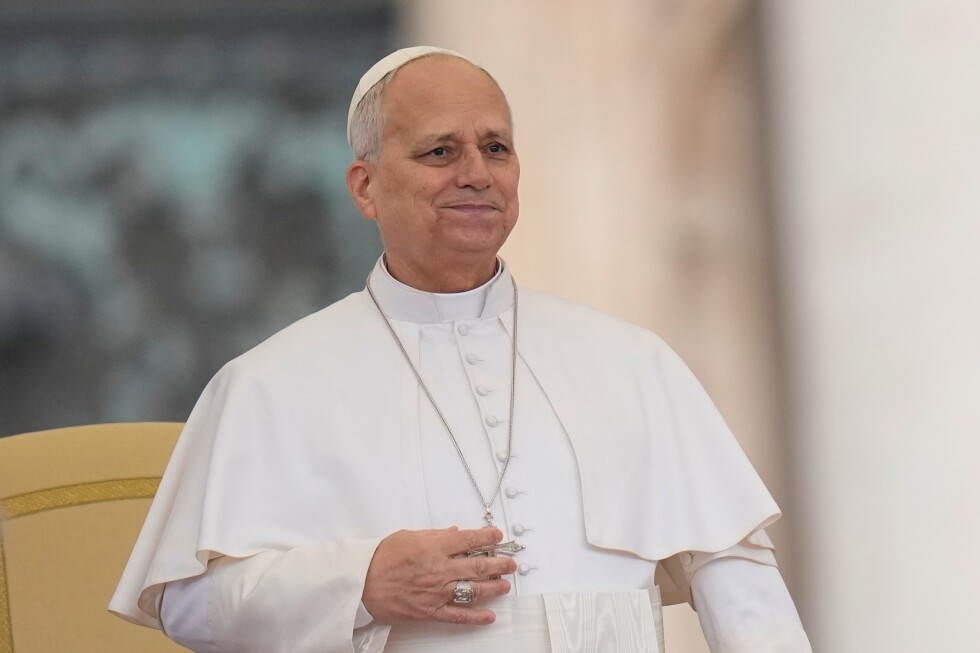
    ROME — In a significant diplomatic move, Pope Leo XIV has appointed Archbishop Gabriele Caccia, a seasoned Vatican diplomat, as the new apostolic nuncio to the United States. The 68-year-old Italian prelate, currently serving as the Holy See’s ambassador to the United Nations in New York, will assume one of the Vatican’s most crucial diplomatic posts, replacing Cardinal Christophe Pierre who is retiring at age 80.

    Archbishop Caccia brings extensive diplomatic experience to the position, having previously served as the Holy See’s ambassador to Lebanon and the Philippines before his 2019 UN posting. Ordained in Milan in 1983, he later held the key administrative position of “assessor” in the Vatican secretariat of state, the Holy See’s most important office.

    The appointment comes at a delicate time in Vatican-US relations, which have experienced strain during both Trump administrations. Significant tensions have emerged over immigration policies and the ongoing military engagement in Iran. Pope Leo, the first US-born pontiff in history, has repeatedly emphasized the need to respect human dignity in migration policies while acknowledging national border rights.

    The new ambassador inherits a complex portfolio that includes managing relations with both the US government and the American Catholic hierarchy. The US Conference of Catholic Bishops, which has traditionally leaned conservative, has shown notable friction with the more progressive priorities of Pope Francis’ pontificate, a dynamic that continued into Pope Leo’s leadership.

    Beyond immigration issues, Pope Leo has expressed “profound concern” about the U.S.-Israeli military campaign in Iran, urging both sides to “stop the spiral of violence before it becomes an irreparable abyss.” In recent comments, the pontiff called for renewed diplomatic efforts, stating that weapons only sow “destruction, pain and death.”

    The Holy See maintains its tradition of diplomatic neutrality despite these concerns, though Pope Leo has been vocal about humanitarian crises in Gaza and Ukraine. The relationship with the United States remains vitally important for the Vatican, particularly as American Catholics represent the most significant source of donations to the Holy See’s coffers.

    Archbishop Paul S. Coakley, current president of the U.S. Conference of Catholic Bishops, has already welcomed Caccia’s appointment, offering the hierarchy’s “warmest welcome and our prayerful support.”

  • China spent $14.5b to help families raise children last year: health minister

    China spent $14.5b to help families raise children last year: health minister

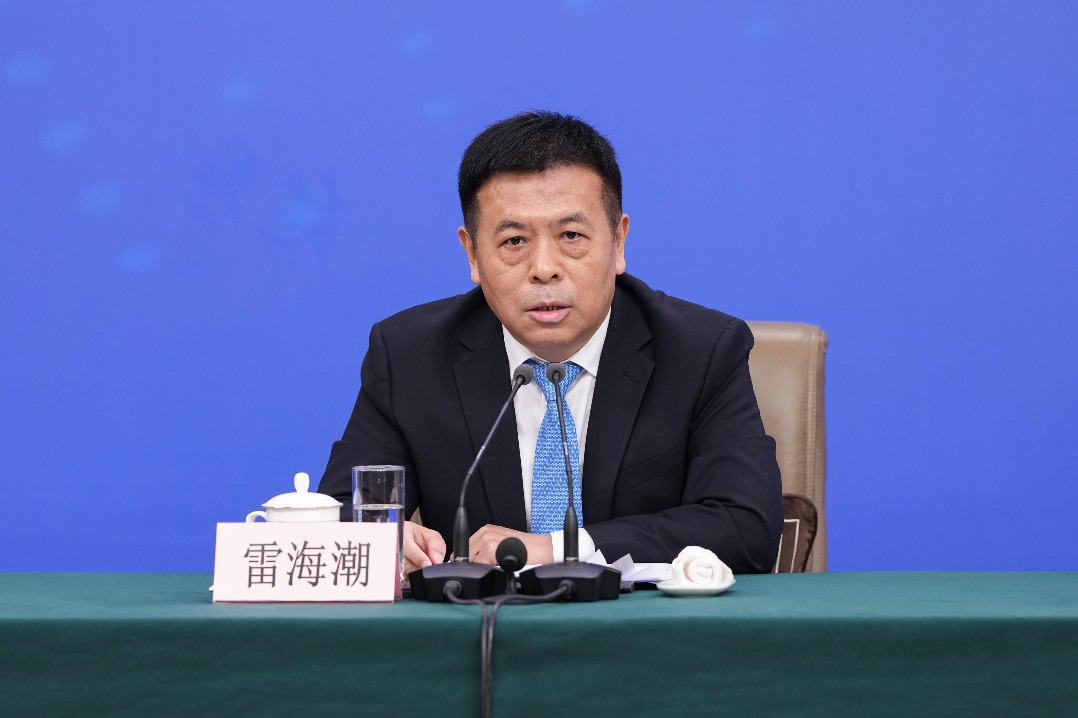
    In a significant demonstration of its commitment to family welfare, China allocated over 100 billion yuan ($14.5 billion) toward child rearing subsidies throughout the previous year, according to National Health Commission Minister Lei Haichao. The announcement was made during a press conference at the fourth session of the 14th National People’s Congress in Beijing on March 7, 2026.

    The substantial financial package saw the central government contributing approximately 90 billion yuan, complemented by 10 billion yuan from local government authorities. Minister Lei specified that the subsidy program applies to children born on or after January 1, 2022, providing eligible families with annual support totaling 10,800 yuan per infant.

    Minister Lei characterized the initiative using a popular public description, noting that “the moment a child is born, they bring their own ration, their own ‘salary’.” He emphasized that these financial measures represent a concrete governmental commitment to improving living standards and supporting family development.

    Beyond direct monetary assistance, China has made considerable advancements in childcare infrastructure. Minister Lei reported the addition of 890,000 affordable and reliable nursery placements during the previous year, elevating the national total to more than 6.6 million available positions. These comprehensive measures form part of China’s broader strategy to promote high-quality population development and address demographic challenges through targeted family support systems.

  • Timothée Chalamet triggers backlash over ballet and opera remarks

    Timothée Chalamet triggers backlash over ballet and opera remarks

    Academy Award-nominated actor Timothée Chalamet has ignited substantial controversy within the performing arts community following his recent comments dismissing ballet and opera as irrelevant art forms. The incident occurred during a public conversation with fellow actor Matthew McConaughey at the University of Texas in February, where Chalamet expressed his perspective on cultural preservation efforts.

    During their discussion about cinema’s enduring legacy, Chalamet stated, ‘I don’t want to be working in ballet, or opera, or things where it’s like, ‘Hey, keep this thing alive, even though like no one cares about this anymore.” The actor quickly appended, ‘All respect to all the ballet and opera people out there,’ seemingly anticipating potential backlash.

    The remarks have drawn sharp criticism from prominent figures across the performing arts spectrum. Canadian mezzo-soprano Deepa Johnny characterized Chalamet’s perspective as a ‘disappointing take,’ while Hollywood veteran Jamie Lee Curtis questioned via Instagram Story, ‘Why are any artists taking shots at any other artists?’ Johnny emphasized the importance of artistic solidarity, advocating for cross-disciplinary collaboration to elevate all art forms.

    American artist Franz Szony delivered a particularly pointed response, noting, ‘Two classical art forms that have been around for hundreds of years, both of which take a massive amount of talent and discipline this man will never possess.’ Szony further suggested that Chalamet’s qualified apology revealed deeper artistic insensitivity.

    The ballet community mounted a vigorous defense of their art’s contemporary relevance. Choreographer Martin Chaix asserted that ballet remains ‘very much alive,’ arguing that in an era of rapidly evolving AI in cinema, the ‘unmediated human presence of ballet and opera becomes more essential, not less.’ The English National Ballet provided quantitative evidence of the art form’s vitality, reporting over 200,000 audience members for their performances and 65 million social media impressions.

    In an unexpected development, several institutions transformed the controversy into marketing opportunities. Seattle Opera created a bespoke promotional offer, providing a 14% discount using code ‘TIMOTHEE’ for select seats to their upcoming production of Carmen, humorously extending the offer to Chalamet himself. The incident has sparked broader conversations about artistic valuation, cultural preservation, and inter-disciplinary respect within the creative community.

  • Tunisian journalist’s focus at two sessions: AI and people-centered development

    Tunisian journalist’s focus at two sessions: AI and people-centered development

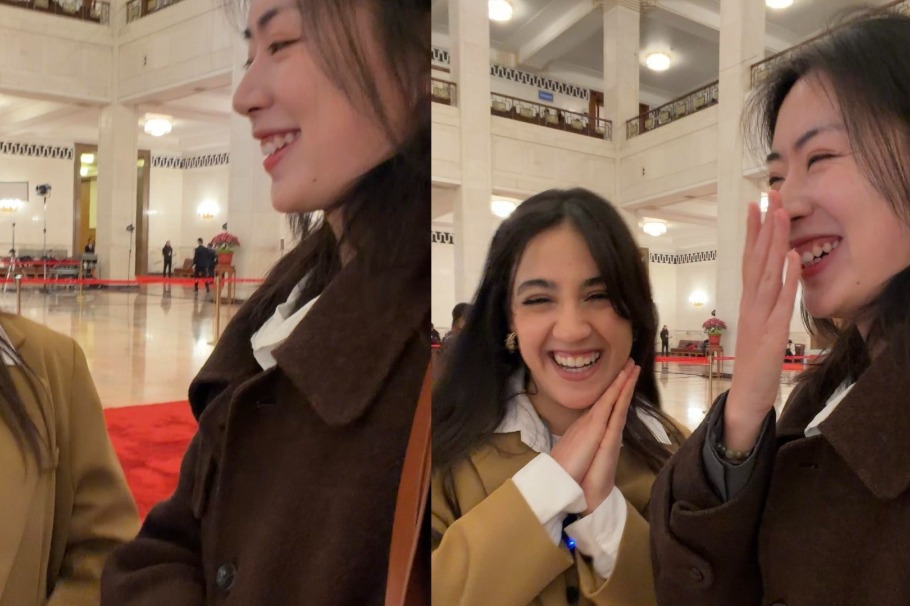
    Derouiche Asma, a correspondent for Arab China TV based in Tunisia, is providing her inaugural coverage of China’s pivotal annual political gatherings known as the Two Sessions. The journalist identified artificial intelligence and cutting-edge technological innovations as particularly captivating subjects that have stimulated substantial dialogue throughout Arab nations. She specifically referenced the humanoid robotics technology showcased during China’s Spring Festival Gala as exemplary of these advancements.

    Beyond technological developments, Asma observed distinctive characteristics in China’s governance approach through the Two Sessions proceedings. She noted the establishment of explicit annual objectives coupled with substantive deliberations addressing matters directly impacting citizens’ daily experiences. The reporter emphasized China’s dual focus on maintaining rapid economic expansion while simultaneously prioritizing qualitative development metrics.

    Her reporting provides an international perspective on how China’s political processes facilitate discussions on both technological progression and societal welfare, offering unique insights into the intersection of policy-making and public interest considerations that extend beyond mere economic indicators.

  • China to strengthen measures against misconduct in education, enhance equity: education minister

    China to strengthen measures against misconduct in education, enhance equity: education minister

    China’s Ministry of Education has announced a sweeping initiative to combat systemic issues within the nation’s education system, focusing on misconduct prevention and equity enhancement. Education Minister Huai Jinpeng revealed the multi-faceted strategy during a press conference at the ongoing fourth session of the 14th National People’s Congress in Beijing.

    The comprehensive plan addresses several critical areas including excessive tutoring practices, school bullying incidents, cafeteria operational irregularities, and textbook selection procedures. Minister Huai emphasized the government’s zero-tolerance approach, stating that violations would be addressed immediately upon detection with stringent measures to prevent recurrence.

    A significant component of the reform involves inter-departmental collaboration between education, public security, health, and market regulation authorities. This coordinated effort aims to create safer learning environments through enhanced monitoring and enforcement mechanisms.

    Demographic shifts have prompted the ministry to establish a national surveillance system for optimizing resource allocation. The strategy specifically targets urban centers experiencing population influx and regions with underdeveloped educational infrastructure for increased school placement opportunities.

    The initiative also includes adaptive resource distribution across various educational stages, supported by pilot programs for reduced-class-size teaching in qualified areas. Rural education will receive bolstered support through the expanded ‘silver age’ program recruiting retired educators and improvements to boarding facilities in township schools.

    Equity measures encompass increased public preschool availability, county high school revitalization projects, and guaranteed equal admission opportunities for migrant children, left-behind children, and students with disabilities.

  • Israeli commentator says Iran war could signal end of Sykes-Picot order

    Israeli commentator says Iran war could signal end of Sykes-Picot order

    A prominent Israeli geopolitical commentator has posited that the ongoing military confrontation between the US-Israel alliance and Iran may fundamentally dismantle the Middle East’s political architecture, potentially erasing the century-old regional order established following World War I.

    Meir Swissa, writing for the Israeli publication Yedioth Ahronot, characterized the conflict as a pivotal turning point that extends beyond mere military engagement. He contends this confrontation could ultimately nullify the Sykes-Picot Agreement of 1916 – the secret British-French accord that arbitrarily divided the collapsed Ottoman Empire’s territories into modern nation-states based on Western spheres of influence rather than indigenous socio-political structures.

    The commentary suggests the weakening of Iran’s regional network through allied movements and governments could expose the fragility of Tehran’s Shia axis across the region. Swissa describes a paradoxical situation where Israel effectively acts on behalf of Sunni Arab interests by confronting Iranian expansion, with some Arab states quietly benefiting from diminished Iranian power despite their public reluctance to engage directly.

    According to this analysis, the degradation of Iran’s military proxies could trigger a regression to pre-Westphalian political models dominated by tribal, clan-based, and local emirate structures rather than modern nation-states. Swissa further speculates that Kurdish groups might emerge as significant actors in this geopolitical transformation, potentially leading to entirely new regional arrangements.

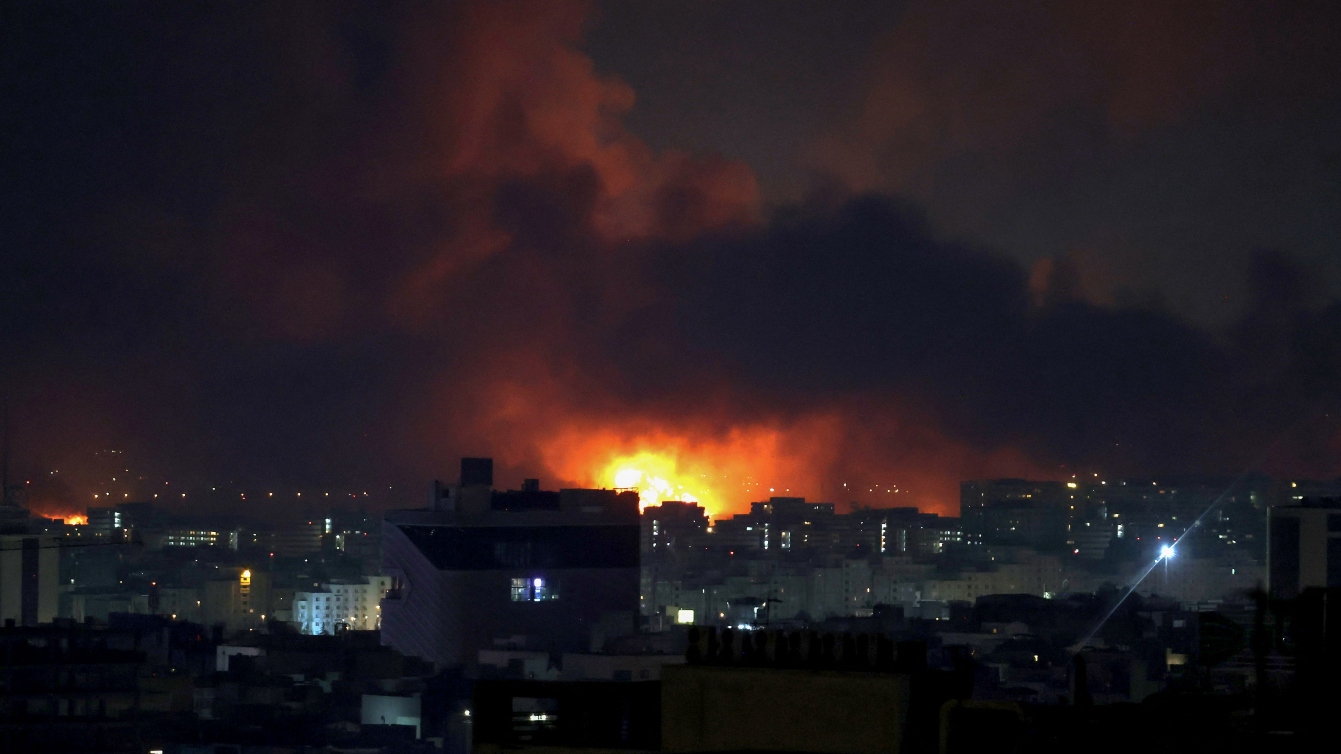
    The assessment references previous warnings from former US special envoy Tom Barrack, who in August 2025 indicated Israel’s diminishing commitment to maintaining Sykes-Picot established borders and potential ambitions toward Lebanon and Syria. Current escalations – including joint US-Israeli attacks eliminating Iranian leadership, ballistic missile deployments, strikes in Lebanon’s Bekaa Valley, and humanitarian crises with approximately 500,000 displaced persons – appear to be accelerating this geopolitical unraveling.

    This analysis emerges against a backdrop of extreme regional tension following the targeted killing of Ayatollah Ali Khamenei and other senior Iranian leaders, with President Trump demanding Iran’s unconditional surrender while NATO enhances its ballistic missile defenses following incidents near Turkey.