作者: admin

  • Chinese leaders attend deliberations at annual legislative session

    Chinese leaders attend deliberations at annual legislative session

    BEIJING – Senior Chinese leadership figures participated in crucial deliberations during the fourth session of the 14th National People’s Congress on Saturday, outlining strategic directions for national development and regional stability.

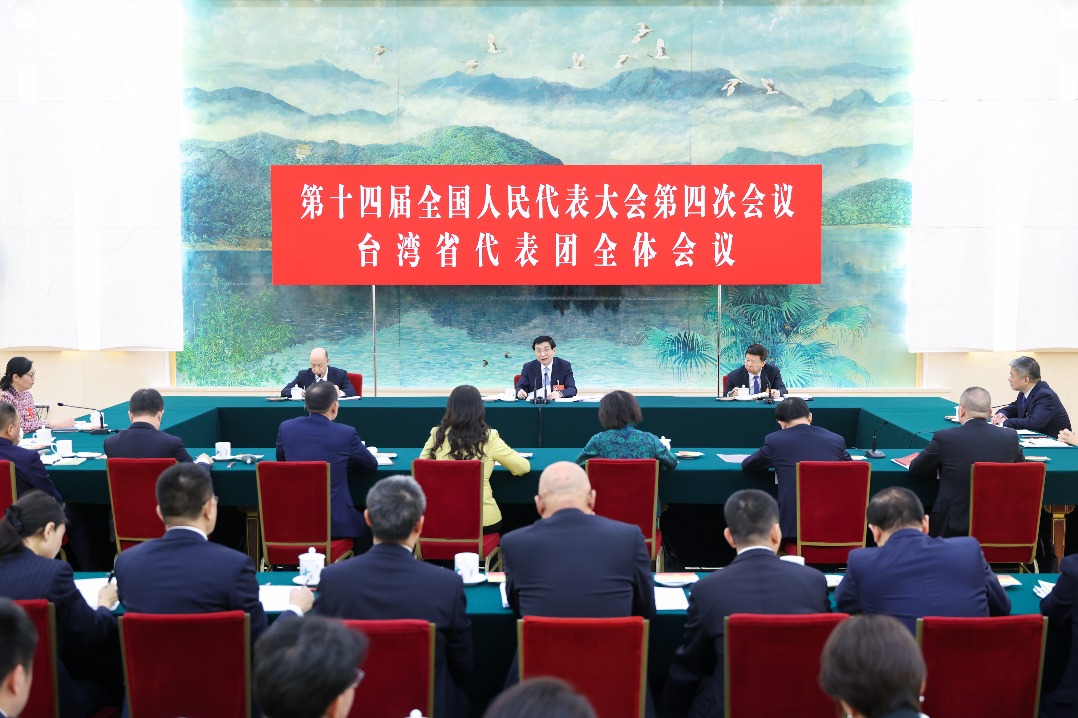
    Wang Huning, Chairman of the Chinese People’s Political Consultative Conference National Committee, engaged with NPC deputies from the Taiwan delegation, addressing the complex dynamics in the Taiwan Strait. He emphasized the ongoing efforts to navigate cross-strait relations while firmly opposing separatist activities and external interference. Wang advocated for sustained promotion of peaceful development across the strait and advancement toward national reunification.

    Meanwhile, Cai Qi, member of the Secretariat of the Communist Party of China Central Committee, joined deliberations with representatives from Qinghai province. He encouraged the region to pursue distinctive development strategies tailored to local conditions while maintaining ecological conservation as a priority. Cai further stressed the importance of fostering national unity and enhancing interactions among all ethnic groups to strengthen the sense of community.

    Vice-Premier Ding Xuexiang met separately with deputies from Hong Kong and Macao special administrative regions, urging greater alignment with China’s 15th Five-Year Plan. He called for enhanced integration of both regions into national development frameworks to contribute significantly to Chinese modernization. Ding specifically highlighted the need to consolidate Hong Kong’s status as an international financial, shipping, and trade hub while leveraging its educational, scientific, and talent advantages. For Macao, he emphasized advancing the Guangdong-Macao In-Depth Cooperation Zone in Hengqin.

    All three officials serve as members of the Standing Committee of the Political Bureau of the CPC Central Committee, underscoring the significance of these deliberations in shaping China’s policy directions.
  • Gaza hit by food shortages and price hikes after Israel shuts crossings

    Gaza hit by food shortages and price hikes after Israel shuts crossings

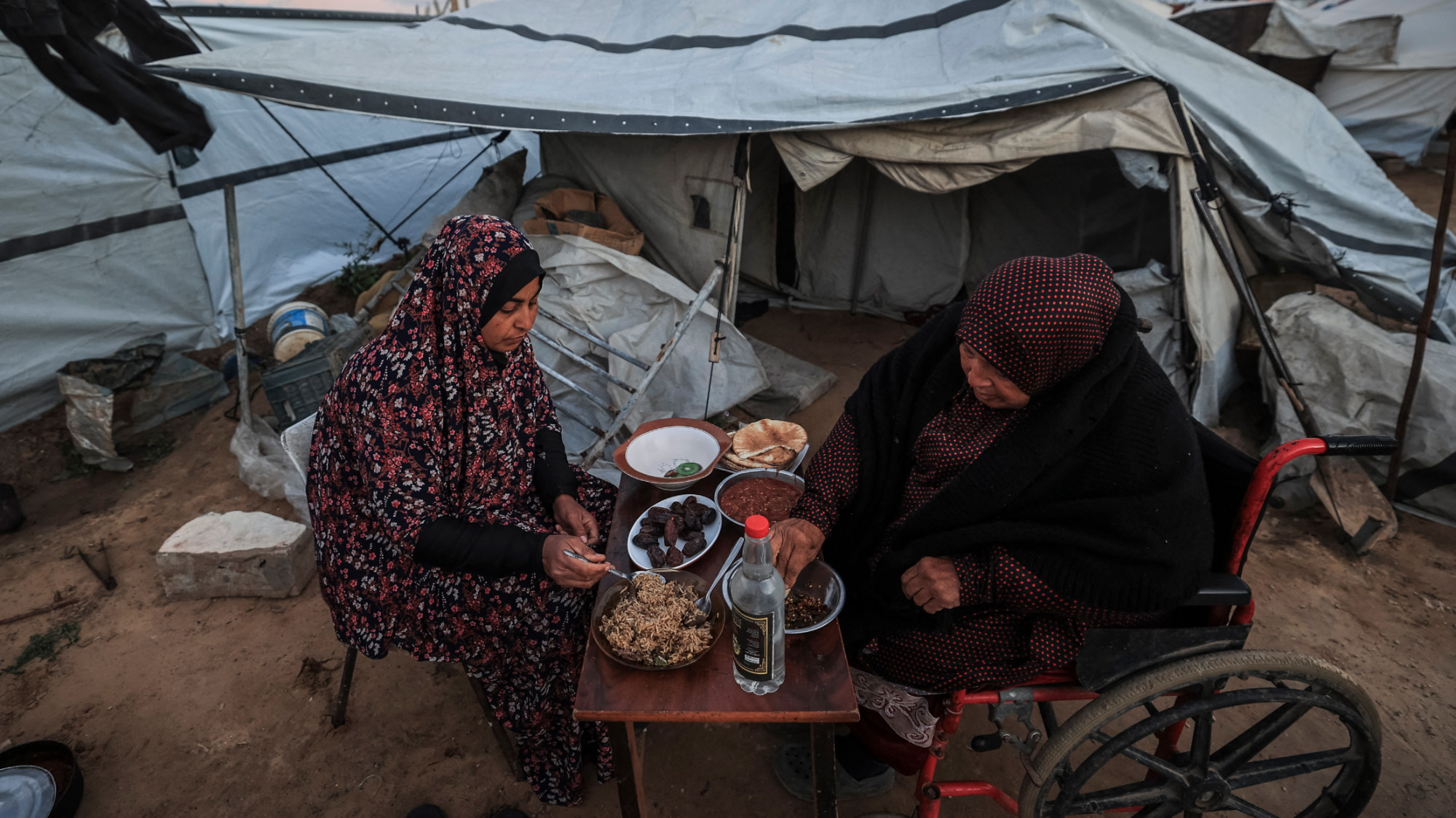
    The recent escalation of regional tensions has triggered a severe humanitarian crisis in the Gaza Strip, where border closures have created alarming food shortages and dramatic price increases. With crossings shuttered following the outbreak of hostilities between the U.S., Israel, and Iran, the densely populated enclave faces the imminent threat of famine recurrence.

    Gaza’s complete dependence on border crossings for essential goods has created immediate market disruptions. Overnight, staple food items became scarce and unaffordable for most residents. The price of onions skyrocketed from 3 shekels ($1) to 15 shekels ($5) per kilogram, while cooking oil jumped from 5 to 13 shekels. Parsley experienced an eightfold price increase, illustrating the severity of the supply chain collapse.

    Ibrahim Madoukh, a falafel vendor and father of eight from Gaza City, represents the struggling working class. His small business has been devastated by ingredient cost increases, forcing him to raise prices while customer demand plummets. ‘I only have enough supplies for one week,’ Madoukh revealed. ‘If the situation continues, we may face the same hunger we experienced before.’

    The partial reopening of the Karem Abu Salem crossing allowed limited fuel and humanitarian aid entry, but the UN calls for more access points to address the growing crisis. Meanwhile, residents like Ahmed al-Shoubaki have depleted their savings on emergency supplies, spending over $1,000 to stockpile a month’s worth of food. ‘Why must Gaza pay the price for wars it’s not involved in?’ Shoubaki questioned, echoing the sentiment of many Palestinians.

    For families like Rana Rajab’s, with six children and a husband working as a daily wage mechanic, the situation is particularly dire. They can only afford single-day supplies as prices soar and purchasing power collapses. ‘Every time we go through famine, it’s worse than before,’ Rajab stated, recalling how her youngest daughter contracted hepatitis during last year’s food crisis.

    The economic collapse in Gaza has eliminated livelihoods across sectors, leaving thousands without income to cope with inflation. As international organizations urge border reopening, residents fear prolonged closures will exacerbate their suffering, emphasizing that civilians bear the devastating consequences of conflicts beyond their control.

  • Song Zhaopu: Making TCM culture take root, thrive

    Song Zhaopu: Making TCM culture take root, thrive

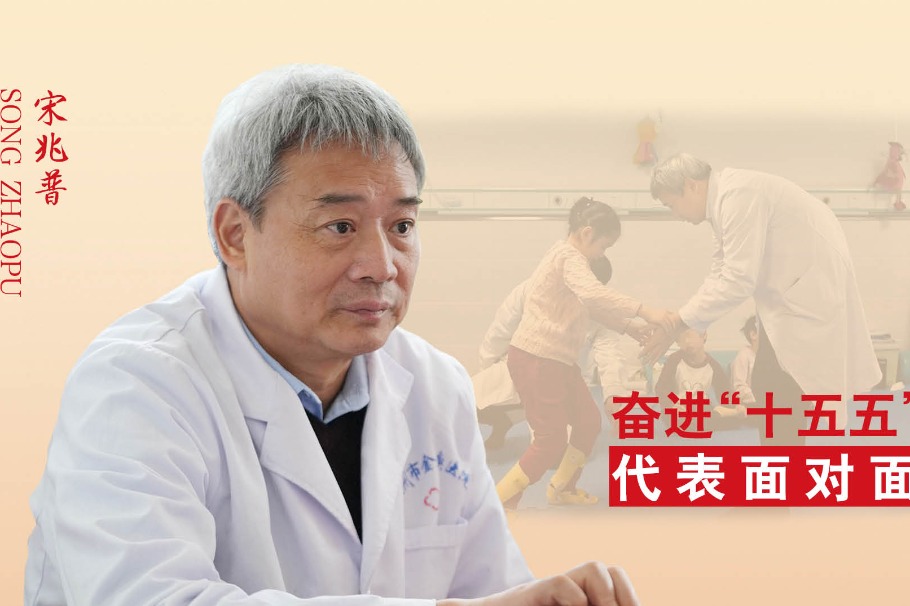
    As a dedicated grassroots practitioner of Traditional Chinese Medicine (TCM), Song Zhaopu has committed his professional career to medical treatment and cultural preservation. With exceptional medical expertise and profound compassion, he has provided transformative care to more than 3,200 children diagnosed with cerebral palsy, offering renewed hope for recovery and improved quality of life.

    Beyond his clinical practice, Song has embraced a broader mission as a deputy to China’s National People’s Congress. He actively champions the innovative development and international proliferation of TCM traditions. His legislative work focuses on creating sustainable frameworks that allow traditional medicinal knowledge to take root globally while maintaining its cultural authenticity.

    Song’s journey from medical practitioner to public representative illustrates the evolving role of healthcare professionals in societal development. His dual commitment to patient care and cultural advocacy demonstrates how traditional medicine can bridge clinical practice and cultural diplomacy. Through his parliamentary activities, Song works to institutionalize support mechanisms for TCM’s modernization and global integration, ensuring this ancient medical system continues to thrive in contemporary healthcare landscapes.

  • At Hermès, Nadège Vanhée turns Paris twilight into a state of mind

    At Hermès, Nadège Vanhée turns Paris twilight into a state of mind

    PARIS — Hermès transformed the prestigious Garde Républicaine barracks into an immersive olfactory experience during Paris Fashion Week, presenting its fall-winter collection through a multisensory showcase that redefined luxury fashion presentation.

    The venue’s floor was entirely carpeted with thick, damp moss that emitted the rich, earthy scent of humus, creating an atmospheric forest environment. Models emerged from luminous circular openings in the walls, resembling figures stepping through full moons, as they traversed a raised, winding catwalk above the vegetation.

    Creative Director Nadège Vanhée, who has helmed Hermès womenswear since 2014, titled the collection “Entre chien et loup” – a French expression referring to dusk’s ambiguous moment when distinguishing between dog and wolf becomes challenging. The presentation achieved Vanhée’s intended effect of disrupting conventional fashion show expectations without resorting to gimmicks.

    The collection itself presented muscular, body-conscious designs built for movement rather than mythological references. Leather dominated the lineup, featuring fluid overcoats with substantial Tuscan sheepskin collars and zip-front mini dresses in deep blue that revealed contrasting shirts beneath. A standout orange ostrich-leather jumpsuit combined biker attitude with Hermès’ signature refinement.

    The house’s equestrian heritage surfaced in jodhpurs and flat-heeled riding boots, while glossy lambskin cycling shorts paired with aviator jackets introduced urban elements. Vanhée’s color palette avoided conventional darkness, instead transitioning through sulfur yellow, oxblood red, forest green, and iridescent burgundy – surfaces that captured and transformed light dynamically.

    Functional zips appeared throughout the collection, slicing diagonally across jackets or running the full length of dresses, suggesting garments could be reconfigured and renewed. Double-breasted blazers and cigarette trousers provided tailored structure, while quilted silks printed with cloud-strewn skies offered moments of softness.

  • Shanghai to mark women’s day with half marathon

    Shanghai to mark women’s day with half marathon

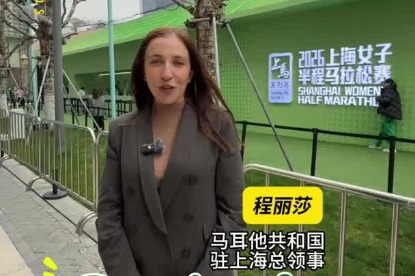
    Shanghai is set to commemorate the 116th International Women’s Day on March 8 with a special sporting event designed to celebrate female empowerment and community engagement. The Shanghai Women’s Half Marathon will traverse through the city’s urban landscape, commencing at Zunyi Road in Changning district and concluding at the scenic Zhongshan Park.

    The event has attracted participation from diverse communities, including diplomatic representatives such as Lisa Azzopardi, Consul General of Malta in Shanghai, who will be joining the run. Her involvement underscores the international spirit of the occasion and highlights how the event serves as a platform for cross-cultural exchange and women’s solidarity.

    This initiative represents part of broader nationwide celebrations across China honoring women’s achievements and promoting gender equality. The choice of a athletic event symbolizes strength, perseverance, and the breaking of traditional barriers, aligning with contemporary movements toward female empowerment through physical activity and public participation.

    The marathon route through Shanghai’s distinctive urban environment offers participants and spectators alike an opportunity to experience the city’s vibrant atmosphere while supporting a cause that transcends sporting achievement. Such events continue to gain popularity in China as meaningful alternatives to conventional Women’s Day observances, emphasizing active participation over passive celebration.

  • Ren Shuyuan: Finding fulfillment in practicing ‘from the people, to the people’

    Ren Shuyuan: Finding fulfillment in practicing ‘from the people, to the people’

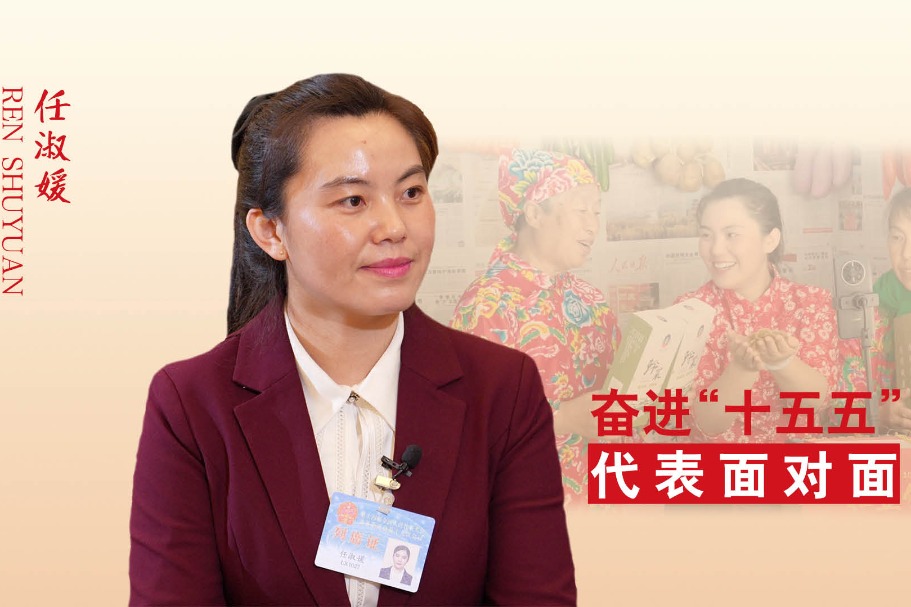
    In China’s northeastern Heilongjiang province, National People’s Congress deputy Ren Shuyuan has become an emblematic figure of grassroots representation, earning the affectionate moniker ‘Sister Gancai’ (Dried Vegetable Sister) from her rural constituents. Her journey into politics began not in government halls but in the humble settings of local marketplaces, where a casual conversation about salt prices sparked her determination to transform economic opportunities for regional farmers.

    Ren channeled this inspiration into tangible action by establishing a specialized agricultural cooperative that revolutionized local income streams. By developing innovative methods to preserve and market homegrown vegetables, she created sustainable economic pathways for community members who previously struggled with market access limitations.

    Her political approach remains fundamentally connected to the soil that nurtured her career. As an NPC representative, Ren maintains continuous dialogue with farming communities, systematically transforming field-level concerns into actionable policy proposals. This methodology exemplifies what she describes as practicing the principle of ‘from the people, to the people’—a philosophy that emphasizes responsive governance rooted in direct constituent engagement.

    Through her dual role as agricultural entrepreneur and political representative, Ren demonstrates how policy-making can emerge from practical grassroots experience. Her work has brought measurable prosperity to Baiquan county while providing a replicable model for rural revitalization across China’s agricultural regions.

  • Townsend redeemed as Scotland ignite Six Nations title chase by stunning France

    Townsend redeemed as Scotland ignite Six Nations title chase by stunning France

    EDINBURGH, Scotland — In a remarkable turnaround that has electrified the rugby world, Scotland has catapulted itself into championship contention with a historic 50-40 triumph over France at Murrayfield. This spectacular performance marks Scotland’s highest score against France in their 116-year rivalry and represents one of the most dramatic mid-tournament reversals in recent Six Nations history.

    Just one month after suffering a disappointing opening defeat to Italy that placed head coach Gregor Townsend’s decade-long tenure under intense scrutiny, Scotland has engineered a stunning resurgence with three consecutive victories. The team’s impressive wins against England and Wales were merely precursors to Saturday’s extraordinary offensive showcase against the previously dominant French squad, who entered the match pursuing a Grand Slam.

    The victory has fundamentally reshaped the championship landscape, creating a tie at the top of the table between Scotland and France as the tournament approaches its final round. Scotland now prepares for a decisive away match against Ireland, another title contender, while France will host England in Paris. Although France remains the statistical favorite to retain the championship due to point differential advantages, Scotland’s unprecedented offensive performance has established them as legitimate title threats.

    Townsend, who faced significant pressure following autumn test series struggles, reflected on the team’s evolution: “It was a brilliant day for our supporters—not just the rugby we played but the mindset to keep attacking. Those painful moments and defeats were necessary for our development. Italy was part of our journey.”

    Team captain Sione Tuipulotu emphasized the squad’s collective resilience: “We’ve stuck together after a tough first round and difficult autumn period. We’ve now given ourselves one final job to complete next week—something a Scotland team hasn’t accomplished in the Six Nations era.”

    The victory was slightly tempered by the injury to standout performer Kyle Steyn, who required medical attention for a significant thigh laceration. However, initial assessments indicate his availability for the crucial Ireland match.

    French coach Fabien Galthié acknowledged Scotland’s superiority while maintaining confidence in his team’s championship prospects: “The Scots played magnificently and taught us fundamental rugby lessons. We remain in first position with the opportunity to win this competition—that is the reality we focus on.”

  • Canada defeats Argentina in penalty shootout after scoreless draw in the SheBelieves Cup

    Canada defeats Argentina in penalty shootout after scoreless draw in the SheBelieves Cup

    In a tense showdown at Harrison, New Jersey, Canada’s women’s soccer team secured a dramatic 3-2 penalty shootout victory against Argentina following a goalless regulation match in the SheBelieves Cup tournament on Saturday.

    The match proceeded directly to penalties under the tournament’s unique rules, bypassing extra time. Canadian goalkeeper Kailen Sheridan emerged as the decisive hero, spectacularly saving Argentina’s first two penalty attempts. The victory was sealed when Argentina’s Vanina Preininger sent her crucial shot over the crossbar.

    During regular play, Canada’s Jordyn Huitema generated the most significant scoring opportunity in the first half, forcing a remarkable save from Argentine goalkeeper Solana Pereyra who deflected the powerful strike onto the crossbar.

    The match marked the return of Canadian captain Jessie Fleming, who had previously missed the United States match due to illness. Notably absent was Arsenal’s Olivia Smith, ruled out of the tournament with a concussion.

    Argentina concluded the tournament without scoring a single goal across all matches, finishing at the bottom of the standings. Canada’s final tournament position remained pending the outcome of the late match between the United States and Colombia.

    Both teams now look toward World Cup qualification pathways, with Argentina continuing in the CONMEBOL Women’s Nations League next month—the qualifying tournament for the 2027 Women’s World Cup in Brazil—while Canada prepares for the CONCACAF W Championship beginning in November.

  • Hunan ramps up efforts to build a youth-friendly society

    Hunan ramps up efforts to build a youth-friendly society

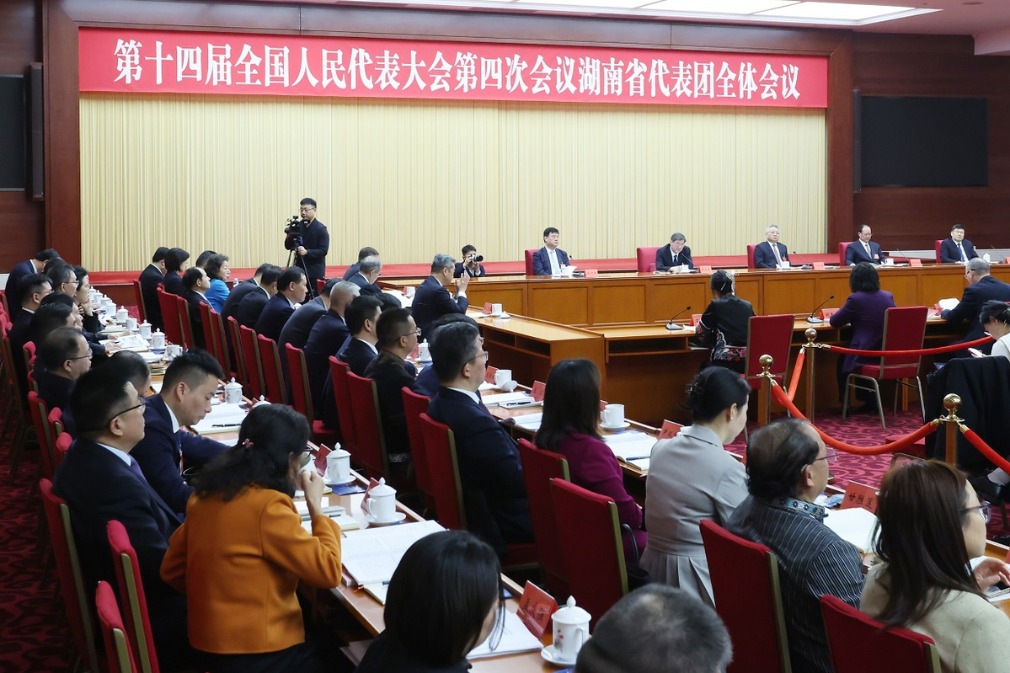
    Central China’s Hunan province is implementing a comprehensive strategy to transform itself into a magnet for young talent, as announced by delegates at the ongoing 14th National People’s Congress session in Beijing. The initiative positions youth attraction as fundamental to the region’s long-term developmental trajectory.

    During an open-door discussion with the Hunan delegation, provincial Party Secretary Shen Xiaoming articulated the vision’s philosophical foundation: “Those who embrace young people are embracing the future.” He highlighted Hunan’s competitive advantage in lower living costs compared to other Chinese regions, making it particularly appealing to younger demographics.

    Demographic data reveals compelling trends supporting this strategy. Over the past decade, Hunan’s capital Changsha has experienced a net population influx exceeding one million individuals, with youth comprising approximately 80% of these newcomers. This migration pattern has reduced the city’s average age to 37 years—nearly two years younger than comparable urban centers nationally.

    The provincial government has implemented multi-faceted approaches to talent acquisition. Since September, targeted recruitment events for university graduates have been conducted across seven major cities including Shanghai, Beijing, Xi’an, Wuhan, Chengdu, and Nanjing. These efforts aim to attract both domestic and international high-caliber professionals.

    Substantive policy measures were formalized in December through government-approved documents specifically addressing youth development. The framework concentrates on four pivotal areas: educational advancement, entrepreneurial support, living condition improvements, and personal growth opportunities.

    Industrial stakeholders are actively participating in this initiative. Li Donglin, NPC deputy and chairman of CRRC Zhuzhou Electric Locomotive Research Institute, emphasized corporate responsibility in creating favorable career conditions for young professionals. He noted that Hunan’s established industrial foundations in rail transit, clean energy equipment, and semiconductors—coupled with the advanced manufacturing cluster spanning the Changsha-Zhuzhou-Xiangtan area—provide exceptional platforms for innovation and entrepreneurship.

    The CRRC Zhuzhou Institute has operationalized this commitment through regular innovation seminars and open-day events, offering young talents exposure to authentic industrial environments and professional guidance through developmental challenges.

  • China’s five-year development targets focus on addressing people’s concerns: official

    China’s five-year development targets focus on addressing people’s concerns: official

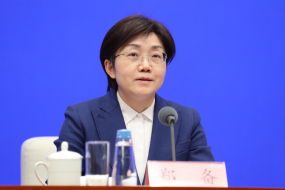
    BEIJING – In a significant policy announcement, Chinese officials have revealed that approximately one-third of the nation’s development objectives for the 2026-2030 period will specifically target resolving the most pressing concerns affecting citizens’ daily lives. The disclosure came during a press conference held Saturday by Zheng Bei, deputy head of the National Development and Reform Commission.

    The draft outline of China’s 15th Five-Year Plan incorporates concrete metrics designed to elevate national living standards, with particular emphasis on educational attainment and healthcare accessibility. Among the key benchmarks are targets to increase the average years of education within the working-age population, extend average life expectancy, and boost the ratio of medical professionals per 1,000 residents.

    This human-centered development strategy represents a continuation of China’s governance approach that prioritizes addressing fundamental quality-of-life issues. The comprehensive plan, which serves as the country’s primary socioeconomic roadmap, demonstrates the government’s commitment to translating economic growth into tangible improvements in public welfare.

    The announcement coincides with the annual sessions of China’s national legislative and political advisory bodies, where development planning takes center stage in policy discussions. The targeted initiatives reflect extensive research into population needs and are expected to drive significant resource allocation toward social development programs in the coming half-decade.