作者: admin

  • Volunteer passes on torch of guardianship

    Volunteer passes on torch of guardianship

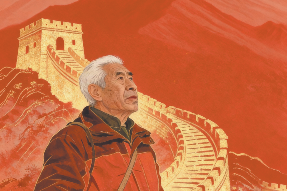
    For over four decades, 81-year-old Mei Jingtian has been the unwavering guardian of an unrestored section of the Great Wall in Shixia village, Beijing’s Yanqing district. Despite his advanced age, Mei continues to navigate the steep slopes with remarkable agility, having dedicated his life to preserving this national treasure since returning to his village in the 1980s.

    Upon his return, Mei was devastated to discover the historical structure had been systematically dismantled, with villagers repurposing ancient bricks for construction projects. “The Great Wall in my childhood stood intact in its original grandeur,” Mei recalled. “Witnessing its deterioration compelled me to act. This monumental achievement of our ancestors, built with extraordinary hardship and wisdom, demanded protection.”

    Armed only with a sickle and boundless determination, Mei single-handedly carved out kilometers of mountain paths to access remote wall sections. His weekly patrols involved clearing invasive vegetation, removing litter, and educating adventurous tourists about the wall’s historical significance. In one particularly grueling endeavor, he spent over two days manually transporting a 34.5-kilogram inscribed stone tablet down the mountain to deliver it to preservation authorities.

    Mei’s initially solitary mission gradually transformed into a community movement. He pioneered innovative conservation approaches, even trading cement with villagers to recover embedded Great Wall bricks from their properties. This grassroots effort culminated in 2007 with the establishment of the Shixia Village Great Wall Protection Association, formalizing what began as one man’s passionate crusade.

    The conservation movement achieved another milestone in 2019 when the government officially incorporated Great Wall protectors into its budgetary framework. This institutional recognition coincided with Mei’s niece, Liu Hongyan, passing rigorous examinations to become one of Shixia’s first six officially recognized protectors—marking the formal transition of guardianship to the next generation.

    Now 45, Liu patrols the same challenging terrain her uncle once protected, monitoring structural integrity while sharing the wall’s rich history with visitors. “This transcends mere employment,” Liu explained. “It represents the custodianship of our cultural heritage and homeland. My uncle demonstrated that genuine commitment stems from love rather than expectation of reward.”

    Despite confronting physical dangers including treacherous topography, extreme weather, and encounters with wildlife such as snakes and wild boars, Liu finds profound purpose in her conservation work. However, she acknowledges concerning demographic challenges: most current protectors are aged 60-70, while many younger villagers have migrated to urban areas.

    “Upon my retirement, I remain confident that successors will emerge to continue this vital work,” Liu stated. “We urgently need more youth to join our protection teams. Ultimately, we are all guardians of the Great Wall—collaborating to preserve our shared heritage and home.”

  • What to know about a mass shooter’s bid to undo his guilty pleas for the Christchurch mosque murders

    What to know about a mass shooter’s bid to undo his guilty pleas for the Christchurch mosque murders

    WELLINGTON, New Zealand — Six years after admitting to New Zealand’s deadliest mass shooting, white supremacist Brenton Tarrant has launched a controversial legal bid to withdraw his guilty pleas, claiming severe prison conditions induced a mental breakdown that compromised his judgment.

    The Australian national, who murdered 51 Muslim worshippers during coordinated attacks on two Christchurch mosques in 2019, unexpectedly pleaded guilty in 2020 to all terrorism, murder, and attempted murder charges. His admission spared victims and the justice system from a high-profile trial that many feared would become a platform for his racist ideology.

    Now, Tarrant’s legal team argues before New Zealand’s Court of Appeal that their client was experiencing psychological deterioration from ‘oppressive’ incarceration conditions when he admitted guilt. They claim isolation and sensory deprivation measures made him ‘temporarily doubt his identity and ideology,’ rendering him incapable of rational legal decisions.

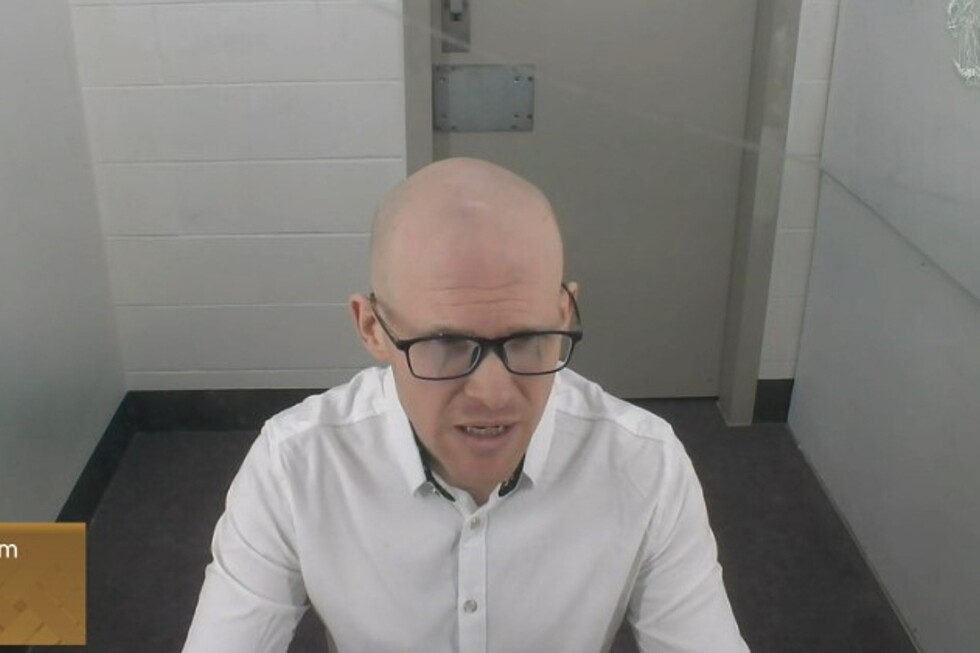
    Appearing via video conference from prison, the shaven-headed Tarrant told the court he had been ‘irrational’ during his 2020 confession. His current lawyers contend he originally intended to represent himself at trial to promote his white supremacist views—a defense strategy New Zealand courts would have invalidated.

    Crown prosecutors challenged these claims, noting Tarrant had multiple opportunities to raise mental health concerns or request trial postponements. Mental health experts, prison staff, and his former lawyers have not supported his claims of severe psychological distress.

    Survivors of the massacre expressed outrage at the appeal attempt. Temel Ataçocuğu, who was shot nine times during the attacks, stated outside the courthouse: ‘He got what he deserved. He has to deal with it as a man.’

    The three-judge panel will issue a ruling later. If unsuccessful in discarding his guilty pleas, Tarrant is expected to pursue an appeal against his life sentence without parole—the most severe punishment in New Zealand’s modern history.

  • Building of rare earth hub highlighted

    Building of rare earth hub highlighted

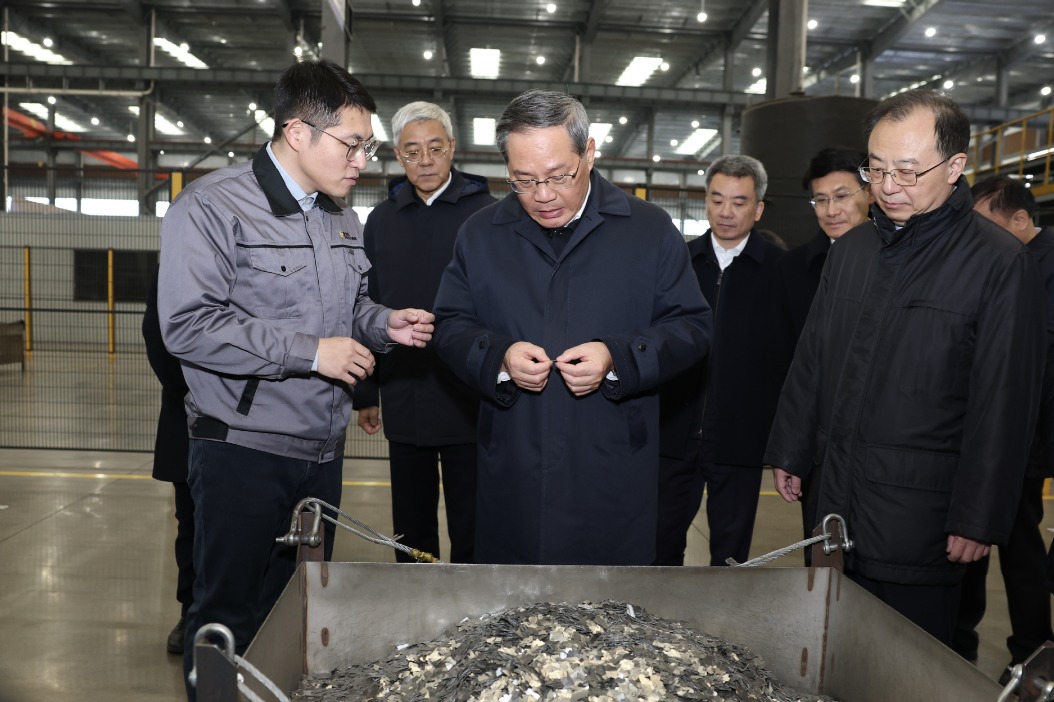
    During a comprehensive inspection tour of Ganzhou in Jiangxi province, Premier Li Qiang has emphasized China’s strategic commitment to establishing global leadership in rare earth technology and artificial intelligence. The Premier’s two-day visit, occurring just before Spring Festival celebrations, focused on accelerating technological breakthroughs in critical sectors.

    At the Ganjiang Innovation Academy of the Chinese Academy of Sciences and multiple rare earth enterprises, Li examined current research initiatives and commercialization progress. He specifically highlighted the growing significance of these seventeen elements in advancing high-end manufacturing and facilitating green energy transitions. The Premier called for coordinated development of rare earth resources with stringent environmental protections, advocating for full-cycle green development throughout production and processing.

    Li stressed the necessity of optimizing industrial layouts while enhancing recycling systems and supply chain coordination. He further emphasized expanding technological applications into renewable energy and advanced materials sectors to improve overall sector performance.

    Beyond rare earth development, the Premier chaired a State Council study session addressing artificial intelligence’s transformative potential. Li noted AI’s capacity to revolutionize living and working patterns while generating substantial growth opportunities across diverse industries. He advocated comprehensive efforts to advance AI innovation, industrial development, and practical implementation.

    During his provincial tour, Li also visited rural communities to discuss livelihoods, employment opportunities, healthcare access, and poverty alleviation measures. In recognition of Ganzhou’s historical significance as an early revolutionary base, the Premier called for accelerated revitalization of these regions through supportive policies, competitive industries, and improved public welfare systems.

    The Premier extended formal Spring Festival greetings on behalf of the Communist Party Central Committee and State Council, wishing residents health and prosperity in the Year of the Horse.

  • China comes a step closer to crewed moon mission

    China comes a step closer to crewed moon mission

    China has successfully executed a groundbreaking flight test that marks a significant advancement in its ambitious lunar exploration program. On February 11, 2026, at the Wenchang Spacecraft Launch Site in Hainan province, Chinese aerospace engineers conducted simultaneous tests of both the Long March 10 carrier rocket and the next-generation Mengzhou crewed spaceship system.

    The comprehensive demonstration involved a low-altitude verification flight for the heavy-lift rocket alongside a maximum dynamic pressure (Max Q) abort test for the Mengzhou spacecraft. This dual-purpose mission represented multiple firsts in China’s space exploration history: the inaugural flight test of the Long March 10 prototype, the country’s first Max Q escape operation for a spacecraft, the maiden sea splashdown of both a crew capsule and rocket booster, and the initial operational use of Wenchang’s newly constructed heavy rocket launch infrastructure.

    The meticulously orchestrated sequence began with the Long March 10 prototype booster launching from the coastal spaceport, carrying the Mengzhou spacecraft prototype. At the critical Max Q phase—where aerodynamic forces peak during ascent—the spacecraft’s return capsule successfully separated using its rocket-powered escape tower. After achieving predetermined altitude, the capsule deployed parachutes and was successfully recovered from the South China Sea.

    Concurrently, the rocket booster continued its trajectory, crossing the Kármán line into space before executing a controlled return. Through sophisticated maneuvers involving grid fin deployment, reaction control system activation, and precisely timed engine reignitions, the massive vehicle achieved a stable hover before making a controlled splashdown—marking China’s first successful recovery of a rocket booster and demonstrating reusable rocket capabilities previously mastered only by the United States.

    Technical experts highlighted the extraordinary challenges overcome during the test. Zhu Pingping, chief engineer at China Aerospace Science and Technology Corporation, emphasized that the booster endured unprecedented thermal fluxes and aerodynamic loads during reentry, pushing the limits of structural integrity, thermal protection, and altitude control systems.

    The Mengzhou program’s deputy project manager, Deng Kaiwen, explained that the Max Q escape test validated the spacecraft’s ability to safeguard astronauts during the most aerodynamically demanding ascent phase, requiring exceptional reliability from the escape tower and computer systems.

    Both the Long March 10 rocket and Mengzhou spacecraft, currently in final development phases, represent critical components of China’s strategy to land astronauts on the moon before 2030. The rocket’s configuration includes a 92.5-meter tall moon mission variant capable of delivering 27-ton payloads to lunar transfer orbit, plus a shorter version for space station missions. The Mengzhou spacecraft, measuring 9 meters long with 4.5-meter diameter, will eventually replace the veteran Shenzhou capsules that have served China’s crewed space program for nearly three decades.

  • Israeli president ends a fraught Australia visit to comfort Jews as Gaza war protests follow

    Israeli president ends a fraught Australia visit to comfort Jews as Gaza war protests follow

    MELBOURNE, Australia — Israeli President Isaac Herzog concluded a polarizing four-day state visit to Australia on Thursday, marking the first trip by an Israeli head of state in six years. The visit unfolded against a backdrop of dual purposes: offering solace to Sydney’s Jewish community following December’s antisemitic mass shooting while simultaneously drawing widespread protests against Israel’s military actions in Gaza.

    Herzog’s itinerary included stops in Sydney, Canberra, and Melbourne, where he faced persistent demonstrations from activists labeling him a war criminal. Under heightened police security in Melbourne, Herzog addressed a Jewish community gathering, stating, “We came here to be with you, to look you in the eye, to embrace, to remember and weep together.” He emphasized how the visit had left him “feeling empowered” despite the emotional toll, praising the resilience of Australian Jewish communities.

    The Australian government maintained that the primary invitation extended to Herzog aimed to support a community still reeling from the December 14 Bondi Beach attack, where 15 festival attendees were killed in an assault allegedly inspired by Islamic State. Jeremy Leibler, President of the Zionist Federation of Australia, noted that Sydney’s Jewish community felt “extremely uplifted and seen” following Herzog’s visits, while appealing to protesters to consider the community’s trauma.

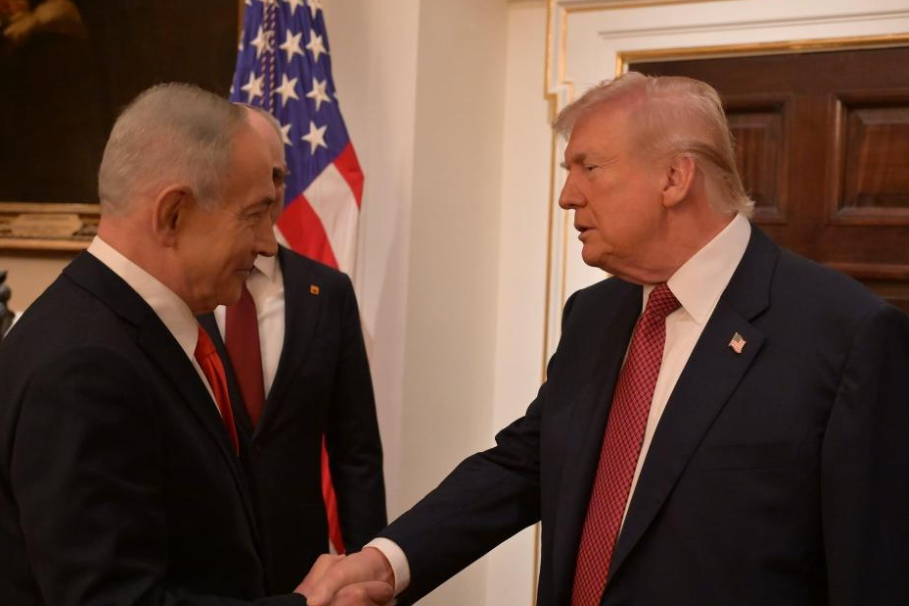
    However, the visit exposed significant diplomatic tensions. Herzog told The Associated Press that another objective was to “reinvigorate bilateral relations” and counter “lies and misinformation” about Israel. This statement drew criticism from Australian human rights lawyer Chris Sidoti, who argued the visit had transformed into political propaganda rather than purely a mourning mission. Sidoti referenced a September UN Human Rights Council report that accused Herzog, along with Israeli Prime Minister Benjamin Netanyahu and former Defense Minister Yoav Gallant, of inciting genocide in Gaza.

    Australia-Israel relations have been strained since the Israel-Hamas war began in 2023, particularly after Australia’s decision to recognize Palestinian statehood six months ago. Herzog described his discussions with Australian leaders as conducted with “candor, open-mindedness and mutual respect,” characterizing them as “serious partners” willing to address antisemitism and misinformation.

    Security concerns led to the cancellation of Herzog’s planned visit to the ruins of Melbourne’s Adass Israel Synagogue, destroyed by arson in late 2024 in an attack Australia attributed to Iran. The visit concluded with the removal of anti-Herzog graffiti at Melbourne University, where administrators reaffirmed their stance against antisemitism.

  • Paris wine show reflects surging demand for zero- and low-alcohol drinks

    Paris wine show reflects surging demand for zero- and low-alcohol drinks

    PARIS — In a nation historically synonymous with viniculture, a quiet revolution is transforming French social traditions. Justine Bobin, a Muslim teetotaler from Burgundy, represents a growing demographic challenging France’s deep-seated drinking culture. Her recent visit to the Wine Paris trade show highlighted the expanding market of sophisticated zero- and low-alcohol beverages that are redefining social interactions.

    The emerging no/low alcohol sector, featuring products from across Europe, South Africa, Australia and New Zealand, is strategically positioning itself with mantras like ‘no alcohol, no regrets, no consequences.’ This movement capitalizes on shifting consumer preferences, particularly among younger generations increasingly conscious of alcohol’s health implications and social consequences.

    Global trends support this transformation. The United States reports declining alcohol consumption, while international markets witness the gradual erosion of traditional alcohol dominance. France’s government now offers financial incentives for vintners to remove vineyards in response to decreasing demand. Even industry giant Heineken announced plans to eliminate 6,000 jobs globally by 2028 following reduced beer sales, while simultaneously experiencing double-digit growth in its no/low alcohol portfolio across 18 markets.

    Bobin, who operates a delicatessen in France’s renowned Burgundy wine region, sees these beverages as tools for social inclusion. ‘It allows us to share moments with people without alcohol. Everyone can toast together—it creates alternatives that bring people together,’ she explained.

    Statistical evidence confirms this cultural shift: French alcohol consumption has dramatically decreased over the past fifty years. Adults have largely abandoned the tradition of wine with meals, while younger generations demonstrate fundamentally different drinking patterns than their parents.

    Austrian producer Katja Bernegger, who developed alcohol-free wines during pregnancy, emphasizes this is no temporary trend. ‘People are more mindful of their bodies. With responsibilities like children and careers, they cannot afford the consequences of alcohol consumption,’ she noted. Bernegger identified the social isolation felt by non-drinkers—’standing with orange juice while others enjoy wine’—and recognized the need for sophisticated non-alcoholic alternatives that preserve social participation without compromising lifestyle choices.

  • Green ties boost bilateral opportunities

    Green ties boost bilateral opportunities

    Singaporean and Chinese enterprises are capitalizing on an expanding framework of bilateral sustainability agreements, creating unprecedented opportunities in the green technology sector. The partnership momentum accelerated significantly following the 21st China-Singapore Joint Council for Bilateral Cooperation held last December in Chongqing, where both nations committed to enhanced collaboration across multiple environmental sectors.

    The high-level agreements have established concrete pathways for cooperation in green finance optimization, clean energy innovation, smart manufacturing advancement, and sustainable technology research. This strategic alignment effectively marries Singapore’s innovation capabilities with China’s manufacturing prowess and engineering scale, creating a complementary ecosystem for green technology development.

    Startups are already experiencing tangible benefits from this collaborative framework. Aqua 3i, a Singapore-based materials innovation company that recently won top honors at the Tianjin Eco-City Green Innovation Competition, has established successful partnerships with Chinese state-owned enterprises. According to founder Shaun Ong, “Chinese engineers provide the industrial expertise to maximize the application of our energy-saving coatings across diverse sectors.”

    Infrastructure supporting this collaboration continues to expand through multiple channels. The A*STAR Partners’ Centre in Suzhou Industrial Park facilitates connections between Singaporean green tech firms and Chinese partners in life sciences, advanced manufacturing, and sustainable economy sectors. Simultaneously, the Singapore University of Technology and Design has established a Tianjin research center to commercialize sustainability innovations, with the Eco-City serving as a testing ground for green startups.

    GreenChar Climate Solutions exemplifies the partnership’s global potential. Co-founder Chloe Hung notes, “Singaporean firms contribute international standards and market access, while Chinese partners provide scale, engineering, and manufacturing expertise.” Her company is currently forming a joint venture with Zhejiang’s Tongao Group to develop international carbon credit assets, leveraging China’s agricultural biomass resources with Singapore’s carbon market expertise.

    The collaboration represents what Hung characterizes as a “blue ocean opportunity” in sustainable infrastructure, carbon management, and advanced manufacturing—a market vast enough to accommodate numerous successful ventures through complementary capabilities.

  • China’s medical tech wins over Middle East

    China’s medical tech wins over Middle East

    Dubai’s World Health Expo, the region’s premier healthcare exhibition, has become the stage for a remarkable technological transformation as Chinese medical innovations capture the attention of Middle Eastern markets. The event showcases how China’s advanced medical technology sector is addressing critical healthcare challenges across the region through intelligent, cost-effective solutions.

    At the forefront of this revolution is Shenzhen-based Mindray, which unveiled its groundbreaking BeneHeart DX system—a sophisticated 5-in-1 external defibrillation monitor that consolidates multiple emergency care functions into a single compact unit. This innovative device represents the industry’s shift toward integrated intelligent systems that enhance clinical efficiency while significantly reducing equipment costs.

    According to Li Xuan, Mindray’s senior brand manager, “This product reduces overall equipment investment by over 50% compared to purchasing standalone devices, while delivering superior integration and clinical usability. China’s robust innovation ecosystem and engineering capabilities have enabled us to address complex emergency scenario requirements effectively.”

    The technology has resonated particularly well with Middle Eastern healthcare providers facing infrastructure challenges. Ahmed Muhialdin, an Iraqi health industry businessman, emphasized how Chinese portable medical devices perfectly address critical gaps in remote healthcare delivery. “The Iraqi government is actively extending medical services beyond hospitals, and these Chinese products will help bridge this accessibility gap,” he noted, adding that Chinese manufacturers provide comprehensive on-site support that Western competitors struggle to match.

    Beyond commercial manufacturers, China’s academic institutions are forging new partnerships in the region. A delegation from Peking University, comprising six affiliated hospitals, made its regional debut at the exhibition. Professor Qiao Jie, Chinese Academy of Engineering academician and executive vice-president of Peking University, stated that the event provided an ideal platform to demonstrate China’s medical technological capabilities.

    Among the standout innovations was the “Digital Rehabilitation Therapist” developed by Peking University Third Hospital—China’s first integrated product covering rehabilitation assessment, prescription, and training. The system enables patients to capture movements via smartphone cameras for personalized remote rehabilitation, addressing specific regional needs given the popularity of sports like soccer and horse racing in the Middle East.

    The technology has impressed regional experts including Assaf Livne from Israel, who noted that “AI-based systems provide innovative solutions for our rehabilitation healthcare sector, particularly relevant for aging population needs.”

    With the global healthcare services market projected to reach $11.2 trillion by 2029, and Saudi Arabia representing one of the region’s largest markets, Chinese medical technology companies are positioned to play an increasingly significant role in shaping the future of Middle Eastern healthcare infrastructure through their combination of technological sophistication, cost-effectiveness, and responsive localized support.

  • South Korea’s former interior minister gets 7-year sentence for aiding martial law

    South Korea’s former interior minister gets 7-year sentence for aiding martial law

    In a landmark ruling with profound political implications, Seoul’s Central District Court has sentenced former Interior Minister Lee Sang-min to seven years imprisonment for his instrumental role in facilitating ex-President Yoon Suk Yeol’s controversial 2024 martial law declaration. The verdict arrives just days before a separate judicial panel determines whether Yoon’s actions constituted rebellion—a capital offense for which prosecutors demand the ultimate penalty.

    Presiding Judge Ryu Kyung-jin established that Lee, while heading the Ministry of Interior and Safety, actively implemented the martial law directive and transmitted presidential orders to police and fire authorities to sever utility services to news outlets critical of Yoon’s administration. Security footage and corroborative testimony from high-ranking officials, including former National Fire Agency Commissioner General Heo Seok-gon, demonstrated Lee’s central coordination role despite his denial of issuing or receiving such instructions.

    The court determined that Lee’s actions represented a systematic attempt to suppress press freedom through coercive measures, though the utility disruption orders were never executed due to the rapid collapse of martial law. Legislators breached military and police barricades at the National Assembly, achieving unanimous consensus to rescind the declaration within hours of its implementation.

    While convicting Lee on primary charges, the judiciary acquitted him of ancillary power abuse allegations citing insufficient evidence. The sentenced former minister maintained composure following the verdict, while his legal team deliberates appeal options—contrasting sharply with prosecutors’ initial demand for a 15-year term.

    This case marks the second conviction within Yoon’s cabinet concerning the martial law episode, following former Prime Minister Han Duck-soo’s 23-year sentence currently under appeal. Yoon himself, removed from office and incarcerated since July, faces multiple criminal proceedings including the rebellion charge that could potentially carry death penalty consequences. The ex-president continues to defend the martial law declaration as necessary governance against what he characterized as ‘anti-state’ forces obstructing his political agenda.

  • Roadworks causing ‘traffic chaos’ for town

    Roadworks causing ‘traffic chaos’ for town

    The bustling town of Letterkenny, County Donegal’s largest urban center, finds itself mired in significant traffic disruptions as ongoing Active Travel infrastructure projects enter their initial phases. These developments, designed to create dedicated cycling lanes and pedestrian pathways, have generated substantial congestion that local officials predict may persist for approximately six months.

    Fianna Fáil council member Donal ‘Mandy’ Kelly reports receiving daily complaints from frustrated constituents, particularly during morning rush hours. The congestion has created a domino effect across the community, with school bus operators struggling to maintain schedules and employees arriving late to workplaces. Problematic areas including Dromore, Windyhall, and Oldtown have become particular pain points for commuters.

    The commercial sector has registered measurable impacts, with Letterkenny Chamber of Commerce President Jimmy Stafford noting business revenue declines approaching 40% among some retailers. While supporting sustainable transportation initiatives in principle, business owners express concern about the immediate economic consequences. Leonard Watson of Watson Menswear acknowledged Letterkenny’s natural congestion as a byproduct of its commercial success, with approximately 25,000 people entering daily for work and shopping.

    Infrastructure advocates like Brian Gallagher, proprietor of the Station House Hotel, argue the current situation highlights deeper structural deficiencies. Gallagher has renewed calls for a long-proposed bridge across the River Swilly, a project that has remained in discussion for four decades without implementation. He emphasizes that such infrastructure would not only alleviate downtown congestion but better serve the thousands of hospital employees, university students, and social services personnel commuting daily.

    Donegal County Council maintains that the temporary disruptions will yield long-term benefits, stating the completed Active Travel network will ultimately ‘alleviate congestion in Letterkenny.’ The projects form part of a broader national initiative that has seen over €1 billion invested in sustainable transportation since 2020, with an additional €360 million allocated for 2026 initiatives nationwide.