作者: admin

  • One killed as ski gondola crashes down mountain at Swiss resort

    One killed as ski gondola crashes down mountain at Swiss resort

    A tragic incident at Engelberg’s Mt. Titlis ski resort in the Swiss Alps has resulted in the death of a 61-year-old local woman after a ski gondola catastrophically detached from its cable and tumbled down the mountainside. The accident occurred at approximately 11:00 local time on Wednesday during a period of severe weather conditions, with wind gusts reportedly exceeding 80km/h—well above the 60km/h operational safety threshold for such lifts.

    Eyewitness accounts and dramatic video footage depict the gondola, which had just departed the Trübsee station, breaking free and somersaulting multiple times before coming to rest in deep snow. The victim was traveling alone in the Titlis Xpress gondola at the time of the detachment, which authorities from the Nidwalden canton police described as occurring “for reasons that are still unclear.”

    Emergency response teams, including air rescue services, ambulances, and police, conducted a complex recovery operation in challenging terrain. The incident caused significant distress among visitors, including schoolchildren participating in a ski camp who witnessed the event. One 14-year-old witness expressed being “really shocked” and subsequent fear about using the gondola system.

    Cable car operations were immediately suspended following the accident, with between 100-200 passengers safely evacuated from approximately 40 gondolas that remained on the cable. Resort management expressed profound shock, with director Norbert Patt stating that their “thoughts are with the victim’s loved ones” as a comprehensive investigation into the technical and meteorological causes of this rare failure begins.

  • US holds interest rates as Iran war triggers oil shock

    US holds interest rates as Iran war triggers oil shock

    The United States Federal Reserve has unanimously decided to maintain current interest rates, marking another period of monetary policy stability as geopolitical tensions with Iran introduce significant economic complications. The central bank’s benchmark rate remains anchored at 3.5%-3.75%, unchanged since December, reflecting a cautious approach by policymakers navigating turbulent economic waters.

    The recent military engagement between the US-Israel coalition and Iran has triggered a substantial surge in global oil prices, creating fresh concerns about inflationary pressures that had previously shown signs of moderation. This development has introduced unexpected challenges for monetary authorities who must now balance multiple economic indicators pointing in different directions.

    Despite explicit pressure from the White House, where President Donald Trump has advocated for aggressive rate reductions to stimulate borrowing and economic activity, Federal Reserve officials have maintained their measured stance. The complexity of current economic conditions – characterized by persistent inflation concerns alongside ambiguous employment data – has reinforced the institution’s commitment to data-driven decision-making rather than political considerations.

    Financial analysts now anticipate that the combination of energy market volatility and ongoing military conflict has substantially diminished the likelihood of near-term rate cuts. Market expectations have consequently shifted, with most economists projecting no policy easing until at least the final quarter of this year, representing a significant departure from earlier forecasts that suggested mid-year reductions.

    The Federal Reserve’s decision-making process appears increasingly influenced by external factors beyond traditional domestic economic metrics, underscoring how global geopolitical events can directly impact monetary policy trajectories in the world’s largest economy.

  • Nigerian soldiers repel an attack on a base and kill 80 Islamic militants, army says

    Nigerian soldiers repel an attack on a base and kill 80 Islamic militants, army says

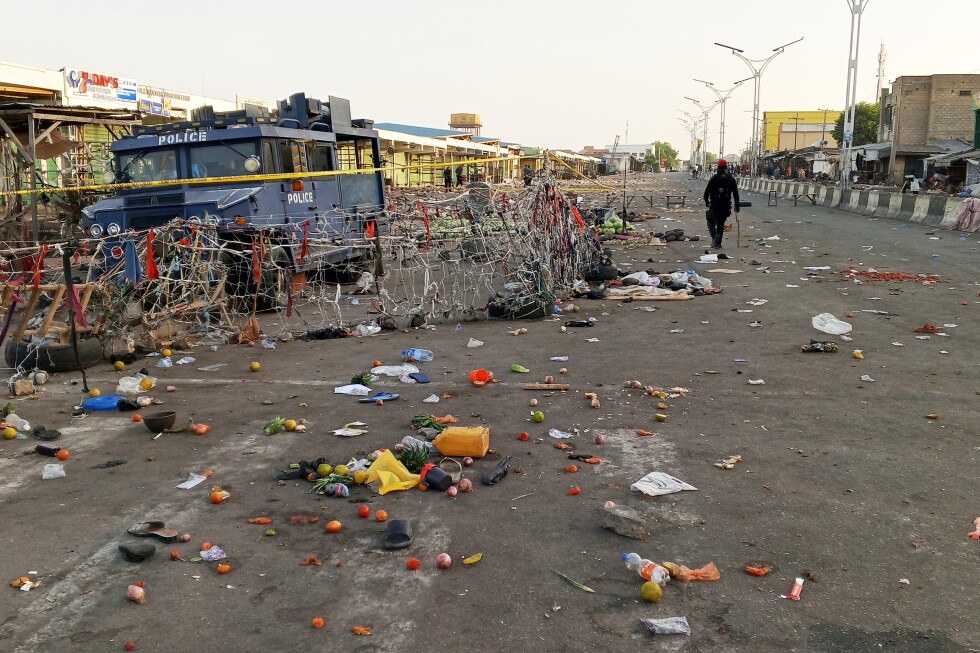
    Nigerian military forces successfully defended a strategic base in northeastern Nigeria against a sophisticated militant assault, inflicting significant casualties on the attackers. The engagement occurred in the early hours of Wednesday near the Niger border in Mallam Fatori, Borno State.

    Army spokesperson Sani Uba confirmed that troops, anticipating the offensive, employed coordinated ground and aerial operations to neutralize the threat. Preliminary assessments indicate approximately 80 combatants from suspected Islamic extremist groups were eliminated, including three high-ranking commanders. The military’s proactive defense strategy prevented the base from being overrun.

    The assailants, believed to be affiliated with either Boko Haram or Islamic State West Africa Province (ISWAP), utilized an unprecedented tactical approach involving multiple armed drones alongside conventional weaponry. Despite this technological escalation, Nigerian forces maintained defensive superiority throughout the engagement.

    Four soldiers sustained injuries during the confrontation and were evacuated for medical treatment. Security forces subsequently recovered substantial weapon caches, including assault rifles, RPG launchers, machine guns, ammunition, IEDs, and critical components of armed drone systems.

    This military confrontation follows Monday’s devastating suicide bombings in Maiduguri that killed 23 civilians and wounded 108 others. While no group claimed responsibility, both Boko Haram and ISWAP remain prime suspects. The persistent violence underscores the ongoing security crisis in northeastern Nigeria, where Islamic extremists have maintained an insurgency since 2009.

    The conflict has resulted in over 40,000 fatalities according to UN estimates, with recent months witnessing increased militant activity against military targets. The growing sophistication of attacks, including drone warfare, presents new challenges for Nigerian forces already stretched thin by multiple security crises across the northern regions.

    International support continues to bolster Nigeria’s counterinsurgency efforts, with the United States deploying military advisors last month to assist in addressing the nation’s security challenges.

  • Famous Iditarod dog sled race ends in repeat win for Jessie Holmes

    Famous Iditarod dog sled race ends in repeat win for Jessie Holmes

    In a stunning display of endurance and human-canine partnership, musher Jessie Holmes has secured his second consecutive championship in Alaska’s legendary Iditarod Trail Sled Dog Race. The former reality television personality, featured on National Geographic’s ‘Life Below Zero,’ masterfully guided his team across the race’s formidable 1,000-mile (1,609-kilometer) Arctic course.

    The victory was cemented after a relentless nine days, seven hours, and 32 minutes of navigating some of the planet’s most treacherous and isolated terrain. Holmes’s triumph underscores a remarkable transition from television fame to elite athletic prowess in the world’s most prestigious sled dog competition. The race, which commemorates the 1925 serum run to Nome, tests competitors against sub-zero temperatures, whiteout conditions, and unpredictable wildlife.

    This repeat win solidifies Holmes’s status not merely as a popular figure but as a formidable force in mushing history, demonstrating strategic planning, profound resilience, and an unparalleled bond with his canine athletes. The achievement places him among an elite group of mushers who have captured consecutive titles in the event’s demanding history.

  • Forty years after the last one was poached rhinos are back in the wild in Uganda

    Forty years after the last one was poached rhinos are back in the wild in Uganda

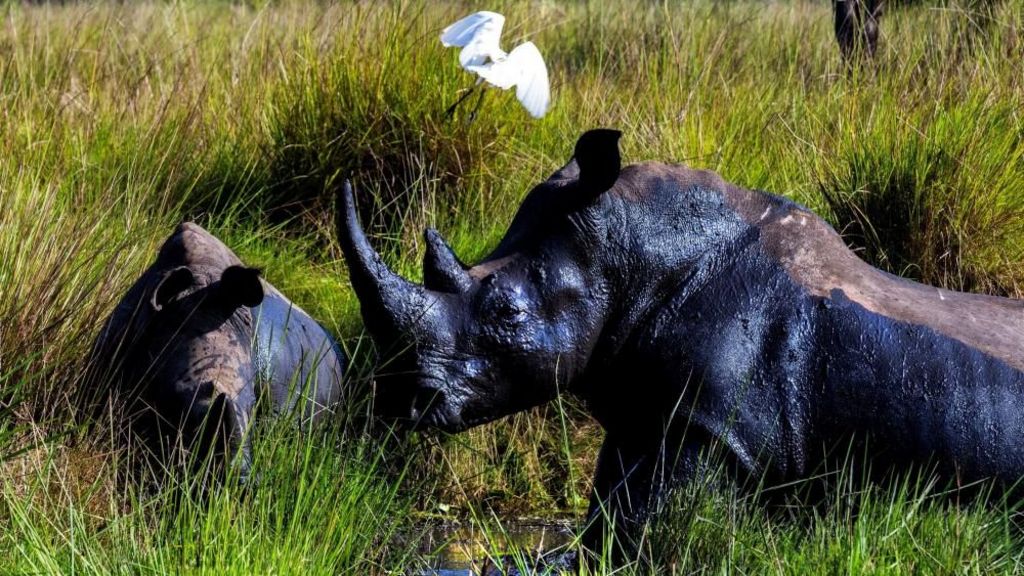
    In a landmark conservation achievement, rhinos have been reintroduced to Uganda’s Kidepo Valley National Park for the first time in over four decades. This historic moment follows the complete eradication of the species during a period of intensive poaching that culminated in the last wild rhino sighting in 1983.

    The restoration initiative commenced with the careful translocation of two southern white rhinos from a private breeding ranch in Nakasongola, approximately 100 kilometers north of Kampala. These animals represent the vanguard of a planned group of eight intended to re-establish a sustainable population. The Uganda Wildlife Authority (UWA), overseeing the operation, has implemented extensive protective measures including a specialized rhino sanctuary equipped with perimeter fencing, advanced monitoring technology, ranger facilities, and dedicated water systems.

    Executive Director James Musinguzi heralded the translocation as the commencement of “a new rhino story” for the park, emphasizing that this effort aims to restore a crucial component of Uganda’s natural heritage. The relocation strategy was informed by comprehensive ecological studies that identified Kidepo Valley as an optimal habitat meeting critical security and environmental requirements.

    The source ranch in Nakasongola has been instrumental in rhino conservation since 2005, when it imported four southern white rhinos from Kenya. Despite these efforts, significant challenges persist. Poaching remains an active threat throughout Uganda, with conservationists reporting continued arrests and prosecutions related to ivory, pangolin, and endangered species trafficking. The lucrative illicit market for rhino horns—driven by demand for traditional medicine and status symbols in Asian markets—continues to fuel wildlife crime.

    The International Union for Conservation of Nature (IUCN) currently classifies southern white rhinos as “near threatened” with a declining population trend. The most recent comprehensive survey conducted in 2020 estimated the global population at approximately 10,000 individuals, highlighting the critical importance of reintroduction programs for species preservation.

  • Macron names next nuclear-powered aircraft carrier ‘France Libre’ as a symbol of independence

    Macron names next nuclear-powered aircraft carrier ‘France Libre’ as a symbol of independence

    PARIS — In a significant demonstration of national defense strategy, French President Emmanuel Macron has officially designated France’s next-generation nuclear-powered aircraft carrier as “France Libre” (Free France). The announcement was made during a presidential visit to the Indret shipyard in western France, where the vessel’s dual nuclear reactors will be constructed.

    The future carrier, scheduled for operational deployment in 2038, represents a substantial naval advancement with capabilities to accommodate 30 Rafale fighter jets and a crew complement of 2,000 personnel. With an estimated development cost of €10 billion ($11.5 billion), the France Libre will feature an impressive displacement of 80,000 tons and measure 310 meters (1,017 feet) in length—marking a substantial size increase over France’s current flagship carrier, the Charles de Gaulle.

    President Macron framed the naming decision as deeply symbolic, connecting the vessel to General Charles de Gaulle’s World War II resistance movement that collaborated with Allied forces to liberate France from Nazi occupation. “This name carries the legacy of those who stood against barbarity, united to preserve our homeland,” Macron stated. “It embodies our commitment to future sovereignty: to maintain freedom, we must command respect. To command respect, we must maintain strength.”

    The announcement coincides with France’s substantial naval deployment to the Middle East region, described by Macron as “unprecedented” in scale. Current deployments include eight frigates, two helicopter carriers, and the Charles de Gaulle aircraft carrier, establishing France as the European nation with the most significant naval presence in the area.

    Notably, the France Libre will enhance France’s nuclear deterrence capabilities through its capacity to deploy nuclear-armed aircraft. This development follows Macron’s recent announcement regarding the expansion of France’s nuclear arsenal and the unprecedented authorization for temporary deployment of nuclear-capable aircraft to allied nations—a strategic move aimed at reinforcing European military independence. France remains the European Union’s sole nuclear power following the United Kingdom’s departure from the bloc in 2020.

    While substantial in scale, the France Libre will still be surpassed in size by the United States’ USS Gerald Ford, which displaces over 100,000 tons and measures 334 meters (1,100 feet) in length.

  • Study reveals endophytic fungi fermentation enhances coffee flavor

    Study reveals endophytic fungi fermentation enhances coffee flavor

    Groundbreaking research from the Kunming Institute of Botany under the Chinese Academy of Sciences has unveiled a revolutionary biological approach to transforming ordinary coffee beans into premium specialty products through fungal fermentation. The scientific breakthrough demonstrates how specific endophytic fungi can fundamentally enhance coffee’s flavor profile and chemical composition.

    Under the leadership of researcher Qiu Minghua, the scientific team established an extensive microbial repository containing 655 distinct endophytic fungal strains. These were meticulously collected from five different Yunnan Arabica coffee cultivars across three separate maturity stages. Through rigorous screening processes, researchers identified six particularly promising fungal strains capable of significantly improving coffee’s sensory qualities.

    The most remarkable performer, Talaromyces funiculosus strain KQ2, emerged as a fermentation agent capable of elevating coffee’s sensory evaluation score by 1.5 points—sufficient to cross the critical 80-point threshold that defines specialty coffee classification. This transformative fungal treatment imparts distinctive vanilla-cinnamon aromatic notes while substantially improving the bean’s chemical profile. Comprehensive metabolomic analysis revealed a striking 17.11 percent increase in sucrose content following fungal treatment.

    Unlike externally introduced microbial strains, these naturally occurring endophytic fungi function as innate ‘bioprocessing facilities’ within coffee cherries. They demonstrate superior pectinase and cellulase enzymatic activities and possess unique secondary metabolic pathways that efficiently degrade complex pectin polysaccharides. This biological process significantly enriches the diversity and concentration of flavor precursors that ultimately determine coffee’s taste characteristics.

    The research findings, recently published in the prestigious journal Food Chemistry, carry substantial implications for Yunnan’s coffee industry. As China’s largest Arabica coffee producing region, Yunnan has been progressively transitioning from supplying low-cost raw materials to establishing itself as a serious contender in the premium specialty coffee market. This fungal fermentation technology provides a scientific foundation for maintaining consistent, high-quality flavor profiles essential for the industry’s sustainable development and market competitiveness.

  • Xi meets National Leader of the Turkmen People and Chairman of the Halk Maslahaty of Turkmenistan

    Xi meets National Leader of the Turkmen People and Chairman of the Halk Maslahaty of Turkmenistan

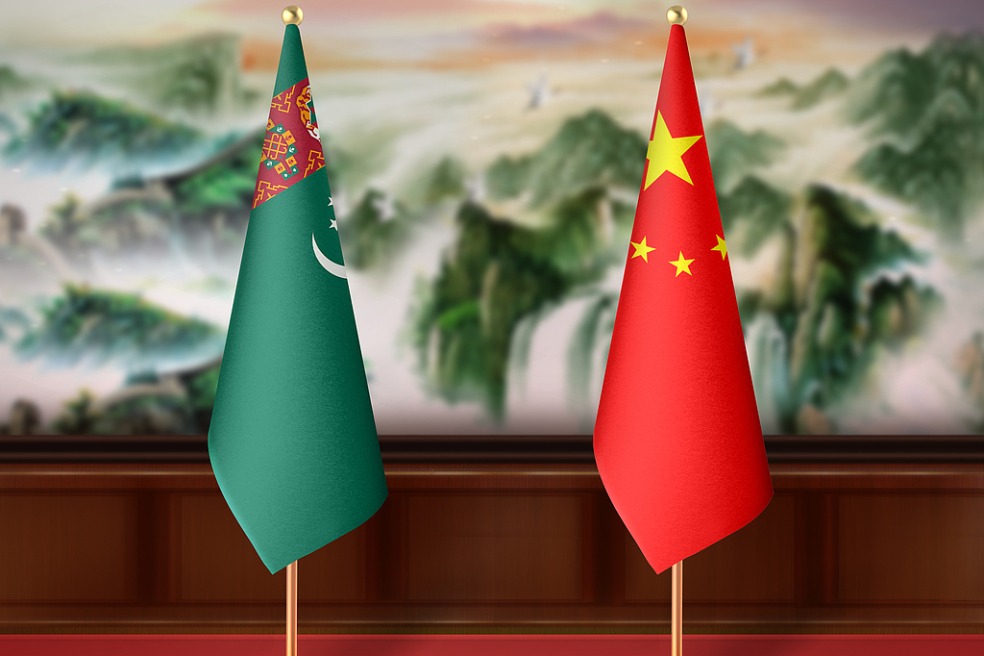
    Chinese President Xi Jinping held a significant diplomatic meeting with Gurbanguly Berdimuhamedov, National Leader of the Turkmen People and Chairman of the Halk Maslahaty of Turkmenistan, in Beijing on Wednesday. The high-level talks marked a substantial step in deepening the comprehensive strategic partnership between the two nations.

    The meeting focused on enhancing bilateral cooperation across multiple sectors, with particular emphasis on energy infrastructure development and regional security coordination. Both leaders exchanged views on implementing previously established agreements while exploring new avenues for economic and technological collaboration.

    President Xi emphasized China’s commitment to the Belt and Road Initiative framework, highlighting Turkmenistan’s crucial role as a key energy partner in Central Asia. The discussions also covered international affairs of mutual concern, with both parties expressing alignment on maintaining regional stability and promoting economic development.

    The engagement represents continued diplomatic momentum following previous high-level exchanges between the two countries. Observers note that strengthened China-Turkmenistan relations contribute to greater economic integration across Central Asia and demonstrate China’s growing diplomatic engagement in the region.

  • Sony removes 135,000 ‘deepfakes’ of its artists’ music

    Sony removes 135,000 ‘deepfakes’ of its artists’ music

    Sony Music has initiated a massive takedown campaign targeting over 135,000 AI-generated deepfake songs fraudulently impersonating its top artists on streaming platforms. The music conglomerate revealed that sophisticated generative AI technology has been weaponized to create counterfeit tracks featuring unauthorized vocal clones of global superstars including Beyoncé, Harry Styles, Queen, Bad Bunny, Miley Cyrus, and Mark Ronson.

    According to Dennis Kooker, President of Sony’s Global Digital Business, these AI forgeries represent a calculated commercial threat that directly harms legitimate artists—particularly during critical album promotion cycles. “In the worst cases, they potentially damage a release campaign or tarnish the artist’s reputation,” Kooker stated, emphasizing that deepfakes exploit artist-driven demand while undermining their creative objectives.

    The scale of this deception is accelerating alongside increasingly accessible AI tools. Sony’s identified 135,000 fraudulent tracks likely represent merely a fraction of the total infiltration across streaming services, with 60,000 detected since March 2025 alone.

    This revelation emerged during Wednesday’s launch of the IFPI’s Global Music Report in London, which highlighted the industry’s paradoxical success amid technological threats. Recorded music revenues grew 6.4% in 2025 to $31.7 billion—marking the eleventh consecutive year of growth largely driven by streaming subscriptions. Taylor Swift dominated as the year’s top artist with her album ‘The Life Of A Showgirl’, while structural market shifts saw China surpass Germany as the world’s fourth-largest music market.

    The event coincided with the UK government’s pivotal decision to abandon plans allowing AI firms to train algorithms on copyrighted material without permission—a move welcomed by IFPI CEO Victoria Oakley as evidence of governments “grappling with squaring creativity protection with innovation encouragement.”

    Beyond deepfakes, the industry confronts streaming manipulation schemes where artificially boosted play counts divert royalties from legitimate artists. IFPI estimates up to 10% of streaming content may be fraudulent, with AI technology having “supercharged” these practices.

    Oakley urged streaming platforms to implement AI-detection tools, citing French service Deezer’s existing system that identifies 34% of submissions as AI-generated. Kooker emphasized that transparency in content origins is essential: “Without proper identification, fans can’t distinguish genuine human creativity from unauthorized AI content, undermining trust and user experience.”

  • China injects stability into turbulent world, experts say

    China injects stability into turbulent world, experts say

    Amid escalating geopolitical tensions and accelerating economic fragmentation, China is systematically providing stability to a volatile global landscape, according to leading experts. The assessment emerged during the Beijing launch of two comprehensive reports compiled by the Institute of World Economics and Politics at the Chinese Academy of Social Sciences on March 17.

    The Annual Report on International Politics and Security (2026) identifies the global shift toward multipolarity as not merely an inevitable trend but an established reality. The report analyzes that current US foreign policy approaches have effectively accelerated this historic transformation. However, researchers caution that multipolarity doesn’t automatically guarantee an equitable international order, noting concerning returns to unilateralism and power politics that threaten global stability.

    Research Fellow Xiao He emphasized China’s growing role in addressing global governance challenges. As traditional international systems face unprecedented pressure, China has demonstrated responsible leadership through initiatives like the Global Governance Initiative, which provides substantive solutions to contemporary governance dilemmas.

    The parallel World Economy Analysis and Forecast (2026) examines serious challenges stemming from geopolitical conflicts and rapid restructuring of global industrial chains. The report identifies artificial intelligence and other revolutionary technologies as dual-edged forces—fostering new growth industries while simultaneously transforming global labor markets and international regulatory frameworks.

    Fellow researcher Gao Lingyun projected global economic growth to slow to 3 percent in 2026 due to combined short-term challenges and profound structural transformations. Within this context, China’s economy is expected to maintain stable expansion, thereby providing crucial stability to worldwide economic recovery efforts.

    Both publications represent systematic analyses of current international dynamics, highlighting China’s increasingly central role in shaping global responses to contemporary challenges through coordinated policy approaches and economic stability.