
Egyptian authorities have initiated a comprehensive search for a priceless 3,000-year-old bracelet that has gone missing from the Egyptian Museum in Cairo. The bracelet, a rare gold band embellished with spherical lapis lazuli beads, dates back to the reign of King Amenemope, a pharaoh of the 21st Dynasty who ruled from 993 to 984 BC. The artifact vanished from the museum’s restoration laboratory, prompting immediate action from the Ministry of Tourism and Antiquities. The case has been handed over to the police, and an image of the bracelet has been distributed to all Egyptian airports, seaports, and land border crossings to prevent any smuggling attempts. A specialized committee has also been formed to conduct a thorough inventory and review of all artifacts in the restoration laboratory. The ministry delayed announcing the disappearance to facilitate the investigation, though it did not specify when the bracelet was last seen. According to the Egyptian newspaper Al-Misri al-Yawm, the disappearance was discovered recently as museum staff were preparing to ship dozens of artifacts to Rome for an upcoming exhibition. The Egyptian Museum, the oldest archaeological museum in the Middle East, houses over 170,000 artifacts, including Amenemope’s gilded wooden funerary mask. This incident occurs just six weeks before the opening of the Grand Egyptian Museum in Giza, which will showcase the treasures from King Tutankhamun’s tomb.
作者: admin
-
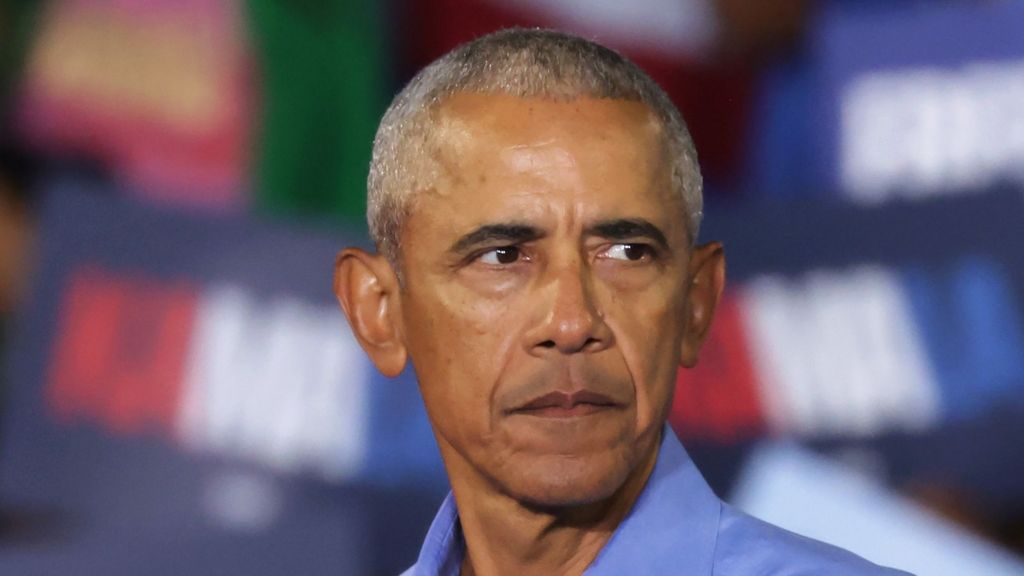
Obama says US faces ‘political crisis’ after killing of Charlie Kirk
Former U.S. President Barack Obama has issued a stark warning about an impending “political crisis of the sort that we haven’t seen before” following the tragic killing of conservative activist Charlie Kirk. Speaking at an event in Pennsylvania on Tuesday, Obama expressed his horror at the incident, despite his disagreements with Kirk’s views. He criticized former President Donald Trump and his allies for their divisive rhetoric, contrasting it with the unifying approaches of past Republican leaders. Obama emphasized the importance of national unity and respecting differing opinions during times of heightened tension. The White House swiftly responded, labeling Obama as the “architect of modern political division.”
Charlie Kirk, 31, was fatally shot while speaking at Utah Valley University on September 10. Tyler Robinson, 22, has been formally charged with Kirk’s murder and other offenses, with prosecutors seeking the death penalty. Robinson allegedly claimed he acted due to Kirk’s “hatred.” In the aftermath, Trump allies blamed left-wing activists and Democratic rhetoric for the killing, while Vice-President JD Vance called for exposing those who celebrated or condoned Kirk’s death.
Obama praised Utah Governor Spencer Cox and Pennsylvania Governor Josh Shapiro for their measured responses to political violence, contrasting them with Trump’s approach. He recalled how past presidents, including George W. Bush, sought to unite the nation during crises. Obama also criticized Trump’s administration for targeting political opponents with inflammatory language, warning of the broader societal implications.
The White House dismissed Obama’s remarks, accusing him of fostering division during his presidency and inspiring Democrats to vilify their opponents. Despite the tradition of former presidents avoiding harsh criticism of their successors, Obama has recently been vocal in his opposition to Trump’s policies and the Democratic Party’s response.
-
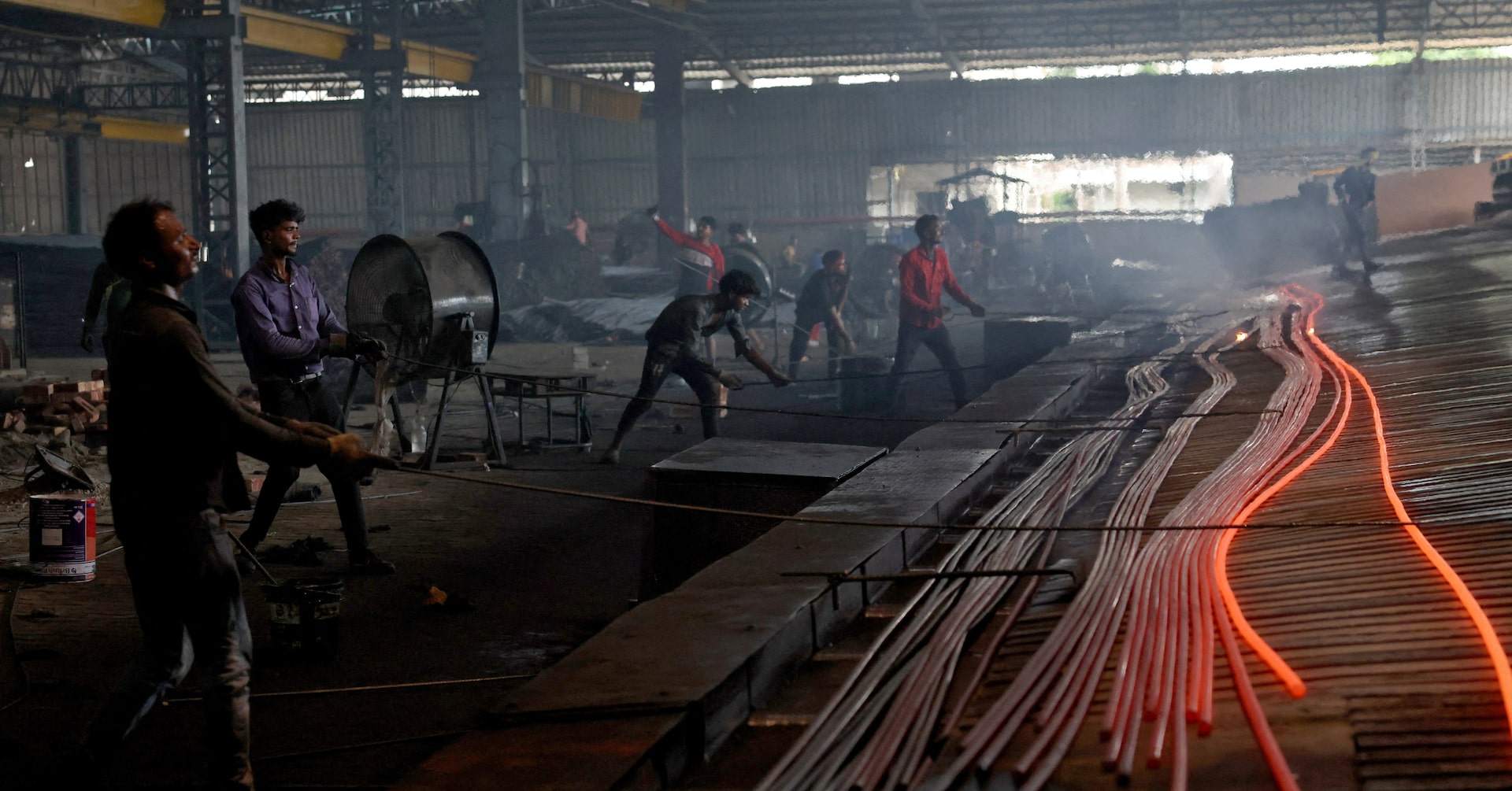
India steel exports face EU carbon tax hit, US tariffs impact minimal, official says
India’s steel sector is bracing for significant challenges from the European Union’s carbon border adjustment mechanism (CBAM), even as it remains largely unaffected by U.S. tariffs, according to Sandeep Poundrik, India’s steel secretary. Speaking at the FT Live Energy Transition Summit India on Wednesday, Poundrik highlighted that approximately two-thirds of India’s steel exports are destined for Europe, making the EU’s carbon tax a critical concern. The CBAM, which imposes higher taxes on high-carbon goods like steel, aluminum, and cement, could severely impact India’s export competitiveness. Poundrik emphasized that Indian steel production, predominantly reliant on blast furnaces with high emissions, faces additional scrutiny as the industry expands its capacity. He also expressed concerns about cheap imports and anticipated government action on import tariffs, known locally as safeguard duty, to protect domestic producers. Last month, India proposed an 11%-12% import tariff on certain steel products to curb shipments from China, the world’s top steel producer. While the U.S. tariffs pose minimal direct impact due to negligible exports, the EU’s carbon tax underscores the urgent need for India to address its carbon-intensive production methods and align with global sustainability standards.
-
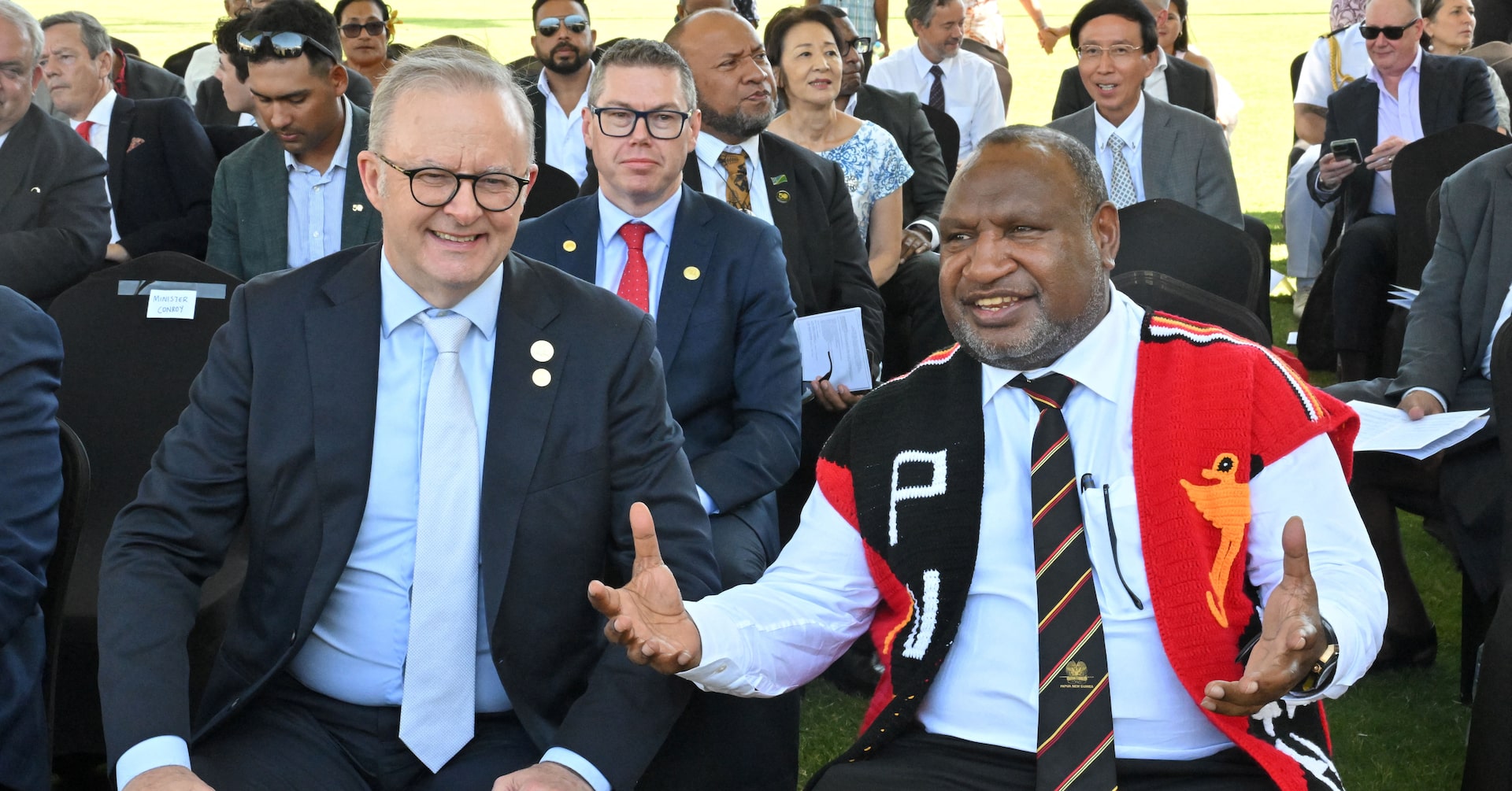
Australia, Papua New Guinea sign communique after mutual defence treaty stalls
In a significant move to bolster regional security, Australian Prime Minister Anthony Albanese and Papua New Guinea (PNG) Prime Minister James Marape convened in Port Moresby on September 16, 2025, to sign a defence communique. This development comes after the postponement of a more comprehensive mutual defence treaty, marking Australia’s second diplomatic challenge in the Pacific region this month. The communique underscores the shared commitment of both nations to enhance defence cooperation, with Marape emphasizing Australia as PNG’s preferred security partner. The treaty, once finalized, will elevate bilateral security ties to a level comparable to Australia’s alliance with the United States, marking the first new defence alliance for Australia in over seven decades. However, the signing of the treaty was delayed due to procedural hurdles within PNG’s cabinet, which failed to reach a quorum for endorsement. This setback follows Australia’s unsuccessful attempt to secure a $500 million security partnership with Vanuatu earlier in September. Amid these developments, Australia is actively countering China’s growing influence in the Pacific, particularly after China’s security pact with the Solomon Islands. Marape reassured that China played no role in delaying the treaty and announced plans for PNG’s Defence Minister to engage with key security partners, including China, the United States, and several Asian nations, to clarify the nature of the agreement. The communique reflects the mutual recognition that an armed attack on either nation would threaten the peace and security of both. Albanese expressed confidence in the treaty’s eventual signing, highlighting its strategic importance for regional stability. Analysts, however, question whether Marape has secured sufficient cabinet support to finalize the deal, adding pressure on both leaders to navigate the complexities of domestic and international politics.
-
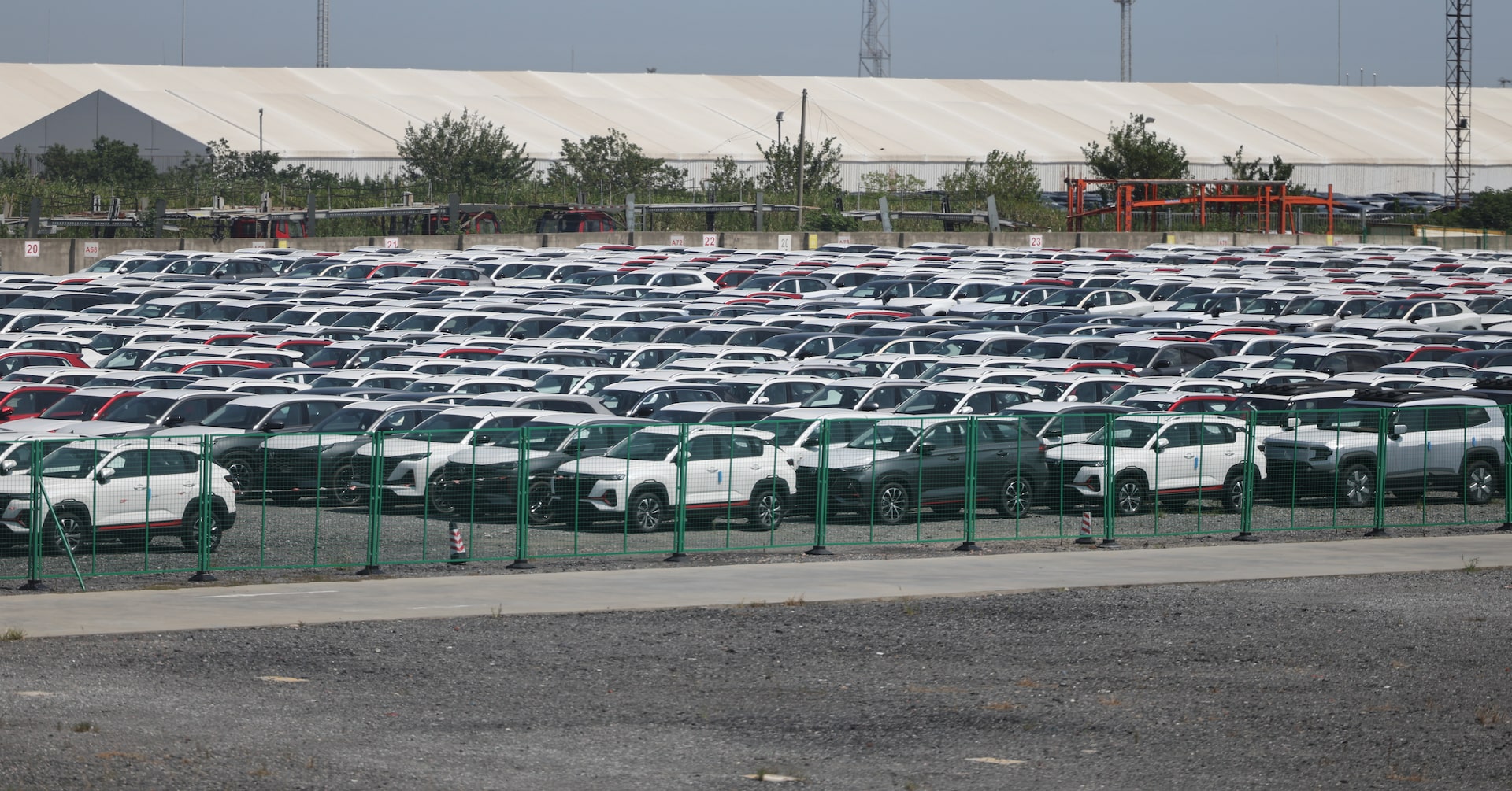
China is sending its world-beating auto industry into a tailspin
In Chengdu, a city of 21 million, a shopping mall showroom offers unprecedented deals on new cars, with discounts as steep as 50%. This is made possible by Zcar, a company that buys vehicles in bulk from automakers and dealerships, capitalizing on China’s oversupplied auto market. The root of this issue lies in years of government subsidies and policies aimed at establishing China as a global automotive leader, particularly in electric vehicles (EVs). While these policies have succeeded in boosting production, they have also led to a glut of vehicles that far exceeds consumer demand.
-
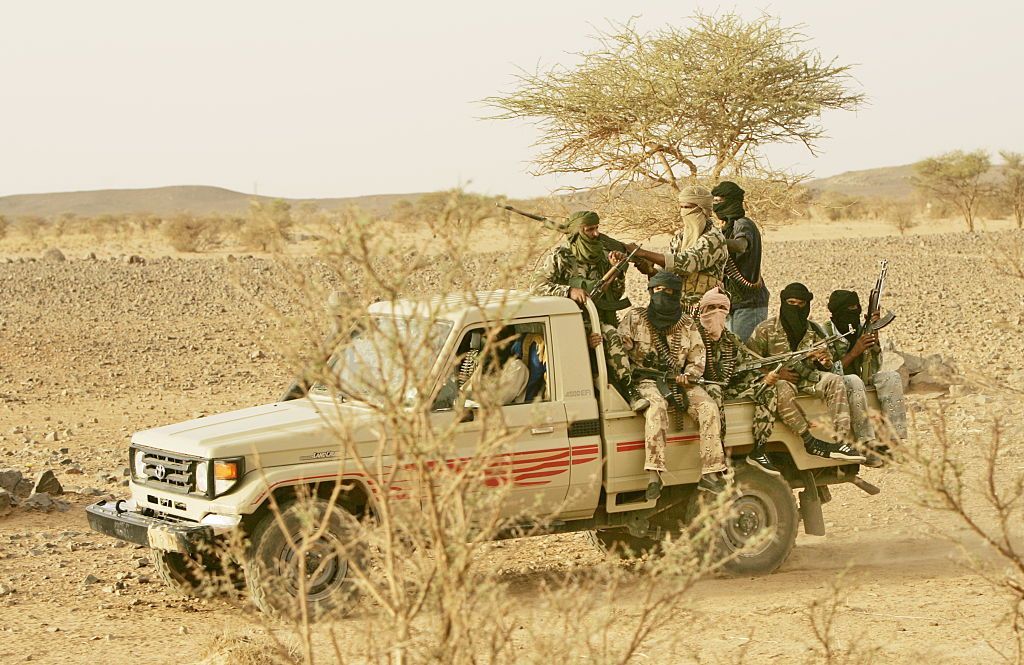
Trucks set ablaze as militants block key Senegal-Mali trade route
Mali’s military government is grappling with a severe crisis as Islamist militants intensify their blockade on major highways, disrupting vital supply chains and threatening the nation’s economic stability. Prime Minister Abdoulaye Maïga acknowledged the gravity of the situation, pledging to bolster security on affected routes. The blockade, orchestrated by al-Qaeda-linked Jama’at Nusrat al-Islam wal-Muslimin (JNIM), has particularly targeted fuel supplies, raising fears of widespread economic paralysis.
-
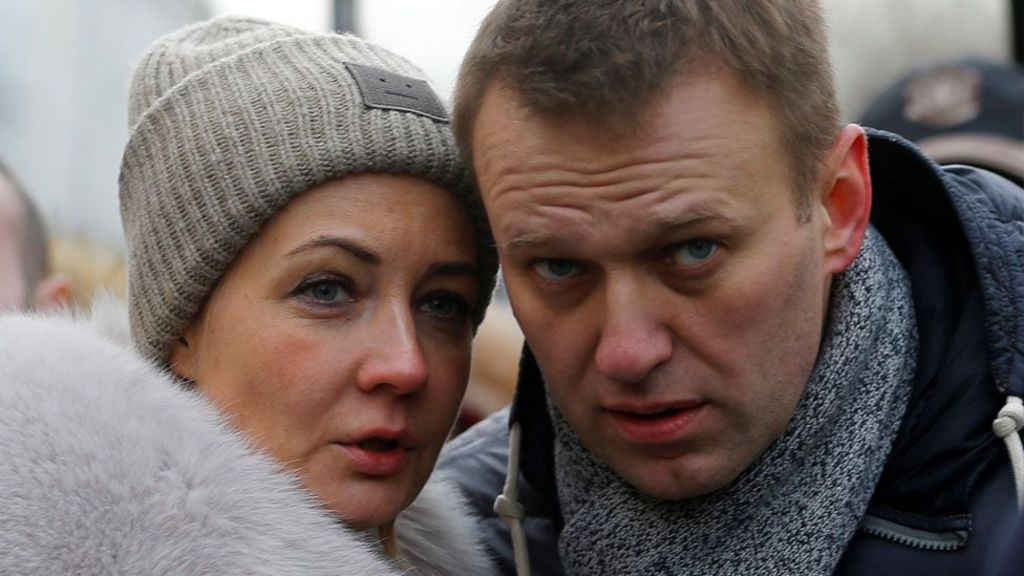
Tests show Navalny was poisoned in jail, his widow says
Yulia Navalnaya, the widow of the late Russian opposition leader Alexei Navalny, has publicly accused the Kremlin of orchestrating her husband’s death through poisoning. In a compelling video statement shared on social media, Navalnaya revealed that independent laboratories in two countries had analyzed smuggled biological samples, concluding that Navalny was murdered. While she did not disclose specific details about the poison or the laboratories involved, she urged them to release their findings publicly, despite what she described as ‘political considerations’ preventing transparency.
Navalny, a prominent anti-corruption activist and fierce critic of President Vladimir Putin, died suddenly on February 16, 2024, while serving a prison sentence in an Arctic penal colony. His death came three years after he was poisoned with a Novichok nerve agent in 2020, an incident that led to his treatment in Germany and subsequent arrest upon his return to Russia. Navalny’s supporters and his Anti-Corruption Foundation (FBK) have consistently alleged that the Russian government was complicit in his demise.
Navalnaya recounted her husband’s final days, citing testimonies from penal colony employees. She described how Navalny fell ill during a walk, suffered convulsions, and vomited before collapsing in his cell. Despite his visible distress, an ambulance was not called until 40 minutes later, and he died shortly thereafter. Prison authorities initially attributed his death to ‘sudden death syndrome,’ while state investigators later cited a medical condition and arrhythmia.
Navalny’s associates have shared previously unseen images of his cell and the exercise yard where he spent his last moments. Navalnaya, who faces potential arrest herself, vowed to continue seeking justice, declaring, ‘I affirm that Vladimir Putin is guilty of killing my husband.’ She also emphasized Navalny’s role as a symbol of hope for a better future in Russia, a sentiment echoed by the thousands who attended his funeral in Moscow despite government warnings.
The Kremlin has remained largely silent on the matter, with spokesman Dmitry Peskov claiming unawareness of Navalnaya’s statements. President Putin briefly acknowledged Navalny’s death a month later, describing it as a ‘sad event’ and revealing that a prisoner swap involving Navalny had been considered but was ultimately abandoned. Navalny’s death has left a void in Russia’s opposition movement, with many of his associates either imprisoned or in exile, and civil society increasingly suppressed under punitive laws enacted after Russia’s invasion of Ukraine in 2022.
-

Landslides after heavy rain in northern India kill 15, several missing
At least 15 people have lost their lives, and 16 remain missing after devastating landslides and torrential rains struck Uttarakhand, a Himalayan state in India, on Tuesday. The calamity, which unfolded in the district of Dehradun, left a trail of destruction, with muddy floodwaters inundating the town of Sahastradhara. Shops, roads, and homes were obliterated, forcing residents to seek refuge behind walls. One distraught local, whose identity remains undisclosed, recounted the harrowing experience of losing his shop, one of seven swept away in a local market. ‘There is no sign of them,’ he lamented in an interview with the ANI news agency. Authorities recovered 13 bodies from Dehradun and one each from Pithoragarh and Nainital districts, according to reports from the Indian Express. Uttarakhand, a region frequently besieged by floods and landslides, faces increasing vulnerability attributed to climate change by experts. This tragedy follows a similar incident in August, when floodwaters and mudslides ravaged the village of Dharali, leaving over 60 individuals unaccounted for. The recurring disasters underscore the urgent need for climate resilience and disaster preparedness in the region.
-
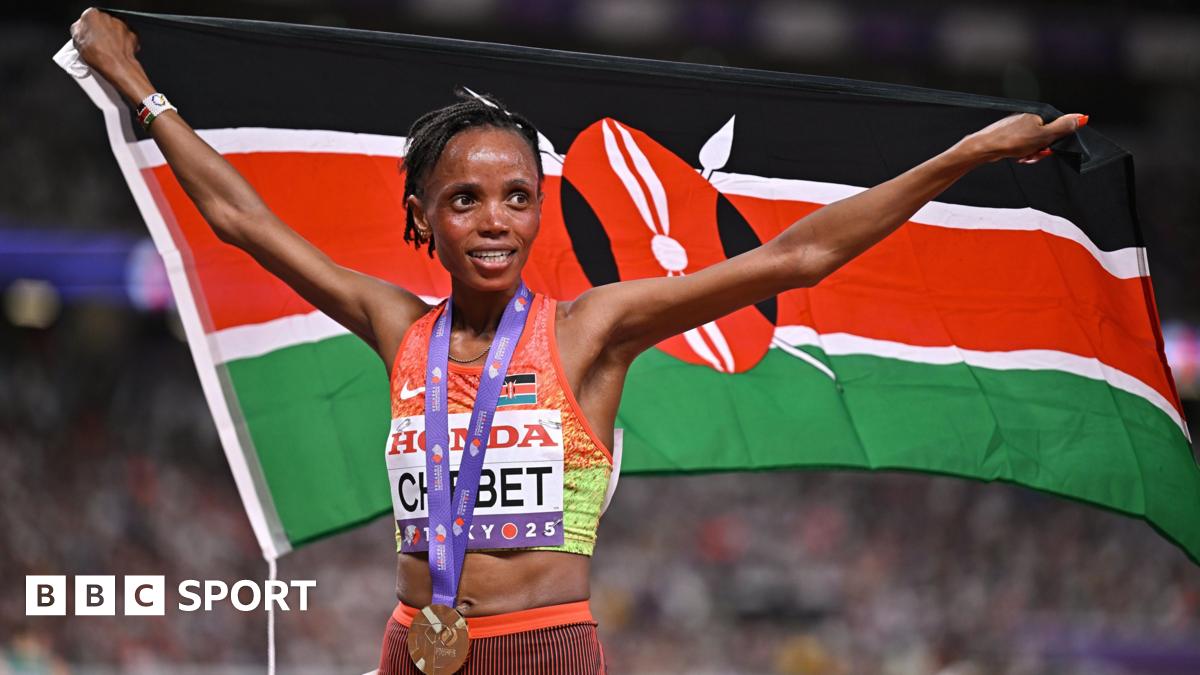
Chebet focused on ‘crazy dream’ of historic double in Tokyo
Beatrice Chebet, the Kenyan long-distance sensation, has etched her name in the annals of athletics history by securing her first World Championship title in the 10,000m event in Tokyo. Despite an illustrious career that boasts two Olympic gold medals, a Commonwealth Games title, and two World Cross Country crowns, Chebet had never stood atop the podium at the World Championships until now. Her victory on the opening day of the competition marks a significant milestone in her career.
-

Japan’s SBI Shinsei Bank looking at tokenised deposits for cross-border transactions
TOKYO, Sept 17 (Reuters) – SBI Shinsei Bank, a subsidiary of SBI Holdings, announced on Wednesday its plans to explore the introduction of tokenised deposit payment services tailored for corporate clients. This initiative aims to facilitate faster and more cost-effective cross-border transactions. The bank has entered into a strategic agreement with DeCurret DCP, the provider of Japan’s DCJPY tokenised deposit platform, to evaluate the establishment of this service using Partior’s multicurrency settlement platform for digital money, based in Singapore.