作者: admin

  • Nasa’s Moon rocket Artemis rolls back to pad for possible April launch

    Nasa’s Moon rocket Artemis rolls back to pad for possible April launch

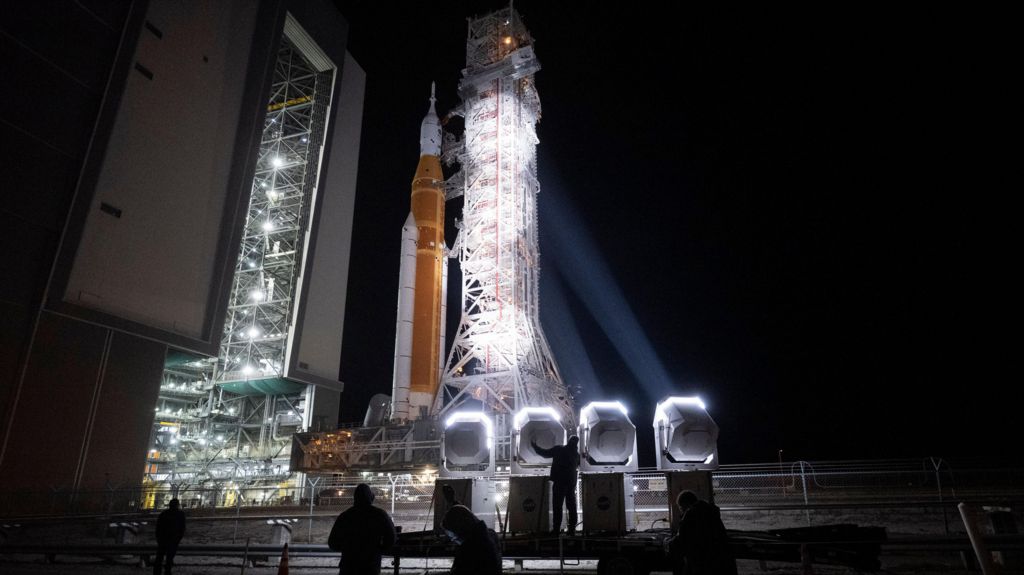
    NASA has initiated the meticulous transport of its colossal Space Launch System (SLS) rocket for a second rollout to Launch Pad 39B at Florida’s Kennedy Space Center. This critical maneuver follows extensive repairs to resolve a technical issue that previously halted launch preparations.

    The 98-meter (322-foot) rocket, paired with the Orion spacecraft, embarked on its slow four-mile journey from the Vehicle Assembly Building (VAB) to the coastal launch complex. The massive Crawler-Transporter-2, a veteran NASA vehicle dating back to 1965, carries the approximately 5,000-tonne assembly at a deliberate pace not exceeding 1 mph. This cautious speed minimizes structural stress on the multi-billion dollar system during transit.

    Engineering teams recently completed repairs addressing a helium system malfunction in the rocket’s upper stage that forced the mission’s postponement in March. Specialists working within the VAB replaced suspect components and renewed batteries in critical systems before conducting comprehensive retests.

    Upon reaching the launch pad, technicians will perform several days of verification procedures including reconnecting the launch tower, conducting pressure tests on the revised helium system, and executing simulated countdown sequences using the actual flight computers and networks.

    The Artemis II mission represents humanity’s first crewed lunar flyby in over five decades, featuring astronauts Reid Wiseman, Victor Glover, Christina Koch, and Jeremy Hansen. The crew has entered pre-flight quarantine protocols and will participate in final rehearsals at Kennedy Space Center as NASA targets early April launch opportunities beginning April 1st.

    Mission managers will review all test data before making a final launch decision. If successful, this ten-day mission will orbit the Moon’s far side before returning to Earth, paving the way for subsequent Artemis missions including planned lunar surface landings.

  • Fire at South Korean auto parts factory injures at least 53

    Fire at South Korean auto parts factory injures at least 53

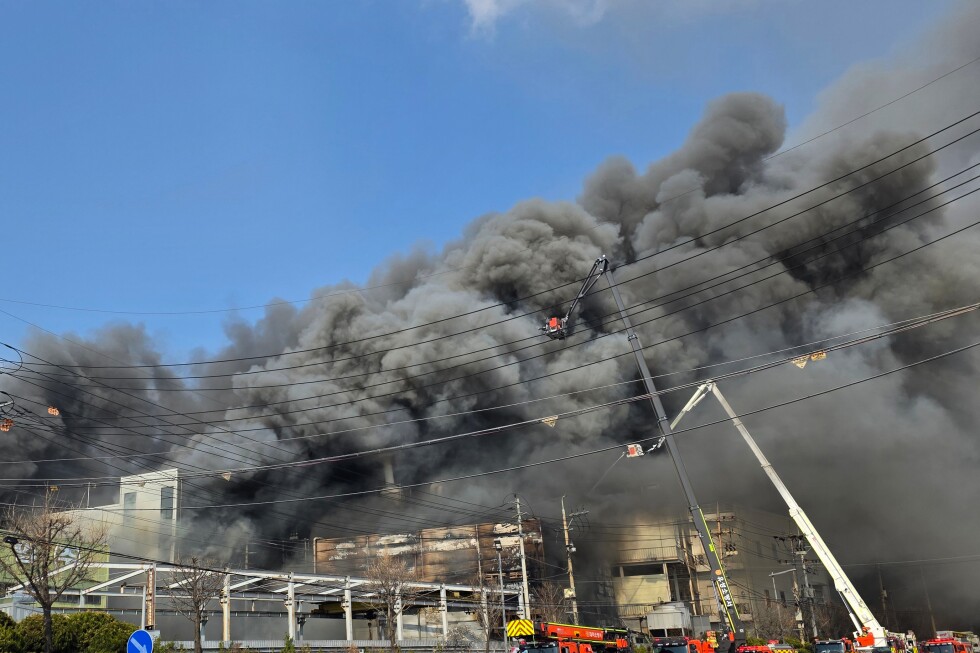
    A major industrial fire erupted at an automotive components manufacturing facility in Daejeon, South Korea, on Friday afternoon, resulting in significant casualties and prompting a large-scale emergency response. The incident, which occurred at approximately 1:17 p.m. local time, has left at least 53 individuals injured, with 24 sustaining serious wounds, according to Daedeok District Fire Chief Nam Deuk-woo.

    Emergency authorities continue search operations for 14 individuals potentially trapped within the facility, utilizing mobile signal tracking technology to locate missing personnel. While officials have not confirmed any life-threatening conditions among the injured, witness accounts describe a rapid escalation of the blaze accompanied by what sounded like an explosion, leading to dense gray smoke enveloping the industrial complex.

    The structural integrity of the affected building has been severely compromised, preventing firefighting teams from entering due to collapse risks. Response efforts have prioritized containing the fire’s spread to adjacent facilities and securing hazardous chemicals present on-site.

    Injury patterns reveal varied trauma mechanisms, with some victims suffering from smoke inhalation while others sustained injuries from emergency building evacuations. The incident has mobilized substantial resources, including over 250 emergency personnel and approximately 100 specialized vehicles deployed to the scene.

    South Korean President Lee Jae Myung has ordered full mobilization of all available personnel and equipment to support containment and rescue operations. The cause of the fire remains under investigation by authorities, who have not yet determined the exact sequence of events that led to the rapid propagation of the blaze.

  • Matildas battle Japan in do-or-die Asian Cup final to chase ‘once in a lifetime’ glory

    Matildas battle Japan in do-or-die Asian Cup final to chase ‘once in a lifetime’ glory

    Australian football stands on the precipice of history as the Matildas prepare for their decisive Women’s Asian Cup final confrontation against Japan at Sydney’s Olympic Stadium. The championship match represents more than mere silverware—it symbolizes the culmination of a sixteen-year quest for major tournament glory for Australia’s celebrated golden generation of women’s footballers.

    The pathway to Saturday’s final saw Australia narrowly overcome reigning champions China 2-1 in a tense semi-final encounter, while Japan delivered a commanding 4-1 victory against South Korea, setting the stage for a classic tactical showdown between two footballing powerhouses.

    Defender Ellie Carpenter articulated the team’s profound motivation, characterizing the occasion as a “once in a lifetime opportunity” for squad members approaching the twilight of their international careers. “It’s been 16 years since we lifted that trophy,” Carpenter reflected. “This will probably be the last semi-final we play on home soil in a major tournament. For us footballers, we want to inspire the next generation and we did that at the World Cup—this is another opportunity for us tomorrow.”

    Head coach Joe Montemurro emphasized the significance beyond athletic achievement, noting: “It’s a real important point for football but also for an amazing generation of players that have an opportunity that they have worked so hard for. I am so excited for them but more importantly for the nation and what it means.”

    The final is anticipated to draw a capacity crowd to the 83,000-seat Olympic Stadium, though ticketing availability scans revealed remaining vacancies hours before kickoff. This follows scrutiny of attendance figures during the Perth semi-final, where 35,170 spectators populated a stadium designed for 60,000, creating visual gaps in broadcasting coverage.

    Montemurro dismissed underdog narratives ahead of the final, asserting: “There are no favorites in the final. Japan seem to find solutions in whatever situation you throw at them. As much of a great team as they are, they do have a couple of weaknesses. If we find some continuity and some rhythm with the ball we could do some good things in the game.”

    The absence of captain Sam Kerr from pre-match media engagements raised eyebrows, but Montemurro assured journalists the team was “sharing the love” with press responsibilities and confirmed Kerr’s full fitness and readiness.

    Transport NSW advised spectators to utilize complimentary public transportation included with match tickets, anticipating significant congestion from concurrent sporting events including the GWS Giants versus St Kilda AFL match at nearby ENGIE Stadium.

    Meteorological conditions may introduce additional challenges, with forecasts predicting intermittent showers throughout Saturday and potential afternoon thunderstorms.

    Victory would provide crucial momentum building toward next year’s FIFA Women’s World Cup in Brazil, cementing the Matildas’ legacy while inspiring future generations of Australian football talent.

  • The war in Iran raises pressure on Ukraine while Russia prepares new offensives

    The war in Iran raises pressure on Ukraine while Russia prepares new offensives

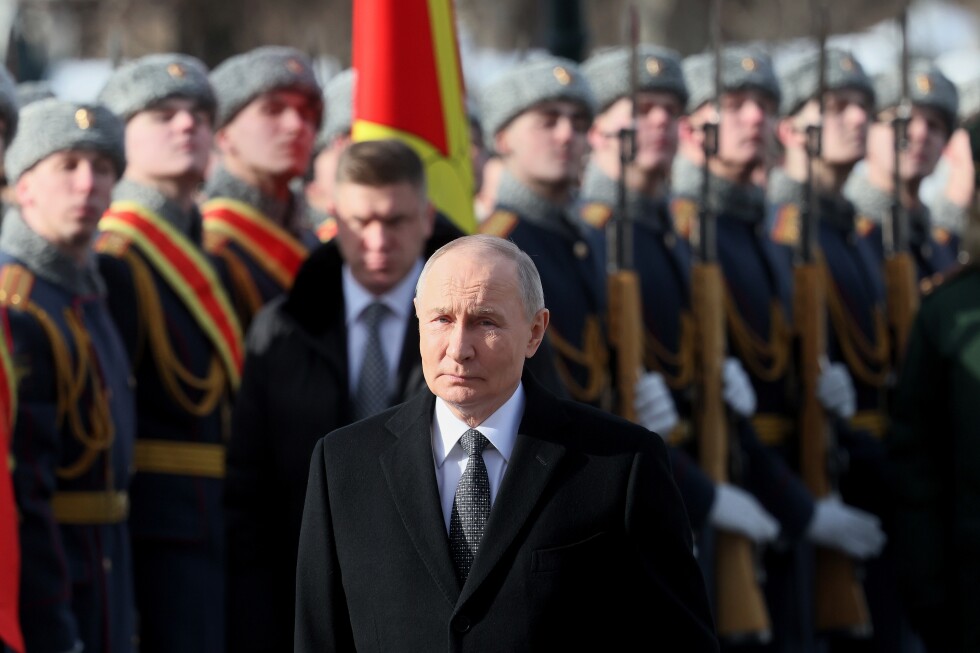
    As U.S.-mediated peace negotiations remain suspended amid Middle Eastern hostilities, Russian President Vladimir Putin appears poised to intensify military operations against Ukraine. This strategic shift occurs amid growing fractures within Western alliances and concerns over diverted military resources.

    Russia’s war economy is experiencing unexpected financial reinforcement from surging global oil prices, substantially bolstering Moscow’s military budget. Concurrently, U.S. air defense capabilities face significant strain from Iranian attacks in the Gulf region, raising alarms about depleted resources available for Ukrainian support during the fifth year of sustained conflict.

    European allies have reiterated commitments to sustain assistance, yet internal disputes over a crucial €90 billion European Union loan package reveal deepening challenges in maintaining unified support. The refusal of NATO members to deploy naval assets to secure the Strait of Hormuz has provoked strong criticism from President Donald Trump, exposing additional geopolitical fissures with potential consequences for Ukrainian defense efforts.

    Ukrainian President Volodymyr Zelenskyy has attempted to maintain Washington’s engagement by offering military expertise in countering Iranian drone technology, deploying over 200 specialists to the Gulf. This overture has been dismissed by Trump, who asserted that American forces require no assistance from Kyiv.

    Military analysts indicate Russian forces are preparing for renewed offensive operations across the 1,200-kilometer front line. The Institute for the Study of War reports intensified artillery barrages and drone attacks aimed at weakening Ukrainian defenses before anticipated ground assaults. Russian objectives reportedly include securing remaining Ukrainian-held territories in Donetsk and establishing bridgeheads toward key industrial centers.

    Ukrainian forces have launched counteroffensives in Dnipropetrovsk and Zaporizhzhia regions, successfully complicating Russian operational planning. According to assessments, these tactical victories force Moscow to choose between defensive responses and allocating resources for planned offensive operations elsewhere along the front.

    The nature of combat has evolved from initial rapid maneuvers to protracted attrition warfare characterized by small-unit engagements in urban environments. Drone surveillance has limited large-scale troop movements, while Russia has increasingly employed long-range strikes against Ukrainian energy infrastructure.

    Personnel recruitment presents challenges for both nations. Following Russia’s unpopular mobilization of 300,000 reservists, military planners have shifted toward volunteer recruitment and foreign fighters attracted by financial incentives. Current estimates suggest approximately 700,000 troops are engaged on each side.

    Peace negotiations remain stalled with fundamental disagreements persisting. Moscow demands Ukrainian withdrawal from four annexed regions, NATO membership renunciation, military reduction, and cultural concessions. Kyiv insists on ceasefire arrangements with security guarantees and maintains territorial integrity claims.

    European nations accuse Russia of deliberately prolonging negotiations while pursuing military advantages, though Moscow rejects European participation in peace talks. Kremlin officials have stated they would consider European monitoring forces as legitimate targets.

    Analyst Sam Greene of King’s College London characterizes Moscow’s strategy as engaging Washington sufficiently to prevent Ukrainian military advantages while keeping European involvement minimized without enabling substantive diplomatic progress.

    The U.S. has granted Russia temporary sanctions waivers for oil shipments already in transit, drawing criticism from European and Ukrainian officials. Trump has increasingly portrayed Zelenskyy as obstructing potential peace agreements, claiming Putin demonstrates greater readiness for diplomatic resolution.

    Zelenskyy has expressed growing concern that Middle Eastern conflicts are negatively impacting Ukraine’s military position, noting postponed negotiations, Russian financial benefits from elevated oil prices, and potential shortages of critical air defense systems including Patriot missiles.
  • What to know about Denmark’s election that follows a standoff with the US over Greenland

    What to know about Denmark’s election that follows a standoff with the US over Greenland

    Danish citizens are preparing to cast their votes in a consequential general election that will determine the nation’s leadership for the coming four-year term. This political contest emerges against the backdrop of a notable diplomatic confrontation with former U.S. President Donald Trump regarding Greenland’s status within the Danish realm.

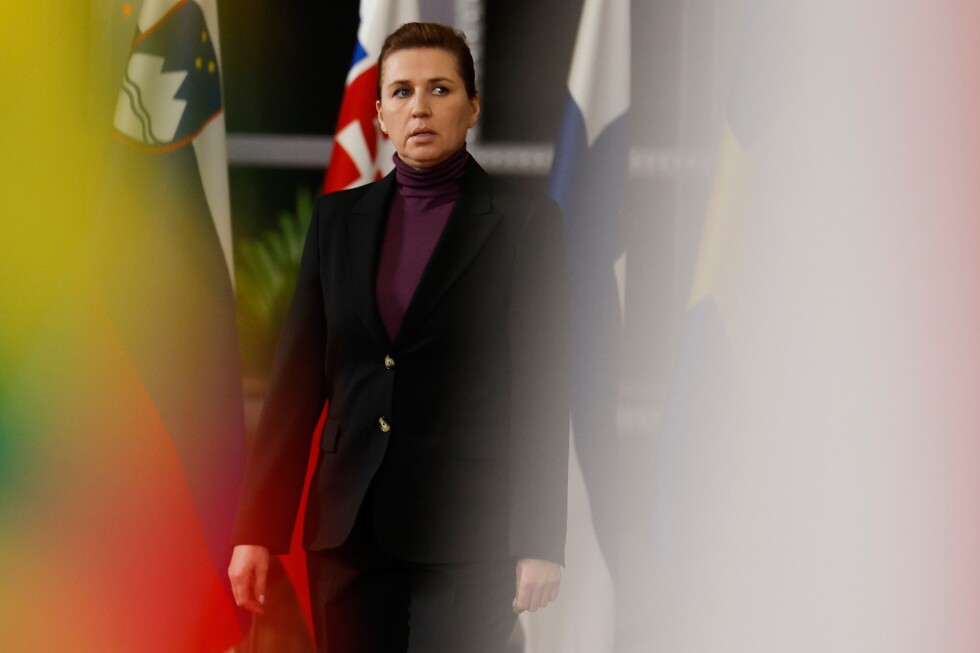
    Prime Minister Mette Frederiksen, strategically timing the election announcement last month, appears to be capitalizing on her firm handling of the Greenland territorial dispute. The 48-year-old Social Democratic leader, who has governed since 2019, seeks an unprecedented third consecutive term. Her administration has garnered international recognition for steadfast support of Ukraine against Russian aggression while maintaining restrictive immigration policies.

    Despite facing declining popularity due to rising living costs, Frederiksen experienced a resurgence in polling numbers following her government’s navigation of the Greenland crisis. The situation escalated in January when Trump briefly threatened tariffs against European nations opposing U.S. sovereignty claims over the Arctic territory.

    Election analyst Kasper Møller Hansen from the University of Copenhagen predicts Frederiksen will likely retain power, though potentially with her party’s weakest performance yet, possibly falling short of their 2022 vote share of 27.5% while maintaining first place.

    The prime minister faces challenges from center-right opponents, including Defense Minister Troels Lund Poulsen’s Liberal Party and Alex Vanopslagh’s Liberal Alliance, which advocates for tax reduction, bureaucratic simplification, and nuclear energy adoption. However, Vanopslagh’s admission of past cocaine use may undermine his campaign.

    Immigration policy remains a heated issue, with Frederiksen proposing stricter measures including an “emergency brake” on asylum applications and enhanced deportation protocols for convicted foreign nationals. Denmark received only 1,961 asylum applications last year, dramatically fewer than the 21,000 processed during the 2015 migration crisis.

    Domestic concerns including cost of living, pension reforms, and even agricultural policy regarding pig production levels have emerged as unexpected campaign issues. The left-wing Alternative party advocates for substantial reductions in animal production and improved welfare standards.

    The election will also test Greenland’s political leadership, where Prime Minister Jens-Frederik Nielsen faces governance challenges after coalition fractures emerged during the campaign period.

    Voters will elect representatives to the 179-seat Folketing, including two seats each from Greenland and the Faroe Islands. With over 4.3 million eligible voters, high participation is anticipated, building upon the 84.2% turnout recorded in the 2022 election.

  • High oil prices knock down stocks and erase Wall Street’s hopes for a cut to interest rates

    High oil prices knock down stocks and erase Wall Street’s hopes for a cut to interest rates

    Wall Street experienced a significant downturn on Friday as escalating oil prices and shifting Federal Reserve policy expectations rattled investors. The S&P 500 declined 1.5%, marking its fourth consecutive weekly decline—the longest such streak in twelve months. The Dow Jones Industrial Average dropped 443 points (1%) while the Nasdaq composite tumbled 2% amid broad-based selling pressure.

    The market deterioration accelerated alongside a sharp reversal in oil markets. Brent crude, the international benchmark, surged 3.3% to settle at $112.19 per barrel, while U.S. benchmark crude gained 2.3% to reach $98.32. Concurrently, Treasury yields jumped substantially, with the 10-year yield climbing to 4.38% from 4.25% just a day earlier—representing a dramatic increase from the 3.97% level observed before recent geopolitical tensions.

    According to CME Group data, traders have virtually eliminated bets on Federal Reserve rate cuts for 2024, with some market participants now pricing in potential rate hikes by 2026—a scenario considered highly improbable before recent developments. This paradigm shift reflects growing concerns that prolonged energy price inflation might force central banks to maintain restrictive monetary policies.

    Ann Miletti, Head of Equity Investments at Allspring Global Investments, noted that sustained elevated oil prices could ultimately dampen economic activity sufficiently to prevent Fed tightening. However, she warned that if current conditions persist for three months, investor caution would increase substantially as businesses struggle to adapt to suddenly higher energy costs.

    The selling pressure affected approximately 75% of S&P 500 constituents, with small-cap stocks particularly impacted. The Russell 2000 index fell 2.3%, reflecting heightened sensitivity to interest rate expectations among smaller companies. Super Micro Computer plummeted 33.3% following allegations against company executives regarding unauthorized technology transfers, though FedEx gained 0.8% after reporting stronger-than-expected quarterly earnings.

    Globally, European and Asian markets followed Wall Street lower, while gold prices declined to $4,574.90 per ounce—further challenging its traditional status as a safe-haven asset during periods of market uncertainty.

  • Trio charged over alleged plot to smuggle Nvidia chips from US to China

    Trio charged over alleged plot to smuggle Nvidia chips from US to China

    Federal authorities have unsealed charges against three technology industry figures accused of orchestrating a sophisticated scheme to illegally export advanced American artificial intelligence chips to China, circumventing strict export controls through an elaborate system of dummy equipment and falsified documentation.

    The Department of Justice announced Thursday the arrest of Yih-Shyan ‘Wally’ Liaw, a U.S. citizen and Senior Vice President of Business Development at California-based Super Micro Computer, along with Taiwanese citizen Ting-Wei ‘Willy’ Sun. A third individual, Ruei-Tsang ‘Steven’ Chang, also from Taiwan, remains at large according to federal authorities.

    The defendants allegedly conspired with an unidentified Southeast Asian company, referred to as Company-1 in court documents, to divert Nvidia-made semiconductors—highly coveted AI chips subject to stringent export restrictions—to Chinese brokers. The sophisticated operation involved placing orders for servers containing restricted technology while fabricating records to indicate Company-1 as the intended end user.

    Instead, the conspirators allegedly repackaged servers with assistance from a logistics firm, concealing them in unmarked containers before shipment to China. The operation utilized thousands of replica ‘dummy’ servers designed to resemble legitimate equipment during audits, while the actual restricted technology had already been illegally exported.

    Surveillance footage reportedly captured Sun using hair dryers to remove and reapply labels and serial number tags between genuine server boxes and their replica counterparts. The Justice Department estimates Company-1 purchased approximately $2.5 billion worth of equipment, shipping ‘massive quantities of servers with controlled U.S. artificial intelligence technology’ to China without proper authorization.

    Super Micro Computer, a publicly-traded technology equipment supplier, confirmed the individuals’ association with the company while emphasizing its cooperation with investigators. The firm placed Liaw and Chang on administrative leave and terminated its contract with Sun, stating the alleged conduct violated company policies and export compliance controls.

    This case emerges alongside a separate investigation involving two Chinese nationals arrested in August 2025 for illegally shipping millions of dollars worth of Nvidia chips to China through Malaysian and Singaporean intermediaries. The ongoing enforcement actions highlight heightened concerns about technology transfer to China amid national security considerations.

    Nvidia, whose advanced semiconductors power most artificial intelligence applications, maintains rigorous compliance programs according to company representatives. The chipmaker emphasized it provides no support for unlawfully diverted systems and collaborates closely with government agencies on export control enforcement.

  • Robert Alan Gee jailed for 13 years for violently shaking five-week-old baby Michael Willmot to death in caravan park

    Robert Alan Gee jailed for 13 years for violently shaking five-week-old baby Michael Willmot to death in caravan park

    In a landmark sentencing at Brisbane Supreme Court, Robert Alan Gee has been handed a 13-year prison term for the 2021 manslaughter of five-week-old Michael Willmot. The tragic incident occurred when Gee, left alone with the infant at a Daisy Hill caravan park in Logan, violently shook the crying baby before throwing him onto a couch, causing catastrophic brain injuries.

    Justice Martin Burns delivered the sentence on Friday as Gee remained emotionless, dressed casually in T-shirt and shorts. The court heard how Gee—who was not the biological father—had been overcome with frustration during the brief period of supervision, leading to the fatal assault.

    Compounding the tragedy, medical attention was not sought in the subsequent days as Michael’s condition deteriorated. The infant’s mother, Kristie Lee Willmot, had left him in Gee’s care for less than an hour while obtaining drugs. She previously received a four-year suspended sentence for her role in the manslaughter and child cruelty charges, having failed to seek immediate medical assistance due to fears of child protection intervention.

    Family spokesperson Malliree Reilly, Michael’s godmother, expressed relief at the sentencing outcome outside court, stating the family was “happy that this person is off the streets.” She revealed concerns about Gee’s criminal history and called for greater awareness regarding violent offenders in community settings. The family continues to honor Michael’s memory as a “very sweet, beautiful baby boy” while advocating for improved child protection measures.

  • Political tug of war over Iranian women’s soccer team prompts criticism in Australia

    Political tug of war over Iranian women’s soccer team prompts criticism in Australia

    A high-stakes diplomatic confrontation between Iran, the United States, and Australia regarding seven members of Iran’s women’s soccer team has culminated with the majority returning to Tehran while two players remain in Australia under protection visas.

    The controversial episode began when five team members initially accepted asylum offers in Australia following their elimination from the Women’s Asian Cup tournament. Within days, however, all but two players reversed their decisions and rejoined their team in Kuala Lumpur before ultimately returning to Iran.

    Refugee advocates have criticized the handling of the situation, arguing that political posturing overshadowed the welfare concerns of the athletes. Graham Thom of the Refugee Council of Australia described the outcome as ‘far from ideal,’ noting concerns about whether the women received adequate independent legal counsel during the rushed process.

    The situation escalated into an international spectacle when U.S. President Donald Trump publicly intervened via social media, urging Australia to grant asylum and personally discussing the matter with Australian Prime Minister Anthony Albanese. This highly public approach marked a departure from Australia’s traditional practice of handling asylum claims discreetly.

    Iranian officials claimed victory in what they characterized as a propaganda battle, with Foreign Ministry spokesman Esmaeil Baghaei accusing Australian authorities of coercing the women into signing visa documents under false pretenses. Australia has denied applying pressure on the athletes regarding their stay or departure.

    Experts suggest the women’s initial silent protest during the national anthem—a gesture that attracted global attention—unintentionally transformed them into symbols of resistance, drawing them into a geopolitical conflict between opposing powers. The reasons behind the five players’ decision to return remain undisclosed, though concerns about potential threats to family members in Iran have been raised by advocates.

    The two remaining players, Fatemeh Pasandideh and Atefeh Ramezanisadeh, continue to receive Australian government support while the returned athletes were met with an official welcome ceremony in Iran, where midfielder Fatemeh Shaban publicly expressed happiness about returning to her homeland.

  • Netanyahu says Iran no longer able to enrich uranium, produce missiles

    Netanyahu says Iran no longer able to enrich uranium, produce missiles

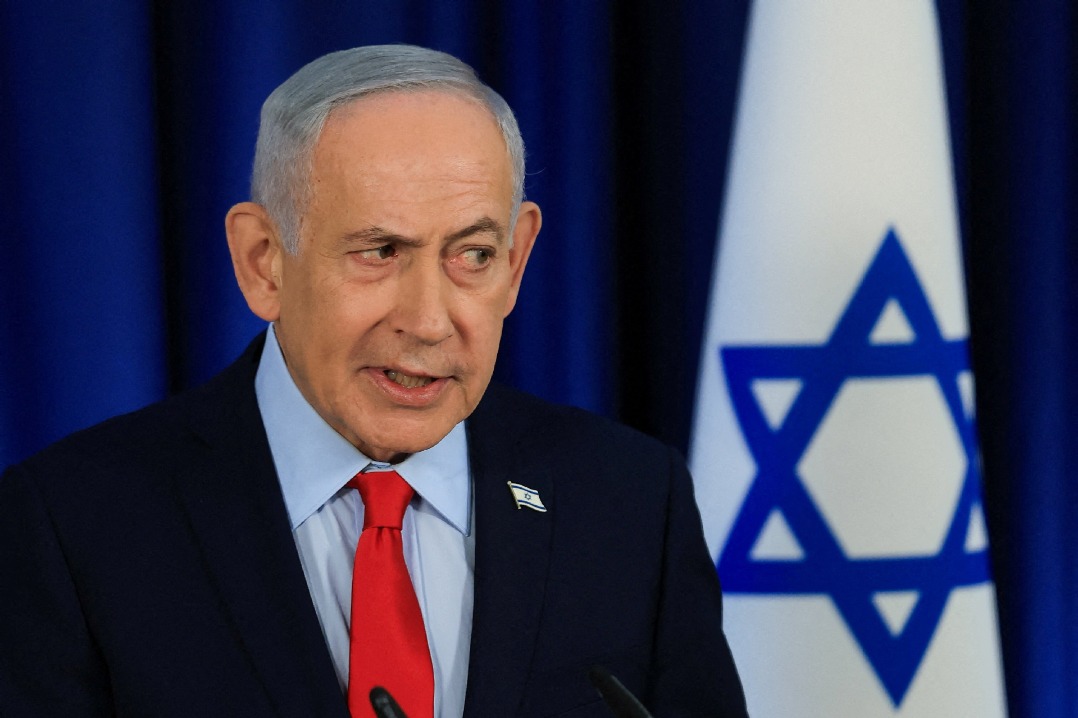
    Israeli Prime Minister Benjamin Netanyahu made a significant declaration during a Thursday press conference, stating that Iran has been effectively stripped of its uranium enrichment capabilities and missile production infrastructure. This announcement comes in the wake of coordinated military operations between Israel and the United States targeting Iranian strategic assets.

    Netanyahu outlined that the dismantling of Iran’s nuclear and missile programs constituted two primary objectives of the joint campaign. The third stated goal—regime change in Tehran—remains contingent upon the will of the Iranian population, according to the Israeli leader.

    The Prime Minister addressed Wednesday’s Israeli strike on an Iranian natural gas facility in the Persian Gulf, confirming earlier statements by former U.S. President Donald Trump that Israel had not provided advance notification to Washington regarding the operation. This revelation highlights the complex coordination dynamics between the two allied nations.

    In a notable concession to diplomatic relations, Netanyahu acknowledged complying with President Trump’s request to suspend further military actions against Iranian targets. “President Trump asked us to hold off on future attacks, and we’re holding it,” Netanyahu stated during the briefing.

    The Israeli leader further revealed the extent of the allied military success, claiming that combined U.S. and Israeli operations had resulted in the complete destruction of Iran’s naval presence in the Caspian Sea. This development represents a substantial blow to Iran’s regional military capabilities and strategic positioning.

    The statements come amid ongoing tensions in the Middle East and reflect the continuing strategic partnership between Israel and the United States in countering Iranian influence and military development in the region.