作者: admin

  • Somali children are ‘on the edge’ as hunger spreads. UNICEF says Iran war has worsened the crisis

    Somali children are ‘on the edge’ as hunger spreads. UNICEF says Iran war has worsened the crisis

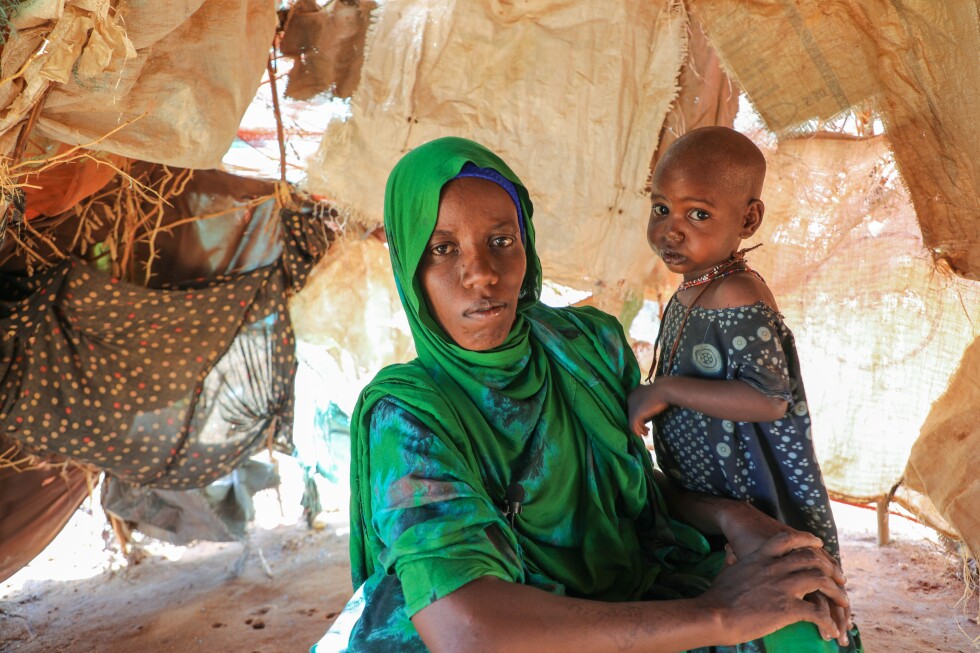
    In the dust-blown outskirts of Dollow, southern Somalia, the Ladan displacement camp embodies a silent catastrophe. Here, the absence of crying children signals profound distress—the most severely malnourished lack even the energy to weep. Thousands of households, having fled a historic drought that decimated four consecutive rain seasons, now inhabit fragile shelters of plastic and torn fabric, their agricultural livelihoods obliterated.

    This humanitarian disaster has been critically intensified by geopolitical turmoil thousands of kilometers away. Aid workers report that conflict in the Middle East has triggered severe supply chain disruptions and sent fuel costs skyrocketing, creating what UNICEF Executive Director Catherine Russell termed a ‘shock to the system’ during her Wednesday visit. With transport expenses potentially doubling on certain routes, the delivery of lifesaving supplies—including therapeutic nutrition, vaccines, and mosquito nets—faces unprecedented uncertainty.

    Compounding this crisis, over 400 health and nutrition facilities across Somalia have shuttered in the past year, primarily due to sweeping U.S. funding cuts. The Somali government now warns that nearly 6.5 million people—approximately one-third of the population—face severe hunger as drought, conflict with al-Shabab militants, and global aid reductions converge.

    At Dollow’s hospital, medical staff confront a harrowing new reality. Nutrition coordinator Liban Roble reports receiving children in ‘extremely critical condition—severely malnourished, weak, and in some cases almost skeletal’ rather than the moderate cases previously typical. Current supplies may only sustain treatment until April’s end, after which Roble warns ‘more children will deteriorate and potentially die.’

    Community leaders confirm assistance has dramatically dwindled since September 2025, leaving therapeutic food for malnourished children as one of the few remaining interventions. According to the Integrated Food Security Phase Classification, 1.84 million Somali children under five are projected to suffer acute malnutrition by 2026, representing a humanitarian crisis of staggering proportions where global and regional conflicts directly threaten survival in one of the world’s most vulnerable regions.
  • Nepali rapper to be sworn in as new prime minister

    Nepali rapper to be sworn in as new prime minister

    In a historic political transformation, Balendra Shah—a 35-year-old rapper and reformist leader—is set to be sworn in as Nepal’s new prime minister on Friday. His rise follows a landslide electoral victory this month, fueled by a youth-driven movement demanding systemic change and an end to corruption.

    Shah, popularly known as Balen, broke his post-election silence not with a conventional speech, but through a powerful rap song calling for national unity. The track, released on social media and streaming platforms, has already amassed nearly three million views. Lyrics such as, “The strength of unity is my national power,” and “My heart is full of courage, my red blood is boiling,” resonate with a generation hungry for reform.

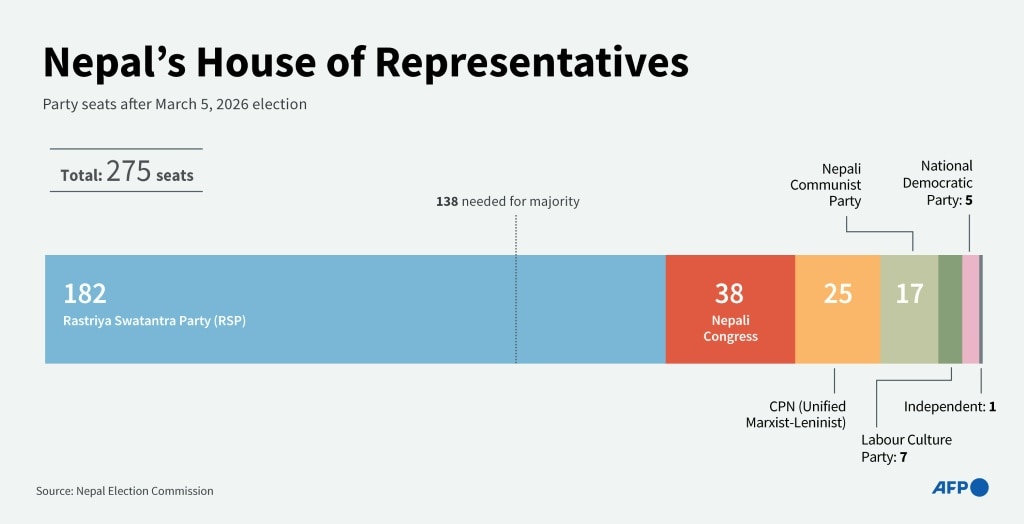
    His party, the Rastriya Swatantra Party (RSP), secured a commanding majority of 182 seats in the 275-member House of Representatives. Shah ran alongside RSP president Rabi Lamichhane, a former deputy prime minister and television personality, who remains a key figure in the new administration.

    The political upheaval comes six months after a deadly anti-corruption uprising in which at least 77 protesters were killed. The movement began in response to a temporary social media ban but quickly expanded into widespread demonstrations against economic hardship and governance failures.

    Outgoing caretaker Prime Minister Sushila Karki, a 73-year-old former chief justice, expressed confidence in the incoming government during her farewell address. She emphasized the need to combat corruption, foster economic development, and promote social justice, adding that the nation’s future now rests in the hands of its youth.

    A soon-to-be-released investigative report, commissioned by Karki’s administration, recommends prosecuting former Prime Minister KP Sharma Oli—a four-time Marxist leader defeated by Shah in his own constituency—as well as former Interior Minister Ramesh Lekhak and ex-police chief Chandra Kuber Khapung. The report cites negligent conduct and failure to prevent casualties during the crackdown on protesters, which resulted in numerous fatalities from bullet wounds, many to the chest or head.

  • How Russia’s threat forced Germany to radically rethink its military

    How Russia’s threat forced Germany to radically rethink its military

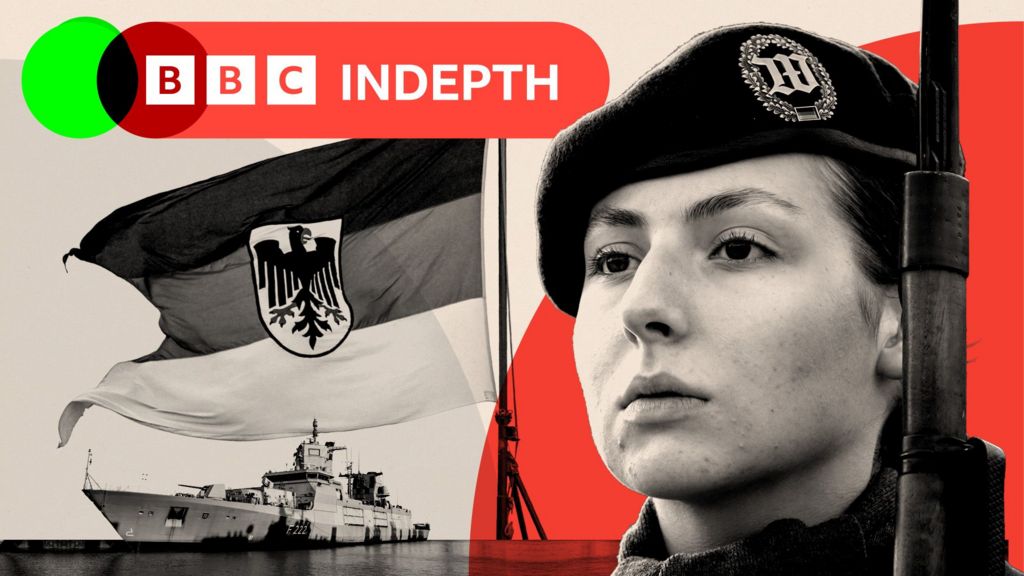
    In a dramatic shift from its post-war pacifist stance, Germany is undergoing the most significant military transformation in modern European history. General Carsten Breuer, commander of Germany’s armed forces, is spearheading an unprecedented expansion aimed at creating NATO’s most powerful conventional army by 2029.

    This strategic pivot responds to urgent warnings about Russia’s military buildup. Intelligence assessments indicate Russia is rapidly rebuilding its military capacity to nearly double its pre-Ukraine invasion strength, potentially enabling an attack on NATO territory within five years. “I’ve never experienced a situation which is as dangerous, as urgent, as it is today,” General Breuer stated during exercises near the Russian border.

    The scale of Germany’s rearmament is staggering. Military spending is projected to surge from €95 billion in 2025 to €162 billion in 2029, representing 5% of GDP—a remarkable increase from the 1.2% defense spending average maintained between 2007-2017. This financial commitment required constitutional changes to bypass Germany’s traditionally strict borrowing limits, a move considered revolutionary given the country’s historical aversion to debt stemming from Weimar-era hyperinflation trauma.

    Historical ghosts loom over this transformation. The 20th century witnessed Germany’s powerful armies devastating Europe, making current rearmament psychologically complex for both Germans and their neighbors. Yet paradoxically, Germany’s military presence in Lithuania—where troops are stationed permanently for the first time since Nazi occupation—has proven popular among local populations.

    This military expansion reflects broader geopolitical realignments. The Trump administration’s increasingly transactional approach to NATO, including Vice-President JD Vance’s Munich Security Conference speech questioning American commitment to European defense, has accelerated Germany’s push for “operational independence.” Confidence in US relations among Germans plummeted from 74% in 2024 to just 27% in 2025 following President Trump’s reelection.

    General Breuer emphasizes multilateral cooperation, consistently framing Germany’s military growth within NATO and EU frameworks. The strategy prioritizes developing indigenous capabilities in intelligence surveillance, drone technology, deep strike precision systems, and space assets to reduce dependence on American military suppliers.

    Recruitment has surged dramatically, with February applications increasing 20% year-over-year. The force expansion targets adding 60,000 professional soldiers supplemented by 200,000 reserves within a decade, potentially reviving conscription if volunteer numbers prove insufficient.

    As former Polish General Andrzek Falkowski noted, “German rearmament is good news for Poland, for Europe and for NATO.” This sentiment reflects a remarkable historical reversal where nations once devastated by German militarism now welcome its military leadership—provided it remains firmly embedded within multilateral structures.

    The transformation represents nothing less than the end of Germany’s post-war defense identity and the emergence of a new European security architecture where Germany assumes responsibility as what Polish officials have called Europe’s “indispensable nation.”

  • Pope Leo XIV makes a rare 1-day visit to glitzy Monaco

    Pope Leo XIV makes a rare 1-day visit to glitzy Monaco

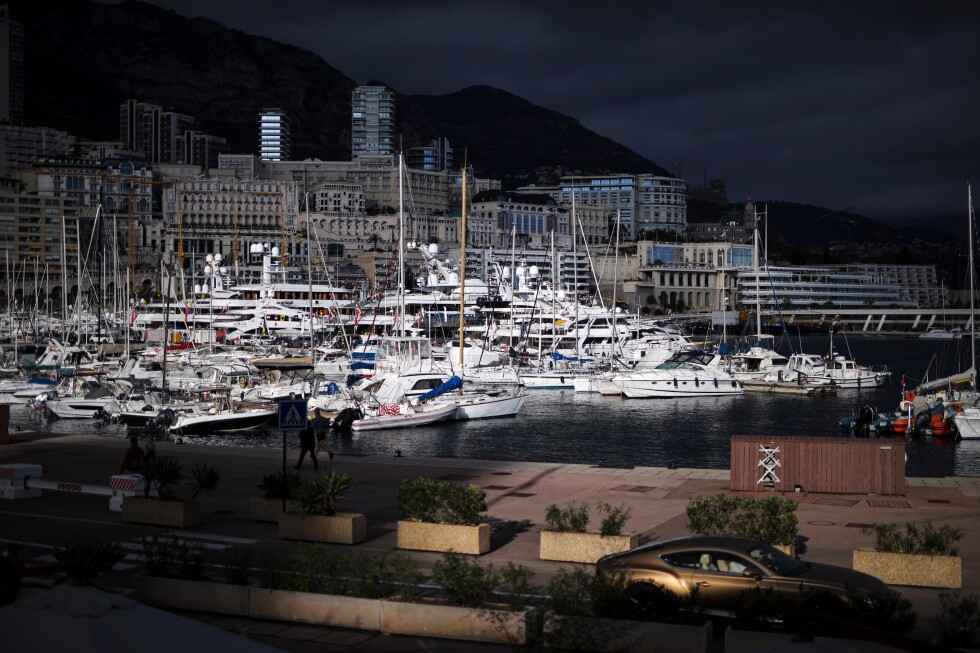
    VATICAN CITY — Pope Leo XIV embarked on a landmark diplomatic journey to Monaco on Saturday, marking the first papal visit to the Mediterranean principality in nearly five centuries. The highly symbolic trip underscores how miniature sovereign states can exert substantial influence on worldwide affairs despite their modest size.

    Vatican spokesperson Matteo Bruni emphasized the significance of small nations in global diplomacy, noting that “in biblical tradition, it is precisely the small entities that frequently play pivotal roles.” The visit provides Pope Leo, the American-born pontiff, with his inaugural opportunity to address broader European audiences through this diplomatic channel.

    Monaco represents one of Europe’s rare constitutional Catholic monarchies where Catholicism remains the official state religion. Prince Albert recently reinforced this religious identity by rejecting legislation to legalize abortion, aligning with Catholic doctrine despite abortion being constitutionally protected in surrounding France. This decision echoes similar stands taken by European Catholic royals, including Belgium’s late King Baudouin, whom Pope Francis previously placed on the path to potential sainthood for his anti-abortion stance.

    Bruni confirmed that “defense of life” would constitute a central theme of Leo’s nine-hour visit, though clarified this would encompass broader contexts including conflict resolution and peace advocacy alongside traditional pro-life positions.

    The itinerary included private meetings with Prince Albert and Princess Charlene at the royal palace, gatherings with Monaco’s Catholic community at the cathedral, and a Mass celebration at the principality’s sports stadium.

    While Monaco is globally recognized for its luxury lifestyle, tax incentives, and Formula Grand Prix, the visit highlighted its substantive diplomatic contributions. The principality actively supports Middle Eastern Christian communities through organizations like the Aliph Foundation, which restores conflict-damaged religious sites, and maintains longstanding partnerships with French-based l’Œuvre d’Orient supporting ecclesiastical projects across 23 nations.

    Environmental cooperation emerged as another key agenda item, with Prince Albert being an established ecological advocate and Monaco hosting regular international environmental conferences. Pope Leo has continued Francis’s legacy of ecological stewardship, making climate discussions a natural component of the bilateral dialogue.

    François Mabille of the French Institute for International and Strategic Affairs observed that Monaco’s voting membership in international organizations complements the Vatican’s observer status, creating synergistic potential for small-state diplomacy on issues ranging from environmental protection to peace mediation.

    The visit, though brief, symbolized the convergence of the world’s two smallest sovereign states addressing humanity’s most pressing challenges, demonstrating how miniature nations can serve as laboratories for peace, social friendship, and responsible governance.

  • Daniel Devlin found guilty of manslaughter for attack that killed Ali Chaaban in Melbourne

    Daniel Devlin found guilty of manslaughter for attack that killed Ali Chaaban in Melbourne

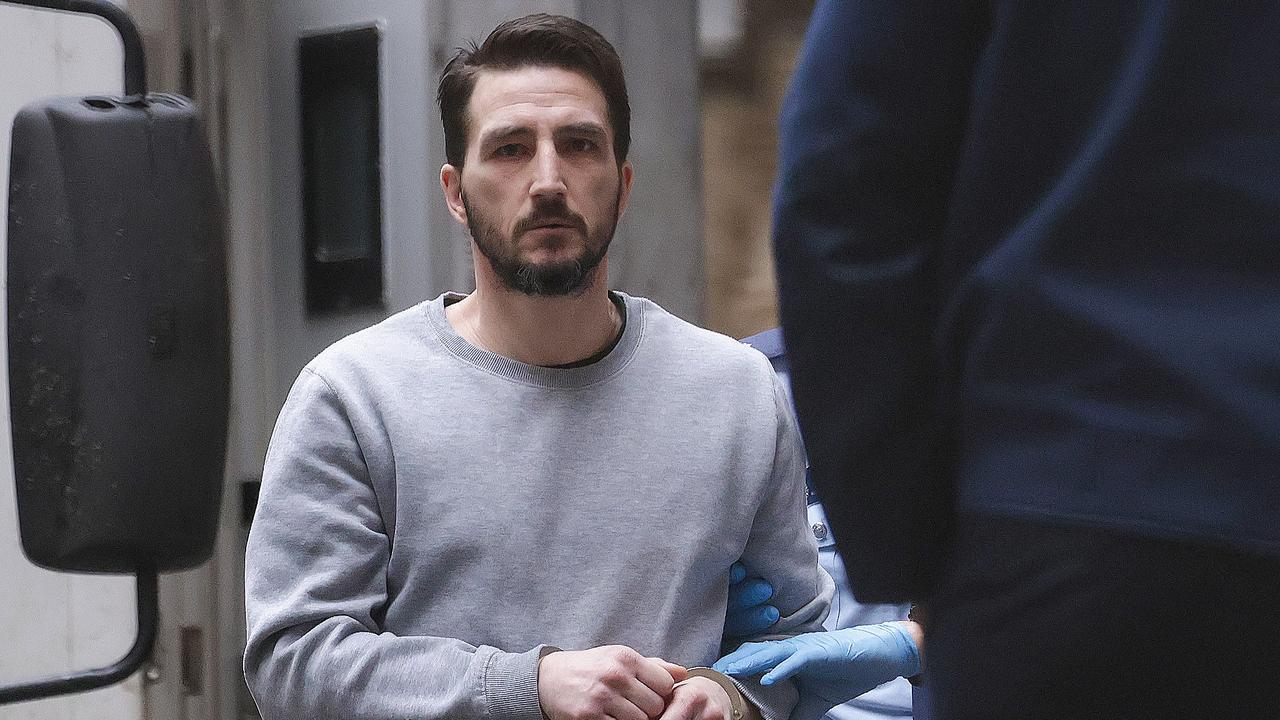
    A verdict of manslaughter delivered in Victoria’s Supreme Court triggered an emotional outburst from the gallery as Daniel Devlin was held criminally responsible for the death of Ali Chaaban. The conviction concludes a week-long trial centered on a violent confrontation that occurred in Heidelberg West on June 15, 2024.

    Prosecutor Jim Shaw presented the Crown’s case, detailing how Devlin arrived at Mr. Chaaban’s residence—an acquaintance, but not a friend—and was explicitly told he was not welcome. The interaction rapidly escalated into a physical altercation outside the home. Evidence presented to the jury described Devlin removing his shirt before the two men engaged in a fight, which culminated in Mr. Chaaban being knocked to the ground.

    The prosecution argued that Devlin placed Mr. Chaaban in a prolonged headlock, a action characterized as “clearly dangerous.” This claim was supported by footage from police body-worn cameras, which allegedly captured Devlin continuing to assault the critically injured man even as officers arrived on scene and attempted to intervene. Mr. Chaaban succumbed to his injuries in Austin Hospital the following morning, with the official cause of death determined to be blunt force trauma to the neck.

    The defense, led by barrister Justin Hannebery KC, posited an alternative explanation for the death. He suggested that the presence of methamphetamine in Mr. Chaaban’s system introduced reasonable doubt, arguing that the autopsy could not definitively pinpoint the duration or precise mechanism of the fatal injury. Hannebery further contended that the headlock could be interpreted as an “innately defensive” maneuver rather than an aggressive act, and noted a lack of clear evidence regarding which party initiated the physical conflict.

    Despite these arguments, the jury returned a guilty verdict. The Chaaban family, present in court, expressed profound relief and a sense of justice following the decision. Devlin is scheduled to return for a pre-sentence hearing on March 31, where sentencing will be determined.

  • Cyclone triggers outages at major Australian LNG plants

    Cyclone triggers outages at major Australian LNG plants

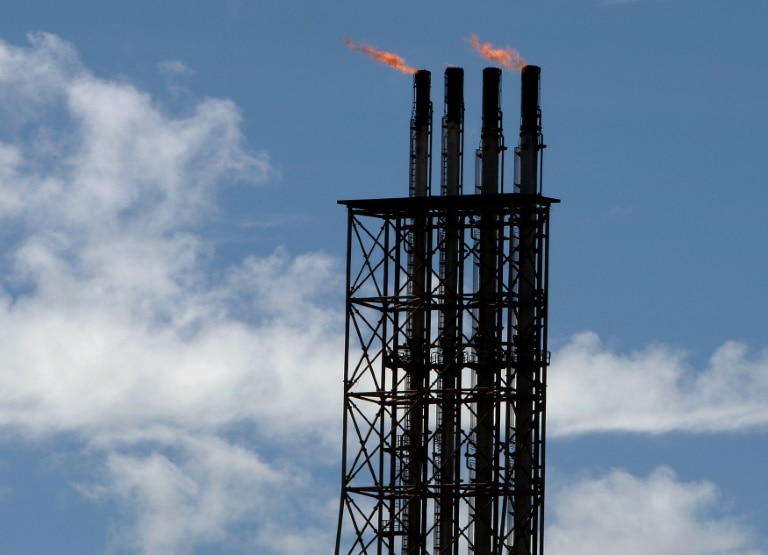
    A severe tropical cyclone has forced the shutdown of major liquefied natural gas (LNG) facilities along Western Australia’s coast, creating additional strain on global energy markets already grappling with supply disruptions from Middle East conflicts. The simultaneous outages at Chevron’s Gorgon and Wheatstone plants, along with Woodside Energy’s North West Shelf operations, have removed significant LNG capacity from world markets at a critical time.

    Cyclone Narelle, packing winds reaching 200 kilometers per hour, prompted safety shutdowns across Australia’s northwest gas processing region on Friday. Chevron confirmed both its Gorgon (15 million metric tonne annual capacity) and Wheatstone (9 million metric tonne capacity) facilities experienced production interruptions, collectively representing over 5% of global LNG supply. Woodside Energy similarly reported offline status at its Karratha gas plant, which serves one of the world’s largest offshore gas operations.

    The timing exacerbates existing market tensions caused by the Iran-Israel conflict, which has disrupted shipments through the critical Strait of Hormuz shipping channel. Energy analyst Josh Runciman of the Institute for Energy Economics and Financial Analysis noted the cyclone arrived at the ‘worst possible time,’ warning that even minor production setbacks could trigger significant price fluctuations in global markets.

    Asian markets face particular vulnerability, as Australia supplies approximately 40% of Japan’s LNG requirements according to the Asia Natural Gas and Energy Association. LNG spot prices in some Asian regions have already doubled since February 28th when U.S.-Israel military actions against Iran commenced.

    International Energy Agency Executive Director Fatih Birol, visiting Canberra this week, emphasized Australia’s increasingly vital role in global energy security while cautioning that ‘Australia alone will not be able to offset the entire lack of LNG coming from the Middle East.’

    With companies monitoring Cyclone Narelle’s progression, Chevron and Woodside have committed to restoring production once weather conditions permit safe operations. The supply interruption comes as Australia considers implementing a windfall tax on LNG exporters benefiting from elevated prices driven by geopolitical tensions.

  • Nepal’s youngest prime minister takes the oath of office

    Nepal’s youngest prime minister takes the oath of office

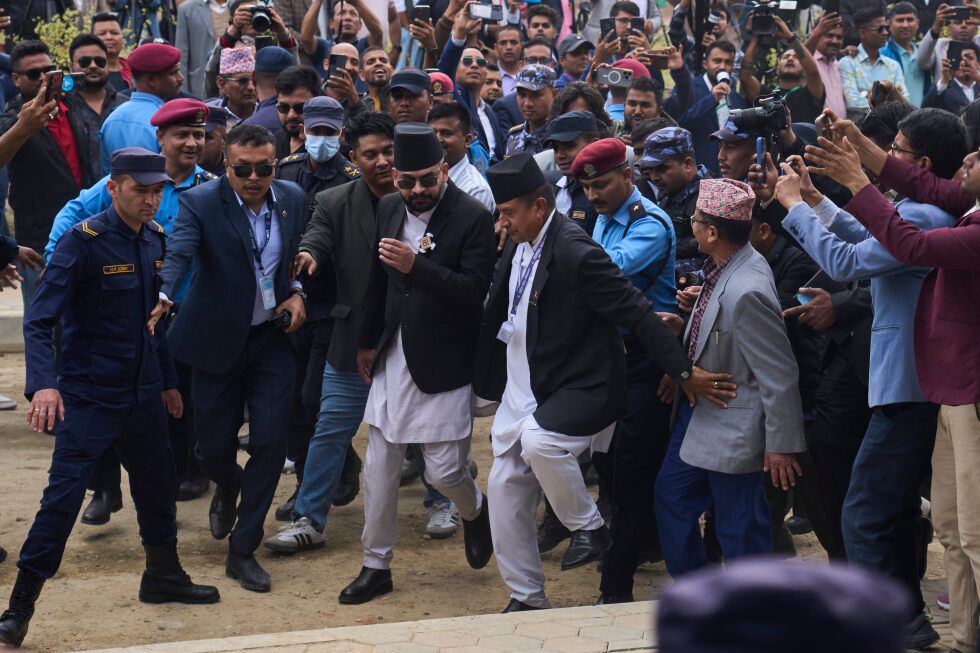
    KATHMANDU, Nepal — In a historic political transition, 35-year-old Balendra Shah assumed office as Nepal’s youngest prime minister on Friday following his party’s decisive electoral triumph. The swearing-in ceremony, rich with cultural symbolism, occurred at precisely 12:34 p.m.—a time deemed astrologically auspicious by Hindu priests that also aligned with the numerological pattern “1-2-3-4.”

    Shah’s Rastriya Swatantra Party secured nearly two-thirds of the seats in the House of Representatives during the March 5 elections, prompting President Ram Chandra Paudel to formally appoint the political outsider to lead the government. The victory represents a dramatic shift in Nepal’s political landscape, coming months after youth-led protests toppled the previous administration in September.

    The elaborate inauguration incorporated both Hindu and Buddhist traditions, featuring ceremonial conch blowing (shankhnaad) and religious chanting by priests and lamas. The timing coincided with Ram Navami celebrations across the Himalayan nation, with Shah scheduled to enter his official office at 14:15 p.m.—another numerically significant time considered favorable.

    Shah’s ascent marks a significant departure from Nepal’s established political order. As a structural engineer and former rap artist who gained prominence as Kathmandu’s mayor, he now faces the formidable challenge of addressing widespread public dissatisfaction with traditional parties accused of corruption and chronic instability. His party’s overwhelming mandate—securing approximately two-thirds of the 275 seats in parliament’s lower house—reflects a dramatic public repudiation of the political status quo.

    Though not directly participating in the September uprising that resulted in dozens of casualties, Shah emerged as a vocal supporter of the predominantly Generation Z demonstrators. His administration now bears the responsibility of channeling this youth-driven momentum into tangible governance reforms in the nation of 30 million people, where religious and astrological traditions continue to profoundly influence public and political life.

  • Trump extends pause on striking Iranian energy plants by 10 days

    Trump extends pause on striking Iranian energy plants by 10 days

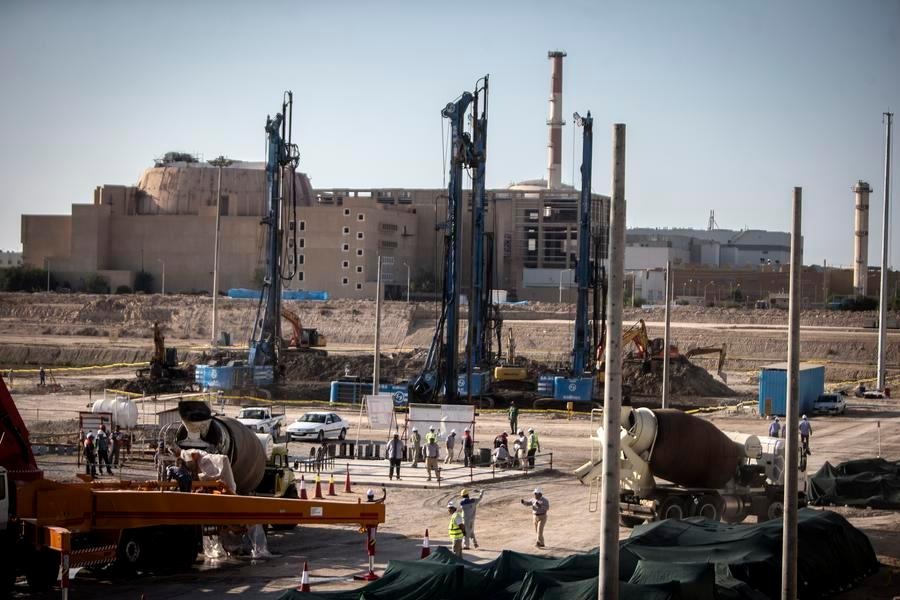
    In a significant diplomatic development, the United States has prolonged its temporary suspension of military actions against Iranian energy infrastructure by an additional ten days. President Donald Trump announced the extension via his Truth Social platform, setting a new deadline of April 6, 2026, at 8 PM Eastern Time for potential strikes.

    The decision comes amid ongoing indirect communications between the two nations, with Pakistan serving as the primary intermediary channel. Pakistani Deputy Prime Minister and Foreign Minister Mohammad Ishaq Dar confirmed his government’s role in facilitating these backchannel discussions.

    This extension follows an initial five-day pause announced earlier this week, which Trump characterized as resulting from ‘productive’ engagements with Iranian officials. However, Tehran has consistently denied any direct contact with Washington since the commencement of joint U.S.-Israel military operations against Iranian targets on February 28.

    Iranian Foreign Minister Seyed Abbas Araghchi acknowledged that messages have been exchanged through intermediaries in recent days but emphasized that no formal negotiations have occurred. The situation remains tense, with Tehran previously warning of regional retaliation should the United States follow through with its threats against Iranian energy facilities.

    The current standoff originated with President Trump’s 48-hour ultimatum demanding Iran fully reopen the strategic Strait of Hormuz, a critical global oil transit route. The extended pause suggests both sides may be seeking a diplomatic resolution to avoid further military escalation in the already volatile region.

  • PM seeks to reassure Australians over fuel supply amid panic buying

    PM seeks to reassure Australians over fuel supply amid panic buying

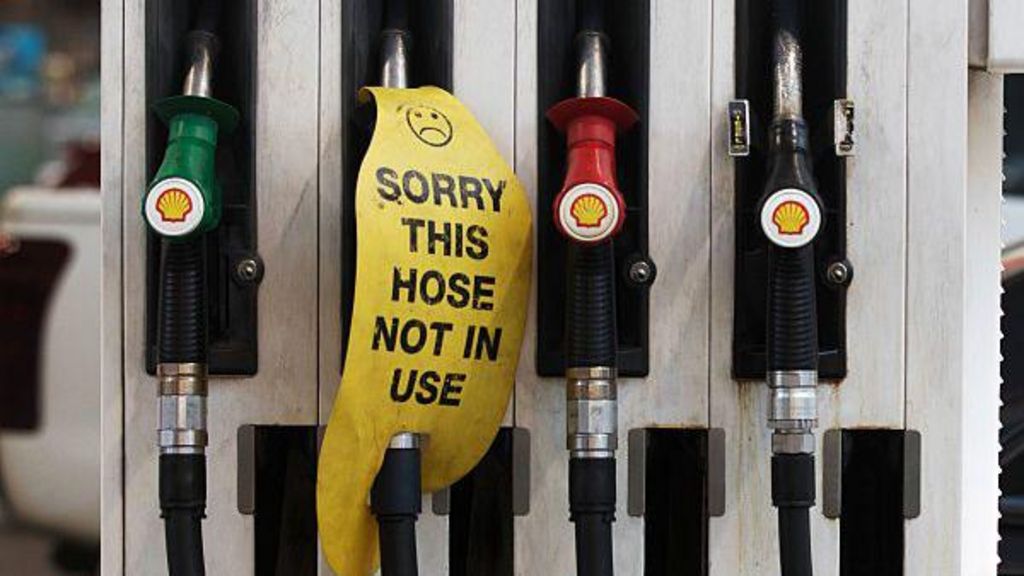
    A severe fuel supply disruption is unfolding across Australia, with hundreds of service stations reporting shortages of at least one type of fuel this week. The crisis has been triggered by a perfect storm of international conflict and domestic panic buying, creating widespread logistical challenges and record-high prices.

    The situation escalated following the closure of the Strait of Hormuz after the outbreak of war between the US, Israel, and Iran. This critical chokepoint for global oil shipments being blocked caused an immediate spike in international oil prices. In response, Australian motorists have engaged in widespread panic purchasing, with many filling jerry cans and storing fuel in garages, further straining distribution networks.

    Prime Minister Anthony Albanese addressed the nation on Friday, seeking to reassure citizens about the country’s fuel security while acknowledging the significant challenges. “The longer this war goes on, the greater the impact will be. But we continue to act to prepare and shield Australians from the worst of it,” he stated during a press conference.

    Energy Minister Chris Bowen, appearing alongside the Prime Minister, emphasized that the core issue is one of distribution and demand rather than actual supply volume. “For the next few weeks, Australia’s supply of petrol and diesel and oil will be the same, if not higher, than it normally would be,” Bowen asserted, indicating that physical fuel availability remains consistent with pre-war levels.

    Price data reveals the dramatic impact on consumers. The Australian Institute of Petroleum reported the average retail petrol price reached 238 Australian cents per liter as of Sunday, a sharp increase from 171 cents just four weeks earlier. Diesel prices have hit unprecedented levels, with the National Roads and Motorists’ Association recording prices of 314.5 cents per liter in Sydney as of Thursday.

    NRMA spokesperson Peter Khoury explained the behavioral factors exacerbating the situation: “People are filling up jerry cans of fuel and storing it in their garages. We’re hearing increasingly of transport companies telling their drivers that if you’re half full and you see diesel, buy it.”

    The crisis has particularly impacted independent petrol stations, which lack the long-term supply contracts that major retailers benefit from. These contracts are being prioritized by oil companies, leaving smaller operators struggling to secure inventory.

    Adding to the complexity, a cyclone in Western Australia has triggered outages at two of the world’s largest LNG plants—Gorgon and Wheatstone—which collectively supply approximately 5% of the global market according to operator Chevron. This development has placed additional pressure on energy markets worldwide.

    The government has responded with several measures, including releasing oil from the national stockpile and temporarily lowering fuel standards to increase available supply. While ruling out rationing thus far, Prime Minister Albanese is convening an emergency national cabinet meeting on Monday to develop a comprehensive response strategy to manage the escalating crisis.

  • War on Iran could be ‘catalyst’ for erosion of US petrodollar, Deutsche Bank says

    War on Iran could be ‘catalyst’ for erosion of US petrodollar, Deutsche Bank says

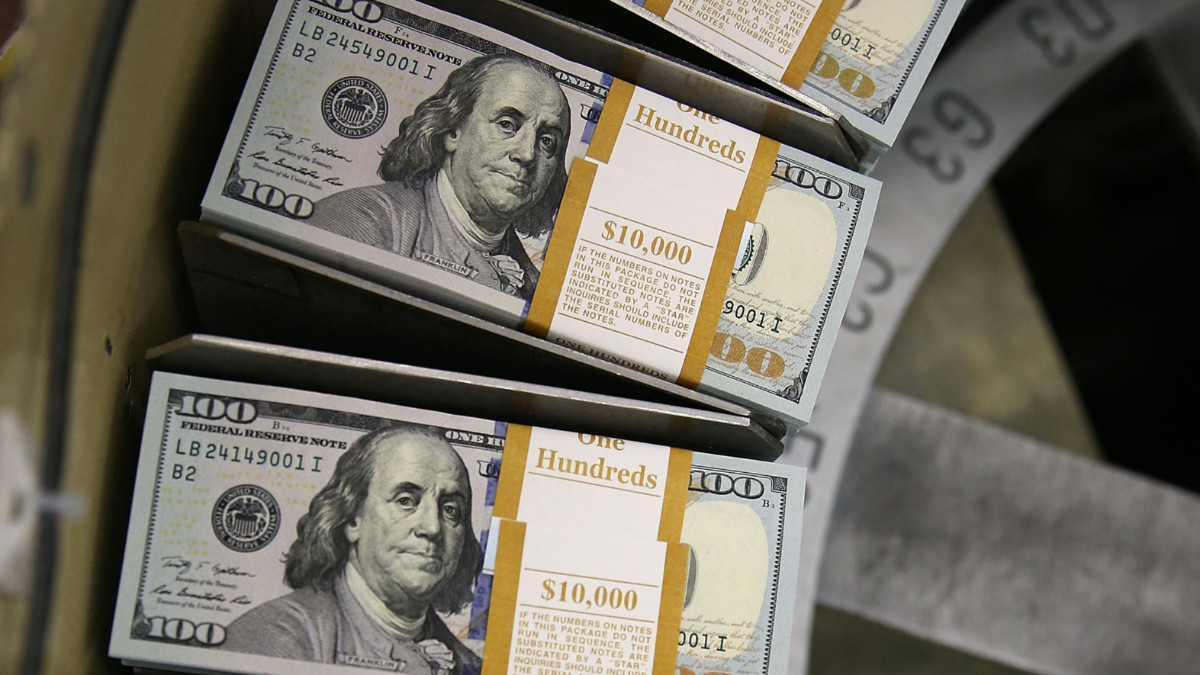
    A new Deutsche Bank analysis suggests escalating military tensions between the US-Israel alliance and Iran could fundamentally undermine the petrodollar system—a cornerstone of American financial global dominance for nearly five decades. Research analyst Mallika Sachdeva’s special report indicates the current Middle East conflict may expose critical vulnerabilities in the dollar’s reserve currency status.

    The petrodollar system originated from a 1974 agreement whereby Gulf nations—including Saudi Arabia, the UAE, Kuwait, Qatar, and Bahrain—price their oil exports exclusively in US dollars. These petrodollar revenues are subsequently reinvested in US Treasury bonds, creating a symbiotic financial relationship that supports lower borrowing costs for American consumers and the federal government while providing Gulf states with security guarantees.

    Sachdeva’s analysis identifies maritime security concerns as particularly damaging to this arrangement. Iran’s effective control over the Strait of Hormuz—through which approximately 21 million barrels of oil pass daily—challenges America’s role as primary security guarantor for global oil trade routes. This development raises fundamental questions about the reliability of US protection for Gulf infrastructure.

    The report notes that regional doubts about American security commitments could trigger significant financial consequences. Gulf Cooperation Council (GCC) nations collectively maintain approximately $250 billion in US Treasury holdings while pegging their currencies to the dollar. Any substantial withdrawal of these assets could destabilize both the dollar’s value and America’s borrowing capacity.

    Geopolitical shifts are already creating alternative financial structures. Following Western sanctions against Russia, China has emerged as a major energy purchaser using yuan and ruble transactions. Notably, China currently receives 90% of Iran’s oil exports and remains the primary customer for Saudi crude.

    While predictions of the petrodollar’s demise have circulated for years, Deutsche Bank suggests the current conflict may accelerate this process, potentially establishing the ‘petroyuan’ as an alternative benchmark. The analysis concludes that the Middle East’s strategic importance to dollar hegemony cannot be overstated, and that ongoing regional instability may ultimately catalyze a fundamental reshaping of global financial architecture.