作者: admin

  • Iran says students must respect ‘red lines’ after protests

    Iran says students must respect ‘red lines’ after protests

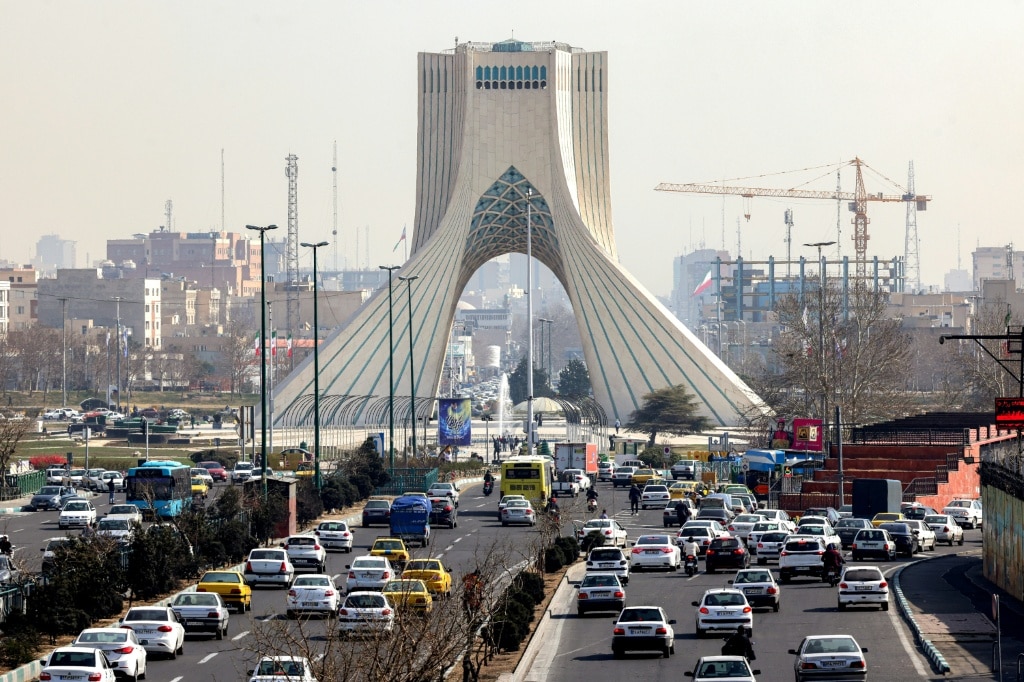
    Iranian authorities have delivered a measured response to renewed student protests, acknowledging demonstrators’ frustrations while emphasizing the importance of respecting national symbols. Government spokeswoman Fatemeh Mohajerani stated Tuesday that while students maintain the right to protest, they must recognize and honor “red lines,” particularly regarding the Iranian flag adopted after the 1979 revolution.

    The campus demonstrations, marking the beginning of the academic semester, have revived anti-government slogans from the widespread protests that peaked in January. Verified footage shows confrontations at Tehran universities between pro-government supporters waving flags and opposition students chanting criticism of the clerical leadership. In some instances, students burned the Islamic republic’s flag, prompting Mohajerani to describe the banner as a protected symbol that must not be violated “even at the height of anger.”

    The government’s response comes amid ongoing international scrutiny regarding Iran’s handling of previous protests. Human rights organizations report that the earlier crackdown resulted in thousands of deaths and tens of thousands of arrests, with abuses continuing through torture, coerced confessions, and arbitrary executions according to Human Rights Watch researcher Bahar Saba.

    Simultaneously, regional tensions escalate as the United States reinforces its military presence. The USS Gerald R. Ford aircraft carrier group has arrived at a US base in Crete en route to the Middle East, joining the USS Abraham Lincoln carrier group already deployed to the Arabian Sea. This military buildup represents Washington’s pressure campaign regarding Iran’s nuclear program, which the West believes aims to develop atomic weapons despite Tehran’s peaceful claims.

    Iran has vowed fierce retaliation against any US military action, with the Revolutionary Guards conducting demonstration drills featuring missiles, artillery, drones, and special forces along the Gulf shores. Both nations continue indirect negotiations set to resume in Geneva, even as President Trump publicly acknowledges considering military options.

  • GCC calls on Iraq to withdraw UN map rejected by Kuwait

    GCC calls on Iraq to withdraw UN map rejected by Kuwait

    The Gulf Cooperation Council (GCC) has formally intervened in a renewed maritime sovereignty dispute between Kuwait and Iraq, calling for the immediate withdrawal of recently submitted United Nations documents. The diplomatic escalation follows Iraq’s submission of coordinates and maps to the UN Secretary-General on January 19 and February 9, 2026, outlining its territorial sea baselines and maritime zones in accordance with the 1982 United Nations Convention on the Law of the Sea (UNCLOS).

    Kuwait has vigorously contested these submissions, asserting that the proposed coordinates constitute an unlawful encroachment on its established maritime sovereignty and fixed water elevations. According to Kuwaiti authorities, these maritime boundaries have never previously been subject to dispute between the neighboring nations.

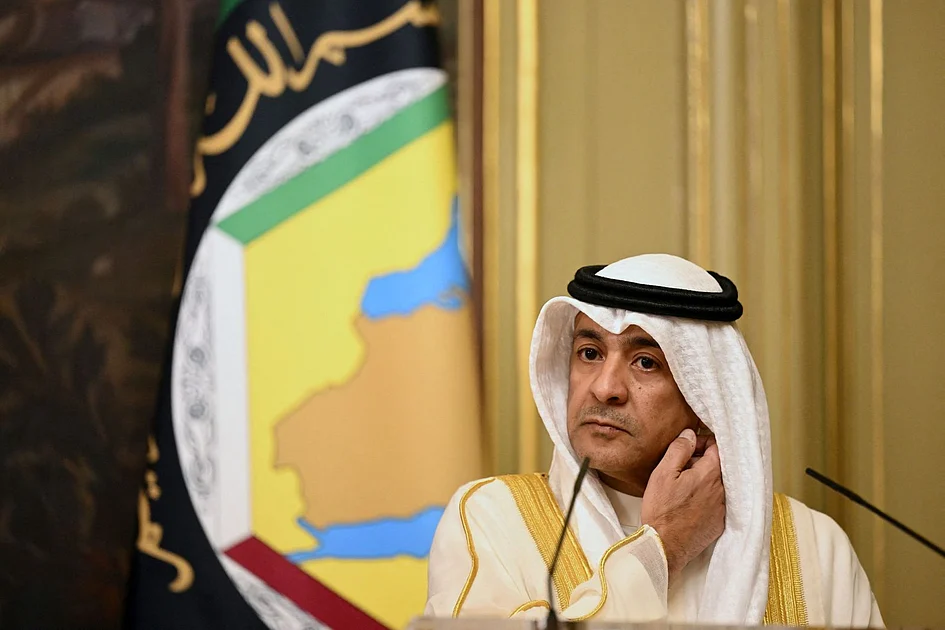
    The GCC, representing six Gulf nations including the UAE, Qatar, Oman, Saudi Arabia, and Bahrain, has unanimously voiced support for Kuwait’s position. GCC Secretary General Jasem Mohamed Albudaiwi issued a formal statement urging Iraq to retract its UN submissions, specifically highlighting concerns over claims to maritime areas including Fasht Al Qaid and Fasht Al A’aij shoals.

    Albudiawi emphasized the critical importance of adhering to international law and UNCLOS principles, particularly those aligned with existing bilateral agreements and memoranda of understanding between Iraq and Kuwait. The Secretary General referenced the GCC Supreme Council’s firm stance as articulated in the Final Statement of its 46th session, which explicitly calls for Iraq’s respect of Kuwait’s sovereignty and territorial integrity.

    The GCC statement categorically rejects any violations of Kuwait’s sovereignty over its lands, islands, associated shoals, and entire maritime zone while underscoring the necessity of upholding all relevant bilateral and international agreements, including UN resolutions.

    Despite acknowledging the deep-rooted historical relations and neighborly ties between GCC members and Iraq, Albudaiwi noted that such territorial claims undermine ongoing efforts to strengthen regional cooperation. The Secretary General concluded by expressing hope that Iraq would review and withdraw its submissions as a confidence-building measure that would reinforce mutual trust, promote stability, and demonstrate commitment to established legal and international principles.

  • VisaTop.com, fastest growing visa consulting company in the UAE

    VisaTop.com, fastest growing visa consulting company in the UAE

    In the dynamic landscape of global mobility, VisaTop.com has emerged as the United Arab Emirates’ fastest-growing visa consultancy firm, transforming how individuals and businesses navigate regional immigration processes. Founded on the principle of eliminating bureaucratic friction, the company specializes in Golden Visa services while expanding into comprehensive business establishment support across the UAE and Saudi Arabia.

    The company addresses one of relocation’s most persistent challenges: the complex, often opaque visa application procedures where minor documentation errors can result in costly rejections. Through structured guidance on required documents, formats, and procedural stages, VisaTop significantly reduces application risks, converting an traditionally uncertain process into a predictable experience.

    VisaTop’s completely digital operating model distinguishes it from traditional consultancies that rely on physical paperwork and in-person visits. Clients can complete entire processes remotely, receiving end-to-end support from initial assessment to final visa issuance. The company’s business formation service assists entrepreneurs in selecting appropriate jurisdictions (Mainland, Free Zone, or Offshore) while handling licensing, documentation, and government coordination.

    Artificial intelligence serves as the company’s technological backbone, automating internal workflows, extracting data from uploaded documents, and accelerating processing times. This AI integration translates to faster turnaround and reduced costs for clients while enabling staff to focus on high-value advisory services. The recently implemented AI-powered FAQ system provides 24/7 instant responses to common inquiries, catering to global clients across time zones.

    CEO Francesco Mattia emphasizes that clarity and trust drive the company’s competitive strategy. “We focused from day one on removing uncertainty by combining human expertise with technology,” Mattia stated. He identifies technology as fundamental to VisaTop’s operational model, enabling scalability without compromising quality.

    Looking toward future expansion, VisaTop aims to establish itself as the regional market leader for visa services throughout the MENA region, using the UAE as its foundational market while setting new standards for immigration service delivery across the Middle East and North Africa.

  • Egyptian-Chinese team unearths King Apries temple structure in Giza

    Egyptian-Chinese team unearths King Apries temple structure in Giza

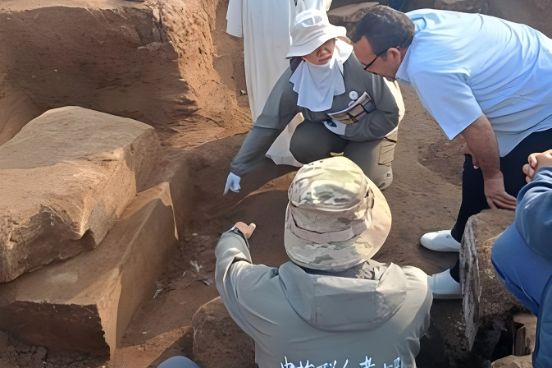
    A groundbreaking archaeological discovery has emerged from the sands of Giza, where a joint Egyptian-Chinese mission has unearthed significant structural remains of a temple dedicated to King Apries, who ruled during Egypt’s 26th Dynasty (664-525 BC). The remarkable find was announced by the Shandong Institute of Cultural Relics and Archaeology on Tuesday, marking a new milestone in international archaeological cooperation.

    The excavation at the Tell Aziz site in the Mit Rahina area revealed substantial limestone architectural elements that formed part of the previously unknown temple complex. The collaborative project brings together expertise from Egypt’s Supreme Council of Antiquities, Peking University, and the Shandong Institute of Cultural Relics and Archaeology, demonstrating the growing importance of international partnerships in archaeological research.

    Beyond the temple structure itself, the mission has recovered an impressive array of artifacts that provide valuable insights into the period. Among the most significant finds are five meticulously carved sphinx statues, numerous stone blocks inscribed with intricate hieroglyphic texts, various pottery fragments, and ancient copper coins. These discoveries offer archaeologists new material evidence to study the architectural styles, religious practices, and daily life during the reign of King Apries.

    The temple discovery provides crucial historical context for understanding the 26th Dynasty, also known as the Saite Period, when Egypt experienced a renaissance of art and culture hearkening back to earlier dynastic periods. King Apries, who ruled from 589 to 570 BC, presided over a turbulent period that eventually saw his overthrow and replacement by Amasis II, making archaeological evidence from his reign particularly valuable to historians.

    This discovery represents another success in the growing scientific collaboration between Egyptian and Chinese archaeological institutions, which have been working together at multiple sites across Egypt in recent years. The findings will undergo detailed analysis and conservation to better understand their historical significance and ensure their preservation for future study.

  • From rural migrant to cartel chief: The rise and fall of Mexico’s El Mencho

    From rural migrant to cartel chief: The rise and fall of Mexico’s El Mencho

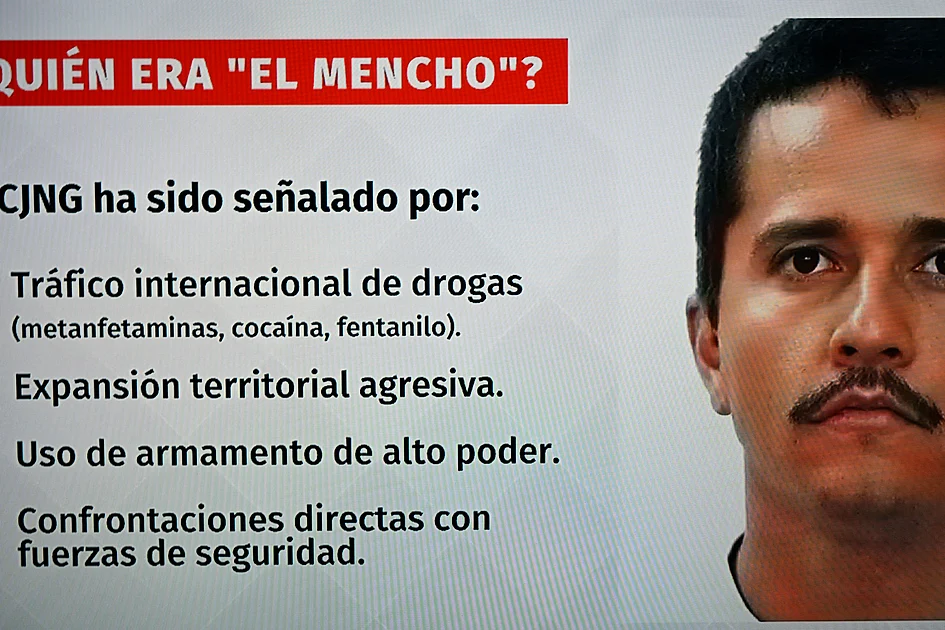
    The era of Nemesio Rubén Oseguera Cervantes, infamously known as ‘El Mencho,’ concluded violently on February 22nd when Mexican military forces fatally wounded the drug lord during an operation in Jalisco state. The leader of the Jalisco New Generation Cartel (CJNG) succumbed to gunshot injuries while being transported by air to Mexico City, marking the most significant blow to Mexican organized crime since the recapture of Joaquin ‘El Chapo’ Guzman.

    El Mencho’s journey from rural poverty to cartel leadership began in the village of Naranjo de Chila, Michoacán, where he was born into a farming family in 1966. His criminal trajectory started after immigration to California, where heroin distribution convictions led to nearly three years in U.S. federal prison followed by deportation at age 30.

    His brief tenure as a local police officer in Mexico proved strategically valuable, providing insights into law enforcement tactics that would later facilitate his evasion of capture for over a decade. Through marriage into the influential Gonzalez Valencia family and ruthless ambition, Oseguera rose within the Milenio Cartel before co-founding CJNG around 2009-2010.

    Under his leadership, CJNG transformed from a breakaway faction into a global criminal enterprise operating in dozens of countries. The cartel established control over key Pacific ports, enabling massive importation of precursor chemicals from China for synthetic drug production. The U.S. Drug Enforcement Administration identified CJNG as a primary supplier of cocaine, methamphetamine, heroin and fentanyl to American markets.

    The organization’s expansion was characterized by extreme violence, including the 2015 downing of a Mexican military helicopter, the killing of 15 police officers, and a 2020 attack on Mexico City’s police chief. Despite this brutality, Oseguera maintained an unusually low public profile, with few recent photographs circulating and reports of his movement between remote locations to avoid detection.

    The aftermath of his death triggered immediate violence, with CJNG gunmen torching vehicles, blocking highways, and clashing with security forces across multiple states. Authorities reported at least 25 National Guard members killed in the retaliatory violence.

    With key family members including his son ‘El Menchito’ serving life sentences in the U.S. and no clear successor, analysts warn of potential cartel fragmentation, intensified turf wars, and escalating violence in contested regions as rival factions compete for control of Mexico’s criminal underworld.

  • At least 4 killed as army helicopter crashes in central Iran

    At least 4 killed as army helicopter crashes in central Iran

    A military helicopter operated by the Iranian Army crashed into a bustling fruit market in Dorcheh, Isfahan province, on Tuesday, resulting in four confirmed fatalities. The deceased include both the aircraft’s pilot and co-pilot, alongside two local merchants who were present at the scene.

    Initial reports from state media indicate the crash triggered an immediate fire, which emergency response teams successfully extinguished. The incident has drawn renewed attention to Iran’s longstanding aviation safety challenges.

    Aviation experts frequently attribute Iran’s poor air safety record to an aging fleet, largely composed of aircraft procured prior to the 1979 Islamic Revolution. These older models face significant maintenance hurdles due to international sanctions that severely restrict access to original manufacturer parts and technical support.

    This tragedy follows another recent military aviation incident in Iran. Just last week, a US-manufactured F-4 Phantom fighter jet crashed during a training exercise in Hamadan province, claiming the life of one pilot. These consecutive accidents highlight persistent operational risks within the country’s military aviation branches.

  • Two dead after winter storm hammers the US northeast

    Two dead after winter storm hammers the US northeast

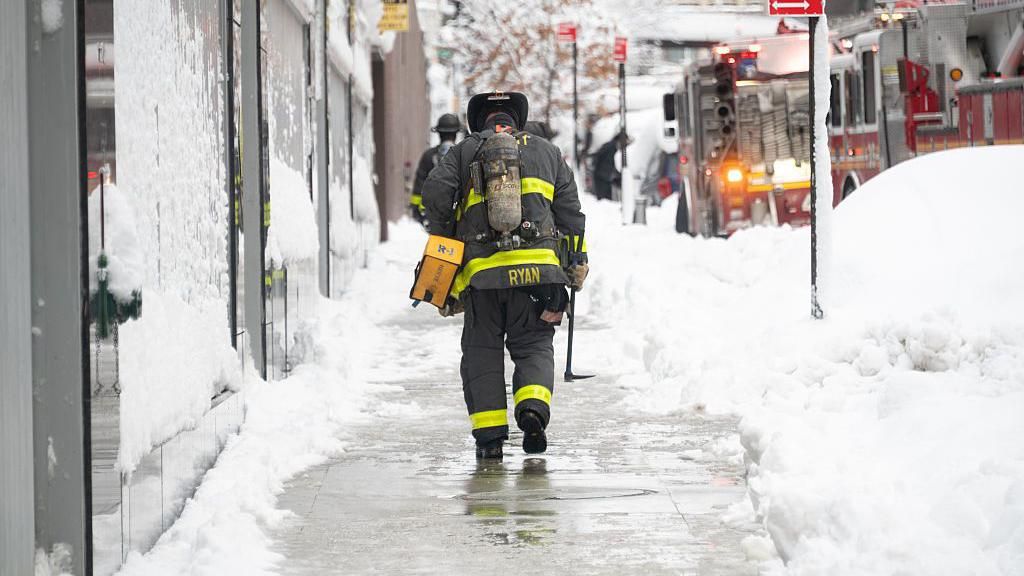
    A severe winter storm, classified as a major nor’easter, has wrought havoc across the northeastern United States, resulting in tragic fatalities and causing extensive logistical paralysis. The system, which has now moved into eastern Canada, delivered historic snowfall totals and powerful winds, leaving a trail of disruption from canceled flights to prolonged power outages.

    In a tragic incident underscoring the storm’s danger, two Maryland residents lost their lives on Sunday afternoon. The Calvert County Sheriff’s Office confirmed that a falling tree struck a vehicle, killing 60-year-old Michael Simpson and 43-year-old Virginia Quesenberry. The state of Maryland experienced accumulations of up to 16 inches (40 cm) from the powerful system.

    The storm set records elsewhere. Providence, Rhode Island, was buried under 37.9 inches of snow, marking its largest blizzard in history. Consequently, travel bans and preemptive school closures remained enforced in Rhode Island and sections of Massachusetts as communities initiated large-scale recovery operations.

    Air travel faced severe interruptions, with FlightAware data revealing over 5,000 cancellations on Monday. Disruptions persisted into Tuesday, with more than 2,000 additional flights canceled and nearly 1,000 delayed. Major aviation hubs, including Boston’s Logan International Airport and New York’s John F. Kennedy International and LaGuardia airports, were among the most significantly impacted.

    New York City, which recorded over 20 inches of snow—ranking this as its ninth-largest winter storm—implemented a travel ban. Mayor Zohran Mamdani deployed a massive workforce of 2,600 sanitation personnel for road plowing, supplemented by 1,400 emergency workers tasked with clearing sidewalks and bus stops. The city resumed in-person schooling on Tuesday, though neighboring regions in New Jersey and Pennsylvania opted for delays and virtual learning.

    The storm’s impact extended beyond transportation. The historic weather event forced the Boston Globe to suspend its print edition for the first time in its 153-year history, as delivery routes were rendered impassable. Furthermore, a significant power crisis lingered; according to poweroutage.us, approximately 250,000 Massachusetts residents were without electricity on Tuesday morning. Officials in the coastal town of Scituate warned residents to prepare for power to remain out for several days due to restoration challenges posed by persistent high winds.

    The National Weather Service reported that while the core of the nor’easter has moved offshore, strong winds are expected to continue affecting coastal areas of eastern Canada.

  • Senegal introduces legislation to boost minimum sentence for homosexuality to 5 years

    Senegal introduces legislation to boost minimum sentence for homosexuality to 5 years

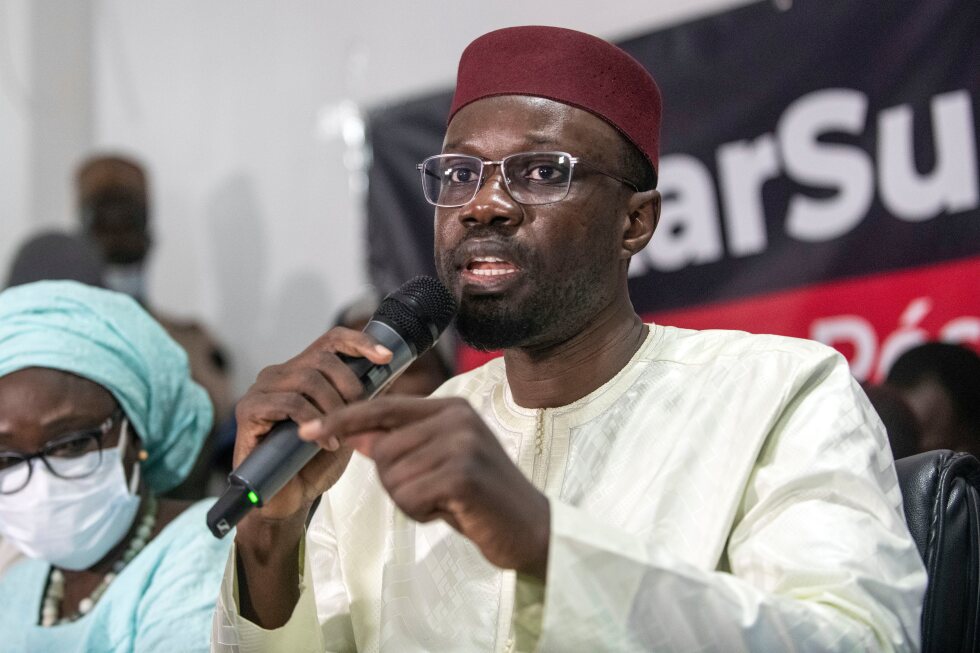
    LAGOS, Nigeria — The Senegalese government, led by Prime Minister Ousmane Sonko, has initiated a significant legislative push to intensify penalties for same-sex relations. On Tuesday, Sonko presented a bill to parliament that proposes increasing the minimum prison sentence for homosexuality from one year to at least five years.

    The proposed legislation aims to expand the legal definition of ‘unnatural acts,’ reinforcing a law that has criminalized homosexuality since the nation gained independence from France in 1960. However, the government has opted not to reclassify the offense from its current status as a misdemeanor to a more serious felony. Prime Minister Sonko defended this decision, stating, ‘We can achieve the intended objectives without going so far as to elevate the acts.’

    This legislative action aligns with a key promise from Sonko’s political campaign and arrives amidst reports from domestic human rights organizations of a worsening climate for the LGBTQ community. These groups report a concerning escalation in arrests, with at least a dozen individuals detained in recent weeks on allegations of homosexuality, a trend they say has been ongoing since 2018.

    The bill’s passage now rests with the National Assembly, where Sonko’s ruling PASTEF party holds a majority, signaling a high likelihood of the law being enacted and marking a further tightening of restrictions in the conservative West African nation.

  • Drone strike in eastern Congo kills senior rebel official, escalating tensions

    Drone strike in eastern Congo kills senior rebel official, escalating tensions

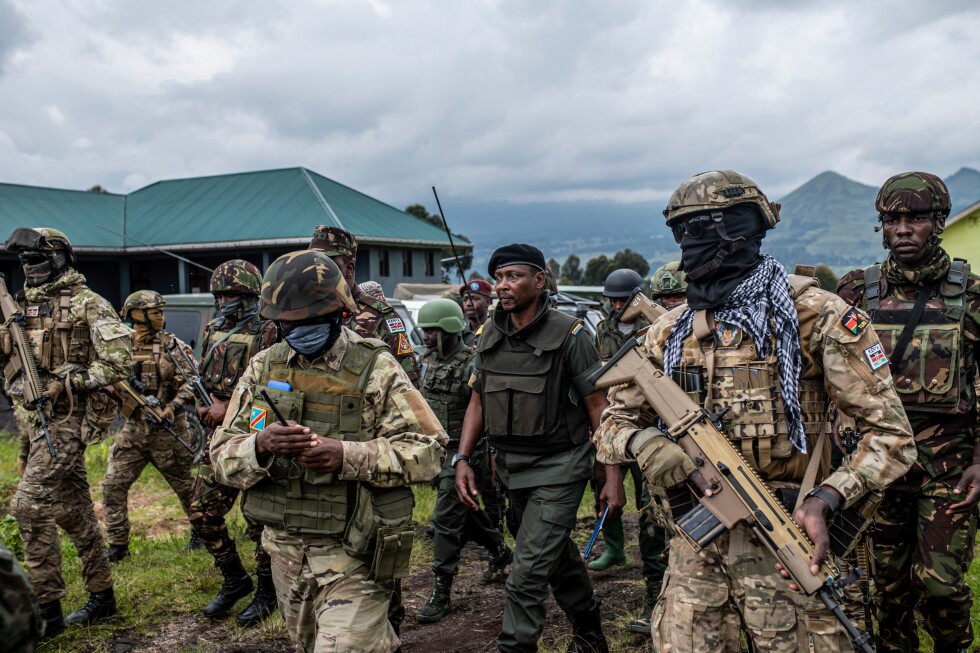
    A senior spokesperson for the Rwanda-supported M23 rebel faction operating in eastern Democratic Republic of Congo has been confirmed killed in a drone strike, according to anonymous sources from both the United Nations and local human rights organizations. The incident occurred near the mining town of Rubaya in North Kivu province during predawn hours on Tuesday.

    Willy Ngoma, recognized as a key operational figure within the M23 leadership structure, was targeted in an attack that struck a known rebel enclave. The strike represents a significant escalation in regional hostilities following the collapse of recent peace negotiations. Both the UN official and rights coordinator provided information under strict anonymity due to legitimate security concerns for their personal safety.

    This development occurs against the backdrop of intensified fighting between Congolese armed forces, supported by Wazalendo militia groups, and the M23 insurgents. The conflict, which spans decades, entered a particularly violent phase in January 2022 when rebels achieved unprecedented territorial gains, including advances toward the strategic cities of Goma and Bukavu.

    While responsibility for the drone strike remains unclaimed, the attack underscores the deteriorating security situation despite diplomatic interventions from international mediators including the United States and Qatar. Both conflicting parties have exchanged accusations regarding violations of previously established ceasefire agreements facilitated by foreign and regional partners.

  • China sees 2.8b cross-regional trips during Spring Festival holiday

    China sees 2.8b cross-regional trips during Spring Festival holiday

    China witnessed an unprecedented movement of people during the recent Spring Festival period, with official data revealing over 2.8 billion cross-regional journeys made throughout the holiday season. This staggering figure represents a new historical benchmark for travel volume during China’s most important traditional celebration, underscoring the massive scale of human mobility that characterizes the annual Lunar New Year migration.

    The Spring Festival travel rush, known as ‘Chunyun,’ typically triggers the largest annual human migration globally as millions journey to reunite with families. The 2026 period demonstrated remarkable resilience in travel demand despite various economic and logistical challenges. Transportation networks nationwide operated at near capacity to accommodate the enormous flow of passengers moving between cities and provinces.

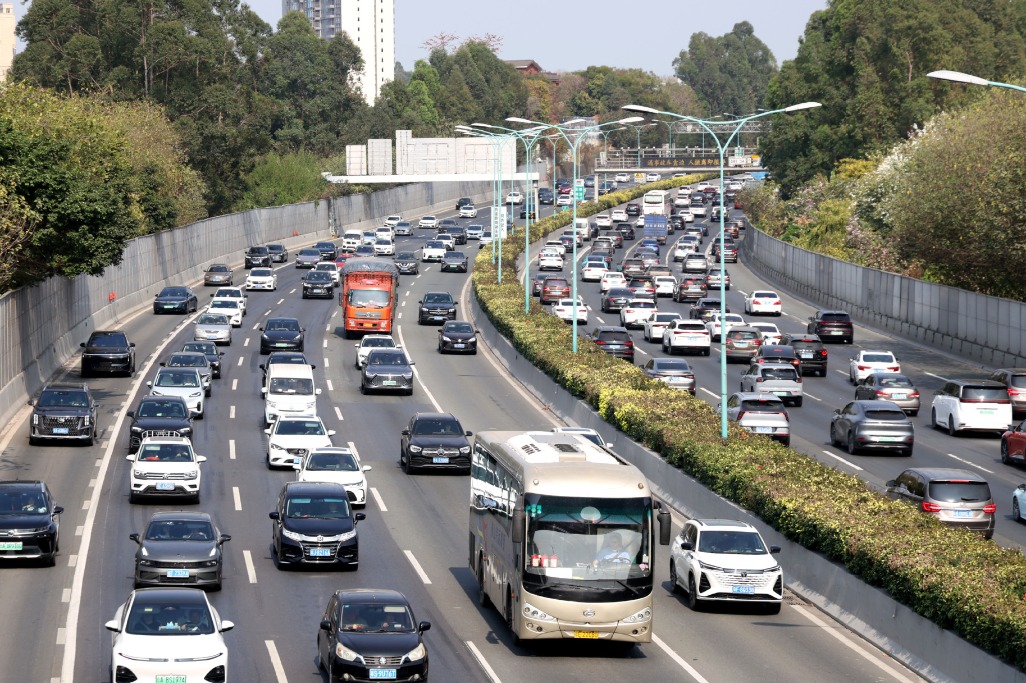
    Concurrent reports indicated China’s railway system alone handled approximately 121 million passenger trips during the same period, while nearly 17.8 million cross-border journeys were recorded. The extensive travel activity reflects both recovering economic vitality and the enduring cultural significance of family reunification during traditional holidays. Accompanying visual documentation from Guangzhou showed heavily utilized expressway networks managing substantial vehicle flows during the peak travel period.