
Hadush Kebatu, a migrant convicted of sexual assaults in Epping, Essex, has been deported to Ethiopia after being mistakenly released from prison. Kebatu, who was living in an asylum hotel, was found guilty of sexually assaulting a 14-year-old girl and a woman. Despite being scheduled for deportation under the Early Removals Scheme (ERS) for foreign national offenders, he was erroneously released from HMP Chelmsford on Friday. Following a two-day manhunt, Kebatu was re-arrested in North London and subsequently deported on Tuesday night, with no right to return to the UK. Home Secretary Shabana Mahmood expressed her anger over the incident, stating that she had taken every measure to ensure Kebatu’s removal from British soil. She emphasized that the streets are now safer as a result. The mistake, described as a ‘human error’ by Justice Secretary David Lammy, has prompted an independent inquiry led by former Metropolitan Police deputy commissioner Dame Lynne Owens. The investigation will examine the circumstances of Kebatu’s release and recommend measures to prevent similar incidents, which have increased in recent years. Immediate controls, including more stringent checks, have been implemented in prisons. A prison officer has been suspended, and no further removals under the ERS will occur this week. Kebatu’s deportation has brought relief to the Epping community, where local protests had erupted following his arrest in July. His crimes, which included sexually explicit comments and assaults, had sparked outrage. Kebatu arrived in the UK on a small boat in June 2023 after traveling through Sudan, Libya, Italy, and France. Under the UK Borders Act 2007, his 12-month custodial sentence mandated deportation.
作者: admin
-
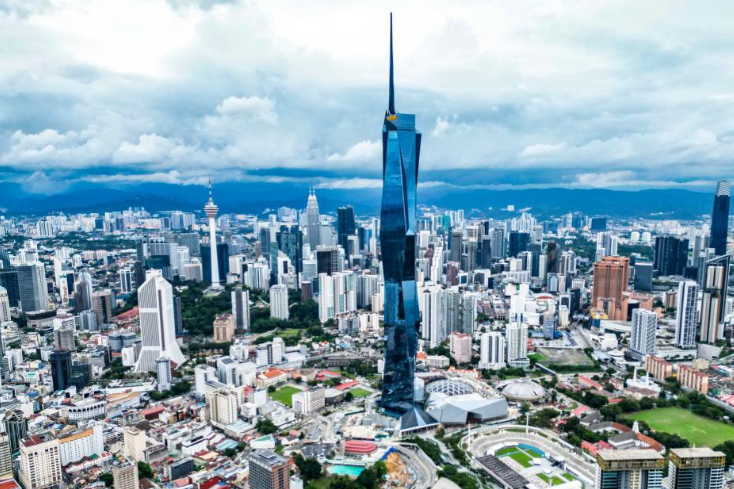
Trade talks signal hope of stability, experts say
The recent US-China trade negotiations held in Kuala Lumpur, Malaysia, have been described by experts as a pivotal moment for stabilizing economic relations between the world’s two largest economies. The talks, which took place over two days, involved high-level officials from both nations, including China’s Vice-Premier He Lifeng and US Treasury Secretary Scott Bessent, alongside US Trade Representative Jamieson Greer. Anthony Moretti, an associate professor at Robert Morris University, emphasized the importance of these discussions in fostering bilateral growth, though he acknowledged the challenges posed by shifting US policies. Gary Hufbauer, a senior fellow at the Peterson Institute for International Economics, highlighted the critical nature of the talks, warning that their outcome could either lead to a tariff truce in 2026 or a resurgence of trade tensions. Both experts stressed the need for consistent and durable agreements to bolster business confidence and global economic growth. The negotiations addressed key issues such as export controls, tariff suspensions, and expanded cooperation, with both sides describing the sessions as constructive. Markets responded positively to the progress, with the S&P 500 reaching a record high and gold futures declining as risk appetite increased. Wendy Cutler, former acting US Trade Representative, praised the focus on cooperation rather than rigid commitments, signaling a potential shift towards more collaborative trade relations.
-

Why Delhi’s experiment to fix toxic smog with artificial rain failed
Authorities in Delhi, India, conducted an unsuccessful cloud seeding trial on Tuesday in an effort to combat the city’s escalating air pollution crisis. The experiment, led by the Indian Institute of Technology (IIT) Kanpur and the Delhi government, aimed to induce rainfall by dispersing silver iodide and sodium chloride particles into the atmosphere using a Cessna aircraft. However, the attempt—the first in 50 years—was deemed “not completely successful” due to insufficient moisture in the air. Despite the lack of rain, IIT Kanpur reported a measurable reduction in particulate matter, suggesting that cloud seeding could still contribute to improved air quality under limited moisture conditions. Delhi’s Air Quality Index (AQI) has remained alarmingly high, ranging between 300 and 400—nearly 20 times the acceptable limit—over the past two weeks. Experts, including IIT Kanpur’s director Manindra Agarwal, have cautioned that cloud seeding is an emergency measure rather than a long-term solution. Delhi’s Environment Minister Manjinder Sirsa announced plans to repeat the trial in the coming weeks as moisture levels in the clouds are expected to increase. Historically, Delhi’s first cloud-seeding experiment dates back to 1957, with another attempt in 1972. The city had considered the technique in 2023 but faced delays due to pending court approvals. While cloud seeding has shown mixed results globally—with China claiming success during the Olympics and the UAE facing skepticism after floods in Dubai—its efficacy remains debated. Climate change expert Abinash Mohanty emphasized the lack of empirical evidence on its impact and the inherent limitations of altering natural processes.
-

A musical dialogue between the Earth and humanity
In a groundbreaking performance at the Patriots Theater at the War Memorial in Trenton, New Jersey, a symphonic jazz masterpiece titled ‘O God… Beautiful Machine’ captivated an audience of 1,200. The event, held on a vibrant Saturday evening, brought together an orchestra, jazz ensemble, choir, and Chinese instrumentalists in a harmonious blend of languages and musical timbres. The performance, a collaborative effort by Pulitzer Prize-winning poet Yusef Komunyakaa and composer Vince di Mura, explored the delicate relationship between humanity and the Earth. The concert, presented by the Capital Philharmonic of New Jersey, was dedicated to the late Trenton arts advocate Larry Hilton, whose vision and encouragement were instrumental in bringing this unique project to life. Hilton’s sister, Karen Hilton, shared heartfelt remarks about his belief in the unifying power of art. The evening featured a standout Chinese-language section, ‘The Cassowary,’ which showcased the pipa and Chinese percussion, described by di Mura as a tribute to his Chinese friends and inspired by traditional Chinese melodies. The performance also highlighted the talents of Chinese and Chinese American musicians, including soprano Lina Zha, violist Jing Yang, and pipa soloist Yang Jin, whose careers have bridged Eastern and Western musical traditions. Narrator Bill Engst added a bilingual gravitas to the event. The music, a seamless dialogue between improvisation and structure, Western harmony and Eastern lyricism, left the audience in a prolonged standing ovation, many feeling a profound connection across cultures and traditions.
-

China passes its newly revised Maritime Law
In a significant legislative move, China’s National People’s Congress Standing Committee has approved a comprehensive revision of the country’s Maritime Law. The updated legislation, which will come into force on May 1, 2026, comprises 16 chapters and 310 articles, reflecting the latest developments in global shipping and trade practices. The revised law aims to balance the interests of various stakeholders while aligning with international maritime conventions. Key updates include adjustments to the rights and obligations of maritime participants, the legal recognition of electronic transport records, and enhanced provisions for marine environmental protection. Notably, a new chapter addressing liability for ship oil pollution damage has been introduced, underscoring China’s commitment to marine ecological conservation. The law also emphasizes international cooperation in maritime affairs, supporting the high-quality development of China’s shipping industry. Additionally, it includes provisions to address foreign-related legal applications, further solidifying China’s position as a maritime and shipping power.
-
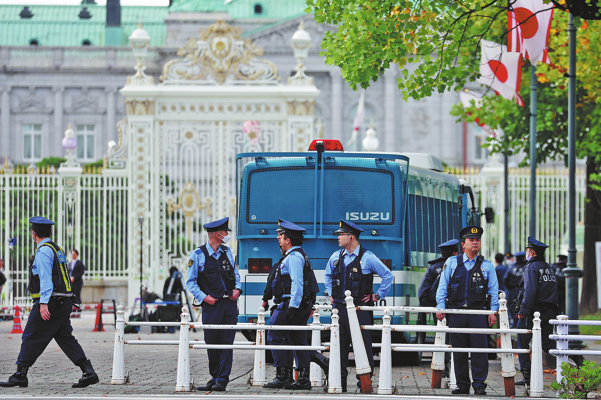
Japan, US leaders sign economic agreement
In a significant diplomatic move, Japan’s newly elected Prime Minister Sanae Takaichi and US President Donald Trump solidified their nations’ alliance through a series of economic and defense agreements during their meeting in Tokyo on Tuesday. The leaders signed a document reaffirming the implementation of a trade deal initially reached in July, which includes Japan’s pledge to invest $550 billion in critical US industries such as semiconductors, rare earths, and shipbuilding. Additionally, Japan committed to increasing its purchases of US agricultural products.
-
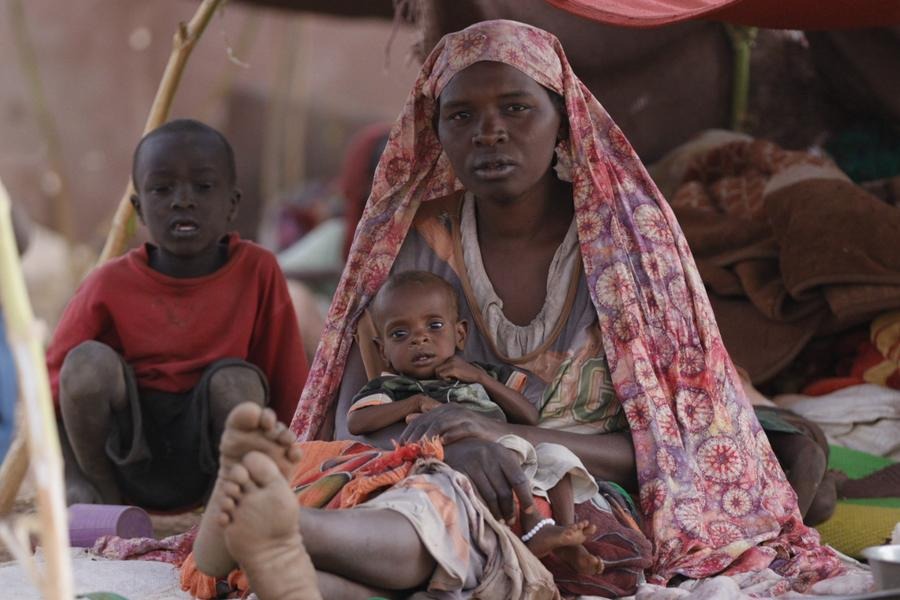
UN, humanitarian partners condemn attacks on civilians in Sudan’s El Fasher
The United Nations and its humanitarian partners have issued a stern condemnation of the escalating violence against civilians in El Fasher, the capital of Sudan’s North Darfur state. The UN Office for the Coordination of Humanitarian Affairs (OCHA) reported that the Rapid Support Forces (RSF) have been implicated in severe attacks on civilians, civilian infrastructure, and humanitarian workers. These violations include summary executions, house-to-house raids, and obstacles preventing civilians from reaching safety. Sexual violence, particularly against women and girls, continues to be reported, and local aid responders are at grave risk, with some detained or killed. The Office of the United Nations High Commissioner for Human Rights has documented approximately 1,850 civilian deaths in North Darfur, with an estimated 1,350 occurring in El Fasher from the beginning of the year to October 20. However, this figure is believed to underrepresent the actual number of conflict-related deaths due to challenges in telecommunications and access on the ground. Humanitarian workers are operating under extreme danger to assist those fleeing toward Tawila and surrounding areas. The UN Refugee Agency (UNHCR) is providing life-saving assistance and essential services to displaced families, including shelter, basic necessities, and cash assistance. However, access to El Fasher remains blocked, and humanitarian capacity is rapidly shrinking as needs soar. The humanitarian community in Sudan is calling for urgent action to protect civilians and humanitarian workers, guarantee safe passage and humanitarian access to people trapped in El Fasher, ensure accountability for all violations of international humanitarian law, and scale up funding to sustain life-saving operations. The United Nations and its humanitarian partners remain committed to scaling up their life-saving support across Darfur and re-establishing their presence on the ground. OCHA also reported that fighting has intensified in Sudan’s North Kordofan state, emphasizing that civilians must be protected wherever they are and allowed to flee safely and with dignity. The office urged all parties to immediately halt hostilities, respect their obligations under international humanitarian law, and enable safe, sustained humanitarian access.
-
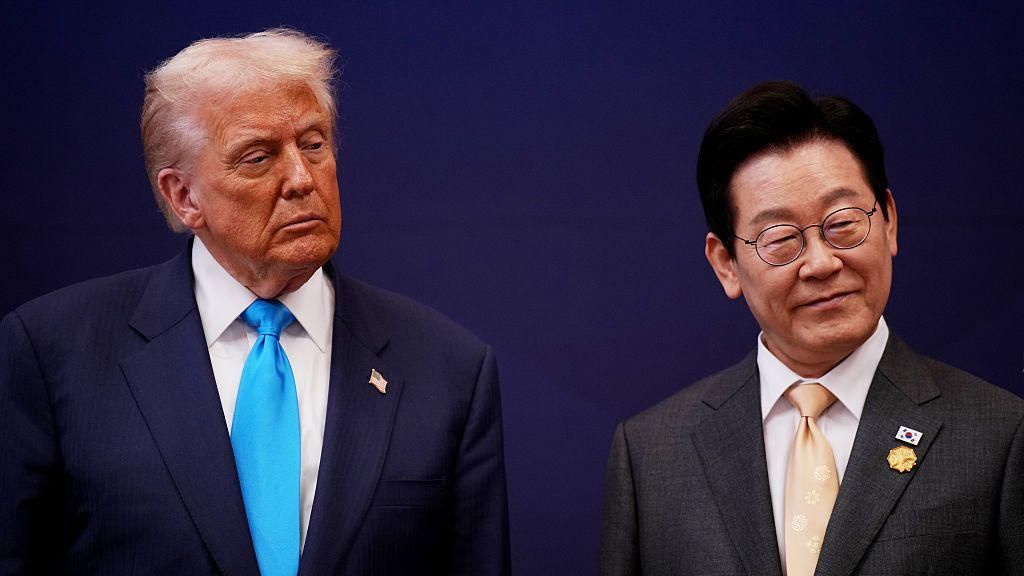
Trump meets South Korean leader as trade deal remains elusive
US President Donald Trump and South Korean President Lee Jae Myung held a significant meeting during the final leg of Trump’s whirlwind tour across Asia. The discussions, which lasted nearly two hours, focused on resolving the ongoing trade deal impasse between the two nations. Despite previous agreements in July, where South Korea committed to investing $350 billion in the US to mitigate tariffs, negotiations have stalled over the structure of these investments. Historically strong allies, the US and South Korea have recently faced tensions following the detention of hundreds of South Koreans in a US immigration raid last month. Trump, who is on a week-long trip in Asia, is also scheduled to meet Chinese President Xi Jinping on the sidelines of the Asia-Pacific Economic Cooperation (Apec) summit in Gyeongju. This will be their first face-to-face meeting since Trump assumed office in 2025 and imposed global tariffs. During his address to CEOs in Gyeongju, Trump expressed optimism about reaching a beneficial trade deal with China and praised Apec countries for their efforts in reforming the global trading system. Trump was honored with South Korea’s highest decoration, the Grand Order of Mugunghwa, in recognition of his contributions to peace on the Korean Peninsula. Despite the high-profile meeting, no concrete agreements were announced, leaving South Korea’s electronics, chip, and auto industries in uncertainty. Earlier this year, Trump had imposed a 25% tariff on South Korea, which was later negotiated down to 15% after Seoul pledged significant investments in the US. However, the White House has since increased its demands, pushing for cash investments. The visit was marked by protests and rallies, reflecting the complex geopolitical dynamics in the region.
-

Australia wins the toss and sends India in to bat in Twenty20 series opener at Canberra
In a strategic move to assess form and readiness for the upcoming T20 World Cup, Australian captain Mitch Marsh elected to field first after winning the toss in the series-opening Twenty20 international against India on Wednesday. The match, held in Australia, marks the beginning of a five-game series designed to help both teams fine-tune their strategies in the shortest format of international cricket before transitioning back to test matches.
-
Studying the wrong ancient Roman ruler gets Australian high school seniors out of a history exam
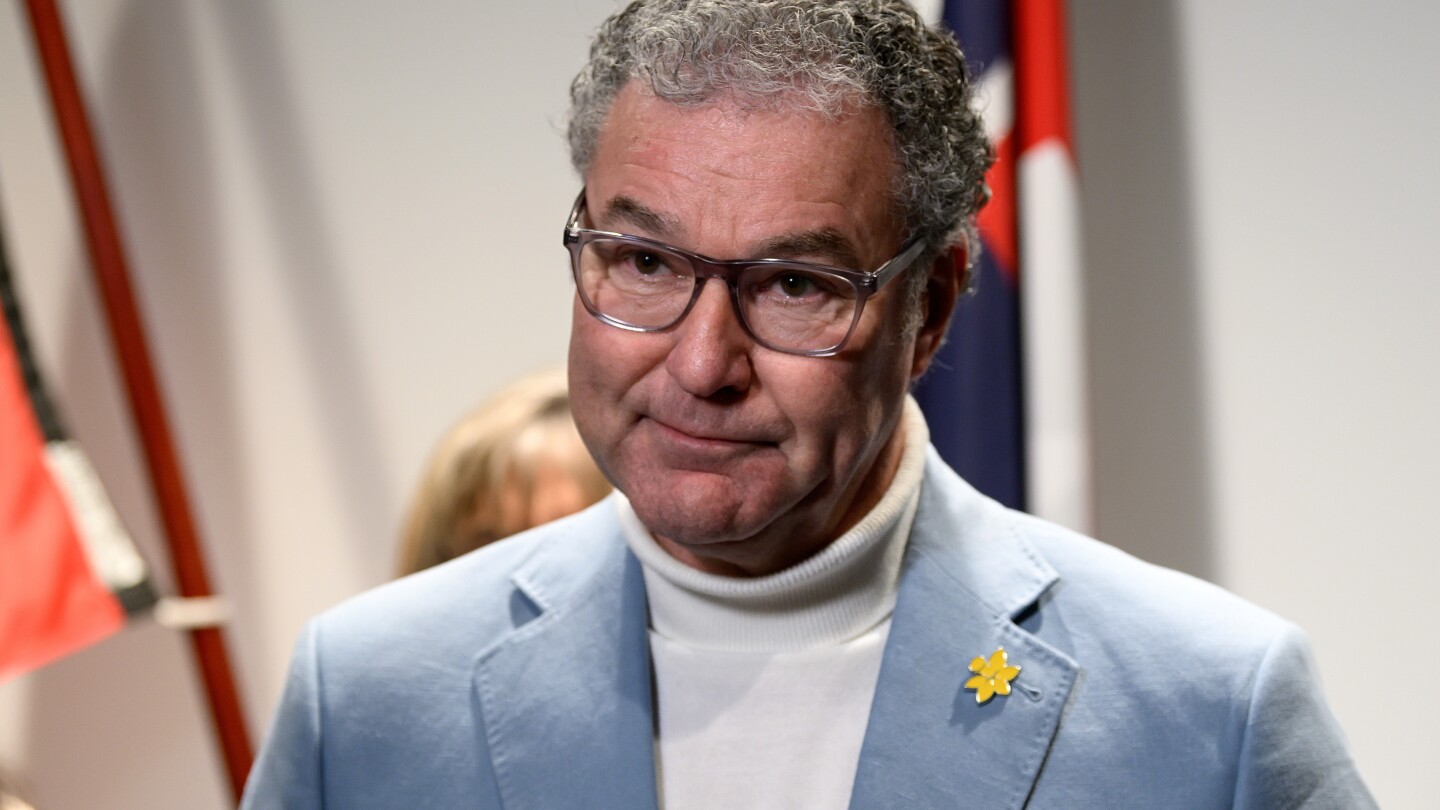
In a surprising turn of events, teachers at nine high schools in northeastern Australia discovered just days before an ancient history exam that they had mistakenly taught their students about Augustus Caesar instead of his predecessor, Julius Caesar. The error, uncovered on Monday, led to an exemption for students in Queensland from the statewide exam scheduled for Wednesday. Education Minister John-Paul Langbroek described the situation as “extremely traumatic” for the students and pledged to investigate the mix-up. The affected 140 seniors were granted an exemption from the exam, which constitutes 25% of their annual marks. Instead, their grades will be determined based on assessments covering the remaining 75% of their coursework. The Queensland Curriculum and Assessment Authority revealed that the exam topic had been Augustus Caesar for the past four years, but schools were informed two years ago that the focus would shift to Julius Caesar in 2025. The incident has sparked criticism from parents, who argue that the panic surrounding the exam disrupted their children’s preparation for other tests, including one held earlier on Wednesday. Langbroek assured that the students would not be disadvantaged and emphasized the need for accountability in the education system.