
New York City, home to the largest Jewish population outside of Israel, has become a focal point in the ongoing mayoral election. With nearly a million Jewish residents, the community’s diverse political and cultural perspectives are shaping the race. Zohran Mamdani, a candidate in the Democratic primary, has garnered significant support from younger Jewish voters, with 67% of Jews under 44 voting for him. Overall, Mamdani secured 43% of the Jewish vote, according to recent polls. A subgroup of his supporters, known as ‘Jews for Zohran,’ has emerged, comprising individuals and organizations like Jews for Racial and Economic Justice and Jewish Voice for Peace. These groups have mobilized to engage both Jewish communities and New Yorkers at large. Despite being labeled as antisemitic by some critics, Mamdani has attracted Jewish voters who believe in his vision for affordable housing, healthcare, and social equity. Jacob Bloomfield, a canvasser for Mamdani, emphasized the candidate’s commitment to addressing systemic inequalities, stating that ‘everyone in our society should have access to a basic standard of living.’ Actor and comedian Matt Ketai, another supporter, praised Mamdani’s energy and principles, while criticizing Islamophobic narratives perpetuated by opponents like Andrew Cuomo. Journalist Caleb Espiiritu-Bloomfield highlighted the generational divide within the Jewish community over Israel, noting that younger Jews are less tied to traditional views. While Mamdani’s stance on Israel remains a point of contention, many Jewish voters see him as a unifying figure who understands the challenges faced by minorities in a Christian-majority society. As the election approaches, Mamdani’s campaign continues to resonate with Jewish voters who prioritize social justice and inclusivity.
作者: admin
-
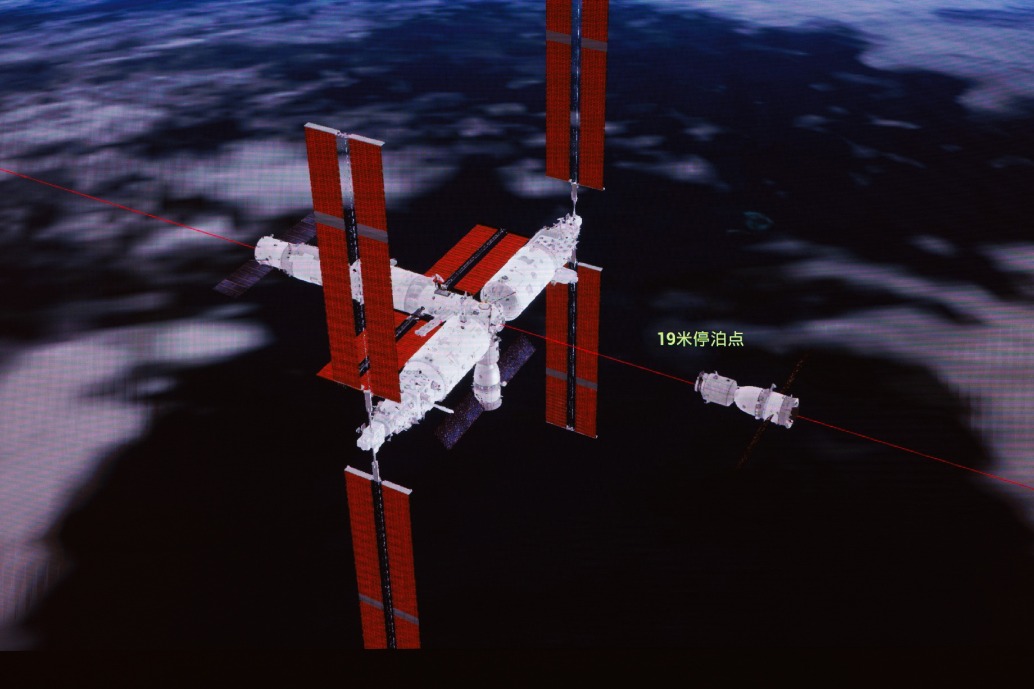
China’s Shenzhou XXI crewed spaceship docks with space station combination
In a significant achievement for China’s space program, the Shenzhou XXI crewed spaceship successfully docked with the country’s space station combination in the early hours of Saturday morning. The China Manned Space Agency confirmed the successful maneuver, which underscores China’s growing capabilities in space exploration. This mission is part of China’s broader strategy to establish a permanent presence in space and conduct advanced scientific research. The docking marks a critical step in the ongoing development of the space station, which is expected to play a pivotal role in future space missions. The Shenzhou XXI astronauts are set to embark on a series of tasks, including scientific experiments and maintenance activities, further solidifying China’s position as a major player in the global space race.
-

Narrow Dodgers win sets up World Series decider
The Los Angeles Dodgers staged a crucial comeback to defeat the Toronto Blue Jays 3-1 in Game 6 of the World Series, leveling the series at 3-3 and setting the stage for a thrilling Game 7. Manager Dave Roberts’ strategic batting order adjustments paid off as the Dodgers capitalized on key moments in the third inning. Catcher Will Smith and outfielder Mookie Betts delivered pivotal hits, driving in three runs to establish an early lead. Despite a sharp line drive from George Springer that narrowed the gap, Dodgers starter Yoshinobu Yamamoto showcased his prowess, allowing only one run over six innings. The Blue Jays’ hopes were further dashed by a controversial umpiring decision in the ninth inning, where a potential game-tying play was ruled a ground rule double, leaving runners stranded. The Dodgers’ defense held firm, securing the win and forcing a decisive final game at Toronto’s Rogers Centre on Saturday evening.
-

Monkey King set for debut in San Francisco
The iconic Monkey King, a cherished figure from Chinese literature, is poised to captivate Western audiences in a groundbreaking operatic production. Premiering on November 14 at the War Memorial Opera House in San Francisco, this innovative adaptation blends traditional Chinese storytelling with modern multidisciplinary artistry. Composer Huang Ruo, in collaboration with librettist David Henry Hwang, has reimagined the legendary hero’s journey, drawing from the opening chapters of the 16th-century classic *Journey to the West*. The production, performed in both English and Chinese, integrates opera, movement, and puppetry to bring Sun Wukong’s tale of self-discovery and defiance to life. Commissioned by the San Francisco Opera and the Chinese Heritage Foundation of Minnesota, the opera aims to bridge cultural divides and foster global understanding. Huang Ruo emphasized the timeless relevance of the Monkey King’s quest for enlightenment, describing it as a beacon of hope in turbulent times. The production’s costumes, designed by Anita Yavich, further enhance its visual appeal, promising a unique and immersive experience for audiences.
-
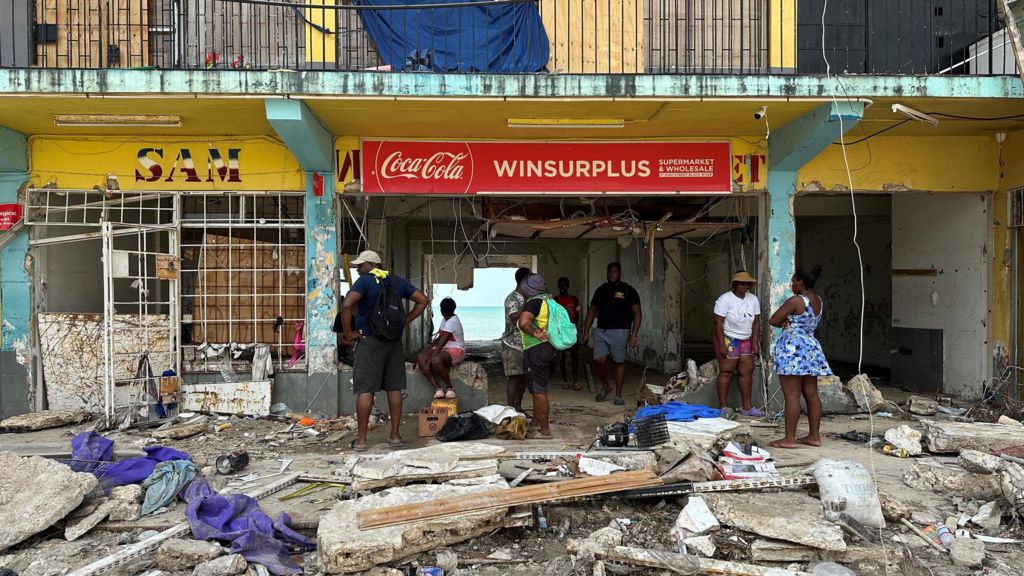
Scavenging for food in streets – desperation takes hold in Jamaica after hurricane
The aftermath of Hurricane Melissa has left the Jamaican port city of Black River in a state of utter devastation. As one of the most powerful Category 5 storms ever recorded in the Caribbean, Melissa unleashed fierce winds and a catastrophic storm surge that decimated nearly everything in its path. Roads are rendered impassable, buildings lie in ruins, and essential infrastructure, including hospitals and police stations, has been destroyed. Residents are now grappling with the dual challenges of survival and the search for missing loved ones.
-
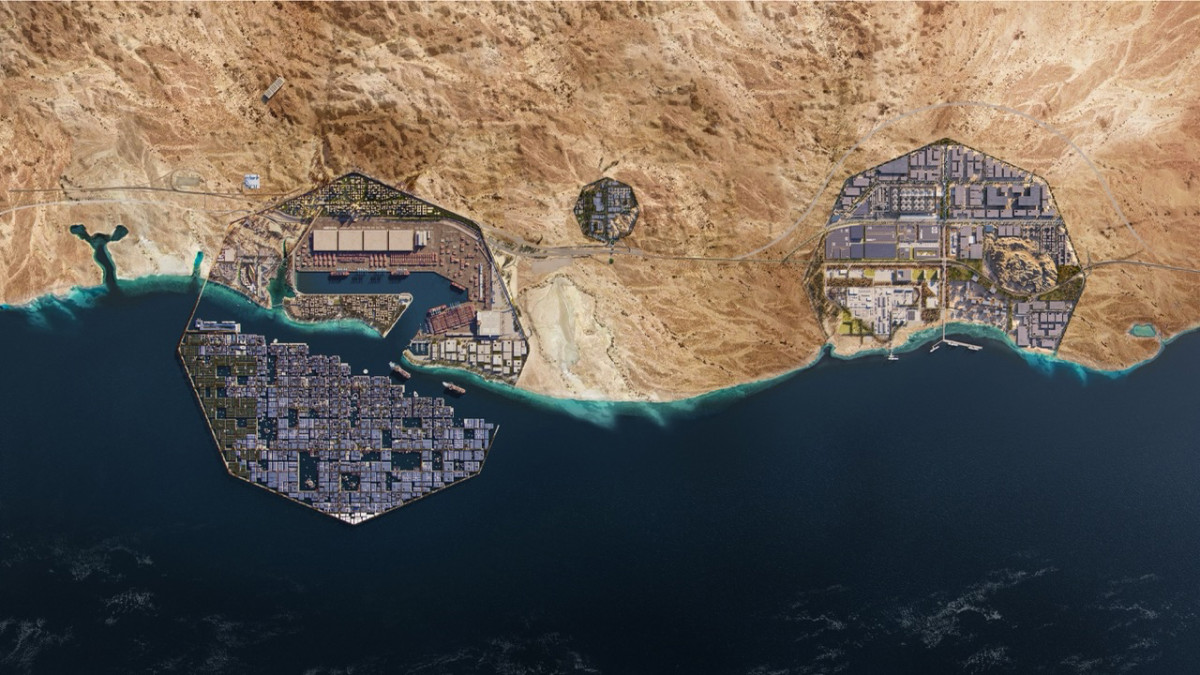
Saudi Arabia’s unbeatable AI pitch? Having oil and gas to burn
Saudi Arabia is positioning itself as a global hub for artificial intelligence (AI) by leveraging its abundant and inexpensive energy resources. Amid rising energy costs in the US, partly driven by data center demands, the Kingdom is enticing global investors with the promise of low-cost electricity to power AI infrastructure. Greg Priddy, an energy expert at the Center for the National Interest, emphasized that Saudi Arabia’s primary competitive edge in AI lies in its cheap electricity, largely derived from fossil fuels. While other metrics may favor alternative locations, the Kingdom’s ultra-affordable energy costs give it a unique advantage in the race to become an AI powerhouse. This ambition was prominently showcased at the Future Investment Initiative (FII) conference in Riyadh, where Saudi executives outlined plans to establish the country as the third-largest player in AI, alongside China and the US. Major projects, such as Datavolt’s $5 billion data center on the Red Sea coast and Humain’s expansive data center network, underscore the Kingdom’s commitment to AI development. However, experts caution that Saudi Arabia must significantly expand its electrical grid to meet the colossal energy demands of these facilities. The Kingdom’s reliance on fossil fuels, particularly natural gas and crude oil, provides a cost-effective solution for now, but investments in renewable energy and shale gas extraction are also underway. Saudi Aramco’s recent acquisition of a minority stake in Humain highlights the strategic link between energy and AI. With electricity prices 30-50% cheaper than the global average, Saudi Arabia offers a compelling proposition for data center operators. Crown Prince Mohammed bin Salman’s Vision 2030 initiative further supports this push, aiming to diversify the economy beyond oil exports. While challenges such as skilled labor shortages and geopolitical concerns over semiconductor exports persist, Saudi Arabia’s energy wealth and government-driven pricing policies position it as a formidable contender in the global AI landscape.
-
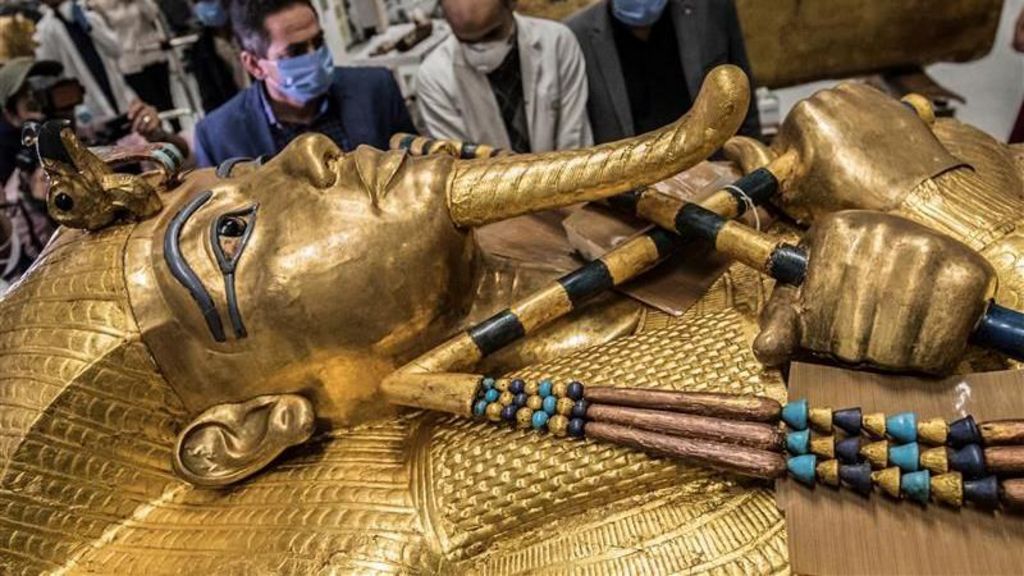
Egypt’s Grand Museum opens, displaying Tutankhamun tomb in full for first time
Egypt has officially unveiled the Grand Egyptian Museum (GEM), a monumental cultural institution near the Great Pyramid of Khufu in Giza. Described as the world’s largest archaeological museum, the GEM houses approximately 100,000 artefacts spanning seven millennia of Egyptian history, from pre-dynastic times to the Greek and Roman eras. A centerpiece of the museum is the complete collection from Tutankhamun’s tomb, including his iconic gold mask, throne, and chariots, displayed together for the first time since their discovery by British Egyptologist Howard Carter in 1922. Dr. Tarek Tawfik, President of the International Association of Egyptologists, emphasized the significance of showcasing the entire tomb, offering visitors an immersive experience akin to Carter’s original discovery. The $1.2 billion museum complex, which spans 500,000 square meters, is expected to attract up to 8 million visitors annually, revitalizing Egypt’s tourism sector. The GEM also features other remarkable exhibits, such as the 4,500-year-old funerary boat of Khufu and a 16-meter-long suspended obelisk of Ramesses II. The museum’s opening has reignited calls for the repatriation of key Egyptian antiquities, including the Rosetta Stone, the Dendera Zodiac, and the Bust of Nefertiti, currently held in foreign institutions. Dr. Zahi Hawass, Egypt’s former minister of tourism and antiquities, expressed pride in the museum’s completion, highlighting its role in showcasing Egypt’s cultural heritage and modern achievements. The GEM, which began construction in 2005, faced numerous challenges, including financial crises, political turmoil, and the COVID-19 pandemic, but its completion marks a new era for Egyptology and cultural tourism.
-
Why the Indian passport is falling in global ranking
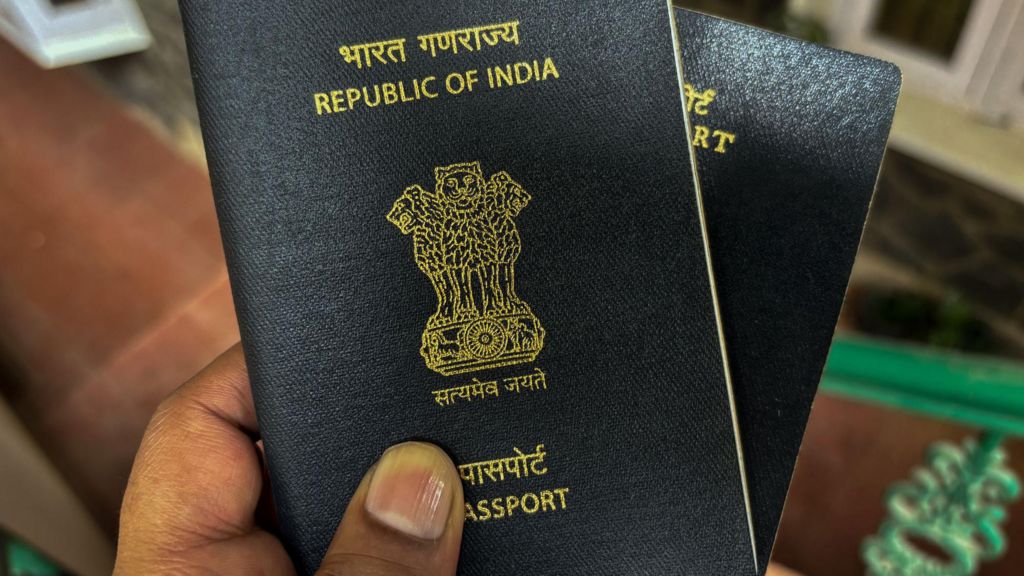
India’s passport has been ranked 85th out of 199 countries in the 2025 Henley Passport Index, a global ranking system based on visa-free travel access. This marks a slight decline from its previous position, highlighting ongoing challenges for Indian citizens seeking international mobility. While the number of visa-free destinations for Indians has increased from 52 in 2015 to 57 in 2025, the country’s ranking has remained stagnant, reflecting a more competitive global landscape in travel partnerships and visa policies. For comparison, Singapore, South Korea, and Japan continue to dominate the index, offering their citizens visa-free access to 193, 190, and 189 countries, respectively. Meanwhile, India shares its 85th rank with Mauritania, an African nation with a significantly smaller economy. Experts attribute India’s stagnant ranking to factors such as political instability, immigration concerns, and cumbersome visa procedures. Achal Malhotra, a former Indian ambassador, notes that India’s historical political upheavals, including the Khalistan movement in the 1980s, have tarnished its global image. Additionally, issues like passport fraud and slow visa processing further hinder its progress. Despite these challenges, India has introduced technological advancements, such as the e-passport, which incorporates biometric data to enhance security. However, experts emphasize that diplomatic outreach and travel agreements remain crucial for improving India’s passport strength and global mobility.
-

She’s a pop star, he’s a former PM – why Katy Perry and Justin Trudeau just might work
In a surprising turn of events, former Canadian Prime Minister Justin Trudeau and American pop icon Katy Perry have confirmed their romantic relationship. The couple was photographed holding hands in Paris last weekend, leaving the Crazy Horse cabaret after celebrating Perry’s 41st birthday. This unexpected pairing has captured global attention, blending the worlds of politics and pop culture in a way few could have anticipated. Both Trudeau and Perry have faced significant public scrutiny in recent years, making their union a fascinating chapter in their respective journeys. Trudeau, who stepped down from politics earlier this year amid declining popularity, and Perry, who has weathered professional setbacks and personal challenges, appear to be finding solace in each other. Their relationship offers a rare glimpse into Trudeau’s private life, which has been largely shielded from public view since his resignation. For Perry, the partnership opens doors to new civic and philanthropic opportunities, while Trudeau benefits from a softer, more relatable image in the realm of pop culture. Observers note that their connection is rooted in shared experiences of navigating life post-separation, with both recently ending long-term relationships. As the couple continues to make headlines, their romance serves as a reminder of the unpredictable nature of love and the enduring allure of high-profile relationships.
-
‘I was accused of spying and beaten’ – a boy’s escape from captured Sudan city
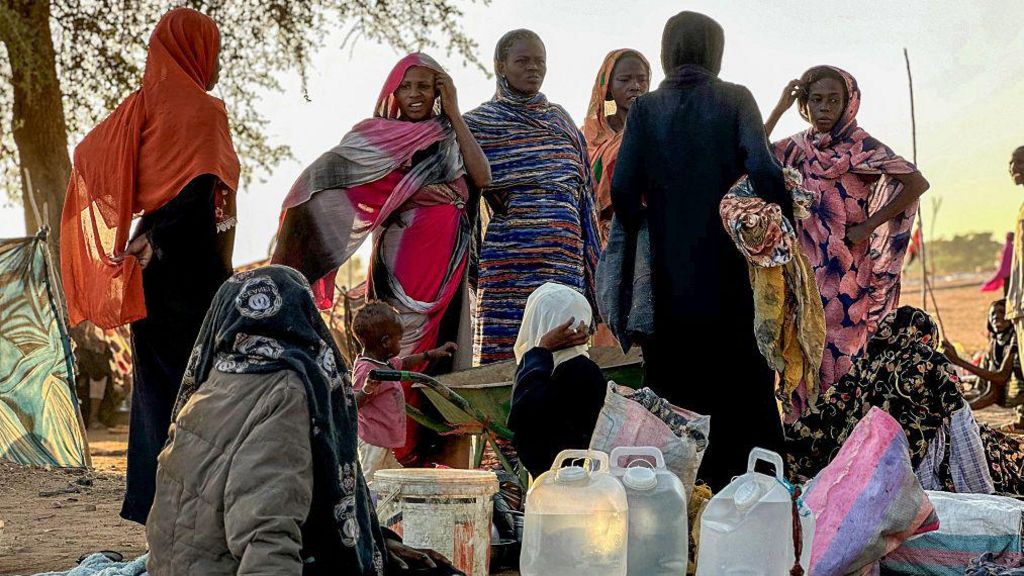
The western Sudanese city of el-Fasher has become a focal point of the ongoing civil war between the Rapid Support Forces (RSF) and the Sudanese army. Twelve-year-old Abdiwahab, whose name has been changed for safety, recently escaped the city after it fell to the RSF. In a video shared with the BBC, he recounts being assaulted multiple times by RSF fighters, who accused him of espionage. Separated from his family during the chaos, Abdiwahab walked 80 kilometers over three days to reach Tawila, a town offering relative safety. His story mirrors those of thousands of others fleeing el-Fasher, where the UN estimates 60,000 have escaped amid reports of atrocities, including rape and mass killings. Many survivors arrive in Tawila alone, traumatized, and in desperate need of aid. Ali, a volunteer aid worker who fled el-Fasher himself, filmed Abdiwahab’s account and is now helping new arrivals at a temporary camp. The situation remains dire, with aid agencies overwhelmed by the influx of displaced people, many of whom are unaccompanied minors or suffering from injuries and malnutrition. Despite the RSF leader’s admission of ‘violations’ and promises of investigation, the humanitarian crisis continues to deepen, leaving over 260,000 civilians, including 130,000 children, trapped in el-Fasher under famine-like conditions.