作者: admin

  • YRD demonstration zone seeks to advance concerted institutional reform and innovation

    YRD demonstration zone seeks to advance concerted institutional reform and innovation

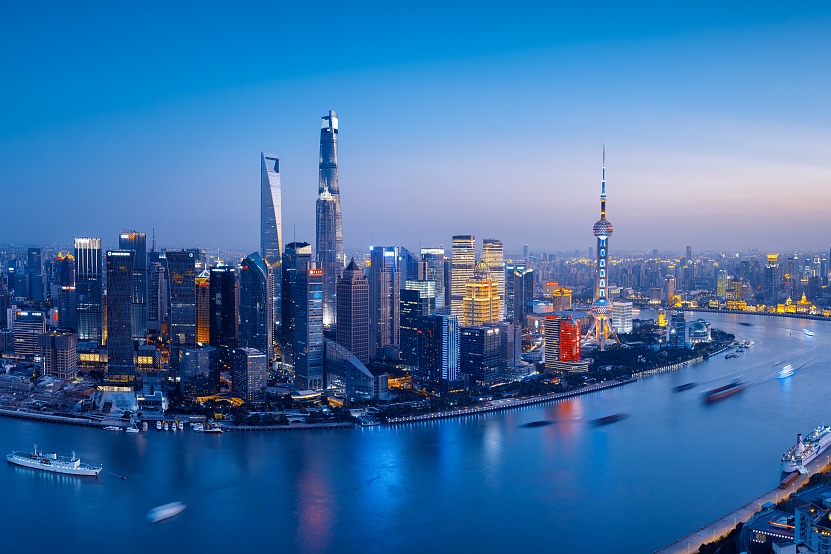
    The Yangtze River Delta Ecological Green Integration Demonstration Zone is poised to intensify its institutional reform agenda throughout China’s 15th Five-Year Plan period (2026-2030), according to official statements from a Thursday government press conference. This strategic initiative aims to foster cross-regional collaboration through innovative policy frameworks and sustainable development practices.

    Gu Jun, Director of Shanghai Municipal Development and Reform Commission and head of the zone’s executive committee, outlined the comprehensive roadmap emphasizing low-carbon transformation of traditional industries. The strategy includes establishing green industrial clusters and implementing carbon emission budgeting systems across key sectors. The zone will prioritize substantial development in next-generation information technology and green新材料 while actively planning for artificial intelligence and future energy advancements.

    A significant milestone was achieved on January 23 with official approval of a high-tech industrial development area within the demonstration zone. This designated area will concentrate on three strategic emerging industries: digital technologies, intelligent manufacturing, and green新材料, featuring corporate headquarters and green sci-tech innovation services.

    Major infrastructure projects are scheduled for deployment during the 15th Five-Year Plan period to support industrial transformation. These include Alibaba’s Yangtze River Delta intelligent computing base, China Mobile’s 5G data center for the region, and China Telecom’s computing center in Wujiang district.

    Established in 2019 across Qingpu district (Shanghai), Wujiang district (Suzhou, Jiangsu), and Jiashan county (Zhejiang), the demonstration zone has demonstrated remarkable economic performance. During the 14th Five-Year Plan period (2021-2025), the zone achieved an annual nominal GDP growth rate of 7.3%, reaching 571.6 billion yuan ($82.3 billion) in 2025.

    The zone’s innovation ecosystem has yielded significant results, with 161 institutional innovation measures developed over five years, including 61 replicated nationwide. In 2025 alone, nine new institutional innovations were released for national adoption while 15 innovative measures were promoted across the Yangtze River Delta region.

    High-tech enterprises have multiplied dramatically, growing to 3,713 by end-2025—a 2.4-fold increase since the zone’s inception. Cross-regional integration has deepened substantially, with over half of service contracts at Xiangfu Laboratory’s Jiashan facilities serving projects in Shanghai and Jiangsu.

    Complementing these efforts, a dedicated investment fund launched in October 2025 with an initial capitalization of 500 million yuan. According to Qu Wei, Deputy Head of Shanghai Municipal Commission of Science and Technology, this fund specifically targets green-low-carbon development and technological innovation projects.

  • Video series aims to show the beauty of Hebei

    Video series aims to show the beauty of Hebei

    A captivating video series showcasing the diverse allure of China’s Hebei province has been officially launched, offering a visually stunning exploration of the region’s natural and cultural treasures. Titled “Beautiful Hebei,” this ambitious multimedia project represents a collaborative effort spearheaded by the Hebei Photographers Association, which meticulously curated 198 exceptional photographs from extensive archives, specialized submissions, and targeted collections from prominent photographic institutions and artists.

    The comprehensive series is structured into eleven distinct episodes, each thoughtfully designed to highlight a different dimension of Hebei’s character. The collection opens with three installments dedicated to “Natural Beauty,” presenting the province’s dramatic topography through sweeping mountain ranges, pristine waterways, and lush forest ecosystems. This is followed by another thematic trilogy focusing on “Ecological Beauty,” documenting Hebei’s significant environmental initiatives and the successful integration of sustainable development within natural habitats.

    The final five episodes delve into “Humanistic Beauty,” offering a cultural odyssey through Hebei’s rich historical legacy. These segments explore iconic landmarks including the ancient Great Wall structures, the historic Grand Canal waterways, and traditional ceremonial practices that have been preserved through generations. The fourth installment, specifically highlighting ecological achievements, debuted concurrently with the announcement of the series’ launch.

    This visual journey aims to position Hebei as a destination of remarkable diversity, enhancing appreciation for a province that neighbors two of China’s major metropolitan areas while maintaining its distinct ecological and cultural identity. The project represents both an artistic achievement and a strategic promotion of regional tourism and cultural preservation.

  • AES Visionary Entrepreneurs’ Forum Season 2 to inspire UAE’s businessmen

    AES Visionary Entrepreneurs’ Forum Season 2 to inspire UAE’s businessmen

    The UAE’s business community is preparing for the highly anticipated AES Visionary Entrepreneurs’ Forum Season 2, scheduled for February 6, 2026, at the Khaleej Times headquarters in Dubai. This exclusive gathering will unite entrepreneurs, industry leaders, and innovative changemakers from across the Emirates for a morning of strategic networking and knowledge sharing from 10:00 AM to 12:00 PM.

    Organized by AES Edu Marketing & Events Network with Khaleej Times as exclusive media partner, the event underscores a shared commitment to strengthening the nation’s entrepreneurial infrastructure through meaningful collaboration and story amplification. The forum’s carefully designed program features curated panel discussions, recognition ceremonies, and networking sessions specifically tailored for AES community members.

    Central to the event’s agenda is the celebration of entrepreneurial success stories, leadership insights, and the growing importance of community-driven business models in today’s dynamic economic environment. The forum aims to transcend conventional business networking by fostering genuine connections that extend beyond transactional relationships.

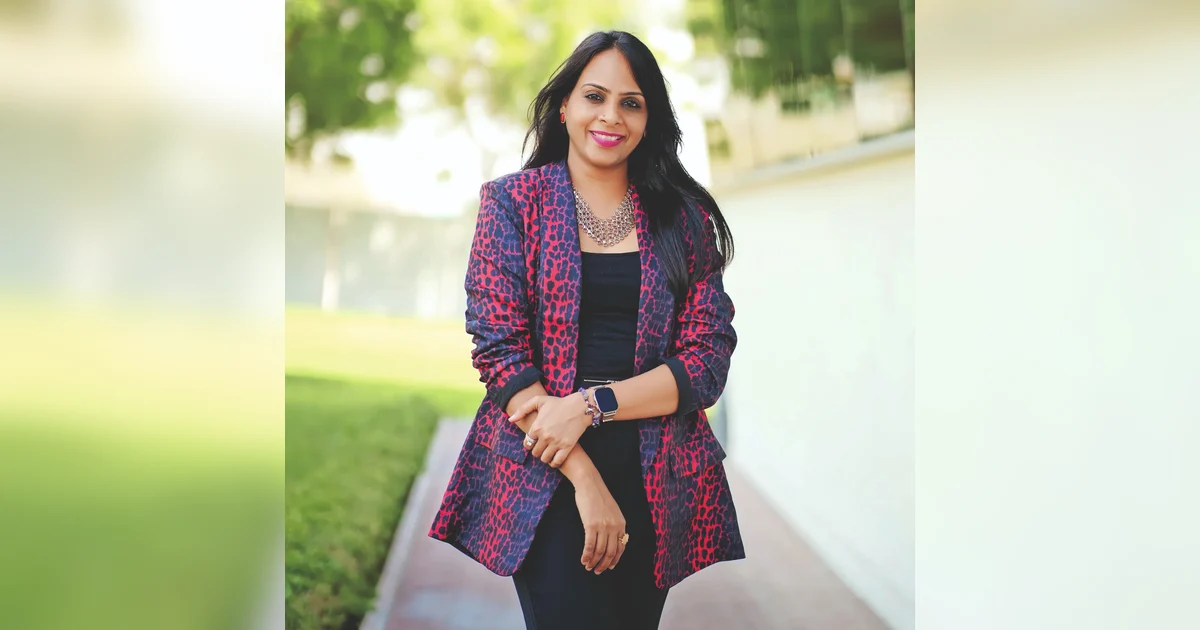
    Leading this initiative is Ayesha Shaik, founder of AES Edu Marketing Events Networks FZE, recognized as one of the UAE’s most influential voices in education and entrepreneurship. As a serial entrepreneur, educator, and podcaster, Shaik conceived the platform to honor authentic business journeys while empowering emerging leaders.

    ‘Our vision centers on creating inclusive, value-driven environments where entrepreneurs can learn, grow, and collaborate with purpose,’ Shaik explained regarding the forum’s underlying philosophy. The AES network continues to focus on building supportive ecosystems that facilitate meaningful professional development and strategic partnership opportunities within the UAE’s vibrant business landscape.

  • Galeries Lafayette Dubai celebrates Ramadan with a curated market, designers’ pop-ups

    Galeries Lafayette Dubai celebrates Ramadan with a curated market, designers’ pop-ups

    Galeries Lafayette Dubai has inaugurated an exclusive Ramadan Market, transforming its retail space into a comprehensive cultural destination for the Holy Month. This meticulously curated seasonal experience combines contemporary design with traditional elements, offering visitors a unique blend of shopping and cultural immersion.

    The centerpiece of the celebration is the Ramadan Market, featuring an extensive collection of lifestyle products, artisanal jewelry, home décor, and specialty foods specifically selected for Ramadan and Eid festivities. The market serves as a one-stop destination for seasonal essentials, masterfully integrating modern creative expressions with cultural heritage.

    Enhancing the experiential dimension, the establishment will host rotating cultural activations every Friday and Saturday throughout Ramadan. These weekly events will include live oud performances, traditional henna artistry, Arabic calligraphy demonstrations, and various interactive cultural experiences designed to create a dynamic atmosphere.

    The fashion component showcases a dedicated pop-up space highlighting emerging regional designers including Arad Ghaderian, By Febe, Dalia Al Azem, and Roula Bahnam. Their collections feature modern interpretations of traditional attire, including contemporary kaftans, abayas, and modest wear designed for Ramadan occasions. International luxury brands such as Alice + Olivia, Bouguessa, and Forte Forte complement this offering with sophisticated seasonal collections.

    The beauty department has launched a specialized seasonal focus with premium fragrance and grooming collections from prestigious houses including Guerlain, Amouage, and Creed. Curated gift sets and limited-edition products position beauty as a central gifting category for the season.

    For home entertainment, Galeries Lafayette presents a selection of artisanal tableware and decorative items from regional designers like Sisal and Tohfa Luxe, alongside international brands TANAGRA and Villeroy & Boch. These collections feature culturally inspired pieces that blend traditional craftsmanship with modern design aesthetics, ideal for Ramadan hosting and celebrations.

    The comprehensive Ramadan experience will remain available throughout the Holy Month, offering visitors cultural engagement alongside premium shopping opportunities.

  • Justice Department releases massive trove from its Jeffrey Epstein files

    Justice Department releases massive trove from its Jeffrey Epstein files

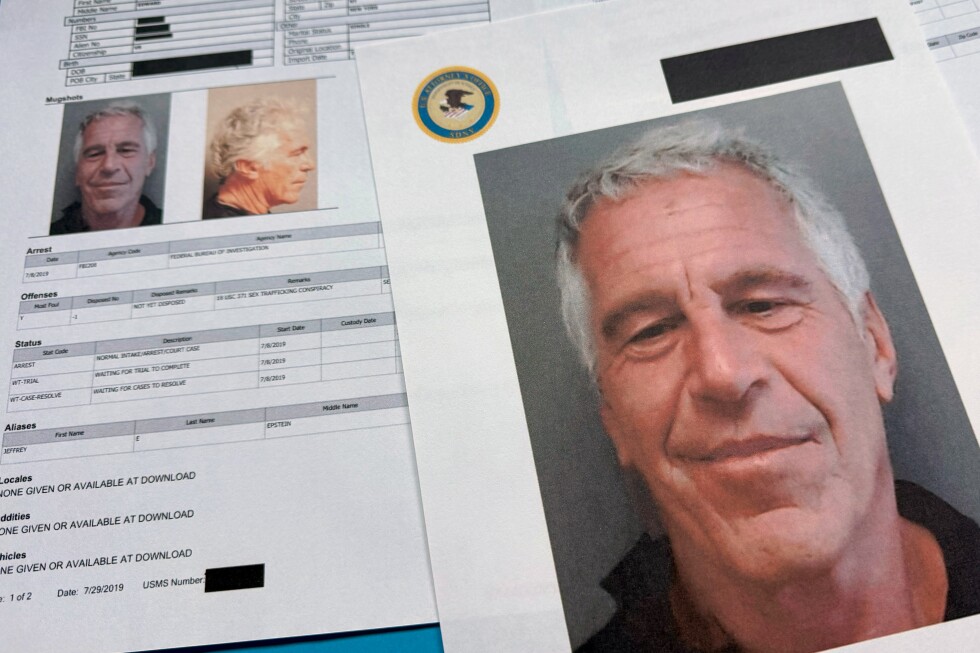
    In an unprecedented move toward governmental transparency, the U.S. Justice Department has unveiled millions of previously confidential documents related to the Jeffrey Epstein investigation. Deputy Attorney General Todd Blanche announced Friday’s disclosure—the largest to date—which includes over 3 million pages of documents, 2,000 videos, and 180,000 images posted to the department’s official website.

    The release comes in compliance with the Epstein Files Transparency Act, enacted following months of intense public and political pressure. This legislative measure mandates full disclosure of government files concerning the deceased financier and his associate Ghislaine Maxwell, who is currently serving a 20-year sentence for sex trafficking.

    Among the disclosed materials are correspondence and records involving high-profile figures across political and business spheres. Documents reference Britain’s Prince Andrew (now Andrew Mountbatten-Windsor) hundreds of times, including in Epstein’s private emails and guest lists for his dinners. The files also reveal communications between Epstein and Tesla CEO Elon Musk, who twice discussed potential visits to Epstein’s Caribbean island, Little Saint James.

    Additional records show extensive text message exchanges between Epstein and former Trump strategist Steve Bannon during Trump’s first term, featuring discussions about politics and transportation arrangements. The documents also include an invitation to current Commerce Secretary Howard Lutnick and his family to visit Epstein’s island in 2012.

    The Justice Department emphasized its extensive review process, involving hundreds of lawyers who scrutinized approximately 6 million pages to redact sensitive information protecting victims’ identities and ongoing investigations. Blanche acknowledged public hunger for information while cautioning that the release might not satisfy all conspiracy theories surrounding the case.

    Epstein died by suicide in a New York jail cell in August 2019 while awaiting trial on federal sex trafficking charges. His case has continued to generate intense public interest and speculation about potential cover-ups involving powerful associates.

  • UAE-based founder launches tech platform focused on access over ownership

    UAE-based founder launches tech platform focused on access over ownership

    A new technology platform emerging from the United Arab Emirates is challenging traditional consumption models by prioritizing access over ownership. Life4Rent, founded by UAE entrepreneur Dr. Hamza Mohammed, has launched a peer-to-peer rental service that enables community members to monetize underutilized possessions while providing neighbors with temporary access to everyday items.

    The platform capitalizes on evolving consumer behaviors and the UAE’s advanced digital infrastructure, which collectively create an ideal environment for access-based business models. With rising living costs and increasing urban density, residents are seeking more flexible alternatives to outright ownership of infrequently used items.

    Life4Rent distinguishes itself by focusing on practical, everyday assets rather than commercial-scale rentals. The platform facilitates local sharing of tools, equipment, and lifestyle items that typically remain idle for extended periods. This approach not only generates supplemental income for owners but also provides renters with cost-effective access to necessities without long-term commitments.

    Dr. Mohammed explained the platform’s rationale: “Globally, valuable assets sit idle while others face the burden of purchasing items for temporary use. Our technology creates a secure, trustworthy environment for this exchange, eliminating unnecessary expenditure and reducing waste.”

    The service holds particular significance for the UAE’s growing freelance and small business community, offering a structured system for resource sharing within local neighborhoods. The platform’s design emphasizes user-friendly interfaces, transparent listing processes, and integrated communication tools to build confidence among participants.

    Beyond economic benefits, Life4Rent aligns with sustainability objectives by promoting circular economy principles. Shared usage extends product lifecycles and reduces unnecessary consumption, addressing environmental concerns while meeting practical needs.

    Although conceived with global scalability, the platform incorporates regional insights from the UAE’s innovation ecosystem. Its development reflects the practical realities of modern urban living rather than abstract trends.

    Currently accessible via web application, Life4Rent plans to expand to mobile platforms with upcoming releases on Google Play and Apple App Store. The platform represents a growing shift toward access-led consumption models that redefine community resource sharing in increasingly digital societies.

  • Haleon leads Guinness World Record attempt for ‘most nationalities running on a treadmill’

    Haleon leads Guinness World Record attempt for ‘most nationalities running on a treadmill’

    In an unprecedented fusion of corporate wellness advocacy and global community engagement, healthcare giant Haleon is spearheading an ambitious attempt to secure the Guinness World Record for ‘Most Nationalities Running on a Treadmill.’ The groundbreaking initiative, scheduled for February 1, 2026, during Dubai Marathon weekend, represents a strategic alignment of the company’s Centrum and Voltaren brands toward promoting inclusive health participation.

    The endeavor transcends conventional corporate social responsibility by creating an immersive platform where diverse nationalities converge on treadmill stations, transforming individual exercise into a powerful demonstration of collective wellbeing. This activation deliberately operates outside the marathon’s formal program, establishing itself as an independent movement designed to democratize health engagement across cultural and physical ability spectrums.

    Haleon’s approach addresses a fundamental challenge in global healthcare: the disparity between health knowledge and actionable behavior. Through this multisensory experience, the company aims to materialize abstract wellness concepts into tangible, emotionally resonant activities. The treadmill setup serves as both literal equipment and metaphorical device, representing the universal accessibility of movement as a cornerstone of health.

    Centrum, the world’s leading multivitamin brand, brings scientific rigor to the initiative by emphasizing internal nourishment and nutritional empowerment. Simultaneously, Voltaren contributes its expertise in musculoskeletal health, enabling participants to engage in movement without pain-related limitations. This dual-brand strategy reflects Haleon’s comprehensive vision of supporting the human body through both internal supplementation and external pain management.

    The event architecture welcomes participants across the fitness spectrum—from seasoned runners to first-time exercisers—with inclusive design principles ensuring accessibility for various physical capabilities. Beyond the record attempt itself, the initiative seeks to catalyze lasting behavioral shifts from passive health awareness to active participation, establishing new paradigms for corporate-led health engagement in the Middle East region and globally.

    Regardless of whether the Guinness World Record is formally achieved, the activation already succeeds in creating a transnational dialogue about health inclusivity, demonstrating how corporate entities can facilitate meaningful health conversations through innovative, participatory experiences that celebrate human diversity and shared wellness aspirations.

  • A handful of attempts at a ceasefire in Russia’s war in Ukraine have proven futile

    A handful of attempts at a ceasefire in Russia’s war in Ukraine have proven futile

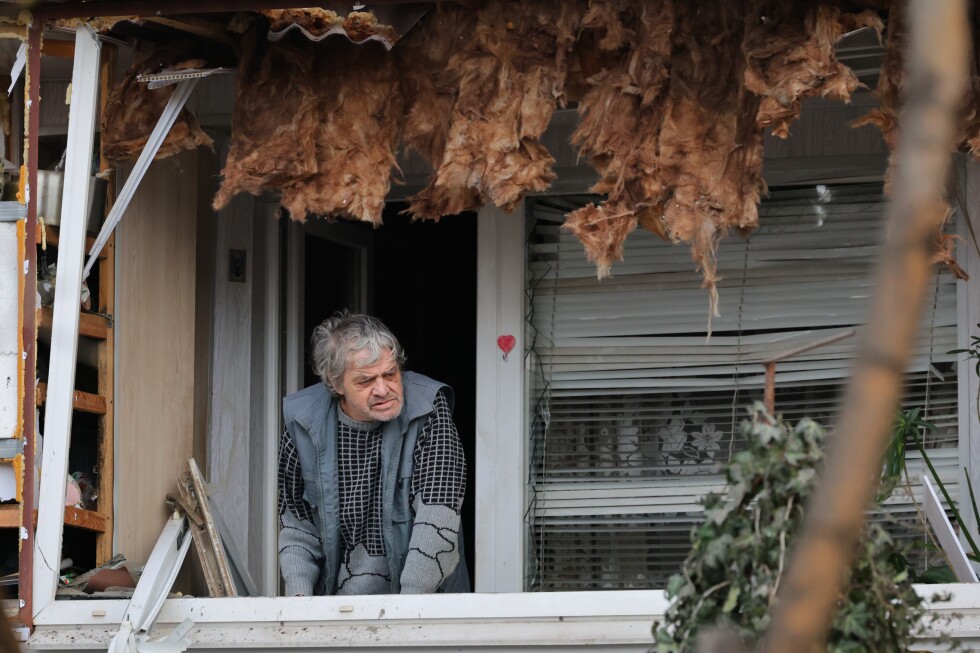
    In a significant diplomatic development, U.S. President Donald Trump has announced that Russian President Vladimir Putin has consented to implement a temporary suspension of military strikes targeting Kyiv and other Ukrainian urban centers. This agreement comes as Ukraine grapples with extreme winter conditions that have plunged the country into a severe humanitarian crisis.

    The Kremlin officially confirmed on Friday that it would halt offensive operations against the Ukrainian capital until Sunday, though officials declined to provide specific operational details. This lack of transparency has complicated independent verification regarding the actual implementation of this conciliatory measure.

    President Trump revealed at a White House briefing on Thursday that he personally appealed to Putin to cease attacks on Ukrainian cities during this period of exceptionally cold weather. “I personally asked President Putin not to fire on Kyiv and the cities and towns for a week during this extraordinary cold,” Trump stated, adding that the Russian leader had agreed to this temporary pause. The White House did not immediately clarify the precise timing or comprehensive scope of this arrangement.

    Russian officials characterized the temporary ceasefire as intended to establish “favorable conditions for negotiations,” marking the latest in a series of attempted pauses in hostilities since Russia’s full-scale invasion began in February 2022. Previous efforts have included:

    – January 2023: Putin ordered a 36-hour ceasefire for Orthodox Christmas, which Ukraine rejected amid accusations of continued attacks
    – March 2025: Ukraine and U.S. officials proposed a 30-day ceasefire during Saudi Arabia talks, which Russia effectively rejected
    – April 2025: Russia announced unilateral truces for Orthodox Easter and Victory Day celebrations, all of which resulted in mutual accusations of violations

    The conflict has devastated Ukraine’s civilian infrastructure, leaving thousands without power or heat during the harsh winter months. Recent attacks have targeted energy facilities in Odesa and Kharkiv, with a Wednesday strike on the Kyiv region resulting in two fatalities and four injuries.

  • New AI-powered classifieds platform Shoofi gains early traction in the UAE and GCC

    New AI-powered classifieds platform Shoofi gains early traction in the UAE and GCC

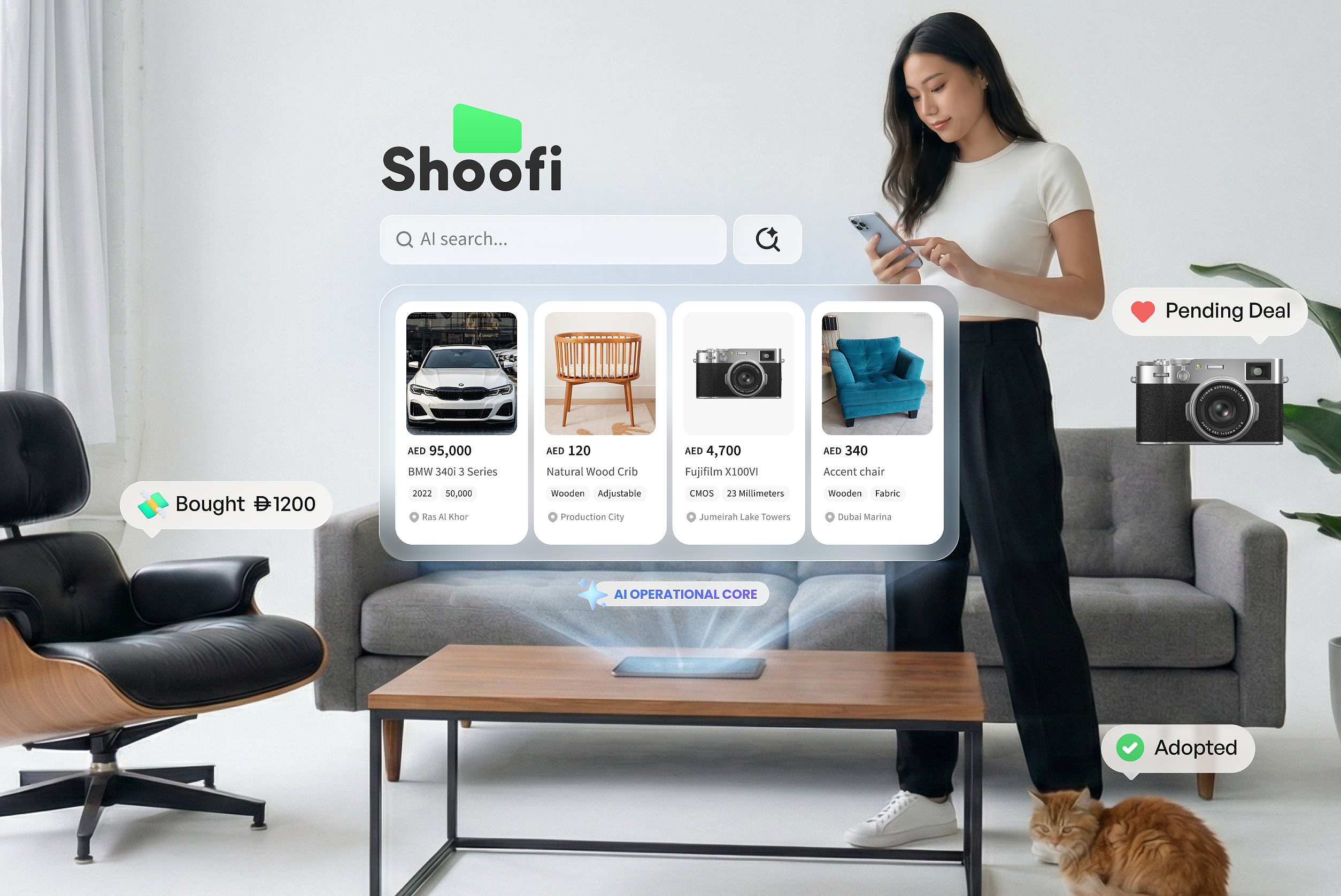
    A transformative artificial intelligence-powered classifieds platform named Shoofi is demonstrating remarkable early adoption metrics throughout the United Arab Emirates and Gulf Cooperation Council (GCC) region. Departing from conventional marketplace models that implement AI capabilities selectively, Shoofi has engineered a comprehensively integrated AI architecture that permeates the entire transactional lifecycle.

    The GCC’s secondary goods marketplace continues its expansion trajectory, fueled by exceptional smartphone saturation and predominantly mobile-oriented consumer behaviors. Despite this growth, the regional market contends with persistent fragmentation challenges including linguistic diversity, inconsistent content standards, trust deficiencies, and limited monetization frameworks beyond conventional advertising. Shoofi’s foundational architecture specifically targets these structural market inefficiencies.

    Shoofi’s technological differentiation emerges through its deeply embedded AI infrastructure. The platform autonomously generates listings through image recognition and minimal user input, intelligently categorizes offerings, recommends optimal pricing strategies, and standardizes listing formats. Advanced AI algorithms simultaneously conduct content moderation, duplicate detection, and behavioral fraud prevention, creating a streamlined user experience while maintaining content integrity.

    Addressing the GCC’s multilingual composition, Shoofi incorporates real-time AI translation capabilities directly within listing presentations and communication channels. This linguistic integration enables seamless cross-cultural transactions without requiring sellers to create multiple advertisement versions or buyers to navigate language barriers. The platform’s ongoing development includes additional AI-enhanced communication tools specifically designed to facilitate successful transactions.

    Since its commercial introduction, Shoofi has attracted over 15,000 active users engaging in daily transactions across primary categories. The platform’s algorithm prioritizes successful deal completion rather than mere listing volume, aligning system incentives with user success metrics. A proprietary ranking model evaluates listing freshness, relevance, content quality, and seller trustworthiness to optimize user experience and transaction predictability.

    Trust constitutes a fundamental component of Shoofi’s operational philosophy, implemented through measurable seller ratings, verified transaction confirmations, and behavioral analytics that directly influence listing visibility. This trust infrastructure simultaneously reduces fraudulent activities while encouraging repeated platform engagement.

    The platform’s monetization strategy advances beyond traditional advertising through the impending introduction of Shoofi Pay—an integrated escrow payment solution that releases funds exclusively upon transaction confirmation. This development positions Shoofi as a transaction integrity guarantor while establishing commission-based revenue streams. Concurrently, the platform is developing specialized commercial tools for small-to-medium businesses and professional sellers, including digital storefronts, analytical capabilities, and structured pricing models.

    Designed as a pan-regional solution for GCC markets, Shoofi combines unified technological architecture with sophisticated localization and multicultural design elements. The platform’s competitive emphasis focuses on transactional quality and execution efficiency rather than listing price competition. This approach represents a paradigm shift from classifieds as static advertising inventory to dynamic transactional infrastructure, offering investors a scalable model with diversified revenue potential and regional expansion capabilities.

  • Traffic alert: Triple-vehicle collision causes hour-long delays on Ras Al Khor Road

    Traffic alert: Triple-vehicle collision causes hour-long delays on Ras Al Khor Road

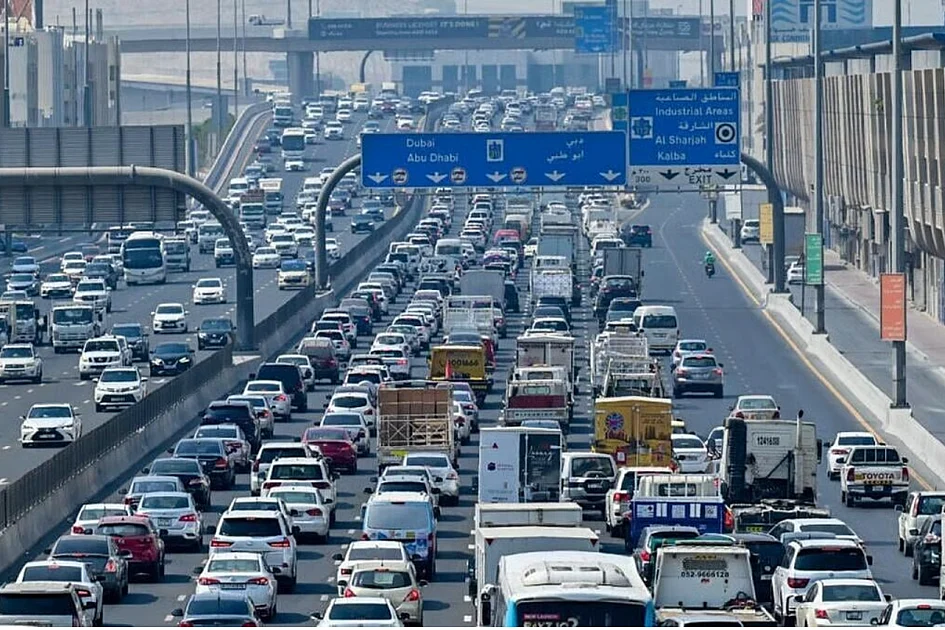
    A significant traffic disruption unfolded on Ras Al Khor Road during Friday morning rush hour following a triple-vehicle collision involving a trailer, bus, and minibus. The incident, occurring in the direction of Meydan and Downtown Dubai, resulted in extensive lane closures and created a domino effect of congestion along the E44 highway—a crucial national transportation artery.

    Emergency response teams, including police units and ambulance services, swiftly arrived at the scene to manage the aftermath. Visible damage to both the trailer and bus was substantial, with debris and shattered glass covering all three lanes of the ramp connecting to Al Khail Road. Authorities were compelled to close two lanes entirely, while the remaining lane required careful navigation around the wreckage.

    The collision triggered unprecedented delays, with motorists reporting standstill conditions lasting up to two hours. Ann George, an expatriate commuter, revealed her typical 25-minute journey stretched to 1.5 hours with minimal progress. ‘I’ve been stuck at practically the same spot for 20 minutes now,’ she expressed, highlighting the severity of the gridlock.

    Real-time navigation applications compounded commuter frustration by continuously adjusting estimated arrival times. One driver described watching their expected arrival shift from 10:00 AM to 11:01 AM in gradual increments. Despite the inconvenience, many demonstrated remarkable perspective, acknowledging that those directly involved in the accident were experiencing far greater difficulties.

    The timing proved particularly frustrating for Dubai residents, who typically anticipate lighter traffic patterns on Fridays—the last working day of the week for many. Professionals like MT, a sales executive attempting to reach Business Bay, found themselves forced to notify clients of unexpected delays despite leaving with what would normally be sufficient travel time.

    Some motorists employed humor to cope with the situation, with one noting they felt engaged in ‘the world’s slowest race’ with a neighboring Mini Cooper. The incident prompted Dubai authorities to recommend alternative routes and exercise additional caution when approaching affected areas.