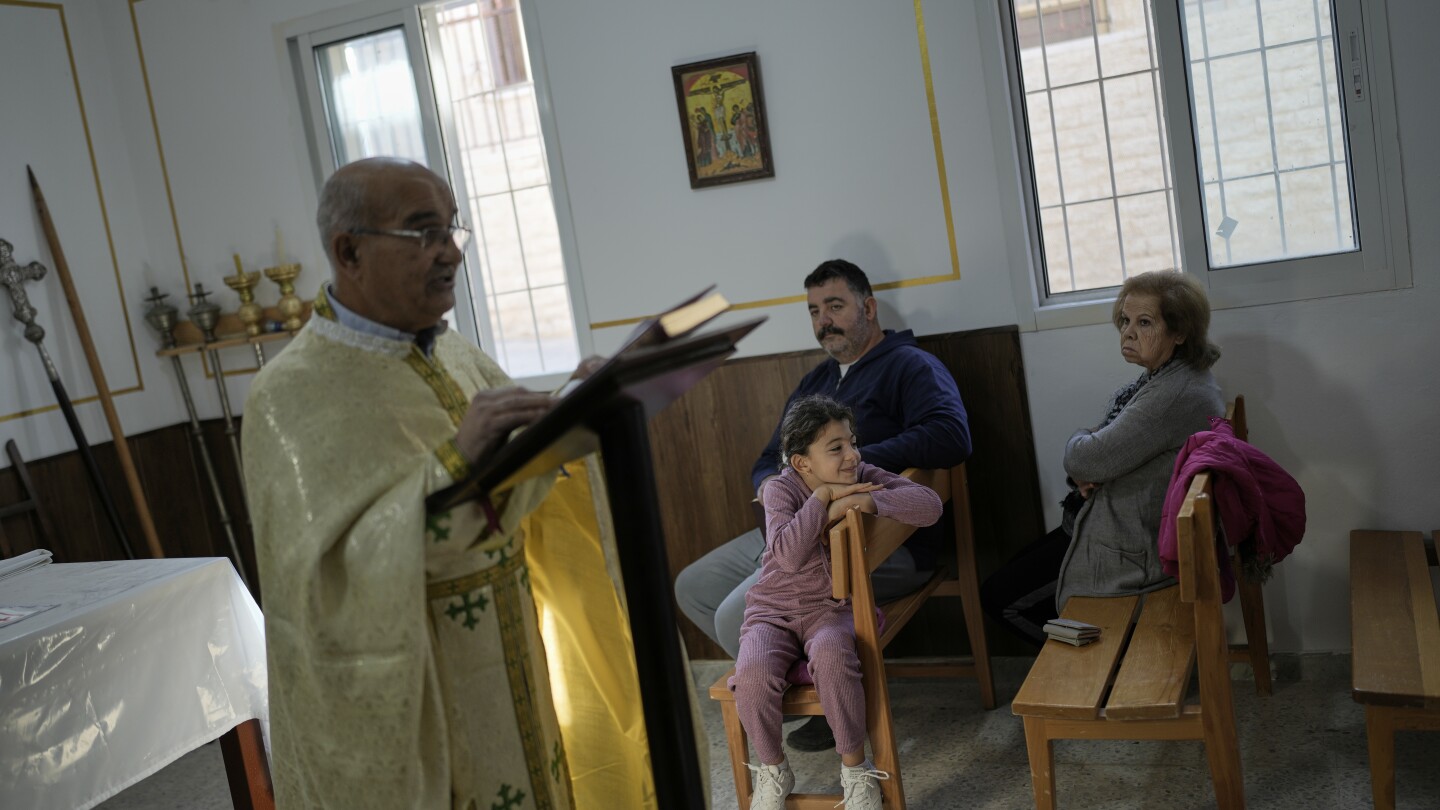
In a small Beirut apartment, Mireille Khoury lights a candle each evening beside a portrait of her late son, Elias, who tragically lost his life in the catastrophic August 2020 Beirut port explosion. This ritual is a poignant reminder of her ongoing quest for justice, shared with other families who have organized monthly protests since the disaster. Despite dwindling numbers and a stalled investigation, the upcoming visit of Pope Leo XIV to Lebanon has reignited a flicker of hope for Khoury and many others in this crisis-ridden nation. ‘We need a lot of prayers, and we need a miracle for this country to continue,’ Khoury expressed, as she prepares to join the pontiff in a silent prayer at the explosion site during his visit. Pope Leo’s journey, commencing on Sunday, marks his first official foreign trip and fulfills a promise made by his predecessor, Pope Francis, to visit Lebanon, a country where Christians constitute about a third of the population. This visit, the fourth by a pope to Lebanon, carries a profound message of solidarity at a time when the country grapples with regional instability and internal crises. Since 2019, Lebanon has endured political unrest, economic collapse, the port explosion, and the devastating Israel-Hezbollah war, which left over 4,000 dead and caused $11 billion in damages. For many Lebanese, divine intervention seems the only remedy. In the village of Dardghaya, a mixed Christian and Shiite Muslim community, worshippers gathered in a basement room for Mass, their century-old Greek Melkite church still in ruins from an Israeli strike. Despite a U.S.-brokered ceasefire, Israel continues near-daily strikes in southern Lebanon, deterring many from returning to their homes. Father Maurice el Khoury, the church’s priest, expressed hope that Pope Leo’s visit would bring a radical change to Lebanon’s trajectory, emphasizing that the pope’s blessings are for all Lebanese, not just Christians. However, disappointment lingers in southern Lebanon, as the pope’s itinerary excludes the war-torn region, reminiscent of Pope Francis’ visit to Mosul in 2021. Georges Elia, a Dardghaya congregant, remains hopeful for a surprise papal visit to the south, a ‘sacred land’ in dire need of healing. Lebanon’s historical ties with the Vatican date back to its independence in 1943, with the Catholic Church playing a pivotal role in establishing institutions that benefited all communities. Historian Charles Hayek noted that Lebanon has always understood the importance of strong Vatican ties for a small country to be heard. Pope Leo’s schedule includes an interfaith dialogue in Beirut, continuing Pope Francis’ legacy of support for the port blast victims’ families. Khoury, who was unable to visit the Vatican due to emotional turmoil, hopes to meet the new pope and urge him to keep the investigation alive. ‘I live by the hope that I will be meeting my son one day,’ she said, her faith a beacon in these trying times.
作者: admin
-

Watch: Moment truck collides with sign on Ohio highway
A startling incident unfolded on Ohio’s Interstate 70 last Thursday when a truck collided with a highway sign in Columbus. The vehicle, traveling along the busy highway, veered off course, resulting in a dramatic impact that captured the attention of onlookers and authorities alike. The collision, which was caught on video, highlights the potential dangers of highway travel and raises questions about driver awareness and road safety measures. While no injuries were reported, the incident serves as a stark reminder of the importance of vigilance on the road. Local authorities are investigating the cause of the accident, with preliminary reports suggesting possible driver error or mechanical failure. The event has sparked discussions about the need for enhanced safety protocols on highways to prevent similar occurrences in the future.
-
Britain’s unpopular government prepares a high-stakes budget and hopes for growth
The UK Labour Party, which secured a decisive victory in the 2024 general election, is grappling with mounting economic and political challenges as it prepares to unveil its annual budget. Despite initial promises of tax hikes to stabilize public finances, reduce debt, and stimulate growth, the government now faces stubbornly high inflation, increased borrowing, and sluggish economic performance. Business leaders and Labour lawmakers alike express growing concerns, with some even contemplating the unthinkable: ousting Prime Minister Keir Starmer, who led the party to victory less than 18 months ago.
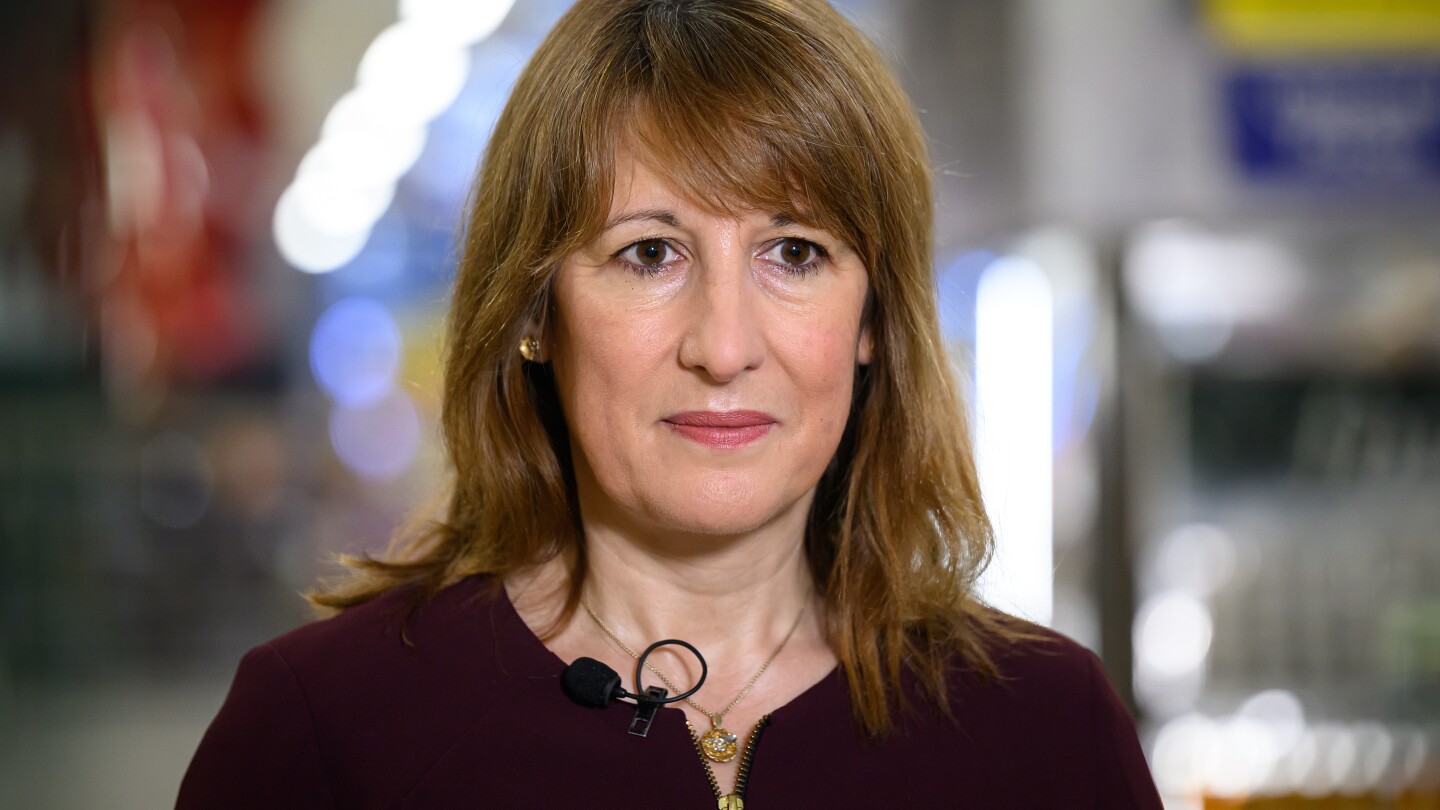
Treasury Chief Rachel Reeves is tasked with delivering a budget that balances tough fiscal decisions with measures to ease the cost of living and safeguard public services. However, her options are limited. The UK economy, the world’s sixth-largest, has underperformed since the 2008-2009 financial crisis, compounded by the lingering effects of Brexit, the COVID-19 pandemic, and geopolitical tensions. The government’s debt servicing costs exceed £100 billion annually, with national debt hovering around 95% of GDP.
Reeves must navigate the delicate balance between appeasing financial markets and satisfying voters. The specter of Liz Truss’s short-lived premiership, which ended in 2022 after unfunded tax cuts triggered market turmoil, looms large. Analysts warn that any misstep could erode investor confidence, driving up borrowing costs and forcing a policy reversal.
The government has ruled out significant public spending cuts, leaving tax increases as the primary revenue-raising tool. However, attempts to raise income taxes have sparked backlash, forcing a retreat in favor of smaller measures like a ‘mansion tax’ and pay-per-mile charges for electric vehicles. Sweeteners, such as above-inflation pension boosts and a freeze on train fares, aim to soften the blow.
Critics argue that further tax hikes risk pushing the economy into a low-growth cycle, while analysts highlight the difficulty of satisfying both markets and voters. Prime Minister Starmer’s leadership is also under scrutiny, with Labour trailing behind the hard-right Reform UK party in opinion polls. Speculation about a leadership challenge has further destabilized the party, raising fears of electoral defeat in 2029.
As the government pins its hopes on economic revival, the upcoming budget is seen as a critical test of its ability to deliver growth and restore public confidence. Analysts warn that failure could mark the beginning of the end for Starmer’s administration.
-
Afghanistan says Pakistani airstrikes in east of the country have killed 10 people, mostly children
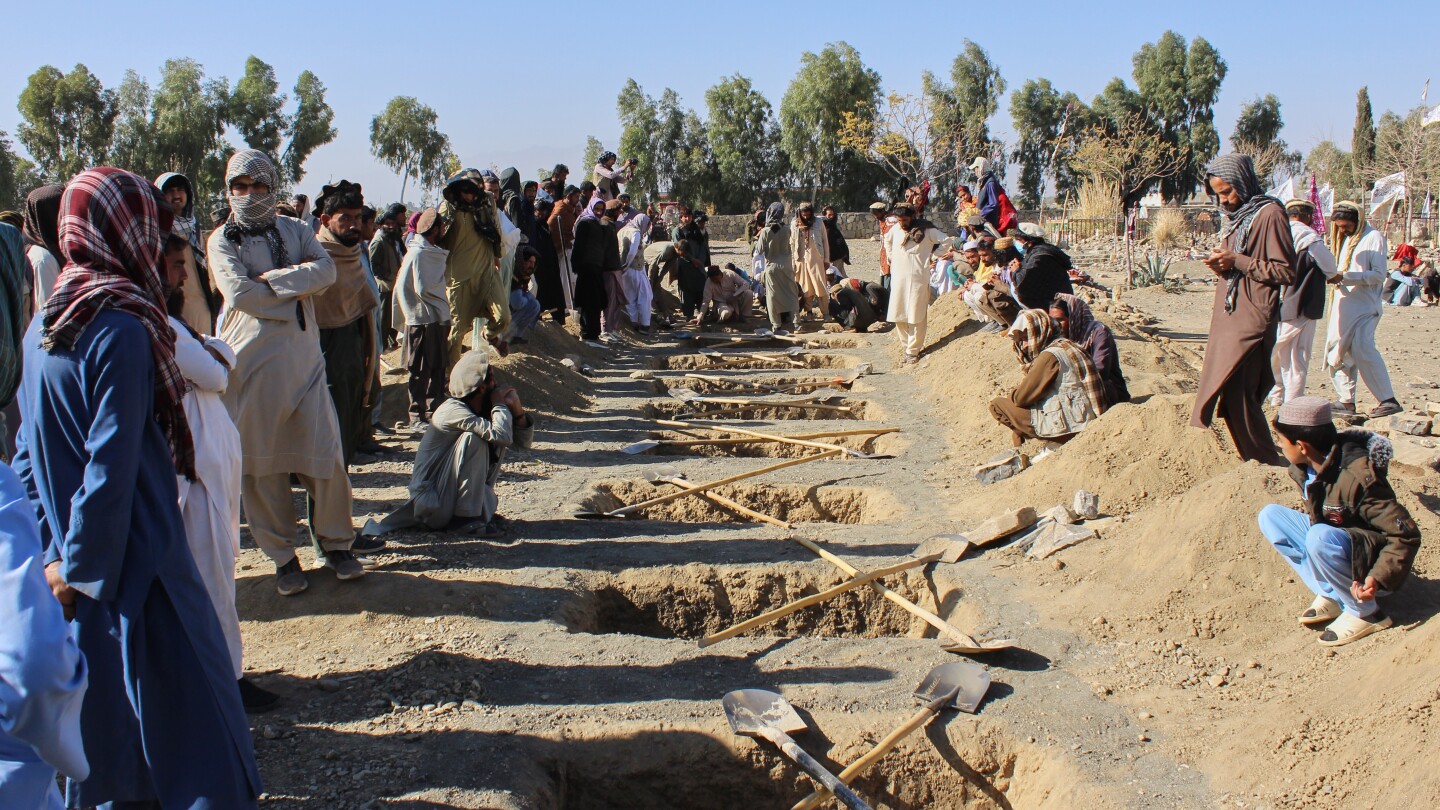
Afghanistan’s Taliban government has accused Pakistan of conducting overnight airstrikes in three eastern provinces, resulting in the deaths of 10 civilians, including nine children. The strikes, which targeted Khost, Kunar, and Paktika provinces, also left four others injured. Zabihullah Mujahid, the chief spokesperson for the Afghan government, condemned the attacks as “atrocities” and a violation of Afghan territory. He emphasized Afghanistan’s right to defend its airspace and people, vowing an appropriate response. Pakistan’s military and government have yet to comment on the allegations. These accusations come amid heightened tensions between the two nations, following cross-border clashes last month and a deadly attack in Peshawar, Pakistan, earlier this week. Iran has offered to mediate, while Qatar and Turkey continue to support a fragile ceasefire. The ongoing conflict has disrupted bilateral trade and movement across the border, further straining relations.
-
Statehood issue again could block Israel, Arabs from making nice
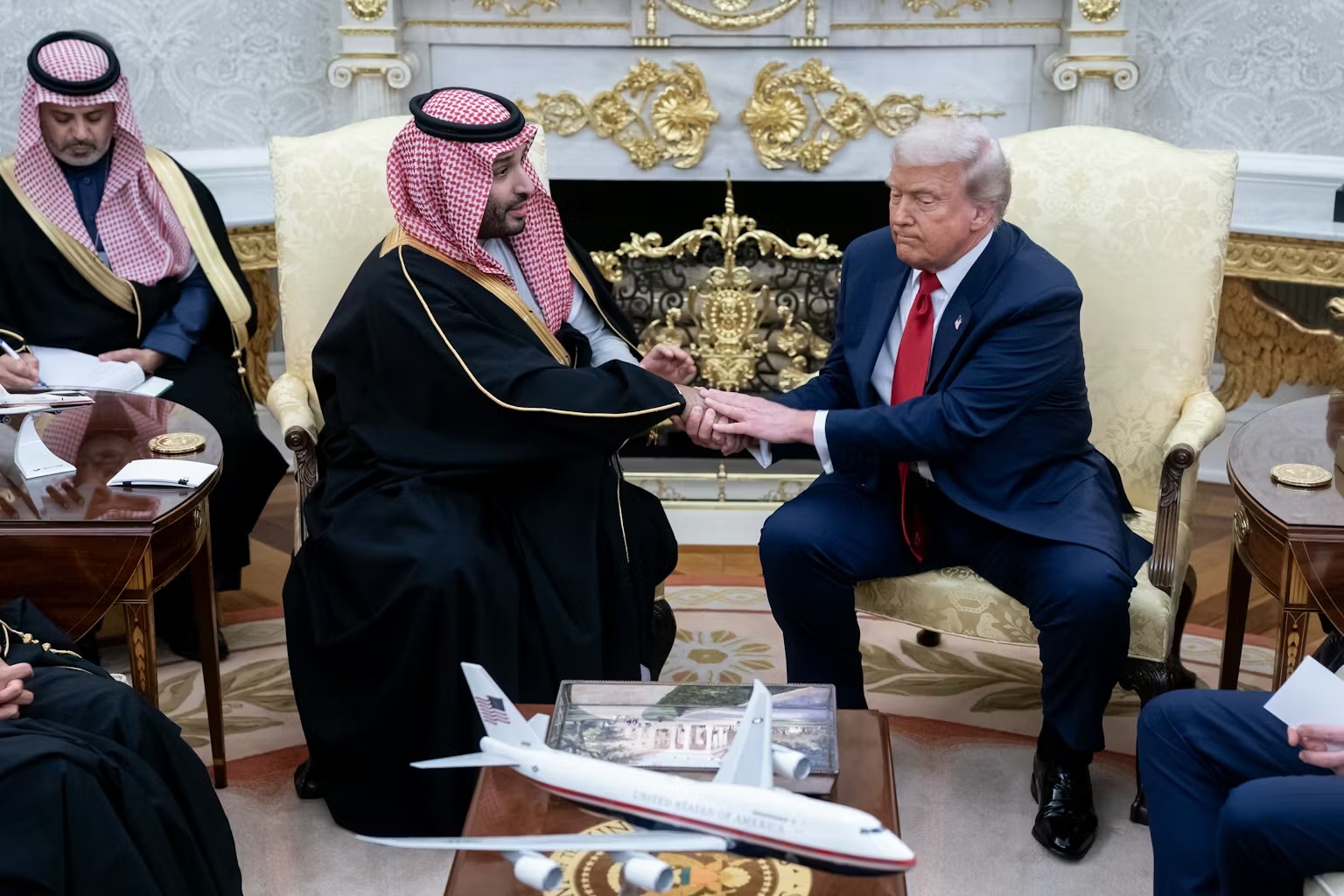
Saudi Crown Prince Mohammed bin Salman has expressed interest in bringing Saudi Arabia into the Abraham Accords, a series of agreements aimed at normalizing Israel’s relations with Middle Eastern nations and beyond. This development would mark a significant diplomatic milestone, echoing the initial accords brokered by the Trump administration in 2020, which saw Israel establish formal ties with the UAE, Bahrain, Morocco, and Sudan. However, bin Salman’s approach comes with a critical condition: a clear commitment to a two-state solution for Israel and Palestine, with East Jerusalem as the Palestinian capital. This stance underscores the complexities of Middle Eastern diplomacy and the shifting geopolitical landscape. The Abraham Accords, hailed as a breakthrough in 2020, have seen limited progress since, with Kazakhstan’s recent announcement to join the accords falling short of expectations. The Saudi leader’s cautious approach reflects broader regional dynamics, including Saudi Arabia’s evolving relationship with Iran and the aftermath of the October 7, 2023, Hamas attacks on Israel. Bin Salman has publicly linked Saudi normalization with Israel to the establishment of a Palestinian state, a position that has gained urgency amid rising regional tensions. Meanwhile, Israel’s aggressive military actions across the Middle East have further complicated the prospects for peace. The focus has shifted toward intra-regional collaboration, as evidenced by Iran’s discussions with Gulf states on uranium enrichment and the widespread condemnation of Israeli strikes. Despite these challenges, bin Salman remains committed to normalization, albeit with clear preconditions, signaling a nuanced approach to reshaping Middle Eastern diplomacy.
-
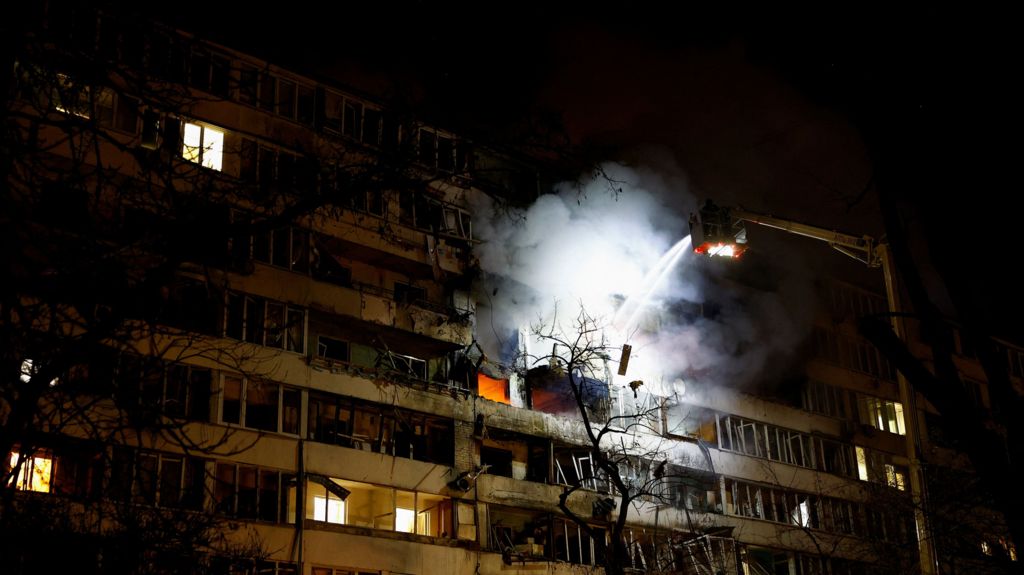
Russia and Ukraine trade deadly strikes overnight
In a grim escalation of hostilities, Russia and Ukraine exchanged devastating drone strikes overnight, resulting in significant casualties and widespread damage. Kyiv, the Ukrainian capital, bore the brunt of a ‘massive’ Russian assault, which claimed at least two lives and left six others injured. The early morning attack on Tuesday targeted residential areas, with at least two high-rise buildings engulfed in flames, disrupting essential services such as electricity and water. Emergency responders worked tirelessly to rescue 18 individuals, including three children, from the wreckage, as search operations continued. Simultaneously, Russian officials reported that a Ukrainian strike in the Rostov region had killed three people, with the death toll rising from initial reports. The Rostov region’s acting governor, Yuri Sliusar, lamented the ‘great grief’ brought by the attack, while Taganrog’s mayor vowed retaliatory measures. The southern Krasnodar region also faced a ‘sustained and massive’ Ukrainian bombardment, injuring ten. Amid the violence, Ukrainian President Volodymyr Zelensky expressed cautious optimism about progress in peace talks, highlighting ‘correct elements’ in the revised US peace plan. However, the Kremlin dismissed the amendments as ‘unconstructive,’ casting doubt on the prospects for a swift resolution. The White House, meanwhile, remained hopeful for a negotiated end to the conflict. As the war drags on, the latest strikes underscore the deepening humanitarian crisis and the urgent need for diplomatic breakthroughs.
-
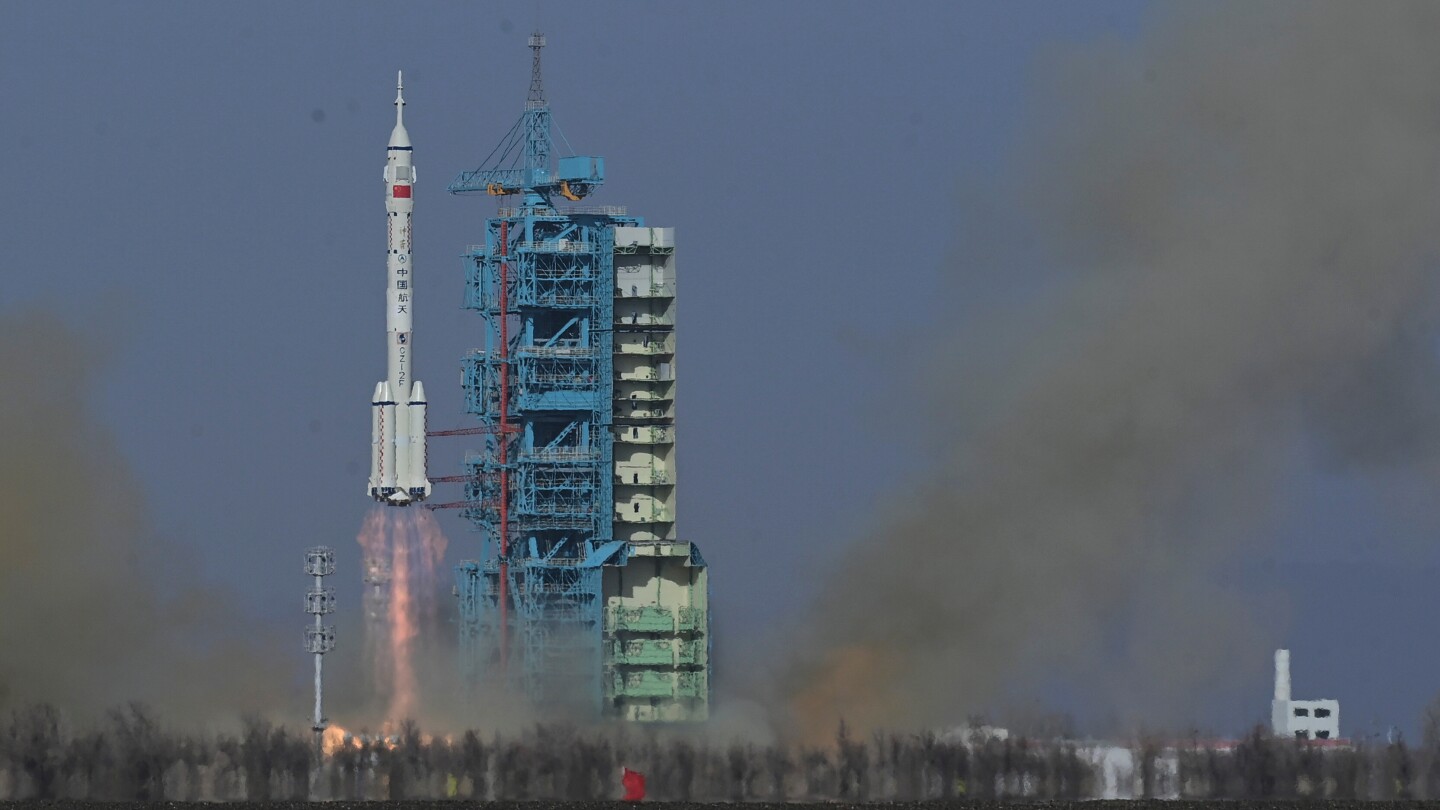
China launches Shenzhou 22 spacecraft to assist in return of 3 astronauts stranded on space station
In a critical mission to ensure the safety of its astronauts, China launched the Shenzhou 22 spacecraft on Tuesday. This move comes after a damaged spacecraft left a crew temporarily stranded on the Tiangong space station. The Shenzhou 22 successfully docked at the station and is slated to be used by the three astronauts who arrived on November 1, 2023, with its return mission planned for 2026. Earlier this month, another group of astronauts from the Shenzhou 20 mission experienced a nine-day delay in their return to Earth due to damage to their spacecraft’s window. They were eventually brought back using the Shenzhou 21 spacecraft, which had just delivered a replacement crew to Tiangong. While the three-person crew landed safely, their replacements were left without a guaranteed emergency return option. The damaged Shenzhou 20 spacecraft, currently still in orbit, will be brought back to Earth for assessment, as it was deemed unsafe for transporting astronauts. This incident highlights the challenges faced by China’s rapidly advancing space program, which has been constructing the Tiangong space station module-by-module in recent years. Tiangong, meaning ‘Heavenly Palace,’ hosted its first crew in 2021 and is smaller than the International Space Station, which has been operational for 25 years. China developed Tiangong after being excluded from the International Space Station due to U.S. national security concerns, as its space program is controlled by the military.
-
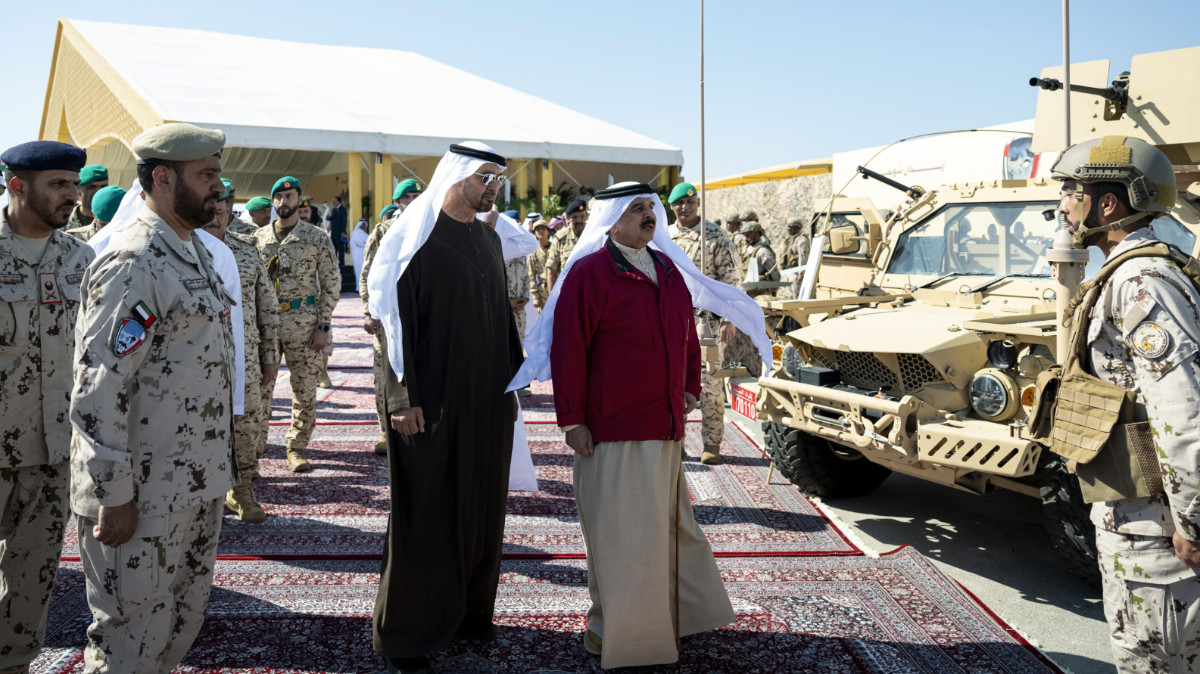
US intelligence assessed Chinese military was hosted at base in UAE
US defense and intelligence officials have reportedly assessed that Chinese military personnel were stationed at a UAE military base after the US was denied access to the facility, according to two former senior US officials who spoke to Middle East Eye (MEE) on condition of anonymity. The officials revealed that members of China’s People’s Liberation Army (PLA) were hosted at Zayed Military City in Abu Dhabi, with the assessment dating back to 2020. The US began gathering more information on the base after its request to access a section of the facility was rejected. While the exact role of the PLA personnel remains unclear, concerns were raised that they could have used the base to gather intelligence on US forces stationed nearby at Al Dhafra Air Base, just 20 miles south of Abu Dhabi. The UAE’s growing military ties with China have strained its relationship with the US, particularly amid stalled negotiations over the sale of F-35 warplanes to the UAE. In 2021, reports emerged of China building a military port near Abu Dhabi, which was allegedly halted at the US’s request but later resumed. The UAE and China have openly acknowledged their military cooperation, including joint air force drills in China’s Xinjiang region in 2024. The US has expressed concerns over China’s increasing influence in the Gulf, with some officials warning that the UAE’s loyalty to the US may be wavering. Despite these tensions, the UAE remains a key US partner in the region, particularly in counterterrorism efforts and its strategic relationship with Israel under the Abraham Accords.
-
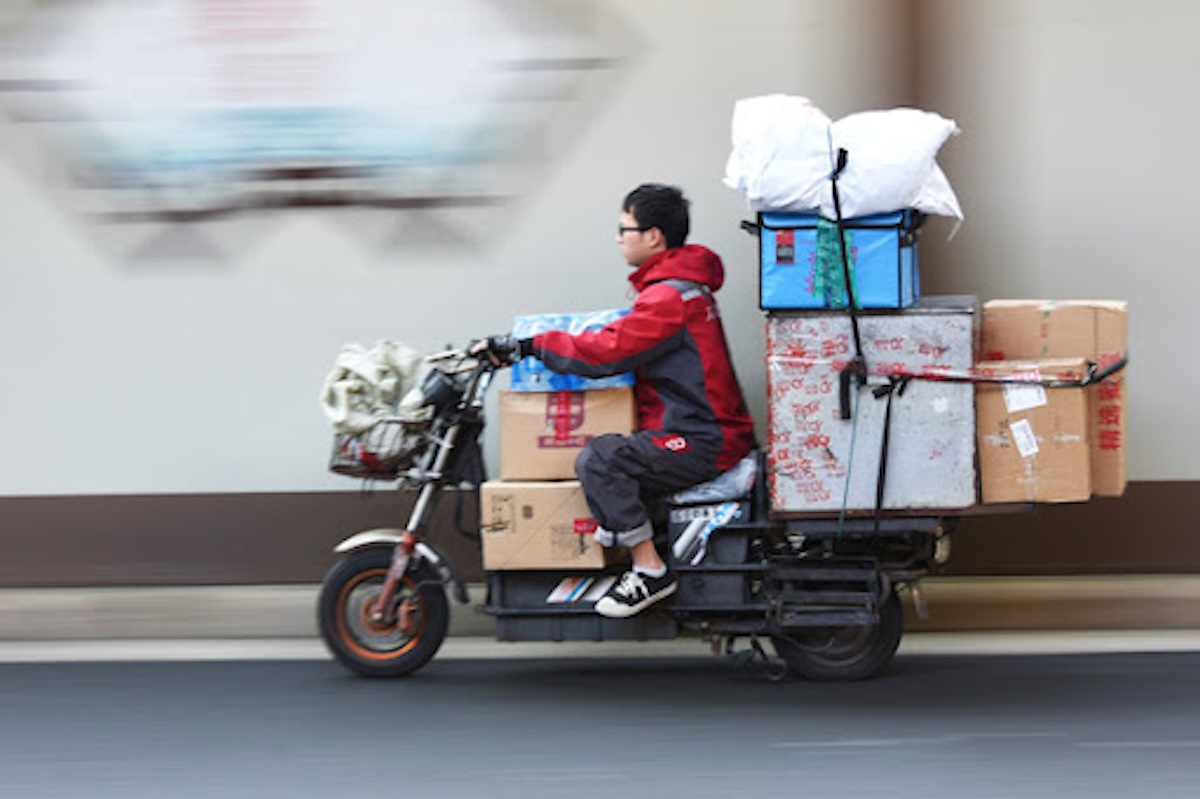
‘I Deliver Parcels in Beijing’ depicts grueling gig-economy toil
While television often glamorizes work as a path to social advancement, Chinese writer Hu Anyan’s memoir, *I Deliver Parcels in Beijing*, presents a starkly different narrative. Originally a viral lockdown blog post, the book chronicles Hu’s experiences in low-wage jobs, from courier to gas station attendant, offering an unfiltered glimpse into the gig economy’s harsh realities. Published in English, the memoir has sold nearly 2 million copies in China and secured translation rights in 20 countries, earning Hu recognition as one of China’s most remarkable literary talents by the *Financial Times*.
Hu’s intimate and witty storytelling, skillfully translated by Jack Hargreaves, delves into the grueling demands of gig work: sleepless nights, relentless shifts, and the dehumanizing pressures of platform capitalism. The book also sheds light on China’s internal migrants, a 300-million-strong workforce often denied social services in urban areas. Beyond its social commentary, *I Deliver Parcels in Beijing* captures the cultural nuances of contemporary China, from culinary traditions to rural life.
Hu’s memoir is more than a personal account; it’s a critique of late-stage capitalism and its impact on individual identity. As Hu navigates the bureaucratic maze of gig work, he reveals how the system reshapes personalities, fostering alienation and frustration. The book’s global resonance lies in its ability to humanize the often invisible labor force that powers modern economies, offering readers a poignant parallel to their own experiences in the digital age.
-
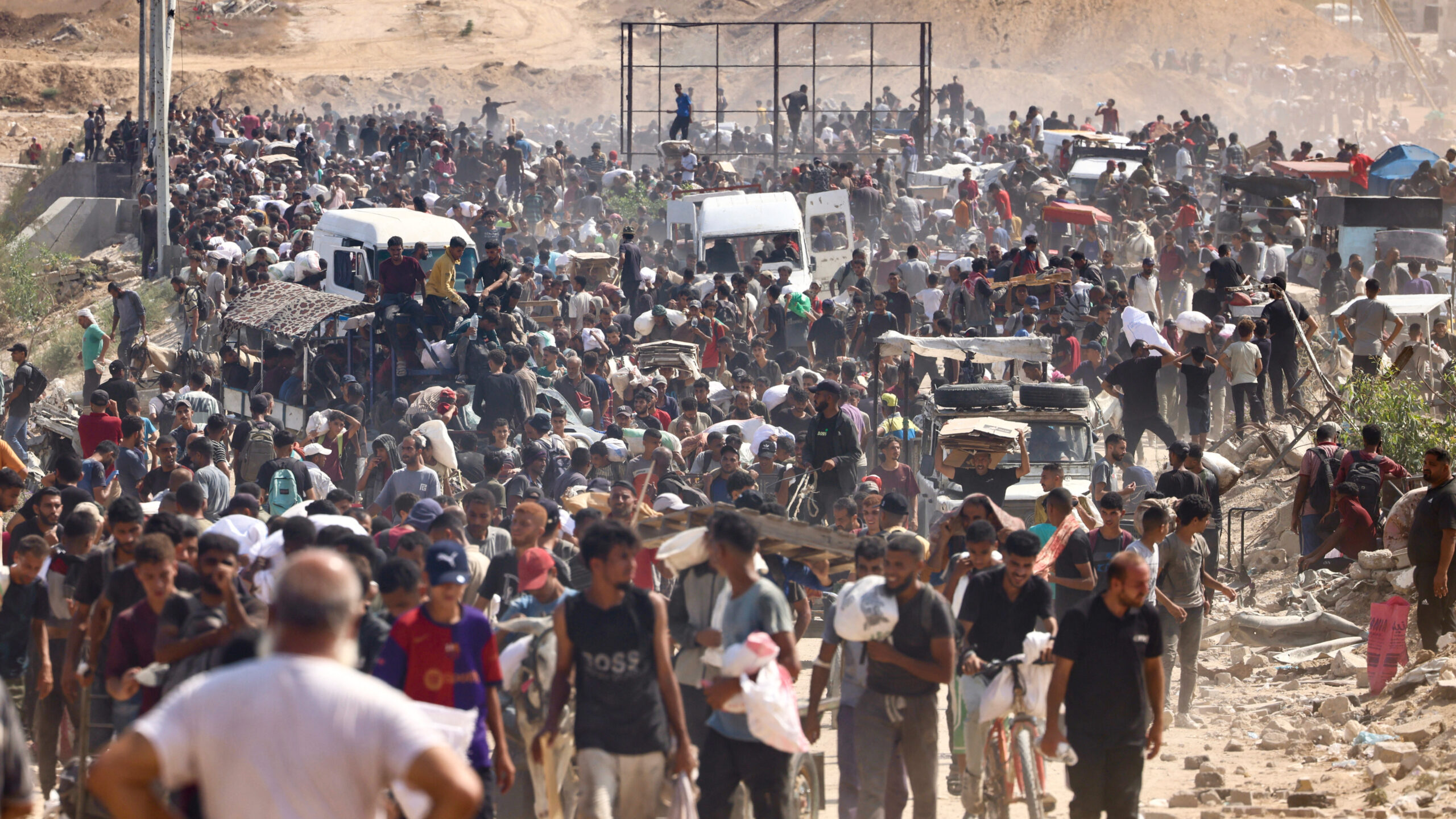
Scandal-plagued Gaza Humanitarian Foundation officially ends ‘mission’
The Gaza Humanitarian Fund (GHF), an Israeli and US-backed aid distribution organization, has officially concluded its operations in Gaza, as announced by its executive director, John Acree, on Monday. The organization, which has been linked to the deaths and injuries of over 2,600 Palestinians, faced widespread criticism from global aid networks despite claims of setting new standards in aid delivery. GHF’s mission, which began in late May, aimed to demonstrate efficient and transparent humanitarian aid delivery in conflict zones, supported by the Civil-Military Coordination Centre (CMCC) and the international community. However, its militarized approach and lack of direct aid provision led to significant challenges for Gaza’s population. Palestinians were required to travel long distances to GHF’s four distribution sites in the south, often risking injury or death from armed Israeli soldiers and US security contractors. Whistleblowers and social media reports allege deliberate shootings of aid seekers. Despite GHF’s denial of casualties, Gaza’s health ministry reported over 2,600 deaths and 19,182 injuries during its operations. Questions about GHF’s funding sources persist, with a lawsuit filed in August seeking transparency from the Trump administration. The broader Israeli war on Gaza has resulted in over 245,000 Palestinian casualties, predominantly civilians, according to recent reports.