作者: admin

  • Australia won’t be intimidated by firms over social media ban, minister tells BBC

    Australia won’t be intimidated by firms over social media ban, minister tells BBC

    In a bold move that has drawn global attention, Australia’s Communications Minister Annika Wells has declared her government will not be intimidated by major technology corporations opposing the nation’s groundbreaking social media ban for users under 16. The policy, set to take effect December 10, requires platforms including Meta, TikTok, YouTube, and Snapchat to implement “reasonable steps” preventing underage access to accounts.

    Minister Wells articulated the government’s firm stance in an interview with the BBC, emphasizing that Australia stands “on the side of parents, not the platforms.” She dismissed concerns from tech companies that have criticized the ban as an ineffective solution, noting they’ve had “15 to 20 years” to address documented harms caused by their platforms without sufficient action.

    The Australian official revealed that multiple international leaders have contacted her government seeking guidance on implementing similar measures, positioning Australia as a pioneer in digital child protection. “We’re pleased to be the first, we’re proud to be the first,” Wells stated, adding that her administration stands ready to assist other jurisdictions pursuing comparable legislation.

    The policy faces potential international headwinds, particularly from the United States where former President Donald Trump has pledged to defend tech companies against foreign regulations. Australia’s e-Safety Commissioner has already been summoned to testify before US Congress regarding the controversial measures.

    Despite acknowledging potential implementation challenges, Wells characterized the policy as an evolving “treatment plan rather than a cure” that will be reviewed over the next two years. The minister drew parallels to Australia’s alcohol restrictions for minors, noting that while some underage drinking still occurs, the public health justification for protective legislation remains valid.

    The ban has not been without criticism. Some digital safety experts argue alternative measures like enhanced parental controls and improved digital education might prove more effective. Legal challenges have emerged, including a High Court case brought by two teenagers arguing the policy violates children’s rights. Additionally, concerns have been raised about the exclusion of online gaming platforms like Roblox, which Wells acknowledged as an area of ongoing scrutiny.

    Personalizing the policy’s implications, Wells shared that managing screen time presents challenges in her own household with three young children, a responsibility that primarily falls to her husband due to her demanding travel schedule. She framed the legislation as her contribution to supporting parents nationwide in their digital parenting struggles, noting that “you can’t parent an algorithm.”

  • Leaked wedding video reveals hypocrisy in Islamist Iran’s elite

    Leaked wedding video reveals hypocrisy in Islamist Iran’s elite

    A private wedding ceremony for Fatemeh Shamkhani, daughter of influential Iranian leader Ali Shamkhani, has ignited widespread controversy after video footage circulated widely across Iran in mid-2024. The event, held at Tehran’s luxurious Espinas Palace Hotel, showcased attendees wearing modern Western attire with many women conspicuously absent of the mandatory head coverings required by Iranian law.

    The visual documentation revealed stark contradictions within the Islamic Republic’s power structure. Fatemeh Shamkhani herself wore a strapless, low-cut wedding gown with a Western-style veil, directly contravening the conservative dress codes that her father, as a key adviser to Supreme Leader Ali Khamenei and former Revolutionary Guards commander, has helped enforce through brutal crackdowns on public protests.

    This incident transcends mere scandal, emerging as a potent symbol of systemic crisis within Iran. It highlights three critical ailments: elite privilege, selective morality enforcement, and the rapid erosion of the social contract between rulers and citizens. The Shamkhani family represents a wealthy power circle that maintains prosperity through oil revenues, state contracts, and shadow economic activities that evade international sanctions—contrasting sharply with ordinary Iranians suffering hyperinflation, stagnant wages, and currency devaluation.

    The viral spread of the wedding footage demonstrates the regime’s diminishing control over information in the smartphone era. Public outrage has been particularly acute among the 36% of Iranians living below the poverty line, who perceive the extravagance as offensive disregard for their economic struggles.

    This event gains significance against the backdrop of the ‘Woman, Life, Freedom’ protests sparked by Mahsa Amini’s death in custody. The visible defiance of hijab laws by powerful families undermines the moral authority used to regulate female bodies and enforce religious compliance. Meanwhile, speculation suggests the video’s leakage may reflect internal power struggles, potentially involving former president Hassan Rouhani’s faction targeting Shamkhani amid reported infighting following recent military confrontations with Israel and the United States.

    Ultimately, the wedding scandal exposes fundamental contradictions that threaten the regime’s legitimacy, revealing how elite disregard for officially mandated rules gradually erodes the very foundations of governmental authority.

  • ILT20 all set for a glorious new chapter on Eid Al Etihad

    ILT20 all set for a glorious new chapter on Eid Al Etihad

    The DP World International League T20 (ILT20) embarks on its fourth season with a spectacular opening match scheduled for UAE National Day, Tuesday, December 2, 2025. The championship commences at the Dubai International Stadium where reigning titleholders Dubai Capitals will confront last year’s runners-up, Desert Vipers, in a highly anticipated showdown at 6:30 PM UAE Time.

    The tournament’s inauguration will be elevated by a vibrant opening ceremony featuring a performance from Pakistani music icon Ali Zafar. However, the primary focus remains on the cricketing spectacle, which assembles a constellation of international stars following a recent player auction. The 34-match league, structured similarly to the Indian Premier League (IPL), will unfold across venues in Dubai, Abu Dhabi, and Sharjah, culminating in the final on January 4, 2026.

    Defending champions Dubai Capitals are reinforced by the return of Afghanistan’s impactful all-rounder Gulbadin Naib. “We are thrilled to be back. Securing the title last season was phenomenal, and we are eager to replicate that success,” Naib stated, reflecting on his 381-run contribution in the previous edition. He emphasized the league’s role as a significant platform for emerging and established talent alike.

    For Desert Vipers, New Zealand pace spearhead Lockie Ferguson assumes leadership, determined to overcome the disappointment of their final loss. Ferguson highlighted the strength of a balanced bowling attack, including Pakistan’s Naseem Shah, England’s David Payne, and local prodigy Khuzaima Tanveer. “Our performance was strong throughout last season; this year we aim to clinch the trophy,” he affirmed.

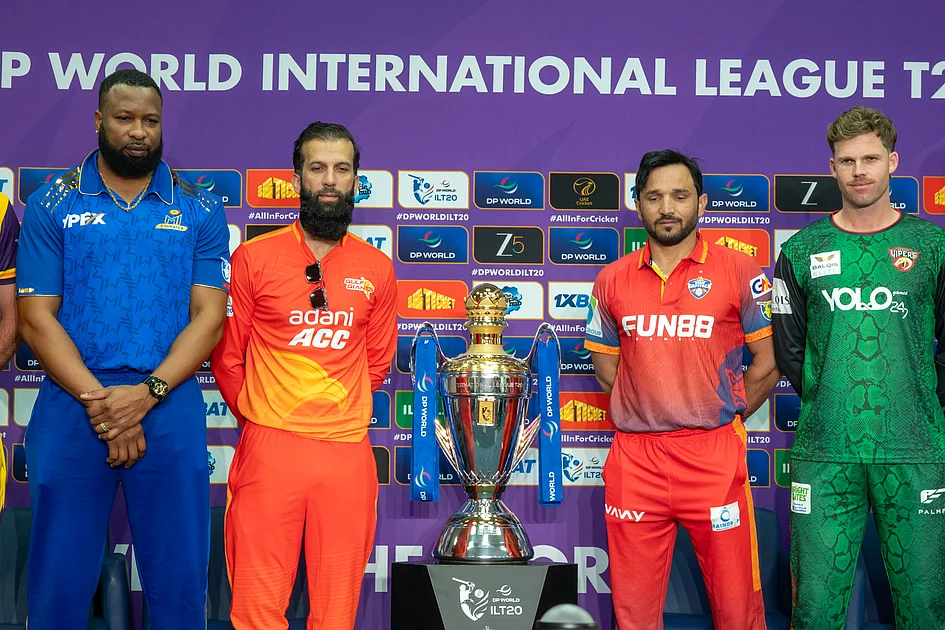
    The season also introduces new narratives with notable captaincy changes. West Indies powerhouse Kieron Pollard has taken over the leadership of MI Emirates from Nicholas Pooran. Meanwhile, England’s Moeen Ali joins the Gulf Giants, the inaugural season champions. Abu Dhabi Knight Riders, under the guidance of West Indies stalwart Jason Holder, are focused on a resurgence after a disappointing previous finish. “Our squad possesses immense power and depth. The challenge is to synergize our strengths effectively throughout the tournament,” Holder explained.

    A landmark development for the 2026 season is the inclusion of players from Saudi Arabia and Kuwait, signaling the league’s growing influence in regional cricket development. Sharjah Warriorz captain Tim Southee welcomed this expansion, noting, “The ILT20 has markedly elevated UAE cricket. I am confident it will provide a similar transformative stage for talent from Kuwait and Saudi Arabia.” The Warriors’ squad is further bolstered by the debut of India’s seasoned wicketkeeper-batter, Dinesh Karthik, whose extensive experience is expected to be a major asset.

  • India orders smartphone makers to preload state-owned cyber safety app

    India orders smartphone makers to preload state-owned cyber safety app

    In a significant move to combat rising cybercrime, India’s telecommunications ministry has issued a directive requiring all smartphone manufacturers to pre-install the government’s Sanchar Saathi application on new devices. The order, dated November 28 and privately communicated to major technology companies, mandates that the cybersecurity app cannot be disabled or removed by users.

    The directive affects industry giants including Apple, Samsung, Vivo, Oppo, and Xiaomi, giving them a 90-day compliance window for new devices. For existing phones already in distribution channels, manufacturers must deploy the application through software updates. This development places India alongside other nations like Russia in implementing state-backed digital security measures.

    Sanchar Saathi, launched in January, has demonstrated substantial impact in India’s telecommunications landscape. Government statistics reveal the app has facilitated the recovery of over 700,000 lost mobile devices, including 50,000 in October alone. The platform operates through a central registry system that enables tracking and blocking of stolen smartphones across all networks while identifying fraudulent mobile connections.

    The ministry emphasized that the measure addresses serious cybersecurity threats posed by duplicate or spoofed International Mobile Equipment Identity (IMEI) numbers, which enable various scams and network misuse. India’s massive telecom market, serving more than 1.2 billion subscribers, makes such security measures particularly significant.

    Industry analysts note potential challenges, especially from Apple, which maintains strict policies against pre-installing third-party or government applications on its devices. Counterpoint Research indicates iOS powers approximately 4.5% of India’s 735 million smartphones, with Android dominating the remainder. Historical precedent suggests Apple may seek negotiated alternatives rather than full compliance with the pre-installation requirement.

    Privacy advocates have expressed concerns about the mandatory nature of the implementation. Technology lawyer Mishi Choudhary noted that ‘the government effectively removes user consent as a meaningful choice,’ echoing criticisms previously directed at similar measures in Russia regarding their state-backed MAX messenger app.

    As of the latest reports, affected companies and the telecommunications ministry have not issued public statements regarding the directive. The development represents a notable intersection of government security initiatives, digital privacy considerations, and corporate policy in one of the world’s largest mobile markets.

  • Indian rupee hits all-time low, holds above 90/USD mark with central bank help

    Indian rupee hits all-time low, holds above 90/USD mark with central bank help

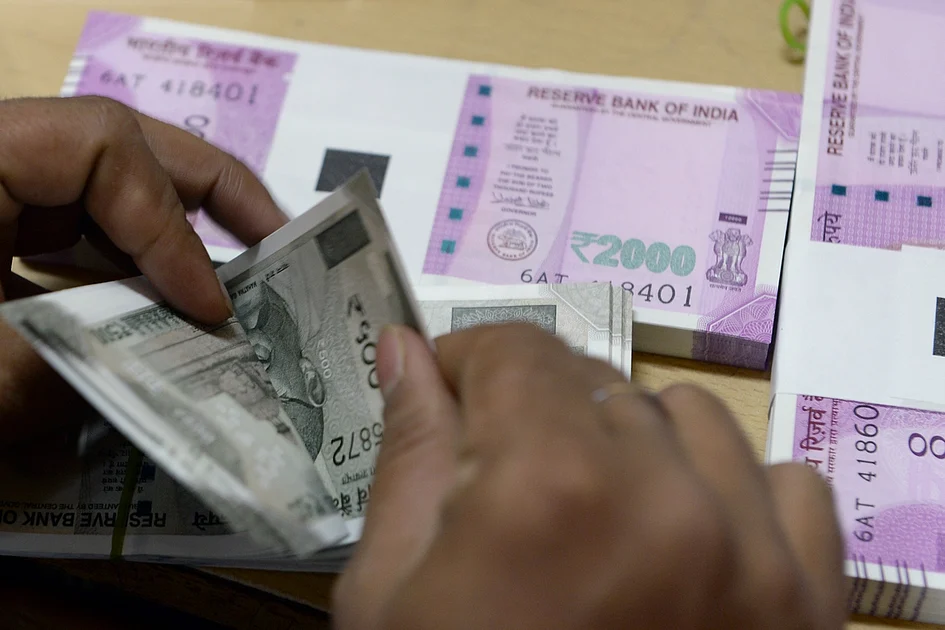
    The Indian rupee plummeted to an unprecedented record low during Monday’s trading session, intensifying concerns over the currency’s stability amidst challenging global trade dynamics. Despite intervention efforts from the Reserve Bank of India (RBI), the currency briefly touched 89.7575 against the US dollar before settling at 89.5475, reflecting a 0.1% daily decline.

    Market analysts attribute this deterioration primarily to India’s unique position as one of the few major economies without a comprehensive trade agreement with the United States. This structural disadvantage has created persistent bearish pressure on the currency throughout 2025, even as India maintains its status as the world’s fastest-growing major economy.

    The currency’s vulnerability was exacerbated by maturing non-deliverable forward (NDF) positions that triggered substantial selling pressure. Traders confirmed that only aggressive dollar-selling interventions by the central bank prevented the rupee from breaching the psychologically critical 90-per-dollar threshold.

    Recent data reveals the RBI’s intensified efforts to stabilize the currency, with short forward dollar positions surging to $63.6 billion in October. This represents the central bank’s most robust defensive maneuver against currency depreciation pressures.

    ANZ Bank analysts warn that without tariff reductions, the rupee could weaken further to approximately 91.30 by late 2026. They note that slowing export growth combined with tariffs reaching 50% on Indian exports creates significant risks to India’s current account and balance of payments. The analysis suggests that a potential trade deal reducing tariffs to 15-20% could catalyze a recovery to 88-88.50 levels, though the RBI might counter such strength to rebuild foreign exchange reserves, which currently stand at $688.1 billion.

    The rupee’s weakness extended to cross-currency benchmarks, hitting a record low of 12.69 against the offshore Chinese yuan. Meanwhile, the dollar index registered modest declines while Asian currencies displayed mixed performance throughout the trading session.

  • ICC has taken ‘confidential’ measures to protect court from US sanctions, officials say

    ICC has taken ‘confidential’ measures to protect court from US sanctions, officials say

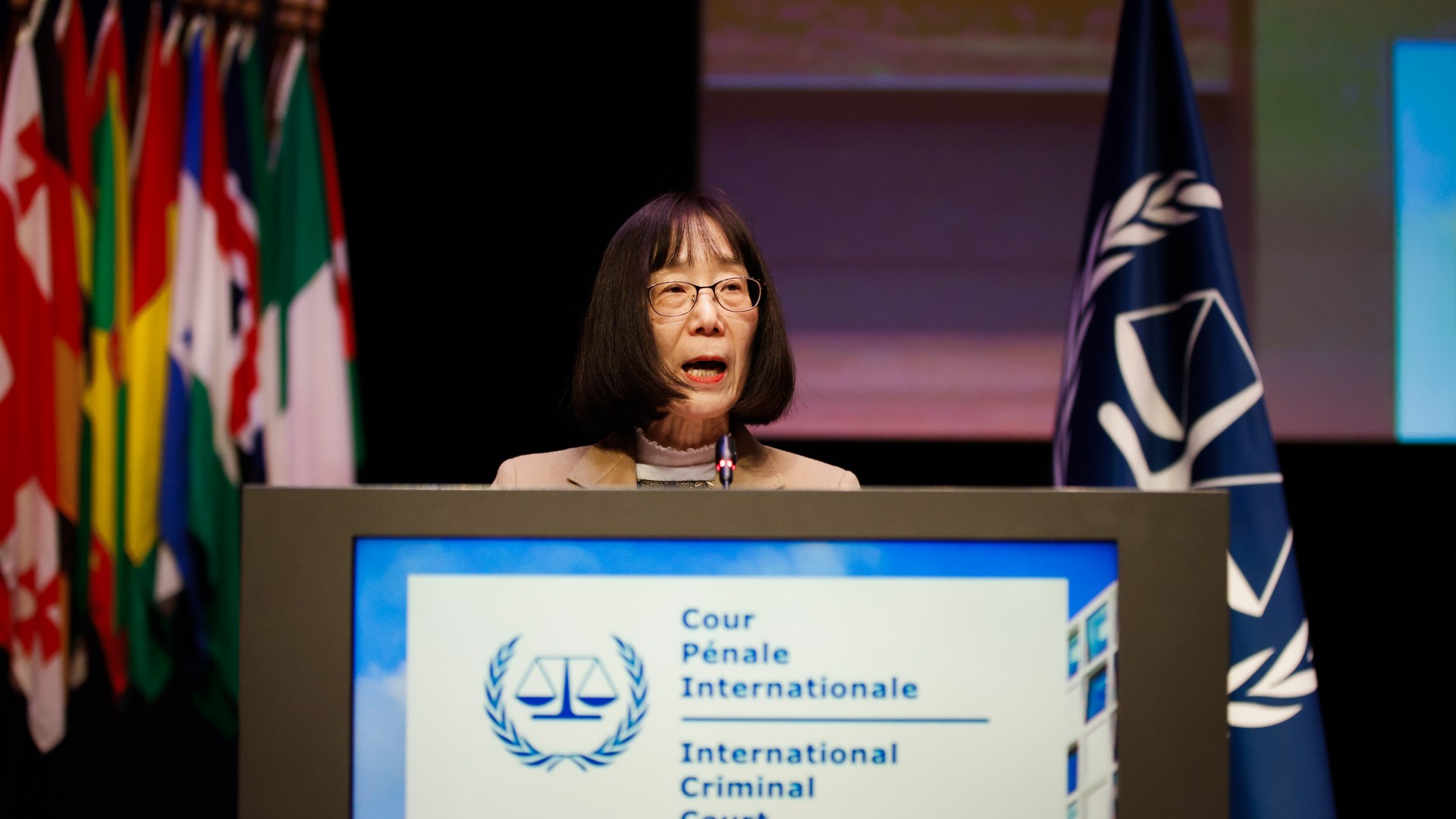
    The International Criminal Court (ICC) is deploying confidential defensive strategies to shield its operations from punitive US sanctions, senior officials revealed during the opening session of the Assembly of States Parties in The Hague. This year’s gathering of representatives from 125 member nations unfolds against a backdrop of severe geopolitical pressure, primarily triggered by the court’s investigation into Israeli officials concerning alleged war crimes in Gaza and Palestinian territories.

    The Trump administration’s sanctions regime, initiated in February against Chief Prosecutor Karim Khan and expanded in August to target two deputy prosecutors and six judges, has created profound operational challenges. These measures have frozen the officials’ international travel capabilities and severed their access to global financial networks, including within European jurisdictions. ICC President Tomoko Akane characterized the situation as unprecedented, noting that elected officials now share designation lists with terrorists and narcotics traffickers.

    President Akane further disclosed that Russian authorities have issued arrest warrants for one-third of the ICC’s judicial bench, including the entire presidency, in retaliation for the court’s probe into alleged Russian war crimes in Ukraine. Despite these coordinated pressures, court leadership maintains that their resolve has strengthened rather than diminished.

    Deputy Prosecutor Nazhat Shameem Khan confirmed the Office of the Prosecutor continues its work unimpeded, implementing protective measures whose specifics remain classified to preserve effectiveness. Notably, the court is pursuing technological sovereignty initiatives, including migrating from US-based cloud services provider Microsoft to ensure operational independence.

    The absence of European Union intervention through its Blocking Statute mechanism has drawn criticism from human rights organizations. Alexis Deswaef of the International Federation for Human Rights urged EU authorities to activate legal protections and establish financial systems independent of US networks to safeguard international justice mechanisms.

  • With Constellation frigates canceled, save Ticonderoga cruisers

    With Constellation frigates canceled, save Ticonderoga cruisers

    In a major strategic reversal, the US Navy has terminated its Constellation-class frigate program, opting to complete only two vessels currently under construction. This decision follows a cascade of program delays totaling 36 months, pushing the first frigate’s completion to 2029 with anticipated fleet deployment not expected until 2032-2034 after extensive testing.

    The Constellation-class was intended to replace the controversial Littoral Combat Ships (LCS), which naval experts previously deemed combat-unsurvivable despite their $500 million per unit cost with mission packages. The Navy maintains 25 LCS vessels despite known deficiencies, with annual operating costs reaching $70 million per ship.

    Compounding the crisis, the Navy has been rapidly decommissioning its capable Ticonderoga-class cruisers while the frigate program faltered. Fifteen cruisers have already been decommissioned, with five scrapped and six more scheduled for removal. This dismantling occurred despite a $3.7 billion modernization program for seven cruisers, four of which were decommissioned before returning to service, resulting in approximately $1.84 billion in wasted investments.

    The Constellation program’s failure stemmed from fundamental design flaws. Despite beginning with an proven Italian FREMM frigate design, numerous modifications reduced commonality to just 15%, while critical components including the power plant remained unfinished and untested—particularly concerning given previous propulsion failures in LCS vessels and British carriers.

    With only six new Arleigh Burke destroyers expected by 2029 at $2.5 billion each, naval analysts suggest reactivating modernized Ticonderoga cruisers as a stopgap solution. These cruisers boast formidable capabilities including AEGIS defense systems, 122-missile vertical launch capacity, and multi-mission versatility that could rapidly augment fleet strength while saving billions by retiring vulnerable LCS vessels.

  • Father-Son win gross title as Murray and James emerge overall winners in JGE Pairs

    Father-Son win gross title as Murray and James emerge overall winners in JGE Pairs

    The Earth Course at Jumeirah Golf Estates, still resonating with the prestige of hosting the 2025 DP World Tour Championship just a fortnight prior, became the stage for an intensely competitive November Pairs Tournament. A field of 108 golfers, comprising members and their guests, engaged in a fierce battle under the Pairs Scramble Stableford format, with distinct tee placements adding a strategic layer to the challenge.

    The competition reached a dramatic climax with the top twelve pairs separated by a mere two strokes, necessitating a tense back-nine countback to determine the victors. Ultimately, the duo of Stuart Murray and Adam James clinched the overall championship title with an impressive net score of 63, finishing nine under par.

    In a heartwarming display of familial synergy, the Gross Division was conquered by the father-son pair of Neil and Ryder Eatson. They secured their victory on a countback after carding a seven under-par gross score of 65. The Net Division witnessed its own tight contest, with James Finnigan and David Marshall claiming the runner-up position over Nicholas Whiteford and Christopher Incledon, also via countback, after both teams finished with a net 64.

    The event concluded with a celebratory gathering at the Tap and Grill, where participants enjoyed a buffet lunch and a prize ceremony. Cameron McWhinnie, Assistant Golf Services Manager, highlighted the exceptional condition of the championship course and expressed delight at seeing members compete on the same grounds that recently captivated a global audience.

  • Why more young US women appear ready to move abroad

    Why more young US women appear ready to move abroad

    A growing demographic shift is emerging among American women, with unprecedented numbers considering permanent relocation abroad. Recent data from analytics firm Gallup reveals that 40% of women aged 15-44 would move overseas given the opportunity—the highest migration aspiration rate ever recorded and more than double the percentage of young men expressing similar desires.

    This trend, developing over the past decade, represents a significant reversal from historical patterns where American women were less likely than their international peers to envision futures abroad. The phenomenon cuts across political affiliations, with women feeling caught between competing expectations from both conservative and progressive perspectives.

    Personal narratives illustrate the multifaceted reasons behind this emerging exodus. Aubrey and her wife, homeowners from upstate New York, are preparing for relocation to Costa Rica in January after months of unease about the political climate and concerns about basic safety. Their story echoes that of Kaitlin, 31, who abandoned her Los Angeles 9-to-5 job four years ago for Portugal, citing inadequate work-life balance and seeking cultural immersion. Similarly, Alyssa, a 34-year-old mother from Florida, relocated to Uruguay earlier this year following the Supreme Court’s reversal of Roe v. Wade, explaining that ‘the increasing governance of women’s bodies terrified me.’

    Beyond political concerns, economic pressures including student debt, rising healthcare costs, and housing affordability are contributing factors. A Harris Poll survey confirms that 40% of Americans have considered moving abroad, with Gen Z and Millennials being the most likely demographics. Lower living costs abroad frequently feature as primary motivators.

    The institutional trust crisis further compounds these migration considerations. Gallup data indicates confidence in national institutions has plummeted to historic lows, with only 26% of Americans trusting the presidency and 14% trusting Congress. This decline has been most precipitous among young women, whose scores on the National Institutions Index have dropped 17 points since 2015—the sharpest decline of any demographic group.

    Additional factors influencing relocation decisions include healthcare accessibility, climate concerns, and gun violence prevention. Marina, planning to move to Portugal with her boyfriend next May, notes: ‘Healthcare not being a human right in this country is a huge part of why we’re leaving.’ She also cites Portugal’s stricter gun laws and increasing extreme weather events in the US as determining factors.

    Georgetown University Professor Nadia E Brown emphasizes that these pressures reflect broader global challenges facing women, though they appear particularly acute in the American context. The absence of robust social supports—including maternal care, parental leave, and healthcare systems comparable to those in Europe—frequently becomes apparent only after women have experienced alternatives abroad, creating a potentially irreversible brain drain of young American women seeking autonomy, dignity, and safety elsewhere.

  • ‘We love you, UAE!’: Residents celebrate Eid Al Etihad in colourful parade

    ‘We love you, UAE!’: Residents celebrate Eid Al Etihad in colourful parade

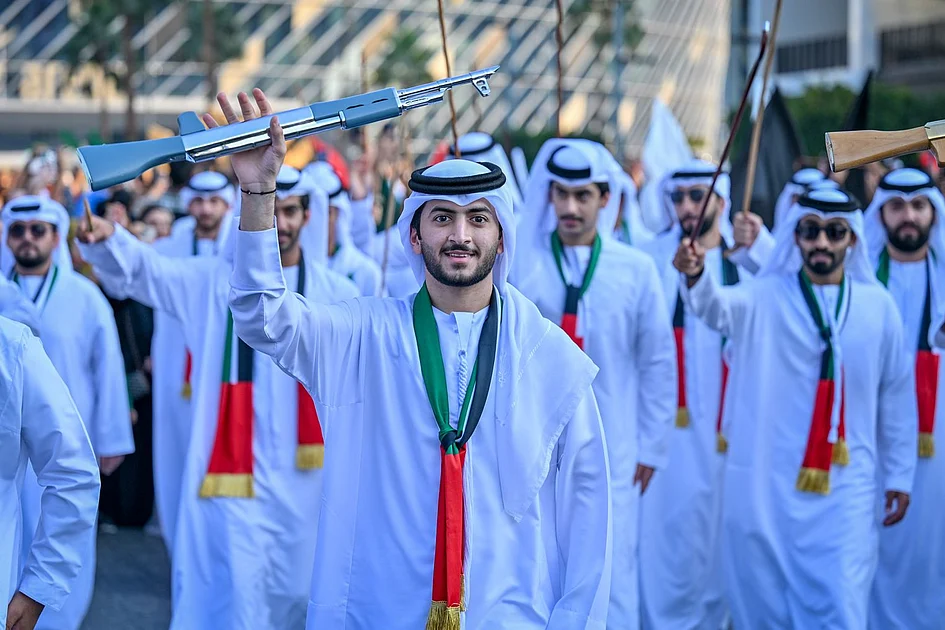
    City Walk in Dubai transformed into a spectacular tapestry of international unity on Monday as thousands of residents gathered for the Eid Al Etihad parade, celebrating the UAE’s 54th National Day. The vibrant procession showcased an extraordinary display of cross-cultural harmony with participants from Russia, the Philippines, India, Pakistan, China, Turkey, and numerous other nations marching in unison while waving UAE flags and chanting expressions of affection for their host country.

    The thoroughfares brimmed with enthusiastic spectators adorned in the UAE’s distinctive colors, enthusiastically recording the dynamic performances on their mobile devices. Attendees journeyed from across the emirates to participate in the festivities, creating an atmosphere of genuine international camaraderie.

    Varvara Petrova, a Russian expatriate who accessorized with a traditional platok scarf, expressed how marching in the parade fostered a profound connection to the UAE. ‘Having resided here for four years, this procession demonstrates the nation’s remarkable inclusivity toward all nationalities,’ she remarked.

    Mary Marisol, representing the Filipino community contingent, emphasized their heartfelt gratitude through chants of ‘We love UAE.’ She elaborated, ‘Our chants reflect genuine appreciation for everything this nation has provided us. The collective celebration created an immensely uplifting experience.’

    Pakistani participant Bilal Ahmed highlighted the cultural fusion as the event’s defining characteristic. ‘Witnessing diverse nationalities marching together with authentic affection and brotherhood is uniquely Emirati. This unity exists nowhere else quite like this,’ he observed.

    The parade featured an enthralling sequence of cultural presentations, commencing with an Indian community band delivering spirited musical performances. Filipino groups followed with energetic cheers praising the UAE, while Chinese performers captivated audiences with an elegant umbrella dance that elicited enthusiastic applause. Russian contributors added chromatic vibrancy in traditional attire, and Pakistani contingents waved their flags with evident pride. Turkish residents displayed dual flags symbolizing their dual allegiances.

    Families with children clad in national colors frequently paused to photograph the multicultural displays. Ayesha Khan from Al Nahda brought her children specifically to demonstrate the UAE’s multicultural coexistence, noting, ‘This resembled an enormous international family gathering. My children were delighted seeing everyone united in celebrating the UAE.’

    Throughout the event, resonant chants of ‘We love UAE’ echoed across City Walk, powerfully conveying the profound connection expatriates feel toward their adopted homeland.