作者: admin

  • What to know about Somalia as Trump wants Somalis in the US to leave

    What to know about Somalia as Trump wants Somalis in the US to leave

    In a controversial statement that has drawn widespread condemnation, former U.S. President Donald Trump reportedly referred to Somali immigrants residing in the United States as “garbage” while demanding their departure from the country. The inflammatory remarks, made without substantiating evidence, alleged that these communities “contribute nothing” to American society.

    The verbal attack emerged alongside revelations that federal authorities were preparing targeted immigration enforcement operations in Minnesota, specifically focusing on Somalis living without legal documentation. This development appears particularly striking given demographic data showing approximately 58% of Minnesota’s Somali population are U.S.-born citizens, while 87% of foreign-born Somalis in the state have obtained naturalized citizenship.

    Simultaneously, the Trump administration implemented a temporary pause on all immigration applications from Somalia, placing the East African nation among several countries facing renewed travel restrictions. When questioned about these developments at a public forum, Somalia’s Prime Minister declined to comment on the U.S. president’s statements.

    This diplomatic tension unfolds against Somalia’s complex backdrop of prolonged instability. Since the collapse of Siad Barre’s regime three decades ago, the country has endured continuous conflict involving warlord clashes, civil war, and the persistent threat of al-Shabab extremists affiliated with al-Qaida. These security challenges have displaced millions internally and forced many into neighboring refugee camps, with Kenya hosting significant numbers awaiting resettlement opportunities.

    The security situation remains precarious, with al-Shabab maintaining control over rural territories while periodically executing devastating attacks in Mogadishu. Notable incidents include the 2017 truck bombing that killed over 100 people and subsequent attacks targeting government institutions and hotels. The U.S. Embassy, which resumed operations in 2019 after a lengthy closure due to security concerns, operates from a heavily fortified compound near Mogadishu’s airport.

    Somalia’s fragile federal government has declared “total war” against al-Shabab, though the extremist group demonstrates continued resilience through complex clan dynamics and weapons smuggling via the Gulf of Aden. This instability has previously manifested in maritime security threats, with Somali pirates recently hijacking a commercial vessel in the Indian Ocean—the first such incident in eighteen months.

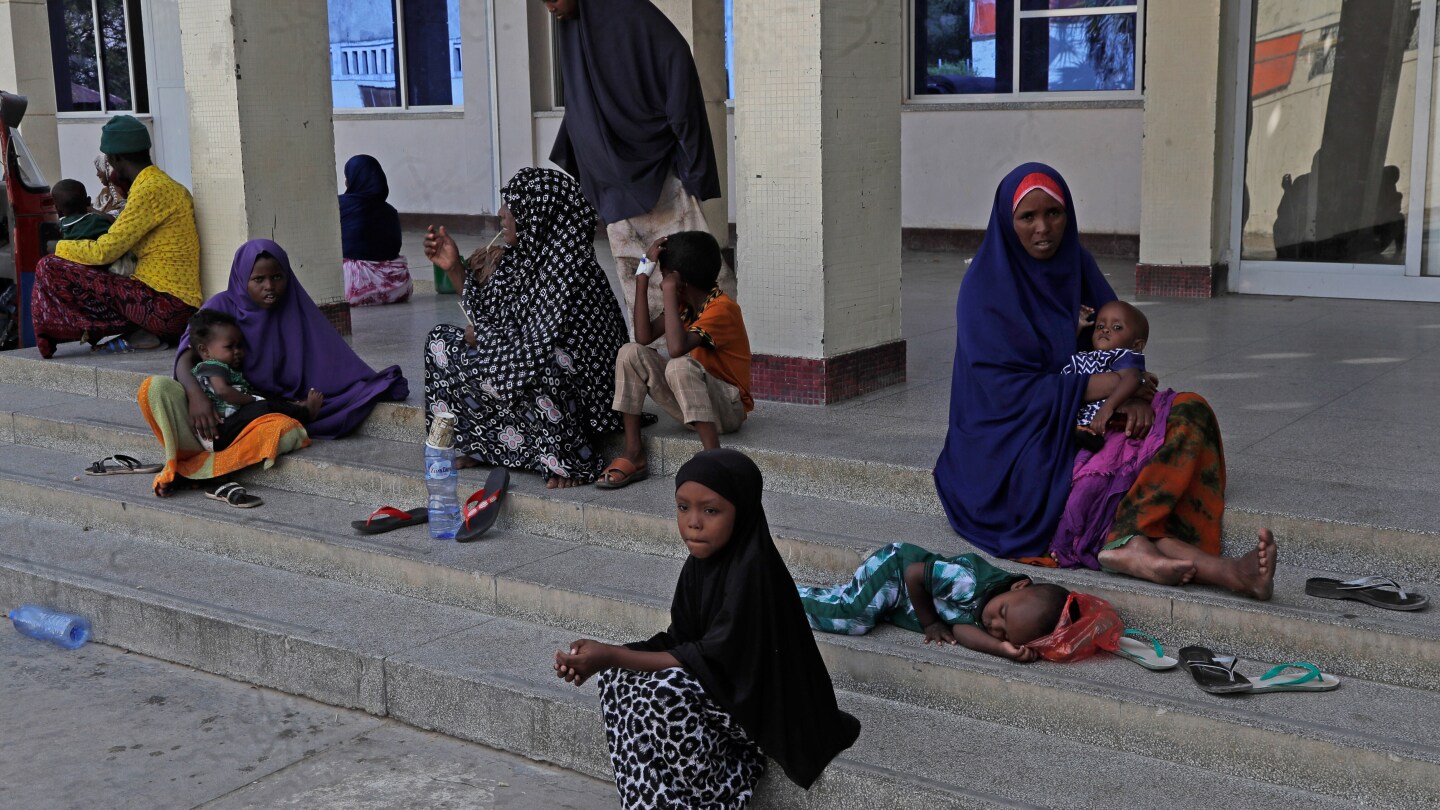
    Beyond security concerns, Somalia faces profound humanitarian challenges. Despite modest revitalization efforts in Mogadishu driven by returning diaspora investments, approximately 19 million citizens confront dire circumstances. The nation maintains one of the world’s weakest healthcare systems according to WHO assessments, with many rural areas lacking basic medical facilities and al-Shabab-controlled regions receiving no assistance.

    Compounding these issues, climate change exacerbates Somalia’s vulnerabilities through recurring droughts that kill thousands and devastate livestock-based economies, destructive flooding in river valleys, and increasingly frequent Indian Ocean cyclones. The International Crisis Group notes that environmental and conflict challenges are becoming “increasingly intertwined,” with al-Shabab exploiting water access as both a control mechanism and taxation tool against vulnerable communities.


  • India mandates SIM binding for WhatsApp, SnapChat to prevent ‘digital arrest’ frauds

    India mandates SIM binding for WhatsApp, SnapChat to prevent ‘digital arrest’ frauds

    In an unprecedented move to enhance cybersecurity, India’s Department of Telecommunications (DoT) has implemented a groundbreaking regulation requiring popular messaging applications—including WhatsApp, Telegram, Signal, and SnapChat—to maintain continuous linkage with registered SIM cards. This mandate, described as a “first in the world regulatory measure,” aims to eliminate anonymous digital scams that have plagued Indian telecommunications networks.

    The new framework requires these platforms to ensure their services remain permanently tethered to the specific SIM card used during registration. Should the SIM card be removed, deactivated, or relocated internationally, the associated applications will immediately cease functioning. Additionally, web versions of these applications must automatically log users out every six hours, requiring re-authentication via QR code scanning.

    According to official statements, this measure directly addresses the growing phenomenon of ‘digital arrest’ frauds and government-impersonation schemes where criminals exploit the current system’s vulnerability. Presently, messaging applications only verify SIM cards during initial installation, allowing accounts to remain active even after SIM deactivation or removal—a loophole that has enabled widespread anonymous criminal activity.

    Industry stakeholders including the Cellular Operators Association of India (COAI) have endorsed the mandate, emphasizing its potential to establish complete accountability and traceability for all digital communications. Telecom operators have committed to facilitating seamless implementation within the stipulated 90-day compliance window, with full reporting required within 120 days.

    The COAI has further recommended collaboration with the Reserve Bank of India to reinforce financial transaction security, advocating that SMS OTP verification remain the primary authentication method due to its operator-verified security and guaranteed traceability features.

  • Dubai launches new digital system to manage legal profession services

    Dubai launches new digital system to manage legal profession services

    Dubai has launched a comprehensive digital transformation initiative for its legal sector through the introduction of the Legal Profession System. This integrated platform, developed by the Government of Dubai Legal Affairs Department, consolidates all regulatory and administrative services for advocates and legal consultants into a single digital interface.

    The innovative system represents a significant advancement in government service delivery, eliminating the previous requirement for legal professionals to navigate multiple entities for approvals. The platform streamlines critical processes including new practitioner registration, license renewals, modifications to license details, and applications for law firms operating within the emirate.

    Key features of the system include substantial document reduction through process re-engineering, automated internal assessments, and seamless integration with other government entities. This interoperability enables coordinated processing of requests, particularly for law firms seeking changes to their operational structure or licensing status.

    Dr. Lowai Mohamed Belhoul, Director General of the Legal Affairs Department, emphasized the department’s commitment to enhancing service accessibility and efficiency through modern digital tools. The initiative reflects Dubai’s strategic direction toward digitizing government services while improving institutional performance and reducing administrative burdens.

    The platform is accessible through the Legal Affairs Department’s official website and smart application, utilizing UAE Pass digital identity for secure authentication. Future developments will incorporate additional features and services as the department continues its digital transformation journey.

  • What we know about controversial Venezuela boat strike

    What we know about controversial Venezuela boat strike

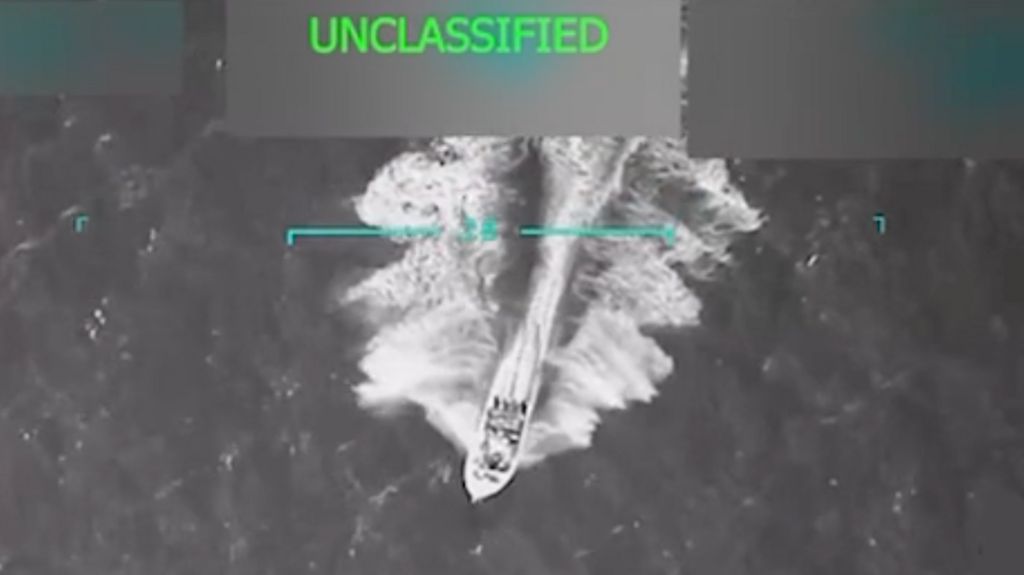
    A controversial U.S. military strike against a suspected narcotics vessel in the Caribbean has ignited significant bipartisan scrutiny in Congress, with emerging details suggesting potential violations of international armed conflict protocols. The incident, which occurred on September 2nd, represents the inaugural operation in an ongoing campaign against drug traffickers that has resulted in over 80 fatalities across Caribbean and Eastern Pacific waters.

    President Trump initially announced the operation to reporters in the Oval Office, claiming the vessel was transporting drugs from Venezuela. Later that day, he utilized his Truth Social platform to identify the casualties as members of Tren de Aragua, a Venezuelan gang recently designated as a foreign terrorist organization. The accompanying video footage showed the boat being struck by munitions and erupting in flames.

    The narrative grew increasingly complex as administration officials provided conflicting accounts. While Trump asserted the vessel was destined for the United States, Secretary of State Marco Rubio initially suggested it was headed toward Trinidad or other Caribbean nations, later revising his statement to align with the president’s claim. Defense Secretary Pete Hegseth maintained he witnessed the strike live and authorities knew precisely who occupied the vessel.

    The situation escalated dramatically on November 28th when The Washington Post reported that two individuals had survived the initial strike, only to be killed in a subsequent attack allegedly ordered by Hegseth. Both the Defense Secretary and Pentagon spokespersons vehemently denied these allegations, characterizing them as fabricated and inflammatory.

    This revelation prompted bipartisan concern among lawmakers. Senator Tim Kaine (D-VA) suggested the reported ‘double-tap’ strike could constitute a war crime if verified, while Representative Mike Turner (R-OH) noted the operation fell completely outside congressional discussions regarding military campaigns.

    In a significant development, White House Press Secretary Karoline Leavitt confirmed on December 1st that a follow-up strike had indeed been ordered—not by Hegseth, but by Navy Admiral Frank Bradley, then-commander of Joint Special Operations Command. Leavitt defended Bradley’s decision as legally justified and within his operational authority.

    During extensive White House deliberations, Hegseth acknowledged observing the initial strike but attributed his inability to identify survivors to the ‘fog of war’ and extensive wreckage. President Trump subsequently distanced himself from the secondary strike decision while maintaining support for his defense secretary and characterizing the entire operation as a singular engagement.

    Legal experts have raised serious concerns, with former Air Force Secretary Frank Kendall suggesting that under normal circumstances, such actions would warrant court-martial proceedings. With mounting political pressure, Admiral Bradley was scheduled to brief lawmakers behind closed doors on December 4th regarding the operational details.

  • Over 6,600 criminal cases related to wild animals filed, around 10,000 suspects arrested

    Over 6,600 criminal cases related to wild animals filed, around 10,000 suspects arrested

    Chinese authorities have achieved significant breakthroughs in combating wildlife crime through a specialized nationwide operation launched in August 2025. The Ministry of Public Security reported that law enforcement agencies have initiated proceedings in more than 6,600 criminal cases involving endangered species protection violations, resulting in the apprehension of approximately 9,900 individuals suspected of wildlife trafficking and harm.

    The comprehensive campaign specifically targets the entire illegal wildlife trade network, addressing offenses ranging from illegal hunting and procurement to distribution and commercial utilization of protected animals, particularly bird species. Enforcement strategies have incorporated advanced data analytics to enhance operational precision, focusing on sophisticated criminal methodologies including modified hunting equipment, drone-assisted arrow systems, specialized nail guns, and concealed trapping devices.

    A notable case investigation in Dalian, Liaoning Province, demonstrated the operation’s effectiveness. Police dismantled a major trafficking ring specializing in precious and endangered wildlife, detaining 13 suspects and confiscating over 12,000 yellow-breasted buntings—a species classified under China’s highest protection level as national first-class protected wildlife. The estimated value of this single case exceeded 39 million yuan (approximately $5.52 million).

    Investigative findings revealed that primary suspect Zhang organized multiple hunting expeditions targeting nationally protected bird species while simultaneously purchasing illegally obtained specimens from other poachers for distribution through secondary markets, where birds were often fattened before resale.

    The ministry has strengthened inter-agency collaboration and public engagement mechanisms to enhance wildlife protection governance. A national reporting platform dedicated to environmental and food safety violations has been established to facilitate citizen participation in crime prevention efforts.

  • Trump says he is pardoning Democratic congressman in bribery case

    Trump says he is pardoning Democratic congressman in bribery case

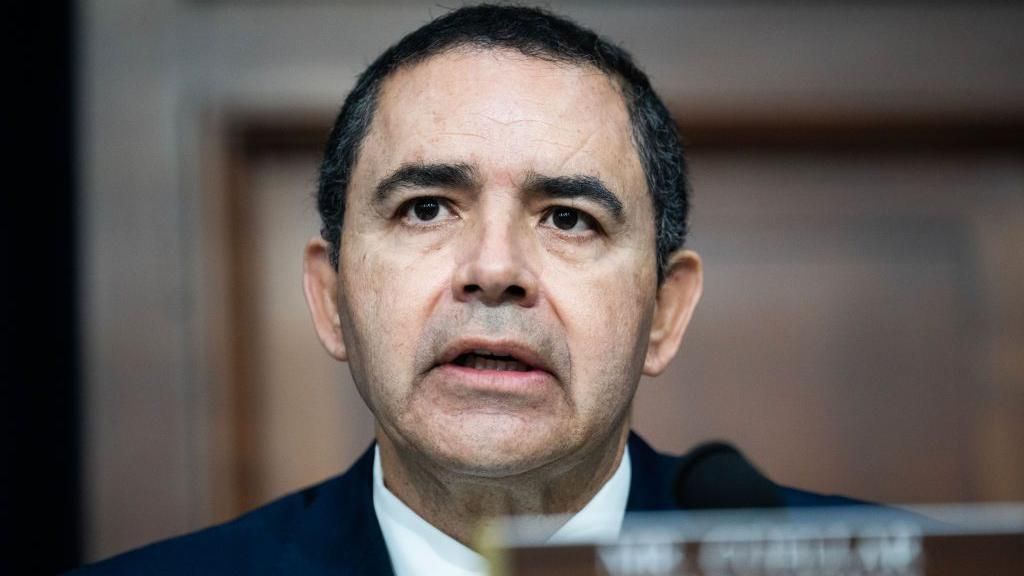
    In a significant political development, President Donald Trump has announced his intention to grant a complete pardon to Democratic Congressman Henry Cuellar of Texas and his wife Imelda, both facing federal corruption charges. The announcement came via Trump’s social media platform where he promised “full and unconditional” clemency for the couple.

    Congressman Cuellar, who has represented Texas’ 28th congressional district since 2005, was indicted last year on multiple charges including conspiracy, bribery, wire fraud, money laundering, and violating bans on acting as foreign agents. The Justice Department under former President Biden alleged that Cuellar accepted approximately $600,000 in bribes from an Azerbaijani state-owned oil company and a Mexican bank. In exchange, prosecutors claim Cuellar agreed to influence U.S. foreign policy in favor of Azerbaijan and advocate for measures benefiting the Mexican financial institution.

    The indictment further detailed that companies owned by Imelda Cuellar allegedly laundered the funds, which were used for various personal expenses including $58,000 in credit card payments, $18,000 at wholesale stores, and $12,000 for a custom gown.

    Despite these serious charges, Cuellar maintains his innocence and has surprisingly filed for re-election as a Democrat, dispelling speculation that he might switch parties to bolster Republican numbers in the House. Cuellar is known as one of the most conservative Democrats in Congress, particularly for his moderate stance on abortion and immigration.

    Trump justified his pardon decision by suggesting the charges were politically motivated, claiming Cuellar was targeted for “bravely speaking out against Open Borders.” This sentiment was echoed in a letter from Cuellar’s daughters to Trump, which suggested their father’s border security stance might have prompted the indictment.

    This marks Trump’s third act of clemency this week, following his pardon of former Honduran President Juan Orlando Hernández, convicted of drug trafficking charges, and the commutation of former investment manager David Gentile’s fraud sentence. The pattern suggests a continued presidential focus on pardoning individuals convicted of financial crimes during Trump’s second term.

  • Celebrities including Benedict Cumberbatch and Annie Ernaux call for Marwan Barghouti release

    Celebrities including Benedict Cumberbatch and Annie Ernaux call for Marwan Barghouti release

    An international coalition of prominent cultural figures has launched a significant appeal for the immediate release of Marwan Barghouti, the incarcerated Palestinian political leader often compared to Nelson Mandela. The campaign, supported by Nobel laureate Annie Ernaux, actors Benedict Cumberbatch, Ian McKellen, and Brian Cox, chef Delia Smith, and musician Brian Eno, contends that Barghouti’s imprisonment represents a critical obstacle to peace in the region.

    Barghouti, captured by Israeli forces in 2002 and subsequently sentenced to five life terms, has emerged as the most popular political figure in Palestinian polling despite his decades-long incarceration. The signatories’ letter highlights alleged ‘violent mistreatment and denial of legal rights’ during his imprisonment, drawing parallels to the international campaign that ultimately secured Nelson Mandela’s freedom.

    The controversy surrounding Barghouti’s 2004 trial remains central to the appeal. Author and lawyer Selma Dabbagh characterized the judicial process as ‘a sham,’ noting that the Inter-Parliamentary Union had previously documented substantial flaws in the proceedings. Barghouti himself refused to mount a defense, rejecting Israel’s jurisdiction over West Bank Palestinians.

    Recent developments have intensified concerns regarding Barghouti’s treatment. Reports indicate severe restrictions on family and legal visits, with Palestinian officials alleging systematic ‘isolation, torture and attempts to coerce, humiliate and beat him.’ A disturbing 13-second video from August 2025 showed Israeli National Security Minister Itamar Ben Gvir threatening Barghouti in his cell—the first public footage of the leader in nearly ten years.

    The campaign emerges amid revelations that Barghouti’s name was reportedly removed from prisoner exchange lists during recent Gaza ceasefire negotiations. Notably, some Israeli security figures, including former Shin Bet leaders, have joined calls for his release, suggesting his freedom could potentially alter the political landscape.

    Brian Eno framed the cultural campaign as analogous to anti-apartheid efforts, stating: ‘Just as global solidarity helped free Nelson Mandela, we all have the power to accelerate the day that Marwan Barghouti walks free. His release would mark a turning point in this long struggle.’

  • Mainland expands cases Hong Kong, Macao, Taiwan lawyers can handle

    Mainland expands cases Hong Kong, Macao, Taiwan lawyers can handle

    In a significant move to deepen legal integration, China’s Ministry of Justice announced on December 3, 2025, the substantial expansion of practice rights for qualified lawyers from Hong Kong, Macao, and Taiwan operating on the mainland. The new policy authorizes these legal professionals to represent clients in 299 categories of civil cases, marking a substantial broadening of their jurisdictional scope.

    The enhanced practice rights now encompass specialized legal domains including maritime and admiralty disputes, personality right conflicts, real property matters, alongside intellectual property and competition litigation. This expansion represents a strategic effort to leverage the unique expertise of legal practitioners from these regions within mainland China’s judicial system.

    Concurrently, the ministry has aligned practice regulations within the Guangdong-Hong Kong-Macao Greater Bay Area (GBA), creating consistent representation standards for Hong Kong and Macao lawyers appearing in mainland courts. The nine mainland cities within the GBA economic zone have simultaneously received expanded authorization for legal services provided by qualified GBA practitioners.

    Official statements emphasize that this policy evolution responds directly to expressed demands from legal professionals seeking broader operational parameters. The initiative aims to facilitate deeper integration of these lawyers into China’s comprehensive legal development framework while maximizing their specialized professional capabilities.

    Current statistics reveal that over 760 legal professionals from Hong Kong, Macao, and Taiwan have received mainland practice approval, with more than 630 Hong Kong and Macao lawyers specifically obtaining the GBA practice certification. This development continues China’s progressive opening of legal services to these jurisdictions, strengthening cross-regional rule of law cooperation and exchange.

    Zhang Han, spokeswoman for the Taiwan Affairs Office, characterized the measure as creating substantial opportunities for Taiwanese legal professionals within mainland China’s expanding legal market. The policy aligns with broader efforts to enhance cross-strait economic and cultural collaboration while encouraging Taiwanese participation in mainland socioeconomic development initiatives.

  • UAE emerges as second most popular winter sun destination for UK tourists

    UAE emerges as second most popular winter sun destination for UK tourists

    The United Arab Emirates has solidified its position as a leading winter getaway destination for British tourists, ranking second only to the Canary Islands in flight volume during the 2025-2026 holiday season. According to comprehensive data from global aviation analytics firm OAG, the UAE is set to receive 1,006 flights from the United Kingdom between December 20, 2025, and January 4, 2026.

    The Canary Islands maintain their top position with 3,685 scheduled flights, while other popular destinations trail significantly behind: Morocco (952 flights), Egypt (796), Cyprus (348), and Portugal (245). The analysis reveals Dubai International Airport (DXB) as the third busiest airport for UK sun seekers with 776 incoming flights, surpassed only by Tenerife Sur and Lanzarote airports in Spain’s Canary Islands.

    This surge in air connectivity reflects the UAE’s growing appeal among European travelers seeking optimal weather conditions during the winter months. Aviation experts note that UAE carriers have strategically increased flight frequencies to major UK destinations to accommodate the seasonal passenger surge. In a significant expansion move, Sharjah-based Air Arabia recently announced new direct services to London Gatwick commencing March 2026, operating double daily flights to enhance travel options between the two nations.

    Dubai Airports’ traffic statistics further underscore this trend, revealing that London ranked as the top city destination with 2.8 million passengers in the first nine months of 2025, while the UK collectively contributed 4.6 million travelers during the same period. Aviation analysts highlight that Dubai International stands out as the only non-European destination in the upper echelon of UK winter travel preferences, representing the most popular long-haul option for British holidaymakers.

  • Fujian offers subsidy for Taiwan residents opening Shaxian restaurants

    Fujian offers subsidy for Taiwan residents opening Shaxian restaurants

    In a significant move to strengthen cross-Strait economic collaboration, Fujian provincial authorities have unveiled a comprehensive subsidy program offering financial incentives to Taiwanese residents establishing Shaxian snack restaurants. The initiative provides a one-time entrepreneurship subsidy of 5,000 yuan (approximately $707.80) to qualified applicants from Taiwan who open establishments specializing in this distinctive culinary tradition.

    The subsidy forms part of a broader package of 12 policy measures announced on Tuesday designed to deepen economic and cultural exchanges between Fujian and Taiwan. These measures represent Fujian’s latest effort to foster mutual economic development and people-to-people connections across the Taiwan Strait.

    Shaxian snacks, originating from Shaxian District in Sanming, Fujian Province, represent a culinary tradition with remarkable diversity, featuring over 200 distinct varieties. The cuisine achieved national recognition in 2021 when it was officially included in China’s national-level intangible cultural heritage list. These affordable, flavorful snacks have gained tremendous popularity throughout China, with storefronts appearing in urban centers nationwide.

    The announcement follows a recent Shaxian snacks-themed exchange tour conducted across five Taiwanese cities in November, demonstrating the growing cultural exchange surrounding this culinary tradition. The tour served to promote understanding and appreciation of Shaxian cuisine among Taiwanese communities.

    This development occurs within the broader context of increasing cross-Strait economic initiatives aimed at strengthening commercial ties and fostering mutual prosperity through cultural and culinary exchanges.