作者: admin

  • Slovakia’s parliament approves plan to dismantle whistleblower protection office

    Slovakia’s parliament approves plan to dismantle whistleblower protection office

    BRATISLAVA, Slovakia — Slovakia’s parliamentary body has ratified a contentious governmental initiative to dissolve the nation’s autonomous anti-corruption whistleblower protection agency, triggering widespread domestic and international condemnation. The ruling coalition administration under populist Prime Minister Robert Fico secured 78 affirmative votes within the 150-seat legislative chamber to advance the measure, bypassing substantial opposition from multiple sectors.

    The decision has drawn sharp criticism from an unusual coalition of detractors including opposition parties, Slovakia’s Prosecutor-General, European Union authorities, and both international and local anti-corruption organizations. Even President Peter Pellegrini, typically a Fico ally, has expressed reservations about the legislative changes. While Pellegrini retains authority to sign the bill into law, the government maintains sufficient parliamentary strength to override any potential presidential veto.

    In an official statement, the Whistleblower Protection Office warned that “the level of protection, as well as public confidence in the whistleblower protection system meticulously developed over recent years, will be substantially undermined by this legislation.” The office was originally established in 2021 pursuant to European Union regulatory requirements.

    The government justifies its action by proposing to establish a replacement institution that would simultaneously address whistleblower protections and crime victim rights, asserting that previous regulations had been manipulated for political purposes. However, the new framework introduces provisions enabling the revocation of previously granted protections and permits recurrent reassessments of protection status at employer request.

    Notably, the governing coalition employed an accelerated parliamentary procedure to advance the changes, effectively eliminating standard expert review and stakeholder consultation processes. The legislative debate itself was constrained to merely hours before the vote.

    Opposition leader Michal Šimečka of the Progressive Slovakia party condemned the move as “an assault against the rule of law” and indicated plans to challenge the legislation before Slovakia’s Constitutional Court. The political climate remains intensely polarized, with Fico’s critics alleging Slovakia is emulating the authoritarian trajectory of Hungarian Prime Minister Viktor Orbán’s administration. Mass demonstrations have recurrently mobilized thousands across Slovakia protesting Fico’s Russia-friendly orientation and broader policy directions.

  • 13-year-old girl praised for heroic rescue of child from icy lake

    13-year-old girl praised for heroic rescue of child from icy lake

    A 13-year-old girl from China’s Ningxia Hui Autonomous Region has become an internet sensation after executing a daring rescue of a young child from freezing lake waters. Li Jiating, a resident of Wuzhong city, demonstrated extraordinary courage on December 6th when she encountered a life-threatening emergency at approximately 3:00 pm.

    While cycling near a local lake, Li witnessed a critical situation unfolding—a 4-year-old boy had broken through thin ice and fallen into the frigid water. Multiple bystanders had already contacted emergency services but remained hesitant to attempt direct rescue due to concerns about the unstable ice conditions.

    Displaying remarkable presence of mind, Li assessed the situation and volunteered for the rescue mission, declaring “I’m lightweight. Let me save him!” She strategically employed a plastic pipe as her primary rescue tool, carefully maneuvering across the precarious ice surface to maintain both her safety and that of the victim.

    The ingenious rescue operation saw Li extending the pipe toward the struggling toddler while maintaining a safe distance from the compromised ice area. She successfully guided the child to grasp the implement and systematically pulled him to secure ground. Emergency responders arrived shortly after to provide medical attention to both children.

    Local authorities and netizens nationwide have celebrated Li’s quick thinking and selfless actions. The People’s Daily official WeChat account featured images of the thoroughly soaked but triumphant teenager following her heroic intervention. The incident has sparked widespread discussions about youth bravery and emergency response preparedness in winter conditions.

  • Trump ban on wind energy permits ‘unlawful’, court rules

    Trump ban on wind energy permits ‘unlawful’, court rules

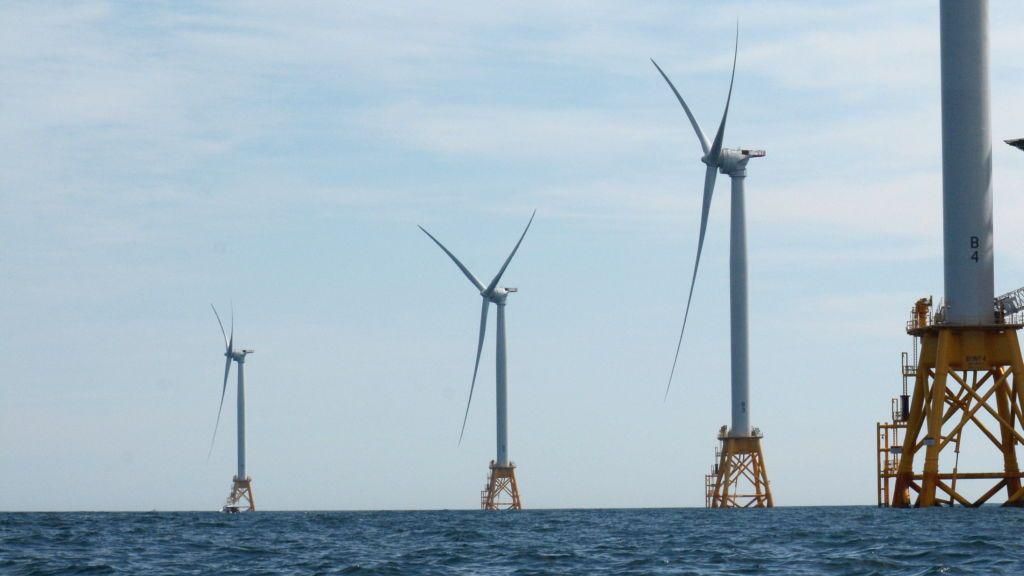
    A Massachusetts federal court has delivered a significant judicial rebuke to the Trump administration’s energy policy, declaring its ban on new wind energy permits “unlawful.” The ruling from District Judge Patti B. Saris vacated an executive order issued in January that had frozen federal approvals for both offshore and onshore wind projects nationwide.

    The legal challenge originated from a coalition of 17 states, led by New York, and a clean energy advocacy group. Their lawsuit was triggered when the Interior Department mandated a work stoppage on the Empire Wind 1 project—a major offshore wind farm designed to power approximately 500,000 New York homes.

    In her decisive ruling, Judge Saris characterized the administration’s policy shift as “arbitrary and capricious and contrary to law.” She noted that federal agencies had failed to provide adequate justification or “a reasoned explanation for the change” in their renewable energy approval process.

    New York Attorney General Letitia James celebrated the decision as “a big victory in our fight to keep tackling the climate crisis” through social media channels. She emphasized that the successful litigation had prevented the administration from obstructing numerous wind energy initiatives across the country.

    The court’s intervention comes amid ongoing tensions between the Trump administration’s pro-fossil fuel agenda and state-level renewable energy ambitions. While construction on the Empire Wind project has since resumed, states argued the broader permitting freeze was causing substantial economic harm nationwide.

    President Trump has consistently expressed hostility toward wind energy, recently stating “we’re not going to do the wind thing” and referring to turbines as “big, ugly windmills” that endanger wildlife. His administration has actively promoted fossil fuel development under the “drill, baby, drill” energy philosophy.

    The Empire Wind project, developed by Norwegian energy company Equinor, remains on track for completion within two years, with full operational capacity expected by late 2027.

  • Trump criticises ‘weak’ European leaders over Ukraine and immigration

    Trump criticises ‘weak’ European leaders over Ukraine and immigration

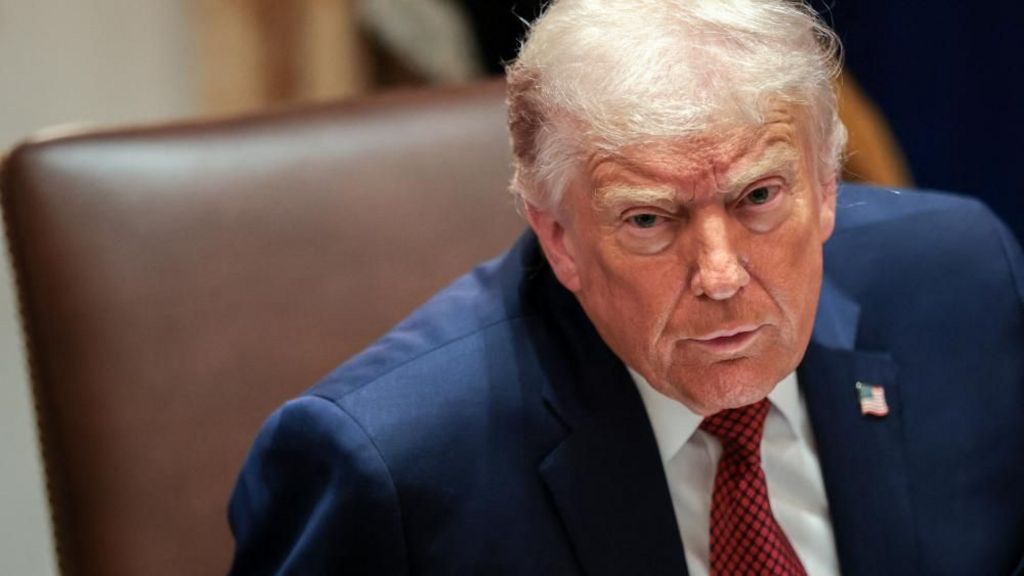
    In a provocative interview with Politico, former US President Donald Trump launched scathing criticisms against European leadership, characterizing them as “weak” and suggesting a potential reduction in American support for Ukraine. The controversial remarks have ignited fresh transatlantic tensions regarding the ongoing conflict with Russia.

    Trump asserted that “decaying” European nations have demonstrated incompetence in managing migration crises and formulating decisive strategies to resolve the Ukraine-Russia war. He accused European leaders of permitting Kyiv to continue fighting “until they drop” without providing adequate assistance.

    The former president presented a stark assessment of the military situation, claiming Russia maintains the “upper hand” in the conflict. He further urged Ukrainian President Volodymyr Zelensky to “play ball” by considering territorial concessions to Moscow as a potential pathway to peace.

    British authorities swiftly countered Trump’s assertions, with Downing Street highlighting the UK’s leadership in implementing sanctions against Russia and reaffirming commitment to the US-led peace initiative. The official response emphasized Europe’s substantial contributions to supporting Ukraine’s defense efforts.

    These diplomatic exchanges occurred concurrently with the release of a 33-page National Security Strategy document from Trump’s administration, which contained alarming warnings about Europe’s potential “civilisational erasure” and raised questions about the reliability of certain NATO allies. The document outlines a strategic pivot that could significantly alter traditional American foreign policy approaches toward European partnerships.

  • French feminists outraged by Brigitte Macron’s comment about activists

    French feminists outraged by Brigitte Macron’s comment about activists

    A political and cultural firestorm has erupted in France after First Lady Brigitte Macron used vulgar language to describe feminist protesters, triggering a widespread online movement reclaiming the insult. The controversy began when activists from the organization Nous Toutes, which campaigns against violence toward women, disrupted a stand-up performance by comedian Ary Abittan on Saturday. The protesters, wearing masks of Abittan, shouted “Abittan rapist” during his show—referencing 2021 rape allegations against the comedian that were later dropped due to insufficient evidence.

    The following day, Mrs. Macron attended Abittan’s performance with her daughter and met with the comedian beforehand. In a video recording of their conversation, Abittan expressed feeling “scared” about potential further disruptions. Mrs. Macron responded with “if there are any stupid bitches we’ll kick them out,” using the French phrase “sales connes” while smiling and laughing. Her team subsequently told AFP that her comments were intended to “critique the radical method” of the protest rather than target women specifically, emphasizing that “Brigitte Macron does not approve of this radical method.”

    Instead of quelling the situation, Mrs. Macron’s remark ignited a digital uprising among French celebrities and feminists. The term “#salesconnes” (stupid bitches) has been widely adopted across social media platforms as a badge of honor rather than an insult. Prominent figures in French entertainment have joined the movement, including actress Judith Godrèche—who has previously accused a film director of historical rape—who declared on social media: “I too am a stupid bitch.”

    Belgian comedian Florence Mendez expressed pride in identifying with the term, while actor and singer Nadège Beausson-Diagne posted on Instagram: “I too am a stupid bitch in summer, winter, spring and autumn.” She further voiced support for the “courageous” woman who had initially accused Abittan of rape and praised Nous Toutes, predicting the group would “come back stronger to fight together against sexual violence.” Actor Rachida Brakni similarly thanked the “bitches” in her social media post, directly tagging the feminist organization.

    Stand-up comedian Marine Leonardi offered a different perspective, asserting that “Feminists are never stupid bitches” in her Instagram post. The overwhelming response has transformed the First Lady’s derogatory comment into a unifying symbol for those advocating against sexual violence and supporting women’s rights movements in France.

  • Former executive of Chinese financial firm executed for bribery

    Former executive of Chinese financial firm executed for bribery

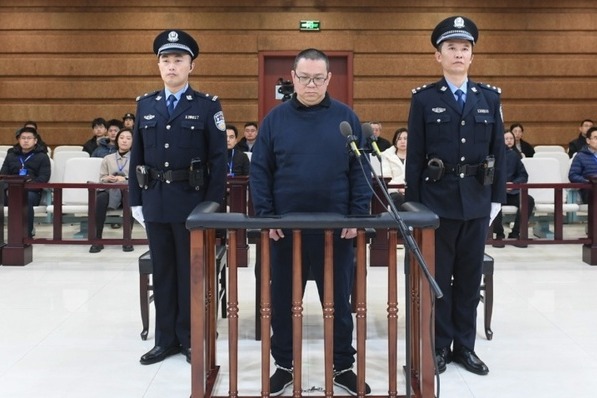
    In a landmark demonstration of China’s intensified anti-corruption campaign, former China Huarong International Holdings general manager Bai Tianhui was executed on Tuesday, December 9, 2025. The execution followed the Supreme People’s Court’s final validation of his death sentence for accepting bribes exceeding 1.1 billion yuan ($156 million).

    The Tianjin No. 2 Intermediate People’s Court carried out the sentence after formally notifying Bai of the supreme court’s decision and granting him a final meeting with family members. This concludes a legal process that began with his initial conviction on May 28, 2024, when he received the death penalty, lifetime deprivation of political rights, and confiscation of all personal assets.

    According to judicial authorities, between 2014 and 2018, Bai systematically exploited his executive positions to illicitly benefit certain entities in project acquisitions and corporate financing operations. The Supreme People’s Court characterized the case as exceptionally severe, noting the ‘extremely large’ bribe amounts, ‘extremely serious’ offense circumstances, ‘extremely negative’ social impact, and ‘extremely huge’ losses to national and public interests.

    The case represents the second major execution within China Huarong Asset Management’s leadership, following the 2021 execution of former chairman Lai Xiaomin for accepting 1.78 billion yuan in bribes. China’s legal framework requires all death sentences to undergo mandatory review by the Supreme People’s Court before execution, ensuring judicial oversight of capital punishment cases.

    This development occurs amidst heightened judicial scrutiny of corruption cases, with top courts recently demanding severe penalties for grassroots corruption offenses, signaling continued commitment to anti-graft measures across all levels of society.

  • Fire breaks out after explosion in S. Korea’s thermal power plant

    Fire breaks out after explosion in S. Korea’s thermal power plant

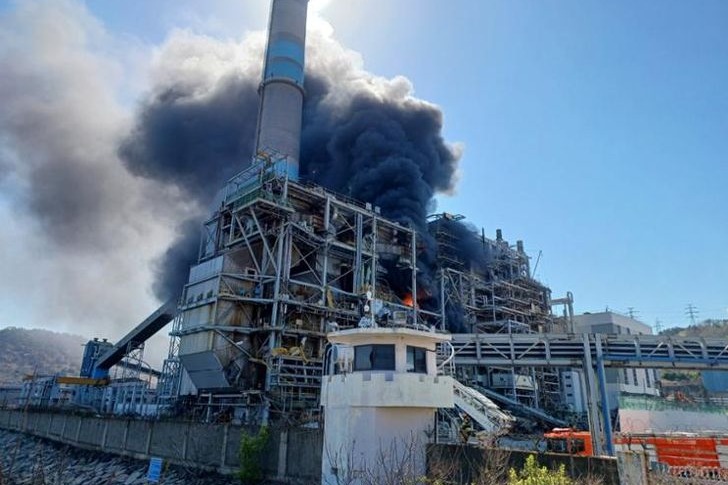
    A significant industrial incident unfolded in South Korea’s southwestern region on Tuesday when a powerful explosion ignited a major fire at a thermal power plant in Taean. The emergency was reported to local fire authorities at approximately 2:43 PM local time (0543 GMT), according to coverage by Yonhap News Agency.

    The facility, located approximately 150 kilometers southwest of the capital city Seoul, experienced the blast accompanied by a loud audible detonation that signaled the beginning of the emergency. Initial reports indicate that the explosion preceded the rapid development of the fire within the plant’s infrastructure.

    Emergency response units immediately mobilized to address the critical situation. Firefighting personnel and specialized equipment were dispatched to the scene following standard protocol for industrial accidents of this magnitude. An unnamed fire official confirmed the deployment of resources, though the exact scale of the response and specific number of units involved remains undisclosed at this early stage.

    The Taean thermal power plant represents a significant component of South Korea’s energy infrastructure, though specific operational details regarding capacity and output remain unverified in the immediate aftermath of the incident. Thermal power plants typically generate electricity through combustion of fossil fuels, presenting inherent fire risks that require sophisticated safety systems and protocols.

    Authorities have not yet released information regarding potential casualties, structural damage assessments, or the impact on regional power supply. The investigation into the root cause of the explosion and subsequent fire will likely involve multiple governmental agencies and industry experts once the immediate emergency is contained.

  • Sacked agents sue FBI, saying they were punished for taking the knee

    Sacked agents sue FBI, saying they were punished for taking the knee

    Twelve former FBI agents have initiated legal proceedings against the bureau, claiming their dismissals constituted unlawful termination directly linked to their decision to kneel during a racial justice demonstration in Washington D.C. in June 2020. The lawsuit, filed in the District of Columbia, names FBI Director Kash Patel as a primary defendant.

    The plaintiffs detail how they were deployed to manage escalating tensions in the capital on June 4, 2020, following the police killing of George Floyd. Confronted by what they describe as a volatile situation for which they were inadequately prepared, the agents made a unanimous tactical decision to adopt the kneeling gesture synonymous with the protests. They contend this action successfully de-escalated potential violence and mirrored community outreach practices used by law enforcement nationwide during that period of civil unrest.

    Despite receiving initial approvals from both FBI and Department of Justice leadership following internal reviews of their conduct, termination notices citing ‘lack of impartiality’ were issued over five years later. The former agents allege this delayed disciplinary action occurred under Director Patel’s administration, which they characterize as conducting a systematic purge of personnel perceived as disloyal to then-President Donald Trump.

    The lawsuit seeks reinstatement to their positions with full back pay and benefits. This case follows similar litigation from other former FBI officials, including ex-acting director Brian Driscoll, who likewise allege politically motivated dismissals. The White House has recently reiterated its support for Director Patel, calling him ‘a critical member of the president’s team’ working to ‘restore integrity to the FBI.’ The bureau has declined to comment on ongoing litigation.

  • A coup too far: Why Benin’s rebel soldiers failed where others in the region succeeded

    A coup too far: Why Benin’s rebel soldiers failed where others in the region succeeded

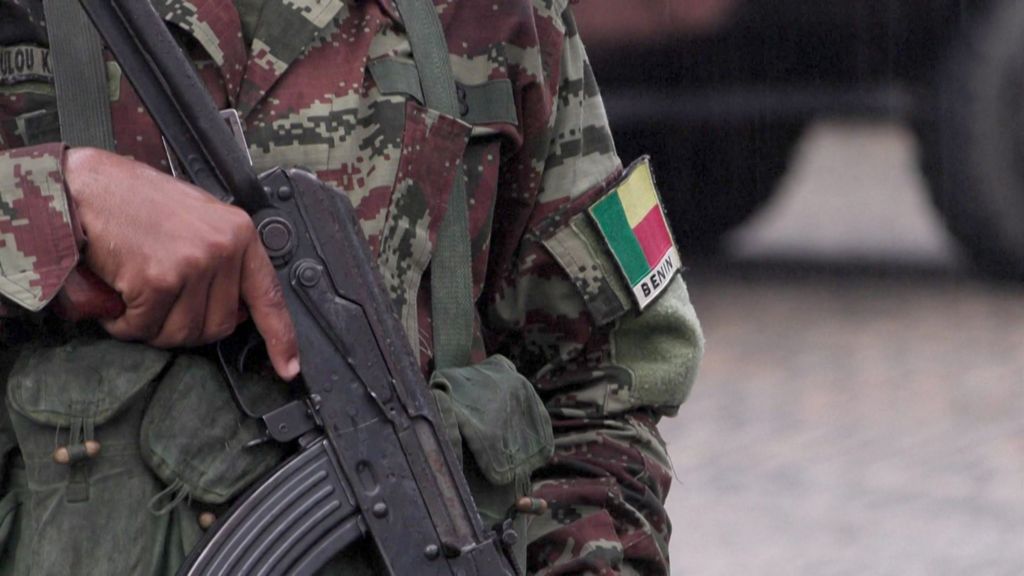
    West African nations demonstrated unprecedented military coordination in neutralizing a coup attempt against Benin’s President Patrice Talon, marking a strategic reversal from previous ineffective responses to regional power grabs.

    Nigerian warplanes conducted precision strikes against mutinous soldiers occupying Benin’s state broadcaster and military installations near Cotonou’s airport, while the Economic Community of West African States (ECOWAS) rapidly deployed ground troops from Ghana, Nigeria, Ivory Coast and Sierra Leone. This robust intervention came just days after Guinea-Bissau’s presidential election was interrupted by military takeover.

    The failed putsch represents the ninth attempted overthrow in West Africa since 2020, occurring against the backdrop of last year’s withdrawal of Mali, Burkina Faso and Niger from ECOWAS. Unlike those successful coups that enjoyed popular support, the Benin conspirators fundamentally misjudged the national mood despite widespread grievances against Talon’s administration.

    ECOWAS learned critical lessons from its mishandling of Niger’s 2023 coup, when delayed intervention allowed junta leaders to consolidate power. This time, the bloc acted within hours while Talon maintained constitutional authority and could legitimately request regional support. The swift response prevented rebel consolidation despite their lethal resistance against loyalist forces.

    Benin’s distinctive political culture proved crucial to the operation’s success. While citizens share frustrations about the exclusion of Les Démocrates opposition party from upcoming elections, they maintain strong commitment to democratic processes forged during Benin’s pioneering role in Africa’s 1990s democratization wave. The coup plotters found zero popular support for their violent methods, with civilian casualties instead generating public anger.

    Regional analysis reveals that while West Africa faces shared challenges including Islamist violence, economic pressures, and political disillusionment, each coup attempt stems primarily from localized circumstances. The Benin conspirators appear motivated by military grievances and political complaints, contrasting with Guinea’s 2021 popular uprising against constitutional manipulation or Sahelian coups driven by security failures against jihadist threats.

    Security forces continue hunting coup leader Lieutenant Colonel Pascal Tigri and accomplices after rescuing two abducted military officials. The incident demonstrates ECOWAS’s renewed commitment to military intervention when constitutional order faces immediate threat, potentially establishing a new precedent for regional security response.

  • Chinese academic wisdom continues to inspire global universities

    Chinese academic wisdom continues to inspire global universities

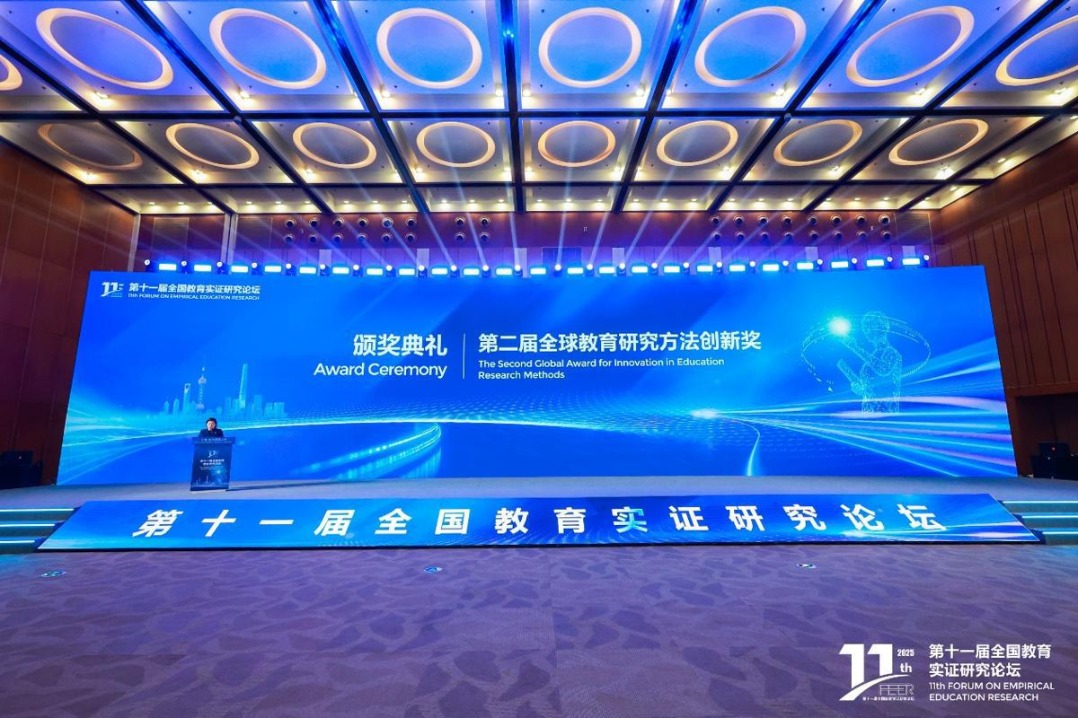
    At the recent 11th Forum on Empirical Education Research in Shanghai, renowned Canadian educator Ruth Hayhoe from the University of Toronto advocated for the global adoption of Chinese educational principles rooted in traditional culture. The event, hosted by East China Normal University, highlighted how China’s educational wisdom offers transformative insights for universities worldwide.

    Professor Hayhoe emphasized the Confucian concept of ‘harmony without conformity’ (和而不同) as particularly valuable for contemporary higher education systems. This philosophy, she argued, provides a framework for creating inclusive learning environments that celebrate diversity while maintaining social cohesion. She called for a fundamental shift from a global knowledge economy toward a global knowledge society that prioritizes public good over commercial interests.

    Hayhoe’s distinguished career spans over five decades, beginning as a teacher in Hong Kong in 1967 and evolving through roles as scholar, diplomat, and university administrator. This unique background has positioned her as one of the few Western scholars capable of bridging Eastern and Western educational philosophies with deep cultural sensitivity.

    The forum recognized Hayhoe’s contributions with the Global Award for Innovation in Education Research Methods for her groundbreaking ‘dialogue among civilizations’ research paradigm. This methodology requires deep immersion in other cultures’ historical, philosophical, and value systems, moving beyond binary oppositions between Eastern and Western approaches to education.

    Four other distinguished scholars received the same honor: Stephen Raudenbush (University of Chicago), Manabu Sato (University of Tokyo), Wang Shanmai (Beijing Normal University), and Rupert Wegerif (University of Cambridge). The award, inaugurated in 2024, represents the world’s first recognition program specifically dedicated to innovation in educational research methodology.

    Professor Yuan Zhenguo, head of East China Normal University’s Faculty of Education and key architect of the award, stated the initiative aims to foster international exchange and advance empirical education research. ‘We hope to guide China’s empirical education research to better engage with the world,’ Yuan remarked, highlighting China’s growing role in shaping global educational discourse.