作者: admin

  • Czech billionaire becomes PM with promise to cut ties to business empire

    Czech billionaire becomes PM with promise to cut ties to business empire

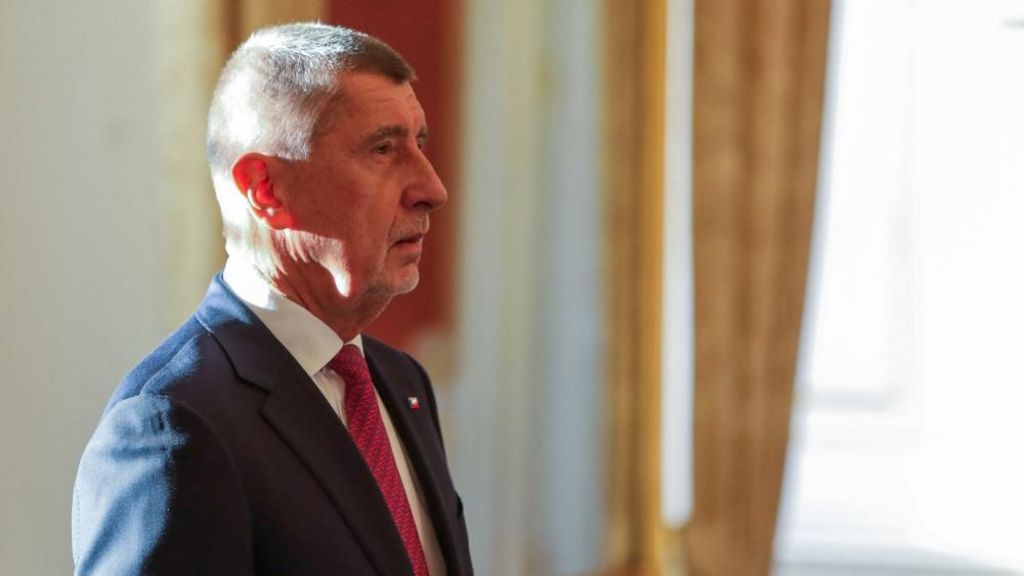
    Czech billionaire Andrej Babis has officially assumed the role of prime minister for the second time, marking a significant political shift in Central Europe. The 71-year-old business magnate received presidential appointment after committing to sever ties with his sprawling commercial empire, Agrofert, valued at approximately $4.3 billion.

    President Petr Pavel mandated Babis’s public pledge to relinquish control over his vast conglomerate—spanning food processing, agriculture, and chemical industries—as a precondition for forming the new government. The complete cabinet, featuring members from the far-right SPD party and Eurosceptic ‘Motorists for Themselves’ movement, is anticipated to be sworn in within days.

    During the ceremonial proceedings at Prague Castle, Babis proclaimed his dedication to representing all Czech citizens both domestically and internationally. ‘I will endeavor to transform the Czech Republic into the planet’s premier place to reside,’ he declared, outlining his ambitious governance vision.

    The business tycoon’s commercial influence permeates Czech daily life through Agrofert’s 200+ subsidiaries, producing everything from Viennese-style sausages (Kostelecké uzeniny) to sliced bread (Penam). So pervasive is this commercial presence that activists have developed smartphone applications enabling consumers to identify and boycott Agrofert products.

    Babis asserts that his business holdings will be transferred to a trust managed by an independent administrator until his death, after which ownership will pass to his heirs. This arrangement, he emphasized in a Facebook video presentation, substantially exceeds Czech legal requirements. However, the specific trust mechanism remains undefined, particularly since Czech legislation lacks provisions for ‘blind trusts,’ necessitating complex legal structuring.

    Transparency International’s Czech chapter remains skeptical regarding the effectiveness of these measures. David Kotora, director of the organization’s local branch, cautioned that mere ownership transfer cannot eliminate potential conflicts of interest. ‘There exists no genuine separation. Babis maintains personal relationships with managers and possesses intimate knowledge of Agrofert’s portfolio. From his executive governmental position, he could theoretically influence sector-specific matters affecting his former enterprise,’ Kotora explained to Seznam Zpravy.

    The business network extends beyond Agrofert to include Hartenberg Holding, which controls numerous enterprises including FutureLife a.s (operating premium health clinics), reproductive clinics, Flamengo florist chain, and Astratex underwear retailer. This expansive commercial footprint throughout Czech society, combined with Babis’s renewed political authority, signals profound changes in the nation’s governance direction.

  • These young Australians grew up with social media – what do they think of the ban?

    These young Australians grew up with social media – what do they think of the ban?

    In the wake of Australia’s controversial decision to implement a social media ban for users under 16, the BBC conducted street interviews in Sydney to gauge reactions from young adults who belong to the first generation raised with ubiquitous social media access. The comprehensive survey targeted Australians aged 18-20, whose formative years coincided with the exponential growth of digital platforms.

    These digital natives expressed complex, multifaceted perspectives on the regulatory measure. Many acknowledged legitimate concerns about cyberbullying, mental health impacts, and inappropriate content that prompted the government’s decision. However, significant reservations emerged regarding the effectiveness of age-based restrictions in addressing these complex issues.

    Several interviewees highlighted the educational and social benefits they gained from early, supervised social media use, suggesting that blanket bans might deprive younger generations of valuable digital literacy development. Others pointed to practical implementation challenges, noting that determined teenagers often find ways to circumvent such restrictions.

    The young adults emphasized the importance of comprehensive digital education and parental guidance rather than outright prohibition. Many advocated for balanced approaches that protect vulnerable users while still allowing access to positive aspects of social connectivity, information sharing, and community building that defined their own adolescent experiences.

  • What to know about the massive defense bill that seeks release of boat strike videos and more

    What to know about the massive defense bill that seeks release of boat strike videos and more

    WASHINGTON — The U.S. House of Representatives is poised to vote this week on the annual National Defense Authorization Act (NDAA), a comprehensive $900 billion legislative package that establishes military spending priorities and defense policies for the coming year. While traditionally bipartisan, this year’s bill emerges amid heightened scrutiny of Pentagon operations and reflects complex negotiations between congressional priorities and administration directives.

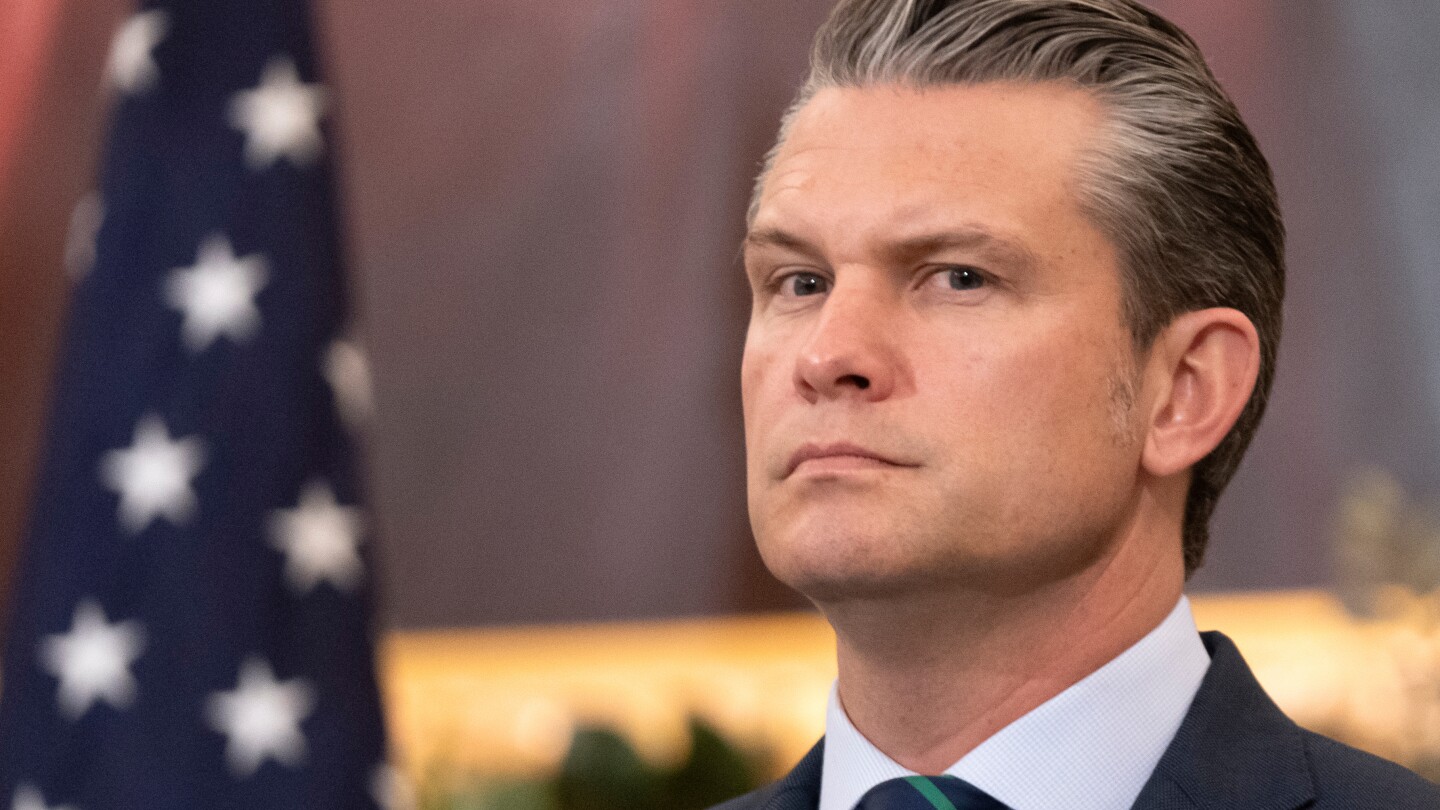
    The legislation mandates a 4% pay increase for service members while implementing significant cuts to Pentagon diversity initiatives and climate change programs. In a notable oversight measure, lawmakers are demanding unedited footage of military strikes against suspected drug trafficking vessels, threatening to withhold a quarter of Defense Secretary Pete Hegseth’s travel budget if compliance isn’t met. This follows controversial September incidents where U.S. forces reportedly fired upon survivors clinging to wreckage after initial attacks.

    International commitments feature prominently in the bill, which authorizes $400 million annually for weapons manufacturing to support Ukraine’s defense against Russia. Despite the Trump administration’s previously wavering stance on Ukraine support, the legislation requires continued intelligence sharing with Kyiv. Additionally, it establishes minimum troop presence requirements of 76,000 in Europe and 28,500 in South Korea, addressing NATO allies’ concerns about potential security vacuums.

    The NDAA also includes historic provisions to formally repeal the 2002 Authorization for Use of Military Force in Iraq, effectively ending legal justification for the Iraq War. Simultaneously, it would permanently lift remaining harsh sanctions on Syria, facilitating potential economic reconstruction.

    Controversially omitted from the final version was coverage for in vitro fertilization (IVF) treatments for military personnel, a provision removed by House Speaker Mike Johnson despite criticism from Democrats who characterized the move as callous toward service members’ family-building needs.

    The bill cuts $1.6 billion from climate-related military programs and eliminates $40 million in diversity, equity, and inclusion initiatives, including the position of chief diversity officer, aligning with the administration’s broader government-wide reduction of these programs.

  • Police raid Argentine soccer clubs and AFA as part of investigation into alleged money laundering

    Police raid Argentine soccer clubs and AFA as part of investigation into alleged money laundering

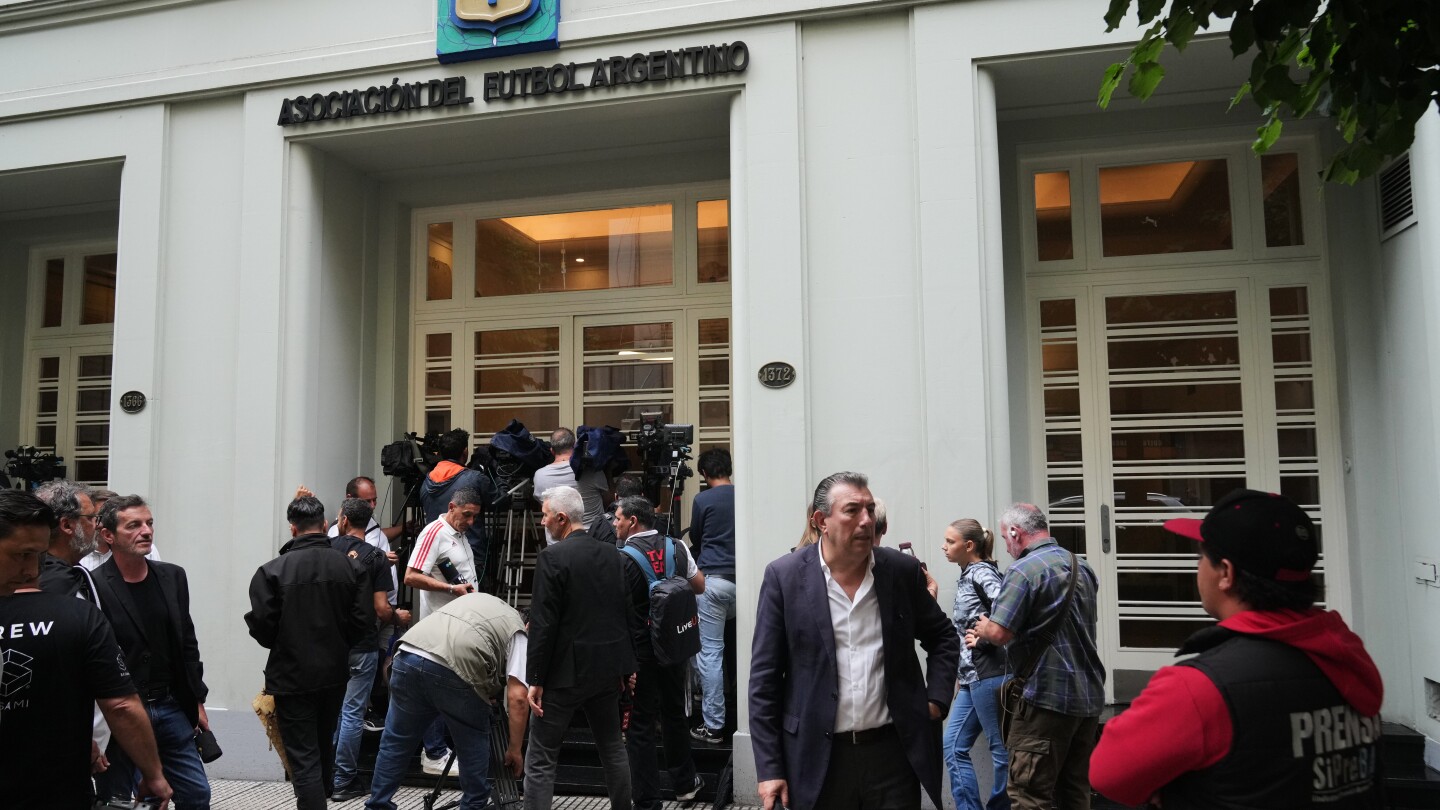
    Argentine football was thrust into a major corruption investigation on Tuesday as federal police executed coordinated raids across the nation’s football establishment. Under the directive of Federal Judge Luis Armella, authorities simultaneously targeted the headquarters of the Argentine Football Association (AFA) and at least 17 first and second division clubs in a sweeping operation.

    The judicial action centers on alleged financial connections to Sur Finanzas, a financial services company currently under investigation for suspected money laundering and tax evasion. The company, owned by Ariel Vallejo, holds sponsorship agreements with AFA tournaments and multiple football clubs across Argentina’s top divisions.

    According to a judicial official with access to the case who spoke anonymously due to lack of authorization, investigators specifically sought contracts between clubs and the financial firm, along with electronic documentation that could reveal financial transactions. The raids extended beyond Buenos Aires to include the AFA’s national team training facilities in Ezeiza, located approximately 40 kilometers from the capital.

    Prominent clubs affected by the operation include football giants Independiente, Racing, and San Lorenzo, alongside Barracas Central—a club founded by Matías Tapia, son of current AFA president Claudio ‘Chiqui’ Tapia. Television broadcasts captured the unusual sight of police officers conducting searches within the offices of the nation’s premier football organization.

    The investigation stems from a formal complaint filed by the Customs Revenue and Control Agency (ARCA) alleging illicit transactions totaling 818 billion pesos (approximately $560 million) through Sur Finanzas. In a notable response, third-division club Excursionistas publicly distanced itself from the investigation, asserting through social media that it maintains “no corporate, financial, or administrative relationship” with the implicated company.

  • Tony Blair ‘dropped’ from Trump’s Gaza ‘board of peace’

    Tony Blair ‘dropped’ from Trump’s Gaza ‘board of peace’

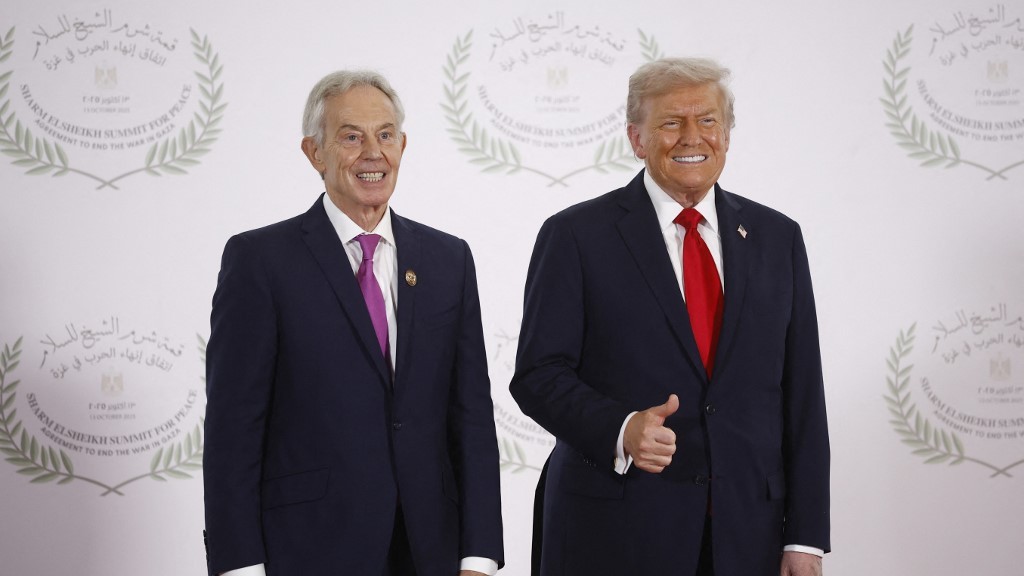
    Former UK Prime Minister Tony Blair has been removed from consideration for a position on a U.S.-led Gaza peace board chaired by President Donald Trump, following significant pressure from Arab and Muslim states. The Financial Times reports that Blair’s controversial legacy in the Middle East—particularly his role in the 2003 Iraq invasion and his criticized tenure as Middle East Peace Envoy—proved too contentious for regional acceptance.

    While the precise structure of this proposed ‘board of peace’ remains undefined, sources indicate it will consist exclusively of serving world leaders, with a subordinate executive board potentially including Blair alongside Trump advisers Jared Kushner and Steve Witkoff. Despite this setback, informed sources suggest Blair may still secure a role in future Gaza governance structures, noting that ‘The Americans like him and the Israelis like him.’

    The development occurs amid ongoing diplomatic efforts to stabilize Gaza. President Trump is scheduled to meet Israeli Prime Minister Benjamin Netanyahu on December 29th to discuss ceasefire implementation and postwar planning. However, substantial disagreements persist regarding Hamas disarmament, Gaza’s future governance, and the composition of an international stabilization force—a key element of Trump’s peace plan that appears to have stalled.

    Meanwhile, the Gaza Government Media Office reports that Israel has committed 738 violations since the October ceasefire announcement, fulfilling less than 40% of its humanitarian obligations and exacerbating the crisis for Palestinians living under blockade and military pressure.

  • Trump hits the road to sell economic message and counter cost of living concerns

    Trump hits the road to sell economic message and counter cost of living concerns

    President Donald Trump is escalating his economic messaging campaign with a Tuesday rally in Mount Pocono, Pennsylvania, as polling indicates declining public trust in his administration’s economic stewardship. The event comes amid Republican anxieties about the 2026 midterm elections following Democratic gains in November contests where affordability concerns proved decisive.

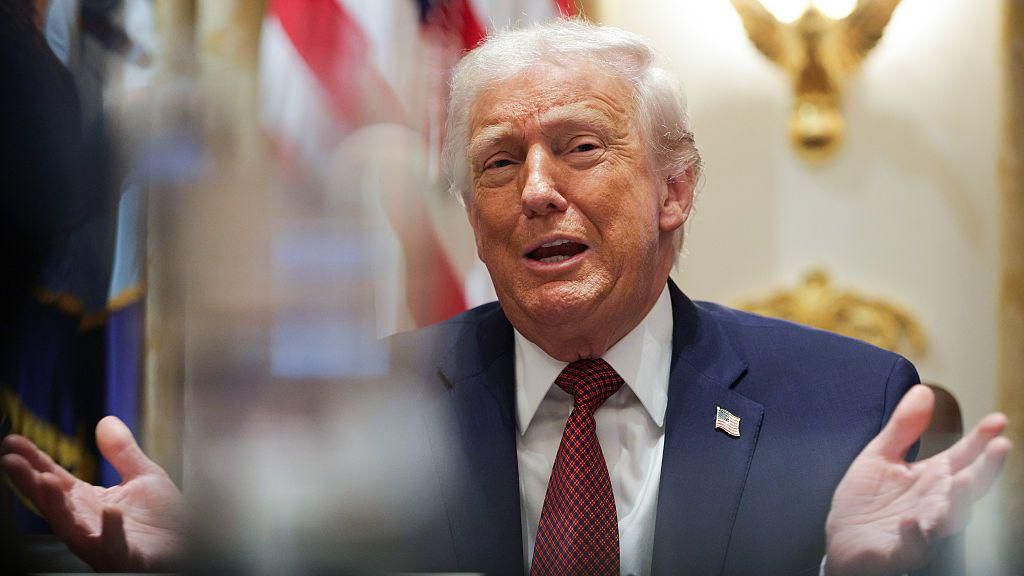
    The President’s Pennsylvania appearance represents a strategic effort to reframe the economic narrative after acknowledging that rising prices contributed to disappointing Republican performances in recent elections. Trump has consistently attributed ongoing economic challenges to his predecessor Joe Biden, asserting at a White House briefing Monday that ‘Democrats caused the affordability problem and we’re the ones that are fixing it.’

    Recent economic indicators present a complex picture. September data revealed U.S. inflation reached 3% for the first time since January, while consumer confidence plummeted to its lowest level since April. Polling from Politico and CBS News/YouGov suggests significant voter unease, with half of all respondents describing the current cost of living as the worst in their lifetimes, and Trump’s economic approval rating dropping 15 points since March.

    The administration is responding with policy measures and rhetorical offensive. A source familiar with Tuesday’s event indicated Trump will highlight efforts to reduce costs for gasoline and groceries, while a White House official previewed messaging that will frame the president’s tariffs and regulatory reductions as part of a comprehensive economic ‘rewiring.’

    This Pennsylvania visit carries particular significance as it occurs in the state’s 8th Congressional District, a Republican-held seat won narrowly in 2024 that has emerged as a key battleground for the upcoming midterms. White House Chief of Staff Susie Wiles, who managed Trump’s presidential campaign, indicated this rally will inaugurate an aggressive campaign schedule reminiscent of the 2024 election cycle.

    The administration points to several policy achievements as evidence of their economic approach, including prescription drug pricing agreements, eased fuel efficiency standards, tax cut extensions, and the recently signed ‘One Big Beautiful Bill.’ Monday also saw the announcement of a $12 billion farm aid package targeting agricultural sectors affected by low crop prices and tariff impacts.

    Democratic leaders are mounting coordinated counter-messaging. Pennsylvania Governor Josh Shapiro told media ahead of Trump’s visit that ‘folks can’t unsee what they see when they go to the grocery store,’ citing specific price increases for beef, orange juice, and bread under Trump’s administration.

    Economic experts note the complexity of presidential influence on food pricing. Food economics professor David Ortega recently noted that ‘the president of the United States has very little control over the price of food, especially in the short term,’ while acknowledging that Trump’s policies—including tariffs on Brazilian coffee and immigration crackdowns affecting farm labor—may be contributing to specific price increases.

  • Canadian senator presses Ottawa on only land disputed between the US and Canada

    Canadian senator presses Ottawa on only land disputed between the US and Canada

    A longstanding territorial dispute between Canada and the United States has been reignited as Canadian Senator Jim Quinn challenges American tourism activities around Machias Seal Island. The uninhabited outcrop, located in the contested ‘Grey Zone’ between Maine and New Brunswick, has been subject to competing sovereignty claims for over a century.

    Senator Quinn from New Brunswick has raised formal objections to Bold Coast Charter Company, a US-based tour operator that promotes visits to what it describes as ‘Machias Seal Island – Largest Puffin Colony on the Maine Coast’ on its website. The senator has urgently called upon Ottawa to review the permitting status granted to this American company and its listing on Canadian government platforms.

    The 20-acre island represents the sole remaining land dispute between the two North American neighbors. Despite the unresolved status, Canada maintains continuous presence through rotating Canadian Coast Guard personnel who staff the historic lighthouse constructed in 1832. The island serves as a vital migratory bird sanctuary, hosting one of the most significant Atlantic puffin nesting colonies in the region.

    Through Senate order papers scheduled for discussion, Quinn has questioned Canada’s Department of Fisheries and Oceans—the designated administrator of the territory—about why permits are issued to a company that ‘actively describes Machias Seal Island as part of the state of Maine.’ He further challenges why the American operator appears on Canadian government websites despite sovereignty claims.

    The dispute extends beyond territorial claims to encompass fishing rights in surrounding waters. An international court ruling in 1984 granted both nations fishing access in the waterways, though subsequent tensions have emerged regarding lobster fishery practices. The current sovereignty debate occurs against a backdrop of broader Canada-US friction, including past trade tariffs and diplomatic comments that Senator Quinn believes necessitate stronger Canadian territorial assertion.

    ‘We’re being pushed in so many ways, and yet here’s a porous point in our border that nobody’s paying attention to,’ Quinn stated to news outlet Global, emphasizing the need for heightened sovereignty awareness in contemporary bilateral relations.

  • Trump said ‘no problem’ to releasing US strike video. Then denied saying it

    Trump said ‘no problem’ to releasing US strike video. Then denied saying it

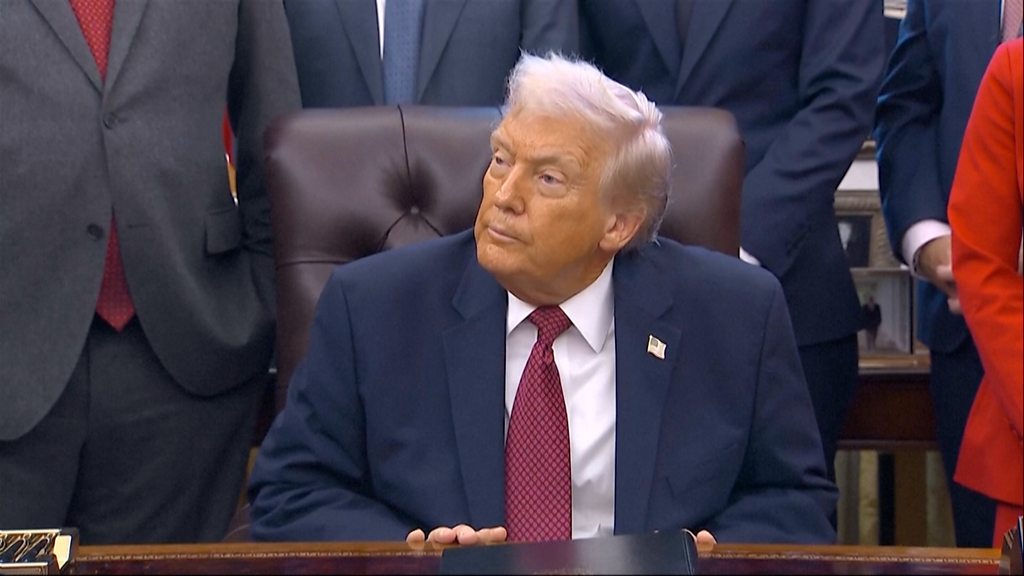
    A significant contradiction has emerged from the White House regarding the potential declassification of military footage. President Donald Trump has publicly denied ever expressing that he had “no problem” with releasing video evidence of a U.S. naval strike on a Venezuelan vessel, which American authorities claim was trafficking narcotics. This denial stands in direct opposition to his own verified statements made just days prior. The incident in question involved the boarding and subsequent sinking of a boat allegedly carrying drugs, an operation that has escalated diplomatic tensions with Venezuela. This discrepancy raises questions about the administration’s transparency and communication consistency on matters of national security and international engagement. The original remarks, captured on camera, showed the President appearing to endorse greater public disclosure of the controversial operation. Analysts suggest this reversal could impact the credibility of official narratives concerning military actions in foreign jurisdictions, particularly in the politically volatile context of U.S.-Venezuela relations and the ongoing war on drugs.

  • Pair discovers China’s diversity and hospitality on walk from France to China

    Pair discovers China’s diversity and hospitality on walk from France to China

    Two French adventurers, Loic and Benjamin, have successfully concluded an extraordinary 400-day journey on foot from France to China, covering more than 10,000 kilometers across diverse terrains and cultures. Their remarkable expedition, which commenced in September 2024, took them through over ten countries before finally reaching Chinese soil.

    Throughout their arduous trek, the pair experienced firsthand the renowned hospitality of the Chinese people, often receiving unexpected kindness from complete strangers. They expressed particular admiration for China’s striking contrasts between ultramodern urban centers and breathtaking natural landscapes, noting the country’s impressive cultural richness and geographical variety.

    “China has revealed itself to be both diverse and profoundly warm,” the travelers remarked, reflecting on their experiences navigating through various Chinese regions. Their journey not only served as a physical challenge but also as an immersive cultural exchange, allowing them to witness the rapid development and traditional heritage that coexist within contemporary China.

    As they approach their final destination of Shanghai, the French walkers continue to document their observations of China’s unique blend of ancient traditions and cutting-edge modernity. Their expedition stands as a testament to human perseverance and the power of cross-cultural understanding through direct engagement with different societies and environments.

  • European leaders agree to fund Ukraine for 2 years but using Russian assets poses a major test

    European leaders agree to fund Ukraine for 2 years but using Russian assets poses a major test

    BRUSSELS — As Russia’s full-scale invasion of Ukraine approaches its fourth year, European Union leaders are confronting a groundbreaking financial dilemma: whether to utilize approximately €210 billion ($244 billion) in frozen Russian central bank assets to address Ukraine’s critical economic and military needs through 2026.

    The upcoming December 18 summit will see EU leaders weighing two distinct proposals for accessing these immobilized funds. The primary option involves creating a ‘reparations loan’ mechanism that would channel proceeds from Russian assets until Moscow agrees to compensate Ukraine for war damages. The alternative approach would require the EU to borrow directly from financial markets, mirroring the bloc’s pandemic recovery strategy.

    This unprecedented move carries substantial geopolitical and economic implications. The European Central Bank has issued warnings about potential erosion of confidence in the euro currency should member states appear willing to confiscate foreign assets. Belgium, where the majority of Russian assets are held through the Euroclear clearinghouse, has emerged as the plan’s most vocal opponent due to concerns about legal retaliation and security repercussions.

    The political calculus is equally complex. While utilizing frozen Russian assets would require only a qualified majority approval, market borrowing would necessitate unanimous consensus—a challenging prospect given Hungary’s consistent blocking of Ukraine aid measures and emerging resistance from Slovakia and Czech nationalist factions.

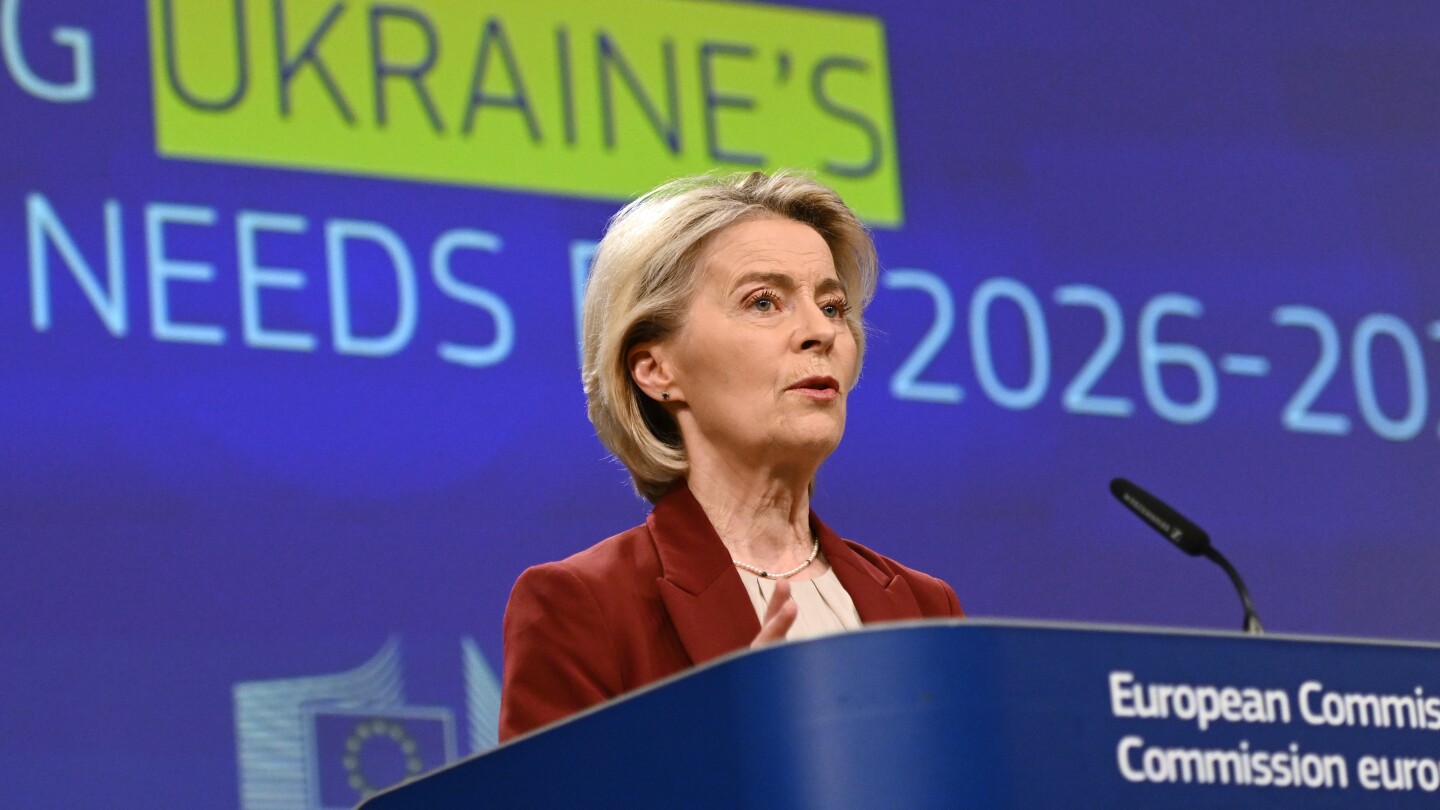
    European Commission President Ursula von der Leyen has proposed that the EU cover two-thirds of Ukraine’s €135 billion requirements for 2026-2027, with international partners filling the remainder. The reparations loan structure would preserve Russia’s theoretical claim to its assets while providing immediate funding to Ukraine, creating a circular repayment mechanism contingent on eventual Russian war reparations.

    Despite risk-sharing guarantees offered by Germany and other member states, Belgian officials maintain that the proposal exposes their nation to disproportionate legal and financial hazards, highlighting tensions within the bloc regarding solidarity burden-sharing.