作者: admin

  • China sends remote-sensing satellite into orbit

    China sends remote-sensing satellite into orbit

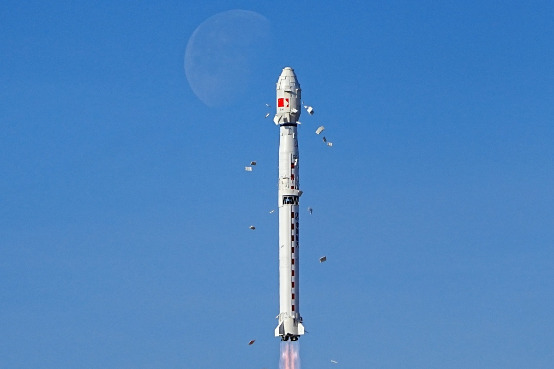
    China has successfully deployed the Yaogan-47 remote-sensing satellite into orbit, marking another milestone in its expanding space capabilities. The spacecraft was carried aloft by a Long March 4B rocket that launched at 11:41 a.m. on Tuesday, December 9, 2025, from the Jiuquan Space Launch Center in Inner Mongolia.

    The China Aerospace Science and Technology Corporation (CASC), the state-owned enterprise overseeing the mission, confirmed that the satellite reached its intended orbital parameters as planned. The Yaogan-47 represents the latest addition to China’s primary series of Earth observation satellites, designed and manufactured by the China Academy of Space Technology.

    This advanced satellite will perform comprehensive monitoring functions including land resource surveys, urban mapping operations, agricultural yield assessment, and environmental protection initiatives. Additionally, it will contribute to disaster prevention and mitigation efforts through its sophisticated sensing capabilities.

    Remote-sensing technology operates by detecting and measuring reflected and emitted radiation from terrestrial and marine surfaces, enabling detailed analysis of physical characteristics across the planet. Data collected by the Yaogan constellation has become integral to both governmental decision-making and commercial applications throughout China.

    The launch vehicle, developed by the Shanghai Academy of Spaceflight Technology, demonstrates significant payload capacity—capable of delivering multiple satellites with a combined mass of 2.5 metric tons to sun-synchronous orbits approximately 700 kilometers above Earth.

    This mission constitutes China’s 82nd space endeavor of the year and the 614th overall deployment of a Long March rocket series, underscoring the nation’s sustained commitment to space exploration and technological advancement.

  • Nobel officials unsure when Peace Prize winner will arrive for ceremony

    Nobel officials unsure when Peace Prize winner will arrive for ceremony

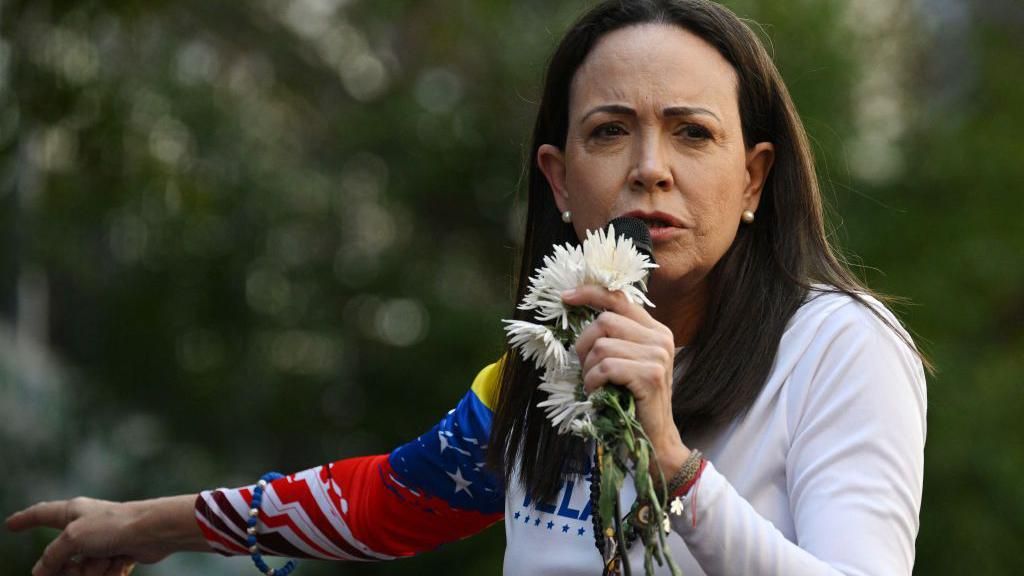
    The scheduled press conference for Venezuelan opposition leader María Corina Machado, this year’s Nobel Peace Prize recipient, was abruptly canceled on Tuesday amid growing uncertainty about her location. The Nobel Institute confirmed it remains “in the dark” regarding the whereabouts of the laureate, who has been living in hiding since Venezuela’s contentious 2024 presidential election.

    Machado, recognized for her persistent efforts to advance democratic principles in Venezuela, was expected to personally accept the prestigious award during Wednesday’s ceremony in Oslo. Despite regularly publishing video messages against a neutral white background on social media platforms, her current physical location remains undisclosed and unknown to prize organizers.

    In an official statement, the Nobel Institute acknowledged the extraordinary circumstances: “María Corina Machado has herself stated in interviews how challenging the journey to Oslo, Norway will be. We therefore cannot at this point provide any further information about when and how she will arrive for the Nobel peace prize ceremony.” This declaration marks a significant shift from previous assurances that she would attend the event in person.

    The situation is further complicated by Venezuela’s government declaring Machado would be considered a “fugitive” should she depart the country. Attorney General Tarek William Saab previously informed AFP that numerous criminal investigations pending against the opposition leader—including allegations of “conspiracy, incitement of hatred, terrorism”—would automatically classify her as a fugitive upon leaving Venezuelan territory.

    Notably, Machado’s family members have already arrived in Oslo, heightening anticipation about her potential appearance. The opposition leader had previously assured supporters of her intention to return to Venezuela following the award acceptance, despite the obvious risks involved.

    Her appearance at the ceremony would mark her first public sighting since January 2025, when she participated in protests in Caracas against President Nicolás Maduro’s controversial inauguration. The 2024 election remains internationally disputed, with opposition tallies suggesting victory for their candidate Edmundo Gonzalez—a outcome recognized by several nations including the United States. Machado herself was prohibited from standing as a candidate in the election.

  • China rolls out 2-ton unmanned cargo plane

    China rolls out 2-ton unmanned cargo plane

    Shenyang Sunny Aeronautics and Space Adventure Company has achieved a significant milestone in autonomous aviation technology with the production launch of its SUNNY-T2000 unmanned cargo aircraft. The 2-metric-ton capacity aircraft rolled off production lines in Shenyang, Liaoning Province on December 6, 2025, marking a substantial advancement in China’s logistics and emergency response capabilities.

    The SUNNY-T2000 features a 15-cubic-meter rectangular cargo compartment designed to transport diverse payloads including emergency supplies, industrial components, and agricultural products. With an operational range exceeding 1,000 kilometers fully loaded, the aircraft can operate from runways as short as 800 meters, enabling access to remote regions and challenging terrain. Its aerial cargo drop capability makes it particularly valuable for emergency rescue missions and forest firefighting operations alongside常规logistics functions.

    Professor He Jun, Chairman of Shenyang Sunny and academic at Shenyang Aerospace University, emphasized the aircraft’s role in addressing limitations of existing cargo planes regarding payload capacity, internal space, and range efficiency. “Current air transport struggles to compete with ground logistics for large-scale operations, creating substantial demand for long-distance unmanned cargo solutions,” He noted.

    The company is already advancing more ambitious projects, including 6-ton and 7-ton cargo aircraft models. The 6-ton variant, powered by an ATP120 turboprop engine, offers container-equivalent cargo space of approximately 67 cubic meters. Development is also underway for a 10-ton commercial aircraft targeting cross-regional heavy cargo transportation.

    These developments align with Shenbei New District’s strategic focus on low-altitude economy as an emerging growth sector during China’s 14th Five-Year Plan period. The district has attracted over thirty enterprises specializing in low-altitude technologies, forming a comprehensive manufacturing ecosystem led by Shenyang Sunny and Optimal Aerospace Science and Industry Group.

    Infrastructure development supports this expansion, with approval of 14 airspaces and two drone logistics test routes—the largest such allocation in Liaoning Province. The district has established 21 temporary takeoff/landing points and is developing Shenbei General Airport alongside the Aifeike Flight Camp’s second phase. Notably, Northeast China’s first low-altitude aircraft equipment quality inspection center will be established in the district.

    According to Li Linghui, Deputy Director of Shenbei’s Industry and Information Technology Bureau, these initiatives position the district to become a national cluster and demonstration zone for low-altitude economic activities, integrating the SUNNY-T2000 with larger aircraft models through Shenbei University City’s delivery routes to create a multi-tiered logistics network.

  • American receives Wudang’s first social security card for non-citizen

    American receives Wudang’s first social security card for non-citizen

    In a landmark development for foreign residents in China, American national Jake Pinnick has become the first non-citizen in Wudang to receive official social security registration, marking a significant step in the region’s integration of international residents into its social welfare system.

    Government representatives personally delivered social security identification cards to Pinnick and his daughter during a special home visit on December 9, 2025. These cards provide the family with access to comprehensive local medical insurance and pension services—benefits that Pinnick and his Chinese wife have eagerly anticipated for an extended period.

    Pinnick’s journey to this historic moment began fifteen years ago when he traveled to Wudang Mountain in Shiyan, Hubei Province, to study traditional Chinese martial arts under Yuan Shimao, a recognized inheritor of provincial-level intangible cultural heritage. After completing his training and achieving certified instructor status in 2014, Pinnick has dedicated himself to promoting Wudang culture internationally, including its distinctive kung fu techniques, traditional tea ceremonies, and classical musical instruments.

    This administrative breakthrough represents growing recognition of long-term foreign contributors to Chinese cultural preservation and demonstrates the evolving nature of social service accessibility in regional China. The personalized delivery of these documents underscores the local government’s commitment to ensuring foreign residents can fully participate in China’s social welfare infrastructure.

  • Brazil approves law strengthening protective measures for female victims of gender-based violence

    Brazil approves law strengthening protective measures for female victims of gender-based violence

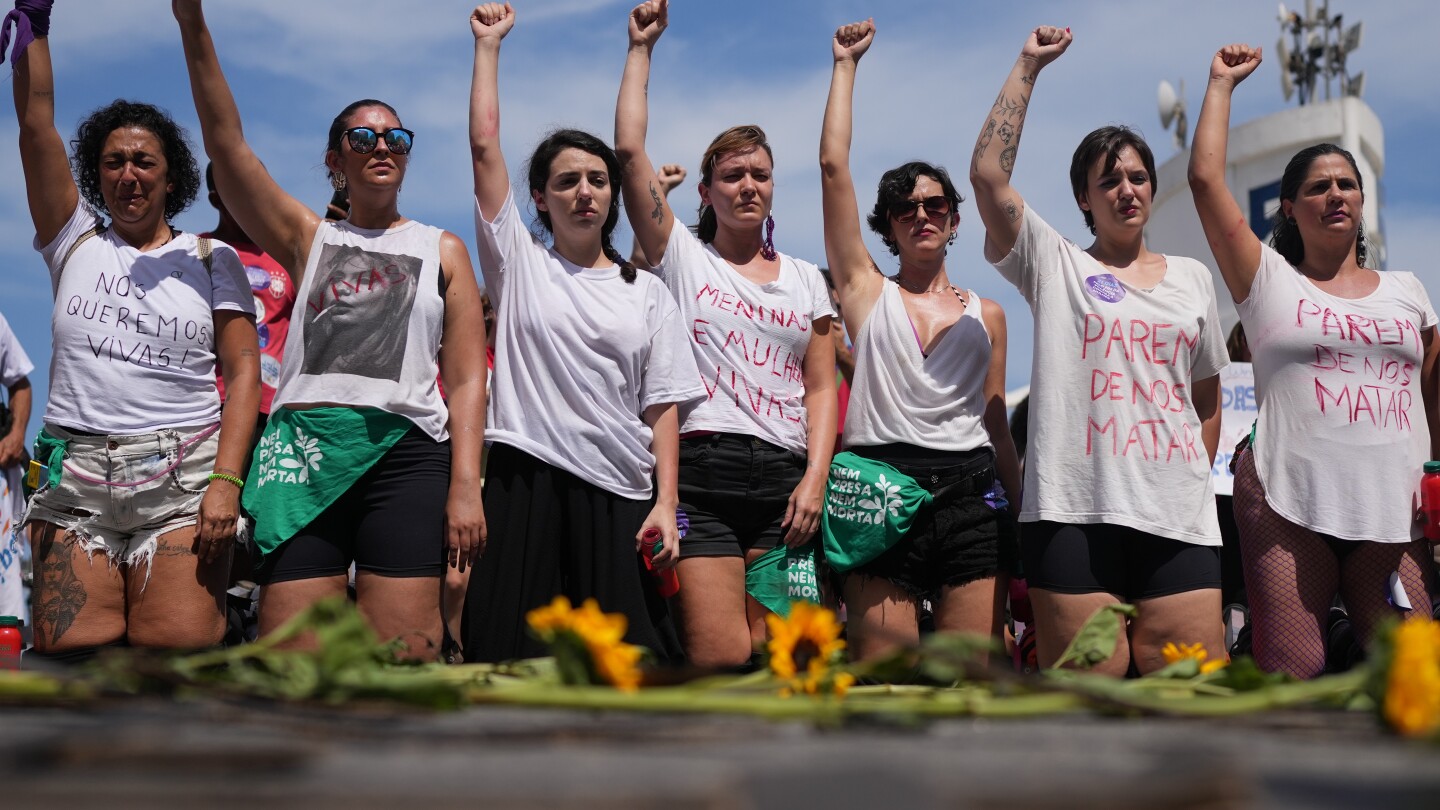
    Brazil has taken decisive legislative action to combat escalating gender-based violence with President Luiz Inácio Lula da Silva enacting robust protective measures for female victims. The newly signed law empowers judges to implement comprehensive safeguards including firearm ownership suspension or restriction, mandatory removal of abusers from shared residences, and enforced no-contact orders.

    The legislation introduces electronic monitoring technology requiring offenders to wear ankle bracelets that alert victims through security devices when violators approach prohibited boundaries. Penal enhancements represent another critical component, increasing maximum sentences for child rape under age 14 from 15 to 18 years imprisonment. For cases involving both rape and murder of children, penalties now range from 20 to 40 years incarceration, substantially raising previous sentencing guidelines of 12-30 years.

    This legal advancement emerges amid national outrage following record-breaking violence statistics and several high-profile cases that triggered mass demonstrations across 90 Brazilian cities. Particularly brutal incidents include Taynara Souza Santos, who suffered traumatic leg amputations after being deliberately run over and dragged by her former partner, and English teacher Catarina Kasten who was raped and strangled en route to a swimming lesson.

    While feminist activists acknowledge the legislative progress, they emphasize implementation challenges. Rachel Ripani, protest organizer, noted: “While positively received, these measures risk relegation without sustained public pressure.” Experts including sociologist Isadora Vianna question the efficacy of punitive approaches, advocating instead for preventive strategies like comprehensive sex education and victim support systems.

    Critical undercurrents reveal deeper structural issues according to women’s rights activist Tatianny Araújo: “No penal modification can succeed while underlying sexist, misogynistic, and racist frameworks persist.” Recent data from the Brazilian Forum on Public Safety indicates over one-third of women experienced sexual or gender-based violence within a year, with femicide rates reaching historic peaks since record-keeping began.

  • Pakistan offers to ‘take grooming gang leaders’ if UK hands over dissidents

    Pakistan offers to ‘take grooming gang leaders’ if UK hands over dissidents

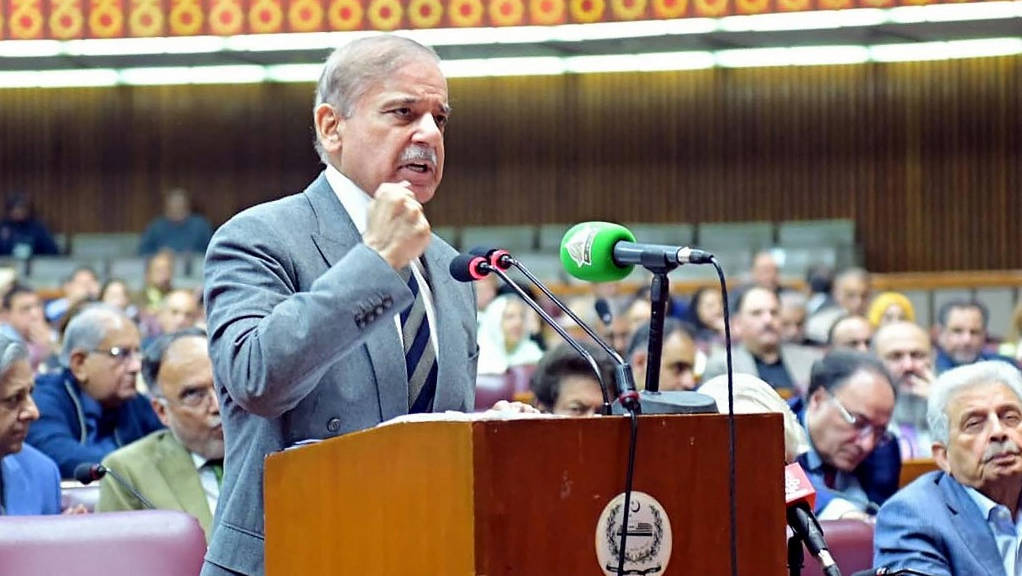
    A significant diplomatic development has emerged between the United Kingdom and Pakistan, with reports indicating Islamabad has proposed a controversial prisoner exchange arrangement. According to Pakistani media sources, Interior Minister Mohsin Naqvi presented this proposition during a private meeting with British High Commissioner Jane Marriott in Islamabad last Thursday.

    The proposed arrangement would see Pakistan accept the return of two convicted grooming gang leaders—Adil Khan and Qari Abdul Rauf—in exchange for Britain’s extradition of Pakistani political dissidents Shahzad Akbar and Adil Raja. Both Akbar, a former minister in Imran Khan’s administration, and Raja, an ex-army major, currently reside in the UK where they have been vocal critics of the Pakistani government’s human rights record and alleged suppression of political dissent.

    This proposal comes amid complex legal circumstances surrounding the grooming case convicts. Khan and Rauf, both Pakistani immigrants who were convicted in 2012 for sexually exploiting 47 girls in Rochdale, had their British citizenship revoked following their convictions. However, just days before their scheduled deportation to Pakistan, they renounced their Pakistani citizenship, creating a legal limbo that Pakistan has until now refused to resolve.

    The potential exchange emerges as Britain’s Labour government faces increasing pressure to address child sexual exploitation more effectively. Previous attempts to establish a comprehensive nationwide inquiry into grooming gangs have encountered repeated delays and debates regarding the scope of investigation, including whether to examine ethnic, religious, and cultural factors involved in these cases.

    Political analysts suggest the UK is highly unlikely to agree to such an arrangement, with both the Home Office and Foreign Office declining to comment on the reports. Adil Raja, now working as a freelance journalist, described the proposal as ‘unprecedented and deeply disturbing,’ expressing confidence that British authorities would not ‘allow political critics to be traded away under pressure from a foreign government.’

    This development occurs against the backdrop of ongoing political tensions in Pakistan, where former Prime Minister Imran Khan remains imprisoned under circumstances that a UN report recently deemed arbitrary and in violation of international law.

  • Watch: Here’s what Trump has said on affordability

    Watch: Here’s what Trump has said on affordability

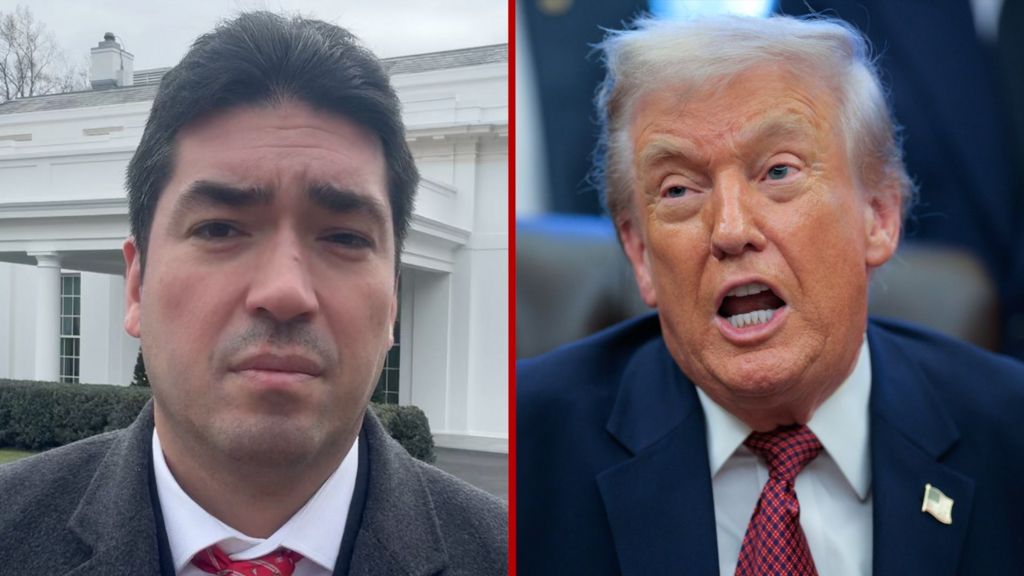
    Former President Donald Trump has significantly amplified his rhetoric regarding economic affordability, positioning it as a central theme in his political discourse. In recent public addresses and campaign appearances, he has systematically attributed ongoing economic difficulties to Democratic policies, creating a clear partisan narrative around financial pressures facing American households.

    The escalation of this economic messaging strategy represents a calculated shift in Trump’s communication approach, moving beyond general criticism to specific focus on daily living expenses. His commentary frequently highlights inflation, housing costs, and consumer goods pricing as evidence of Democratic mishandling of the economy.

    BBC White House correspondent Bernd Debusmann, who has been monitoring this development, notes the strategic timing of this intensified focus. The renewed emphasis on economic issues coincides with increasing voter concerns about purchasing power and financial stability, suggesting an effort to capitalize on these anxieties for political advantage.

    The former president’s narrative framework presents a cause-and-effect relationship between Democratic governance and economic challenges, despite the complex, multifactorial nature of global economic conditions. This simplified economic messaging allows for direct, emotionally resonant appeals to voters experiencing financial strain, potentially influencing electoral dynamics as economic concerns remain at the forefront of public discourse.

  • Deepseek founder, ‘deep diver’ in Nature’s 2025 list of science influencers

    Deepseek founder, ‘deep diver’ in Nature’s 2025 list of science influencers

    Two Chinese scientists have earned prestigious positions on Nature’s annual list of the top 10 individuals shaping global scientific progress in 2025. The recognition highlights China’s growing influence across both artificial intelligence and deep-sea exploration research domains.

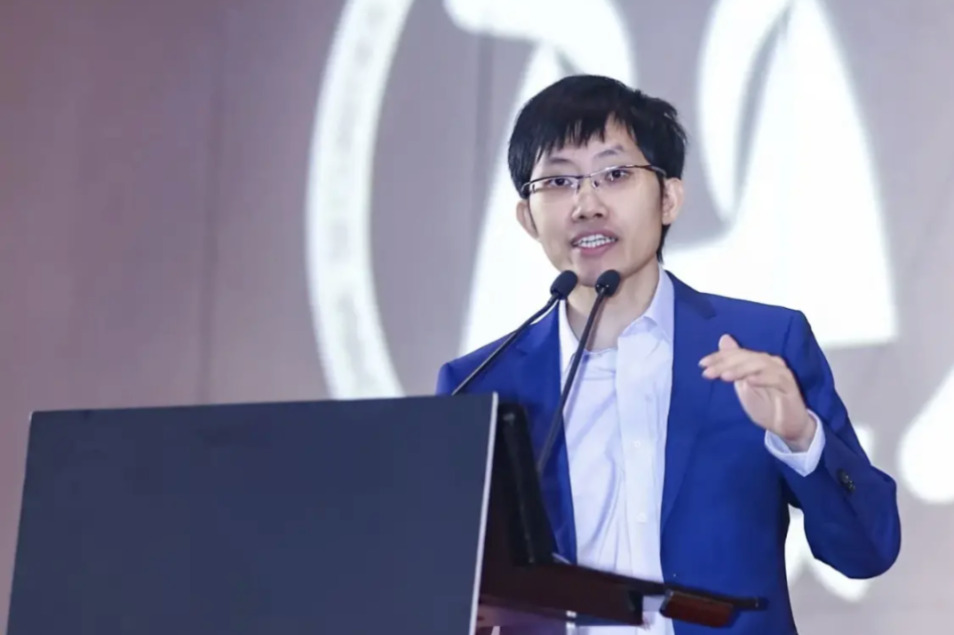
    Liang Wenfeng, the 40-year-old founder of DeepSeek, was honored as a ‘tech disruptor’ for revolutionizing artificial intelligence development. Nature specifically acknowledged his groundbreaking launch of an exceptionally powerful yet cost-effective large language model that fundamentally challenged prevailing assumptions about global AI capabilities. By making his model’s weights openly accessible—an unprecedented move in the industry—Liang provided researchers worldwide with free access to download and build upon the technology, accelerating innovation across multiple scientific disciplines.

    According to research Liang published in Nature this September, his model demonstrates remarkable problem-solving capacity as a reasoning engine while maintaining remarkably low training costs. The entire development process for the basic model required just $6 million, significantly less than comparable investments by competing organizations.

    Simultaneously, geoscientist Du Mengran from the Institute of Deep-sea Science and Engineering of the Chinese Academy of Sciences received recognition as a ‘deep diver’ for her pioneering work in hadal zone exploration. Currently leading a new expedition, Du emphasized that Nature’s selection represents neither a prize nor ranking but rather an editorial compilation highlighting significant scientific developments.

    Her work focuses on the ocean’s deepest layers extending beyond 6,000 meters, where she observed Earth’s deepest known chemosynthetic ecosystems. Studying these extreme environments provides crucial insights into survival mechanisms that could advance life sciences research and enhance understanding of the global carbon cycle.

    Du highlighted the extraordinary challenges of deep-sea exploration, noting that factors like extreme pressure, limited visibility, and frigid temperatures make these missions arguably more demanding than space exploration. She credited China’s strategic foresight in developing advanced diving equipment, creating novel materials, and leading global trench exploration initiatives over the past decade.

    The scientist’s findings were made possible through last year’s expedition using China’s domestically developed Fendouzhe submersible, which conducted 24 dives averaging six hours each. Du characterized the honor as belonging not to her individually but to the entire hadal exploration team, embodying the collaborative spirit of scientific discovery.

  • Former Hainan Party chief sentenced to 15 years for bribery

    Former Hainan Party chief sentenced to 15 years for bribery

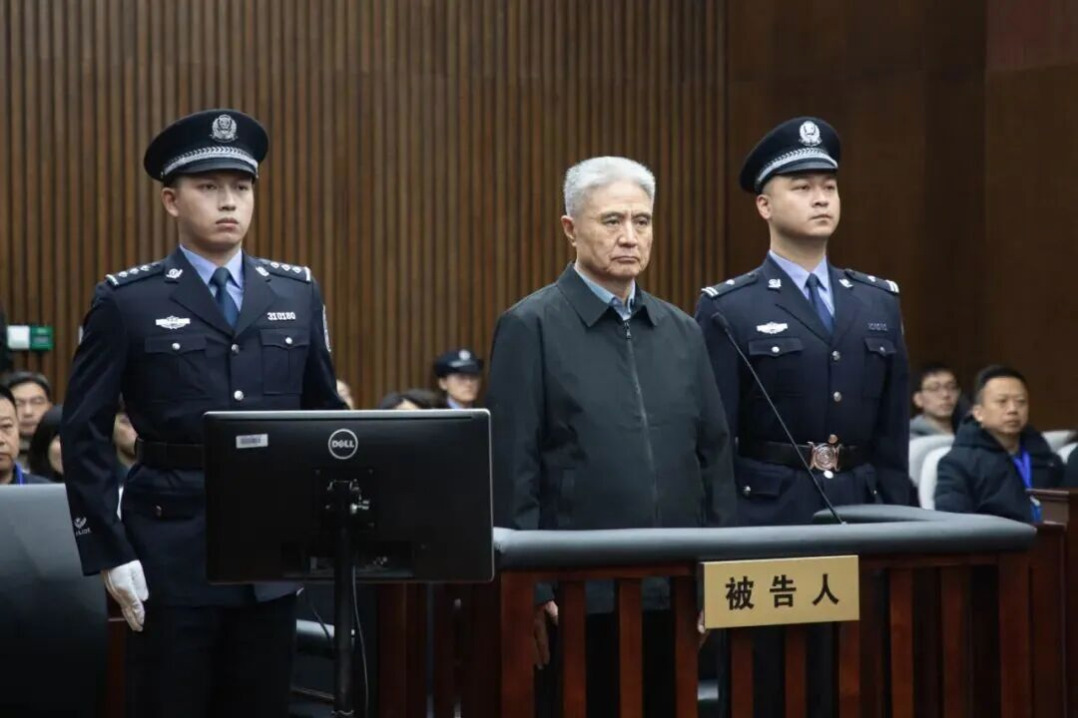
    In a landmark ruling demonstrating China’s continued anti-corruption campaign, former Hainan Communist Party secretary Luo Baoming has been sentenced to 15 years imprisonment for accepting bribes exceeding 113 million yuan (approximately $16 million). The Shanghai First Intermediate People’s Court delivered the verdict on Tuesday, additionally imposing a 5 million yuan fine and ordering confiscation of all illicit gains to be transferred to the state treasury.

    The court established that Luo systematically abused his influential positions over a nearly thirty-year period from 1995 to 2024. During his tenure as Hainan’s top official, provincial governor, and deputy head of the National People’s Congress Overseas Chinese Affairs Committee, Luo provided unlawful advantages to various entities and individuals regarding project contracts, banking facilities, and commercial collaborations in exchange for substantial monetary benefits.

    Judicial authorities characterized Luo’s conduct as constituting the severe crime of bribery, noting the “extremely large” sums involved and “extremely huge” losses inflicted upon national and public interests. The court acknowledged mitigating factors including Luo’s voluntary surrender, full confession, cooperation in major investigations by providing critical evidence, and complete restitution of illegal proceeds, which warranted judicial leniency in sentencing.

    Luo, 73, whose political career began in 1969 with Communist Party membership obtained in 1971, rose through Tianjin municipal positions before assuming Hainan leadership roles in 2001. His political downfall commenced in July 2024 when he self-reported to disciplinary authorities, culminating in expulsion from the Communist Party earlier this year and formal indictment in June preceding September’s public trial.

  • ICC sentences Darfur militia ‘axe murderer’ to 20 years over war crimes

    ICC sentences Darfur militia ‘axe murderer’ to 20 years over war crimes

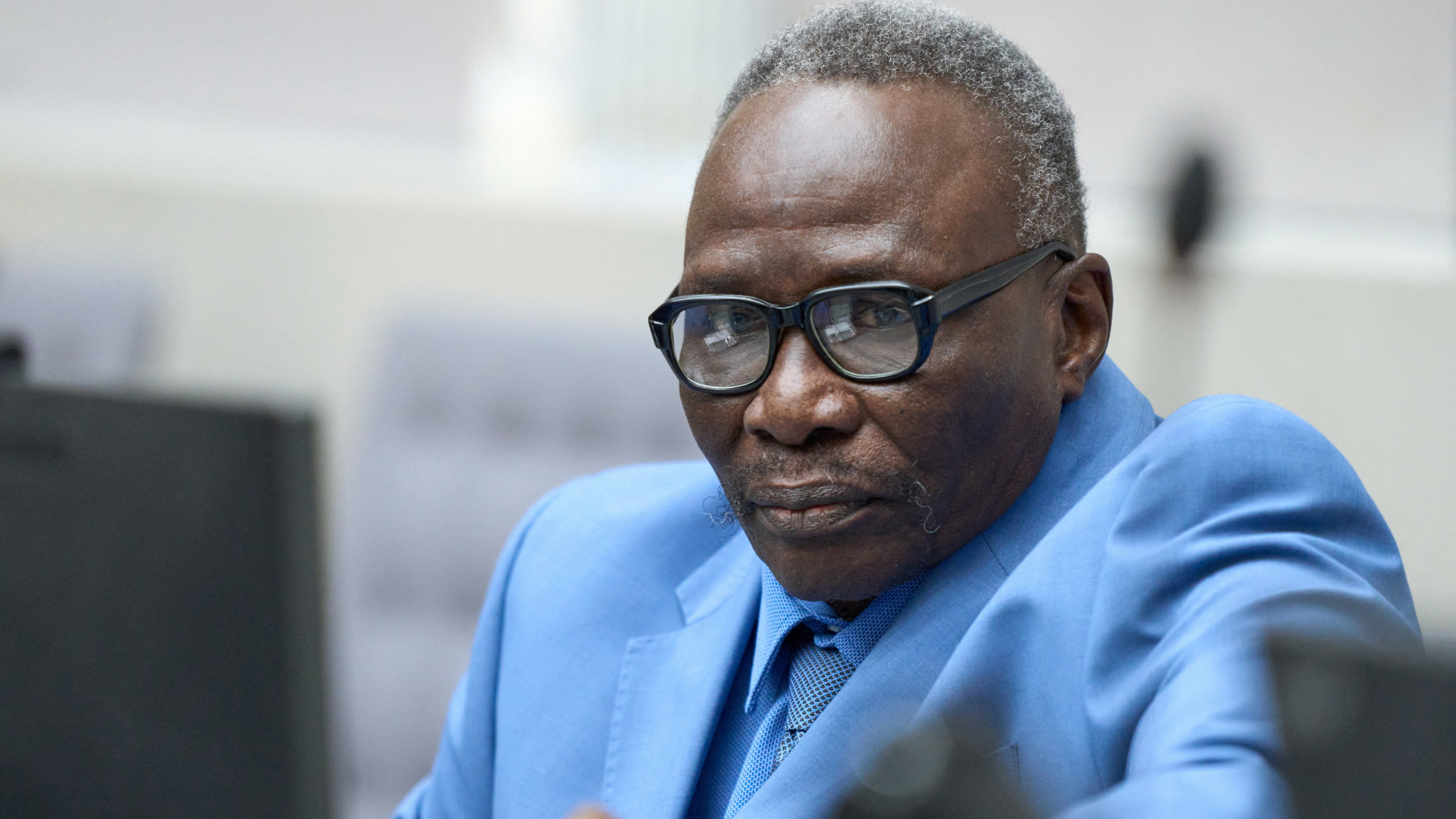
    In a landmark ruling for international justice, the International Criminal Court has sentenced former Janjaweed commander Ali Muhammad Ali Abd-al-Rahman to 20 years imprisonment for crimes against humanity and war crimes committed during Darfur’s brutal conflict. The 76-year-old militia leader, widely known as Ali Kushayb, received his sentence Tuesday following an October conviction on 27 separate counts of atrocities including systematic murder, torture, and the orchestration of mass rape campaigns.

    Presiding Judge Joanna Korner delivered harrowing details of Abd-al-Rahman’s personal involvement in the violence, describing how he “personally perpetrated” beatings with axes and ordered executions. The court heard victim testimonies recounting days that “began at sunrise with torture” where “blood ran freely in the streets” without medical assistance or mercy. Judge Korner further revealed the defendant had walked on the heads of wounded men, women, and children during the 2003-2004 atrocities.

    This conviction represents the first successful prosecution of a militia leader for Darfur crimes, marking a significant milestone for the ICC since the UN Security Council referred the Sudan case in 2005. The trial saw unprecedented scope with 74 witnesses testifying, 1,861 items admitted as evidence, and 1,591 victims participating in proceedings from April 2022 through December 2024.

    Prosecutor Julian Nicholls characterized Abd-al-Rahman as “an enthusiastic, energetic, effective perpetrator” who committed crimes “knowingly, wilfully and with enthusiasm and vigour.” The defendant, who voluntarily surrendered to ICC custody in June 2020, listened impassively during sentencing.

    Human rights organizations hailed the verdict as long overdue justice. Tigere Chagutah, Amnesty International’s regional director for east and southern Africa, noted the ruling “should serve as a warning to those committing abuses in the context of the ongoing Sudan conflict.”

    The sentencing occurs against the backdrop of continued violence in Darfur, where the Rapid Support Forces (RSF)—an offshoot of the Janjaweed—now battle the Sudanese army. The ICC is currently investigating alleged RSF crimes in el-Fasher including extrajudicial killings, torture, and mass rape reported last month. Recent estimates suggest tens of thousands have been massacred since the RSF seized the city in October, exacerbating mass displacement and starvation in a region already devastated by nearly three years of civil war.

    Outstanding arrest warrants remain for other Sudanese officials, including former president Omar al-Bashir wanted for genocide, underscoring the ongoing pursuit of accountability for Darfur’s atrocities.