作者: admin

  • Messi’s tour of India gets off to chaotic start as angry fans storm field

    Messi’s tour of India gets off to chaotic start as angry fans storm field

    KOLKATA, India — Argentine soccer legend Lionel Messi’s highly anticipated ‘GOAT India Tour’ descended into chaos on Saturday as enraged supporters unleashed fury at Salt Lake Stadium after failing to see the global icon. The event, intended to celebrate Messi’s legacy across multiple Indian cities, was marred by significant organizational failures that left ticket-holders disillusioned.

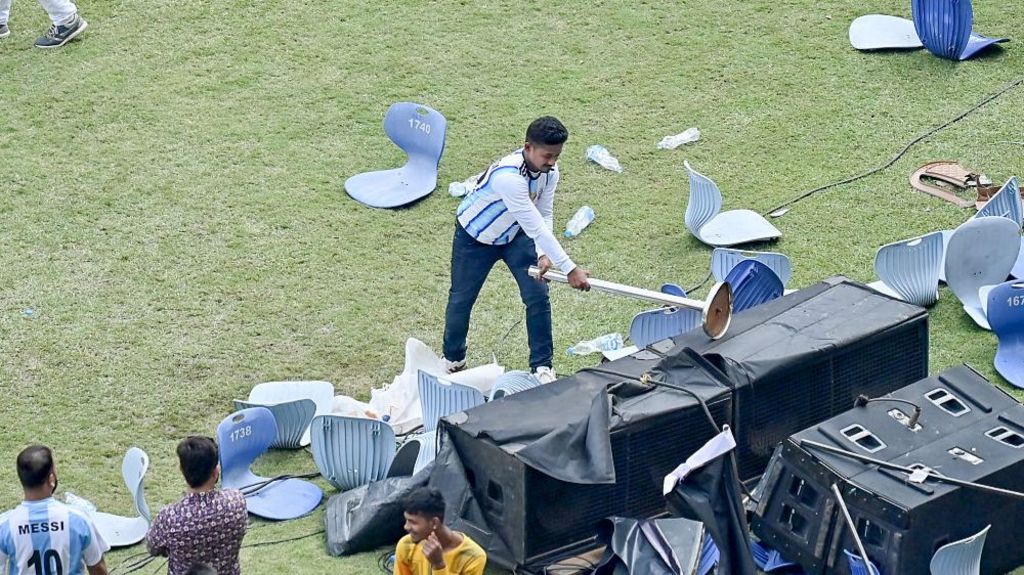
    Eyewitness accounts describe scenes of pandemonium as frustrated attendees, many adorned in Messi’s iconic Argentina jersey, resorted to hurling stadium seats and breaching security barricades to storm the field. The unrest erupted primarily because numerous fans reported being unable to view Messi either in person or via the venue’s large screens despite hours of waiting.

    The security personnel, visibly overwhelmed by the scale of the outburst, eventually managed to disperse the crowds, though not before attempts were made to vandalize the premises. Notably, Messi had already departed the venue before the disturbances escalated.

    In response to the debacle, West Bengal Chief Minister Mamata Banerjee issued a public apology expressing her profound disturbance over the event’s gross mismanagement. Through her social media channels, she extended regrets to both Messi and the disappointed fans who had invested in tickets expecting a memorable experience. Banerjee further announced the formation of a specialized committee tasked with conducting a thorough investigation into the incident. This committee will identify accountability gaps and propose preventive measures for future events.

    The tour, which also features Messi’s longtime teammates Luis Suárez and Rodrigo De Paul, is scheduled to proceed to Hyderabad, Mumbai, and conclude in New Delhi on Monday. Earlier on Saturday, Messi had remotely unveiled a 21-meter (70-foot) statue erected in his honor in Kolkata, a moment largely overshadowed by the subsequent turmoil.

  • Visa-free transit and direct flights to boost travel to China

    Visa-free transit and direct flights to boost travel to China

    In a significant move to reinvigorate its tourism sector and strengthen global connectivity, China is implementing a dual strategy of expanded visa-free transit policies and increased direct flight routes. The initiative comes as the country positions itself as a premier destination for international travelers following recent global travel disruptions.

    China Southern Airlines recently demonstrated this commitment by hosting a cultural bridge event titled “Bridging Cultures Across the Sky” in San Francisco on December 9. The event specifically targeted the promotion of US-China travel routes, highlighting the airline’s expanded service offerings between the two nations.

    The visa-free transit program, which allows passengers from numerous countries to stay in China for up to 144 hours without a visa when connecting to international flights, has been expanded to include additional major hub airports. This policy streamlining eliminates bureaucratic hurdles that previously discouraged short-term visits and layover tourism.

    Aviation industry analysts note that the combination of eased transit regulations and enhanced direct flight availability creates a powerful synergy. Travelers can now more conveniently use Chinese airports as connecting hubs while also having improved options for direct access to China’s numerous cultural and commercial centers.

    The strategic timing of these developments coincides with China’s broader efforts to strengthen people-to-people exchanges and economic ties with key partners worldwide. The travel facilitation measures are expected to provide substantial benefits to sectors including hospitality, retail, and business services across China’s major urban centers.

  • Angry fans throw chairs and bottles at Messi event in India

    Angry fans throw chairs and bottles at Messi event in India

    Lionel Messi’s highly anticipated appearance in India descended into chaos and violence as frustrated fans rioted at Kolkata’s Salt Lake Stadium during the football superstar’s promotional tour. The incident unfolded when thousands of supporters who had paid premium prices—up to 12,000 rupees (£100; $133)—found their expectations dramatically unmet during Saturday’s event.

    The disruption began when Messi’s stadium appearance, which lasted approximately 20 minutes, was abruptly cut short by security personnel. The Argentina and Inter Miami forward had been largely obscured during his brief pitch walk by an extensive entourage of officials and local celebrities, preventing clear visibility for most attendees. This visual obstruction, combined with the premature conclusion of his appearance, triggered widespread disappointment among the crowd.

    As realization spread that Messi had departed, segments of the audience turned hostile. Enraged supporters stormed the field, vandalizing stadium property including banners and temporary structures. Witnesses reported plastic chairs and water bottles being hurled toward the pitch while seats were physically torn from their fixtures in acts of collective frustration.

    The situation prompted a swift response from West Bengal’s political leadership. Chief Minister Mamata Banerjee expressed being ‘deeply disturbed and shocked’ by the events and announced an official inquiry into the incident. Through her social media channels, she extended apologies both to Messi and to ‘sports lovers’ while committing to identify responsibility and implement preventive measures for future events.

    Financial disappointment compounded the emotional letdown for many attendees. Multiple fans reported spending amounts equivalent to a month’s salary for the opportunity to see the eight-time Ballon d’Or winner. One supporter told Indian news agencies: ‘Only leaders and actors were surrounding Messi… Why did they call us then? We paid 12 thousand rupees but couldn’t even see his face.’ Another attendee criticized the event management and security personnel for prioritizing selfies over crowd management.

    The Kolkata incident occurred within the context of Messi’s broader ‘GOAT Tour’ across India, which includes scheduled appearances in Hyderabad, Mumbai, and New Delhi. The tour commenced with the virtual unveiling of a monumental 70-foot statue honoring the footballer, a project requiring 27 days of construction by a 45-person team. Security concerns necessitated the digital revelation rather than a physical ceremony.

    Despite the stadium chaos, Messi’s cultural impact in India remains significant. The tour features extensive fan engagement opportunities including the ‘Hola Messi’ zone—an immersive experience containing throne-seated life-sized replicas, trophy displays, and detailed recreations of his Miami residence complete with mannequin representations of his family.

    Kolkata represents a particularly football-passionate community within cricket-dominated India, regularly drawing hundreds of thousands of supporters to local club derbies. This deep-seated enthusiasm contributed to the intensity of disappointment when expectations surrounding the global icon’s appearance remained unfulfilled.

  • Region explores innovative tools in green efforts

    Region explores innovative tools in green efforts

    Southeast Asian nations are spearheading an innovative financial mechanism known as transition credits to fast-track their transition from coal dependency to renewable energy sources. This specialized form of carbon credit is gaining traction as a viable solution to address the financial challenges associated with retiring coal plants ahead of schedule.

    Financial experts and energy analysts confirm that these innovative climate financing tools can effectively attract private capital to support the region’s ambitious decarbonization goals. According to Rajiv Behari Lall, professorial research fellow at the Singapore Green Finance Center, carbon credits serve as crucial instruments in unlocking finance for “sustainable decarbonization, which lies at the heart of transition strategies.”

    The mechanism operates by placing a monetary value on emissions avoided through the premature closure of coal facilities. These avoided emissions are converted into tradable assets, creating additional revenue streams that help compensate plant owners, investors, and financial institutions for stranded assets. Mutya Yustika of the Institute for Energy Economics and Financial Analysis emphasizes that transition credits effectively address the financing gap created by retiring coal assets before their planned operational lifespan concludes.

    Singapore has emerged as a regional leader in this initiative, establishing the Transition Credits Coalition (TRACTION) in 2023. This coalition brings together multiple stakeholders, including the governments of Singapore and the Philippines, private banking institutions, and Temasek Holdings. A significant development occurred in August when Temasek-backed GenZero, Keppel, and ACEN signed an agreement to explore the Philippines’ inaugural transition credit project, targeting the early retirement of a Batangas coal plant by 2030—a full decade ahead of schedule.

    TRACTION’s recent report reveals that over 30% of coal plants across 15 Asian markets could qualify for transition credit generation, representing approximately 1 gigaton of carbon dioxide equivalent in annual emissions reductions. However, experts caution that scaling these projects requires predictable carbon revenues and robust risk-mitigation frameworks.

    Despite the promising framework, challenges remain regarding credit valuation standardization and transaction replication complexities. The region’s continuing reliance on coal—with consumption projected to increase by 5% in 2026 according to International Energy Agency data—underscores the urgency of implementing effective transition mechanisms.

    Dinita Setyawati, senior energy analyst at Ember, stresses that establishing “a significant price” on carbon remains more critical than technological breakthroughs or emission-reduction targets for achieving meaningful climate progress. She notes that carbon pricing not only increases operational costs for coal plants but also discourages future investments in the sector.

    The successful implementation of transition credits ultimately depends on market demand and governmental commitment to reassess long-term energy strategies, particularly as declining coal exports signal shifting global energy dynamics.

  • Thai parliament dissolved for general elections

    Thai parliament dissolved for general elections

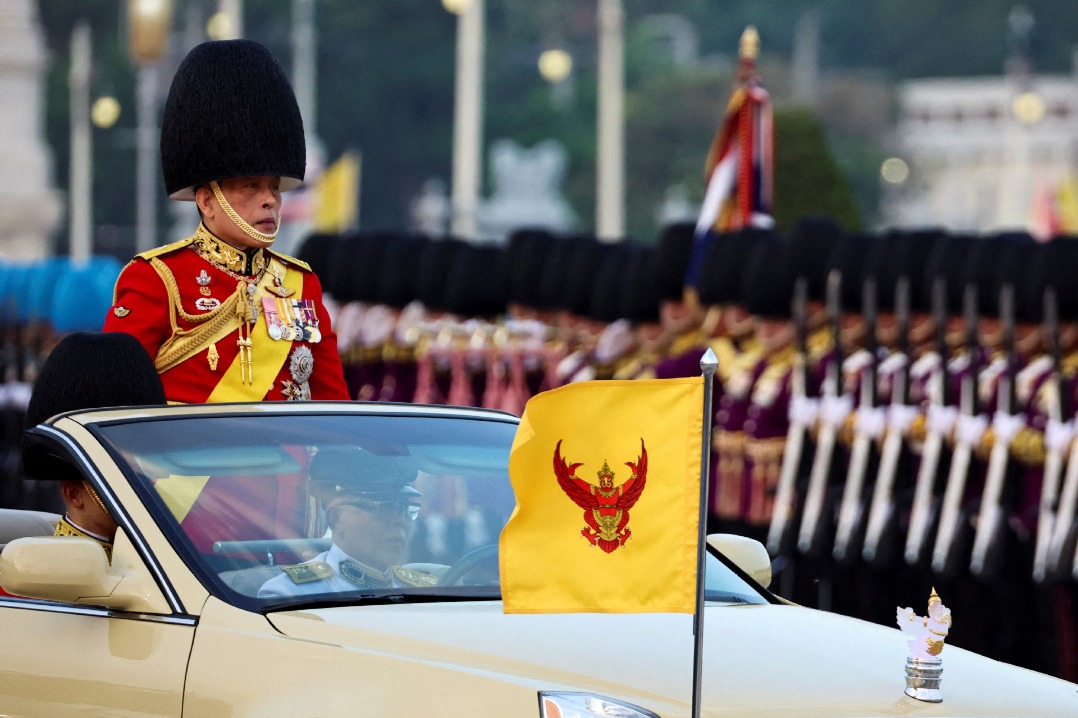
    Thailand’s political landscape has entered a pivotal phase following the official dissolution of the House of Representatives. King Maha Vajiralongkorn formally endorsed a Royal Decree on Friday, mandating an early general election to be conducted within the next 60 days. The announcement, published in the Royal Gazette, sets in motion constitutional procedures that will return political decision-making power to the Thai electorate.

    Prime Minister Anutin Charnvirakul initiated the dissolution process, submitting a formal proposal to the monarchy citing significant governance challenges. The 58-year-old Bhumjaithai Party leader, who assumed office in September, acknowledged his administration’s minority status in parliament and growing stability concerns. In a Thursday night Facebook address, Anutin declared: ‘I have returned power to the people,’ framing the dissolution as necessary for establishing stable national leadership.

    The outgoing coalition government faced mounting pressures on multiple fronts, including economic stagnation, constitutional amendment debates, and escalating border tensions with Cambodia. Anutin’s administration highlighted achievements in disaster response and economic revitalization efforts during its brief tenure but ultimately concluded that fresh elections represented the only path to sustainable governance.

    Constitutional provisions require the Election Commission to schedule polling within 45-60 days from the decree’s enactment. This timeline coincides with concerning economic forecasts from Thailand’s Kasikorn Research Center, which projects GDP growth slowing to 1.6% in 2025 amid weakened tourism recovery and constrained household consumption.

    Complicating the electoral landscape, recent border clashes with Cambodia have resulted in significant casualties, with nine Thai soldiers killed and over 120 injured. The security situation adds another layer of complexity to an election that will determine Thailand’s political direction amid regional tensions and economic uncertainty.

  • Industry insiders urge oversight of artificial heart tech

    Industry insiders urge oversight of artificial heart tech

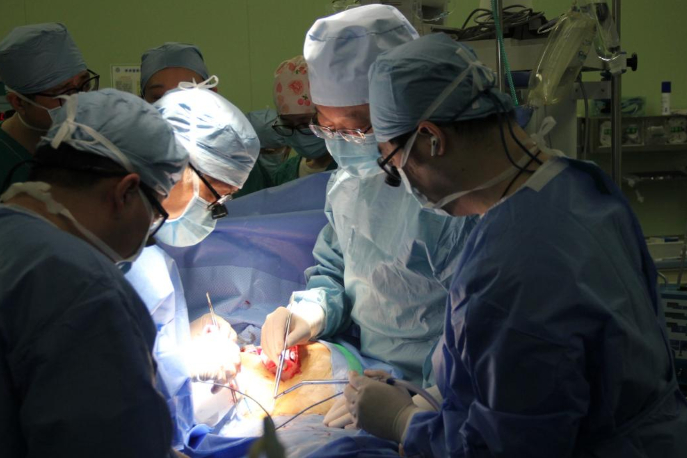
    Medical technology leaders are advocating for international consensus on technical standards for left ventricular assist devices (LVADs), commonly known as partial artificial hearts. This call for clarity emerged from high-level discussions at the 31st annual meeting of the International Society for Mechanical Circulatory Support (ISMCS) in Vienna, where Chinese and international medical device companies convened to address growing concerns about inconsistent terminology and performance evaluation methods.

    LVAD technology has become a critical treatment for approximately 60 million people worldwide suffering from heart failure. These mechanical pumps assist the heart’s left ventricle in circulating blood to the aorta, serving as either a bridge to transplantation or as long-term therapy for patients ineligible for heart transplants.

    The United States previously dominated the field with fully magnetically levitated bearing systems that suspend the pump’s impeller using magnetic forces. This contact-free design maximizes durability while minimizing damage to blood cells. In a significant industry shift, Chinese medical institutions have emerged as major innovators over the past decade. BrioHealth Technologies became one of only two companies globally to receive FDA approval for clinical trials of fully magnetically levitated pumps.

    Marvin Slepian, former chairman of ISMCS, noted that Chinese companies are making ‘dramatic advances’ in the technology. Nobuyuki Kurita, associate professor of surgery at Baylor College of Medicine, observed that Chinese firms are developing at ‘shockingly fast’ rates with substantial investment capacity, benefiting both the industry and patients.

    The urgency for standardized definitions follows concerns that some manufacturers have misrepresented their technology. Certain companies have allegedly marketed products with hydrodynamic bearings as fully magnetically levitated systems, creating confusion among clinicians and researchers.

    This lack of clarity has hindered effective communication between industry experts, research teams, and medical practitioners, potentially affecting patient outcomes. Slepian emphasized the critical need for transparency, comparing the situation to purchasing an electric vehicle but receiving a combustion engine car instead.

    Chen Chen, founder of BrioHealth Technologies, supported the push for standardized definitions to ensure proper technological development. The international medical community anticipates further progress at next year’s ISMCS meeting, which is expected to be held in China, featuring dedicated symposiums on establishing consistent technical standards.

  • Japan exhorted to face wartime history ahead of Nanjing Massacre National Memorial Day

    Japan exhorted to face wartime history ahead of Nanjing Massacre National Memorial Day

    On the eve of China’s 12th National Memorial Day for Victims of the Nanjing Massacre, Beijing issued a forceful appeal to Tokyo to confront its historical wartime actions with genuine introspection. Foreign Ministry spokesman Guo Jiakun emphasized the necessity for Japan to extract meaningful lessons from history, unequivocally renounce militarism, and implement tangible measures to address its enduring legacy.

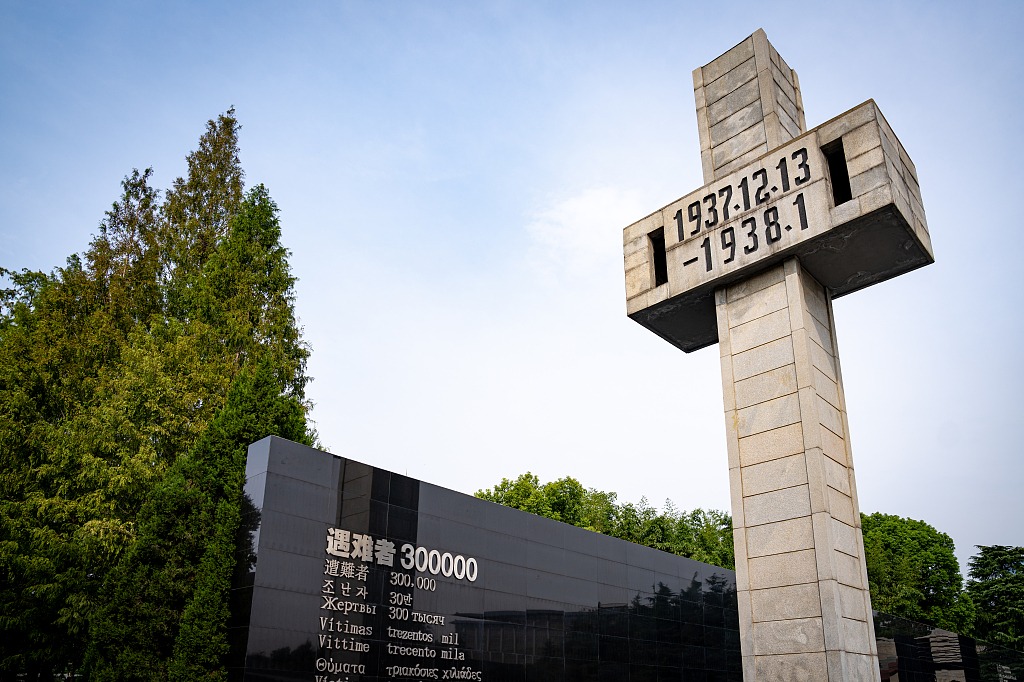
    The commemorative event, scheduled to mark the 88th anniversary of the horrific 1937 incident, will be conducted in accordance with the formal decision adopted by China’s National People’s Congress. The Nanjing Massacre represents one of World War II’s most brutal chapters, during which Japanese military forces systematically slaughtered over 300,000 Chinese civilians and disarmed soldiers over six weeks following their capture of the Jiangsu province capital.

    Guo presented a comprehensive critique of Japan’s historical revisionism, noting that contemporary Japanese leadership has consistently enabled right-wing factions that contradict historical accountability. The spokesman highlighted concerning patterns including repeated visits by Japanese officials to the controversial Yasukuni Shrine, public questioning of the seminal 1995 Murayama Statement expressing remorse for wartime aggression, and systematic textbook revisions that whitewash imperial invasion history.

    “These egregious moves constitute a blatant challenge to the post-war international order and an affront to human conscience,” Guo stated, indicating these actions have provoked substantial international concern and vigilance.

    The diplomatic exchange further addressed contemporary tensions regarding Taiwan, with Guo criticizing Japan’s ambiguous stance on its commitments outlined in bilateral political documents. The spokesman condemned Taiwan’s Democratic Progressive Party authorities for aligning with Japan’s problematic positions, including recent moves to lift restrictions on Japanese aquatic imports and organize delegation visits.

    Guo reminded that Japan imposed half-century colonial rule on Taiwan, committing innumerable crimes that current Taiwan authorities allegedly ignore or even glorify. The spokesman concluded with a firm declaration that China would never permit historical regression, external interference in Taiwan, or any resurgence of militarism, vowing to collaborate with peace-loving nations to safeguard postwar international order.

  • Relic dates Jinan founding to around 4,200 years ago

    Relic dates Jinan founding to around 4,200 years ago

    Archaeological excavations in Jinan have fundamentally rewritten the historical timeline of Shandong’s provincial capital, revealing evidence of urban settlement dating back approximately 4,200 years—some 1,500 years earlier than previously established by conventional scholarship.

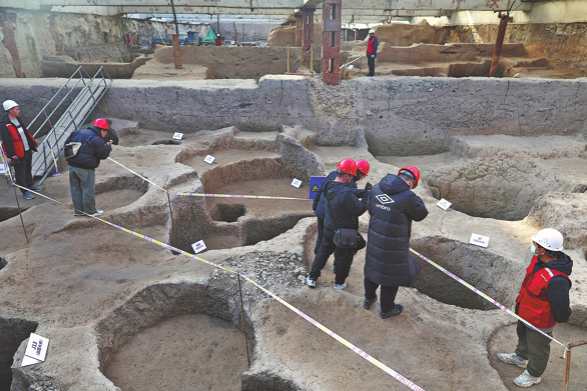
    The groundbreaking discovery emerged during preliminary surveys for a subway project in April 2024, leading to the identification of the Daming Lake Southwest Site. After extensive excavation, archaeologists uncovered a remarkably preserved ancient wall from the Longshan culture period, alongside 206 structural features including defensive fortifications, moats, platforms, and residential foundations.

    Professor Luan Fengshi of Shandong University’s School of Archaeology announced during a site press conference: “Carbon-14 dating conclusively places the construction of this Longshan culture city wall around 4,200 years before present, dramatically altering our understanding of Jinan’s origins which was traditionally dated to merely 2,700 years ago.”

    The archaeological team has recovered over 460 artifacts crafted from diverse materials including pottery, porcelain, iron, copper, bone, stone, and wood, supplemented by more than 130 historical coins. Particularly significant are polished black pottery shards, including an exquisitely decorated eggshell-thin piece representing the pinnacle of Longshan craftsmanship.

    A collection exceeding 1,000 boxes of ceramic fragments spans multiple dynasties, from the Dawenkou culture (approximately 5,000 years ago) through the Shang, Han, Tang, and Qing dynasties, providing unprecedented continuity of historical evidence.

    The site features a human-modified moat to the west of the wall, originally a natural river channel measuring over 50 meters wide and nearly 10 meters deep. According to Guo Junfeng, director of Jinan’s archaeology institute, “The stratified silt layers—with Dawenkou pottery at lower levels and Longshan ceramics above—enable us to trace the site’s evolution through millennia.”

    East of the wall, cultural layers indicate sustained urban activity not only during the Longshan period but continuing through the Warring States Period and subsequent dynasties. Additional significant findings include the foundation of a Song Dynasty Buddhist temple, providing physical evidence for researching religious development, temple architecture, and social beliefs of the era.

    The site has undergone comprehensive 3D scanning and digital documentation, with a cross-section of the ancient wall removed for detailed study. Authorities plan to construct an on-site exhibition space to showcase these 4,000-year-old remains and share this revolutionary discovery with the public, according to Ren Xiaorui, deputy director of Jinan’s culture and tourism bureau.

  • New rocket set to debut soon, launch six satellites

    New rocket set to debut soon, launch six satellites

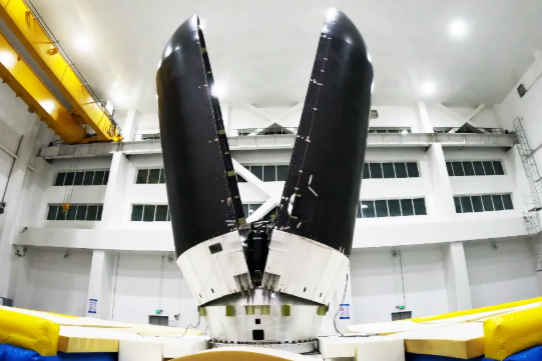
    Chinese commercial space company Galactic Energy is poised to launch its new-generation Ceres-2 solid-propellant carrier rocket on its inaugural mission within days, according to industry sources. The launch operation will be conducted from the Jiuquan Satellite Launch Center in Inner Mongolia Autonomous Region, marking a significant milestone for China’s private aerospace sector.

    The maiden flight will serve dual purposes: validating the rocket’s overall design and performance capabilities while deploying six commercial satellites and two experimental payloads with a combined mass exceeding one metric ton. The Ceres-2 represents a substantial advancement in China’s commercial launch vehicle technology, featuring a three-stage solid-propellant core complemented by a liquid-fueled upper stage.

    With a total weight of 100 tons, the new rocket demonstrates impressive payload capacity, capable of delivering 1.6 tons to low-Earth orbit (500 km altitude) or 1.3 tons to sun-synchronous orbit (500 km altitude). The manufacturer highlights its exceptional carrying efficiency and operational flexibility, supporting both land-based and maritime launch platforms.

    The rocket’s development involved manufacturing and functional testing across multiple facilities in Ziyang, Sichuan Province and Haiyang, Shandong Province. Galactic Energy ranks among China’s pioneering private enterprises achieving orbital capability with indigenous rocket technology. The company’s leadership team brings extensive experience from state-owned aerospace giants including China Aerospace Science and Technology Corporation.

    This launch continues the success trajectory established by Galactic Energy’s Ceres-1 model, which completed its debut flight in November 2020. The earlier variant has achieved 20 successful orbital missions out of 22 attempts, deploying 85 commercial satellites to date. The Ceres-1 stands at 20 meters with 1.4-meter diameter, capable of delivering 300kg payloads to sun-synchronous orbit.

    The Ceres-2 debut coincides with increased activity among Chinese commercial rocket developers, with LandSpace recently introducing its ZQ-3 model and Space Pioneer preparing its TL-3 rocket for imminent first flight, signaling robust competition and innovation within China’s burgeoning private space industry.

  • Camp trains Sri Lanka’s Mandarin teachers

    Camp trains Sri Lanka’s Mandarin teachers

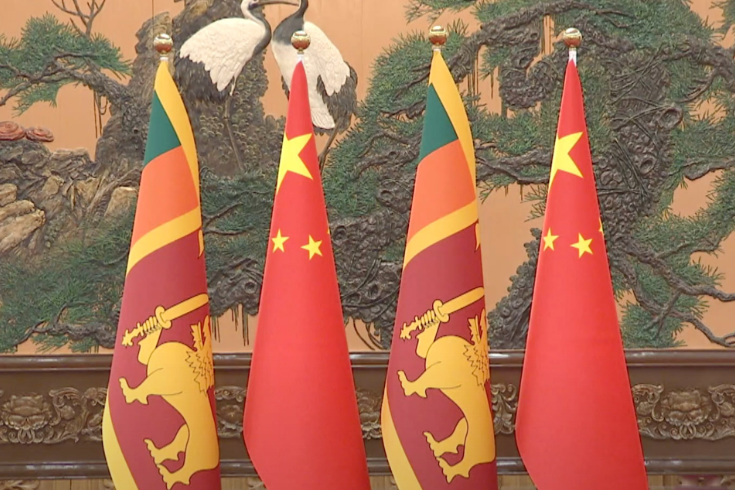
    In a significant advancement for Sino-Lanka educational cooperation, Sri Lanka has inaugurated its first comprehensive Chinese Language Teacher Cultural Training Camp, marking a transformative step in cross-cultural education. The pioneering initiative, convened from Thursday to Friday, brought together over 120 local Mandarin instructors from across the island nation for an immersive professional development experience.

    The program, jointly organized by the Chinese Embassy in Sri Lanka, Lumbini Confucius Classroom, and Sri Lanka’s National Institute of Education, represents a strategic investment in strengthening the cultural dimensions of language education. Through thematic lectures, practical workshops, and immersive cultural activities ranging from calligraphy to tai chi, educators gained multidimensional exposure to Chinese cultural traditions and contemporary teaching methodologies.

    Madhura Senevirathna, Sri Lanka’s Deputy Minister of Education and Higher Education, emphasized the program’s critical timing, noting that ‘high-quality language education plays a key role in preparing our students for the world beyond our borders.’ He highlighted how Chinese language proficiency opens doors to academic, cultural, and economic opportunities while deepening people-to-people understanding between the two nations.

    Counselor of Cultural Affairs at the Chinese Embassy, Ji Lili, characterized local Chinese language teachers as ‘ambassadors of culture and messengers of friendship’ who serve as vital bridges enhancing mutual understanding. The growing cohort of Sri Lankan Mandarin instructors has become instrumental in expanding educational and cultural exchanges between the two countries.

    The training camp’s success has prompted plans for an expanded program in 2026, aiming to provide more intensive training sessions that will eventually cover all local Chinese language teachers throughout Sri Lanka. Outstanding participants will have the opportunity to travel to China for a two-week advanced cultural training program, further strengthening their connection to Chinese language and culture.