作者: admin

  • At least 2 killed in shooting at Brown University in US Rhode Island: media

    At least 2 killed in shooting at Brown University in US Rhode Island: media

    A devastating shooting incident unfolded on the campus of Brown University in Providence, Rhode Island, on Saturday afternoon, resulting in multiple casualties and triggering a massive law enforcement response. According to official reports, the violence claimed at least two lives and left several others injured, sending shockwaves through the prestigious Ivy League institution.

    The Providence Police Department issued an urgent alert via social media platform X, confirming ‘multiple shot in the area of Brown University’ and declaring the situation an active investigation. Authorities immediately implemented emergency protocols, instructing students and faculty to shelter in place or avoid the area entirely until further notice.

    At approximately 4:20 PM local time, university students received emergency text notifications warning of an active shooter on campus. The alert provided specific safety instructions, directing recipients to lock all doors, silence electronic devices, and remain concealed. The message included the standard emergency protocol guidelines: ‘Run, hide, or fight as a last resort’ for personal protection.

    Law enforcement officials indicated the violence erupted near an academic and research complex on the university grounds, prompting immediate deployment of police units to secure the area. The incident attracted attention at the highest levels of government, with reports confirming that former President Donald Trump had been briefed on the developing situation. Federal involvement was confirmed through the presence of FBI agents assisting local authorities with the investigation.

    The shooting at one of America’s most prestigious educational institutions has raised renewed concerns about campus safety and gun violence, occurring during the final weeks of the academic semester. University officials have yet to release detailed information about the victims or the circumstances surrounding the attack as the investigation remains ongoing.
  • Morocco aims to boost legal cannabis farming and tap a global boom

    Morocco aims to boost legal cannabis farming and tap a global boom

    BAB BERRED, Morocco — For generations, farmers in Morocco’s rugged Rif Mountains have cultivated cannabis under constant threat of prosecution. Now, a groundbreaking legalization initiative is transforming this clandestine agricultural tradition into a regulated industry, offering veteran growers unprecedented legal protection and economic stability.

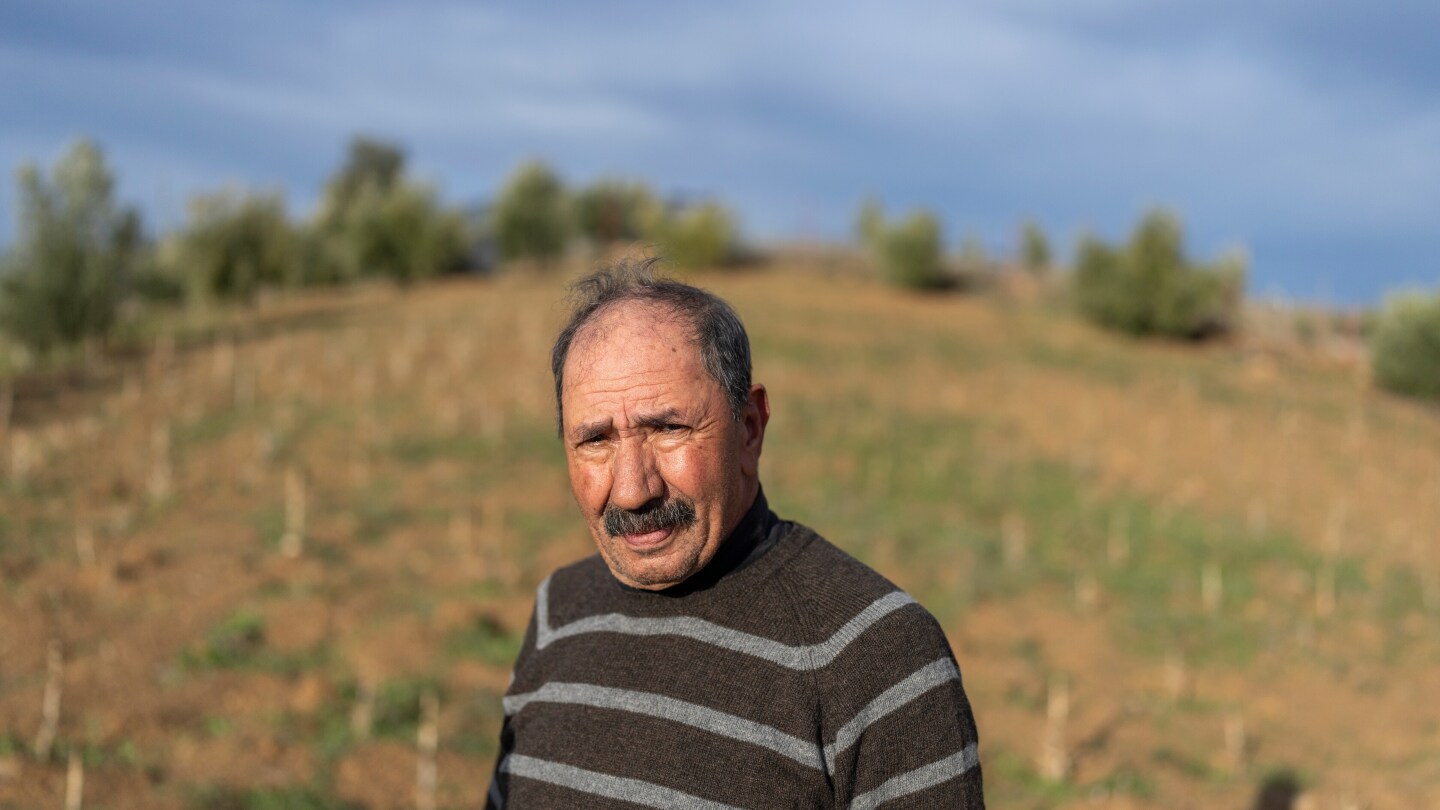
    Mohamed Makhlouf, a 70-year-old farmer who began cultivating at age 14, exemplifies this dramatic transition. Where once the aroma of his crops signaled danger, today his government-approved plants grow openly under police observation without consequence. “Legalization is freedom,” Makhlouf reflects. “If you want your work to be clean, you work with the companies and within the law.”

    This shift represents Morocco’s ambitious effort to integrate its massive cannabis production—long recognized as the world’s largest supplier of hashish resin—into the formal economy. The 2021 legislation made Morocco the first major illegal cannabis producer and first Muslim-majority nation to legalize certain cultivation forms, specifically for medicinal and industrial applications.

    The regulatory framework established since 2022 governs every production aspect, from seed selection to distribution. The national cannabis agency has licensed over 3,371 growers across the Rif region, recording nearly 4,200 tons of legal production. These farmers now supply cooperatives like Biocannat near Bab Berred, which transforms raw plants into CBD oil, skincare products, chocolates, and industrial hemp textiles—all containing less than 1% THC to comply with medicinal standards.

    Beyond agricultural benefits, legalization has spawned an entire ecosystem of packaging, transportation, and irrigation jobs. “All of it made possible through legalization,” notes Aziz Makhlouf, director of a cooperative with deep family roots in cannabis farming.

    However, challenges persist in this unprecedented transition. The legal market remains insufficient to absorb the hundreds of thousands dependent on illicit trade, with government data showing legal cultivation on 14,300 acres compared to 67,000 acres still used illegally. Recent protests in Taounate highlighted payment delays to farmers working through official channels, revealing tensions in implementation.

    As described by the Global Institute Against Transnational Organized Crime, Morocco currently experiences “coexistence of both markets rather than a decisive transition.” The nation now navigates parallel cannabis economies—one regulated, one outlawed—attempting to bring a centuries-old trade into the light without abandoning those who sustained it through decades of marginalization.

  • Police release CCTV footage of Brown University shooting suspect

    Police release CCTV footage of Brown University shooting suspect

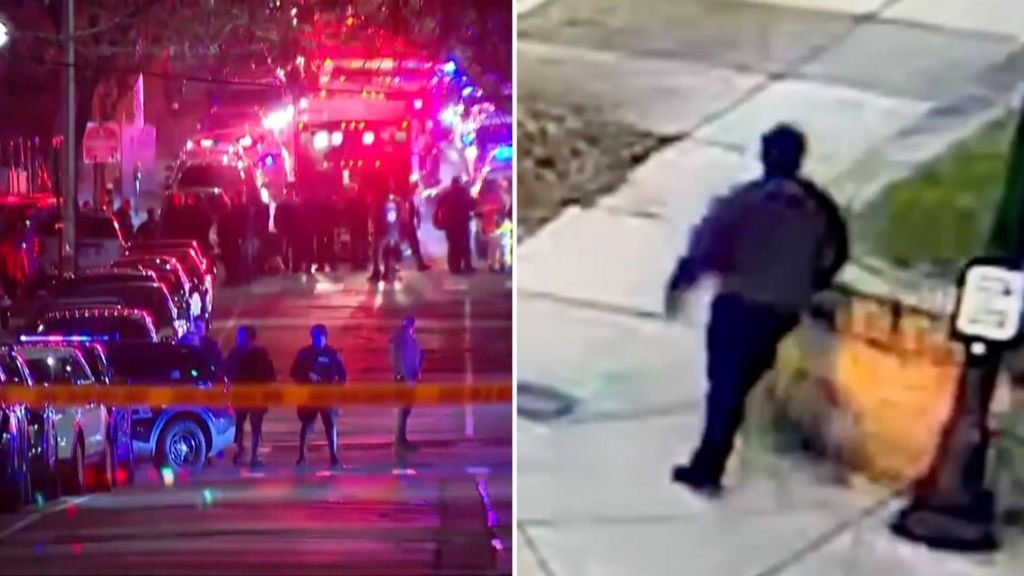
    Authorities in Providence, Rhode Island, have escalated their investigation into a deadly campus shooting by releasing closed-circuit television (CCTV) footage of the primary suspect. The incident, which unfolded on the grounds of the prestigious Brown University, resulted in the tragic deaths of two individuals identified as students.

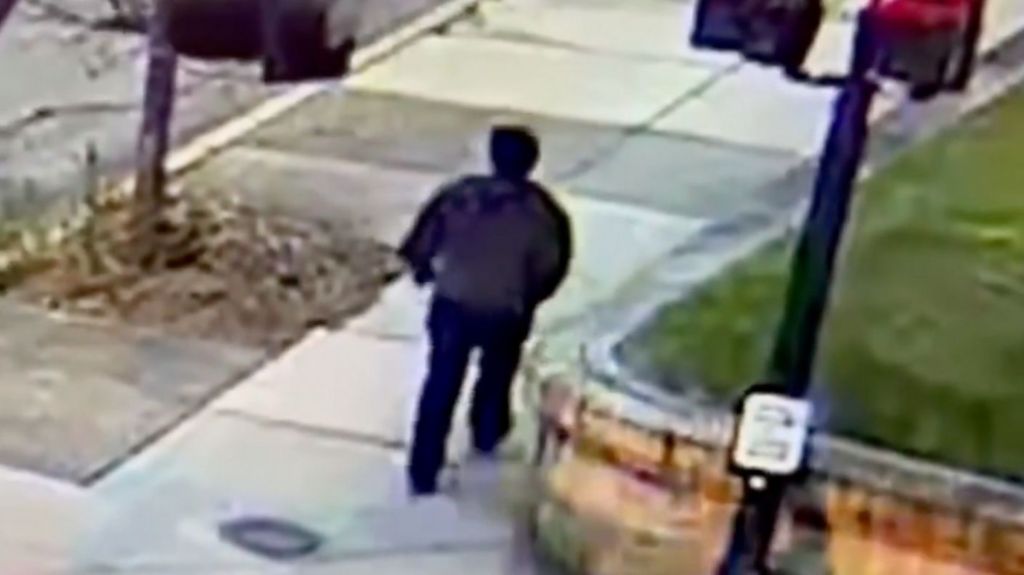
    The Providence Police Department is urging members of the public to come forward with any information that could lead to the identification and apprehension of the individual captured in the newly released surveillance video. The footage, a critical piece of evidence, depicts the suspect in the vicinity of the university around the time the attack occurred.

    This release forms a central part of a broader law enforcement strategy that includes forensic analysis and witness interviews. The shooting has sent shockwaves through the Ivy League academic community, prompting campus-wide alerts and a temporary bolstering of security presence. University officials have concurrently activated counseling and support services for students and faculty affected by the violent event, emphasizing a commitment to community safety and well-being during this investigation.

  • Manhunt continues after two killed in US university shooting

    Manhunt continues after two killed in US university shooting

    PROVIDENCE, R.I. – A massive manhunt is underway following a deadly shooting at Brown University’s campus that resulted in two student fatalities and nine individuals injured, sending shockwaves through the prestigious Ivy League institution.

    The violence erupted approximately at 4:00 PM local time on Saturday within the Barus and Holley engineering building, where final examinations were being conducted. According to eyewitness accounts from an economics professor, the assailant entered a classroom during a review session, uttered unspecified words, and commenced firing indiscriminately. Panicked students scrambled for cover in the stadium-style seating as the attack unfolded.

    Rhode Island Hospital officials confirmed that most wounded victims remain in critical but stable condition, with the medical facility implementing lockdown protocols as the perpetrator remains at large. University President Christina Paxson characterized the incident as ‘deeply devastating’ for the academic community.

    Law enforcement authorities have released limited suspect information, describing the individual as a male dressed entirely in black, estimated to be in his thirties. Although surveillance footage captures the suspect exiting the building, the recording reveals neither facial features nor visible weaponry.

    Providence Deputy Police Chief Tim O’Hara emphasized that every available resource is being deployed to apprehend the suspect, though earlier reports of custody proved erroneous after police cleared an uninvolved individual following questioning.

    The seven-story engineering complex, housing 117 laboratories and multiple instructional spaces, was evacuated and secured by authorities who discovered neither the suspect nor firearms during their sweep.

    Local authorities maintain an active shelter-in-place order for the greater university area, with restaurants locking doors to protect occupants and law enforcement systematically escorting individuals from non-residential buildings. Aerial footage depicts extensive police presence throughout the campus vicinity.

    The university has canceled all scheduled examinations, while political figures including former President Trump and Rhode Island Governor Dan McKee have expressed condolences and called for prayers for the victims.

    This tragic event marks the 389th mass shooting in the United States this year according to Gun Violence Archive statistics, reigniting discussions about campus security and gun violence prevention measures at educational institutions nationwide.

  • Takeaways from AP report on sexual violence in Mali

    Takeaways from AP report on sexual violence in Mali

    DOUANKARA, Mauritania — In a disturbing development within Mali’s protracted conflict, multiple women have provided The Associated Press with harrowing accounts of surviving or witnessing alleged sexual assaults perpetrated by members of the newly established Russian Africa Corps. This military unit, which has replaced the Wagner mercenary group, is currently assisting Malian forces in counter-extremism operations.

    Medical professionals and aid workers on the ground confirm that sexual violence has become a weapon employed by all factions in the conflict, including gang rape and sexual slavery. However, the deeply conservative and patriarchal nature of local societies creates a culture of silence that prevents most victims from reporting these atrocities, thereby hindering accountability efforts.

    The AP gained unprecedented access to refugee settlements along the Mauritanian border, where thousands of Malians have sought sanctuary. Beyond sexual violence, refugees reported indiscriminate killings and beheadings, alleging that Africa Corps has adopted the same brutal tactics previously associated with Wagner mercenaries. Legal experts emphasize that Russian authorities bear direct responsibility for these fighters’ actions, as the unit reports to Moscow’s defense ministry, which declined to respond to inquiries.

    Among the most distressing cases documented was a 14-year-old victim who developed severe infections following sexual assault by individuals her family identified as Russian soldiers. The AP verified four additional cases of sexual violence involving Africa Corps fighters, consistently described by survivors as ‘white men.’

    One survivor recounted defending herself ‘by the grace of Allah’ when armed men invaded her home and attempted to undress her. Another victim exhibited visible scratch marks on her neck and experienced uncontrollable trembling when recounting her ordeal. A third woman described her experience as something that ‘stays between God and me,’ while a fourth witnessed armed men abducting her 18-year-old daughter, whom she has not seen since.

    The complex landscape of sexual violence in Mali extends beyond Russian fighters. A women’s health clinic in the Mopti region reported treating 28 survivors of sexual assault by JNIM militants, an al-Qaeda affiliate that represents the most powerful armed group in the country.

    According to Mirjam Molenaar, a medical team leader with Doctors Without Borders (MSF), ‘People undergo these things and they live with it, and it shows in post-traumatic stress.’ The organization notes that fear of reprisals, limited access to healthcare, and social stigma surrounding sexual assault contribute to significant underreporting.

    This pattern of abuse echoes previous allegations against Wagner mercenaries, including one refugee’s account of witnessing mass rape in her village in March 2024, where even her 70-year-old mother was victimized. A 2023 UN report documented at least 58 cases of rape and sexual assault during an attack on Moura village by Malian troops and ‘armed white men,’ leading Mali’s government to expel the UN peacekeeping mission and creating an information blackout regarding conflict-related sexual violence.

    The humanitarian situation continues to deteriorate, with the refugee camp on the Mauritanian border operating at full capacity with over 150,000 people. Recent fighting has pushed an additional 3,000 refugees across the border in the past month, many settling in fragile shelters made of fabric and branches. MSF has established a free clinic that has already treated three survivors of sexual violence, but aid workers express concern about the countless women who never come forward.

    ‘We know from the stories shared that there is a huge need,’ Molenaar stated, highlighting the urgent requirement for specialized support services in an environment where accountability remains elusive and trauma largely unaddressed.

  • Girls and women fleeing Mali describe sexual violence by Russian forces

    Girls and women fleeing Mali describe sexual violence by Russian forces

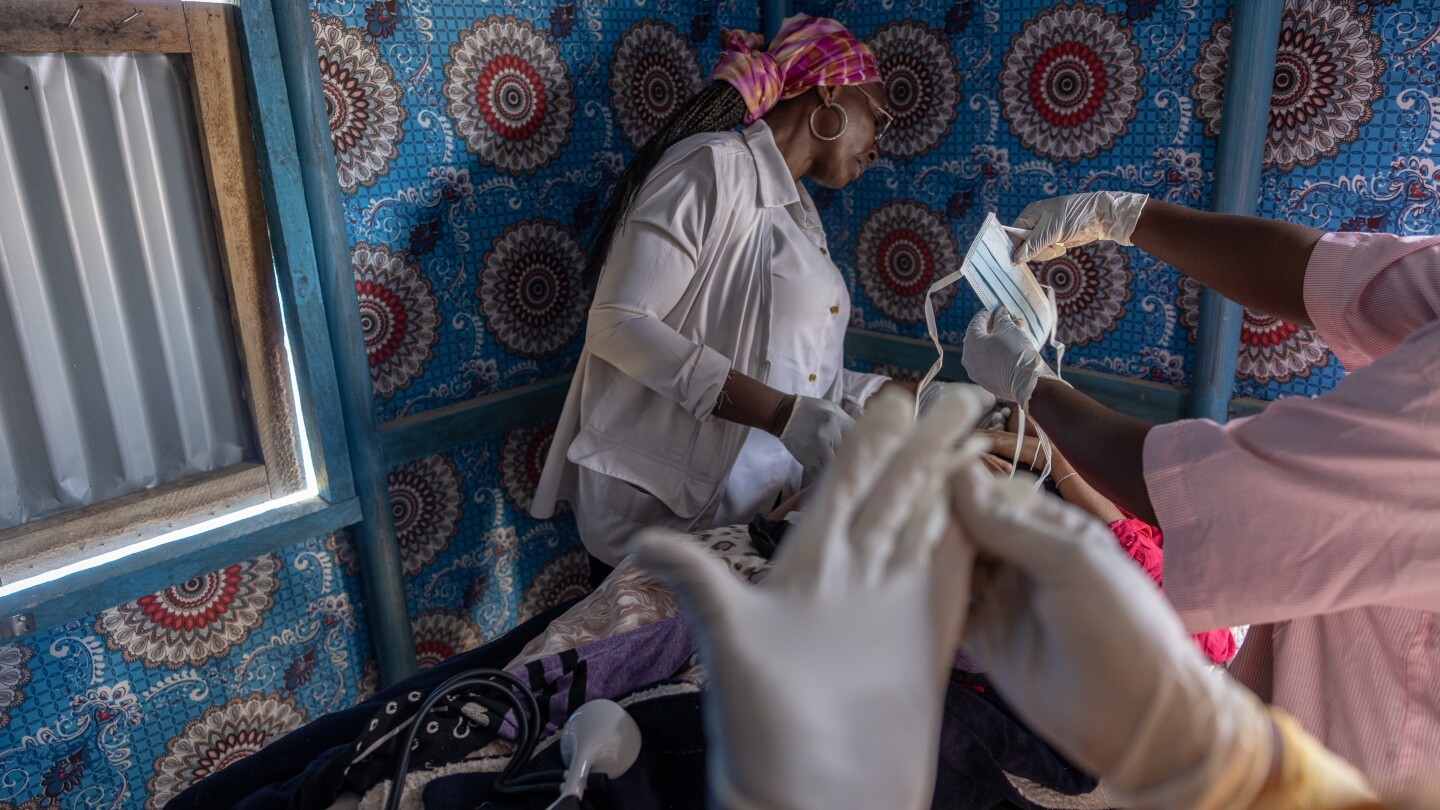
    In a makeshift medical clinic in Douankara, Mauritania, a 14-year-old Malian girl fights for her life after surviving a brutal sexual assault allegedly committed by Russian Africa Corps fighters. Her case represents just one of numerous documented incidents of conflict-related sexual violence emerging from Mali’s decade-long insurgency, where a culture of silence perpetuates both human suffering and impunity.

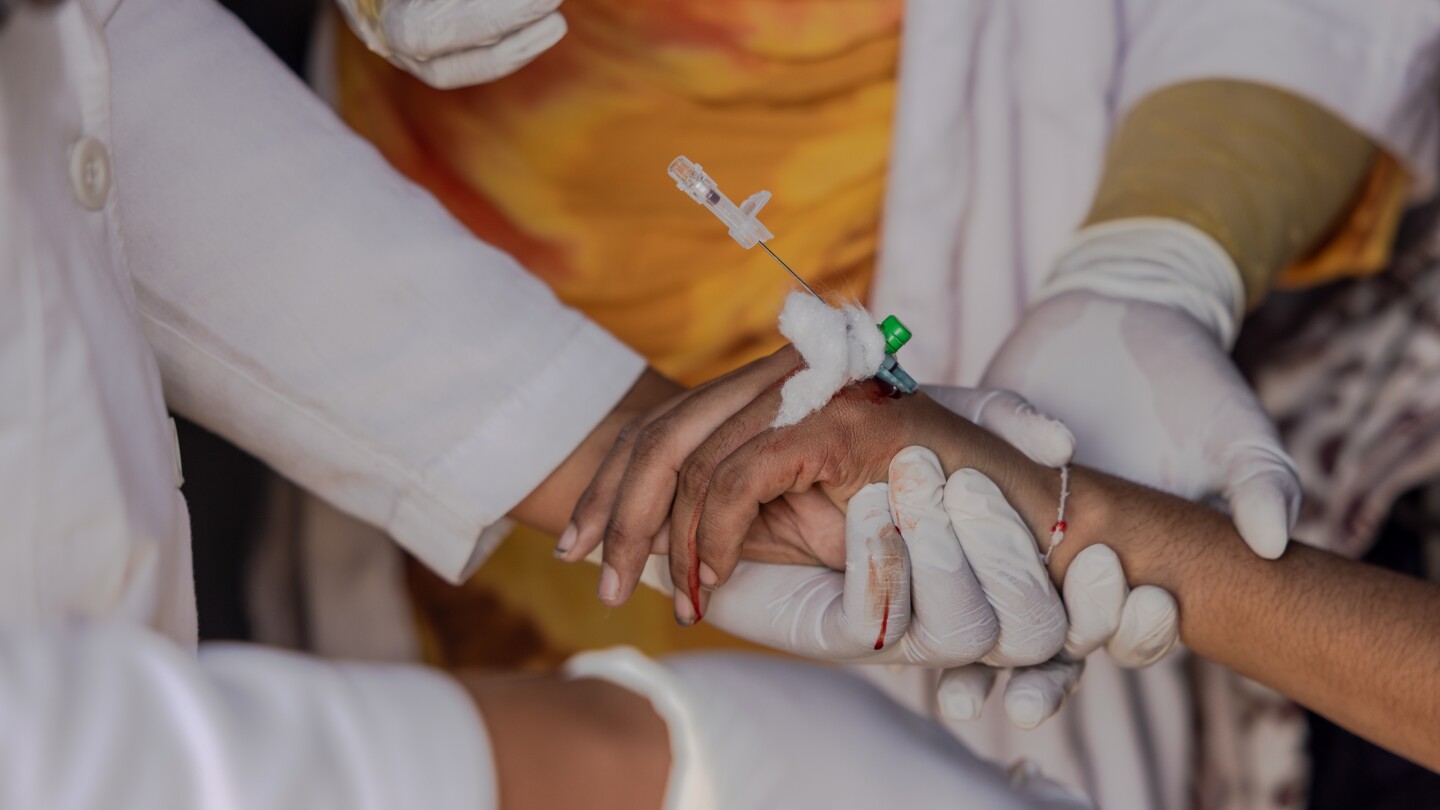
    The adolescent victim arrived at the Doctors Without Borders (MSF) facility in critical condition after a three-day journey from Mali. Medical staff discovered she had developed a severe infection following the assault, requiring immediate intervention to save her life. According to her family, Russian mercenaries—described as “white men”—stormed their tent in Mali, executed her uncle by decapitation, and then two soldiers dragged the girl away and raped her.

    This case exemplifies a broader pattern of sexual violence occurring within Mali’s complex conflict landscape. The AP investigation has documented at least five separate allegations of sexual assaults attributed to Africa Corps personnel, Russia’s newly established military unit that replaced the Wagner Group six months ago. However, aid workers emphasize that the true scale remains obscured by cultural taboos and fear of retaliation.

    Bethsabee Djoman Elidje, women’s health manager at the clinic, noted the profound challenges in treating sexual violence survivors: “We are convinced that there are many cases like this, but so far, very few patients come forward because it’s still a taboo subject here. They only seek help when complications develop.”

    The problem extends beyond Russian mercenaries. Islamic militants affiliated with al-Qaida’s JNIM group have also been accused of sexual assaults, with one clinic in Mopti reporting 28 cases in six months. Yet the response differs significantly from other conflict zones—MSF’s Mirjam Molenaar observed that while Congolese women sought help “in huge numbers,” Malian survivors typically endure in silence, manifesting symptoms through severe post-traumatic stress.

    Refugees described a climate of terror that prevents reporting. Several women who discreetly shared their experiences with AP journalists displayed visible trauma, with one showing scratch marks on her neck from resisting assault. Others recounted watching family members being abducted or described mass rape incidents dating back to Wagner Group operations in 2024.

    The international response remains inadequate. Russia’s Defense Ministry ignored requests for comment, while a Kremlin-linked information agency dismissed the investigation as “fake news.” Meanwhile, Mali’s government has expelled UN peacekeepers, making independent verification of atrocities nearly impossible.

    As the 14-year-old survivor receives psychiatric care—a rarity in a country with only six practicing psychiatrists—aid workers warn that countless others suffer silently, their stories untold and perpetrators unaccountable in a conflict that shows diminishing regard for human dignity.

  • Anti-immigrant rhetoric and policies intensify across Europe

    Anti-immigrant rhetoric and policies intensify across Europe

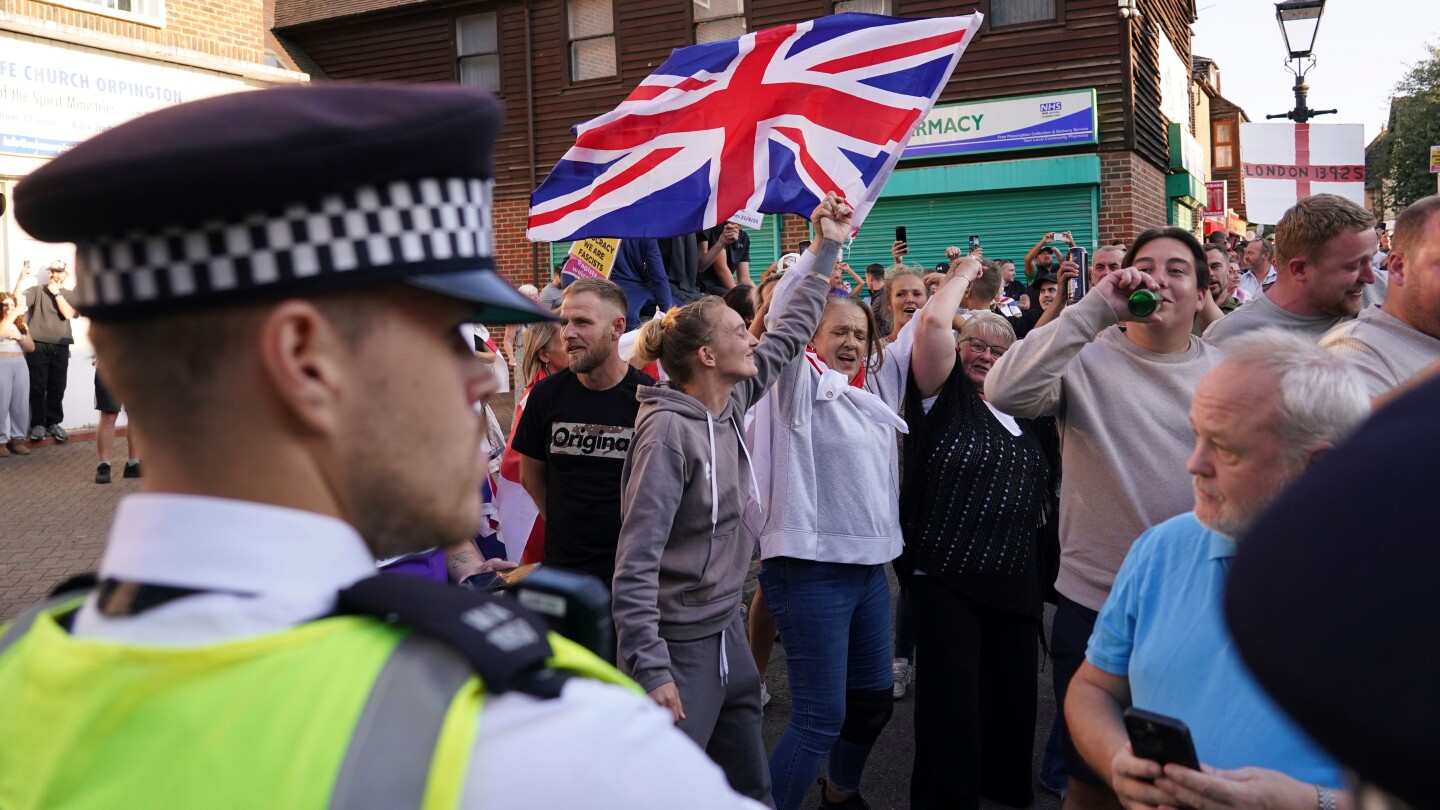
    Across Europe, a dramatic surge in ethnonationalist sentiment is transforming political discourse and policy. Recent months have witnessed mass demonstrations in London featuring chants of “send them home,” while prominent British politicians have openly criticized the visibility of non-white faces in media and advocated for deporting long-term residents born abroad.

    This overt demonization of immigrants and those with immigrant heritage has gained momentum as migration dominates political agendas and right-wing parties achieve unprecedented popularity. Parties advocating mass deportations and framing immigration as a threat to national identity—including Britain’s Reform UK, Germany’s Alternative for Germany (AfD), and France’s National Rally—now lead or feature prominently in opinion polls across the continent.

    The phenomenon appears emboldened by international influences, particularly former U.S. President Donald Trump’s characterization of Somali immigrants as “garbage” and his administration’s national security strategy portraying European nations facing “civilizational erasure” due to immigration.

    Experts identify multiple drivers behind this trend: economic stagnation following the 2008 financial crisis, the rise of charismatic nationalist leaders, and social media algorithms that amplify divisive content. According to Bobby Duffy, Director of the Policy Unit at King’s College London, these factors have created “a frightening increase in the sense of national division and decline” that pushes societies toward political extremes.

    The consequences are tangible. UK government statistics show over 115,000 recorded hate crimes in England and Wales through March 2025, representing a 2% year-over-year increase. Violent incidents, including anti-immigrant and anti-Muslim attacks, have erupted following tragic events exacerbated by online misinformation.

    Mainstream political parties increasingly adopt hardened immigration stances, with Britain’s Labour government announcing policies to restrict permanent settlement rights and several European nations seeking to weaken legal protections for migrants. Human rights advocates warn that appeasement strategies only fuel more extreme demands, creating a dangerous cycle of escalating rhetoric and policy.

    Despite condemnation of racist conspiracy theories like the “great replacement” narrative, centrist politicians face criticism for occasionally adopting far-right terminology. As Kieran Connell, lecturer in British history at Queen’s University Belfast, observes: “What were once dismissed as being at the far extreme end of far-right politics has now become a central part of the political debate.”

  • Landslide win for Kast gives Chile its most right-wing president in decades

    Landslide win for Kast gives Chile its most right-wing president in decades

    SANTIAGO, Chile — In a seismic political realignment, Chile has elected ultra-conservative former legislator José Antonio Kast as president, marking the nation’s most significant rightward turn since its return to democracy 35 years ago. Kast secured a decisive 58.2% victory in Sunday’s runoff election, defeating center-left governing coalition candidate Jeannette Jara, who garnered 41.8% of votes.

    The election outcome represents a profound response to mounting public concerns over crime, immigration, and economic stagnation in one of Latin America’s traditionally stable nations. Kast’s campaign successfully channeled widespread anxiety about public safety, promising stringent measures against organized crime and pledging to deport hundreds of thousands of undocumented immigrants.

    In his victory address, Kast emphasized restoring order: ‘Chile needs order—in the streets, in the state, in the priorities that have been lost.’ Notably, he demonstrated unexpected moderation by chastising supporters who booed his opponent, demanding respect for the defeated candidate.

    Kast’s triumph aligns with a broader regional trend that has seen right-wing leaders gain power across Latin America, from Argentina’s Javier Milei to Bolivia’s conservative shift. The Trump administration promptly congratulated Kast, with U.S. Secretary of State Marco Rubio expressing confidence in strengthened bilateral cooperation on security and economic priorities.

    The election exposed deep ideological divisions between the candidates. Jara, a lifelong Communist Party member and former labor minister, represented continuity with President Gabriel Boric’s social welfare policies. Kast, by contrast, embodies moral conservatism with opposition to same-sex marriage and abortion, drawing comparisons to Brazil’s incarcerated former leader Jair Bolsonaro.

    Kast now faces the challenge of implementing his ambitious agenda without a congressional majority. His proposals include constructing maximum-security prisons inspired by El Salvador’s Nayib Bukele, building extensive border barriers, and implementing $6 billion in spending cuts while maintaining social benefits—a plan economists question for its feasibility.

    Political analyst Patricio Navia notes that Kast’s success will depend on his ability to moderate radical instincts: ‘If he governs as a moderate right-wing president, he’ll find support. But can Kast control his radical instincts? That’s the big question.’

    The president-elect will assume office on March 11, 2026, ending the center-left’s governance and opening a new chapter in Chile’s political history.

  • After centuries of conflict, Chile’s Indigenous Mapuches fear a far-right political turn

    After centuries of conflict, Chile’s Indigenous Mapuches fear a far-right political turn

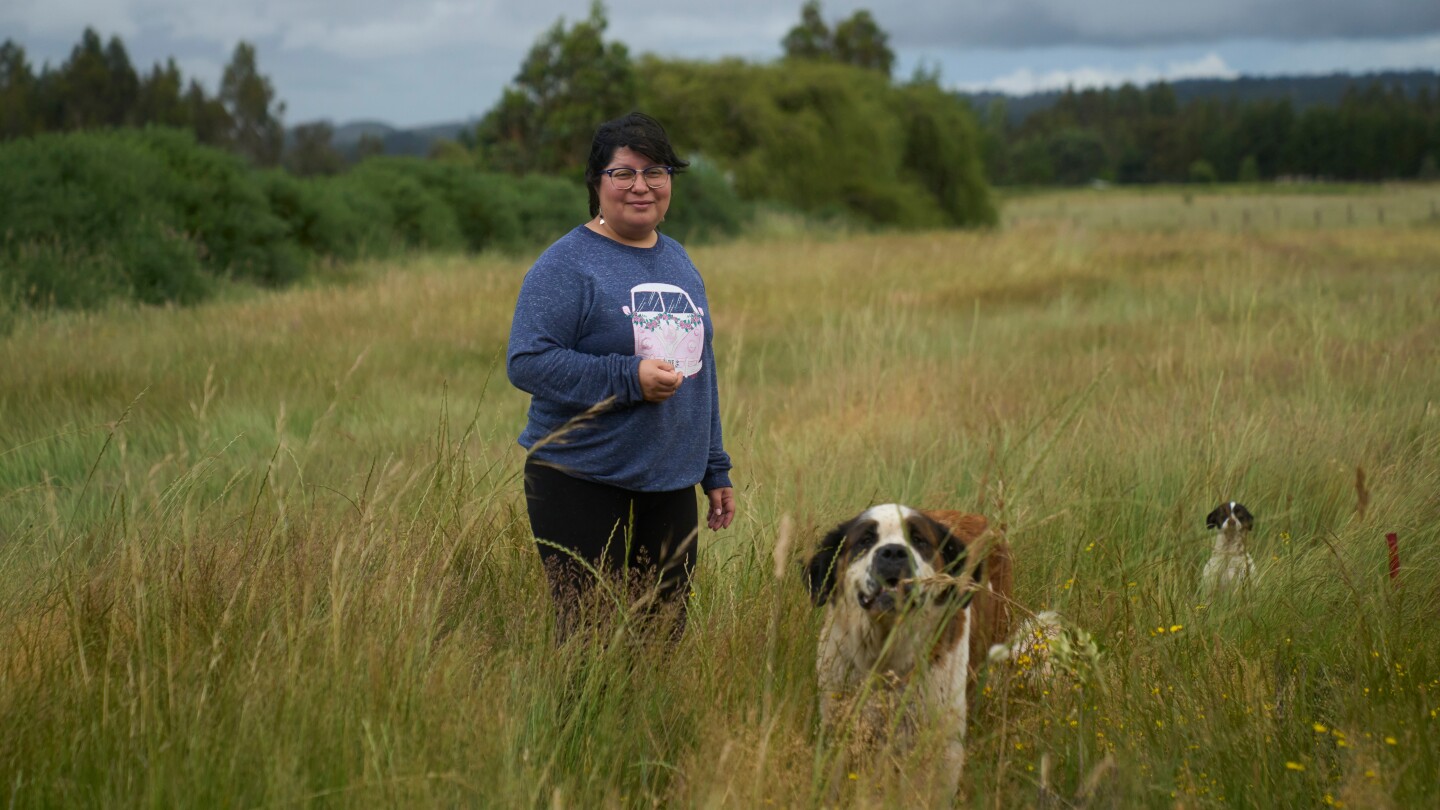
    Chile’s largest Indigenous community, the Mapuche people, confronts escalating anxieties as the nation approaches a pivotal presidential election this Sunday. Historically resilient against successive conquerors—from the Inca Empire to Spanish colonizers and later the Chilean state—the Mapuche now fear a potential resurgence of state violence under a far-right administration.

    With approximately 12% of Chile’s 19 million population identifying as Mapuche, community leaders express profound concern over the electoral momentum of ultra-conservative candidate José Antonio Kast. His platform promises mass deportations of undocumented immigrants and enhanced military powers for crime suppression, directly impacting Indigenous territories.

    The political landscape shifted notably during Chile’s 2019 social uprising when mainstream protesters adopted the Mapuche flag, symbolizing solidarity with their centuries-old struggle for land rights. Although left-wing President Gabriel Boric initially pledged constitutional reforms and troop withdrawals from Mapuche lands, his administration ultimately redeployed military forces and extended emergency measures following armed clashes.

    Central to the conflict is the Araucanía region, where ancestral territories were systematically transferred to forestry corporations during Augusto Pinochet’s dictatorship. Despite post-1990 democratic reforms enabling land restitution, Mapuche communities continue experiencing marginalization and poverty. The current electoral campaign has notably avoided substantive discussion of Indigenous rights, focusing instead on crime and migration concerns.

    Kast’s recent rally in Temuco—considered the cultural capital of Mapuche territory—featured rhetoric characterizing Indigenous militants as ‘cowards’ and ‘terrorists,’ promising to ‘eradicate terrorism’ using all state resources. This language evokes traumatic memories of dictatorship-era persecutions, including documented cases of fabricated evidence against Mapuche activists by police intelligence units.

    For Mapuche language teacher Angelina Cayuqueo, the election represents an existential threat, potentially reversing decades of fragile progress in Indigenous land reclamation. As Chile stands at a constitutional crossroads, the Mapuche people await an outcome that could either deepen their historical trauma or open pathways to meaningful reconciliation.

  • Three US personnel killed in Islamic State attack on convoy in central Syria

    Three US personnel killed in Islamic State attack on convoy in central Syria

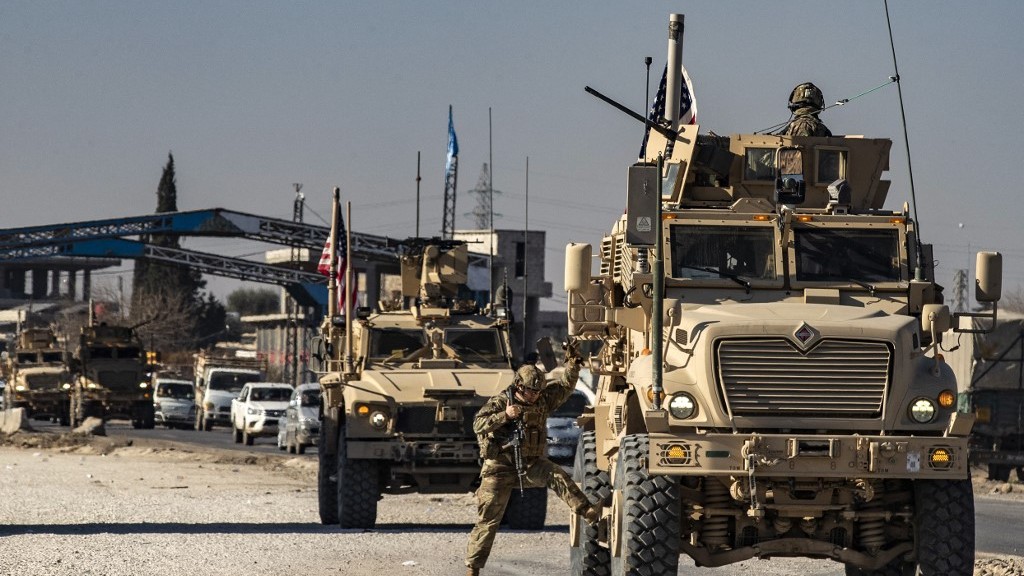
    A deadly assault on a joint U.S.-Syrian military convoy in central Syria has resulted in significant casualties, marking a severe escalation in regional security concerns. According to U.S. Central Command, three American personnel—two army soldiers and one civilian interpreter—were killed when a lone gunman opened fire during a ‘key leader engagement’ operation in the town of Palmyra on Saturday. Three additional U.S. service members sustained injuries in the attack.

    The suspected Islamic State attacker was subsequently neutralized by accompanying ‘partner forces,’ as confirmed by U.S. Secretary of Defence Pete Hegseth via social media. While IS has not formally claimed responsibility for the assault, preliminary assessments from senior U.S. officials indicate the armed group as the probable perpetrator. The incident occurred in an area beyond Syrian government control, highlighting the persistent volatility in the region.

    Syrian state media SANA, citing security sources, reported that two Syrian service members were wounded in the exchange and were evacuated by U.S. helicopters to the Al-Tanf base near the Iraqi border. The U.S. military has announced it will withhold the identities of the deceased until 24 hours after next-of-kin notifications are completed.

    Tom Barrack, U.S. Ambassador to Turkey and special envoy to Syria, condemned the attack, stating: ‘We mourn the loss of three brave U.S. service members and civilian personnel and wish a speedy recovery to the Syrian troops wounded in the attack. We remain committed to defeating terrorism with our Syrian partners.’

    This violence occurs weeks after Syria and the U.S.-led coalition announced enhanced political cooperation against IS, coinciding with Syrian President Ahmed al-Sharaa’s White House visit. U.S.-led forces have intensified counter-IS operations in recent months, frequently collaborating with Syrian security forces who reported arresting over 70 suspected IS affiliates nationwide last month. The United States maintains several hundred troops in northeastern Syria as part of ongoing counterterrorism efforts.