作者: admin

  • PM2.5 drops to lowest level in Beijing in 1st 11 months of 2025

    PM2.5 drops to lowest level in Beijing in 1st 11 months of 2025

    Beijing has reached a significant environmental milestone, recording its cleanest air quality since comprehensive monitoring began. Municipal environmental authorities confirmed on December 17, 2025, that the Chinese capital’s average concentration of PM2.5—fine particulate matter considered most harmful to human health—dropped to unprecedented levels during the January-November period of 2025.

    The data reveals a remarkable improvement, with PM2.5 concentrations falling to 26.5 micrograms per cubic meter, representing a substantial 16.7 percent reduction compared to the same period in 2024. This achievement translates to 282 days of good air quality standards, extending the city’s blue-sky period by 23 additional days year-on-year.

    This environmental transformation stems from Beijing’s comprehensive, multi-faceted approach to pollution control. The city’s “0.1 microgram initiative” has driven incremental improvements across multiple sectors. Strategic measures include accelerating the transition to new energy vehicles, implementing stringent emissions controls at construction sites, and facilitating industrial green transformations.

    Additional successes include exceeding annual targets for clean heating renovations and completing ahead-of-schedule upgrades to cooking fume treatment systems in 1,401 catering establishments. These coordinated efforts demonstrate Beijing’s commitment to addressing pollution sources with surgical precision.

    Looking toward winter months, authorities have pledged enhanced targeted measures, refined pollution forecasting capabilities, and strengthened analytical systems to maintain air quality standards throughout the challenging heating season.


  • Number of digital consumers in China tops 958 million

    Number of digital consumers in China tops 958 million

    China’s digital economy has reached a monumental milestone with the nation’s digital consumer population exceeding 958 million during the first half of 2025, according to official data released by the China Internet Network Information Center (CNNIC). This substantial figure represents 85.3% of the country’s total internet users, underscoring the pervasive integration of digital technologies into everyday consumption patterns.

    The demographic breakdown reveals significant generational participation, with Generation Z (born between 1997-2012) constituting 27.2% of all digital consumers. Simultaneously, senior citizens aged 60 and above demonstrate growing digital adoption, accounting for 12.2% of the consumer base. Rural users have emerged as a substantial market segment, representing 26% of total digital consumers, indicating successful digital inclusion initiatives across China’s diverse geographical landscape.

    Consumer behavior analysis shows that 39.1% of internet users engaged in purchasing smart products during the reporting period, including smart home devices, digital gadgets, and wearable technology. The report also identified 8.2% of users buying blind boxes, IP-related merchandise, and anime-themed products online, reflecting the expanding diversity of digital marketplace offerings.

    A notable trend highlighted in the findings is the synergistic relationship between digital cultural content and consumer spending. Digital entertainment platforms are increasingly driving integrated expenditures across smart hardware, cultural experiences, and tourism services. The lifestyle services sector has witnessed remarkable growth, with over 223 million consumers utilizing online platforms for errands, home services, and maintenance by June 2025, demonstrating the practical applications of digital solutions in daily life.

    This massive digital consumer base represents a fundamental shift in China’s economic structure, where digital spending continues to play an increasingly vital role in overall consumption patterns. The data suggests a mature yet still expanding digital ecosystem that continues to evolve with technological advancements and changing consumer preferences.

  • South African immigration authorities raid a US refugee processing center

    South African immigration authorities raid a US refugee processing center

    South African immigration authorities have conducted a targeted operation on a Johannesburg facility processing U.S. refugee applications, resulting in the arrest of seven Kenyan nationals for violating work visa regulations. The raid has significantly heightened diplomatic strains between the United States and South Africa.

    The controversial refugee program, established during the Trump administration, prioritizes white South Africans of Afrikaner descent for refugee status in the United States. This policy stems from former President Donald Trump’s repeatedly disputed claims regarding the persecution of white minorities in South Africa.

    According to South Africa’s Home Affairs Ministry, the detained Kenyan citizens had entered the country on tourist visas that explicitly prohibited employment activities. Despite their immigration status, they were found working alongside American officials at the processing center. Notably, no U.S. diplomatic personnel were apprehended during Tuesday’s operation, as the facility did not hold official diplomatic protection.

    The incident has prompted formal diplomatic discussions between South Africa, the United States, and Kenya. South African authorities revealed that Kenyan nationals had previously been denied work visas for this specific program, raising serious questions about the circumvention of immigration protocols.

    The seven individuals face immediate deportation orders and have been barred from re-entering South Africa for a five-year period. The U.S. Embassy confirmed that refugee processing operations are handled by RSC Africa, a Kenya-based contractor operated by Church World Service, a U.S. humanitarian organization.

    South Africa’s government maintains that white citizens do not meet international criteria for refugee status, citing the absence of systematic persecution, though they acknowledge the right to apply through the U.S. program.

  • China issues regulation to promote public reading

    China issues regulation to promote public reading

    BEIJING – In a significant cultural development, China has formally established a comprehensive national framework to promote public reading through new legislation signed by Premier Li Qiang. The State Council decree, which will become effective on February 1, 2026, represents a strategic government effort to elevate the nation’s intellectual and cultural standards.

    The regulation specifically targets the enhancement of Chinese citizens’ moral, scientific, and cultural development while simultaneously advancing broader social civility objectives. This initiative forms an integral component of China’s ambitious project to cultivate a robust socialist culture nationwide.

    Key provisions within the legislation mandate substantial improvements in publishing quality standards, requiring the production of superior literary works across all genres. The regulation further outlines specific infrastructure requirements, calling for scientific planning and construction of public reading facilities while advocating for the harmonious integration of digital and traditional reading platforms.

    Digital reading services face new compliance requirements under the regulation, with providers obligated to implement strengthened content management systems and deliver premium digital content to readers. The legislation additionally establishes special provisions for underserved communities, directing targeted support to rural regions, former revolutionary bases, ethnic autonomous areas, border regions, and less-developed territories.

    The regulation incorporates specific accessibility measures designed to improve reading access for vulnerable demographics including minors, senior citizens, and people with disabilities, ensuring equitable access to reading resources across all segments of society.

  • Senior CPC official urges sound planning for 15th Five-Year Plan period

    Senior CPC official urges sound planning for 15th Five-Year Plan period

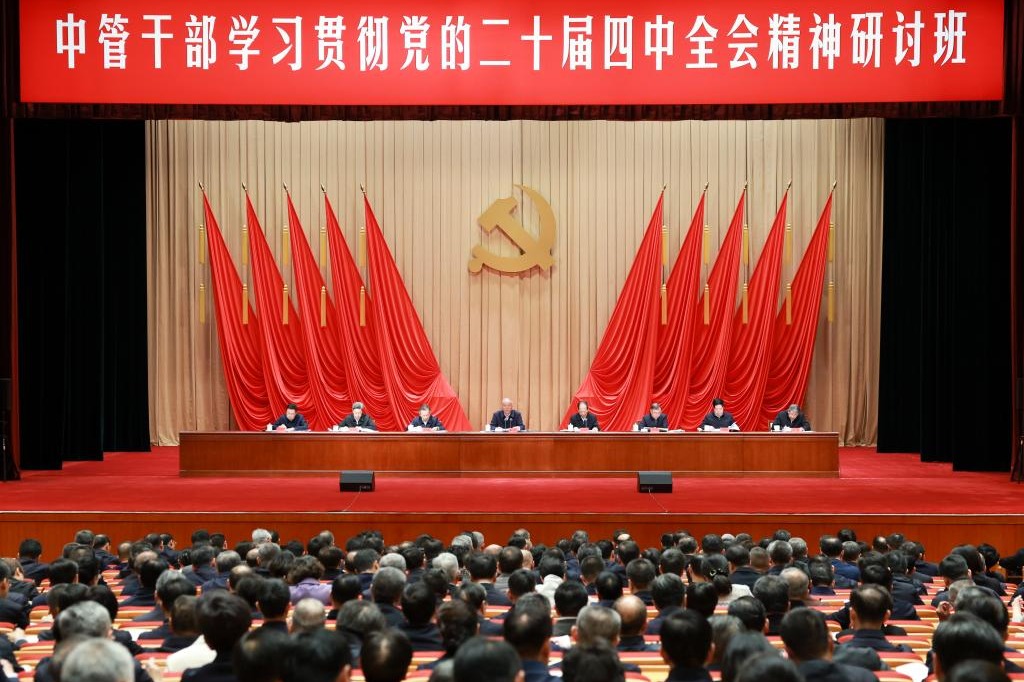
    In a significant address to high-ranking officials, senior Chinese leader Cai Qi has outlined the strategic priorities for China’s upcoming 15th Five-Year Plan (2026-2030), emphasizing the critical importance of comprehensive planning and implementation. The December 16th study session in Beijing brought together top officials to discuss the operationalization of directives from the recently concluded Fourth Plenary Session of the 20th Communist Party Central Committee.

    Cai Qi, who holds dual positions on the Standing Committee of the Political Bureau and the Secretariat of the CPC Central Committee, stressed the necessity of thoroughly understanding both the theoretical foundations and practical applications of the plenum’s decisions. The session specifically focused on translating these principles into actionable strategies for national development over the next five-year cycle.

    The address highlighted several core components essential for successful planning, including clear comprehension of development objectives, economic and social requirements, and multi-level implementation frameworks across various sectors. A recurring theme throughout the presentation was the imperative of maintaining strong centralized leadership under the Party Central Committee to ensure cohesive execution of national strategies.

    The Fourth Plenary Session, held in October 2025, had previously established the foundational Recommendations for the 15th Five-Year Plan, setting the stage for this current phase of detailed planning and preparation. This latest gathering represents a crucial step in moving from theoretical frameworks to concrete operational plans that will guide China’s development trajectory through the end of the decade.

  • Kenyan digital creators find inspiration in China

    Kenyan digital creators find inspiration in China

    A delegation of Kenya’s foremost digital influencers returned from an eye-opening journey through China’s Hunan and Fujian provinces, reporting a profound transformation in their perception of the Asian nation’s cultural and technological landscape. The weeklong cultural tour, undertaken in September, featured four prominent Kenyan celebrities whose digital content has since sparked widespread reevaluation of China among African audiences.

    Lawrence Mwangi Macharia, professionally known as Terence Creative, described being captivated by a multisensory theatrical performance in Hunan that demonstrated ‘unbelievable precision’ in blending traditional artistry with cutting-edge technology. ‘How they sync the music, the art, the props—it was pure magic,’ the comedian and content creator remarked, highlighting the sophisticated integration of digital projections, lighting, and choreography.

    The delegation’s experiences extended beyond performance venues to everyday Chinese life. Comedian Jasper Muthomi (MC Jessy) recounted participating in communal stretching sessions on local streets, noting how such practices reflected China’s emphasis on wellness and community balance. Media personality Betty Kyallo experienced the breathtaking Grand Canyon Glass Bridge in Zhangjiajie and explored traditional Chinese medicine in Xiamen, where she observed holistic treatments for chronic conditions.

    David Oyando (Mulamwah) reported his technological assumptions being fundamentally challenged during a visit to a Fujian technology store. ‘The cameras, microphones, phones—they were world-class and affordable,’ he stated, adding that the experience disproved ‘the counterfeit narrative about China.’

    The influencers’ social media posts from their journey have generated millions of views and enthusiastic engagement from Kenyan followers. Comments ranged from expressions of desire to visit China (‘I need to come here’) to appreciation for the virtual tour experience. Many noted how the content reshaped their understanding of China’s innovative capacity and cultural richness.

    A consistent theme emerged from all four creators: China represents a unique fusion of futuristic advancement and deeply rooted traditions. The visit provided insights into innovation, community wellness, and artistic expression that transcended their expectations. As Terence Creative concluded, ‘China is an eye-opener. You can’t finish exploring it in a year. Everyone should see it for themselves.’

  • Louvre workers vote to extend a strike at the world’s most visited museum

    Louvre workers vote to extend a strike at the world’s most visited museum

    PARIS — Louvre Museum employees have voted to prolong their strike action, intensifying labor disputes at the world’s most frequented cultural institution. The work stoppage, initially implemented earlier this week, reflects deepening tensions between staff and management over systemic operational challenges.

    Union representatives cite persistent understaffing, deteriorating infrastructure, and controversial administrative decisions as primary grievances. These concerns gained renewed urgency following October’s audacious crown jewels theft, which revealed critical security vulnerabilities within the historic museum complex.

    The Wednesday morning general assembly resulted in unanimous support for continuing the industrial action, creating uncertainty about daily operations. Ticket-holding visitors formed queues outside the museum while administration officials assessed whether sufficient staff would be available to maintain safe gallery access.

    In response to the crisis, Culture Ministry officials proposed several mitigation measures during emergency talks with unions on Monday. These included canceling planned €6.2 million funding cuts scheduled for 2026, initiating new recruitment drives for security and visitor service positions, and enhancing staff compensation packages. Union leadership dismissed these proposals as insufficient to address fundamental problems.

    Louvre President Laurence des Cars faced additional scrutiny during her scheduled appearance before the Senate’s culture committee Wednesday. Lawmakers continue investigating security failures after des Cars acknowledged only learning about a damning 2019 security audit following the October robbery. Both France’s Court of Auditors and an independent administrative inquiry have criticized delayed implementation of promised security upgrades.

    The Culture Ministry recently implemented emergency anti-intrusion protocols and appointed Philippe Jost—who supervised Notre Dame’s restoration—to assist in reorganizing the museum’s security apparatus, signaling growing governmental concern over leadership effectiveness.

  • Actions urged for ceasefire in border clashes

    Actions urged for ceasefire in border clashes

    The escalating military conflict along the Thailand-Cambodia border has entered a critical phase, with diplomatic efforts intensifying to halt hostilities that have resulted in significant civilian casualties and displacement.

    Artillery exchanges continued through Monday night into Tuesday morning, with Cambodian authorities reporting sustained attacks against Military Regions 4 and 5, particularly impacting Preah Vihear, Oddar Meanchey, Pursat, and Banteay Meanchey provinces. The human cost has been substantial, with Cambodian officials confirming 15 civilian fatalities and 76 injuries since the conflict reignited on December 7. The fighting has displaced approximately 126,508 families, equivalent to over 422,000 individuals.

    Education has been severely disrupted, with 1,039 schools across six provinces forced to close, affecting nearly 10,000 teachers and over 242,000 students. In a particularly alarming incident, Thai artillery shells reportedly struck a primary school in Banteay Meanchey Province’s O’Beichoan commune, destroying buildings and food stalls within the school compound.

    Diplomatic channels have activated at multiple levels. Cambodian UN representative Keo Chhea addressed the UN Peacebuilding Commission in New York, emphasizing that peaceful resolution requires mutual trust and respect, while noting that dialogue becomes impossible when one nation “rejects dialogue, turns to the use of military force and ignores peace mechanisms.”

    Thailand’s Foreign Ministry, through deputy spokeswoman Maratee Nalita Andamo, maintained that ceasefire implementation “must be demonstrated through concrete actions” while reaffirming Thailand’s commitment to international law. “Thailand has no intention of escalating the situation. Our focus is on protecting national sovereignty, reducing potential threats and ensuring freedom of navigation,” she stated.

    China has emerged as a key diplomatic voice, with Foreign Ministry spokesman Guo Jiakun expressing profound sadness over casualties and offering heartfelt sympathies. Beijing emphasized that the immediate priorities remain ensuring ceasefire, ending hostilities, and protecting civilians. China supports direct bilateral dialogue and ASEAN-led mediation efforts within the regional framework.

    Meanwhile, Thailand’s National Security Council approved stricter maritime measures to prevent fuel and strategic supplies from reaching Cambodia, following discoveries of abnormally high fuel exports through the Chong Mek border checkpoint. Defense Minister Nattaphon Narkphanit characterized these measures as nonviolent, expressing confidence in a near-term resolution.

  • Old, polluted mining site thrives in a green avatar

    Old, polluted mining site thrives in a green avatar

    The Xikuangshan mining region in China’s Hunan province has undergone a remarkable ecological transformation, turning from a severely polluted industrial wasteland into a thriving green landscape that now attracts international visitors and academic researchers alike.

    For generations, this area in Lengshuijiang county was known as the ‘World Antimony Capital,’ having produced approximately one-third of China’s total antimony output and a quarter of global production over the past century. The industrial legacy came at tremendous environmental cost, with decades of intensive underground mining causing severe vegetation deterioration, air and water pollution, and ground subsidence that forced many residents to relocate.

    Eighty-three-year-old Xie Guoxiu, whose family has lived in the core mining area for generations, recalls the toxic conditions that once dominated the landscape. ‘We couldn’t grow vegetables in the yard and had to buy produce from distant urban areas,’ she remembered. ‘The pollution drove many neighbors away.’

    The turnaround began in 2006 when the Lengshuijiang city government launched a comprehensive environmental campaign. Early efforts focused on relocating residents from subsidence-affected areas, dredging polluted rivers, and building alternative water supply systems. The project gained significant momentum in 2013 when it was included in Hunan province’s ‘No. 1 Project’—a key initiative for comprehensive pollution treatment along the Xiangjiang River.

    Between 2018 and 2021, authorities invested over 300 million yuan ($42.6 million) in ecosystem restoration, successfully reviving 187 hectares of forest and 160 hectares of farmland. Today, abandoned mining sites have been replaced by photovoltaic power stations and wind farms, while once-denuded hills now feature lush forests, grasslands, and productive farmland.

    The area’s dramatic transformation has earned international recognition, including being showcased at the UN Convention on Biological Diversity (COP15) in 2021 as one of China’s typical ecological restoration cases. Earlier this year, Xikuangshan was selected as one of 20 exemplary cases under the UN Decade on Ecosystem Restoration, a global initiative jointly led by the UN Environment Programme and the Food and Agriculture Organization.

    The restored area now serves as a geological fieldwork base for students and researchers from numerous higher education institutions. According to Yi Shengxing, chief engineer at the Lengshuijiang Natural Resources Bureau, the project has evolved beyond pollution treatment to create a sustainable development model combining ecology, culture, and tourism.

    The success in Xikuangshan reflects broader progress across Hunan province, where officials have restored 9,298 hectares of historical mining sites—far exceeding the 14th Five-Year Plan target of 6,000 hectares. The region’s revival demonstrates how former industrial centers can successfully transition toward environmentally sustainable and economically viable futures.

  • China’s modernization plan lauded

    China’s modernization plan lauded

    African scholars and policy experts are applauding China’s newly unveiled 15th Five-Year Plan (2026-2030) as a strategic framework that aligns with Africa’s developmental aspirations. The economic blueprint, approved during the fourth plenary session of the 20th Communist Party of China Central Committee in October, emphasizes high-standard opening-up, technological self-reliance, and green transformation—principles that resonate deeply with Africa’s industrialization goals.

    Melha Rout Biel, founder of South Sudan’s Institute for Strategic and Policy Studies, characterized the plan as “a road map that reaffirms China’s commitment to working closely with the Global South.” He noted that China’s focus on high-quality engagement challenges African nations to elevate their production standards and modernize industries to participate effectively in this partnership.

    The evolution from infrastructure-focused cooperation to value-added collaboration marks a significant shift in China-Africa relations. Amina Toure, a Cambridge University researcher specializing in Africa-China relations, observed that the plan’s language signals a transition toward “regulated, sustainability-oriented, and higher-value cooperation” that could benefit Africa if integrated with national industrial strategies.

    Professor Carlos Lopes of the University of Cape Town highlighted that Africa’s priority has shifted from infrastructure quantity to value retention within the continent. He described China’s emphasis on “high-standard opening-up” as a “good and necessary evolution” that responds to Africa’s longstanding developmental needs, particularly regarding regional value chains and AfCFTA implementation.

    International relations scholar Cavince Adhere noted that China’s consistent long-term planning provides stability amid global geopolitical uncertainties. The success of this partnership, he suggested, will depend on African governments’ ability to adapt China’s development model to their specific national contexts and populations.