作者: admin

  • What are the ‘ghost ships’ Venezuela is using to evade oil sanctions?

    What are the ‘ghost ships’ Venezuela is using to evade oil sanctions?

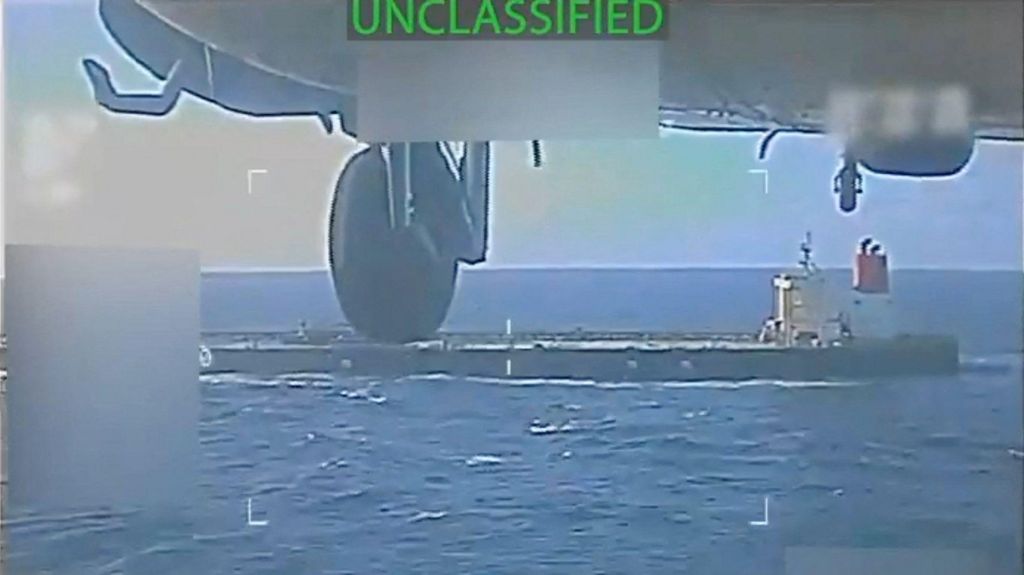
    In a significant escalation of geopolitical tensions, former President Donald Trump has declared a comprehensive naval blockade against Venezuela, specifically targeting sanctioned oil tankers attempting to enter or exit the country. This decisive move follows the recent seizure of The Skipper, a vessel intercepted off Venezuela’s coast on December 10th, which exemplifies the sophisticated “ghost fleet” operations enabling Caracas to circumvent international sanctions.

    Venezuela, despite possessing the world’s largest proven oil reserves, has faced crippling US sanctions against its state-run oil company PDVSA since 2019. These measures initially caused crude exports to plummet by over 50%, from approximately 1.1 million barrels per day to 495,000 by year-end 2019. However, through innovative evasion tactics, Venezuela has remarkably restored exports to around 920,000 barrels daily as of November—a substantial recovery though still far below its 1998 peak of 3 million barrels.

    The ghost fleet phenomenon, utilized by Venezuela alongside other sanctioned oil producers Russia and Iran, represents a growing challenge to global sanctions regimes. Financial intelligence firm S&P Global estimates that one-fifth of global oil tankers now transport sanctioned crude, with 10% exclusively dedicated to Venezuelan oil.

    These vessels employ multiple deception strategies: frequently changing names and flags (The Skipper previously operated as Adisa and Toyo), disabling Automatic Identification Systems to conceal locations, and even assuming identities of scrapped vessels—so-called “zombie ships.” Additional tactics include ship-to-ship transfers in international waters to obscure oil origins and flying flags from jurisdictions with lax oversight, such as Panama, Comoros, and Malta.

    According to Transparencia Venezuela’s October report, 71 foreign tankers were observed at PDVSA ports, with 15 under sanctions and 9 linked to ghost fleets. Notably, 24 vessels operated with deactivated location signals, while many lingered for over 20 days without docking—unlike authorized vessels that typically complete operations within six days.

    The deployment of the USS Gerald Ford aircraft carrier, the world’s largest, to conduct the recent seizure demonstrates heightened US military presence in Caribbean waters. This development suggests President Nicolás Maduro’s reliance on ghost fleet operations may face substantial constraints moving forward, potentially altering the dynamics of Venezuela’s oil export capabilities and the effectiveness of international sanctions.

  • Family gives emotional eulogy for Bondi victim Rabbi Eli Schlanger

    Family gives emotional eulogy for Bondi victim Rabbi Eli Schlanger

    A moving memorial service honored the life of Rabbi Eli Schlanger, one of the six victims tragically killed in the Bondi Junction stabbing attack. The emotional eulogy delivered by his father-in-law, Rabbi Ulman, highlighted the profound loss felt by the community and family members.

    Rabbi Ulman expressed a deeply personal sentiment, voicing his heartfelt hope that his son-in-law had been fully aware of the immense love and esteem surrounding him throughout his life. The tribute underscored Rabbi Schlanger’s character and the positive impact he made as a British-born spiritual leader within the Australian Jewish community.

    The ceremony served not only as a personal farewell but also as a moment of collective mourning, reflecting on the senseless violence that abruptly ended multiple lives at the Westfield shopping centre. This public outpouring of grief emphasizes the broader societal impact of the attack, which has reverberated through international communities connected to the victims.

  • China creates over 12 million new urban jobs in the first 11 months

    China creates over 12 million new urban jobs in the first 11 months

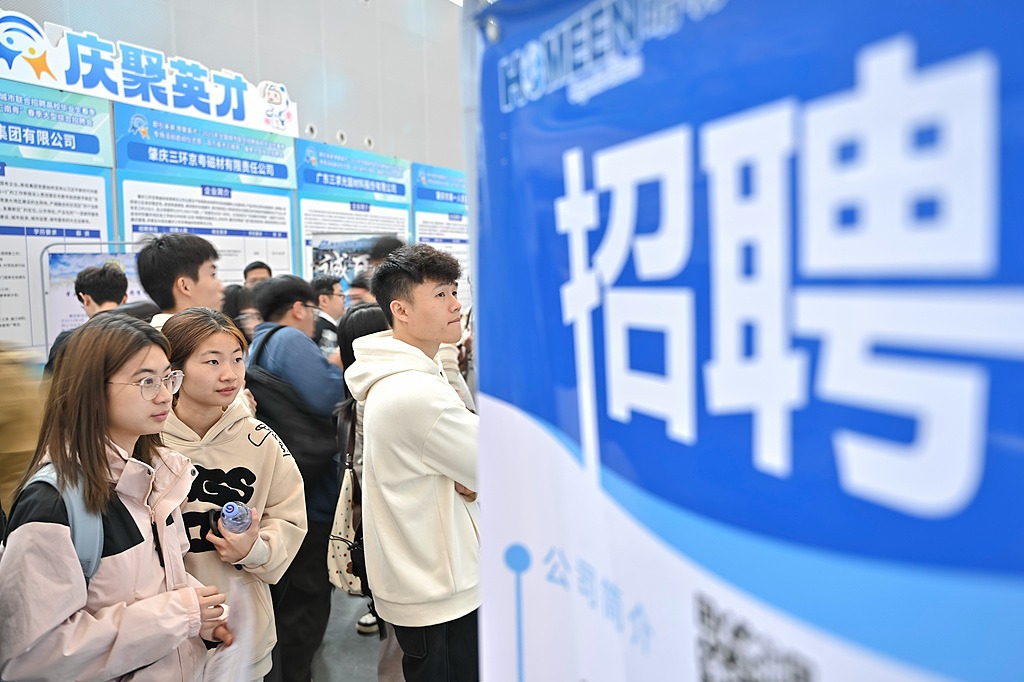
    China’s labor market has demonstrated remarkable stability throughout the first eleven months of 2025, with official statistics revealing the creation of 12.1 million new urban positions. The Ministry of Human Resources and Social Security released these figures on Tuesday, December 17, 2025, indicating a sustained positive trend in employment generation.

    The data further indicates that the average urban unemployment rate remained at 5.2 percent during this eleven-month period, reflecting the effectiveness of comprehensive employment stabilization policies implemented throughout the year. Chinese authorities have consistently prioritized job security as fundamental to maintaining broader economic stability, particularly within the four critical domains of employment, enterprise operations, market functions, and economic expectations.

    According to a representative from the ministry’s employment promotion department, future strategies will concentrate on dual objectives of maintaining existing employment levels while simultaneously expanding new opportunities. These efforts will include implementing targeted support measures for key demographic groups, enhancing vocational training programs to improve workforce adaptability, optimizing public employment services for more efficient job matching, and strengthening entrepreneurial support mechanisms to generate multiplicative employment effects throughout the economy.

    The sustained job creation performance aligns with China’s broader economic stabilization initiatives that have emphasized employment quality and quantity as central components of socioeconomic development policy. These measures have proven particularly effective in navigating global economic uncertainties while maintaining domestic employment fundamentals.

  • Confucius Institute at Ghana’s University of Cape Coast marks 10th anniversary

    Confucius Institute at Ghana’s University of Cape Coast marks 10th anniversary

    The Confucius Institute at Ghana’s University of Cape Coast commemorated its tenth anniversary on December 15, 2025, celebrating a remarkable journey of fostering Chinese linguistic and cultural education in West Africa. The milestone event, held in Cape Coast—the capital of Ghana’s Central Region—showcased a vibrant display of traditional Chinese performances by students ranging from primary school to university level.

    Denis Worlanyo Aheto, Acting Vice Chancellor of the University of Cape Coast, highlighted the institute’s evolution from modest beginnings to becoming a significant educational force. “Since its establishment, the Confucius Institute continues to train over 11,000 students annually,” Aheto noted. “The institute remains a leading force in promoting multilingual skills, cross-cultural understanding, and global citizenship qualities that today’s interconnected world demands.”

    Chinese Director Ou Yamei emphasized the institute’s commitment to developing Chinese language professionals for Ghana and neighboring nations, significantly contributing to Chinese educational initiatives throughout the region. The anniversary celebration also honored 74 exceptional students from various educational levels with the 2025 Chinese Ambassador’s Awards, recognizing their outstanding achievements in Chinese language studies.

    The institute’s decade-long operation has created substantial human capital development, with numerous graduates now contributing to Ghana’s socio-economic advancement through their Chinese language skills and cultural understanding.

  • ‘It’s just a nightmare’: Ten-year-old victim’s mum speaks at Bondi memorial

    ‘It’s just a nightmare’: Ten-year-old victim’s mum speaks at Bondi memorial

    In a profoundly moving tribute that captured a nation’s grief, the mother of ten-year-old Matilda—the youngest victim of the Bondi Beach tragedy—addressed mourners at a spontaneous floral memorial on Tuesday evening. Her emotional words, “It’s just a nightmare,” echoed the collective anguish of a community grappling with unimaginable loss.

    The memorial service, organized by local residents, transformed part of the iconic beachfront into a sea of flowers, teddy bears, and handwritten notes honoring all victims of the attack. Community members stood in solemn silence as Matilda’s mother shared personal memories of her daughter, describing her as “a bright light extinguished too soon” and emphasizing the profound void left in their family.

    This public gathering represents one of several vigils occurring across Sydney since Saturday’s violent incident, which resulted in multiple fatalities and injuries. The attack has prompted nationwide discussions about public safety protocols and community resilience in the face of random violence. Psychological support services have established temporary stations near the memorial site to assist traumatized witnesses and grieving citizens.

    Local authorities have confirmed ongoing investigations into the circumstances surrounding the attack, with officials pledging to review security measures at popular public spaces across Australian metropolitan areas. The Bondi community has meanwhile demonstrated remarkable solidarity, with volunteers organizing meal trains for affected families and mental health professionals offering pro bono counseling services.

  • Trump orders total blockade of sanctioned oil tankers to and from Venezuela

    Trump orders total blockade of sanctioned oil tankers to and from Venezuela

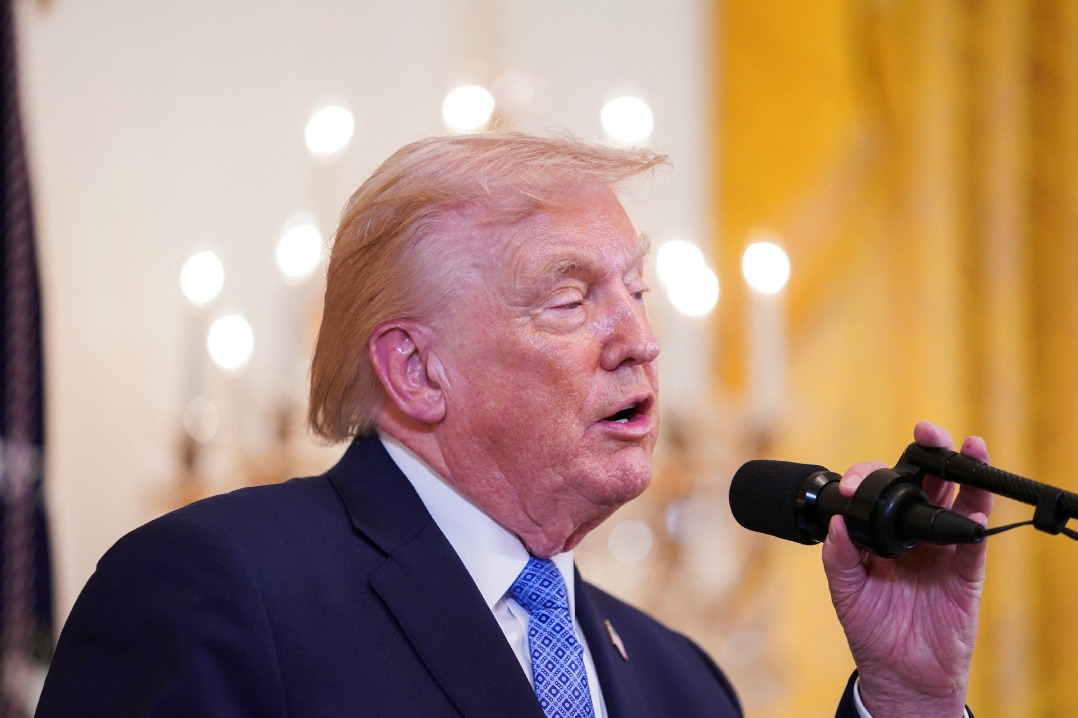
    In a significant escalation of pressure against the Venezuelan government, former U.S. President Donald Trump announced on Tuesday a comprehensive naval blockade targeting all sanctioned oil tankers traveling to and from Venezuela. The declaration, made via his Truth Social platform, marks the latest development in a prolonged campaign against the administration of President Nicolás Maduro.

    Trump formally designated the Venezuelan government as a ‘foreign terrorist organization,’ leveling serious accusations of involvement in international terrorism, narcotics trafficking, and human smuggling operations. The former president asserted that the United States would not permit ‘a hostile regime to take our oil, land, or any other assets,’ demanding the immediate return of what he characterized as stolen national resources.

    The announcement comes amid a substantial U.S. military buildup in the Caribbean region, which Trump described as ‘the largest armada ever assembled in the history of South America.’ This naval presence, ostensibly deployed to combat drug trafficking, has drawn sharp criticism from the Venezuelan government, which views it as a thinly disguised attempt to force regime change in Caracas.

    Recent weeks have seen concrete actions preceding this latest escalation. Last week, U.S. authorities intercepted an oil tanker near Venezuela’s coastline and imposed fresh sanctions on three relatives of Maduro’s wife, a business associate with government ties, and six companies involved in Venezuelan petroleum shipping.

    According to available data, U.S. military operations in the Caribbean and eastern Pacific since early September have resulted in the sinking of approximately 25 suspected narcotics vessels and the reported deaths of at least 95 individuals aboard these craft.

    Trump has repeatedly hinted at impending ground operations against Caribbean drug traffickers, statements that have substantially heightened tensions between the two nations. These developments have raised concerns among U.S. lawmakers and international observers regarding the legal justification and underlying motives behind military actions in the region.

    Recent polling indicates significant public skepticism, with a Reuters/Ipsos survey showing nearly half of American adults oppose military strikes against suspected drug vessels without prior judicial authorization.

  • US accused of using illegal workers at centre processing refugee claims in South Africa

    US accused of using illegal workers at centre processing refugee claims in South Africa

    South African authorities have leveled serious allegations against the United States regarding the operation of a refugee processing facility for white South Africans. The Department of Home Affairs revealed that seven Kenyan nationals were apprehended during a targeted operation for working illegally at the center while holding only tourist visas.

    According to official statements, intelligence reports indicated that these individuals had recently entered South Africa on tourist visas and were unlawfully employed at the facility processing refugee applications for members of the white Afrikaner community. The Kenyan workers had previously been denied proper work visas but were discovered violating their entry conditions.

    The incident highlights the ongoing tension between the two nations regarding the US policy of granting asylum to Afrikaners based on claims of persecution—an assertion the South African government vehemently disputes. This controversy emerges despite the US administration’s significant reduction of overall refugee admissions from 125,000 to just 7,500 annually.

    South African officials emphasized that the operation demonstrated their shared commitment with the United States to combat illegal immigration and visa abuse. The detained Kenyan nationals will face deportation and receive five-year entry bans. Notably, no US officials were arrested during the operation, which did not target diplomatic premises.

    The South African government has initiated formal diplomatic engagements with both the United States and Kenya to address the matter further. The US State Department has not yet provided public commentary on these developments.

  • Chinese legend White Snake reimagined through experimental theater in New York

    Chinese legend White Snake reimagined through experimental theater in New York

    NEW YORK—The ancient Chinese folktale of The Legend of the White Snake has undergone a transformative reinterpretation through experimental theater, captivating audiences at New York’s HERE Arts Center from December 14-16, 2025. The production titled ‘Qing Bai: Innocence’ represents a groundbreaking fusion of Eastern mythology and Western avant-garde performance techniques, created by a collaborative team of emerging Chinese theater artists.

    This innovative staging employed movement, sound, and physical gesture within an experimental framework to explore universal emotional themes transcending cultural boundaries. The creative team deliberately moved beyond conventional narrative structures, implementing an ‘ensemble approach’ that granted four central characters equal narrative weight and complete story arcs.

    Lead performer and co-playwright Ophelia He, who portrays the serpent spirit Bai Suzhen while simultaneously playing traditional pipa instrumentation, described the New York presentation as profoundly significant. ‘I feel honored to bring this beautiful piece of traditional Chinese culture to New York theaters,’ He stated, emphasizing the production’s accessibility despite cultural differences. ‘Even without prior knowledge of Chinese tradition or language, audiences can feel the emotional struggles and identities through performance and physical expression.’

    Director and co-playwright Tara Nyingje explained the production’s experimental nature: ‘I’m especially drawn to exploring how familiar stories can be reimagined through different forms of expression. This tale can be interpreted in numerous ways and understood from multiple perspectives.’

    The production faced unique linguistic challenges, performing primarily in Mandarin while projecting English surtitles rendered in deliberately archaic language to match the historical tone of the original dialogue. This approach, while potentially ‘awkward’ to modern ears, intentionally blended contemporary and ancient storytelling elements.

    The creative process, which began in September, formed part of a broader East Coast tour including performances at Brown and Yale Universities. For the artists involved, the project represents both cultural exploration and personal discovery, with He noting that her Western academic experience intensified her desire to investigate her Chinese cultural heritage. ‘This makes me look back and explore the underlying core of my own culture,’ she reflected.

    The team views their work as continuing the folktale’s evolutionary tradition—a story that has transformed across Chinese dynasties through retellings and adaptations. As Nyingje concluded, ‘Performance methods are primarily tools. The ongoing interest always lies in integrating Chinese cultural elements into experimental theater and testing how they could be combined.’

  • No more OTPs for UAE banking: Step-by-step guide to new 2026 payment system

    No more OTPs for UAE banking: Step-by-step guide to new 2026 payment system

    The United Arab Emirates banking sector is undergoing a transformative security shift as financial institutions progressively abandon traditional one-time passwords (OTPs) delivered via SMS or email. This strategic move responds to escalating cybersecurity threats including phishing attacks, SIM-swap fraud, and OTP interception that have compromised conventional verification methods.

    Leading financial institutions including Emirates NBD have pioneered the transition to an advanced app-based authentication framework. Under this new system, customers authorize card payments directly within their banking applications through secure push notifications coupled with biometric verification or smart pass PINs. This approach creates a protected, bank-controlled environment that significantly reduces vulnerability compared to external messaging channels.

    The practical implementation involves a streamlined four-step process: First, customers receive an authorization prompt during online payments directing them to their banking app instead of the traditional OTP pop-up. Simultaneously, an SMS alert notifies users to access their banking application. Second, upon login, users encounter a pending payment notification within the Activities section. Third, a dedicated review window displays comprehensive transaction details including merchant information and amount, accompanied by a two-minute countdown timer for decision-making. Finally, approval requires smart pass PIN verification, completing the transaction instantly without OTP involvement.

    This security enhancement is being implemented through a carefully structured phased rollout. Initial measures commenced on July 25, 2025, with UAE banks beginning the elimination of SMS and email OTPs for specific digital and card-based transactions. During this transitional phase, customers may encounter varying authentication methods depending on their financial institution, transaction type, and channel utilized. The complete discontinuation of traditional OTP systems is scheduled for March 2026, aligning with regulatory directives aimed at fortifying digital banking security infrastructure across the Emirates.

  • Spanish police evict hundreds of migrants from squat deemed a safety hazard

    Spanish police evict hundreds of migrants from squat deemed a safety hazard

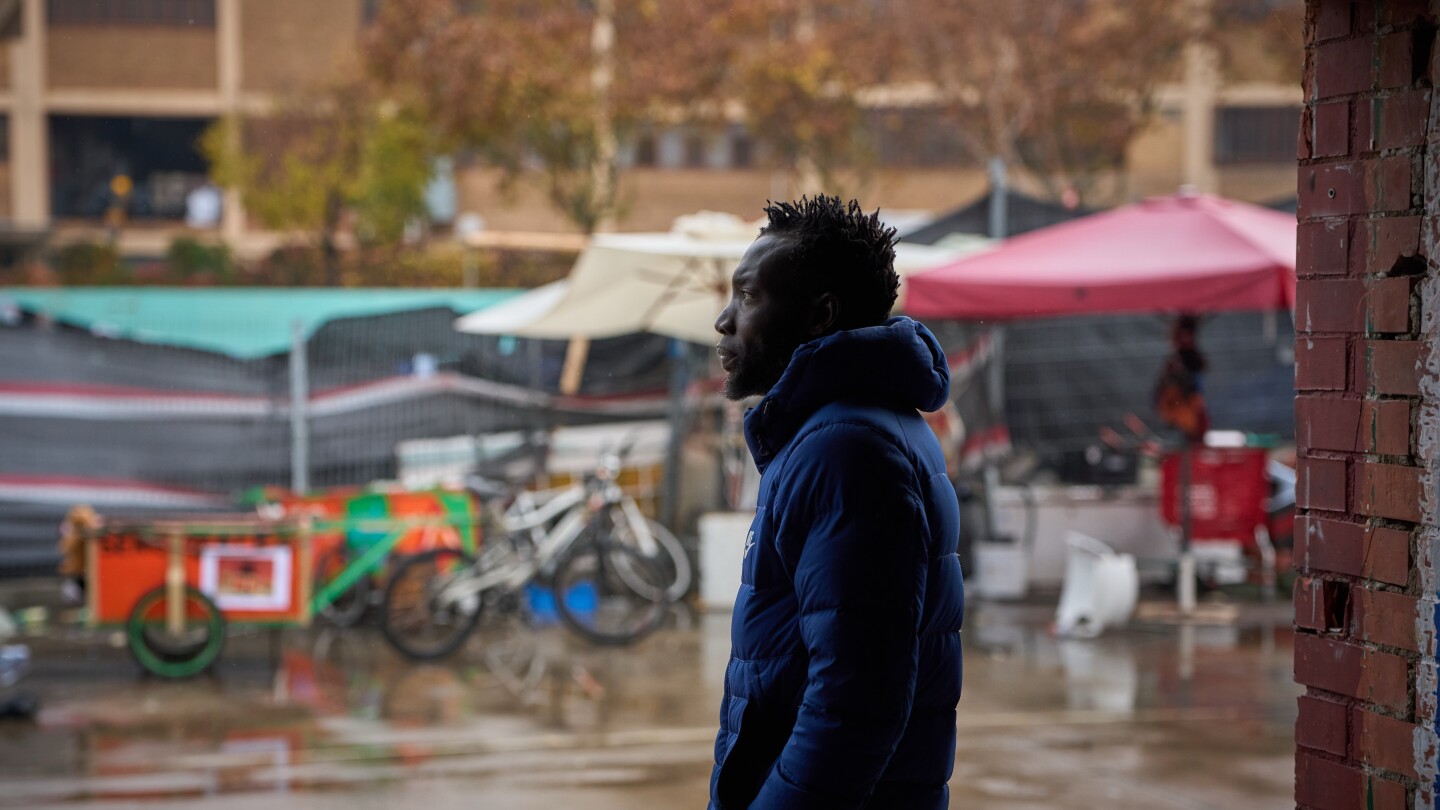
    Authorities in northeastern Spain executed a court-ordered eviction on Wednesday to clear an abandoned school building in Badalona that had been occupied by approximately 400 undocumented migrants. The operation, carried out by Catalonia’s regional police in riot gear, targeted the facility that had become an informal settlement for predominantly sub-Saharan migrants from Senegal and Gambia since its abandonment in 2023.

    Most occupants had vacated the premises anticipating the enforcement action, leaving the structure largely empty when officials arrived. Badalona Mayor Xavier García Albiol, known for his conservative anti-immigration stance, announced the operation via social media, characterizing it as fulfillment of his promise to address what the town hall deemed a public safety hazard.

    The evacuation highlights Spain’s ongoing challenges with migration and housing accessibility. Legal representative Marta Llonch, advocating for the displaced residents, revealed that many survived through informal scrap metal collection while others held legal residency but couldn’t secure affordable housing. Llonch warned that without alternative accommodation solutions, the eviction would simply transfer the humanitarian crisis to public spaces, creating new challenges for both the individuals and municipality.

    This incident echoes a 2020 tragedy in Badalona when a fire at another migrant-occupied factory resulted in four fatalities. Spain’s position on migration remains distinctive among Mediterranean nations, with the current left-wing government acknowledging migration’s contribution to economic growth despite increasing anti-immigration sentiments across Europe.