作者: admin

  • Iran, Russia vow to speed up implementing int’l transport route

    Iran, Russia vow to speed up implementing int’l transport route

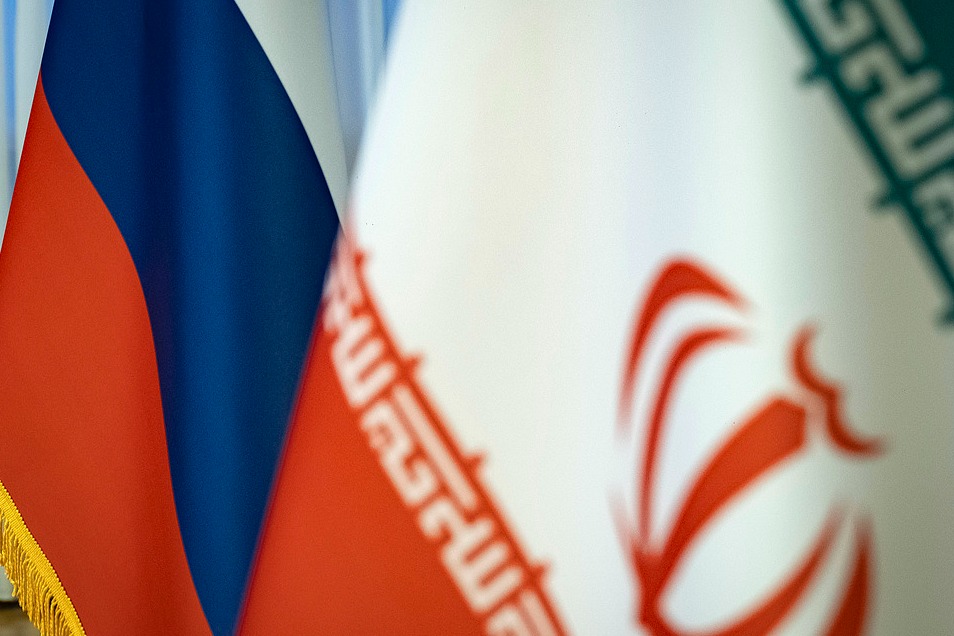
    TEHRAN – In a significant development for Eurasian connectivity, Iran and Russia have pledged to expedite the implementation of a major international transport corridor designed to link South Asia with Northern Europe. The commitment was solidified during high-level talks held in Tehran on Tuesday between Ali Larijani, Secretary of Iran’s Supreme National Security Council, and Vitaly Savelyev, Russia’s Deputy Prime Minister for Transport.

    The discussions centered on the International North-South Transport Corridor (INSTC), a multi-modal network of ship, rail, and road routes. Mr. Larijani emphasized Iran’s full preparedness to advance the project, declaring the nation’s intention to promptly eliminate existing executive and institutional hurdles. He confirmed that Iran would enact all necessary agreements to provide a robust legal and administrative foundation for the corridor’s construction and operation.

    Echoing this determination, Deputy Prime Minister Savelyev welcomed Iran’s decisive stance and affirmed Moscow’s readiness to transition the ambitious initiative into its operational phase. Both officials underscored that the INSTC represents a cornerstone of their joint strategic objective to fortify sustainable bilateral cooperation and establish independent regional supply chains, reducing reliance on traditional routes.

    The project gained substantial momentum in July 2023 when the two nations signed an executory contract for a critical 162-kilometer railway segment within Iran. This rail link, upon completion, will connect the northern Iranian cities of Rasht and Astara, forming a vital segment of the broader corridor and significantly enhancing freight capacity across the region.

  • Five of the greatest players never to win Afcon

    Five of the greatest players never to win Afcon

    As Mohamed Salah prepares for his fifth attempt at Africa Cup of Nations glory with Egypt in Morocco, the Liverpool superstar finds himself among an exclusive group of African football legends who never captured the continent’s most prestigious trophy. Despite his remarkable club success and individual accolades, the Nations Cup title remains the missing piece in Salah’s illustrious career.

    The Egyptian captain has experienced repeated heartbreak in the tournament since his 2011 international debut. Egypt’s most successful nation with seven titles has endured a drought since 2010, with Salah suffering final defeats in 2017 (against Cameroon) and 2021 (against Senegal), where he was denied even taking a penalty in the shootout. His campaigns have been marred by unexpected eliminations and injuries, most notably in 2023 when he watched from the sidelines as DR Congo eliminated his team.

    Salah joins a distinguished list of African greats who never lifted the trophy. Didier Drogba, despite his legendary status at Chelsea and nine goals in ten major finals for the Blues, twice captained Ivory Coast to final defeats in 2006 and 2012. His penalty misfires proved particularly costly, with missed opportunities in both championship matches.

    George Weah, the only African Ballon d’Or winner (1995), could not translate his individual brilliance into team success with Liberia. The nation made only two tournament appearances during his career, failing to advance from the group stage on both occasions despite Weah’s leadership.

    Nwankwo Kanu, the Nigerian maestro who won Champions League and UEFA Cup honors, experienced his Nations Cup nadir in the 2000 final against Cameroon. His missed penalty in the shootout denied Nigeria the title, and despite multiple semi-final appearances, the trophy remained beyond his reach.

    Michael Essien, Ghana’s midfield dynamo who won numerous trophies with Chelsea, never progressed beyond the semi-finals with the Black Stars. Injuries hampered several of his campaigns, including the 2010 tournament where he missed Ghana’s final defeat to Egypt.

    These stories highlight the unique challenge of international tournament football, where individual brilliance doesn’t always guarantee team success. As Salah mounts his latest attempt in Morocco, he carries not only Egypt’s hopes but also the legacy of these great players who never achieved Nations Cup glory.

  • Good news: Behind the scenes of some of the most uplifting stories of 2025

    Good news: Behind the scenes of some of the most uplifting stories of 2025

    In a year characterized by global turmoil and natural disasters, Associated Press journalists found themselves at the heart of extraordinary human moments that defined 2025’s most uplifting stories. From historic papal communications to Nobel Prize announcements and resilient celebrations, these professionals documented remarkable instances of perseverance and joy.

    The unprecedented election of America’s first pope, Leo XIV, created an immediate media frenzy. Video journalist Obed Lamy secured exclusive access to the pontiff’s brother, John Prevost, in suburban Chicago. During their interview, an unexpected call from the basement tablet revealed the newly appointed pope himself attempting to contact his brother. Lamy captured the intimate sibling conversation on speakerphone, where the world’s most powerful religious figure casually discussed family travel plans and accommodation uncertainties like any ordinary brother.

    Meanwhile, in Seattle, photographer Lindsey Wasson became an unexpected bearer of life-changing news. Arriving before dawn at scientist Mary E. Brunkow’s residence, Wasson informed her husband Ross about Mary’s Nobel Prize in Medicine achievement for her work on peripheral immune tolerance. Initially met with disbelief at the 3:45 AM interruption, the household quickly transformed into a celebration as the reality set in, with Wasson documenting the emotional transition from skepticism to overwhelming joy.

    In the Philippines, veteran photographer Aaron Favila braved catastrophic flooding from annual typhoons to document an inspiring wedding ceremony. Despite chest-deep waters, couple Jade Rick Verdillo and Jamaica proceeded with their nuptials at Barasoain Church north of Manila, symbolizing their resilience through life’s challenges. Favila hitched rides on rescue trucks through impassable floods to capture the complete ceremony, acting as both journalist and honorary wedding photographer.

    Southern California’s Palisades community demonstrated similar resilience when their youth theater group staged “Crazy for You” just weeks after wildfires destroyed their theater and many cast members’ homes. Reporter Jocelyn Gecker witnessed the powerful opening night where performers found solace in George and Ira Gershwin’s music, temporarily lifting the weight of their losses. The production garnered attention from the Gershwin family trust, who attended a performance and delivered a heartfelt letter applauding the group’s dedication and resilience.

    These interconnected stories, captured by AP journalists across different continents and circumstances, collectively illustrate humanity’s remarkable capacity to find light during darkness, celebrate amidst adversity, and maintain connections when they matter most.

  • Innovation sustains Beijing’s winter crayfish palate

    Innovation sustains Beijing’s winter crayfish palate

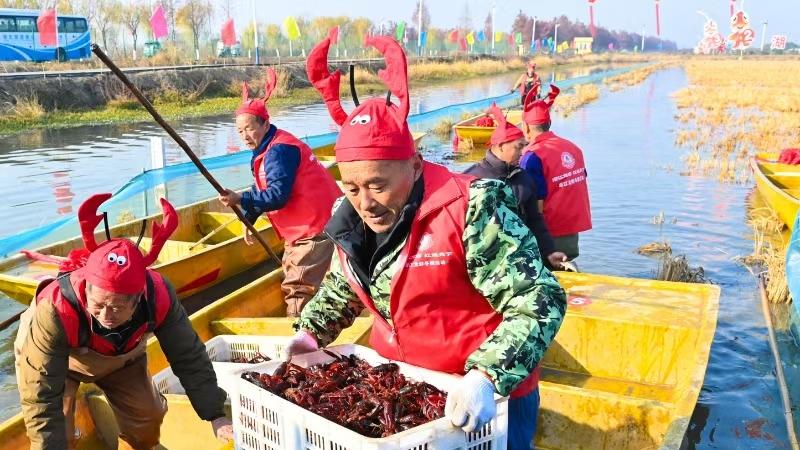
    A revolutionary advancement in aquaculture technology has transformed Beijing’s winter dining scene, enabling year-round availability of fresh crayfish—a delicacy previously confined to summer months. The culinary breakthrough originates from Qianjiang, Hubei province, where agricultural innovators have successfully overcome longstanding technical barriers in winter rice paddy co-cultivation systems.

    Despite recent snowfall blanketing Beijing’s streets, restaurants in popular dining districts like Sanlitun and Guijie Street now emanate the distinctive aroma of chili-oil and garlic-infused crayfish throughout the winter season. This unprecedented supply chain achievement marks a significant departure from traditional seasonal limitations that once restricted fresh crayfish availability during colder months.

    Agricultural authorities in Hubei province, responsible for nearly 40% of China’s total crayfish output, have implemented technological innovations that transitioned the industry from seasonal harvesting to continuous year-round production. The breakthrough specifically addresses winter farming challenges in integrated rice-crayfish agricultural systems, where low temperatures previously hindered large-scale production.

    According to Zhang Yun, director of the Qianjiang Crayfish Industry Promotion Center, the city’s winter output is projected to exceed 26,000 tons this year—representing a 30% year-on-year increase. Since November, Beijing has received a consistent daily supply of 11 tons of fresh winter crayfish, ensuring stable market availability.

    The economic implications extend beyond consumer benefits. Local farmers report substantial income improvements, with the new winter model generating approximately 30,000 yuan ($4,896) in additional net profit per hectare compared to traditional seasonal farming practices.

    Industry leaders including Wang Zhongwei, culinary research director at COFCO Group, celebrate this development as achieving ‘crayfish freedom’ for consumers. Restaurant associations note that the reliable supply of quality ingredients during winter months injects new vitality into Beijing’s culinary landscape, offering chefs and establishments previously unavailable menu options during the coldest season.

  • Don’t cross flooded wadis, UAE villagers warn as they remain on alert for heavy rains

    Don’t cross flooded wadis, UAE villagers warn as they remain on alert for heavy rains

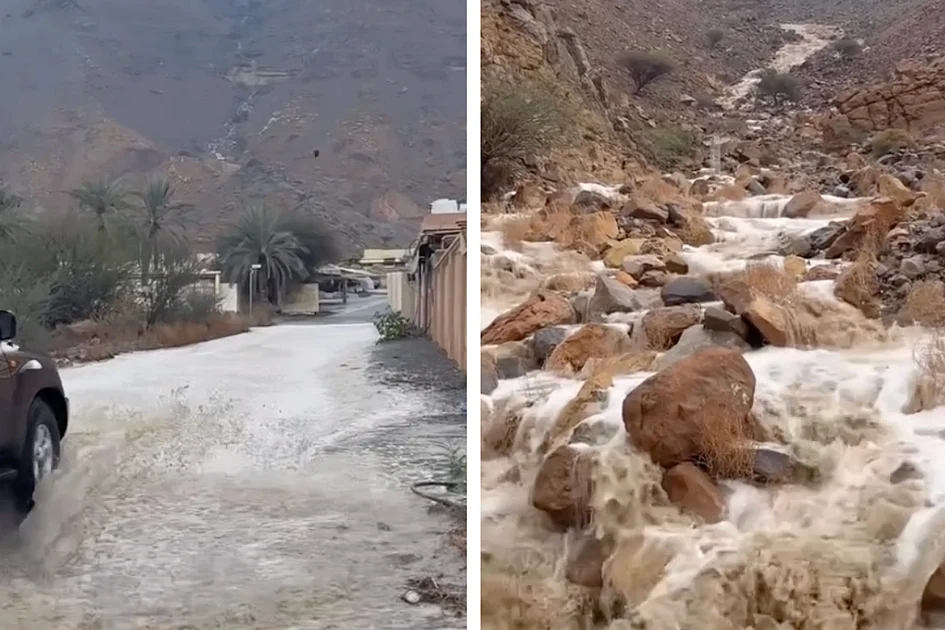
    Mountainous regions across the United Arab Emirates remain on high alert as unstable weather patterns continue to bring substantial rainfall to the Emirates this week, with villagers issuing stern warnings against crossing flooded wadis that transform into dangerous torrents within minutes.

    Residents of wadi communities in Ras Al Khaimah and Shawka areas, who have generations of experience dealing with flash floods, emphasize that while rainfall provides essential water for their agricultural operations, it simultaneously presents grave dangers to both life and property. These communities have developed sophisticated systems of vigilance and mutual support to navigate the recurring threat.

    Omar Ahmed Al Shehhi from Wadi Ghalila explained the immediate response protocol: ‘We begin cleaning ancient irrigation channels that direct wadi water into our farms immediately when rain is forecast.’ This traditional water sharing system allows farms to fill sequentially, ensuring equitable distribution of the precious resource.

    The community spirit serves as a critical defense mechanism against potential tragedies. Local residents actively communicate with visitors, warning them when they position themselves in dangerous locations or consider crossing flowing wadis. This intervention is particularly crucial as outsiders frequently underestimate the sudden and immense power of flash floods that can materialize without warning.

    During active flow conditions, a temporary lockdown effect takes hold in these communities. Residents avoid unnecessary travel to other areas until water levels subside, and those outside the region are advised to wait patiently rather than attempt dangerous crossings.

    Despite their extensive experience, the unpredictable nature of weather patterns still results in occasional losses. Al Shehhi noted that some residents have lost livestock when unexpected heavy rainfall caught them unprepared, forcing frantic efforts to move animals to higher ground.

    Musabbeh Saif from Shawka, an area where numerous wadis intersect with roads and residential zones, highlighted that while modern housing has been constructed further from main wadi channels, agricultural land remains vulnerable. ‘The wadis can affect farms in their path,’ he explained. ‘High water levels with strong flow can demolish farm walls and destroy crops.’

    The National Centre of Meteorology has forecast continued unstable weather across the UAE this week, with temperatures potentially dropping to 10°C in internal and mountain regions. Authorities have repeatedly urged the public to exercise extreme caution, avoid wadis and mountainous areas during rainfall, and refrain from attempting to cross flooded valleys.

  • Chinese research named among Physics World’s top 10 breakthroughs of 2025

    Chinese research named among Physics World’s top 10 breakthroughs of 2025

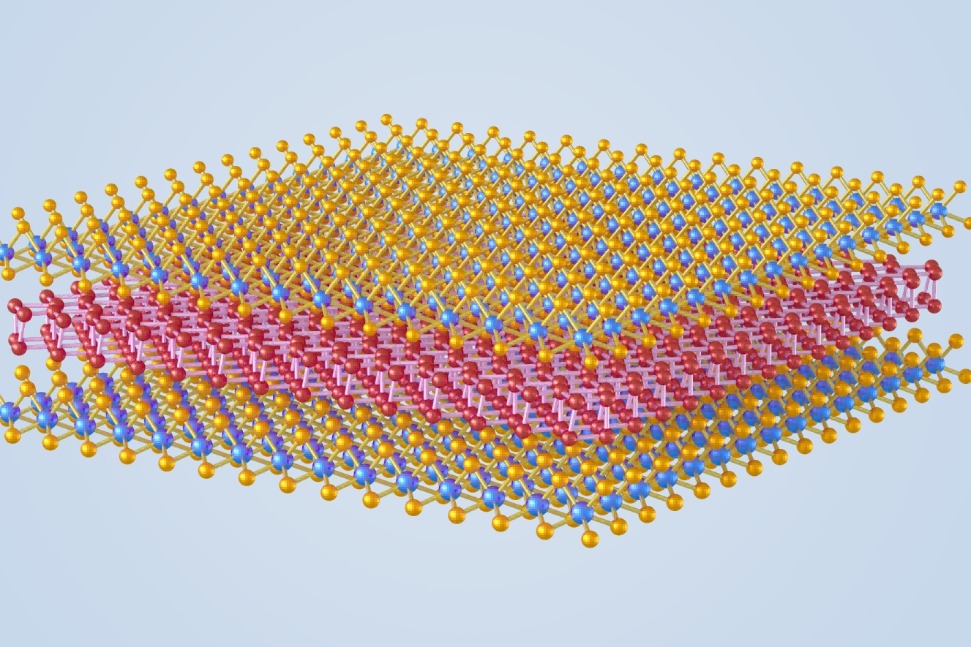
    In a landmark achievement for materials science, Chinese researchers have earned global recognition for creating the world’s first two-dimensional metals, an accomplishment long considered nearly unattainable. This groundbreaking work, led by a team at the Institute of Physics under the Chinese Academy of Sciences, has been selected among Physics World’s prestigious “Top 10 Breakthroughs for 2025.”

    The research, published in the renowned journal Nature in March 2025, represents a quantum leap in materials science that could potentially propel the next stage of human technological advancement. Since the discovery of monolayer graphene in 2004, 2D materials have fundamentally transformed scientific understanding of material properties and driven unprecedented innovations in condensed-matter physics.

    According to Professor Zhang Guangyu, the project’s lead scientist, creating 2D metals presented extraordinary challenges due to the strong metallic bonds between atoms that occur in all directions. “The metallic bonding nature made conventional approaches to 2D material synthesis ineffective,” Zhang explained. “We had to fundamentally rethink material fabrication at the atomic level.”

    The research team pioneered an innovative atomic-scale manufacturing technique called the van der Waals squeezing method, which enabled the creation of diverse 2D metals including bismuth, tin, lead, indium, and gallium. These ultra-thin materials measure just one millionth the thickness of a standard A4 paper sheet and approximately one 200,000th the diameter of a human hair.

    The implications of this breakthrough extend across multiple technological domains. These novel 2D metals could revolutionize numerous industries through ultra-micro low-power transistors, high-frequency communication devices, transparent display technology, ultra-sensitive detection systems, and highly efficient catalytic processes.

    Physics World, the flagship publication of the Institute of Physics (the professional body for physics in the UK and Ireland), annually recognizes achievements that demonstrate significant scientific importance, advance the frontiers of knowledge, and attract broad attention from the global physics community. The selection criteria emphasize rigorous scientific validation, seamless integration of theory and experiment, and profound implications for future research and applications.

  • 2 powers, 1 playbook: US-Chinese bureaucrats actually quite alike

    2 powers, 1 playbook: US-Chinese bureaucrats actually quite alike

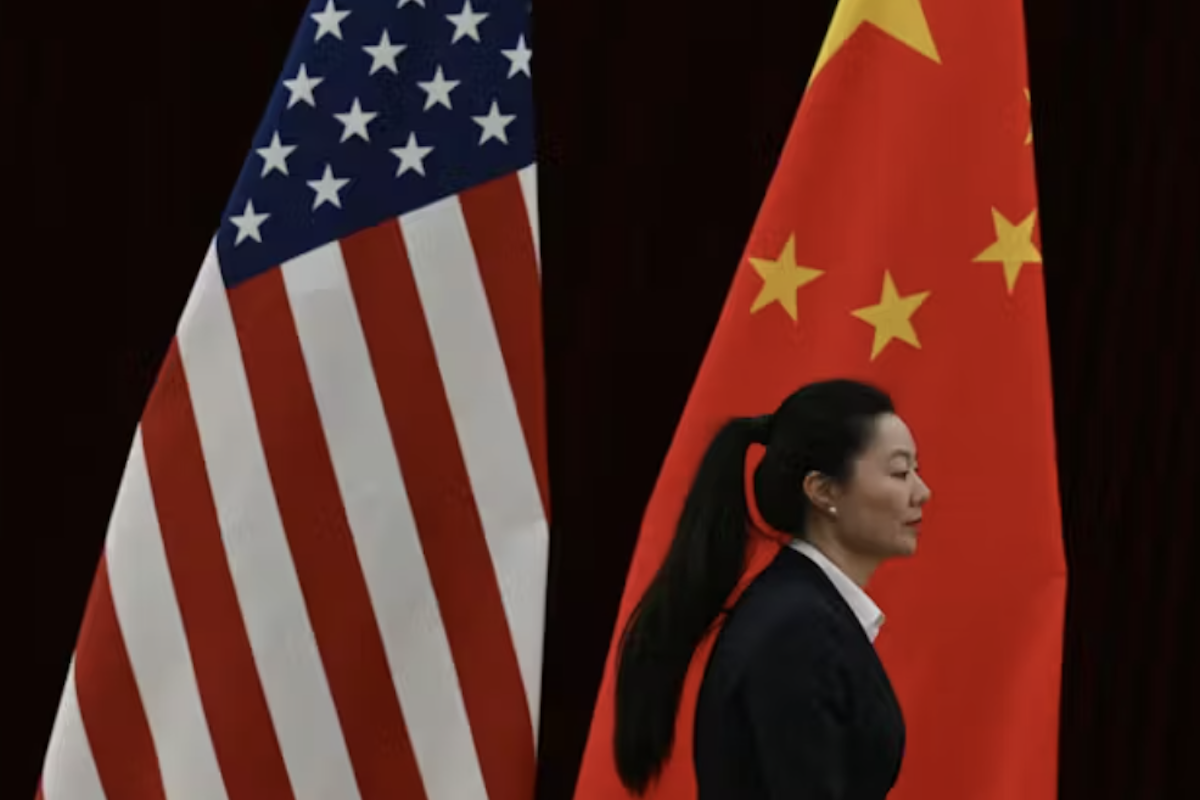
    Amid escalating tensions between the world’s two superpowers in 2025, a groundbreaking research study reveals that American and Chinese bureaucrats operate with remarkably similar motivations and behaviors despite their nations’ opposing political systems. The international research team, comprising scholars from China, the United States, and other countries, conducted a comprehensive comparative analysis of bureaucratic agencies’ responses to global challenges.

    The research demonstrates that while US-China relations have deteriorated due to tit-for-tat tariffs, rare earth element competition, and Indo-Pacific territorial disputes, the professional bureaucrats implementing policies in both countries share comparable career incentives and operational dynamics. This finding challenges the conventional narrative of an ideological clash between democracy and autocracy, suggesting instead that practical governance realities transcend political systems.

    China’s centralized bureaucracy employs approximately 8 million civil servants as of 2024, while the more decentralized US system maintains around 3 million federal employees. Despite these structural differences, comparative research indicates that civil servants worldwide respond to complex problems with similar approaches, constrained by organizational politics while pursuing individual career advancement.

    The study identifies three key areas demonstrating bureaucratic convergence: foreign aid practices, environmental management, and pandemic response. In foreign aid, both nations are moving toward middle ground—the US adopting more strategic financial diplomacy emphasizing national interests, while China shifts from large-scale infrastructure projects to ‘small but beautiful’ initiatives focused on beneficiary well-being.

    Environmental management cases reveal bureaucrats in both systems primarily motivated by blame avoidance. The research cites Hebei province’s anti-pollution measures and Flint, Michigan’s water crisis as examples where officials deflected responsibility rather than addressing policy failures directly.

    During the COVID-19 pandemic, both Chinese and American bureaucrats exhibited risk-averse behavior and career preservation instincts, despite China’s purported ‘authoritarian advantage.’ Bureaucratic delays in both systems had detrimental public health consequences, and both experienced declining public trust.

    The researchers note that the convergence extends to leadership styles, with both President Trump and President Xi employing campaign-style politics and cultivating personality cults. This bureaucratic similarity provides unexpected stability during geopolitical tensions, as administrative routines dissipate erratic political announcements and maintain operational predictability.

    The study concludes that while politics set the strategic direction, bureaucrats shape implementation reality—and their modus operandi remains driven more by practical incentives than ideological commitments, creating an anchor of stability in volatile US-China relations.

  • Putin warns that Russia will seek to extend its gains in Ukraine if peace talks fail

    Putin warns that Russia will seek to extend its gains in Ukraine if peace talks fail

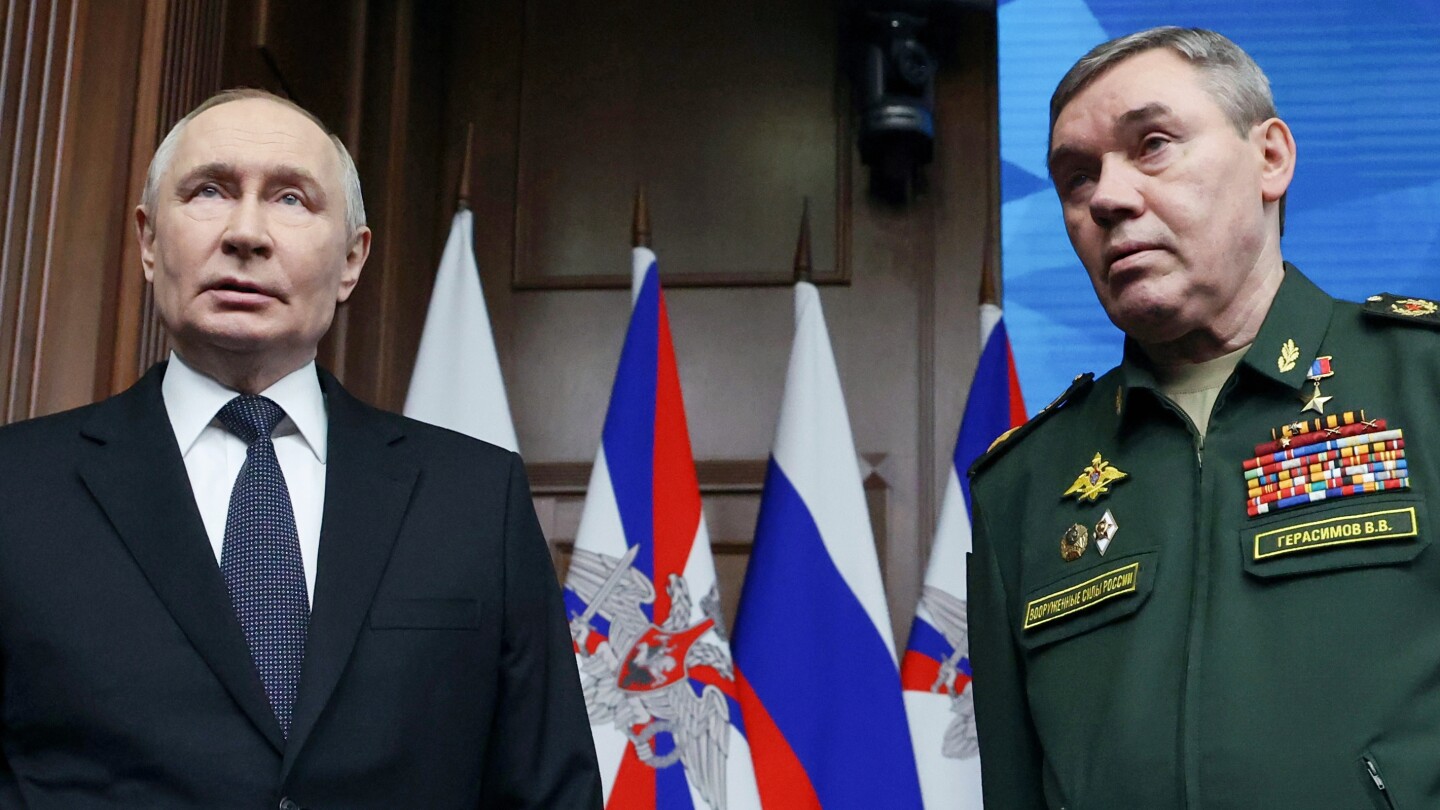
    Russian President Vladimir Putin delivered a stark warning during his annual address to military commanders on Wednesday, threatening to expand territorial gains in Ukraine unless Kyiv and Western allies acquiesce to Moscow’s conditions in ongoing peace negotiations.

    The Kremlin leader asserted that while Russia prefers diplomatic resolution to ‘eliminate the root causes of the conflict,’ military escalation remains imminent if opposing parties refuse substantive dialogue. ‘Russia will achieve the liberation of its historical lands by military means,’ Putin declared, emphasizing his forces’ strategic advantage across frontline positions.

    This belligerent rhetoric coincides with intensive diplomatic efforts led by U.S. President Donald Trump to resolve the nearly four-year conflict stemming from Russia’s full-scale February 2022 invasion. Washington’s mediation attempts confront fundamentally incompatible positions between the warring nations.

    Putin bolstered his threats with displays of military capability, highlighting Russia’s modernization of nuclear arsenals including the new nuclear-capable Oreshnik intermediate range ballistic missile scheduled for combat duty this month. The president boasted the missile’s alleged impregnability, referencing its November 2024 conventional strike on a Ukrainian facility.

    Moscow’s non-negotiable demands include: recognition of Russian sovereignty over four occupied regions plus Crimea (illegally annexed in 2014); Ukrainian withdrawal from additional eastern territories; permanent abandonment of NATO membership aspirations; and prohibition of NATO troop deployments—which Russia would consider ‘legitimate targets.’

    Ukrainian President Volodymyr Zelenskyy, following meetings with U.S. envoys in Berlin, characterized a draft peace proposal as ‘not perfect’ but ‘very workable.’ While expressing willingness to relinquish NATO membership in exchange for equivalent security guarantees, Zelenskyy firmly rejected ceding territories beyond current Russian control. The Ukrainian leader indicated potential presentation of finalized proposals to Moscow within days, though territorial sovereignty remains the critical unresolved issue.

    Western nations and Ukraine continue to regard Russia’s actions as violations of international sovereignty and unprovoked aggression, setting the stage for continued diplomatic stalemate amid heightened threats of military escalation.

  • Taiwan’s ban of mainland social media app a case of political manipulation: spokesperson

    Taiwan’s ban of mainland social media app a case of political manipulation: spokesperson

    BEIJING – Chinese mainland authorities have strongly criticized Taiwan’s recent prohibition of the popular social media application Rednote, characterizing the move as a politically motivated act of “double-standard” manipulation. The statement came from Zhu Fenglian, spokesperson for the State Council Taiwan Affairs Office, during a Wednesday press conference.

    Zhu explicitly dismissed Taiwan’s official justification of fraud prevention as merely a pretext concealing ulterior motives. She asserted that the genuine objective behind the ban aligns with separatist “Taiwan independence” agendas rather than legitimate regulatory concerns.

    The spokesperson emphasized that these restrictive measures effectively sever crucial communication channels across the Taiwan Strait, particularly impacting younger Taiwanese demographics. Zhu highlighted how the prohibition infringes upon fundamental rights to information access and digital platform freedom for Taiwan’s residents.

    According to Zhu, the controversial ban has already provoked substantial public discontent and opposition within Taiwan, especially among youth populations who value digital connectivity and cross-strait communication platforms. The spokesperson framed the incident as part of broader patterns of political manipulation that ultimately disadvantage ordinary Taiwanese citizens while advancing divisive political objectives.

  • Video: Couple in their 60s shot dead while trying to stop Bondi Beach attackers

    Video: Couple in their 60s shot dead while trying to stop Bondi Beach attackers

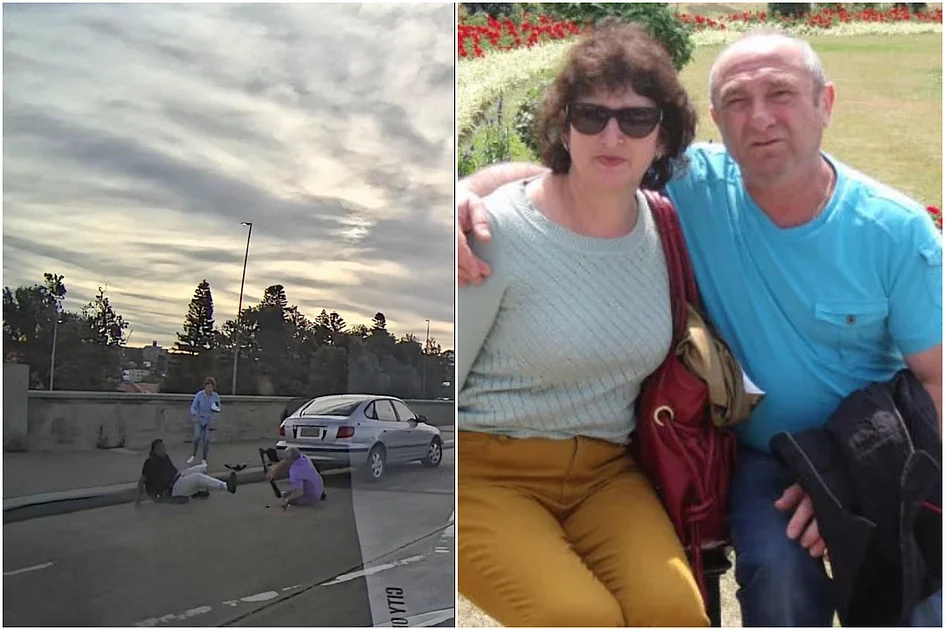
    In a devastating terrorist attack at Sydney’s Bondi Beach that claimed 15 lives, three civilians are being recognized for their extraordinary bravery in confronting armed assailants during Australia’s deadliest mass shooting in nearly three decades. Boris and Sofia Gurman, a Russian-Jewish couple in their sixties, were captured on dashcam footage physically engaging one gunman as he exited his vehicle, ultimately sacrificing their lives while attempting to disarm the attacker.

    The verified footage shows Mr. Gurman, wearing a lavender shirt and shorts, wrestling for control of a long-barrelled weapon with one assailant before both collapse behind a silver hatchback. Subsequent drone imagery reveals the couple lying motionless near the pedestrian bridge where police later neutralized the attackers. The couple’s family expressed overwhelming pride in their ‘bravery and selflessness’ despite the profound grief of their loss.

    Prime Minister Anthony Albanese identified the Gurmans among the victims of what authorities describe as an Islamic State-inspired terrorism act targeting the Jewish community. Officials allege a father-son duo perpetrated the attack during a Jewish holiday event.

    In a parallel act of courage, 62-year-old Reuven Morrison also lost his life after confronting the attackers. His daughter reported that Morrison immediately began throwing bricks and shouting at the assailant to protect his community. Social media footage corroborates his attempts to disrupt the violence before being fatally shot.

    The attack also produced another hero: Ahmed al Ahmed, a 43-year-old Muslim father of two, who successfully disarmed one gunman from behind despite sustaining gunshot wounds. His actions sparked an outpouring of public support, with donations for his medical recovery exceeding A$2.4 million. Ahmed remains hospitalized while the nation processes this tragedy that has united Australians across religious and ethnic divides.