作者: admin

  • Takeaways from The Associated Press report on Myanmar’s crackdown on cyberscam centers

    Takeaways from The Associated Press report on Myanmar’s crackdown on cyberscam centers

    Myanmar’s military junta has launched a highly publicized offensive against industrial-scale cyberscam operations within its borders, implementing a new “zero tolerance” policy that culminated in the raid and partial demolition of KK Park—a notorious compound emblematic of the country’s sprawling cybercrime industry. The dramatic measures come amid mounting international scrutiny preceding national elections, positioning the regime as committed to combating one of the world’s most profitable criminal enterprises.

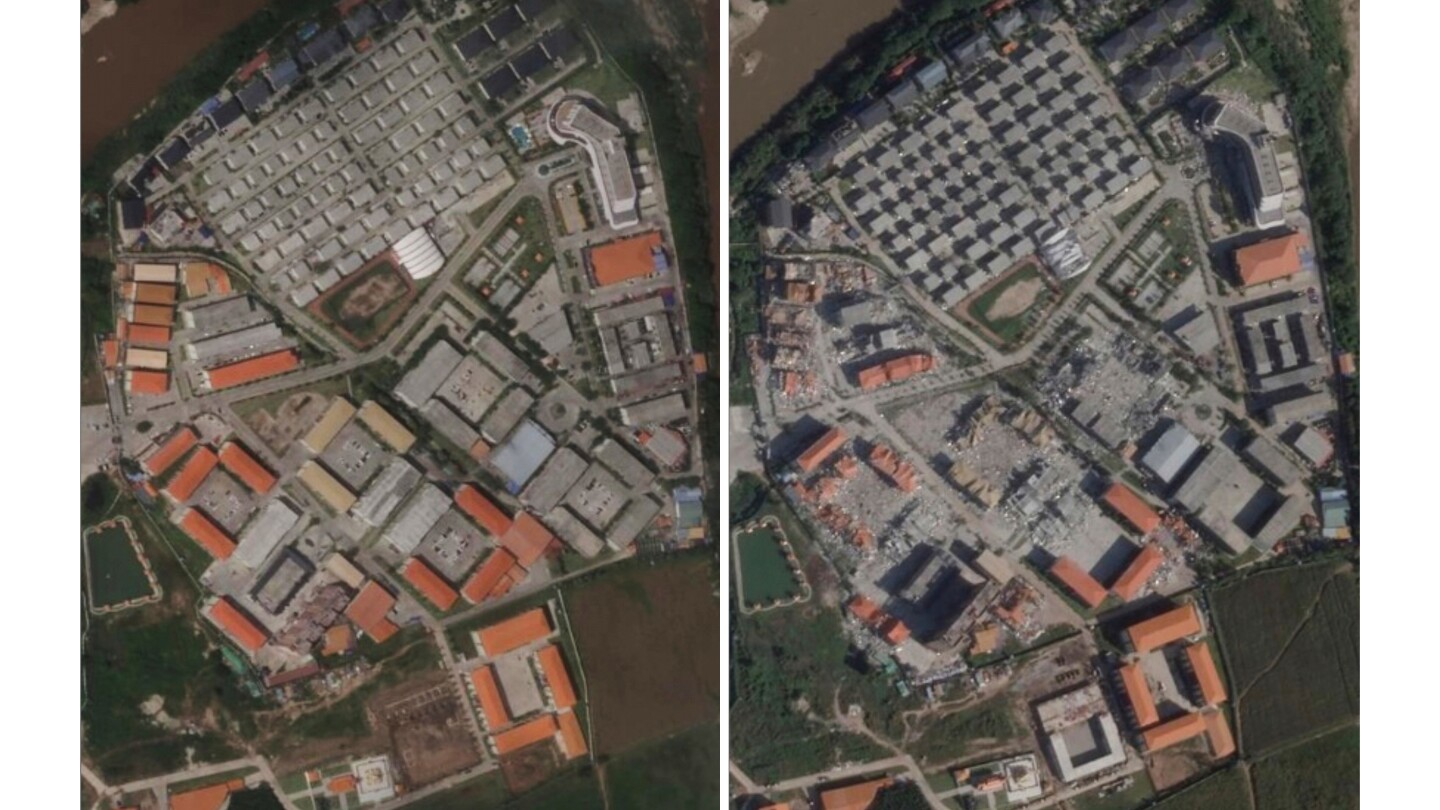
    Satellite imagery analysis conducted by the London-based Center for Information Resilience reveals a discrepancy between government claims and actual demolition outcomes. While authorities announced the complete demolition of 413 structures by December 13th, visual evidence indicates only 31 buildings were fully flattened, with at least 78 sustaining partial damage. Investigators note that heavy machinery primarily targeted lower floors, leaving roofs and internal structures largely intact—suggesting potential for future reconstruction and reuse.

    Historical patterns indicate this crackdown may represent more theater than substantive reform. Data from conflict analysis organization C4ADS demonstrates that previous raids conducted under Chinese pressure failed to curtail the industry’s expansion. Of 21 known scam compounds in Myawaddy Township, 14—including KK Park—have actually expanded since January. “This continued growth exemplifies the junta’s inability to rein in the industry,” noted C4ADS analyst Michael Di Girolamo.

    The human dimension remains particularly troubling. While Thai authorities report approximately 1,500 workers exiting through official channels, this represents a fraction of the estimated tens of thousands employed at KK Park alone. Telegram channels now buzz with relocation offers for displaced workers, many reportedly transferring to operations in Cambodia, Mauritius, and African nations. Current victims trapped in neighboring compounds describe uninterrupted operations despite government claims of widespread raids.

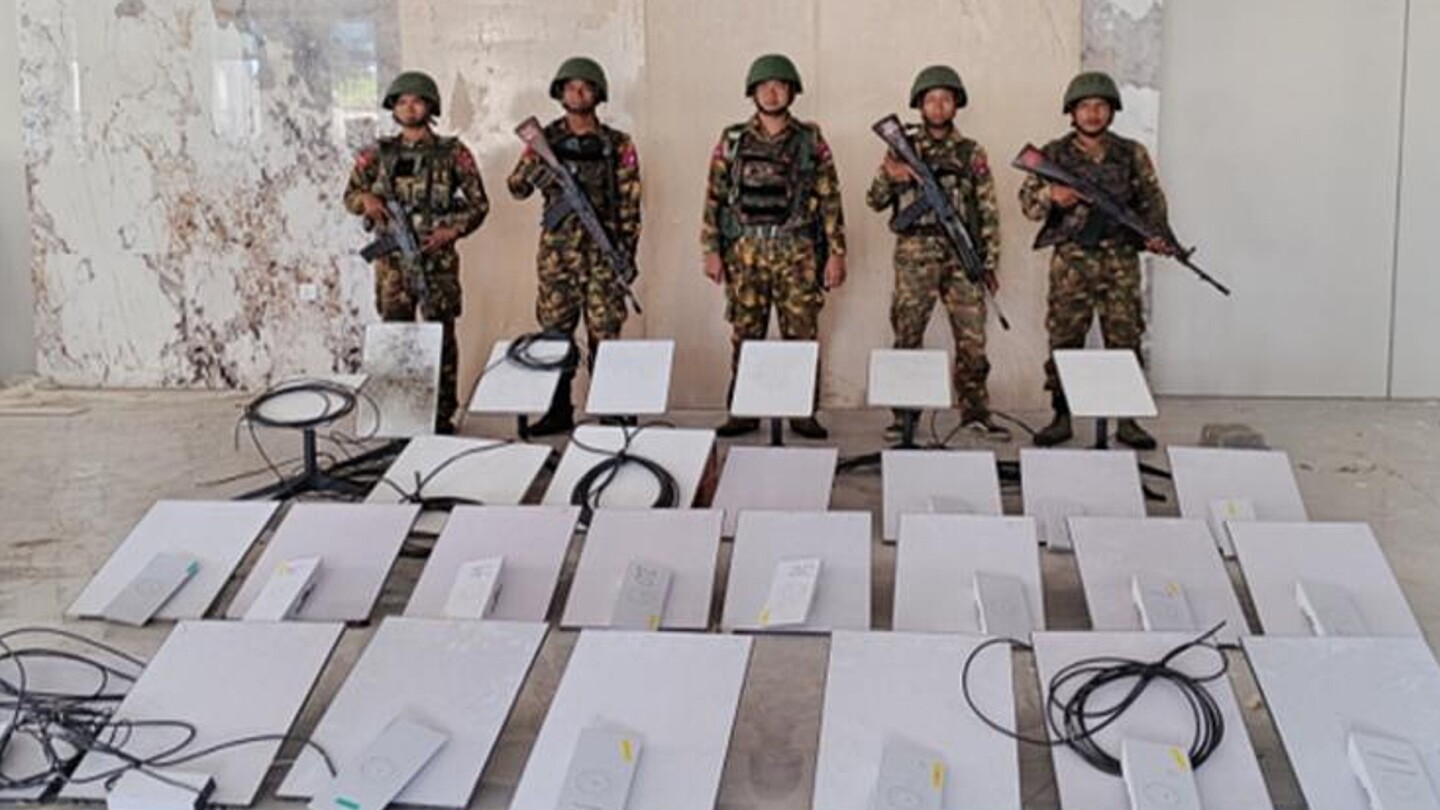
    Even technological countermeasures show limited effectiveness. Despite SpaceX deactivating over 2,500 Starlink units in Myanmar and state media showcasing confiscated equipment, workers at multiple compounds confirm continued access to the satellite internet service essential for their operations.

    With approximately 30 similar compounds operating along the Thailand-Myanmar border, including the notorious Shwe Kokko complex targeted by U.S. authorities, activists remain skeptical about the operation’s long-term impact. “This doesn’t constitute a genuine crackdown,” stated Jay Kritiya of the Civil Society Network for Human Trafficking Victim Assistance, capturing the prevailing sentiment that systemic change remains elusive despite surface-level demonstrations of enforcement.

  • Myanmar declares a “zero tolerance” policy for cyberscams. But the fraud goes on

    Myanmar declares a “zero tolerance” policy for cyberscams. But the fraud goes on

    Myanmar’s military junta has launched highly publicized operations against cyberscam compounds in what appears to be a response to mounting international pressure. The raid and subsequent demolition of KK Park—a notorious facility symbolizing the nation’s struggle against organized cybercrime—was broadcast as evidence of the government’s commitment to eradicate fraudulent operations.

    However, investigations reveal these actions may constitute more theater than substantive reform. Despite government claims of complete demolition, satellite imagery analysis indicates only 31 structures were fully leveled at KK Park, with at least 78 others sustaining partial damage. The London-based Center for Information Resilience notes that many buildings retain reconstructible elements, suggesting potential future reuse.

    The crackdown has triggered operational displacement rather than industry elimination. Current and former workers report thousands of employees scattering to alternative compounds within Myanmar and across borders. Telegram channels buzz with recruitment ads targeting displaced scammers, while operations continue uninterrupted at approximately 30 other facilities along the Thailand-Myanmar border.

    Critical infrastructure persists despite enforcement efforts. Multiple compounds continue utilizing Starlink internet services despite SpaceX’s announced ban, highlighting the challenge of controlling technology access. Meanwhile, construction and expansion activities have been documented at 14 of 21 known scam centers since January, including installations of solar panels for energy independence.

    Analysts attribute the persistence to deep institutional connections. U.S. and European sanctions notices indicate most border compounds operate under protection of the Karen Border Guard Force, which maintains affiliations with Myanmar’s military. Experts suggest the raids primarily serve to alleviate pressure from the United States and China while allowing criminal networks to adapt and relocate.

    The human toll remains staggering. While Thai authorities report approximately 1,500 workers escaping through official channels, tens of thousands remain unaccounted for. Trafficked individuals from Africa, Asia, and beyond continue awaiting rescue, with many transferred between compounds under duress. Distressing reports emerge of beaten workers pleading for assistance while criminal operations continue unabated.

  • Bijouterie Pala: Madagascar’s timeless ambassador of gemstone excellence

    Bijouterie Pala: Madagascar’s timeless ambassador of gemstone excellence

    Established in 1922, Bijouterie Pala has solidified its position as Madagascar’s premier jewelry maison, representing four generations of unparalleled artisanal excellence in gemstone craftsmanship. This century-old house has masterfully preserved its unique heritage while embracing innovation, positioning Madagascar as an emerging force in the global luxury jewelry market.

    The company’s distinguished reputation stems from its meticulous approach to every creation phase, from ethical gemstone selection to bespoke design implementation. Maintaining exclusive partnerships with trusted mining partners, Pala conducts rigorous on-site verification of mining conditions to ensure complete transparency and ethical compliance throughout its supply chain.

    Bijouterie Pala’s exquisite creations have garnered international acclaim, adorning royalty, heads of state, and global fashion influencers. Each piece reflects a sophisticated fusion of authentic Malagasy cultural identity with contemporary luxury aesthetics, creating a distinctive style that resonates across international markets.

    The brand has recently undertaken significant modernization initiatives, incorporating cutting-edge technology within its workshops while completely renovating its flagship showroom to enhance client experiences. These strategic investments demonstrate Pala’s commitment to maintaining traditional craftsmanship standards while meeting evolving luxury market expectations.

    “Our fundamental mission involves establishing Madagascar as a global benchmark for precious stones and luxury jewelry creation,” company representatives stated, emphasizing their dual role as cultural ambassadors and industry innovators.

    Through its balanced integration of heritage techniques, technological advancement, and ethically responsible sourcing practices, Bijouterie Pala continues to elevate Madagascar’s prominence within the competitive international luxury landscape, ensuring the nation’s gemological excellence receives worldwide recognition.

  • Jack Smith to testify to Congress about Trump prosecutions

    Jack Smith to testify to Congress about Trump prosecutions

    In a politically charged appearance on Capitol Hill, former Special Counsel Jack Smith testified before a congressional committee regarding his now-terminated criminal investigations into former President Donald Trump. The closed-door hearing, convened by the House Judiciary Committee, centered on allegations that Trump engaged in efforts to overturn the 2020 election results and mishandled classified documents.

    According to prepared statements, Smith intended to inform lawmakers that his investigation team had assembled proof beyond reasonable doubt demonstrating Trump’s involvement in what he characterized as a ‘criminal scheme’ to subvert democratic processes. The special counsel further planned to detail evidence suggesting Trump willfully retained classified materials and obstructed governmental efforts to recover them.

    The hearing occurs amidst heightened political tensions following Trump’s return to office. The former president has publicly demanded investigations against justice officials who previously charged him, including Smith, whom Trump has labeled a ‘criminal’ deserving imprisonment.

    House Judiciary Chairman Jim Jordan, a prominent Trump ally, previously criticized Smith’s investigations as ‘partisan and politically motivated.’ In an October correspondence, Jordan accused the veteran prosecutor of employing ‘disturbing tactics,’ including the subpoenaing of Republican lawmakers’ phone records during the election investigation.

    Despite Smith’s offer to testify publicly through his attorney Peter Koski, the committee opted for a closed session, preventing real-time public access to his testimony. Democrats on the committee, including Representative Jamie Raskin, expressed interest in understanding the full scope of Smith’s findings and investigative methods.

    The proceedings reflect ongoing tensions within the Justice Department, which recently saw the indictment and subsequent dismissal of charges against former FBI Director James Comey based on technical appointment issues.

  • Could artificial intelligence do holiday gift-shopping for you?

    Could artificial intelligence do holiday gift-shopping for you?

    The landscape of holiday gift-shopping is undergoing a radical transformation through artificial intelligence, with UAE consumers leading the adoption of AI-assisted purchasing solutions. Recent data from YouGov reveals compelling statistics: 29% of UAE shoppers express desire for AI to handle their holiday shopping, while 72% plan to utilize AI assistance during major sales events like the Dubai Shopping Festival. Notably, 34% of residents would entrust AI to select and purchase gifts for loved ones.

    This technological shift coincides with significant developments in the luxury retail sector. The appointment of Jonathan Anderson as Dior’s creative director has generated substantial social media engagement, with his Spring/Summer 2026 collection capturing the largest share of user-generated content during Paris fashion shows. The brand’s Lady Dior Art initiative, celebrating its tenth anniversary, features collaborations with international artists including Kuwait’s Alymamah Rashed, whose designs incorporate Kuwait’s natural landscapes and archaeological heritage through exquisite embroidery and three-dimensional floral motifs.

    The emergence of ‘Agentic Commerce’ represents the next evolutionary stage in retail technology. This paradigm enables AI agents to autonomously source products, compare prices, execute orders, and manage returns on behalf of consumers. Shopping-related queries on generative AI platforms witnessed an extraordinary 4,700% growth between 2024 and 2025, with ChatGPT alone accounting for 16% of Zara’s inbound referral traffic during summer 2025.

    Despite technological advancements, consumer sentiment reveals intriguing contradictions. While embracing AI’s practical benefits, 69% of UAE respondents believe algorithm-selected gifts lack the personal meaning of manually chosen presents. This dichotomy highlights the enduring value of personalized, artistically significant gifts that transcend algorithmic recommendations—exemplified by limited-edition creations that incorporate hidden poetic elements visible only to the owner.

    As Dubai Shopping Festival continues through January 11th, with Ramadan and Eid al-Fitr approaching subsequently, retailers are increasingly optimizing their large language models to engage an AI-literate consumer base. The convergence of technological convenience and artistic authenticity is redefining modern gifting culture in the region.

  • Polar bear mother adopts cub in rarely documented case

    Polar bear mother adopts cub in rarely documented case

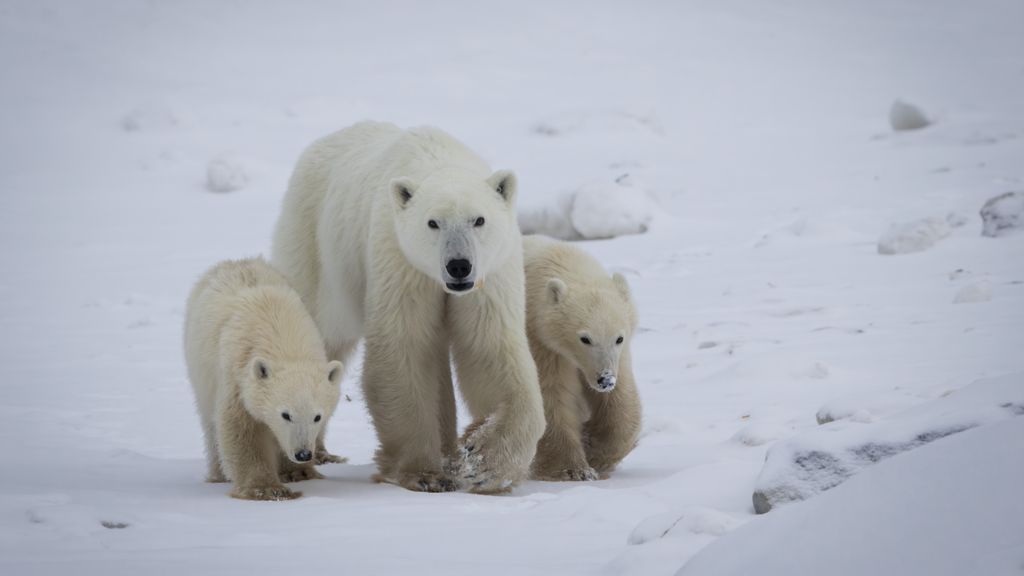
    Scientists conducting field research in northern Canada have documented an extraordinary behavioral phenomenon among polar bears during their annual migration near Churchill, Manitoba. A five-year-old female bear was observed caring for an additional cub that was not biologically her own, marking only the 13th confirmed case of adoption in nearly fifty years of scientific observation involving 4,600 bears.

    The mother bear was initially captured and tagged emerging from her maternity den in spring with a single cub, which researchers marked for identification. When researchers resighted the bear during the fall migration along the Western Hudson Bay, they discovered she was accompanied by two cubs—the originally tagged offspring and an untagged newcomer.

    Alyssa McCall, a scientist with Polar Bears International, characterized the behavior as highly unusual, noting that the scientific community has limited understanding of why such adoptions occur given their extreme rarity. Researchers are currently attempting to identify the adoptive cub’s biological mother through genetic analysis, though her fate remains unknown.

    Evan Richardson, a polar bear specialist with Environment and Climate Change Canada, emphasized the significance of this behavior in the context of climate challenges facing the species. With polar bears facing increasing environmental pressures, adoptive caregiving potentially enhances cub survival rates—particularly important given that wild polar bears only have a 50% chance of reaching adulthood.

    The adopted cub appears healthy and will likely remain with its new family until approximately two-and-a-half years of age. The bear family is expected to proceed to sea ice habitats where the mother will teach both cubs essential survival skills, including seal hunting techniques necessary for independent living.

    Researchers view this rare display of interspecific caregiving as a potentially adaptive behavior that could benefit polar bear population resilience in changing Arctic conditions.

  • Alliance of Open Life Science expands global reach with new membership invitations

    Alliance of Open Life Science expands global reach with new membership invitations

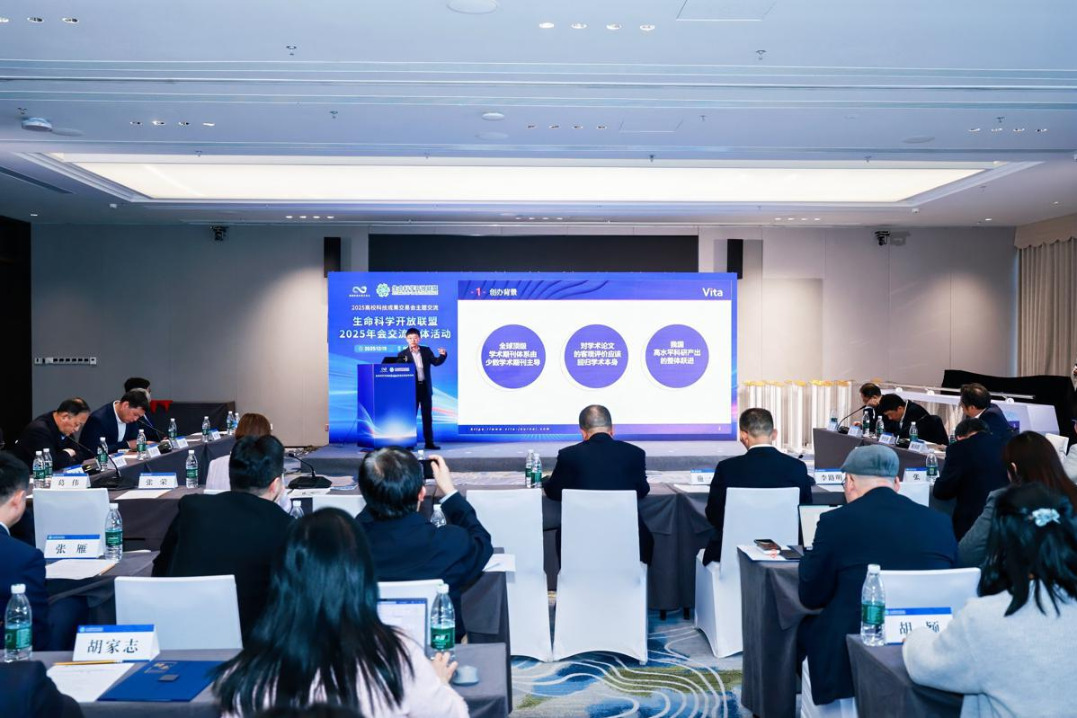
    The Alliance of Open Life Science has embarked on a significant global expansion initiative by extending membership invitations to 32 prestigious universities and research institutions worldwide. This development was announced during the alliance’s 2025 annual conference, which commenced in Guangzhou on Monday.

    Among the distinguished institutions receiving invitations are the University of Oxford and Imperial College London, representing a major step in China’s commitment to advancing international collaboration in life sciences. The alliance, an international non-profit academic community formed voluntarily by universities and research institutions, has already received positive responses from several invitees.

    The current gathering includes representatives from the alliance’s existing 33 member institutions. Academic leadership presented key developments, with CAS academician Jin Li, President of Fudan University, delivering the alliance’s work report. CAS academician Shi Yigong, President of Westlake University, outlined the development strategy for the alliance’s scientific journal.

    Addressing the critical needs of what it termed the ‘big science era,’ the alliance emphasized that global cooperation is essential for tackling fundamental questions about life origins and health mysteries. The organization is dedicated to establishing a worldwide innovation network and cooperation mechanism to drive breakthroughs across life science research, technological advancement, talent development, and industrial innovation.

    The conference also marked the induction of the alliance’s second cohort of new members. Since its establishment in August with 15 founding members—including Peking University, Tsinghua University, Fudan University, and Hong Kong University of Science and Technology—the alliance has grown to incorporate 18 additional institutions, now encompassing China’s premier life science research organizations.

    Guided by the principle that science transcends national boundaries, the alliance commits to developing high-quality public goods and promoting open science development in life sciences and technology for the benefit of human society worldwide.

  • UAE announces new age cut-off for KG, Grade 1 school admissions from next academic year

    UAE announces new age cut-off for KG, Grade 1 school admissions from next academic year

    In a significant educational policy shift, the United Arab Emirates has established a new standardized age requirement for kindergarten and Grade 1 admissions effective the 2026–2027 academic year. The Education, Human Development, and Community Development Council has approved December 31 of the admission year as the unified cut-off date, replacing the previous August 31 deadline.

    This transformative policy applies exclusively to new admissions, with current students remaining unaffected by the change. The regulation will govern all educational institutions commencing their academic year in August or September, while schools with April start dates will maintain March 31 as their cut-off.

    The comprehensive reform emerged from extensive analysis of national and international research examining child readiness across multiple developmental domains. Researchers evaluated cognitive abilities, socio-emotional maturity, language proficiency, and motor skills through examination of a substantial national dataset encompassing over 39,000 students. Surprisingly, the data revealed that early entrants occasionally demonstrated stronger academic performance, while those who enrolled later showed marginally lower outcomes.

    For transferring students and those arriving from international educational systems, placement will be determined by successfully completed grades and academic progression, following approved equivalency procedures. The policy accommodates various curricula including British, French, and other international systems with specific age alignments: Pre-KG at 3 years, KG1 at 4 years, KG2 at 5 years, and Grade 1 at 6 years—all calculated as of December 31.

    This strategic adjustment addresses longstanding parental concerns, particularly for children born immediately after the previous August 31 deadline who faced educational limbo—being simultaneously too young for formal schooling yet too old for preschool facilities. The reform aims to establish equitable access to early education, harmonize educational policies with international standards, and align with national development objectives while ensuring smoother transitions between diverse educational frameworks.

  • Senate voting on $901 billion defense bill that pushes Hegseth for boat strike video

    Senate voting on $901 billion defense bill that pushes Hegseth for boat strike video

    The U.S. Senate is poised to approve a sweeping $901 billion defense authorization bill that simultaneously advances President Trump’s military priorities while imposing significant congressional oversight mechanisms on the Pentagon. The National Defense Authorization Act (NDAA), spanning over 3,000 pages, received bipartisan support despite revealing substantive policy divisions between legislators and defense officials.

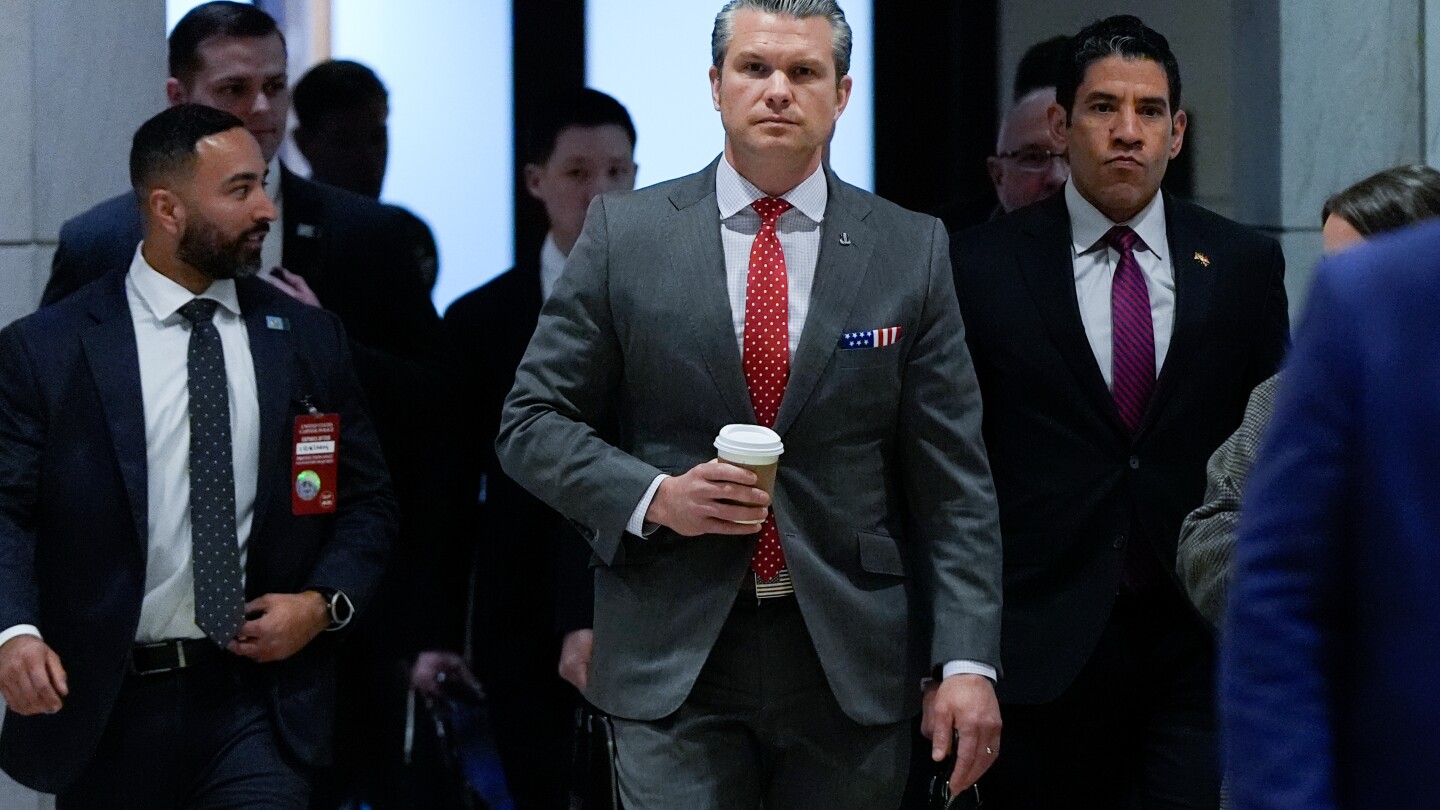
    The comprehensive legislation mandates a 3.8% pay increase for military personnel while compelling Defense Secretary Pete Hegseth to release classified footage of maritime strikes targeting drug trafficking vessels near Venezuela. The bill specifically threatens to withhold a quarter of the Secretary’s travel budget until unedited videos and operational orders are provided to armed services committees.

    Notably, the legislation counteracts several Pentagon initiatives by requiring maintenance of current troop levels in Europe (minimum 76,000 personnel) and preserving the 28,500-strong presence in South Korea. It additionally allocates $400 million annually for weapons manufacturing to support Ukraine, reflecting congressional pushback against administration decisions regarding Eastern European security.

    The NDAA incorporates several of President Trump’s executive orders, including the elimination of diversity, equity, and inclusion programs within military structures—a move projected to save approximately $40 million. Simultaneously, it slashes $1.6 billion from climate-change related defense initiatives, despite military assessments identifying climate threats to national security infrastructure.

    Historically significant provisions include the repeal of the 2003 Iraq invasion authorization and the 1991 Gulf War authorization, effectively closing legal chapters from previous conflicts. The legislation also permanently lifts U.S. sanctions on Syria, aligning with administration efforts to support economic reconstruction under the new government.

    Aviation safety concerns emerged as a contentious aspect, with the bill permitting military aircraft waivers for precise location broadcasting—a provision criticized following January’s fatal midair collision that claimed 67 lives. Senator Ted Cruz announced plans for separate legislation mandating enhanced location-sharing protocols for military aircraft.

    The compromise legislation enhances congressional notification requirements for troop reductions, intelligence sharing modifications, and high-level military personnel changes, reflecting increased legislative scrutiny of defense decision-making.

  • Driving growth through innovation, partnerships, and sustainable development

    Driving growth through innovation, partnerships, and sustainable development

    For more than three decades, Luceo Group has successfully merged Madagascar’s extraordinary natural resources with global business expertise, establishing itself as a multifaceted conglomerate driving economic growth while prioritizing community empowerment. Operating across four distinct sectors—Home & Lifestyle Retail, Distribution & Large Retail, Hospitality & Hotel Management, and Health, Pharmaceuticals, Cosmetics, and Aromatherapy—the organization employs over 1,000 people while maintaining core values of leadership, unity, commitment, and openness.

    The group’s retail division has revolutionized Madagascar’s home improvement market through flagship brands ABC by Bricorama and BUT, providing comprehensive solutions ranging from construction materials to premium furniture. These establishments have fundamentally changed how Malagasy families approach home building and furnishing, making quality products accessible across the nation.

    In a strategic move within the hospitality sector, Luceo Group has partnered with Marriott International to introduce world-class service standards to Madagascar. The forthcoming Delta Hotels by Marriott Antananarivo represents a significant elevation of the country’s hospitality offerings while maintaining respect for local cultural and environmental considerations.

    The health and wellness division, operating under Homeopharma, leverages Madagascar’s remarkable biodiversity to develop high-value natural products. By collaborating directly with local farmers, the group ensures fair income distribution, proper agricultural training, and sustainable sourcing practices. This model effectively combines industrial excellence with environmental stewardship, generating lasting community benefits while delivering premium natural health solutions to the market.

    Throughout its diverse operations, Luceo Group maintains a consistent commitment to balancing modernity with tradition, progress with responsibility, and international standards with local engagement. The organization’s long-term vision remains firmly rooted in sustainability principles, social impact initiatives, and quality experiences across all business verticals, positioning itself as both an economic force and a catalyst for positive change in Madagascar.