作者: admin

  • Rights groups denounce ‘impunity’ in Tunisia after man dies following police brutality

    Rights groups denounce ‘impunity’ in Tunisia after man dies following police brutality

    Human rights organizations in Tunisia are demanding justice and systemic reform following the death of a young man who sustained fatal injuries during a police encounter in Kairouan. The incident has ignited public outrage and drawn attention to longstanding issues of police impunity in the North African nation.

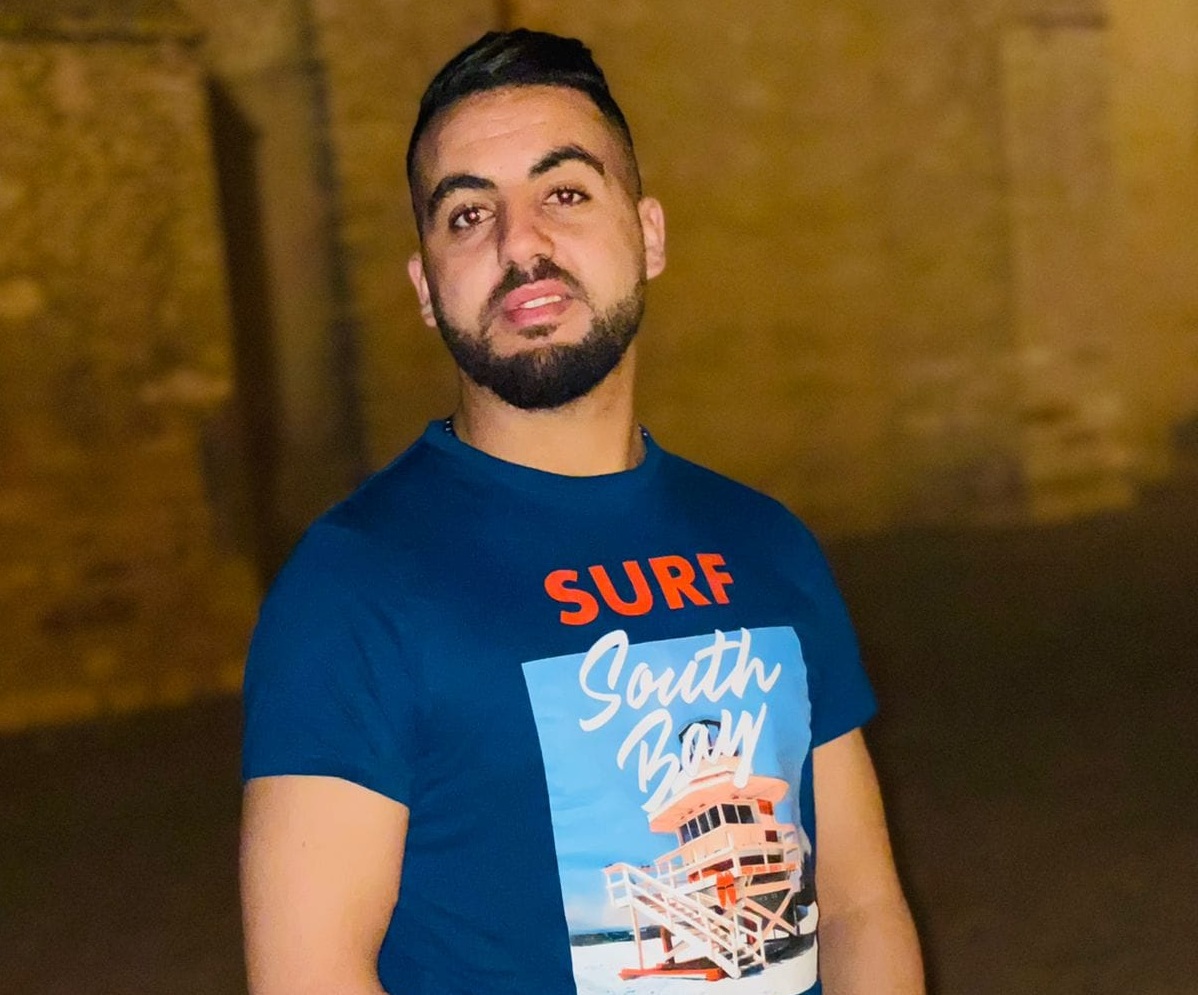
    Naim Briki, a thirty-year-old motorcycle rider, died on December 12th from severe head trauma and intracranial hemorrhage days after allegedly attempting to evade a police checkpoint on November 22nd. According to family accounts, Briki was violently beaten by multiple officers following a collision with a police vehicle during the pursuit. Photographic evidence released by the family reveals extensive facial injuries and significant swelling.

    In a powerful joint statement, the Tunisian Forum for Economic and Social Rights (FTDES), the Tunisian League for Human Rights (LTDH), and several other NGOs condemned what they described as “recurring tragedies linked to systematic police violence.” The organizations highlighted the persistent culture of impunity within law enforcement agencies that has allowed such incidents to continue unchecked.

    Independent media outlet Inkyfada reports that at least 31 individuals have died at the hands of police since 2011, when mass protests toppled former President Zine el-Abidine Ben Ali and ignited the Arab Spring movement. Their investigation documents eight demonstration-related deaths, seven fatalities following police chases, and four deaths resulting from excessive force within police stations.

    The problem extends beyond fatal encounters. According to Amnesty International, hundreds of complaints have been filed against Tunisian police for human rights violations and torture, with virtually none of the victims receiving fair trials. The organization notes that most investigations into security forces never progress beyond preliminary inquiries.

    This climate of impunity has reportedly worsened since President Kais Saied’s July 2021 power grab, which dismantled checks and balances and intensified repression of dissenting voices. Rights defenders now fear a return to the police state tactics that characterized the Ben Ali era.

    The announcement of Briki’s death sparked immediate protests in downtown Kairouan, where demonstrators clashed with security forces, threw projectiles, blockaded roads, and burned tires. Local media reported over 21 arrests related to the unrest, though 17 individuals were subsequently released while four remain detained under arrest warrants.

    In response to mounting pressure, the public prosecutor’s office announced Monday the opening of a judicial inquiry into Briki’s death. Meanwhile, rights organizations continue to demand transparent investigations, an end to impunity for police violence, and genuine reform within security forces.

  • Zen launches digital finance platform to advance real-world asset tokenisation

    Zen launches digital finance platform to advance real-world asset tokenisation

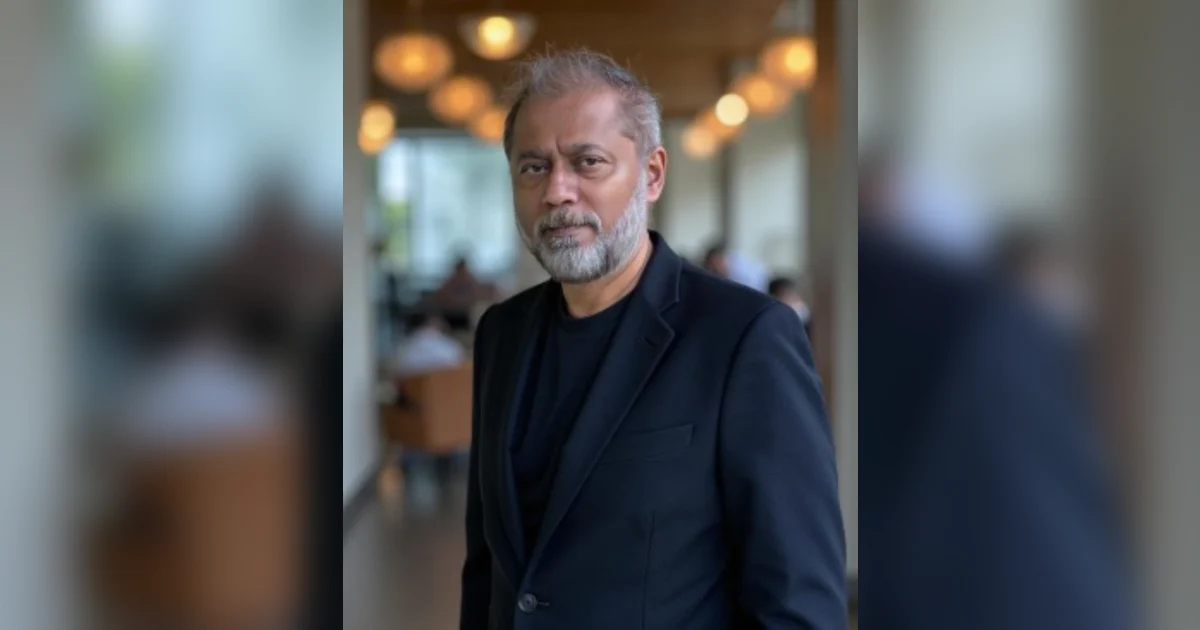
    In a significant development for digital finance, Zen has officially launched its innovative platform dedicated to transforming real-world assets into compliant digital tokens. Founded by seasoned entrepreneur Aniket Warty, whose career spans over four decades, the platform emerges as a sophisticated ecosystem prioritizing value creation, operational transparency, and long-term market resilience.

    The core of Zen’s infrastructure is Atlas Rails, a robust transaction system that seamlessly integrates the platform’s various verticals—ZenX, ZenTokenize, ZenPay, and ZenOTC—into a unified, programmable settlement layer. This architecture supports the entire lifecycle of asset tokenization, facilitating the conversion of tangible and intangible assets—including real estate, private equity, debt instruments, art, and intellectual property—into liquid digital positions.

    Atlas Rails is engineered to manage onboarding, risk assessment, payment routing, foreign exchange, settlement, and post-trade reconciliation. Its modular design allows integration with card issuance systems, digital wallets, and liquidity management tools, ensuring both operational flexibility and regulatory compliance.

    Zen distinguishes itself by addressing longstanding barriers to the adoption of tokenized assets within traditional finance, such as regulatory uncertainty and market volatility. The platform is built to endure different market cycles, offering institutional-grade security and stability that appeal to investors and asset owners alike.

    Aniket Warty, leveraging his extensive background in venture capital, private equity, and digital finance, applied first-principles thinking to develop Zen. His approach ensures the platform treats liquidity and tokenization as operational rather than speculative functions, aligning with the practical needs of institutions and creators.

    By bridging conventional asset markets with programmable digital finance rails, Zen provides a streamlined environment for asset issuance, trading, payments, and custody, marking a pivotal step toward the future of finance.

  • Watch: Trump attends dignified transfer for Americans killed in Syria

    Watch: Trump attends dignified transfer for Americans killed in Syria

    President Donald Trump made a solemn journey to Delaware’s Dover Air Force Base on Friday to participate in the dignified transfer ceremony honoring three American patriots killed in a hostile engagement in Syria. The fallen include two US service members and a civilian defense department interpreter who lost their lives during a routine patrol in the northern city of Manbij when their convoy was ambushed by an Islamic State militant.

    The attack represents the deadliest confrontation for US forces in Syria since American troops commenced operations against the terrorist organization in 2015. The dignified transfer ceremony, a profoundly moving military tradition, saw the President and First Lady Melania Trump standing in respectful silence as flag-draped transfer cases carrying the remains of the deceased were carefully moved from a military aircraft to a waiting vehicle.

    This poignant event occurs amid ongoing discussions regarding the future of US military presence in Syria, following President Trump’s December announcement of a planned withdrawal of approximately 2,000 troops from the region. Defense officials have emphasized that despite this tragic incident, the campaign against ISIS continues with undiminished determination, though they acknowledge the terrorist organization still maintains some operational capabilities within the region.

    The fallen individuals, whose identities are being withheld pending family notifications, exemplified extraordinary bravery in serving their nation against global terrorism. Their sacrifice underscores the persistent dangers that American personnel face even as ISIS has lost virtually all of its formerly controlled territory.

  • British police forces to make arrests over ‘globalise the intifada’ chants

    British police forces to make arrests over ‘globalise the intifada’ chants

    In a significant policy shift, the Metropolitan Police and Greater Manchester Police have declared that chanting the phrase ‘globalise the intifada’ or displaying it on placards at protests will now result in arrests. The announcement, made on Wednesday, follows the recent antisemitic massacre at Bondi Beach in Australia that killed 15 people and wounded 40 during Hanukkah celebrations.

    Police authorities stated: ‘Violent acts have taken place, the context has changed – words have meaning and consequence. We will act decisively and make arrests.’ The forces indicated that frontline officers will receive specific briefing on this enhanced approach, which will include utilizing Public Order Act powers to implement protective conditions around London synagogues during services.

    The move has received support from the Board of Deputies of British Jews, which welcomed it as a ‘necessary intervention’ following their repeated urging. Health Secretary Wes Streeting previously claimed the chant was linked to terrorism, while British Chief Rabbi Ephraim Mirvis stated such chants ‘incite hatred and inspire people to engage in hate action,’ connecting them directly to the Bondi Beach attack.

    However, pro-Palestine activists and civil society organizations have strongly contested these characterizations. Ben Jamal, director of the Palestine Solidarity Campaign, criticized what he called ‘the widespread attempt across the political establishment to use a grotesque and indefensible violent antisemitic massacre as a weapon to further repress those protesting for the rights of Palestinian people.’

    Ismail Patel, chair of Friends of Al-Aqsa, explained that ‘intifada’ means ‘to shake off the Israeli occupation’ and argued that ‘globalising the intifada is simply a way of expressing global solidarity with efforts to end an illegal Israeli occupation.’ The term originates from the Arabic root ‘nafada,’ meaning ‘to shake off’ or ‘to rise up,’ and has been applied to both peaceful uprisings and armed resistance movements throughout Arab history.

  • With freebies, OpenAI, Google vie for Indian users and training data

    With freebies, OpenAI, Google vie for Indian users and training data

    In an unprecedented strategic maneuver, global AI giants OpenAI, Google, and Perplexity have launched an aggressive campaign to capture India’s massive user base through complimentary premium subscriptions. This calculated initiative represents more than mere user acquisition—it constitutes a crucial effort to gather diverse multilingual training data from the world’s most populous nation.

    Market intelligence from Sensor Tower reveals staggering adoption metrics: ChatGPT now commands 73 million daily users in India, more than double its U.S. user base, following a remarkable 607% year-on-year surge. Similarly, Google’s Gemini has experienced a 15% growth spike since November, reaching 17 million Indian daily users compared to just 3 million in the United States.

    The strategic free offerings are substantial: Google provides its $400 Gemini AI Pro subscription at no cost for 18 months to 500 million Reliance Jio subscribers. OpenAI has made its ChatGPT Go plan completely free for one year across India, previously priced at $54 locally. Perplexity has similarly waived its $200 annual Pro subscription fee for Airtel telecommunications users.

    Behind these generous offers lies a critical data acquisition strategy. Five AI analysts confirm that India’s linguistic diversity presents a unique training opportunity for AI models. The complex communication patterns, multiple languages, and distinctive dialects characteristic of Indian users provide invaluable data that current training sets lack.

    Sagar Vishnoi, co-founder of Future Shift Labs, explains: ‘These complimentary initiatives effectively address gaps in AI training datasets that currently lack comprehensive information on regional user behavior patterns.’

    The approach leverages India’s exceptional digital landscape: 730 million smartphone users consuming 21 gigabytes of data monthly at just 9.2 cents per gigabyte—among the world’s most affordable mobile data rates. This price sensitivity has historically responded well to free access models, as demonstrated by Reliance’s successful customer acquisition strategies.

    While users like Hyderabad PhD student Anees Hassan enthusiastically utilize these tools for research and presentation tasks, concerns regarding data harvesting practices persist. Hassan acknowledges implementing opt-out features to prevent his data from contributing to AI training, highlighting the privacy considerations accompanying these free access programs.

  • Eurovision announces it won’t censor boos against Israel amid boycott calls

    Eurovision announces it won’t censor boos against Israel amid boycott calls

    Austrian public broadcaster ORF, host of the 2026 Eurovision Song Contest, has declared it will not censor audience booing directed at Israel’s performance, breaking from previous contest practices. The announcement comes as the popular music spectacle faces unprecedented controversy over Israel’s participation amid the ongoing conflict in Gaza.

    Stefanie Groiss-Horowitz, ORF’s programming director, stated unequivocally that the broadcaster would not employ artificial applause to mask audience disapproval. “We won’t play artificial applause over it at any point,” she confirmed on Tuesday, referencing the controversy that surrounded Israel’s semi-final performance in the 2024 competition.

    The ORF further clarified that all official flags complying with security parameters would be permitted in the audience, widely interpreted as allowing Palestinian flags—a reversal from the 2024 policy that sparked significant backlash when Palestinian symbols were prohibited.

    The contest faces its most severe crisis in its 70-year history, with five European nations—Spain, Ireland, Slovenia, Netherlands, and Iceland—already announcing boycotts of the 2026 event. Ireland’s national broadcaster RTE called Israel’s participation “unconscionable given the appalling loss of lives in Gaza and the humanitarian crisis.”

    Executive producer Michael Kroen acknowledged the challenges, stating organizers aim not to “sugarcoat anything or avoid showing what is happening, because our task is to show things as they are.”

    The European Broadcasting Union (EBU) faces accusations of hypocrisy for its differing treatment of Russia and Israel. Russia was banned from the contest following its 2022 invasion of Ukraine, while Israel continues to participate despite mounting international condemnation.

    Nemo, winner of Eurovision 2024, returned their trophy in protest last week, stating: “The contest was repeatedly used to soften the image of a state accused of severe wrongdoing, all while the EBU insisted Eurovision is ‘non-political’.”

    In response to voting manipulation concerns from the 2024 competition, where Israel unexpectedly topped the public vote, organizers have implemented new measures to “discourage disproportionate promotion campaigns” by third parties, including governments.

    The 2026 contest will feature only 35 participants, the lowest number since 2003, reflecting the growing diplomatic tensions surrounding the event.

  • Foreign Office adviser urged Cameron to support Karim Khan days before he threatened prosecutor

    Foreign Office adviser urged Cameron to support Karim Khan days before he threatened prosecutor

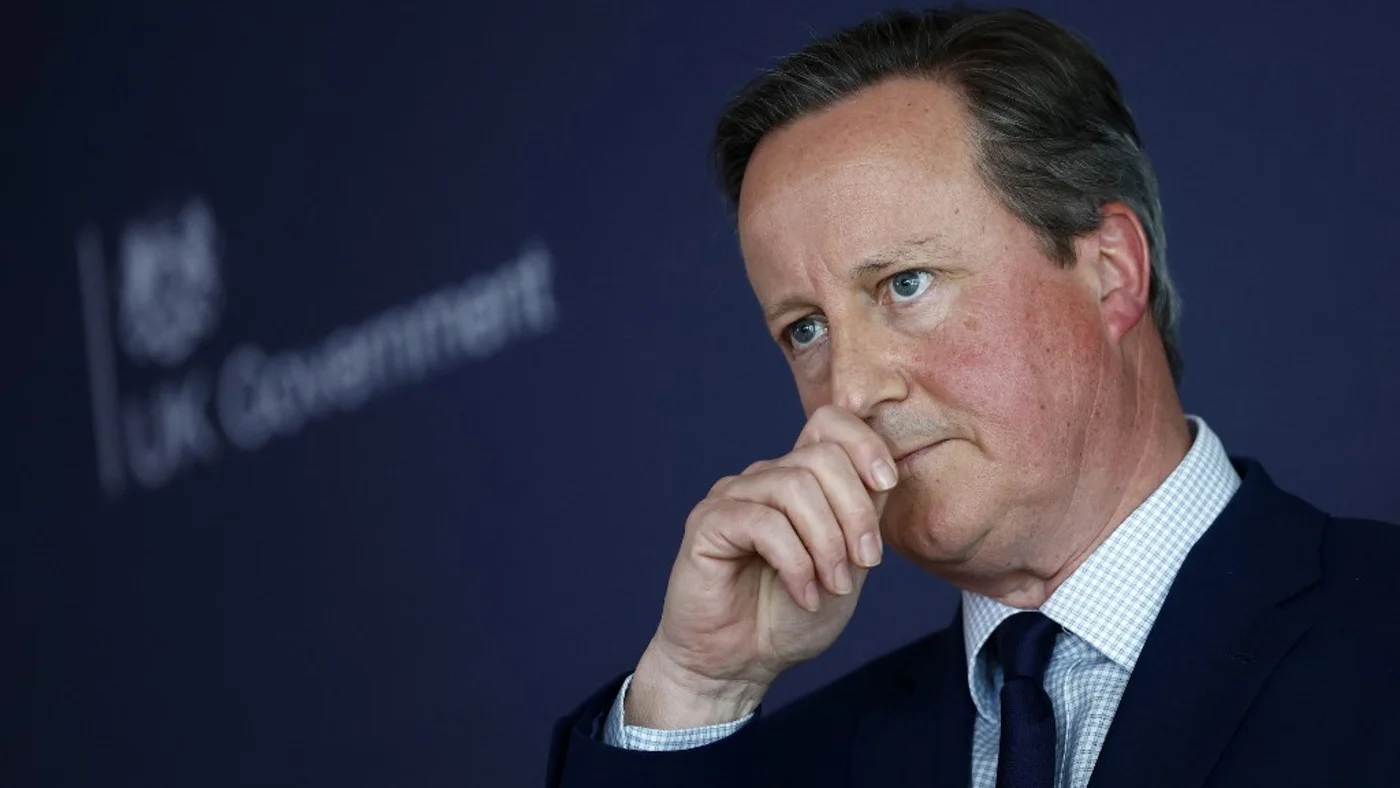
    Newly disclosed documents reveal a significant diplomatic confrontation between the United Kingdom and the International Criminal Court in April 2024. According to emails obtained through Freedom of Information requests, the UK Foreign Office’s top legal adviser, Sally Langrish, initially recommended that then-Foreign Secretary David Cameron meet with ICC Chief Prosecutor Karim Khan. Langrish emphasized that such a meeting would demonstrate Britain’s “strong support for the Court and for Karim Khan as its prosecutor.”

    The recommended meeting was scheduled for April 15, 2024, in London. However, in a notable deviation from this advice, Cameron did not attend the meeting. Instead, Justice Secretary Alex Chalk met with Khan, during which the prosecutor revealed his intention to pursue arrest warrants for Israeli Prime Minister Benjamin Netanyahu, Defense Minister Yoav Gallant, and three Hamas leaders.

    The situation escalated dramatically on April 23, 2024, when Cameron personally contacted Khan while the prosecutor was on an official visit to Venezuela. Multiple sources, including former staff from Khan’s office who have seen meeting minutes, confirm that Cameron employed strong rhetoric during this conversation. The foreign secretary characterized the potential arrest warrants as “like dropping a hydrogen bomb” and warned of their “profound implications” for British politics and his Conservative Party.

    Most significantly, Cameron reportedly threatened that if the ICC proceeded with warrants against Israeli leaders, the UK would “defund the court and withdraw from the Rome Statute”—the ICC’s founding charter. This stance directly contradicted the Foreign Office’s earlier position of strong support for the international judicial body.

    The Foreign Office has consistently declined to comment on these allegations. A source close to Cameron acknowledged the call occurred but characterized it as “robust” rather than threatening, suggesting Cameron was merely highlighting potential political pressures within his party. The incident has prompted calls for official investigation, with former Scottish First Minister Humza Yousaf demanding accountability and transparency regarding the UK’s position on international justice institutions.

  • Chinese technique for making ultrathin metal films named top 10 scientific breakthroughs

    Chinese technique for making ultrathin metal films named top 10 scientific breakthroughs

    A groundbreaking Chinese innovation in materials science has received global recognition, with Physics World naming the development of ultrathin metal films as one of 2025’s top 10 scientific breakthroughs. The prestigious accolade highlights China’s emerging leadership in advanced materials research and development.

    The pioneering research, conducted by the Institute of Physics at the Chinese Academy of Sciences, has successfully produced the world’s first single-atom-layer metal materials. These revolutionary materials measure at the angstrom scale—approximately one-millionth the thickness of standard A4 paper and one-200,000th the diameter of a human hair.

    This achievement represents a significant milestone in materials science, particularly considering that non-layered metals constitute approximately 80% of the periodic table’s elements. Previously, scientists considered these metals nearly impossible to reduce to single atomic layers due to their tightly bonded three-dimensional atomic structures. While hundreds of two-dimensional materials have been created since graphene’s discovery in 2004, all previously originated from layered crystals.

    The research team overcame this fundamental challenge through an innovative van der Waals squeezing technique. This method utilizes molybdenum disulfide as an anvil to compress two-dimensional metals including bismuth, tin, lead, indium, and gallium.

    The resulting two-dimensional metals exhibit exceptional properties, including remarkable environmental stability with no performance degradation observed for over one year. They feature nonbonding interfaces that enable researchers to better explore the materials’ intrinsic properties while demonstrating higher room-temperature conductivity than conventional alternatives.

    These advanced materials are expected to enable macroscopic quantum phenomena and serve as core components for numerous technological innovations. Potential applications include low-power transistors, high-frequency electronic devices, and ultrasensitive detection systems that could transform multiple industries.

    Physics World’s annual list is widely regarded as one of the most authoritative recognitions in the scientific community. Selection criteria require demonstrated scientific importance, substantial advancement of knowledge frontiers, successful integration of theory and experimentation, and significant attention from physicists worldwide. This achievement marks the seventh time Chinese-led research has been honored since the list’s establishment in 2009.

  • IAME UAE Series Rounds 4 & 5 deliver high-intensity double-header at Sharjah Kart Track

    IAME UAE Series Rounds 4 & 5 deliver high-intensity double-header at Sharjah Kart Track

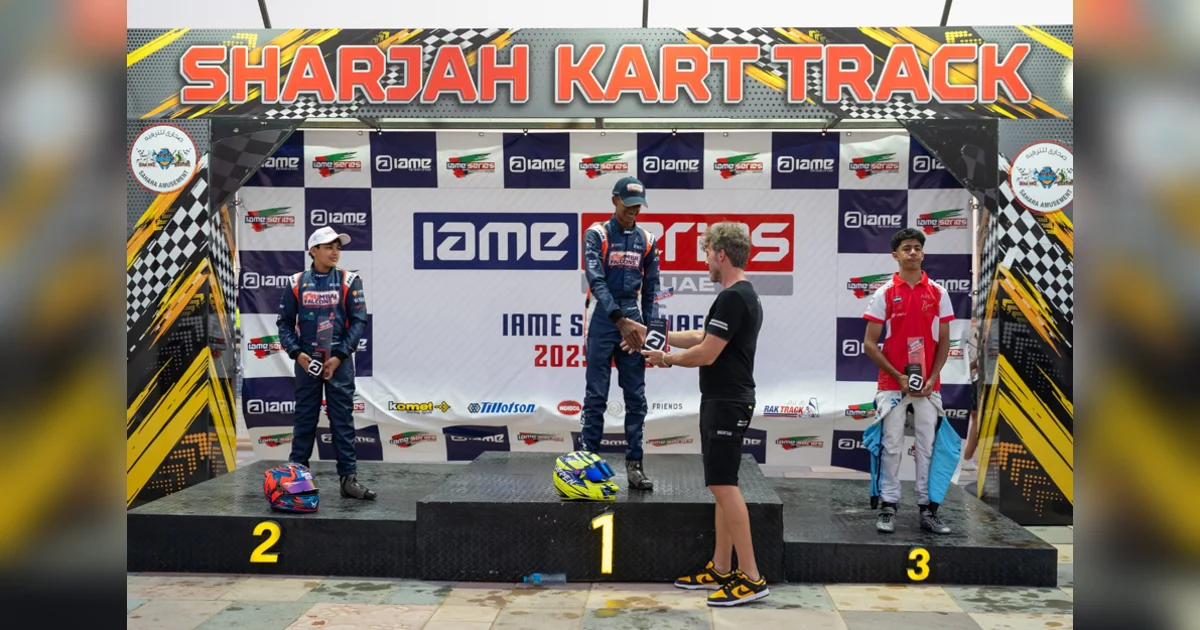
    The 2025/2026 IAME UAE Series reached a critical juncture during Rounds 4 and 5, held as a high-stakes double-header event at Sharjah Kart Track on November 23-24. Under ideal 25-degree conditions, the technical circuit witnessed intense competition that reshaped championship standings across multiple categories.

    The challenging layout of the Sharjah track, renowned for its limited overtaking opportunities and rhythmic demands, tested drivers’ racecraft and strategic execution. This event series, integral to developing grassroots motorsport in the region, continues the global legacy of IAME—the Italian kart engine manufacturer established in 1968 that first introduced championship karting to the UAE through Ras Al Khaimah’s RAK Track.

    Saturday’s Round 4 produced dramatic results across all classes. Mark Ristic claimed victory in Bambino category ahead of Samuel Karajkovic and Yousef Alkhayyat. Francesco Lisignoli delivered a commanding performance in Mini category, holding off Benjamin Karajkovic with Charlie Page completing the podium. Junior category saw Henry King secure victory ahead of Mitansh Jain and Veer Chopra, while Senior category featured Rayan Koreishi taking top honors over Jagrat Detroja and Jeremy Montgomery-Swan. Yousif Busenad dominated Senior/170 class with Alexandros Annivas and novice Arsene Djolovic rounding out the podium.

    Sunday’s Round 5 brought equally compelling action as Samuel Karajkovic reversed Saturday’s result with a Bambino victory over Ristic, while Sam Testa claimed third. Ilyas Sami demonstrated impressive defensive driving in Mini Final to secure victory by a mere 0.213 seconds over Benjamin Karajkovic, with Baptiste Augustin charging to third. Nathan Kappen delivered a standout performance in Junior category, carving through the field to claim victory ahead of teammate Mitansh Jain, with Aaryan Singh securing third. Jeremy Montgomery-Swan earned a well-managed Senior category win over Adam Elbassiony and Jules Domont, while Oscar Bray claimed victory in Senior/170 ahead of Annivas and Djolovic.

    Media Friends, the official media partner, provided comprehensive coverage throughout the weekend. CEO Giovanni Dezzani remarked: ‘Sharjah consistently elevates driver performance. The exceptional competition level demonstrates the remarkable talent development across all categories. The vibrant atmosphere, competitive racing, and team dedication underscore karting’s growing prominence in the UAE.’

    The series now progresses to its next highlight event at Yas Marina Circuit on January 3-4, 2026, where drivers will compete for crucial championship points on one of motorsport’s most iconic venues.

  • How Japan built a rare-earth supply chain without China

    How Japan built a rare-earth supply chain without China

    In the global race to secure critical mineral supplies beyond China’s dominance, Japan emerges as a pioneering case study in strategic supply chain resilience. The nation’s comprehensive approach to reducing dependency on Chinese rare-earth elements—vital components in automotive manufacturing, advanced electronics, and defense technologies—offers valuable lessons for Western nations currently facing similar challenges.

    Japan’s awakening to supply chain vulnerabilities occurred dramatically in 2010 when China implemented an unannounced two-month embargo during a territorial dispute. This economic retaliation, triggered by a maritime incident near disputed islands, exposed Japan’s critical dependence as Chinese rare earths constituted over 90% of its imports at the time. Tatsuya Terazawa, then economic policy chief at Japan’s trade ministry, recounted the moment industry officials warned that automotive supply chains faced imminent suspension due to the sudden cutoff.

    The government responded with a decisive $1 billion strategic package designed to diversify sources and build structural resilience. This initiative supported Japanese conglomerates in developing alternative supply channels, with particular focus on Australia’s Lynas Corporation—the only company attempting to establish a fully integrated rare-earth supply chain outside China.

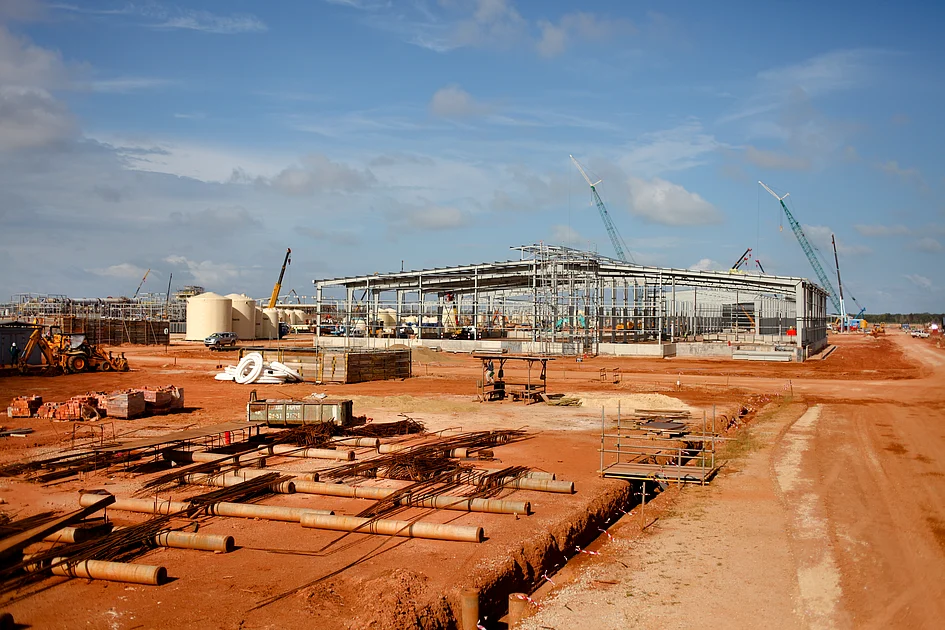
    Through strategic partnerships between government entity Jogmec and trading giant Sojitz, Japan provided $250 million in financing to Lynas, securing long-term access to Australian-mined rare earths processed in Malaysia. This complex operation involves mining at Mount Weld in Western Australia, chemical separation at Lynas’s Malaysian facility (until recently the only large-scale processing plant outside China), and final distribution to Japanese magnet manufacturers serving automotive giants like Toyota.

    The transition proved challenging, confronting technical obstacles, environmental concerns regarding radioactive waste management, and significant local opposition in Malaysia. Despite these hurdles, Japan successfully reduced its Chinese rare-earth dependency from over 90% to approximately 60-70% today while expanding its portfolio of specialized magnet ingredients.

    As China recently implemented new waves of export controls targeting both materials and processing technology, the United States and European nations are accelerating their own supply chain initiatives. While the Trump administration has committed to developing domestic capabilities within a year—supporting operations at California’s Mountain Pass mine and processing facilities in Texas and North Carolina—Japan’s experience demonstrates that genuine supply chain independence requires sustained government commitment, international cooperation, and long-term strategic vision.

    According to Naoki Kobayashi of Japan’s trade ministry, current efforts should focus on multinational coordination to achieve economies of scale and cost competitiveness. Terazawa, now leading an energy think tank, emphasizes that recent international agreements represent merely preliminary steps, with the true test lying in sustained allied commitment to confronting China’s mineral dominance collectively rather than individually.