作者: admin

  • UAE residents can watch, vote for the best AI-generated film; top 12 revealed

    UAE residents can watch, vote for the best AI-generated film; top 12 revealed

    Dubai has become the epicenter of cinematic innovation with the revelation of twelve finalists for the world’s most valuable AI-generated film award, boasting a monumental $1 million prize. Organized by the 1 Billion Followers Summit in collaboration with Google Gemini, this groundbreaking competition has drawn global attention to the rapidly evolving landscape of artificial intelligence in filmmaking.

    The shortlisted films, selected from an astonishing 3,500 submissions across 100 countries, represent two distinct thematic categories: “Rewrite Tomorrow,” exploring futuristic narratives, and “The Secret Life of Everything,” revealing untold stories of existing characters. The selection process involved rigorous evaluation by a 40-member expert jury and advanced technical review using Google Gemini’s AI systems, ensuring each entry met stringent criteria including minimum 70% usage of Google’s generative AI tools.

    Notable finalists include Egyptian filmmaker Mohamed Gomaa Rizk’s ‘Heal,’ set in 2030 where emotional AI helps a traumatized woman access her comatose mother’s memories, and South Korean director Lee Su Yeol’s ‘Cats Like Warmth,’ about a data-driven robot discovering emotional connection. Palestinian filmmaker Omar Rammal’s ‘Dreams Don’t Die’ presents a poignant narrative of children escaping war through magical storybooks, while German director Daniel Titz’s ‘Roots of Tomorrow’ addresses microplastic pollution through interplanetary exploration.

    The public voting window opens December 21-25 through the summit’s official website, allowing global audiences to participate in determining the future of AI-generated cinema. The top five films will screen on January 10, 2026, during the fourth edition of the 1 Billion Followers Summit at Emirates Towers, Dubai International Financial Centre, and Museum of the Future, with the ultimate winner announced on January 11.

    This initiative, hosted by the UAE Government Media Office under the theme ‘Content for Good,’ represents a significant milestone in legitimizing AI-generated content as a formidable force in the creative economy, potentially reshaping how stories are told and consumed worldwide.

  • Things to do in Dubai this Christmas: Brunches, treats, events and family fun

    Things to do in Dubai this Christmas: Brunches, treats, events and family fun

    Dubai transforms into a spectacular winter wonderland this Christmas season, offering an array of meticulously curated experiences that cater to diverse tastes and age groups. The city’s festive programming combines traditional holiday charm with innovative entertainment concepts, creating unforgettable moments for residents and visitors alike.

    Wild Wadi Waterpark launches a month-long celebration where children up to eight years enjoy complimentary admission with paying adults. The aquatic venue features extraordinary seasonal elements including a wave-riding Surfing Santa performance continuing through January 5, complemented by DJ-hosted pool parties and live holiday performances. Guests can indulge in seasonal treats ranging from hot chocolate and Christmas cookies to roasted marshmallows, with surprise appearances by Santa Claus enhancing the magical atmosphere.

    Indi 16 in Business Bay presents a unique Bollywood-inspired Christmas experience on December 25, featuring a Salman Khan-themed quiz night hosted by renowned RJ Loki. This high-energy celebration tests participants’ knowledge of iconic cinema moments while offering prizes valued at Dh5,000, including luxury staycations in Ras Al Khaimah, gourmet hampers, and exclusive shopping vouchers.

    Culinary excellence takes center stage at Ladurée’s holiday collection, inspired by the mythical Garden of the Hesperides through a collaborative effort with illustrator Daria Song. The premium confectionery introduces an exquisite Chocolate Caramel & Ispahan Yule Log combining hazelnut sponge, salted caramel, and Guanaja dark chocolate mousse, alongside limited-edition macarons in Chestnut and Hot Chocolate Marshmallow varieties.

    Alserkal Avenue’s bkry enhances the festive landscape with an artisanal Christmas menu available until December 31, featuring innovative ganaches incorporating local ingredients and traditional European baked goods reimagined with contemporary techniques. The collection includes Dark Chocolate Buckwheat ganache, Milk Chocolate Pumpkin with Ethiopian honey, and festively decorated walnut cookies.

    SUSHISAMBA Dubai elevates Christmas celebrations with panoramic views of Palm Jumeirah during their Christmas SAMBABRUNCH on December 25. This premium experience combines Latin-inspired culinary creations, inventive beverages, and vibrant entertainment including samba dancers and DJ performances, priced from Dh799 per person for an unparalleled sky-high celebration.

  • UAE student builds discount platform; users save up to 20% monthly

    UAE student builds discount platform; users save up to 20% monthly

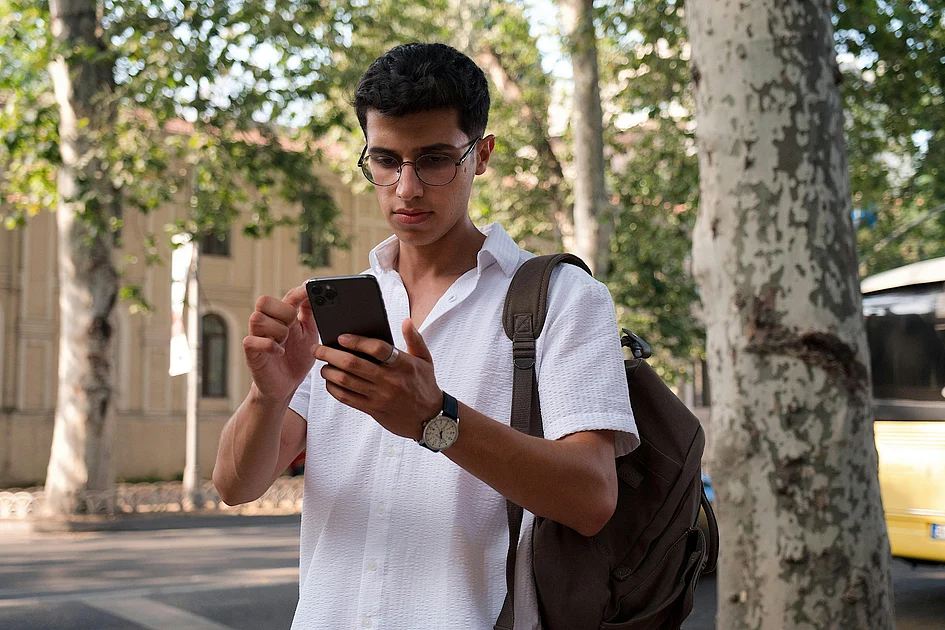
    In an inspiring response to rising inflation, 19-year-old Emirati entrepreneur Naji Faqihi Al Awadhi has launched SmartPocket, a dedicated student discount platform that helps users save approximately 20% on monthly expenses. The concept emerged from Al Awadhi’s personal experience during his final year at the American School of Dubai, where he noticed his fixed allowance increasingly failed to cover basic necessities as prices continued to climb.

    SmartPocket, which went live in October 2025, now partners with over 20 brands across food, fashion, electronics, and subscription services. Students verify their status through university email addresses or official identification documents to access exclusive deals. The platform operates on a unique business model that charges no commissions or upfront costs to brands, instead offering free distribution to secure partnerships with companies typically hesitant about new platforms.

    The development journey spanned two years and required significant operational sophistication compared to Al Awadhi’s previous venture in sneaker reselling. After initially developing the concept with a co-founder through family and friends funding, Al Awadhi bought out his partner’s stake before launch. The most substantial challenge came from refining the redemption system after meetings with Dubai businesses revealed different needs than initially anticipated.

    Currently pursuing Entrepreneurship and Innovation studies at George Washington University, Al Awadhi manages the platform remotely while focusing on market feedback rather than immediate expansion. While GCC growth remains possible, the young entrepreneur emphasizes the importance of starting small and building gradually, crediting the UAE’s supportive business environment for enabling young innovators.

    The platform enters a competitive market alongside international student discount services but has already generated valuable user feedback regarding verification processes and interface design. While long-term revenue generation strategies remain undisclosed, SmartPocket represents a innovative approach to addressing youth financial challenges in an inflationary economy.

  • How Tech’s biggest companies are offloading the risks of the AI boom

    How Tech’s biggest companies are offloading the risks of the AI boom

    In an unprecedented financial maneuver, technology behemoths including Meta, Microsoft, and Google are implementing sophisticated strategies to transfer substantial portions of AI infrastructure risk to smaller entities and private lenders. This emerging trend represents a fundamental shift in how major corporations approach the enormous capital requirements of artificial intelligence development.

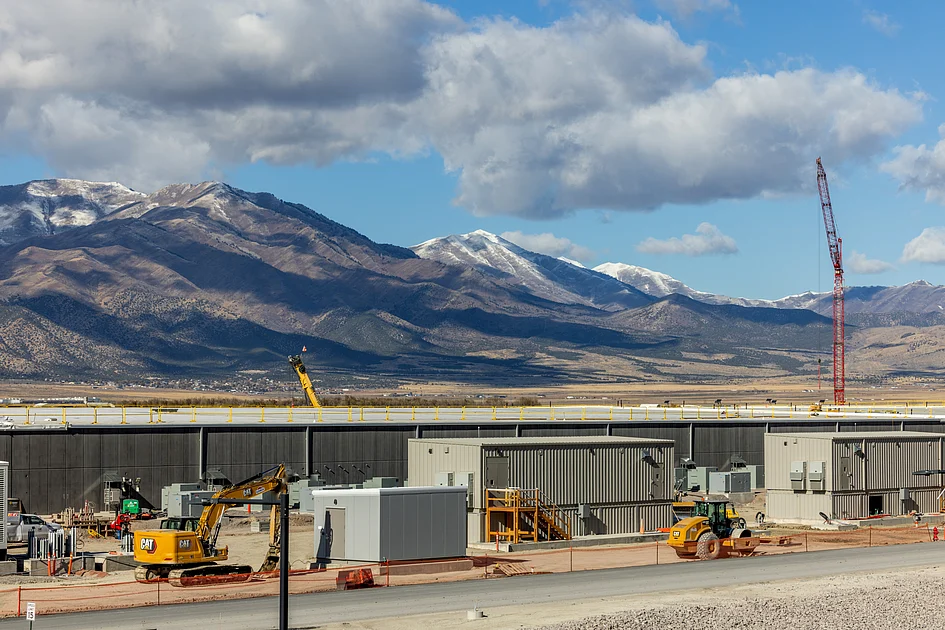
    Throughout 2025, these companies have orchestrated complex financial arrangements totaling tens of billions of dollars. Microsoft secured approximately $17 billion in computing power through Nebius, a neocloud provider with roots in Russian internet giant Yandex, followed by additional multi-billion dollar agreements with Nscale, Iren, and Lambda. Meta established a groundbreaking $30 billion data center project in Louisiana through Beignet Investor LLC, a special purpose vehicle financed primarily by Blue Owl Capital.

    The financial architecture of these deals enables tech giants to classify expenditures as operational costs rather than long-term debt, thereby avoiding balance sheet liabilities that might concern investors. This approach provides maximum flexibility to scale operations according to actual AI demand while minimizing financial exposure should the AI boom underperform expectations.

    According to financial experts including Columbia Business School professor Shivaram Rajgopal, these arrangements echo previous investment bubbles that utilized off-balance-sheet financing and special purpose vehicles. ‘Risk is like a tube of toothpaste,’ Rajgopal noted. ‘You press it here, it’s going to come out somewhere else. It’s always in the system.’

    The risk redistribution extends throughout the AI ecosystem. CoreWeave, a leading neocloud provider, has committed billions in high-interest debt financing to support computing capacity demands, with OpenAI contracting for up to $22.4 billion in computing power. This creates significant dependency relationships where smaller companies effectively bet their futures on the sustained success of AI development.

    Microsoft executives including CEO Satya Nadella have emphasized the strategic importance of maintaining flexibility in infrastructure planning. The company has implemented temporary pauses in construction projects while simultaneously expanding its network of shorter-term computing agreements through various neocloud providers.

    Industry analysts observe that only the largest technology firms possess the financial leverage and market position to execute such sophisticated risk-transfer strategies effectively. As AI infrastructure demands approach trillions of dollars in investment, these financial innovations represent both prudent risk management and potential systemic vulnerabilities within the rapidly expanding AI ecosystem.

  • Egypt lifts travel ban on activist Alaa Abd el-Fattah

    Egypt lifts travel ban on activist Alaa Abd el-Fattah

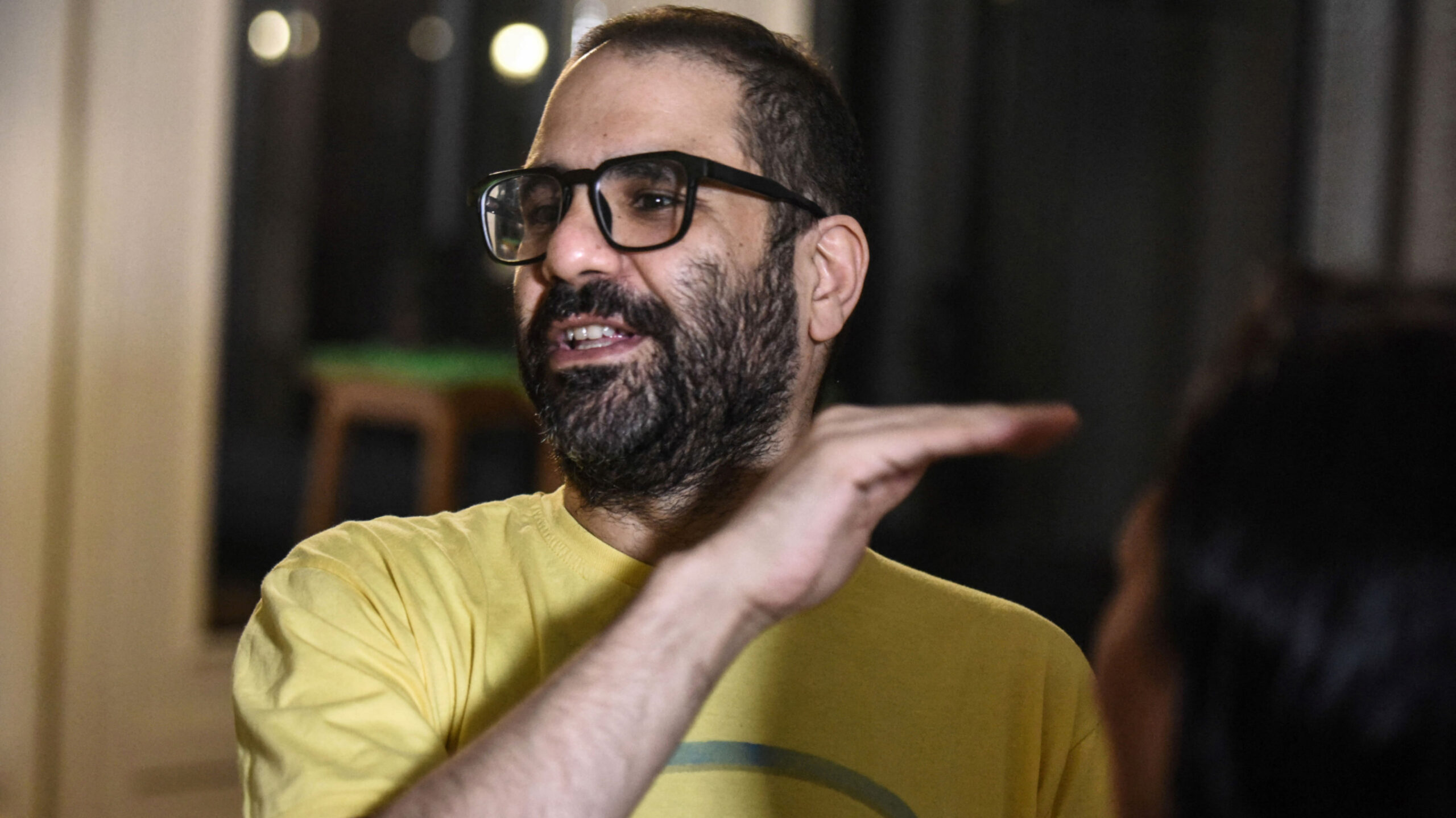
    Egyptian authorities have officially removed travel restrictions against prominent Egyptian-British political activist Alaa Abd el-Fattah, enabling his international movement following years of imprisonment. The development occurred after his legal representative, Khaled Ali, formally petitioned for the ban’s revocation.

    This decision follows President Abdel Fattah el-Sisi’s September 22 presidential pardon that secured Abd el-Fattah’s release from Wadi el-Natrun prison, a facility notorious for housing political detainees. The activist had endured nearly ten years of incarceration across multiple sentences.

    The 43-year-old dissident rose to prominence as a symbolic figure during the 2011 Arab Spring revolution that reshaped Egypt’s political landscape. His imprisonment commenced following the 2013 military coup that brought President el-Sisi to power.

    Despite the presidential pardon, Egyptian border officials previously prevented Abd el-Fattah from departing Cairo International Airport last month as he attempted to travel to Britain. The activist had been scheduled to accept the 2025 Courage Under Fire award at the Magnitsky Human Rights Awards ceremony in London.

    Abd el-Fattah’s history of opposition spans two decades, beginning in the early 2000s when Egyptian activists pioneered digital dissent through social media platforms. His legal troubles intensified in 2014 when he received a 15-year sentence for organizing unauthorized protests, later reduced to five years upon appeal.

    Following his 2019 release, Abd el-Fattah remained under state supervision until his re-arrest later that year on charges of disseminating false information—a common accusation against government critics in Egypt. He received an additional five-year sentence for these allegations.

    Two months prior to his release, a Cairo criminal court formally removed Abd el-Fattah from Egypt’s terrorism watchlist after investigations concluded he maintained no connections to the banned Muslim Brotherhood organization.

    This case occurs against the backdrop of Egypt’s extensive political detention system, where human rights organizations estimate over 60,000 political prisoners remain incarcerated under deteriorating conditions. According to Freedom House’s 2025 global index, Egypt ranks 18th among 100 nations evaluated for political rights and civil liberties, with higher numerical rankings indicating greater restrictions on freedom.

    Human Rights Watch has consistently characterized Egypt’s governance approach as employing “wholesale repression” that systematically detains and penalizes peaceful activists while effectively criminalizing dissent. The organization’s latest world report documented thousands of detainees held in prolonged pretrial detention or serving sentences from unjust judicial proceedings.

  • France will build a new aircraft carrier as it increases defense spending

    France will build a new aircraft carrier as it increases defense spending

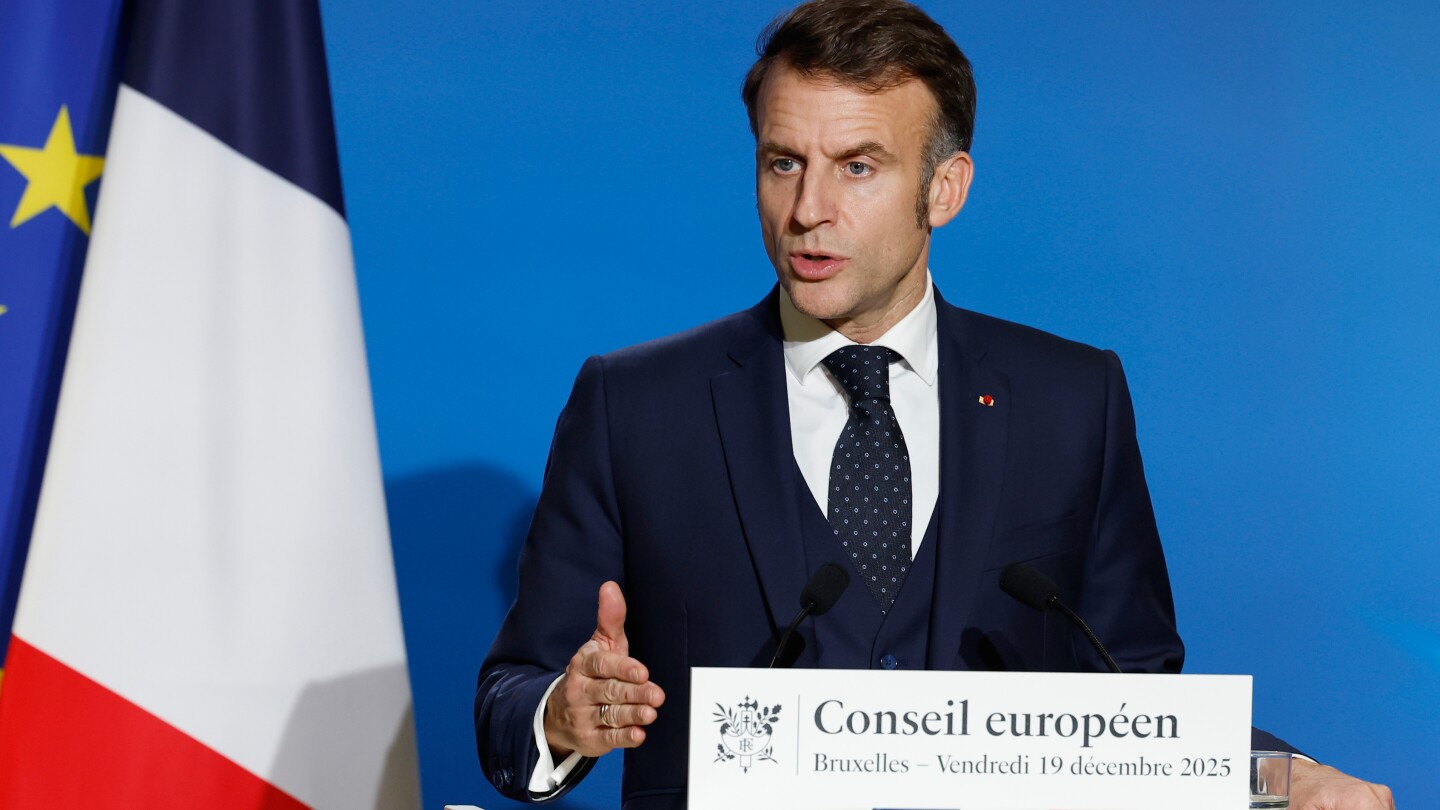
    French President Emmanuel Macron has unveiled ambitious plans for a next-generation nuclear aircraft carrier during his address to French troops stationed in Abu Dhabi on Sunday. The monumental defense project represents France’s strategic response to evolving global security challenges and reinforces its commitment to maritime superiority.

    The new vessel, scheduled for completion by 2038, will serve as the replacement for France’s current flagship, the Charles de Gaulle aircraft carrier that entered service in 2001. With specifications showcasing significant technological advancement, the future carrier will displace approximately 78,000 tons and extend 310 meters (1,017 feet) in length—marking a substantial increase from the Charles de Gaulle’s 42,000-ton displacement and 261-meter frame.

    While the French carrier will remain smaller than the United States’ USS Gerald Ford—the world’s largest warship at over 100,000 tons—it will maintain France’s distinctive nuclear propulsion capability and deploy advanced Rafale M fighter jets. The vessel is designed to accommodate up to 30 aircraft and support a crew of 2,000 personnel, enabling extended operational deployments with enhanced combat readiness.

    President Macron characterized the initiative as ‘the display of our nation’s power in the service of freedom on the seas,’ emphasizing that ‘in an age of predators, we must be strong in order to be feared, and especially strong at sea.’ The project aligns with France’s broader military modernization strategy, which includes increasing defense spending to 64 billion euros by 2027—doubling the budget from Macron’s initial term in 2017.

    The defense ministry confirms the carrier will provide rapid response capabilities for heavily armed, long-range missions with minimal preparation time. Economically, the program is expected to benefit hundreds of suppliers, predominantly small- and medium-sized enterprises, with Macron personally committing to oversee industrial partnerships during a scheduled shipyard visit in February.

    Financial projections from former Defense Minister Sébastien Lecornu (now Prime Minister) estimated the project cost at approximately 10 billion euros ($11.7 billion). This investment occurs alongside Macron’s announcement of an additional 6.5 billion euros ($7.6 billion) in military expenditures over the next two years, reinforcing France’s position as the European Union’s second-largest military force behind Poland.

  • Tucker Carlson and Steve Bannon blast ‘Israel First’ at fractious Maga conference

    Tucker Carlson and Steve Bannon blast ‘Israel First’ at fractious Maga conference

    A prominent conservative convention in the United States has erupted in internal conflict as leading figures within the Make America Great Again movement clash sharply over American foreign policy toward Israel.

    The Turning Point USA organization is currently hosting its America Fest event, marking its first major assembly since the passing of founder Charlie Kirk earlier this year. The gathering has become a stage for increasingly public divisions among right-wing commentators regarding the extent of U.S. support for Israel.

    During his address, conservative commentator Ben Shapiro launched a vehement attack against former Fox News host Tucker Carlson for his recent interview with right-wing influencer Nick Fuentes. Shapiro characterized Fuentes as ‘a Hitler apologist, Nazi-loving, anti-American piece of refuse’ and condemned Carlson’s decision to platform him as ‘an act of moral imbecility.’

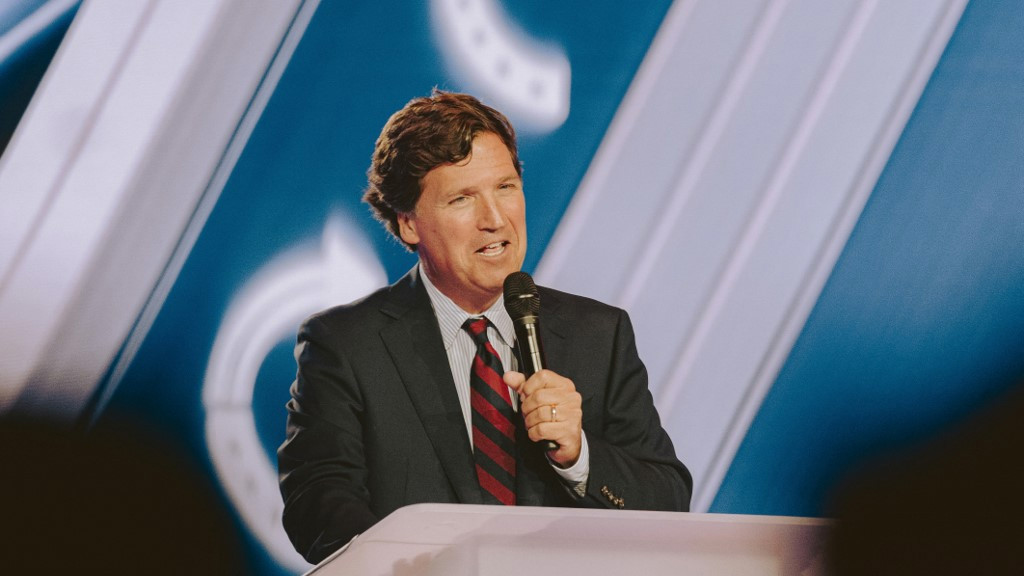
    Carlson responded forcefully in his own speech, criticizing what he described as attempts to suppress legitimate criticism of Israel. ‘Most Americans have more in common with each other than they disagree on,’ Carlson asserted. ‘And almost everybody agrees on that. And almost everybody is willing to tolerate a good-faith argument about how to get there.’

    The former television host directly challenged Israel’s military actions, stating: ‘If a man commits a crime, do we kill his kids? I don’t care if it’s in Minneapolis or Gaza City. No, we don’t.’ He further emphasized that ‘God is not on any country’s side’ and condemned anti-Muslim bigotry as ‘disgusting.’

    Adding to the controversy, former White House strategist Steve Bannon declared that the late Charlie Kirk had opposed ‘this concept of greater Israel and Israel first.’ Bannon launched his own attack against Shapiro, describing him as ‘like a cancer, and that cancer spreads.’ In remarks that drew cheers from the audience, Bannon controversially claimed that ‘the number one enemy to the people in Israel are American Jews that do not support Israel and do not support Maga.’

    Broadcaster Megan Kelly observed that ‘there was a rift within the Maga movement even before we lost Charlie… and it revolves around Israel,’ indicating these divisions predate the current conflict.

    The event also featured political endorsements, with Charlie Kirk’s widow Erica Kirk, now leading Turning Point USA, publicly supporting US Vice President JD Vance for a potential 2028 presidential run.

  • Coldplay ‘cheating’ scandal, Ind-Pak handshake controversy: 10 viral incidents in 2025

    Coldplay ‘cheating’ scandal, Ind-Pak handshake controversy: 10 viral incidents in 2025

    The year 2025 witnessed an unprecedented convergence of celebrity culture, political upheaval, and digital phenomena that collectively dominated global online discourse. These incidents demonstrated the internet’s power to rapidly amplify stories, creating shared cultural moments that transcended geographical boundaries while simultaneously exposing deep societal divisions.

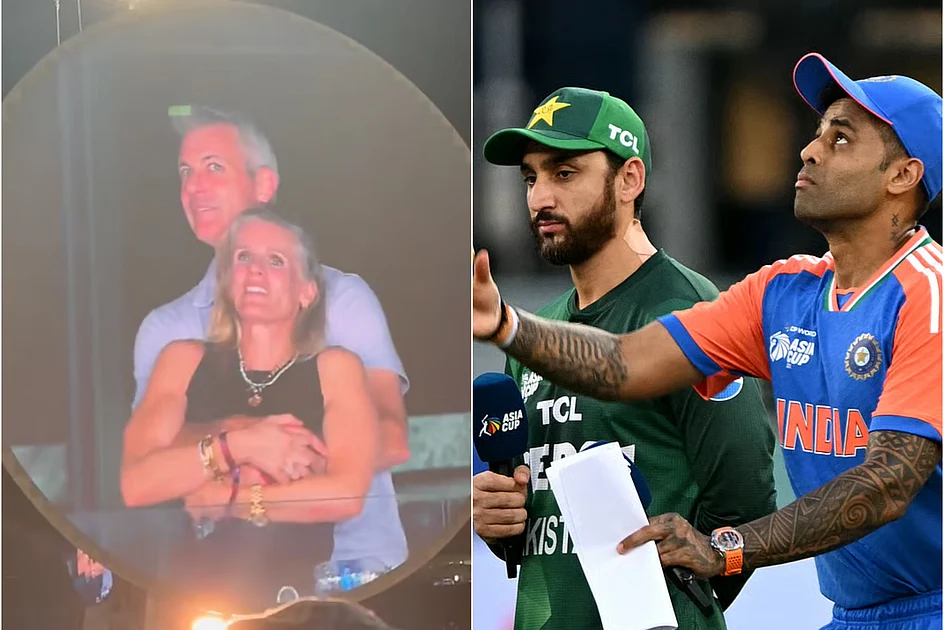
    A defining moment emerged from the music world when Coldplay’s July concert in Massachusetts unexpectedly triggered a corporate scandal. Frontman Chris Martin’s playful commentary during a kiss-cam segment inadvertently exposed astronomer CEO Andy Byron and HR Chief Kristin Cabot in an intimate moment. The viral footage sparked immediate backlash, resulting in both executives resigning amid internal reviews and intense public scrutiny that escalated to death threats and widespread shaming.

    In parallel, the political landscape saw significant milestones with Zohran Mamdani’s historic election as New York’s first Muslim mayor. His victory against fierce opposition from conservative factions represented a cultural shift, while his marriage to Syrian-American artist Rama Duwaji became an unexpected internet sensation, humanizing the politician through their cross-cultural romance.

    The sports world confronted questions of sportsmanship when India’s cricket team deliberately avoided post-match handshakes with Pakistani opponents during the Asia Cup tournament. This diplomatic snub, defended as alignment with government policy, sparked international debate about politics’ encroachment into athletic competition.

    Entertainment controversies proliferated as Sydney Sweeney faced accusations of promoting Eurocentric beauty standards in an American Eagle advertisement, while Katy Perry’s space tourism expedition drew criticism for its perceived environmental insensitivity during economic struggles. The music world witnessed Kendrick Lamar’s politically charged Super Bowl performance, which incorporated his Drake diss track ‘Not Like Us’ alongside symbolic commentary on racial inequality.

    Legal dramas dominated headlines throughout the year, from Justin Baldoni and Blake Lively’s escalating $650 million mutual lawsuits to Diddy’s criminal conviction for transportation to engage in prostitution, resulting in a four-year prison sentence. The year’s most tragic incident came with the assassination of conservative activist Charlie Kirk during a campus event, which sparked complex conversations about political violence and gun culture.

    Amid these high-profile events, a lighter moment emerged from Indonesia where 11-year-old Rayyan Arkan Dikha’s traditional dance on a racing boat spawned the ‘Aura Farming’ trend, demonstrating the internet’s capacity for joyful virality alongside its more divisive tendencies.

    Collectively, these incidents illustrated 2025’s digital landscape: a realm where authentic moments could trigger massive consequences, where political and cultural battles played out through viral content, and where the line between entertainment and serious discourse became increasingly blurred.

  • Look: UAE President receives French counterpart in Zayed National Museum for working visit

    Look: UAE President receives French counterpart in Zayed National Museum for working visit

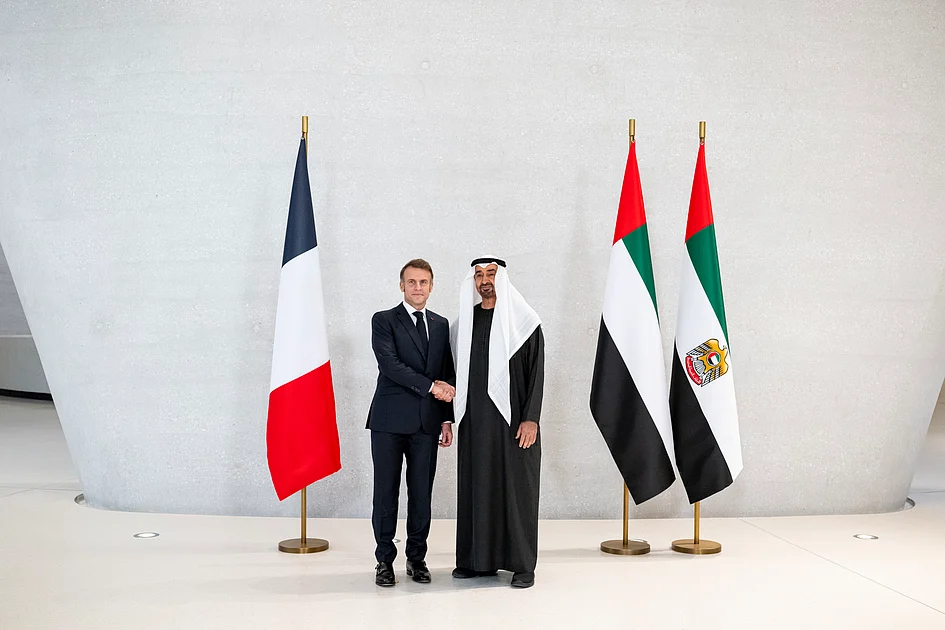
    In a significant diplomatic engagement, UAE President Sheikh Mohamed bin Zayed Al Nahyan welcomed French President Emmanuel Macron to the Zayed National Museum in Abu Dhabi on Sunday for a comprehensive working visit. The meeting marked a strengthening of bilateral relations between the two nations, with both leaders exchanging New Year greetings and expressing mutual wishes for continued progress and prosperity.

    The high-level discussions focused on enhancing the historical and strategic partnership between the UAE and France, with particular emphasis on expanding cooperation across multiple sectors. Key areas of mutual interest included economic development, investment opportunities, cultural exchange, renewable energy initiatives, advanced technology integration, artificial intelligence development, and sustainability projects. These collaborative efforts align with both countries’ shared vision for long-term development and prosperity.

    The diplomatic gathering was attended by prominent UAE officials including Sheikh Khaled bin Mohamed bin Zayed Al Nahyan, Crown Prince of Abu Dhabi; Sheikh Abdullah bin Zayed Al Nahyan, Deputy Prime Minister and Minister of Foreign Affairs; and Sheikh Hamdan bin Mohamed bin Zayed Al Nahyan, Deputy Chairman of the Presidential Court for Special Affairs. The French delegation included multiple ministers and senior officials, reflecting the importance both nations place on this strategic partnership.

    President Sheikh Mohamed hosted an official luncheon in honor of President Macron and his accompanying delegation, following the productive working discussions. Macron’s arrival earlier in the day at the Presidential Flight in Abu Dhabi was formally received by Sheikh Khaled bin Mohamed bin Zayed Al Nahyan alongside several senior UAE officials, demonstrating the high protocol extended to the visiting French leader.

  • Vice-chairman of CPPCC Jiangxi Provincial Committee placed under investigation

    Vice-chairman of CPPCC Jiangxi Provincial Committee placed under investigation

    The Central Commission for Discipline Inspection (CCDI) and National Supervisory Commission announced on Sunday the initiation of a disciplinary probe into Yin Jianye, Vice-Chairman of the Chinese People’s Political Consultative Conference (CPPCC) Jiangxi Provincial Committee. The investigation concerns alleged serious violations of Party discipline and laws, marking another high-profile case in China’s ongoing anti-corruption campaign.

    Yin Jianye, 62, a member of the Bai ethnic group and native of Yunnan province, has maintained a long political career since joining the Communist Party of China in 1985. His professional journey began in 1986, culminating in his transfer to Jiangxi province in October 2015 after extensive service in Yunnan.

    During his tenure in Yunnan, Yin held several significant positions including Director of the Provincial Audit Department, Party Chief of Dali Bai Autonomous Prefecture, and Vice Governor of Yunnan. Following his relocation to Jiangxi, he ascended through provincial leadership roles serving as Vice Governor, Member of the Standing Committee of the CPC Jiangxi Provincial Committee, and Head of the Commission for Political and Legal Affairs. He assumed his current position as CPPCC Vice-Chairman in 2022.

    This investigation continues a pattern of disciplinary actions against senior Jiangxi political figures. In June 2025, former CPPCC Jiangxi Vice-Chairman Hu Youtao faced similar scrutiny, resulting in his expulsion from the Party by December of that year, with his bribery case subsequently transferred to judicial authorities.

    Another former vice-chairman, Hu Qiang, underwent investigation in February 2024, leading to his expulsion from the Party in August that year. By September 2025, he received a 13-year prison sentence for bribery in his first trial, demonstrating the serious consequences for such violations.