作者: admin

  • Watch: Huge fireball as tanker explodes on Italian motorway

    Watch: Huge fireball as tanker explodes on Italian motorway

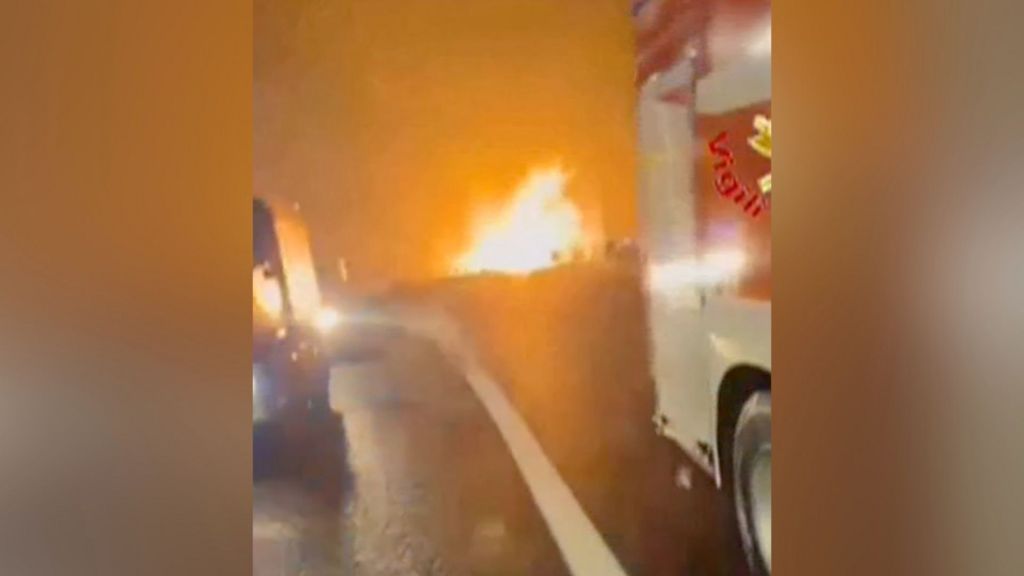
    A dramatic and intense explosion involving a fuel tanker occurred on a motorway in Italy, creating a massive fireball that illuminated the sky. The incident, which unfolded following an initial traffic collision, prompted an immediate and large-scale emergency response. Authorities had successfully executed a precautionary evacuation of the surrounding area prior to the detonation, a critical safety measure that ensured no injuries were reported from the blast itself.

    The explosion caused significant disruption, leading to the complete closure of the affected highway section to facilitate emergency operations and subsequent investigation. Specialized firefighting teams were deployed to combat the intense blaze, which posed considerable challenges due to the nature of the fuel fire. The incident highlights the severe dangers associated with transporting hazardous materials and underscores the effectiveness of coordinated emergency protocols in preventing civilian casualties. An investigation into the precise cause of the initial crash and the subsequent explosion is ongoing.

  • Ramadan 2026 in UAE: Muslims prepare for holy month as Rajab begins

    Ramadan 2026 in UAE: Muslims prepare for holy month as Rajab begins

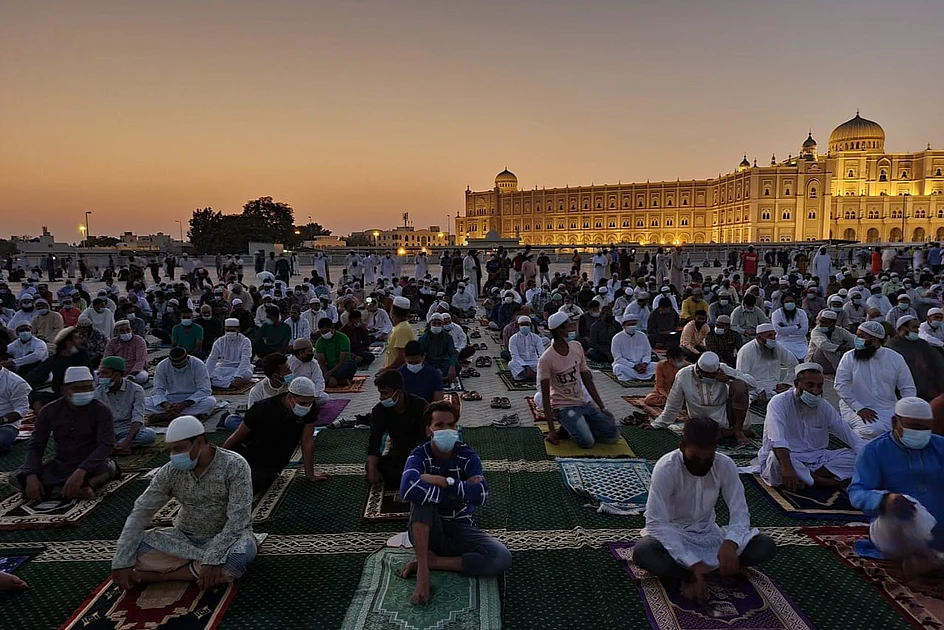
    As the sacred month of Rajab dawns across the United Arab Emirates, Muslim communities worldwide are initiating spiritual preparations for the approaching Ramadan season. Sheikh Nasser Al Hammadi of Sharjah Islamic Affairs delivered crucial guidance during a live Instagram lecture on Tuesday, emphasizing the significance of this preparatory period within the Islamic calendar.

    Sheikh Al Hammadi clarified that Rajab constitutes one of the four venerated months (Al-Ashhur Al-Hurum) in the Hijri calendar, alongside Dhul Qa’dah, Dhul Hijjah, and Muharram. These months hold distinctive spiritual status where righteous deeds yield amplified rewards and transgressions carry heightened consequences. The scholar described Rajab as an agricultural metaphor: “It resembles a farmer who commences by planting seeds, subsequently irrigating them, then nurturing the crop until harvest time” – representing spiritual groundwork for Sha’ban and ultimately Ramadan.

    Regarding worship practices, Sheikh Al Hammadi underscored that no exclusive rituals are designated for Rajab. Instead, Muslims should intensify general acts of devotion throughout the month while maintaining annual consistency. He referenced prophetic traditions indicating that even Muhammad (PBUH) never completed a full month of fasting outside Ramadan, and that Caliph Umar ibn Al-Khattab (RA) discouraged complete Rajab fasting to prevent resemblance to Ramadan.

    The Islamic authority issued specific cautions against introducing non-authenticated practices, particularly warning against innovations like Salat Al-Raghaib or specialized Umrah rituals exclusively for Rajab. He emphasized that worship foundations must derive exclusively from established Quranic principles and Sunnah teachings: “Muslims should not engage in any act of worship, add to it, or single it out, except based on what has been established in Islamic law.” This guidance aims to preserve religious authenticity while enabling meaningful spiritual preparation during Islam’s sacred months.

  • EU warns of possible action after the US bars 5 Europeans accused of censorship

    EU warns of possible action after the US bars 5 Europeans accused of censorship

    BRUSSELS — The European Union has issued a stern warning to the United States following the State Department’s imposition of travel restrictions on five European digital policy figures, including former EU Commissioner Thierry Breton. The move has ignited a significant diplomatic confrontation over digital sovereignty and content moderation policies.

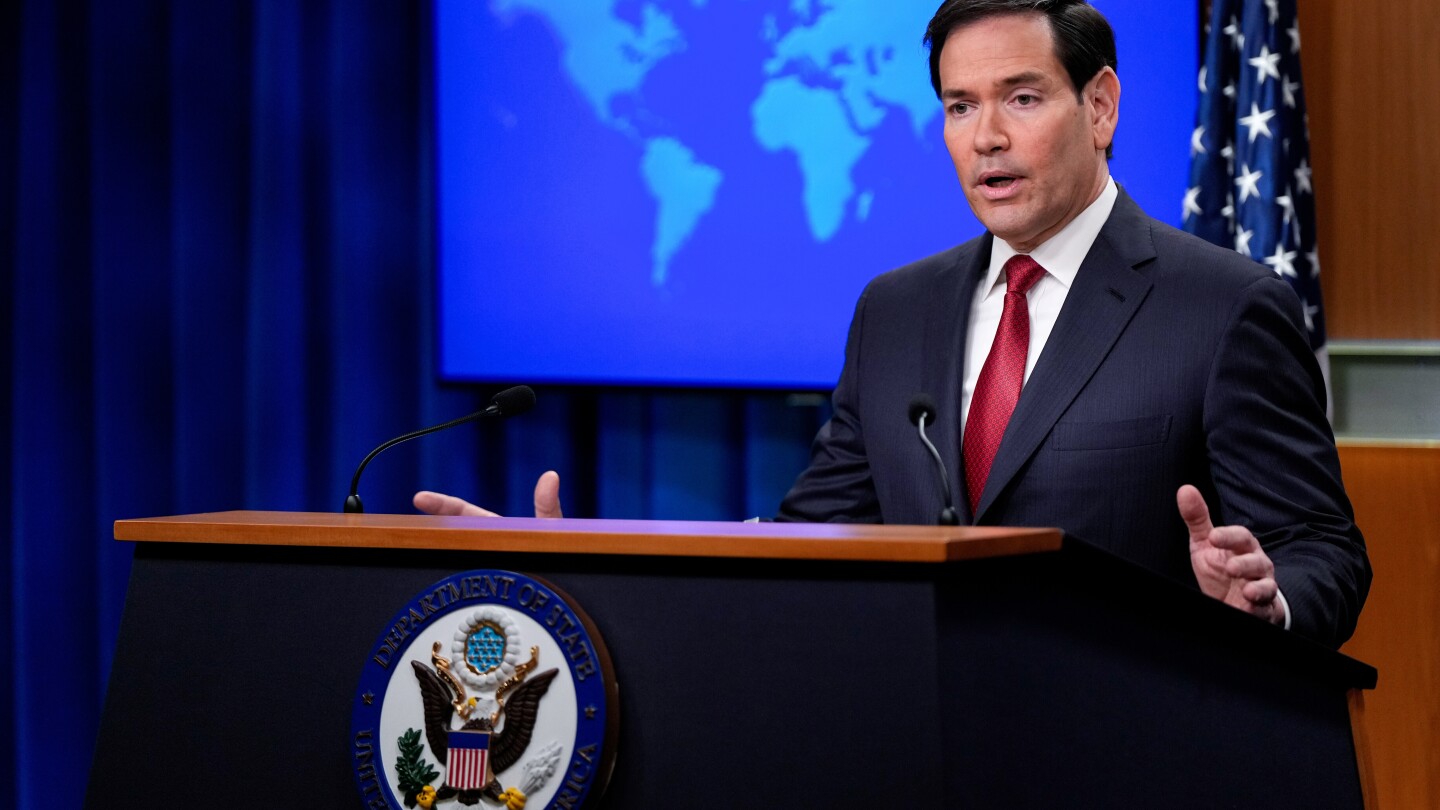
    The U.S. government, through Secretary of State Marco Rubio, characterized the banned individuals as ‘radical activists’ and representatives of ‘weaponized’ non-governmental organizations allegedly pressuring American tech companies to censor U.S. viewpoints. The targeted Europeans include prominent figures from digital rights organizations and the architect of the EU’s Digital Services Act.

    In an official statement, the European Commission strongly condemned the travel restrictions as unjustified measures and demanded immediate clarification from U.S. authorities. The EU executive branch emphasized its readiness to ‘respond swiftly and decisively’ to protect its regulatory autonomy against what it perceives as extraterritorial intimidation tactics.

    French President Emmanuel Macron joined the condemnation, labeling the visa bans as coercive tactics aimed at undermining Europe’s digital sovereignty. Macron emphasized that the EU’s digital regulations were established through democratic processes involving all member states and the European Parliament, designed to ensure fair competition without targeting any specific nation.

    The conflict stems from a new U.S. visa policy implemented in May that restricts entry for foreigners accused of facilitating censorship of protected speech. The banned individuals include Imran Ahmed (Centre for Countering Digital Hate), Josephine Ballon and Anna-Lena von Hodenberg (HateAid), and Clare Melford (Global Disinformation Index), alongside Breton.

    Breton, who previously clashed with Elon Musk over content moderation policies, responded by noting that all 27 EU member countries unanimously supported the Digital Services Act in 2022. The legislation establishes comprehensive requirements for online platforms to address harmful or illegal content while maintaining a level playing field for all companies operating in the European digital market.

  • Xinjiang to introduce football classes across all schools

    Xinjiang to introduce football classes across all schools

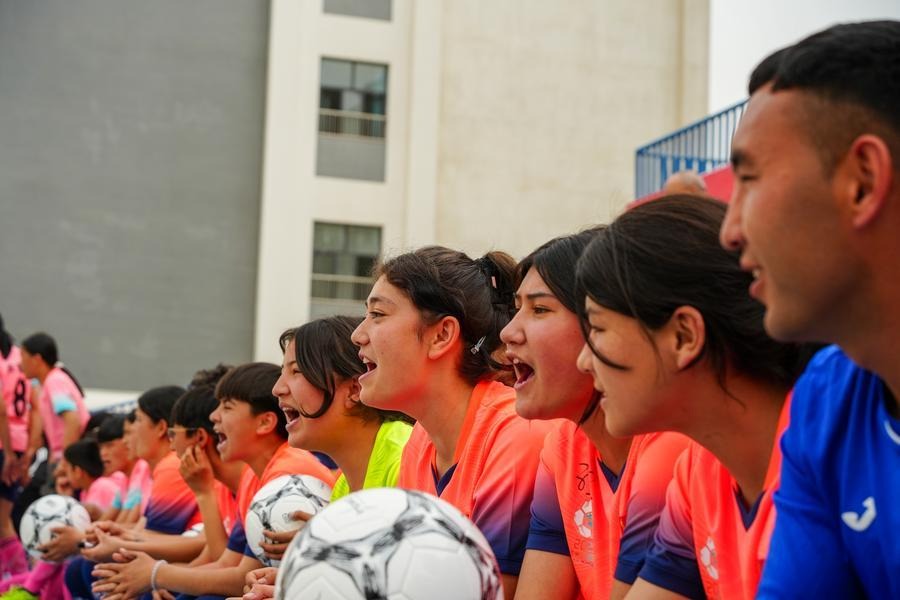
    Northwest China’s Xinjiang Uygur Autonomous Region has unveiled an ambitious educational initiative to integrate football into physical education curricula across all academic institutions. The comprehensive policy framework, developed through interdepartmental collaboration, aims to cultivate athletic talent while promoting sports participation among students.

    The strategic implementation plan establishes football-focused schools that will dedicate no less than one-third of physical education hours to football instruction and training. This institutional approach forms part of a broader vision to construct an integrated talent development pipeline connecting vocational schools, universities, football academies, and professional clubs.

    Xinjiang’s rich football heritage provides fertile ground for this expansion. With 4,595 football fields recorded by 2024, the region boasts one of China’s highest per capita rates of football infrastructure. The existing network of campus leagues will continue operations alongside newly expanded weekend competitions designed to increase regular student participation.

    Addressing historical challenges in coaching capacity, the initiative includes measures to enhance training protocols, improve recruitment strategies, and elevate compensation packages for football instructors. Educational institutions will expand specialized programs while actively recruiting retired professional players to bolster teaching ranks.

    The region has emerged as a significant talent source for Chinese football, producing national team players including striker Behram Abduweili and defender Umidjan Yusup. This new systematic approach to youth football development promises to strengthen both regional sports culture and China’s national football pipeline.

  • Guinea’s junta leader is expected to win first election since 2021 coup

    Guinea’s junta leader is expected to win first election since 2021 coup

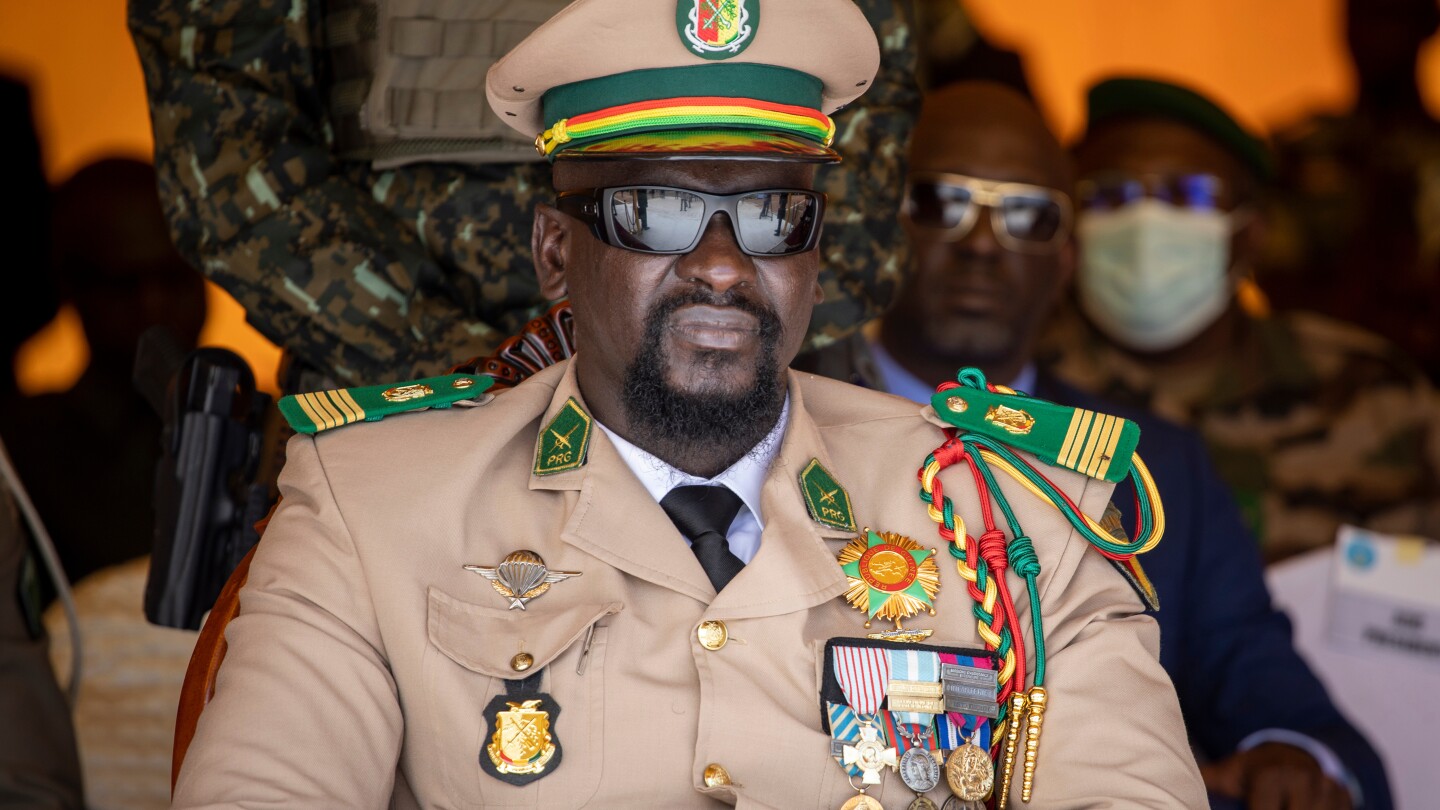
    DAKAR, Senegal — Guinea prepares for a watershed moment in its political history as citizens head to the polls Sunday for the nation’s first presidential election since the 2021 military coup. Junta leader General Mamadi Doumbouya emerges as the overwhelming favorite in an electoral process critics describe as fundamentally compromised.

    The West African nation joins a troubling regional pattern where military leaders have seized power across ten African countries since 2020, often subsequently legitimizing their rule through elections. Since overthrowing President Alpha Condé four years ago, General Doumbouya has systematically suppressed major opposition voices and dissent, creating a political landscape with no formidable challengers to his seven-year term aspirations.

    Despite Guinea’s status as the world’s leading exporter of bauxite—a crucial mineral for aluminum production—the country faces severe socioeconomic challenges. The World Food Program reports over half of Guinea’s 15 million population experiences unprecedented poverty and food insecurity levels.

    Approximately 6.7 million registered voters will cast ballots across 24,000 polling stations nationwide, with preliminary results anticipated within 48 hours. The West African regional bloc ECOWAS has deployed election observers to monitor the process.

    A significantly weakened opposition field features nine candidates, with Doumbouya’s most prominent challenger being relatively unknown figure Yero Baldé from the Democratic Front of Guinea party. Notable exclusions on technical grounds include former prime minister Lansana Kouyaté and former minister Ousmane Kaba, while established opposition leaders Cellou Dalein Diallo and Sidya Toure remain in exile.

    The election occurs under a new constitutional framework approved in a September referendum that opposition parties urged voters to boycott. This revised constitution notably eliminated the prohibition on military leaders seeking office and extended presidential mandates from five to seven years.

    Alioune Tine, founder of West African political think tank Afrikajom Center, expressed skepticism: “This is an election excluding principal opposition leaders occurring within a heavily restricted civic space. The vote primarily serves to legitimize Doumbouya’s consolidation of power.”

    This sentiment resonates with citizens like Conakry restaurant owner Mamadou Bhoye Diallo, who dismissed the election as a “farce” and questioned the integrity of a process where “a candidate simultaneously serves as referee.”

    Human rights organizations document concerning patterns since the coup, including silenced civil society leaders, abducted critics, and press censorship. Authorities previously dissolved over 50 political parties in what they described as “cleaning up the political chessboard” despite widespread condemnation.

    Nevertheless, Doumbouya maintains substantial popular support, particularly among citizens who endorse his vision for national prosperity. His campaign emphasizes infrastructure developments and reforms implemented during his four-year tenure, including digital skills training programs that have resonated with younger voters.

    The junta’s showcase project is the Simandou mining operation—the world’s largest iron ore deposit, 75% Chinese-owned—which commenced production last month after decades of delays. Authorities position this mega-project as an economic transformation cornerstone, with an associated national development plan promising tens of thousands of jobs across agriculture, education, transport, technology, and healthcare sectors.

    Doumbouya’s campaign has dominated Guinea’s political landscape through massive rallies and extensive media coverage, with state media and administrative resources providing him decisive advantages over underfunded rivals.
  • Afcon ‘bringing hope’ to Sudan amid civil war

    Afcon ‘bringing hope’ to Sudan amid civil war

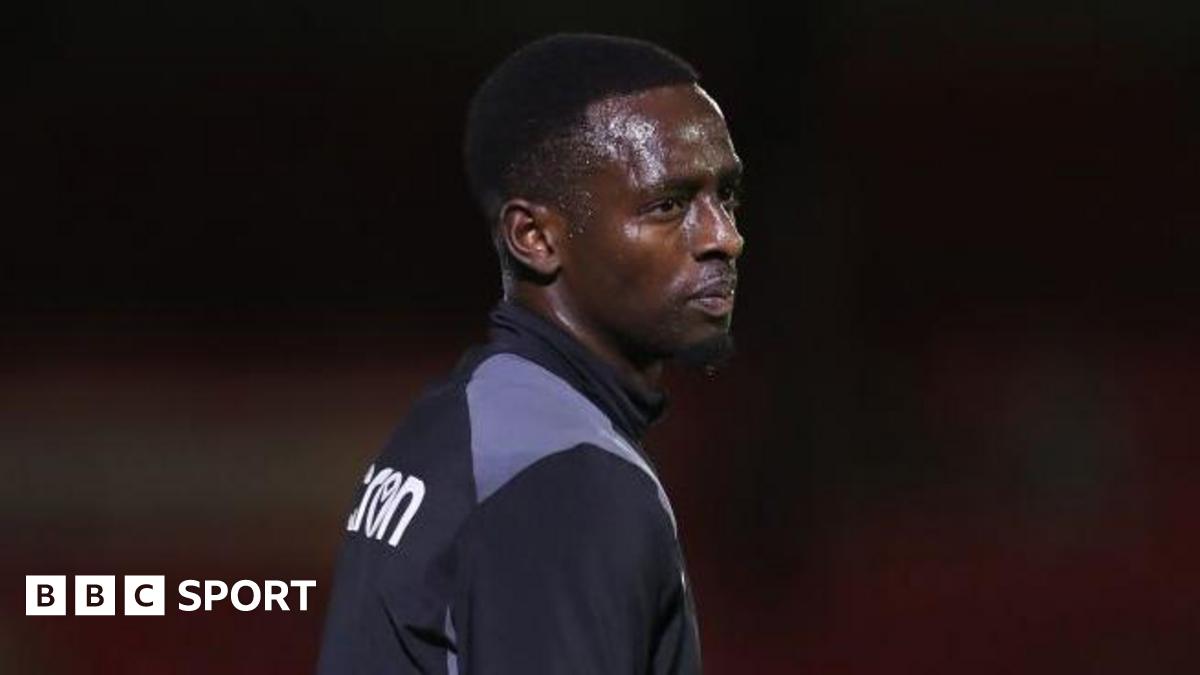
    Amid what the United Nations identifies as the world’s most severe humanitarian catastrophe, Sudan’s national football team has emerged as an unexpected symbol of national unity and hope. Forward Abobaker Eisa, currently playing for Thai club Chonburi after stints with English Football League teams, reveals how Sudan’s qualification for the Africa Cup of Nations provides temporary solace for a nation torn apart by conflict.

    The ongoing civil war, triggered by a violent power struggle between the national army and paramilitary Rapid Support Forces in April 2023, has resulted in catastrophic consequences: over 150,000 fatalities, more than 12 million displaced persons, widespread famine, and reported genocide in Darfur. This devastating context forced Sudan to play all their qualifying matches on foreign soil, making their Afcon qualification—only their fourth since 1976—particularly remarkable.

    Eisa emphasizes the transformative power of football during these dark times: ‘There’s not a lot of smiles at the minute, so we’re trying to use football as a way to get people’s minds off the war. Even qualifying for Afcon and having fans cheer us on—the fact that we’re there is already bringing hope.’

    The team’s preparation reflects the nation’s displacement crisis. Even players from Sudanese clubs Al-Hilal and Al-Merrikh now train abroad due to security concerns, with teams relocating first to Mauritania and subsequently to Rwanda.

    Despite physical distance, the conflict remains emotionally present for players. Eisa acknowledges the complex emotional dynamic: ‘It’s difficult to block the war out. Some people’s families are still there, many have been affected.’ This awareness creates both despair and determination, with players discussing how to assist through donations while recognizing their limitations.

    As the 1970 champions prepare to face Algeria, Equatorial Guinea, and Burkina Faso in the group stage, Eisa confirms every match represents a ‘big deal’ for Sudanese citizens seeking distraction from suffering. His concluding message encapsulates the team’s mission: ‘As long as we go out there and fight for what’s ours, I think everyone will be happy.’

  • Libya’s top military chief, four other officials killed in plane crash in Turkey

    Libya’s top military chief, four other officials killed in plane crash in Turkey

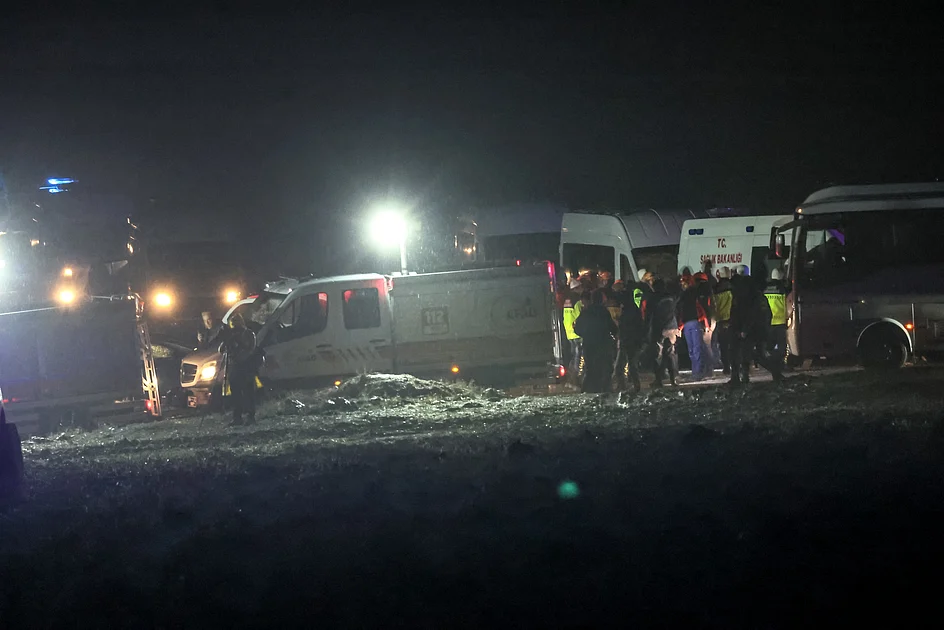
    In a devastating aviation disaster, Libya’s highest-ranking military officer Lieutenant General Mohammed al-Haddad and seven others were killed when their business jet crashed near Ankara on Tuesday evening. The Falcon 50 aircraft, carrying four senior Libyan officials and three crew members, went down approximately 45 miles from the Turkish capital following reported electrical failure.

    The tragedy unfolded shortly after the delegation’s diplomatic meetings with Turkish defense leadership. Turkish Interior Minister Ali Yerlikaya confirmed the aircraft departed Esenboga airport at 17:10 GMT and lost contact 42 minutes into the flight. According to official statements, the pilots reported critical electrical system malfunction 16 minutes after takeoff and requested emergency landing procedures before communications terminated abruptly.

    Eyewitnesses near the crash site in Haymana district described a massive explosion illuminating the night sky. “I heard a tremendous explosion sound—it resembled a detonating bomb,” recounted local resident Burhan Cicek to AFP correspondents. Turkish security forces rapidly located the wreckage and initiated comprehensive investigation procedures under the Ankara chief prosecutor’s supervision.

    The deceased delegation included Major General Al-Fitouri Ghraibil, Major General Mohammed Jumaa, and senior advisor Mohammed Al-Assawi, representing devastating losses to Libya’s military leadership structure. Libyan Prime Minister Abdulhamid Dbeibah expressed profound grief on social media, acknowledging the immense tragedy for the nation’s armed forces.

    This catastrophe occurs amid Libya’s protracted political division between the UN-recognized government in Tripoli and Khalifa Haftar’s eastern administration. Turkey maintains significant military and economic ties with the Tripoli government while recently engaging in diplomatic overtures to eastern factions, highlighting the complex geopolitical landscape surrounding this incident.

  • British boy, 13, fatally stabbed in Portugal, reports say

    British boy, 13, fatally stabbed in Portugal, reports say

    Portuguese authorities are investigating a devastating incident that resulted in the death of 13-year-old British national Alfie Hallett in central Portugal. The tragedy occurred Tuesday in the parish of Casais in Tomar, where the teenager was discovered with multiple fatal wounds from a bladed weapon.

    According to official reports from Portugal’s National Republican Guard (GNR), a suspect was located with similar injuries and subsequently died in what investigators believe was a possible gas explosion. The incident also left one GNR officer injured during response operations.

    The victim’s mother was found restrained and showing signs of assault, requiring hospitalization for her injuries. Police spokesperson revealed that the alleged perpetrator had previously served prison time for aggravated homicide and had been flagged following domestic violence cases registered in both 2022 and 2023.

    Alfie’s basketball club, Sport Club Operario Cem Soldos (SCOCS), published an emotional tribute on Facebook, stating: “SCOCS BASKETBALL has just become poorer today. Our athlete Alfie passed away at the age of 13. He played his last game on Saturday, performing so exceptionally that it seemed he knew it would be his final game, though we could never have imagined this outcome.”

    The UK Foreign Office confirmed it is “in contact with local authorities following an incident in Portugal” as the Criminal Investigation Department of Leiria assumes leadership of the complex investigation into both deaths. While Portuguese television reported both mother and child as British nationals, authorities confirmed the suspect was a Portuguese citizen.

  • Gold tops $4,500 for first time on rate cut bets, geopolitics

    Gold tops $4,500 for first time on rate cut bets, geopolitics

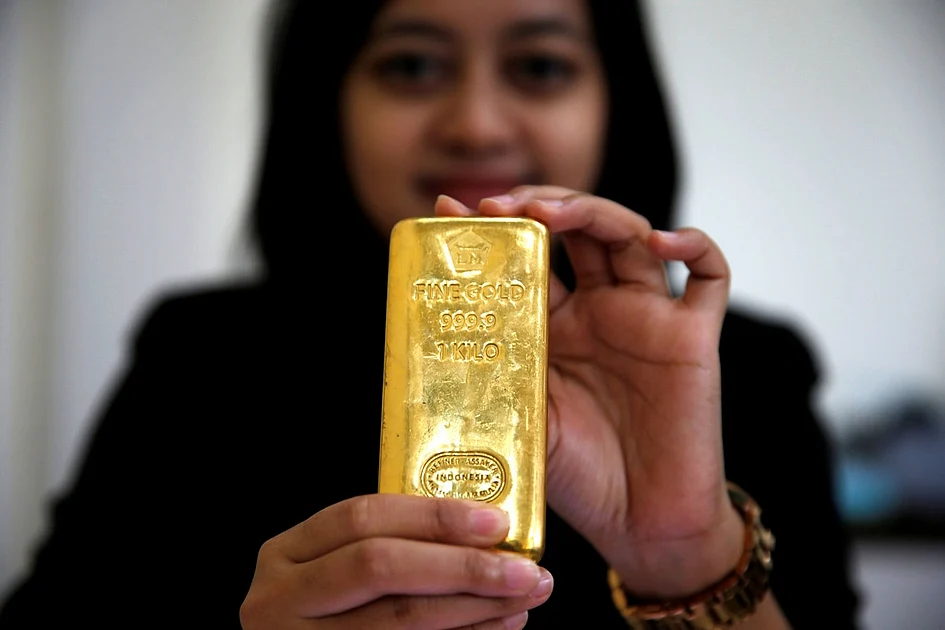
    In a historic market movement, gold prices shattered the $4,500 barrier during Asian trading hours on Wednesday, December 24, 2025, establishing a new peak at $4,519.78 per ounce. This landmark achievement extends a powerful rally that has propelled the precious metal’s value by over 70 percent since the commencement of 2025, marking one of its most robust annual performances.

    The unprecedented surge is primarily driven by a confluence of two major factors. Firstly, growing market optimism surrounds the anticipated continuation of interest rate cuts by the U.S. Federal Reserve in the coming year. Lower interest rates diminish the opportunity cost of holding non-yielding assets like gold, thereby enhancing its appeal to investors seeking value storage. Secondly, escalating geopolitical friction, particularly a notable flare-up in tensions between the United States and Venezuela, has triggered a classic flight to safety. Investors traditionally flock to gold during periods of global uncertainty, reinforcing its status as a premier safe-haven asset.

    This record-breaking performance underscores a significant shift in investor sentiment and strategic portfolio allocation. Analysts are monitoring whether this momentum can be sustained, viewing the $4,500 level as a critical psychological and technical threshold. The event signals deep-seated expectations for a softer U.S. monetary policy and reflects ongoing nervousness within global markets regarding political instability.

  • Ping-pong diplomacy opened up China-US relations

    Ping-pong diplomacy opened up China-US relations

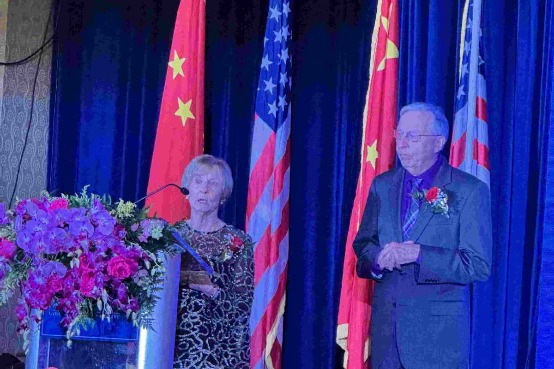
    LOS ANGELES – Five decades after a simple table tennis exchange thawed frozen diplomatic relations, the legacy of ping-pong diplomacy continues to resonate as a powerful example of sports bridging geopolitical divides. At a recent forum commemorating the 54th anniversary of the historic exchange, former athletes, diplomats, and community leaders gathered to reflect on how a sporting gesture transformed international relations.

    Connie Sweeris, former US national team member who participated in the original 1971 exchange, recounted the unexpected invitation that changed history. “On the final day of the World Table Tennis Championships in Nagoya,” Sweeris recalled, “the Chinese delegation invited the American team to extend their trip and visit China for what they termed ‘friendship matches’ – emphasizing friendship first, competition second.”

    This invitation marked the first American visit to China in 22 years, creating an unprecedented people-to-people exchange during a period of prolonged separation between the nations. Sweeris described feeling “privileged to be one of those people” who participated in the groundbreaking trip, which included a memorable meeting with Premier Zhou Enlai at the Great Hall of the People.

    Chinese Consul General in Los Angeles Guo Shaochun emphasized the historical significance of the exchange. “Fifty-four years ago, young table tennis players from China and the US planted the seeds of friendship and sincerity, breaking the ice of 22 years of separation,” Guo stated. “It opened a new chapter of our friendship that has lasted for more than half a century.”

    The forum, organized by the All American Chinese Association, highlighted how the ping-pong diplomacy initiative created a “small safe space for first exchange,” as described by International Table Tennis Federation President Petra Sorling. This human encounter, visible to the world, made larger diplomatic steps possible, including President Richard Nixon’s historic 1972 visit to China.

    Dragomir Cioroslan, Director of International Relations for the United States Olympic and Paralympic Committee, noted that the exchange proved “history is not only made in the halls of power by presidents and premiers, but also through the actions of ordinary people.”

    Contemporary applications of this diplomatic model were discussed, with participants citing recent table tennis exchanges between French and Chinese leaders in Chengdu. Virginia Sung, CEO of the USA Table Tennis Association, emphasized the ongoing relevance: “We gather not just to honor the legacy of ping-pong diplomacy, but to carry it forward – to continue using sport as a bridge to strengthen relationships rooted in mutual respect.”

    The personal impact of these exchanges was illustrated through the story of Jeffrey Lehman, now Vice-Chancellor of NYU Shanghai, whose attendance at a 1972 ping-pong match influenced his decision to pursue opportunities in China. “It taught me to cross borders, make new friends and discover myself in new ways,” Lehman reflected.

    Despite today’s more developed communication channels, participants agreed that genuine human encounters remain essential. As Sorling observed, “Today, we do not lack communication, but we lack genuine encounter – the opportunity to meet people who are different and exchange in good faith. Sport can create that space.”