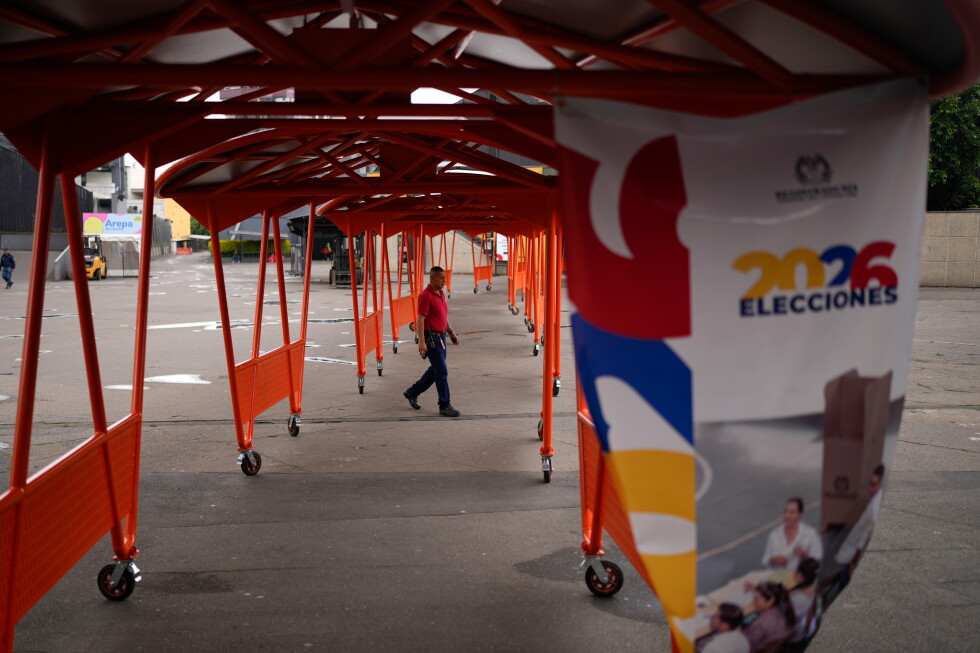
BOGOTA – A sharp diplomatic dispute has erupted between neighboring Andean nations Colombia and Ecuador just 24 hours before Colombians head to the polls to choose their next president, with Bogota formally rejecting Ecuadorian President Daniel Noboa’s recent pledge to scrap tariffs on Colombian imports as a blatant violation of international sovereignty.
作者: admin
-
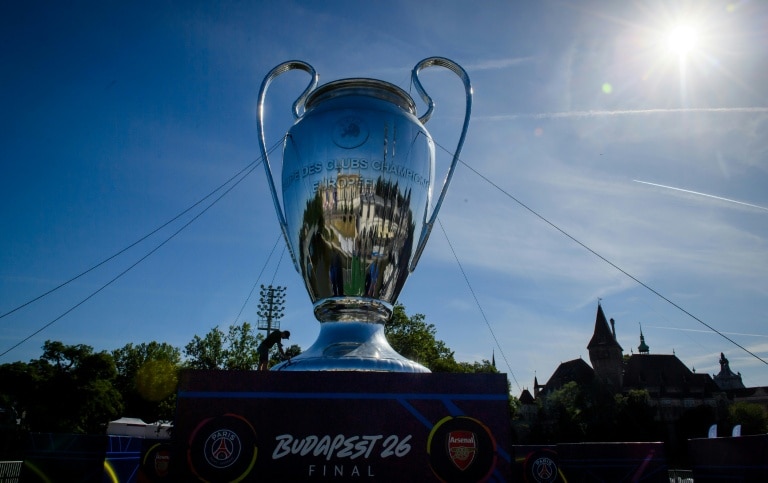
‘Decided on moments’: PSG, Arsenal in knife-edge Champions League final
The stage is set in Budapest’s Puskas Arena for one of the most tightly contested UEFA Champions League finals in recent memory, as defending champions Paris Saint-Germain prepare to lock horns with England’s Arsenal this Saturday, in a game widely billed as a battle that will be decided by split-second moments rather than pre-match form.
With contrasting playing styles set to collide, PSG brings an explosive, high-octane attacking line-up against an Arsenal side that has built its tournament run on rock-solid defensive organization. Ahead of the kickoff, PSG manager Luis Enrique downplayed the tag of pre-match favorite, insisting the 90-minute showdown would be decided by tiny margins. ‘There are no favorites going into this European final,’ he said. ‘The difference will be in the details.’
While bookmakers do rank the Ligue 1 title holders and defending champions as slight favorites, analysts note this final is the hardest to predict since Real Madrid’s iconic 2018 win over Liverpool. For Arsenal, the occasion carries extra weight: the club ended a 22-year wait for the English Premier League title this season, and is now chasing its first ever Champions League crown, 20 years after its last final appearance ended in a defeat to Barcelona in Paris.
Arrived in the Hungarian capital in relaxed form, the Gunners’ squad took a casual stroll through Budapest on Saturday morning to beat the summer heat, with good news on the injury front: right-back Jurrien Timber, who had been a major doubt for the clash, recovered in time to make the match day squad, named to the bench alongside striker Viktor Gyokeres. Manager Mikel Arteta opted to start Kai Havertz in the attacking line for the final. The game’s earlier kickoff time — 6pm local time, two hours earlier than recent finals — is seen as a potential advantage for PSG’s fast, physically demanding pressing style.
Arsenal’s tournament campaign has been defined by defensive resilience: the Gunners enter the final unbeaten in this season’s Champions League, having kept nine clean sheets and conceded only six goals. The widespread expectation is that Arteta’s side will drop into a deep defensive block and look to capitalize on set-piece opportunities against the French side. PSG winger and Ballon d’Or winner Ousmane Dembele acknowledged the challenge Arsenal poses, saying: ‘They’re strong pretty much everywhere, whether it’s in attack or in defence, and they’re dangerous on set-pieces as well, everybody knows that.’
PSG also got a key fitness boost ahead of kickoff: both Dembele and right-back Achraf Hakimi were named in the starting line-up after shaking off minor fitness concerns in the lead-up to the final. While Arsenal has played significantly more matches this season than PSG, winger Bukayo Saka rejected suggestions that fatigue could play a deciding role. ‘A game like this is not going to be decided on minutes, it’s going to be decided on moments,’ the England international said.
Both sides carry historic motivation to lift the trophy. For PSG, a win would secure back-to-back Champions League titles, a feat only Zinedine Zidane’s Real Madrid has achieved in the modern era, when the Spanish club won three consecutive titles between 2016 and 2018. It would also make PSG the first French club to win multiple Champions League trophies, marking a historic milestone for French club football.
For Arsenal, a first Champions League crown would cap a redemptive season for the club, honoring generations of Arsenal players who never reached the pinnacle of European football. Club icons have reached out to the current squad to offer support: former captain and Invincibles legend Patrick Vieira sent a personal good luck video to current skipper Martin Odegaard, who called the message a special moment. ‘This stage was one I had hoped to reach for my whole life,’ Odegaard said. ‘When I started playing football with my friends, on the little pitch next to my house, I was dreaming of this moment.’
Thierry Henry, the club’s all-time leading goalscorer and part of the 2006 final squad that lost to Barcelona, also sent a personal message to Saka on Friday. Tens of thousands of Arsenal fans have traveled to Budapest, many without match tickets, to cheer on their side, packing the city’s famous ruin bars and tourist hotspots. Henry is among the high-profile Arsenal supporters in the city for the final.
Security has been ramped up for the occasion, with almost 4,000 police officers deployed for the match — the largest security operation in Hungarian history. The build-up to the game has remained largely peaceful, apart from a minor scuffle between fans in Budapest’s seventh district on Friday night, which police are currently investigating.
A win for Arsenal would also make history for English football. After Aston Villa lifted the Europa League title and Crystal Palace won the Conference League this season, an Arsenal Champions League triumph would mark the first time a single country has won all three major UEFA men’s club trophies in the same season since 1989-90, when Italy achieved the feat with AC Milan, Juventus and Sampdoria claiming the three trophies respectively.
-
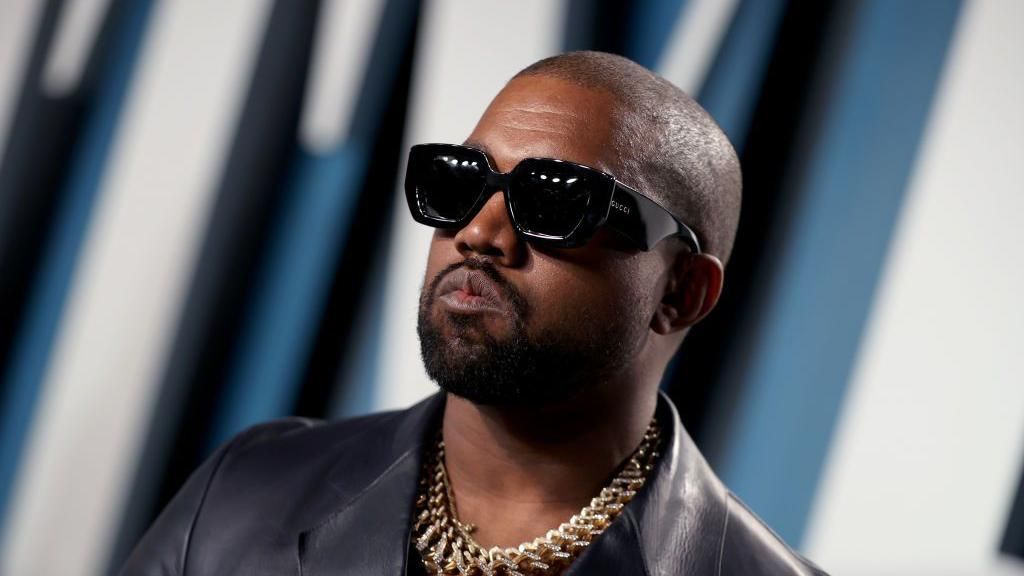
Italy bans Kanye West and Travis Scott concerts over security concerns
In a decision that marks the latest in a string of performance cancellations for controversial rapper Kanye West (now legally known as Ye), Italian authorities have blocked two scheduled July concerts headlined by West and fellow rapper Travis Scott in the northern city of Reggio Emilia, citing urgent public order and safety concerns.
The announcement came Friday from Prefect Salvatore Angieri, following a formal request from Reggio Emilia’s local Jewish community to scrap West’s planned appearance. Community leader Nicoletta Uzzielli had pushed local officials to scrap the event and replace it with a performance that would center music as a unifying, inclusive force for all people.
West has sparked global outrage over the past three years for a repeated pattern of antisemitic, racist, and openly pro-Nazi rhetoric, a controversy that already led to the UK government barring him from entering the country earlier this year. The two cancelled Reggio Emilia shows, scheduled for July 17 and 18 at the city’s RFC Arena, were set to feature West and Scott alongside a roster of major A-list acts including The Chainsmokers, Rita Ora, and Swedish House Mafia.
In an official statement, the regional prefecture outlined the multiple factors that guided its final call. Among the top considerations were the wave of concert cancellations for West already implemented across other nations, and the very real threat of large-scale counter-demonstrations targeting the event. Officials also noted that the close scheduling of the two back-to-back events, combined with projections of massive crowds gathering at the venue, created additional unmanageable public safety risks.
Travis Scott, the co-headliner of the events, has also faced ongoing intense scrutiny over his role in the 2021 Astroworld Festival tragedy in Houston, Texas, where a crowd surge during Scott’s headline set left 10 attendees dead between the ages of 9 and 27, and injured thousands more when panic spread through the over-capacity crowd pressed against the stage.
The Italian cancellation is just the latest domino to fall in a series of scrapped shows for West this year. Last month, London’s high-profile Wireless Festival was called off entirely after West, the announced headline act, was denied entry to the UK amid widespread public backlash over his inflammatory remarks. West’s pattern of problematic comments dates back to 2022, when he posted on social media that he would go “death con 3 On Jewish people”, and in May 2023 he released a track titled *Heil Hitler* and sold merchandise emblazoned with swastikas.
Following the UK entry ban, cancellations quickly spread across mainland Europe. In mid-April, West announced the Marseille stop on his European tour would be postponed “until further notice”, with French media reporting at the time that Interior Minister Laurent Nuñez was actively moving to ban the scheduled June 11 show. That same month, a planned June 19 concert at Poland’s Silesian Stadium in Chorzów was also cancelled, with venue officials citing unspecified “formal and legal reasons”.
West has made recent attempts to rebuild his standing in mainstream entertainment after stepping back from public view. In January, he published a lengthy apology in *The Wall Street Journal*, claiming “I am not a Nazi or an antisemite” and asserting “I love Jewish people”. He also attributed his past harmful comments to his bipolar disorder diagnosis, writing that he had “lost touch with reality” during the period when the remarks were made.
-
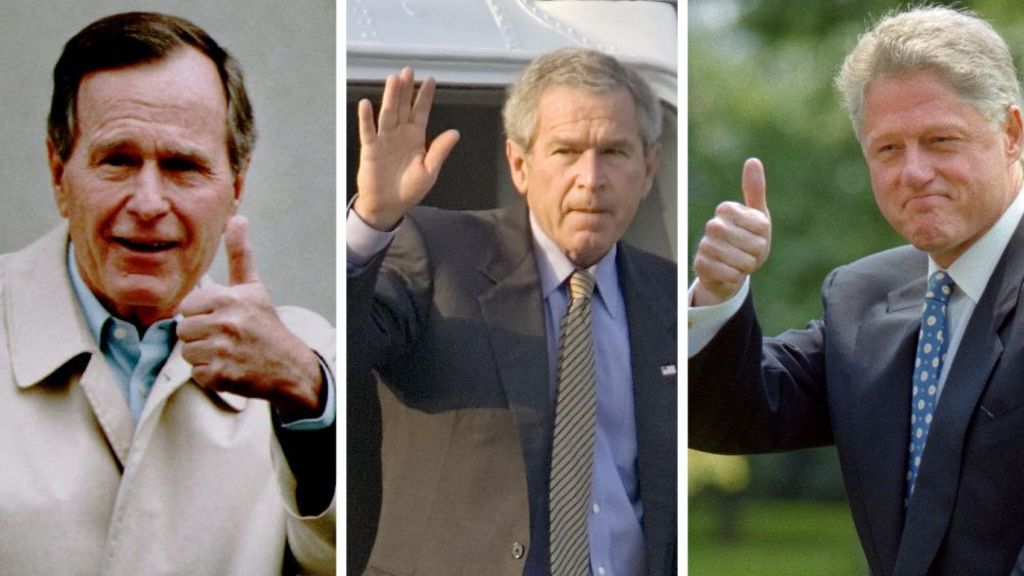
Medical or a PR exercise? Why presidents get annual check-ups
For decades, the annual physical examination of the sitting U.S. president has evolved into far more than a routine health check—it is a tightly choreographed political ritual that sits at the intersection of public accountability, national security, and perceptions of executive power.
Today, amid the election of two of the oldest presidents in American history back-to-back, public and political scrutiny of these check-ups has reached a fever pitch. The conversation traces back to a long-running tradition: every modern U.S. president makes the short trip from the White House to Walter Reed National Military Medical Center for a yearly physical, a practice as much about projecting political vitality as it is about tracking personal health. “Americans historically have wanted masculine, vigorous presidents,” explained Dr. Matt Dallek, a political historian at George Washington University. A clean bill of health, released publicly, is one of the most visible ways a commander-in-chief can demonstrate they are physically and mentally capable of holding the most powerful office on Earth.
This dynamic has been central to former president Donald Trump’s public image, even as he approaches his 80th birthday. Just weeks out from turning 80, Trump completed his 2026 annual physical, and the White House subsequently released a memo from his personal physician declaring the president in “excellent health” with strong cardiac, pulmonary, neurological and overall physical function. The document confirmed Trump is “fully fit to carry out all duties of the commander-in-chief and head of state”, though it did include a recommendation that he increase regular exercise and adjust his diet to lose weight. The memo also publicly released Trump’s full vital statistics: standing 75 inches (191cm) tall, he weighs 238 pounds (108kg), has a resting heart rate of 73 beats per minute, and a blood pressure reading of 105/71 mmHg. It addressed recent public speculation about visible bruising on Trump’s hand, attributing the marks to minor soft tissue irritation from frequent handshaking and his daily aspirin use for cardiovascular prevention, and noted Trump’s lifelong abstinence from tobacco and alcohol. Shortly after the results were released, Trump posted on his Truth Social platform that “everything checked out perfectly.”
Even so, questions about the transparency and reliability of presidential health disclosures have persisted for more than a century, long before the current era of advanced age in the Oval Office. Unlike many public officeholders, U.S. presidents face no legal requirement to release full medical records, and they are protected by the same federal health privacy laws that apply to all American citizens. This has allowed for deliberate concealment of serious health crises throughout history: in 1919, President Woodrow Wilson suffered a devastating stroke that left him largely incapacitated for the final year of his term, with his wife effectively stepping in to make major presidential decisions while his physician and staff covered up the full severity of his condition. Decades later, Franklin D. Roosevelt’s paralysis from polio was consistently downplayed by White House officials, who hid his reliance on a wheelchair from the public until his death in office in 1945.
It was not until the 1960s, during Lyndon B. Johnson’s administration, that any U.S. president formally publicly announced the results of a routine physical. That shift came in the wake of President John F. Kennedy’s assassination and amid rising Cold War tensions, when questions about a leader’s fitness to govern took on new urgency. In the 1970s, President Gerald Ford went a step further, overruling his own physician’s objections to release partial medical details to the public. “I feel fit as a fiddle. Getting healthier every day,” Ford told reporters after his 1976 check-up, noting he swam daily to maintain his physical condition. Still, gaps in transparency have continued to spark controversy decades later: President Ronald Reagan only publicly announced his Alzheimer’s diagnosis five years after leaving office, leading to widespread ongoing speculation about his cognitive state during his second term in the White House.
Medical ethicists argue that even modern disclosures cannot be taken at face value, because presidents are free to select which information to release to the public. “If I were the public, I would ignore that information (released by the White House) entirely,” said Dr. Jacob Appel, a medical ethicist at New York’s Mount Sinai Hospital and presidential health historian. “The president can cherry pick what looks good, and what doesn’t look good.” Beyond political posturing, Appel notes that full transparency also carries national security risks: any health details released to the American public are also accessible to foreign adversaries, giving potential opponents insight into a sitting president’s vulnerabilities.
In recent years, the conversation around presidential health has been drastically amplified by the trend of older leaders holding office. After a generation of relatively young commanders-in-chief—Bill Clinton was 46 at inauguration, George W. Bush was 54, and Barack Obama was 47—the U.S. has elected two of the oldest presidents in its history in rapid succession. Trump was 70 when he first took office in 2017, and 78 when he began his second term in 2025. Joe Biden, who held office between Trump’s two terms, was 78 when he was inaugurated and 82 when he left office, making him the oldest sitting president in U.S. history. During his 2024 annual physical at age 81, Biden joked with reporters, when asked if there were any concerning health issues the public should know about: “Well, they think I look too young.”
That era of older presidents has “turbocharged” public interest in annual physical results, Dallek said. “The scrutiny of Biden and Trump because of their age operates in a totally different plane. The concerns in the media, in the public, the debates that happen about whether they’re fit to serve, those debates get intensified.” Biden’s declining fitness became a central issue during the 2024 presidential campaign, ultimately forcing him to drop out of the re-election race. After Trump took office for a second term, Trump and congressional Republicans seized on a new tell-all book that alleged Biden White House staffers covered up the true state of Biden’s health to push claims of a deliberate cover-up. A Biden spokesperson pushed back at the time, arguing “evidence of aging is not evidence of mental incapacity.”
Now, Trump faces the same level of public scrutiny over his own advancing age. Polling conducted before his 2026 physical shows a majority of Americans harbor doubts about his health and cognitive fitness. A Washington Post-ABC-Ipsos poll released in early May found that 59% of respondents do not believe Trump has the mental acuity to serve as president, while 55% doubt his physical health is sufficient for the role. A separate poll from the Economist and YouGov found that nearly half of all Americans believe Trump is too old to hold the Oval Office.
-
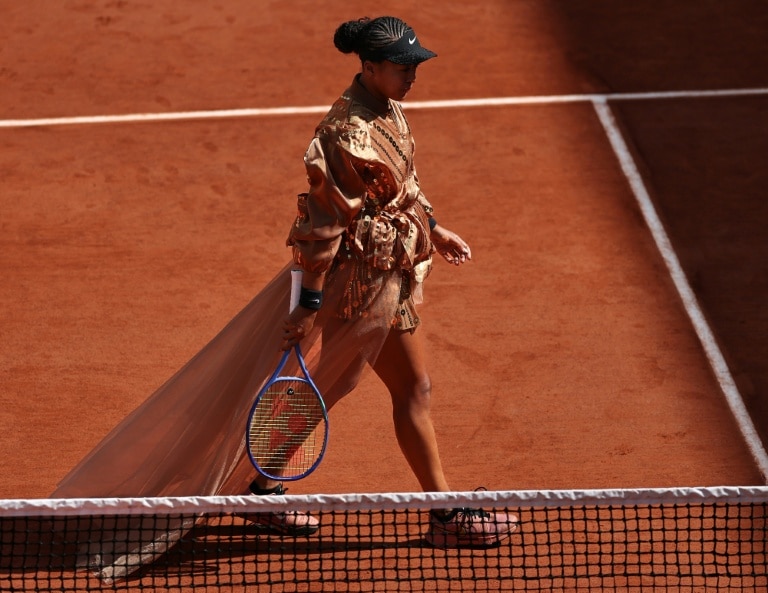
Sabalenka, Osaka set up French Open clash, Gauff eyes second week
The 2025 French Open is heating up amid a lingering Paris heatwave, with Saturday’s third-round play producing one of the most anticipated round-of-16 matchups in recent Grand Slam history, alongside shocking upsets and breakthrough runs that have reshaped both the men’s and women’s draws.
World number one and top women’s seed Aryna Sabalenka kicked off the day’s standout results with a commanding 6-0, 7-5 victory over 53rd-ranked Daria Kasatkina, wrapping up the 76-minute contest to secure her spot in the fourth round. After blitzing through the opening set without dropping a game, Sabalenka found herself in an early break deficit in the second set, but fought back to seal the win. Speaking on court after her victory, the 28-year-old Belarusian credited her resilience through tough moments, as Roland Garros wraps up the final day of a heatwave that has blanketed Paris since the tournament kicked off.
Sabalenka’s win sets up a high-stakes fourth-round showdown with four-time Grand Slam champion Naomi Osaka, a matchup between two players who have each claimed four major titles: two Australian Opens and two US Opens apiece. While Sabalenka has defeated Osaka twice already in the 2025 season, Osaka holds the edge in major meetings—she beat Sabalenka in the same round at the 2018 US Open, the first of her career Grand Slam wins.
Osaka, the tournament’s 16th seed from Japan, earned her place in the fourth round after a grueling three-set battle with 18-year-old American starlet Iva Jovic, 7-6(7/5), 6-7(3/7), 6-4. The match was defined by dominant serving from both players, with the first two sets settled entirely by tiebreaks. Osaka secured the decisive break of Jovic’s serve in the 10th game of the final set to close out the win. The result marks a career milestone for Osaka, who had never advanced past the third round at Roland Garros before this year’s tournament. “I was a lot calmer than in my first matches… In a Slam the further I get the calmer I am. It’s such an honour to be here. It’s the furthest I have ever been here,” Osaka said after her win.
In a politically charged third-round matchup, Ukraine’s Oleksandra Oliynykova lost 7-5, 6-1 to Russian opponent Diana Shnaider, after Oliynykova accused Shnaider in pre-match comments of accepting funding from a company that supports Russian war crimes and liking social media posts from pro-war propagandists.
Defending women’s champion Coco Gauff, the tournament’s fourth seed, will look to join Sabalenka and Osaka in the second week when she faces off against Austria’s Anastasia Potapova in Saturday’s later action, targeting a spot in the tournament’s fourth round.
On the men’s side of the draw, the bracket remains wide open after the shocking early exits of top seed Jannik Sinner and 24-time Grand Slam champion Novak Djokovic. Italian 10th seed Flavio Cobolli sent a clear message to the rest of the field with an emphatic 6-2, 6-2, 6-3 victory over American Learner Tien on Court Philippe Chatrier, wrapping up the win in just one hour and 45 minutes. Cobolli, who is now set to face Zachary Svajda for a spot in the men’s quarter-finals, said he is focusing on one match at a time amid widespread talk of a first-time Grand Slam champion this year. “I want to think match by match. That’s the way that I want to think this week,” Cobolli said. “I know that… for sure we will have a new Grand Slam champion, but I don’t want to think about this. For sure I have now another tough match.”
American world number 85 Zachary Svajda continued his dream Grand Slam run, upsetting 25th seed Francisco Cerundolo of Argentina 6-3, 6-4, 3-6, 4-6, 6-3 to secure his spot in the second week. The 23-year-old had never advanced past the second round of any major tournament before this year’s French Open, marking his first run into the second week of a Grand Slam.
Saturday’s closing action will see Canadian fourth seed Felix Auger-Aliassime face off against American 31st seed Brandon Nakashima in the night session on Court Philippe Chatrier, while 17-year-old rising French home star Moise Kouame will take on Chile’s Alejandro Tabilo on Court Suzanne Lenglen as he looks to extend his breakout run at the tournament.
-
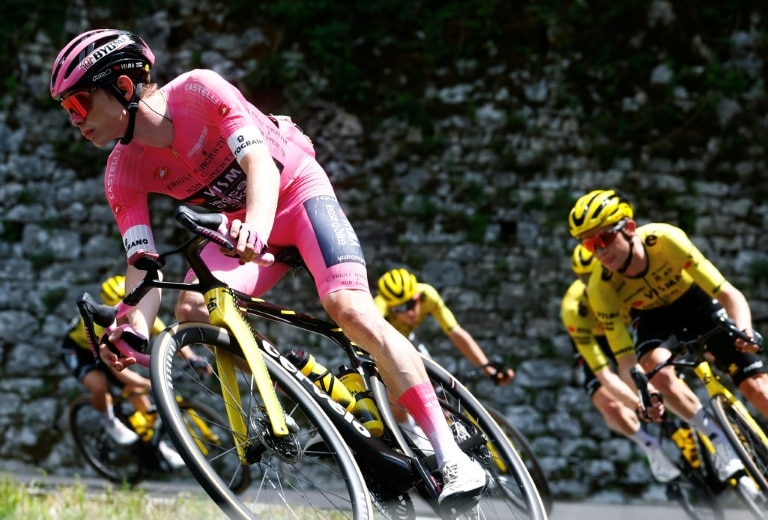
Vingegaard on verge of Giro glory after powering to penultimate stage
One step away from writing his name into road cycling history, Team Visma-Lease a Bike’s Jonas Vingegaard delivered a dominant mountain performance to claim victory in the Giro d’Italia’s penultimate stage on Saturday, putting his first overall title at the three-week Grand Tour all but out of reach.
The 29-year-old Dane, a pre-race favorite and two-time Tour de France champion, has been a class of the field at this year’s Giro, overcoming an early-race illness to win five stages and build an insurmountable lead heading into Sunday’s ceremonial final lap around Rome. Barring an unprecedented catastrophe on the flat, largely ceremonial route through the Italian capital, Vingegaard will become just the eighth rider in cycling history to secure the sport’s triple crown: overall victories at all three of road cycling’s Grand Tours (the Giro d’Italia, Tour de France, and Vuelta a España). He will join legendary figures including Eddy Merckx, Bernard Hinault, and Italian great Vincenzo Nibali in the exclusive group.
Saturday’s decisive stage was centered on two grueling 14.5-kilometer climbs to the summit finish at Piancavallo, where Vingegaard turned a comfortable general classification lead into an unassailable advantage. When the main peloton reached the first ascent, a breakaway group had already built a four-minute advantage at the front of the race. By the start of the second climb, that gap had shrunk to just over two minutes, and Vingegaard launched his decisive attack a little more than 10 kilometers from the finish line.
He first pulled clear of the main chasing pack, then easily distanced his closest overall rival, Austria’s Felix Gall, who could not match the Dane’s power on the upper slopes of the climb. Vingegaard then surged past the remaining remnants of the early breakaway to cross the line first, extending his lead over Gall to more than five minutes in the general classification. Gall will head to Rome as the clear second-place finisher, with no realistic path to overturning that gap on the flat final stage.
In the race’s secondary classifications, Italy’s Giulio Ciccone secured the blue Mountains classification jersey with his performance on Saturday, capping a standout performance in the hills. This marks the third Grand Tour mountains classification title of Ciccone’s career, adding to his 2019 Giro mountains win and his 2021 Tour de France polka-dot jersey victory.
Beyond his imminent first Giro title, Vingegaard’s performance this week has set the stage for what is already shaping up to be one of the most anticipated battles in modern cycling at July’s Tour de France. Vingegaard is targeting a rare Giro-Tour de France double this season, a feat only a handful of riders have pulled off in modern cycling history. His top rival, Slovenian superstar Tadej Pogačar, skipped this year’s Giro to focus on the Tour, and the head-to-head between the two Grand Tour greats is expected to be one of the most fiercely contested battles in the 111-year history of the race. Vingegaard’s dominant performance at the Giro, even while recovering from early-race sickness, has cemented his status as the man to beat when the Tour gets underway in July.
-
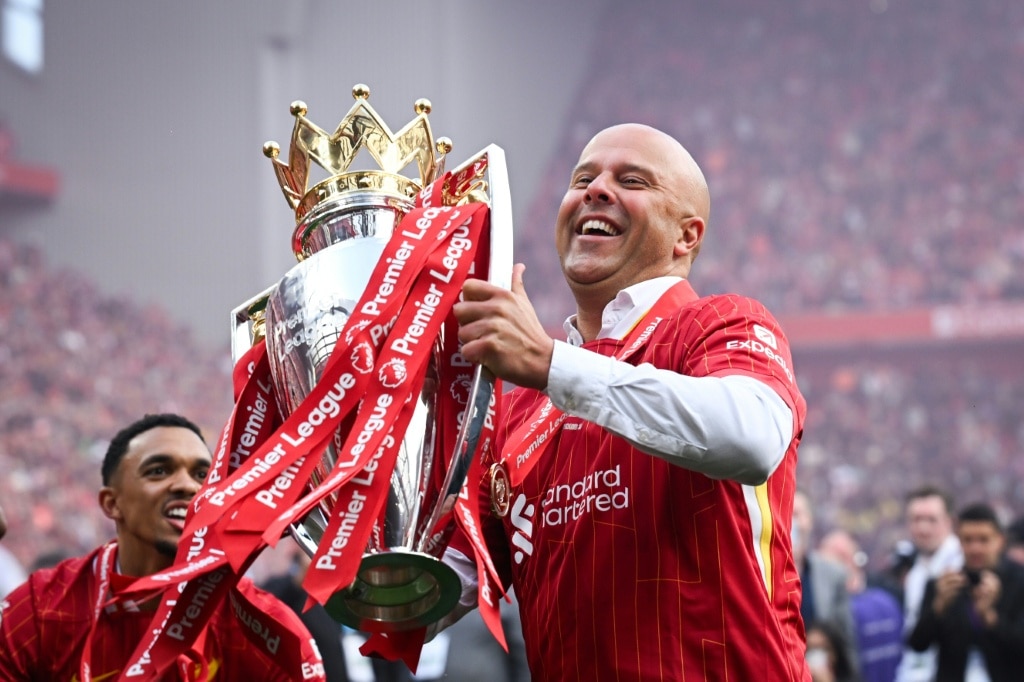
Liverpool sack Slot, Iraola in line to take over
Just 12 months after delivering a joint-record 20th English top-flight title in his sensational debut season at Anfield, Arne Slot has been dismissed as Liverpool manager following a catastrophic Premier League title defence that has left the Merseyside giants searching for a new strategic direction.
The club’s American ownership group Fenway Sports Group (FSG) confirmed the sacking in an official statement released on Saturday, capping weeks of mounting fan pressure and internal speculation over the Dutch manager’s future. The decision ends Slot’s 14-month tenure, which began with huge expectations as he stepped into the enormous shoes left by the departure of club legend Jurgen Klopp.
This season’s collapse has been one of the most dramatic in modern Premier League history. After splashing a league-record £450 million (approximately $605 million) on new transfers last summer, Liverpool finished a full 25 points adrift of new champions Arsenal, landing in fifth place in the final table. The club’s 60-point total was their lowest return since the 2015/16 campaign, marking a stark fall from grace just one season after lifting the trophy.
Slot’s second season at the helm was marred by multiple challenges beyond poor on-pitch results. Discontent among the playing squad spilled into public view earlier this month, when departing star Mohamed Salah posted an explosive message on social media calling for a return to Klopp’s famous “heavy metal football” — a thinly veiled criticism of Slot’s more conservative tactical approach. The post was quickly liked by multiple current Liverpool first-team players, confirming widespread reports of dressing room disharmony. Key summer signings also failed to deliver on their price tags: British record signing Alexander Isak spent much of the campaign sidelined with repeated fitness issues, while £100 million wunderkind Florian Wirtz struggled to adapt to the physical and tactical pace of the Premier League after moving from Bayer Leverkusen. Compounding these struggles, Slot was forced to navigate the devastating emotional blow of the death of fan-favourite forward Diogo Jota in a car accident last July.
Despite a late run of form that ultimately secured Liverpool a place in next season’s Champions League — which had previously led to reports that Slot would keep his job — FSG ultimately bowed to growing fan anger to remove the former Feyenoord manager. In its official statement, the club framed the decision as a necessary change of course, not a rejection of Slot’s personal ability.
“We have collectively come to the conclusion that change is necessary in order for the club to keep moving forward,” the statement read. “Again, it must be stressed that this is not a decision which has been reached lightly, anything but. The conclusion we have come to is built on a belief that the team’s trajectory is best addressed through a change of direction. That does not diminish the work Arne has done here, or the respect we have for him. Nor is it a reflection of his talents. Rather, it is indicative of the need for a different approach. Arne leaves with our gratitude, with a Premier League title to his name, and with the knowledge that he and his family will always be welcomed back at Anfield.”
FSG added that the hiring process for Slot’s replacement is already well underway. While a large section of Liverpool supporters have publicly pushed for the return of fan favourite Xabi Alonso, the former Reds midfielder has already agreed to take the head coaching role at Chelsea for the 2025/26 season, ruling out a return to Merseyside this summer.
Instead, the frontrunner for the job is outgoing Bournemouth manager Andoni Iraola, who is on track to become Slot’s permanent successor after a historic season with the Cherries. The Spanish manager led Bournemouth to a sixth-place Premier League finish and qualification for European competition for the first time in the club’s 125-year history, capping the campaign with an 18-match unbeaten run that saw the south coast club finish just three points behind Liverpool, despite operating with a far smaller playing budget. Iraola also has an existing working relationship with Liverpool sporting director Richard Hughes, who previously held the same role at Bournemouth before moving to Anfield.
The dismissal caps a turbulent season for one of English football’s biggest clubs, and sets the stage for a new era at Anfield as the ownership looks to reset the team’s trajectory ahead of the next campaign.
-
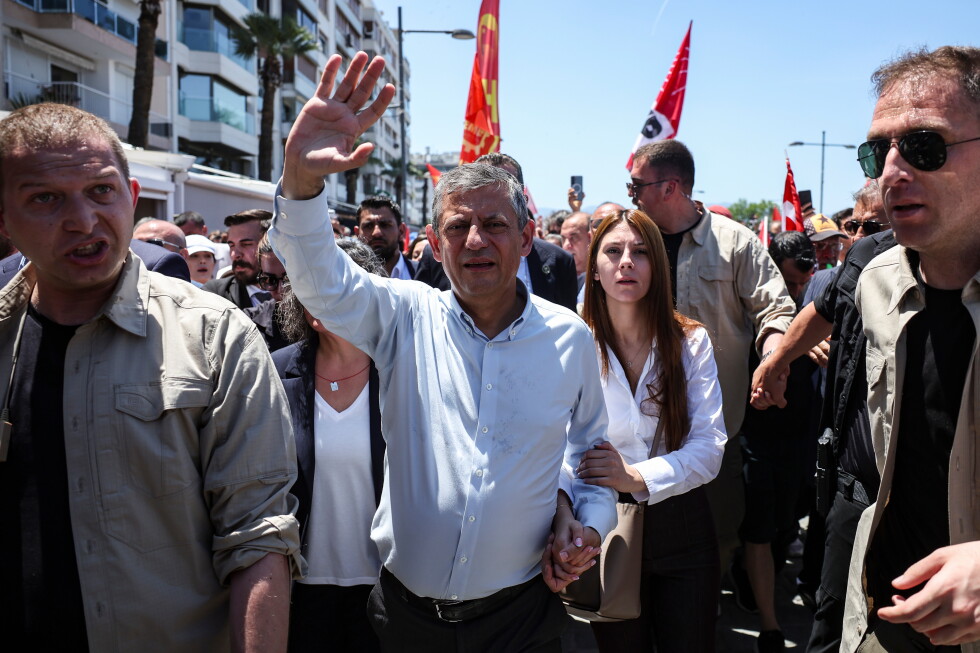
Tens of thousands march in support of Turkey’s deposed opposition leader
On a tense Saturday in Turkey’s capital Ankara, tens of thousands of supporters of the recently deposed leader of the country’s main opposition Republican People’s Party (CHP) took to the streets to protest a court ruling that removed him from office, escalating a political standoff that has already shaken the nation’s democratic landscape.
Ozgur Ozel, 51, who was formally elected to lead the CHP during a 2023 party congress, was ousted from his position via court order on May 21. The appellate ruling nullified the results of the 2023 congress vote, citing unproven allegations of procedural irregularities, and reinstalled Ozel’s 77-year-old predecessor Kemal Kilicdaroglu, who held the CHP leadership for 13 years of largely muted opposition to long-serving President Recep Tayyip Erdogan.
The demonstration began with a rally at Guven Park, located in central Ankara, where Ozel addressed the assembled crowd to condemn his ousting. He framed the court decision as nothing less than a deliberate power grab by the ruling government. “They are attempting to replace the CHP’s elected chairman and appoint a hand-picked trustee,” Ozel told his cheering supporters. “Today is the day to restart our march to power. I wish this were an internal party matter. This is not an internal matter for the CHP. This is a matter between Recep Tayyip Erdogan and the nation.”
Following the rally, Ozel led the crowd in an unplanned march to the mausoleum of Mustafa Kemal Ataturk, the founder of modern Turkey, a symbolic site widely tied to the nation’s secular and democratic founding principles.
Many political observers and opposition supporters widely view the court ruling as a politically motivated maneuver designed to weaken the CHP ahead of a potential early national election. Recent polling puts the CHP neck-and-neck with Erdogan’s ruling Justice and Development Party (AKP), and while the next scheduled general election is not set to take place until 2028, widespread speculation suggests Erdogan may call for a vote earlier to capitalize on current political momentum.
Ozel, who led the CHP to major gains in the 2024 municipal elections, solidified and expanded the party’s control of critical major cities including Istanbul and Ankara that the opposition first flipped in 2019, dealing a significant public rebuke to the AKP. The party’s most high-profile rising star, Istanbul mayor Ekrem Imamoglu, is widely seen as the strongest potential challenger to Erdogan, who has held Turkey’s presidency since 2003. However, Imamoglu has remained in prison since March 2024, facing a series of criminal charges that could result in decades of prison time if he is convicted. Supporters universally dismiss the charges as a fabricated political attack designed to remove Erdogan’s most formidable rival from the electoral landscape.
The ousting of Ozel is far from an isolated incident, Ozel argues: it is the latest in a sweeping pattern of legal pressure targeting the CHP and its members across the country. To date, hundreds of elected CHP officials and party activists have been detained, with most cases centered on unproven corruption allegations targeting municipalities run by the opposition. Last Sunday, just days before the mass march, Turkish police stormed CHP headquarters in Ankara to forcibly remove Ozel and his allies from the building.
In a striking parallel development on Saturday, Kilicdaroglu held a separate, rival gathering for his own supporters at the CHP headquarters, where he used the event to accuse the prior Ozel-led party administration of widespread corruption. Kilicdaroglu’s event drew a far smaller crowd than the mass march led by Ozel.
Turkish government officials have repeatedly pushed back against allegations of political interference in the judiciary, insisting that the country’s courts operate independently and free from political pressure. However, critics warn that the cumulative series of legal actions against opposition figures has eroded public trust in the impartiality of Turkey’s judicial system, deepening political polarization in the country ahead of what is already shaping up to be a contentious election cycle.
This political upheaval comes as the Turkish opposition holds unprecedented momentum after its strong showing in 2024 municipal elections, turning the conflict over the CHP leadership into a flashpoint for the broader struggle over the future of Turkish democracy.
-
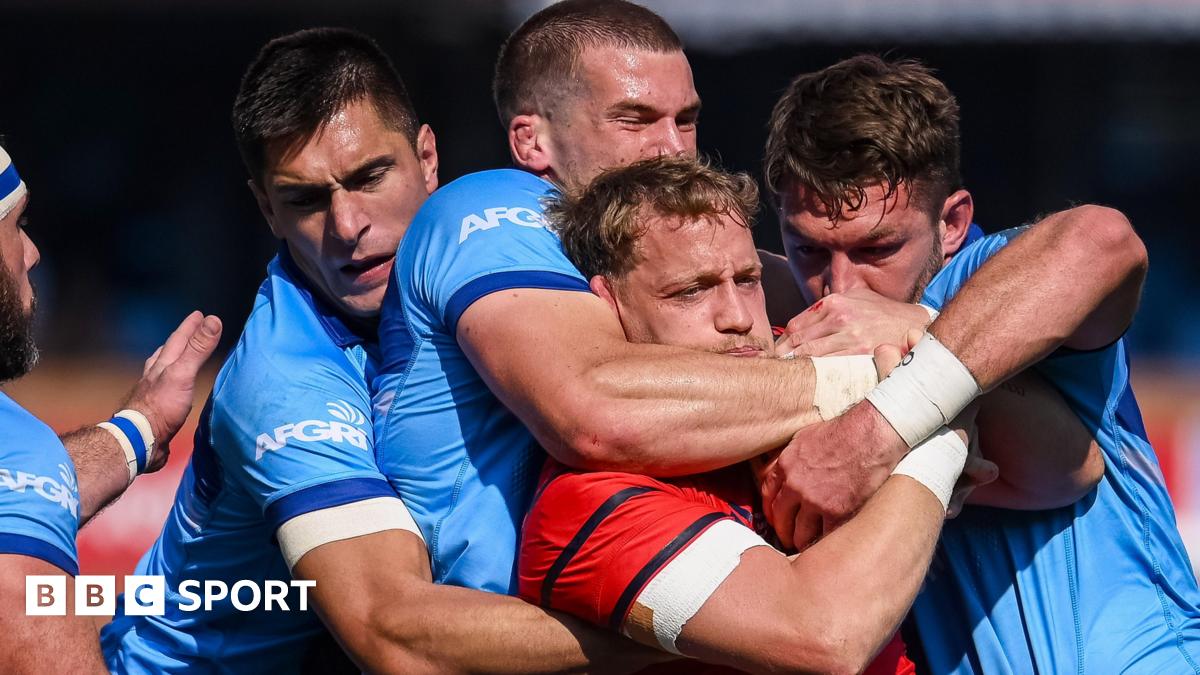
Bulls overpower Munster to reach URC semi-finals
South Africa’s Vodacom Bulls delivered a dominant, clinical display to end Munster’s 2025-26 United Rugby Championship title defense dreams, running out 45-14 winners in their Pretoria quarter-final clash on Saturday. The Springbok-stacked hosts crossed for six tries, marking their fifth consecutive progression to the tournament’s semi-final stage, where they will face Glasgow Warriors next week at Edinburgh’s Murrayfield Stadium.
The Bulls got off to a blistering start, putting points on the board twice within the opening 10 minutes. Scrum-half Embrose Papier notched the first try, followed by a score from star winger Kurt-Lee Arendse, set up by excellent build-up work from fullback Willie le Roux. Munster, already missing key first-team players including captain Tadhg Beirne and Ireland international fly-half Jack Crowley, suffered an early additional blow when lock Tom Ahern was forced off the field following a head injury assessment.
Despite the rocky opening, the Irish province fought back to stay in the contest. After a sustained period of pressure on the Bulls’ line, flanker Jack O’Donoghue crossed to put Munster on the board. Handre Pollard, the Bulls’ standout playmaker, extended the home side’s lead with a penalty shortly after, but center Alex Nankivell hit back for Munster with a well-finished try to bring the deficit back to just three points. Conversions from Jack Hanrahan on both tries kept Munster in touching distance.
However, the Bulls’ ruthless attacking quality proved too much for Munster to handle before the break. Johan Grobbelaar and Cameron Hanekom scored quick-fire tries to pull the home side out to a commanding 31-14 halftime advantage, leaving Munster with a steep mountain to climb in the second half.
Munster came out of the break pushing to claw back the deficit, but a pivotal intercept from Papier ended any realistic hopes of a comeback. The scrum-half raced clear to score his second try of the match, putting the result beyond doubt. Winger Stravino Jacobs put the final nail in the coffin with a well-taken finish in the corner from a rapid counter-attack, capping the scoreline at 45-14 with 20 minutes still left to play. The Bulls saw out the rest of the game comfortably to secure their semi-final berth.
For defending champion Munster, the defeat brings a disappointing end to their campaign. Head coach Clayton McMillan, who described the season as a “mixed bag” for the province, acknowledged the scale of the challenge facing his side in Pretoria. “We were under no illusions how tough it was to come here and we experienced that against a Bulls side that were just too classy for us,” McMillan told reporters after the match.
Refusing to cite the club’s growing injury list as an excuse, McMillan added: “We’ve got a number of bodies that are sitting at home but we never wanted to use that as an excuse and we won’t. A lot of guys got an opportunity because of that and they’ll learn an awful lot being in that kind of arena.”
Reflecting on the full season, the New Zealander noted Munster “lost our way a bit in the middle” after a strong opening to the campaign, but emphasized that the group would take learning from the defeat. “These are the challenges in rugby but it’s been enjoyable. I’ve enjoyed the grind of getting here. We didn’t get the result today but we’re a tight group and will learn from it.”
Pollard was flawless from the kicking tee for the Bulls, converting all six tries and slotting the opening penalty to finish with a personal haul of 15 points. The 2024-25 URC final runners-up will now travel to Murrayfield to take on Glasgow for a spot in the 2026 URC title decider.
-
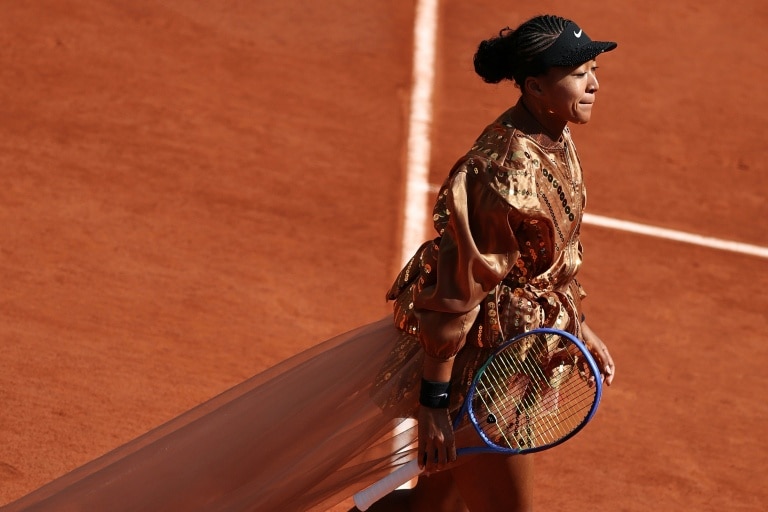
Glittering Osaka edges Jovic to prolong French Open run
The 2024 French Open delivered another tense, memorable chapter on Saturday, as four-time Grand Slam champion Naomi Osaka fought past 18-year-old American prospect Iva Jovic in a riveting three-set third-round clash to keep her dream of a Paris title alive. The 7-6(5), 6-7(3), 6-4 win marked the furthest Osaka has ever advanced at Roland Garros, extending a historic run that has already defied expectations for the 16th-seeded Japanese star.
Osaka once again turned heads before the first ball even landed on Court Suzanne Lenglen, making a typically dramatic entrance in a glittering gold outer ensemble: a sequined gold jacket paired with a flowing gold train, offset by soft pink tennis sneakers and a black branded visor. Once play began under the bright sun of Paris’ lingering late-season heatwave, she shed the outer layers to reveal a matching gold tennis dress that sparkled across the court, turning her pre-match entrance into one of the tournament’s most talked-about moments. When asked after the win whether more bold, themed outfits were waiting in her hotel wardrobe for upcoming matches, Osaka teased fans with a smile, saying only that every tournament appearance would bring a new surprise.
The match itself was a tightly contested battle of serves, with both players grabbing early breaks of serve in the opening set before locking in to force a first-set tiebreak. Osaka claimed the tight opening tiebreak to take the lead, but the 18-year-old Jovic refused to back down, stepping up her aggressive baseline play to force a second-set tiebreak that she won comfortably to level the match. The decider stayed on serve through the first nine games, before Osaka landed a series of aggressive returns to claim the decisive break in the 10th game, closing out the match when Jovic sent a forehand long on the first match point. Jovic opened the final game with a blistering 162kph ace, but crumbled under pressure from Osaka’s consistent, sharp returns, missing two shots into the net before the final errant shot that sealed Osaka’s spot in the fourth round.
Speaking to reporters after the match, Osaka highlighted her improved mental composure compared to her earlier matches at this year’s tournament, noting that she grows calmer the deeper she advances into a Grand Slam. The 28-year-old has claimed four Grand Slam singles titles to date — two Australian Opens and two US Opens — but had never advanced past the third round at Roland Garros before this year’s run. “It’s such an honour to be here,” Osaka said. “It’s the furthest I have ever been here.”
She also credited her consistent serve as the key to getting past the young, aggressive Jovic, who put heavy pressure on Osaka’s second serve throughout the match. “I am really glad it was working,” she said. “Against some players you need to put your serve in and she was very aggressive on my second serve.”
Osaka will now wait to learn her next opponent, who will be either world No. 1 Aryna Sabalenka or unseeded Australian Daria Kasatkina, who faced off in their third-round match later on Saturday.