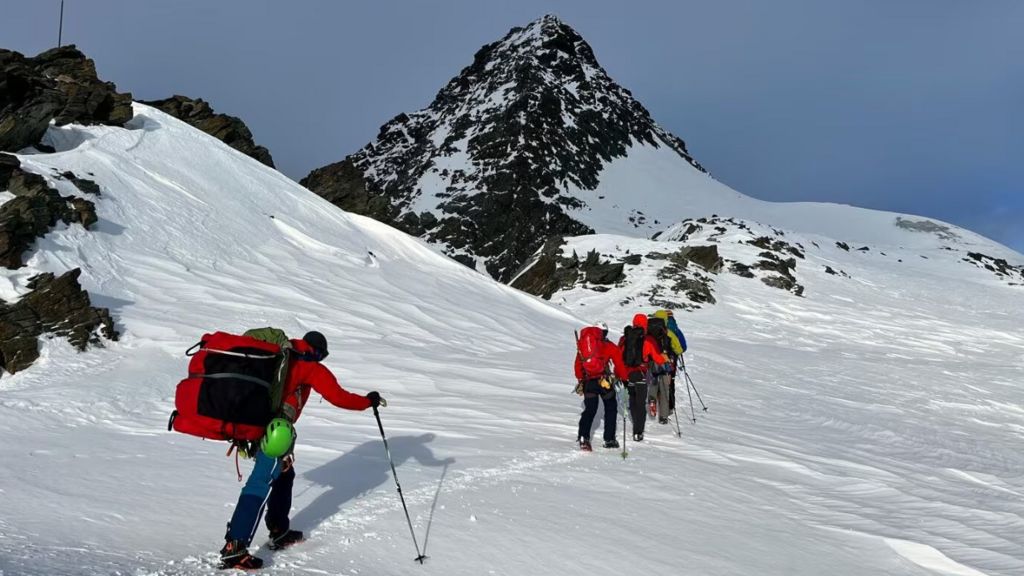
An Austrian court has delivered a groundbreaking verdict in a high-altitude manslaughter case that has captivated mountaineering communities worldwide. Thomas P., identified under Austrian privacy protocols, received a five-month suspended sentence and a €9,600 fine for gross negligent manslaughter following the tragic death of his partner Kerstin G. during a January 2025 winter ascent of Austria’s highest peak, the Grossglockner.
The judicial proceedings revealed disturbing details about the fateful expedition conducted under extreme conditions. Court evidence indicated temperatures plummeted to -8°C with wind chill reaching -20°C, accompanied by violent gusts exceeding 70 km/h. Presiding Judge Norbert Hofer, himself an experienced alpinist working with Tyrolean rescue teams, emphasized the dramatic skill disparity between the couple, noting Thomas P. was ‘light-years ahead’ in technical ability.
Critical testimony emerged from multiple sources during the trial. Mountain rescuers described discovering Kerstin’s body suspended inverted from a rock face, still wearing her backpack but without gloves, with her boots unfastened and eyes wide open. Prosecutors established that Thomas P., as the expedition’s de facto guide, failed to initiate retreat despite clear signs of distress or summon timely assistance when police helicopters circled overhead at approximately 22:30.
Compounding the prosecution’s case, former partner Andrea B. provided devastating testimony regarding Thomas P.’s prior behavior on the same mountain in 2023. She recounted being abandoned during critical stages of their climb while experiencing dizziness and equipment failure, leaving her ‘crying and screaming’ in isolation.
The defense maintained that Kerstin was an willing participant who understood the risks, with attorney Kurt Jelinik characterizing the situation as unexpectedly severe. Thomas P. expressed profound remorse while maintaining his innocence, insisting they had mutually planned the ascent and that Kerstin had ultimately urged him to continue alone for help.
This precedent-setting case has ignited intense international debate regarding criminal liability in extreme sports, particularly concerning the ethical responsibilities of experienced climbers toward less-capable partners. The verdict remains subject to appeal amidst ongoing discussions about risk assessment and accountability in mountaineering culture.