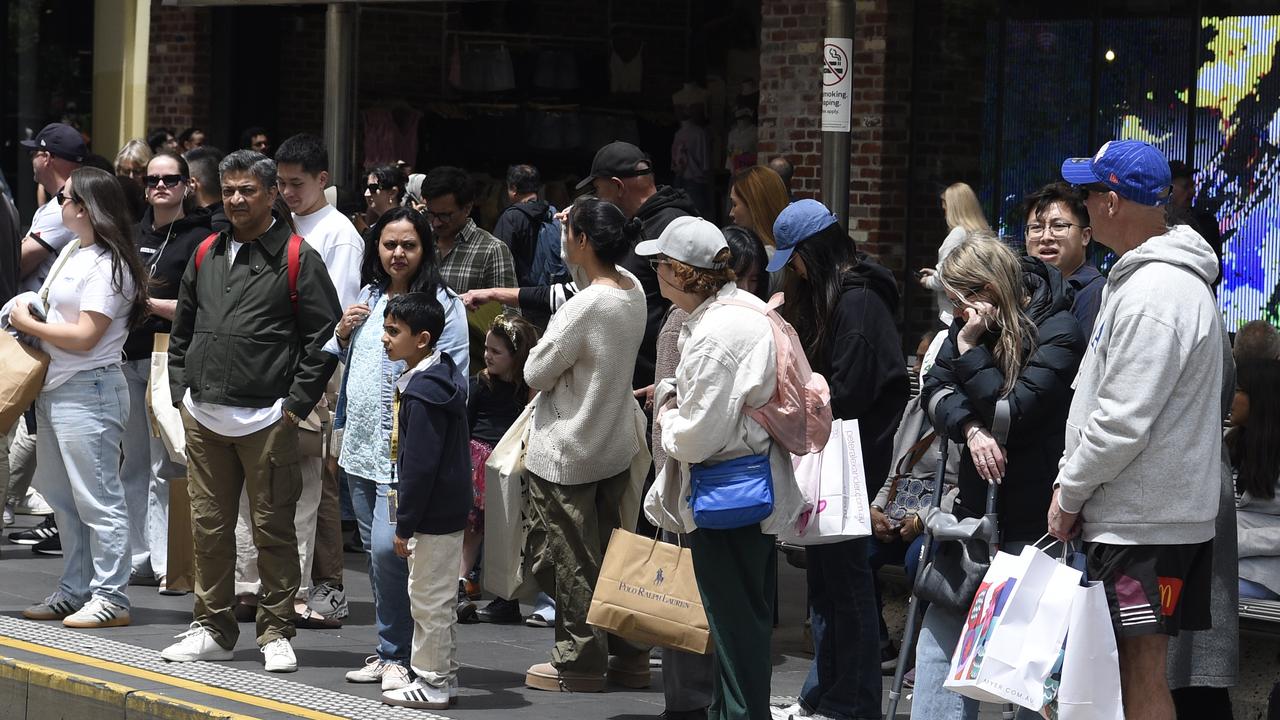
Australia faces a significant demographic measurement discrepancy that may indicate an uncounted population exceeding one million residents, according to Sustainable Population Australia (SPA). This statistical anomaly stems from methodological gaps in how official population figures are calculated, potentially masking substantial pressure on national infrastructure and housing resources.
The core measurement issue revolves around residency definitions utilized by the Australian Bureau of Statistics. Current methodology only incorporates individuals who have remained in Australia for 12 months within the preceding 16-month period. This framework systematically excludes substantial demographic segments including international students, backpackers on working holidays, and skilled temporary workers who frequently rotate through Australia’s migration system.
SPA National President Peter Strachan criticized the outdated statistical approach, noting that “Australia has a measurement problem when it comes to population.” He illustrated the conceptual flaw by comparing it to Las Vegas planners ignoring the infrastructure demands of 42 million annual visitors despite having a permanent population of just 642,000 residents.
The population accounting controversy emerges alongside newly released projections from The Centre for Population indicating Australia will surpass 28 million residents within six months. These official figures show a declining growth rate of 1.3% – a record low attributed to reduced migration and fertility rates. Offsetting these trends is increasing life expectancy, with projections indicating women will live to 87.1 years and men to 83.4 years by 2035-2036.
SPA spokesperson Erin Rolandsen asserted that “after accounting for visa duration and residency definitions, there are over one million people who are physically present but not captured” in official statistics. She directly linked measurement deficiencies to practical consequences: “Housing shortages, infrastructure bottlenecks and hospital congestion are not simply due to a failure to forecast demand. They are the result of measurement problems that have failed to consider the impact of those who are already here.”
Treasurer Jim Chalmers acknowledged Australia’s changing demographics while defending government efforts, stating the Centre for Population helps “inform decisions that would build a stronger economy and lift living standards.” He referenced progress in housing construction, migration system reforms, skills investment, and cost-of-living measures while conceding “the job is far from over.”