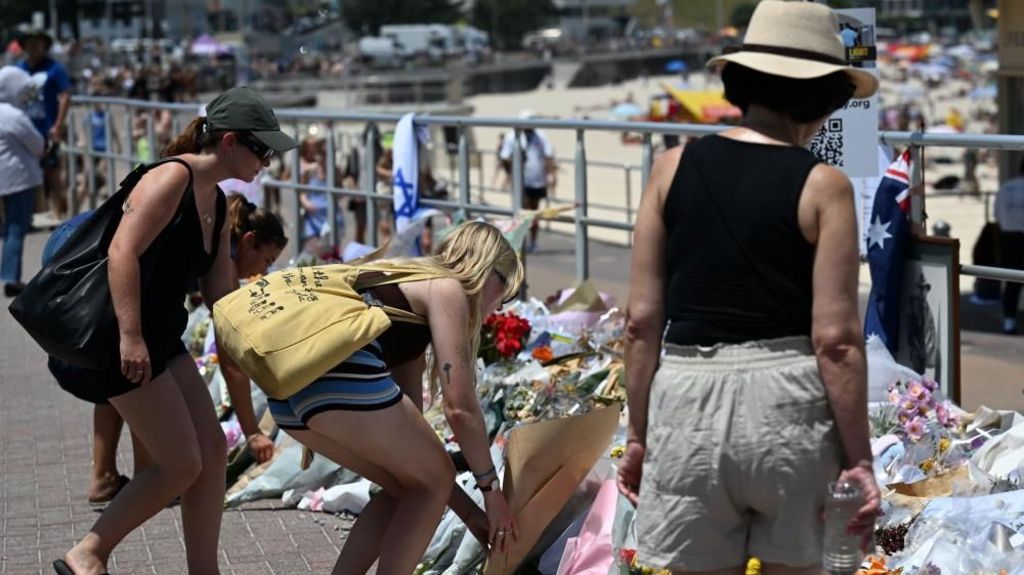
In a solemn national response to the devastating Bondi Beach terrorist attack, Australian Prime Minister Anthony Albanese has initiated a comprehensive review of national security protocols and intelligence operations. The December 14th shooting, which claimed 15 lives at a Jewish festival, has prompted what Albanese described as necessary adjustments to Australia’s counterterrorism framework in an evolving threat landscape.
The government’s security assessment, scheduled for completion by April 2026, will evaluate the operational capacities of federal law enforcement and intelligence agencies. This examination will determine whether existing structures, authority boundaries, and information-sharing mechanisms adequately protect citizens from extremist violence. Simultaneously, legislative measures are advancing to strengthen firearm regulations and address hate speech proliferation.
On the one-week anniversary of the tragedy, Australia observed a national day of reflection marked by memorial services and vigils. At precisely 18:47 local time, the nation paused for a moment of silence commemorating the exact time the attack commenced. The Bondi community hosted commemorative events, including a gathering organized by the National Council of Jewish Women Australia where attendees wore white symbolizing peace.
Despite heightened security presence, Bondi Beach witnessed the gradual return of daily routines as surfers, swimmers, and families demonstrated collective resilience. The resumption of children’s surf training programs—affectionately called ‘nippers’—signaled the community’s determination to reclaim public spaces. North Bondi Surf Life Saving president Steve Larnach confirmed that consultation with Jewish community leaders preceded the decision to continue activities, receiving their full endorsement.
First responders from the surf lifesaving corps were acknowledged for their heroic actions during the attack, with one member photographed sprinting across the beach with medical equipment. Local resident Geraldine Nordfelft articulated the prevailing sentiment: ‘The beach represents the Australian way of life. We must return to our routines without allowing fear to prevail.’
The alleged perpetrators, identified as a father-son duo inspired by Islamic State ideology, resulted in 59 criminal charges against 24-year-old Naveed Akram, including multiple murder counts and terrorism offenses. His father died during the incident. This tragedy represents Australia’s deadliest mass shooting in nearly three decades, triggering nationwide evaluations of public safety, community cohesion, and counterextremism strategies.