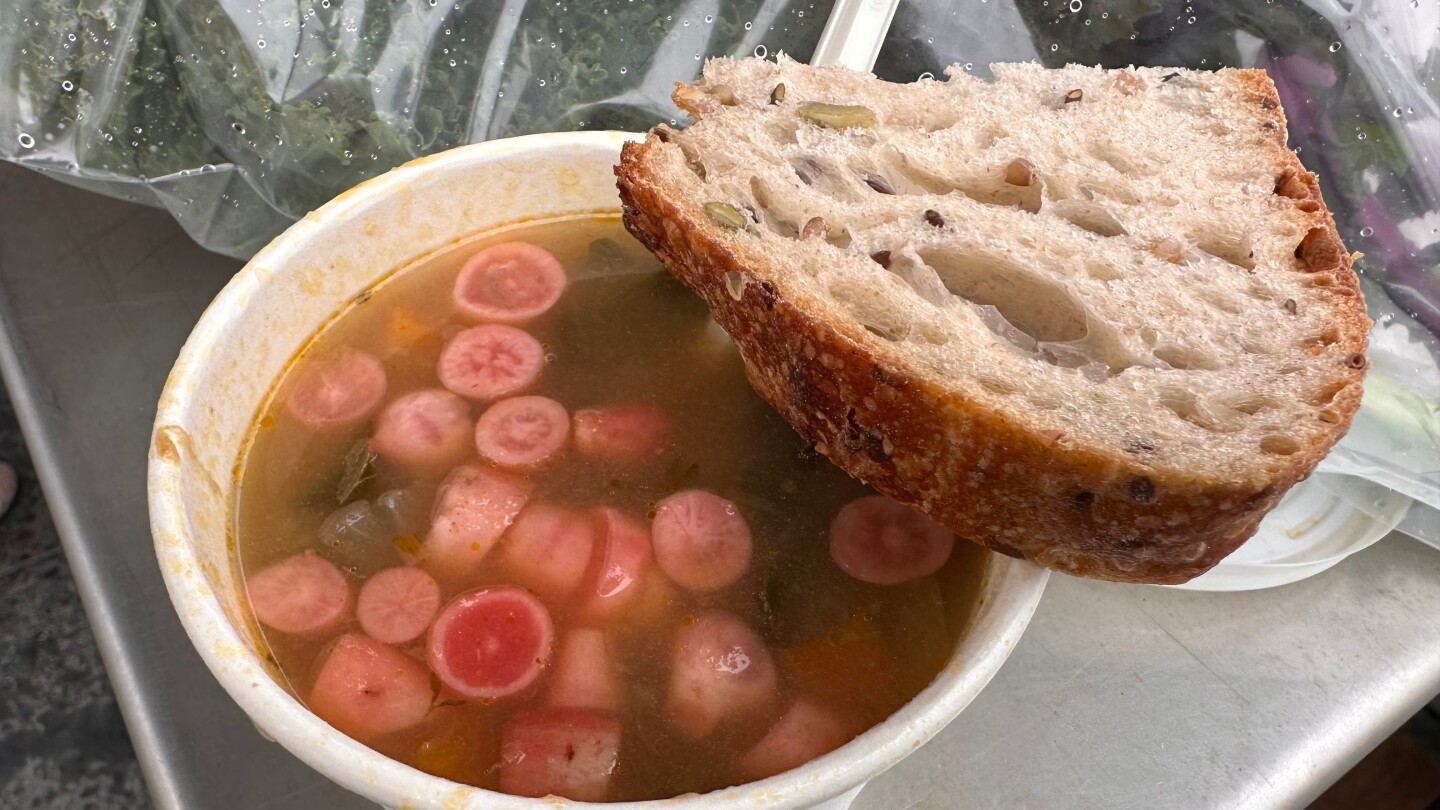
In the windswept Faroe Islands, a small farmers’ market in the capital of Torshavn stands as a testament to the challenges and aspirations of local food production. Known for their harsh climate and poor soil, the islands have long relied on imported goods, with most products bearing the stamp of Denmark, under which the Faroe Islands are self-governing. However, a growing movement is emerging to reduce this dependency and promote locally grown and produced food.
Despite the unforgiving conditions, residents are experimenting with hardy crops like kale and cabbage, while traditional staples such as potatoes and rhubarb remain prevalent. The market, part of the Matkovin project, aims to highlight local producers and their efforts to cultivate a sustainable food culture. Products range from fermented meats and fish to seaweed, all influenced by the islands’ unique environment.
Yet, the reality of food security remains a pressing concern. The COVID-19 pandemic and a recent labor strike in May 2024 exposed vulnerabilities in the supply chain, prompting discussions about self-sufficiency. While initiatives like Veltan are working to expand greenhouse farming, the majority of food is still imported, and local producers often remain invisible in the broader market.
The Michelin-starred restaurant Paz exemplifies the islands’ culinary potential, offering a tasting menu that celebrates local seafood and traditional fermentation methods. However, the journey toward food independence is far from complete. Even in Klaksvik, the islands’ second-largest community, a server at a steakhouse revealed that their lamb was sourced from New Zealand.
As the Faroe Islands navigate these challenges, the farmers’ market serves as a symbol of resilience and a growing pride in their unique food culture, shaped by remoteness and the harsh North Atlantic environment.