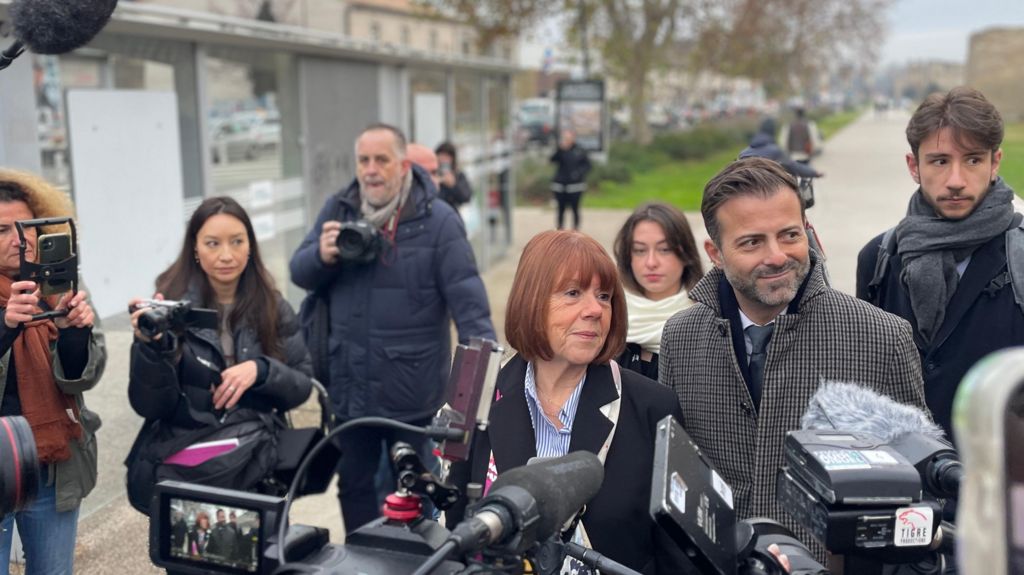
Gisèle Pelicot, a French woman who endured years of horrific abuse orchestrated by her husband, is set to return to court in Nîmes to face one of her attackers. This man is the sole individual appealing the verdict from last year’s trial, which saw 51 men convicted of raping Pelicot while she was drugged and unconscious in her own home. Her decision to waive her right to anonymity and publicly confront her attackers was initially hailed as a turning point in France’s fight against sexual violence. However, the optimism surrounding her case appears to be fading. In Mazan, the picturesque town where Pelicot and her husband once lived, locals express frustration over the town’s association with the infamous trial. One man even threatened a journalist, demanding they leave and stop discussing the case. Mayor Louis Bonnet has described Pelicot’s ordeal as a “private matter” unrelated to the town, a stance that has drawn criticism. While some, like 68-year-old Aurore Baralier, believe Pelicot’s case has empowered women to speak out, others, such as a 33-year-old civil servant named Aurélie, argue that little has changed. Aurélie revealed that domestic violence remains hidden, with women too afraid to come forward. Across France, the Pelicot case has undeniably amplified conversations about sexual violence, particularly in the wake of the MeToo movement. Complaints of rape have tripled, signaling a shift in victims’ willingness to seek justice. Yet, activists and experts argue that systemic issues persist. Conviction rates remain stagnant, and rape culture continues to thrive, exacerbated by the rise of masculinist movements and deep-fake pornography. The French government has defended its efforts, citing increased funding for combating sexual violence. However, a Senate report criticized the lack of a strategic approach, and the Council of Europe has condemned France’s failure to adequately protect women. While occasional stories, like the arrest of a man in Dijon for drugging his wife, offer glimmers of hope, the broader picture remains bleak. Lawyer Elodie Tuaillon-Hibon, who has been involved in high-profile cases, including that of actor Gérard Depardieu, remains skeptical. She likens sexual violence in France to a “war waged against women and children every day” and emphasizes that meaningful change requires a serious commitment to public policy. As Pelicot prepares to face her attacker once more, her case serves as a stark reminder of the long road ahead in the fight against sexual violence in France.
As Gisèle Pelicot faces one of her rapists in court, what has changed in France?