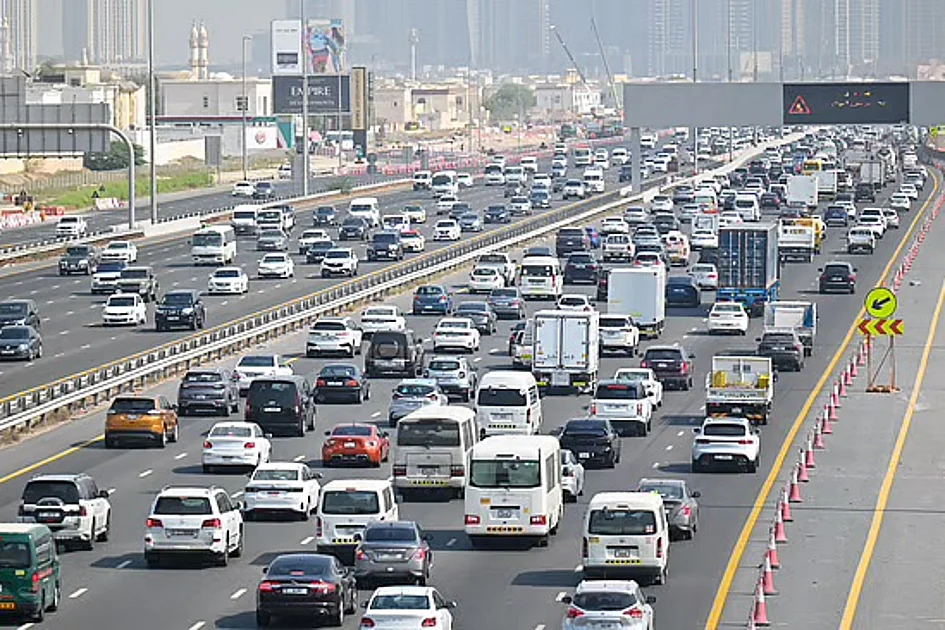
Dubai’s notorious traffic congestion is overwhelmingly fueled by economic activity rather than leisure travel, according to a comprehensive analysis by UAE traffic expert Dr. Mustafa Aldah. The specialist reveals that approximately 90% of vehicular movement stems directly from workplace commutes, commercial operations, and educational transportation needs.
The urban planning phenomenon demonstrates how Dubai’s evolution into multiple population centers has created significant distance between residential areas and employment hubs. With most companies not providing onsite accommodation, thousands of residents undertake lengthy daily journeys across the metropolis.
Dr. Aldah presented a compelling case study highlighting how transportation choices dramatically impact road capacity. A school with 1,000 students requires approximately 20 buses if using organized transport, but generates 1,000 individual vehicles when parents provide transportation – creating a 50-fold increase in road space consumption.
Infrastructure limitations compound the problem, with roads designed for specific hourly vehicle capacities. Once these thresholds are exceeded, traffic flow deteriorates rapidly. The expert also identified discrepancies between projected traffic impact studies for new developments and actual congestion levels post-completion.
As Dubai continues its expansion, understanding these core congestion drivers becomes crucial for developing effective transportation strategies. The findings suggest that solutions must address fundamental patterns of work-related mobility rather than peripheral leisure travel to achieve meaningful traffic reduction.