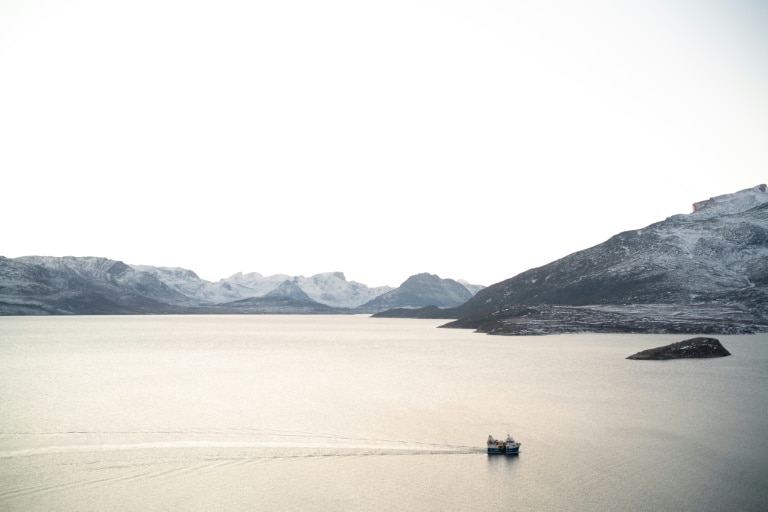
The Arctic’s frozen expanse is rapidly diminishing, with current data indicating one of the smallest winter ice formations ever recorded. According to an analysis of information from the U.S. National Snow and Ice Data Center (NSIDC), the maximum sea ice coverage reached approximately 14.22 million square kilometers on March 10. This measurement positions the current ice extent among the five smallest winter peaks documented since satellite monitoring began over four decades ago, potentially surpassing last year’s record low of 14.31 million square kilometers.
Scientific experts confirm this alarming trend. Samantha Burgess, climate strategic lead at the European Centre for Medium-Range Weather Forecasts, and Gilles Garric, polar oceanographer at France’s Mercator Ocean Toulouse, both anticipate this year’s ice minimum will rank among the most severe recorded. The Arctic region is experiencing warming at three to four times the global average rate, driving what researchers describe as an accelerating environmental crisis.
The implications extend beyond environmental concerns to geopolitical dimensions. Elizabeth Chalecki, climate change and security expert at Canada’s Balsillie School of International Affairs, notes that melting ice is transforming the Arctic into a new Mediterranean—a contested maritime space surrounded by competing nations. Russia is already increasing its economic and military presence along the Northern Sea Route, while the United States and Canada face pressure to respond to these developments.
Environmental consequences are equally significant. Shrinking sea ice threatens entire ecosystems, endangering species like polar bears and emperor penguins that depend on frozen habitats for breeding and feeding. While melting sea ice doesn’t directly raise ocean levels, its disappearance reduces the planet’s albedo effect—where dark ocean water absorbs more sunlight than reflective ice, accelerating global warming.
Researchers warn that without immediate action to reduce fossil fuel emissions, the world approaches irreversible tipping points. The combination of rising greenhouse gas emissions and the potential return of the El Niño weather phenomenon later this year could push global temperatures to unprecedented levels, with the Arctic serving as the frontline of planetary climate change.