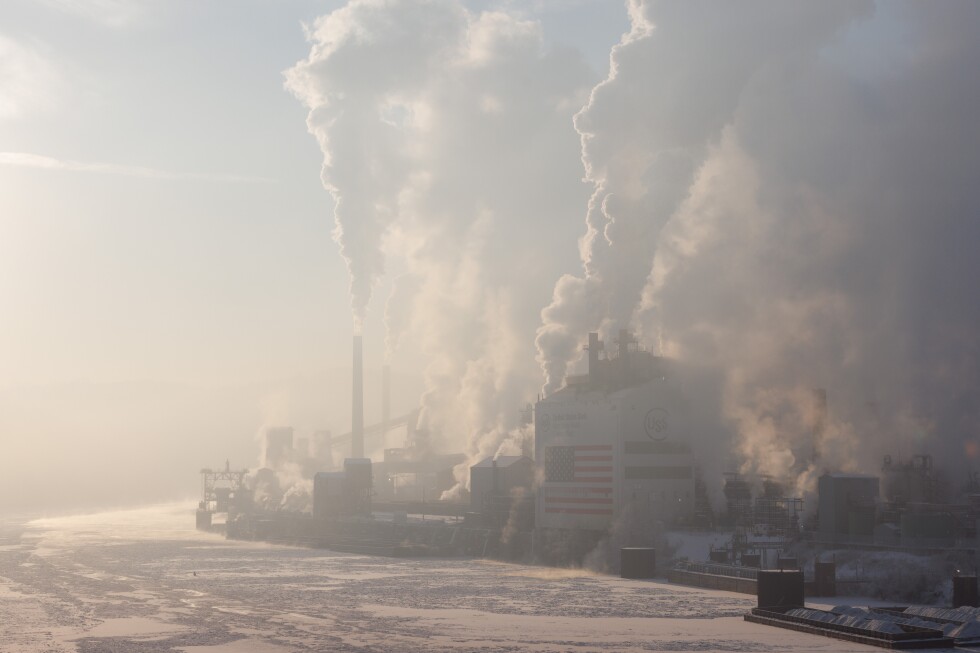
A catastrophic explosion at U.S. Steel’s Clairton Coke Works on August 11, 2025, has revealed deep-seated safety failures and environmental concerns at America’s largest coking facility. The blast, which killed two workers and injured eleven others, occurred during a valve replacement procedure when workers used high-pressure water against established protocols, causing a critical valve failure and subsequent ignition of combustible coke oven gas.
The incident represents the latest in a troubling pattern of accidents at the aging Pennsylvania facility, which has recorded multiple fatalities and injuries over the past decade. Current and former employees describe a culture of deferred maintenance and cost-cutting measures that have compromised both worker safety and environmental compliance.
Federal investigators from the Chemical Safety Board have identified “potentially unmitigated hazards” at the plant and recommended immediate safety evaluations. The explosion occurred just months after Nippon Steel’s $15 billion acquisition of U.S. Steel, raising questions about the Japanese company’s commitment to addressing systemic issues at the facility.
Environmental regulators have long struggled with the plant’s pollution record. Clairton Coke Works ranks among the nation’s worst Clean Air Act violators, having faced over $10 million in penalties during the past five years alone. The facility remains a significant source of particulate matter and carcinogenic benzene emissions despite ongoing regulatory battles.
Workers like Don Furko, a 25-year veteran steelworker, describe lasting trauma from the explosion. “Nothing has affected me like this has,” Furko stated, echoing concerns about the plant’s safety culture despite corporate assurances.
While U.S. Steel maintains its commitment to safety and environmental compliance, citing $100 million annual investment in environmental measures at Clairton, employees report continued concerns about maintenance priorities and operational safety. The future of the facility remains uncertain as Nippon Steel determines its investment strategy for the newly acquired American operations.