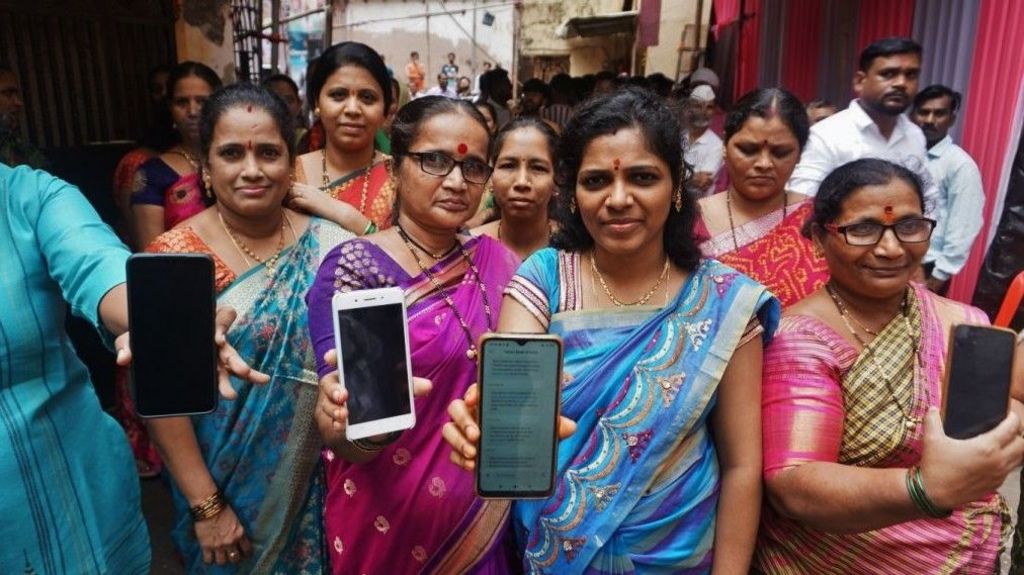
Across India’s diverse states, a transformative social experiment is quietly unfolding as millions of women receive direct cash transfers without conditions—marking one of the world’s most extensive yet understudied welfare initiatives. From Maharashtra to Tamil Nadu, approximately 118 million women now receive monthly payments ranging from 1,000 to 2,500 rupees ($12-$30), representing a fundamental shift in India’s approach to social welfare.
Unlike traditional conditional programs in countries like Mexico or Brazil, India’s approach imposes no requirements regarding school attendance or poverty status. The money arrives simply because women sustain households, bear the burden of unpaid care work, and constitute an electoral bloc too significant to overlook. Eligibility criteria vary by state, typically incorporating age thresholds, income caps, and exclusions for families with government employees or certain assets.
The political dimension has become unmistakable. In Bihar, the government transferred 10,000 rupees to 7.5 million female accounts ahead of recent elections, resulting in heightened female voter turnout that secured a landslide victory for the ruling coalition. While critics decry the practice as blatant vote-buying, the strategy has proven effective across multiple states including Jharkhand, Odisha, and Andhra Pradesh.
Financial implications are substantial: twelve states will allocate approximately $18 billion to these programs this fiscal year, with half facing revenue deficits according to PRS Legislative Research. Despite fiscal pressures, the programs continue expanding, with Maharashtra alone promising benefits for 25 million women.
Research reveals nuanced outcomes. A 2023 West Bengal survey found 90% of recipients operated their own accounts and 86% controlled spending decisions, primarily allocating funds to food, education, and medical expenses. In Tamil Nadu, women reported reduced marital conflict and increased confidence, while Karnataka beneficiaries noted improved nutrition and greater household decision-making power.
Notably, studies by Professor Prabha Kotiswaran of King’s College London found no evidence that transfers discourage women from seeking paid work or reinforce gender stereotypes—two primary concerns among feminist critics. However, the payments haven’t reduced women’s unpaid workload either, which remains disproportionately high at nearly five hours daily compared to men’s 1.5 hours.
The emerging consensus suggests these transfers provide financial autonomy and dignity without being transformative. As Professor Kotiswaran notes: ‘They are neither panacea nor poison—they are useful but limited tools operating in a patriarchal society where cash alone cannot undo structural inequities.’
The future trajectory hinges on improved program design: simplifying eligibility rules, maintaining unconditional status, enhancing financial literacy, and coupling transfers with messaging about recognizing unpaid work’s value. Ultimately, India must decide whether these payments will become genuine empowerment tools or merely a new form of political patronage.