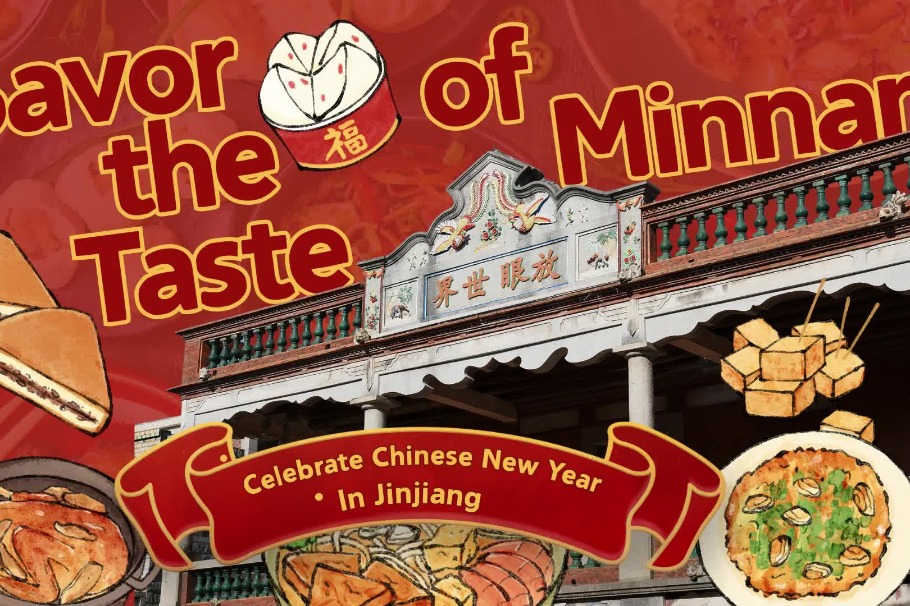
In the heart of Fujian province, the city of Jinjiang transforms into a vibrant tapestry of culinary tradition during the Spring Festival season. The air becomes imbued with aromatic whispers of reunion, as generations gather to celebrate with time-honored delicacies that define the Minnan cultural identity.
Beyond mere sustenance, these traditional foods serve as edible monuments to heritage. Steamed rice cake (wangao) emerges as a symbolic centerpiece, representing prosperity and elevation. Pan-fried oysters in scrambled egg (hailijian) brings coastal abundance to the festive table, while four-herb old duck soup offers medicinal balance according to traditional Chinese principles. The robust flavors of beef steak noodles provide substantial comfort, and sweet peanut soup concludes feasts with nostalgic simplicity.
These culinary traditions are deeply rooted in the Minnan people’s historical narrative of perseverance and determination—qualities that shaped their migration patterns and cultural resilience. Jinjiang’s approach to the Spring Festival demonstrates how food functions as both cultural preservation and invitation. The city extends this culinary heritage to global visitors, offering immersive experiences into the Minnan way of life through taste, aroma, and communal celebration.
The preservation of these practices represents more than culinary tradition; it embodies the living memory of a people who maintain cultural continuity through intentional culinary practices. Each dish tells a story of geographical adaptation, historical development, and cultural values that have been refined across centuries.