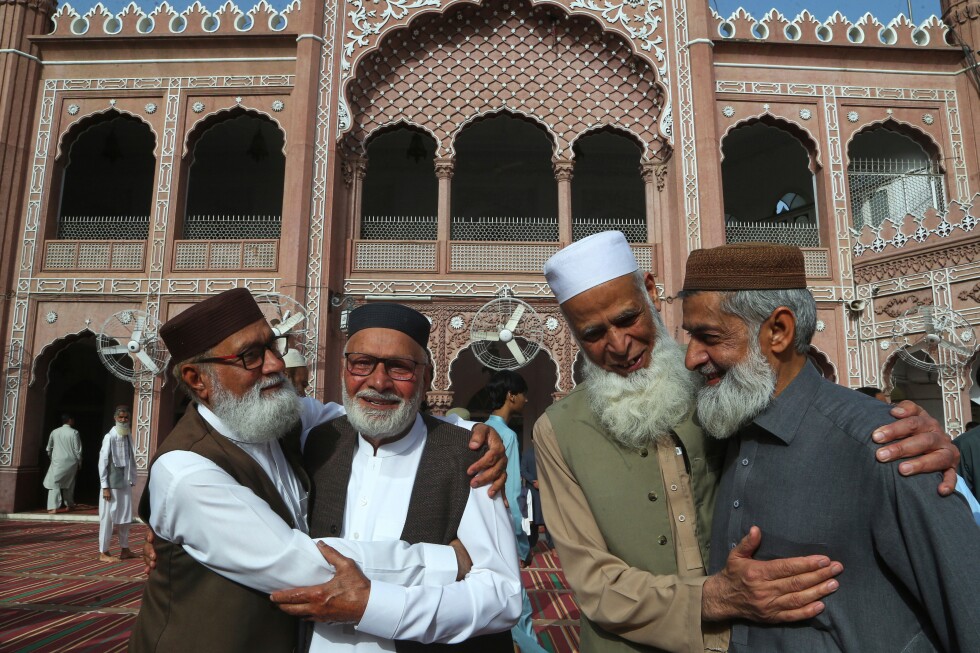
The Islamic holy month of Ramadan approaches, bringing with it a worldwide period of spiritual devotion and cultural celebration for observant Muslims. This sacred time, expected to commence around February 18-19, represents one of the Five Pillars of Islam and entails daily fasting from dawn to sunset as an act of religious submission and self-discipline.
Ramadan’s commencement traditionally depends on lunar sightings, with variations in start dates occurring across different countries and Muslim communities due to differing methodologies employed by Islamic authorities. This year, Ramadan coincides approximately with Ash Wednesday, marking a significant period of reflection for both Muslims and Christians simultaneously.
The fasting ritual requires complete abstinence from all food and drink, including water, during daylight hours. Muslims break their fast each evening with iftar meals, while consuming pre-dawn sustenance called suhoor to prepare for the daily fast. Beyond physical abstinence, Ramadan emphasizes increased worship, Quranic reading, charitable acts, and heightened spiritual contemplation.
Charity represents a fundamental aspect of the month, with many Muslims providing iftar meals for those in need through various initiatives including food distributions and communal dining. Exemptions from fasting apply to those experiencing illness or travel, with requirements to make up missed days later.
The cultural dimensions of Ramadan reveal the remarkable diversity within global Muslim communities. While religious observances remain consistent, social traditions vary significantly across regions. In Egypt, colorful lanterns and traditional Ramadan songs create a festive atmosphere, while in Indonesia, rituals range from Meugang slaughtering ceremonies in Aceh to symbolic river cleansing rituals in Tangerang.
In the United States, Muslim communities utilize mosque gatherings and interfaith iftar meals to foster communal bonds within their diverse demographic. Some concerns have emerged regarding the potential commercialization of Ramadan in certain regions, where elaborate decorations, television programming, and lavish banquets might overshadow the month’s spiritual essence. Nevertheless, many believers maintain that cultural traditions and religious devotion can harmoniously coexist during this sacred period.